
The Importance of Scheduled Maintenance for Your Vehicle
For business owners, a reliable vehicle isn’t just a luxury; it’s a lifeline that keeps operations running smoothly. Imagine your delivery truck breaking down unexpectedly or your service vehicle failing during crucial hours. Such scenarios not only lead to costly repairs but also jeopardize your bottom line and customer satisfaction. This is where the significance of scheduled maintenance comes into play-it’s not merely a routine; it’s an essential practice that can prevent those unforeseen breakdowns and extend the life of your vehicle.
Regular check-ups allow mechanics to identify and address minor issues before they escalate into major problems. According to industry experts, adhering to a structured maintenance schedule can save vehicle owners thousands of dollars per year in repairs and extend the lifespan of their vehicles. In fact, a study by the Automotive Maintenance and Repair Association shows that regular vehicle maintenance can increase the lifespan of cars by up to 30%.
Don’t wait for your vehicle to send you an alarming signal; be proactive about maintaining your assets. By prioritizing scheduled maintenance, you can ensure that your fleet operates at peak performance, reduce downtime, and maintain your competitive edge. To read more about how proper upkeep can save on gas expenses and overall maintenance costs, check out our guide on vehicle maintenance. Taking these simple steps today can help safeguard your business’s mobility tomorrow.
Common Scheduled Maintenance Services
Maintaining your vehicle is essential for its longevity and safe operation. Here’s a list of common scheduled maintenance services that business owners should expect during their vehicle maintenance:
- Oil Changes: Regular oil changes keep the engine well-lubricated, improving efficiency and performance.
- Tire Rotations: Rotating tires ensures even wear, extending their lifespan.
- Brake Inspections: Regular checks can prevent costly repairs and ensure safety by examining brake pads and rotors.
- Fluid Level Checks: Essential fluids, including brake and coolant, must be checked to ensure optimal performance.
- Battery Maintenance: Checking battery terminals, connections, and levels to avoid unexpected failures.
- Air Filter Replacement: Changing the engine air filter can enhance engine efficiency and prolong its life.
- Windshield Wiper Replacement: Keeping wipers in good condition ensures clear visibility during adverse weather.
- Spark Plug Replacement: Ensures efficient engine performance and fuel economy.
For a more in-depth understanding of vehicle maintenance, learn more about vehicle maintenance. Regular maintenance can significantly reduce hazards and associated costs for business owners, as it ensures vehicles operate smoothly and reliably.
Choosing the right service location for vehicle maintenance is critical for business owners, significantly influencing their operational success and customer satisfaction. The expertise of the service provider is paramount; a location staffed by highly skilled technicians ensures that vehicles receive quality maintenance, reducing the likelihood of comebacks or dissatisfaction. Equally important is the reputation of the maintenance shop-customers are more likely to trust establishments with positive reviews and a solid history of service reliability, implying that positive word-of-mouth can boost foot traffic and client retention.
Convenience also plays a vital role in this decision. Business owners should consider locations that are easily accessible, ideally within a short drive or near major traffic routes, to cater to the busy schedules of their clientele. A well-situated shop can save customers time, making them more likely to return for maintenance services. Furthermore, choosing a location with ample parking and space for service operations will enhance the overall operational efficiency.
Ultimately, selecting the right service location extends beyond the immediate practicalities; it manifests in customer loyalty and business growth. A strategic position attracts more customers, particularly if it is positioned near residential areas or commercial centers, where vehicle owners frequently travel. Therefore, a well-thought-out decision regarding service location is a foundational element that can set the stage for business success. For further insights on optimizing your service offerings, learn more about vehicle maintenance strategies.
User-Friendly Vehicle Maintenance Guidelines for Business Owners
Maintaining commercial vehicles is essential for business owners to ensure reliability, safety, and efficiency. Here are some key guidelines:
-
Create a Preventative Maintenance Schedule: Schedule regular oil changes (every 3,000 to 5,000 miles) and tire rotations (every 5,000 to 7,500 miles) to keep vehicles running smoothly.
-
Track Mileage and Service History: Utilize digital tools or apps to monitor vehicle usage and maintenance history, making it easier to manage servicing needs.
-
Conduct Routine Inspections: Perform regular visual checks for fluid leaks, tire wear, and brake issues to catch problems early.
-
Budget for Maintenance: Allocate funds specifically for vehicle maintenance to avoid unexpected costs.
-
Use Certified Mechanics: Ensure that repairs and services are performed by certified professionals to maintain quality and safety standards.
-
Implement Safety Features: Equip vehicles with safety features like tire pressure monitors and emergency kits to enhance safety.
For a detailed checklist on maintaining company vehicles, check out this simple checklist for business owners.

Additionally, refer to the best practices for fleet management to improve operational efficiency.
| Provider Name | Pricing (Standard Oil Change) | Services Offered | Hours of Operation | Customer Ratings |
|---|---|---|---|---|
| Jiffy Lube | $49 – $89 | Oil Changes, Brake Services, Tire Rotations | Mon-Sat: 7 AM – 8 PM, Sun: Closed | 4.6/5 |
| Meineke | $59 – $89 | Muffler Repair, Brake Services, Oil Changes | Mon-Sat: 8 AM – 7 PM, Sun: Closed | 4.5/5 |
| Firestone | $49 – $75 | Tire Services, Oil Changes, Suspension Repairs | Mon-Sat: 7 AM – 8 PM, Sun: Closed | 4.5/5 |
| National Tire | $59 – $79 | Tire Services, Oil Changes, Brake Repairs | Mon-Sat: 7 AM – 8 PM, Sun: Closed | 4.4/5 |
| Local Independent Shop | $45 – $70 | General Repairs, Oil Changes, Custom Services | Mon-Sat: 8 AM – 6 PM, Sun: Closed | 4.3/5 |
For more insights on vehicle maintenance, learn more here. Visit our vehicle tricks blog for tips and tricks about your vehicle.
Testimonials from Business Owners about Maintenance Providers
Hearing from others in the business world can provide valuable insights into the impact of vehicle maintenance providers. Here are some testimonials from business owners that highlight their experiences:
-
John D., Regional Delivery Fleet Owner (Texas): “After switching to a provider that offered predictive maintenance analytics, we saw a staggering 40% reduction in unscheduled downtime. The investment in reliable maintenance really paid off for our operations!”
Read more about his story here -
Sarah M., Logistics Company Owner (Illinois): “Partnering with a specialized maintenance provider allowed us to grow our fleet by 60% without adding staff. Their digital monitoring system drastically improved our vehicle reliability and reduced roadside breakdowns, helping us meet delivery timelines more effectively.”
Learn about similar cases here -
Mark R., Restaurant Franchise Owner: “Since moving our delivery van maintenance to a local shop, we’ve achieved 98% uptime. Their proactive inspection program and clear communication have made all the difference in our operations!”
Discover other testimonials here
These testimonials reveal that a strategic focus on maintenance not only enhances operational efficiency but also boosts profitability, reinforcing the idea that investing in quality maintenance providers is crucial for business success.
Scheduled Maintenance Frequency for Commercial Vehicles
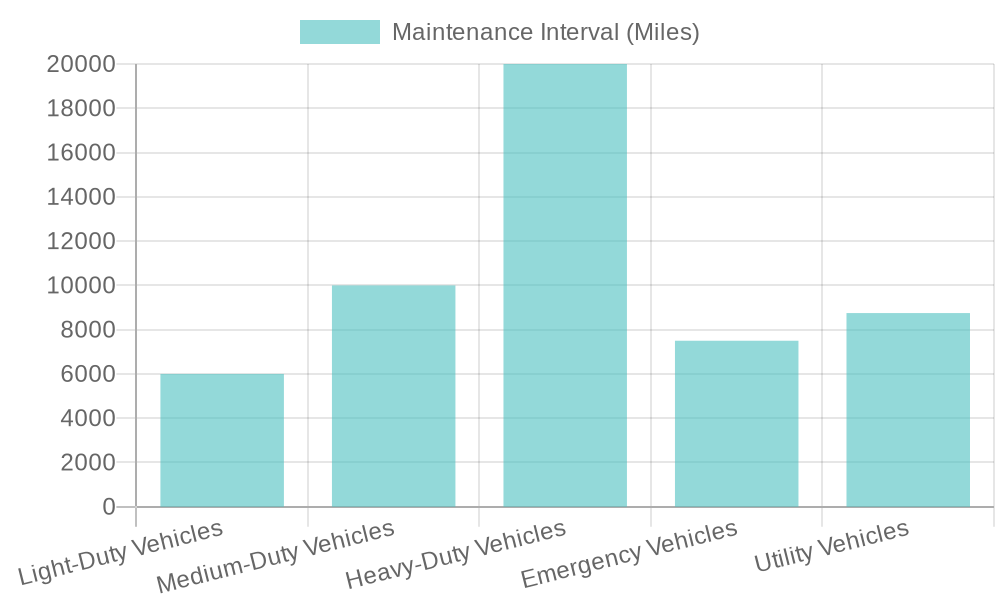
Regular scheduled maintenance is crucial for the longevity and performance of commercial vehicles. The type of vehicle and its intended use will determine how frequently these checks should occur. Here’s a breakdown of maintenance recommendations tailored to various types of commercial vehicles based on mileage and operational demands:
Light-Duty Vehicles
- Maintenance Interval: Every 6,000 miles
- Typically includes passenger vehicles and small vans used for deliveries or service.
Medium-Duty Vehicles
- Maintenance Interval: Every 10,000 miles
- Commonly service trucks and delivery vehicles; the frequency may vary depending on load capacity and usage conditions.
Heavy-Duty Vehicles
- Maintenance Interval: Every 20,000 miles
- These are large freight trucks that require thorough inspections, including checks on brakes, tires, and engine systems.
Emergency Vehicles (e.g., Fire Trucks, Police Cars)
- Maintenance Interval: Every 5,000-7,500 miles or based on operational needs
- Due to higher operational stress and safety requirements, these vehicles often undergo additional inspections for critical systems like lights and sirens.
Utility Vehicles (e.g., Utility Trucks, Bucket Trucks)
- Maintenance Interval: Every 7,500-10,000 miles
- More frequent checks are essential due to specialized equipment; regularly inspect hydraulic systems and tool storage components.
Visual Representation of Maintenance Intervals
Below is a visual representation highlighting the maintenance intervals for different vehicle types:
Understanding the necessary frequency of maintenance can prevent costly breakdowns and ensure that your vehicles operate efficiently. For detailed guidance, check out our articles on best practices for vehicle maintenance and how vehicle maintenance saves on gas expenses.
Cost vs Benefits of Scheduled Maintenance
Understanding the financial advantages of regular vehicle maintenance can be vital for business owners, especially in terms of cost savings and ensuring the longevity of their vehicles. Neglecting maintenance can lead to severe costs down the line, while investing in scheduled maintenance can prevent these expenses.
Here’s a chart illustrating the comparison between scheduled vehicle maintenance costs and the potential repair costs associated with neglecting maintenance:
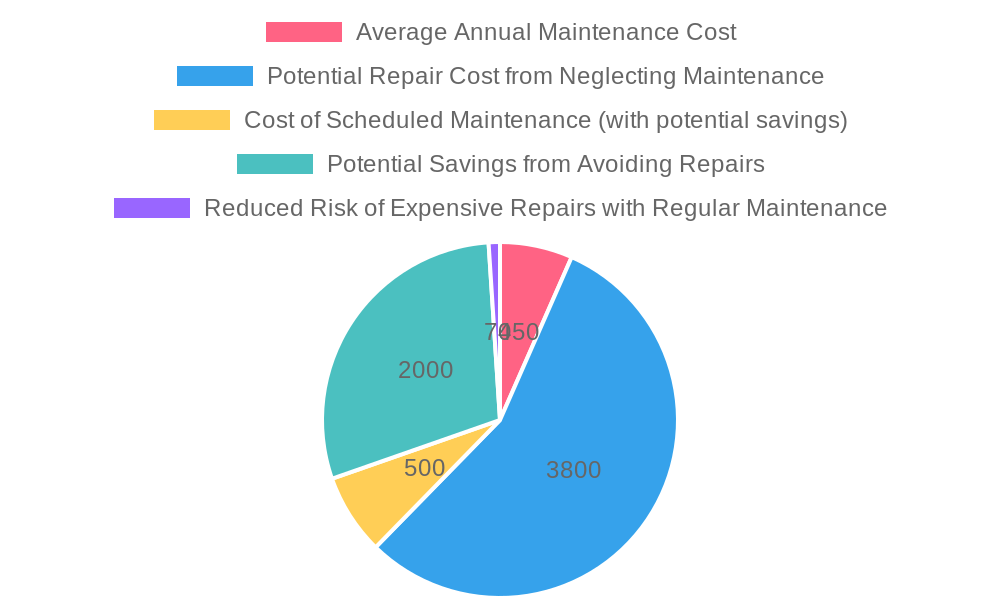
This chart highlights that:
- The average annual maintenance cost is approximately $450.
- The average potential repair cost due to neglecting maintenance can reach about $3,800.
- Investing around $500 annually in scheduled maintenance can prevent over $2,000 in unexpected repair costs.
- Regular maintenance reduces the risk of expensive repairs by about 70%.
For further insights on the importance of vehicle maintenance, you may want to learn more about vehicle maintenance costs and benefits or explore how vehicle maintenance can affect your fuel expenses in our guide.
In conclusion, maintaining your vehicle through scheduled services is not just an operational necessity; it is a strategic way to protect your investment and enhance your business’s reputation. As highlighted in various studies, regular vehicle maintenance helps prevent unexpected breakdowns, extends the lifespan of your assets, and ensures compliance with safety regulations. For business owners relying on fleets, the implications are significant: a well-maintained fleet can enhance operational efficiency and reduce costs associated with repairs and downtime. According to the National Institute for Automotive Service Excellence, businesses that adhere to strict maintenance schedules experience up to 30% fewer vehicle-related accidents, improving both productivity and customer satisfaction (ASE Insights).
Additionally, regular maintenance reflects your commitment to quality and reliability, essential traits that bolster your company’s brand image. Preventive measures can reduce repair costs by up to 40%, illustrating that it pays to be proactive rather than reactive (Fleet Owner). As you look for ways to manage your fleet effectively, we encourage you to explore Truck Pizza. They provide valuable resources and information tailored to meet the needs of pizza truck owners and operators. Investing in a reliable pizza truck service can boost your business operations and ensure your venture remains profitable and sustainable. Don’t hesitate-visit truckpizza.net today for your pizza truck needs and set your business up for success!