
For business owners relying on their Jeep Renegade, a no-start scenario paired with a locked brake can halt operations. This guide breaks down common causes and actionable solutions, from brake pedal switch failures to battery health and ignition concerns, helping you get back on the road quickly.
When the Brake Locks the Renegade: Diagnosing the Faulty Brake Pedal Switch in a No-Start Scenario
A Jeep Renegade that won’t start and a brake that feels seized can leave you stranded in a hurry. In many cases, the culprit isn’t a stubborn engine but a safety feature that has gone a little too quiet: the brake pedal switch. This small switch sits at the hinge of the ignition and the transmission interlock, telling the car that you’ve pressed the brake and that it’s safe to shift out of Park and allow the engine to cranks. When it misbehaves, the system can interpret the pedal travel incorrectly, locking the shifter and stopping the starter from engaging. It’s a frustrating loop, yet it’s one of the more common and solvable issues in the garage. Understanding how this switch works and how to test it can turn a mystery no-start into a straightforward fix, preserving time and avoiding more invasive replacements.
Think of the brake pedal switch as a tiny sentinel that bridges two critical safety domains: the starting circuit and the transmission interlock. When you press the brake, the switch completes a circuit that signals the transmission control module (TCM) that you intend to start the engine. If the switch fails, the signal either never reaches the TCM or arrives late, and the system stays locked in Park. On a Renegade, this is particularly noticeable because the same signal is used to energize the ignition in some model configurations and to release the shifter in others. The result is a twofold symptom: the engine refuses to start, and the shifter remains stubbornly stuck in Park. In practice, many drivers report that the brake lights themselves either fail to illuminate or glow when the pedal isn’t pressed, another telltale sign that the switch isn’t reading pedal travel correctly.
With that groundwork, the diagnostic journey becomes a matter of re-creating the pedal’s travel and watching the switch react. The first step is to verify whether the brake lights behave as expected. If the brake lights don’t come on when you press the pedal, or they stay on when you’re not pressing, the switch is likely out of alignment or failing altogether. This is not merely a cosmetic symptom; it points to the electrical signal that tells the starter interlock to release. A misaligned or malfunctioning switch can prevent the starter from receiving the green light it needs to crank the engine, even if the battery is healthy and the ignition system is otherwise sound. Conversely, if the lights behave correctly, the fault may lie deeper in the wiring, the connector, or the internal contacts of the switch itself.
Locating the brake pedal switch is usually straightforward, though the exact mounting can vary by year and trim. It sits near the brake pedal arm, connected to a small plunger that is depressed when you press the pedal. The first physical check is to inspect for corrosion, frayed wiring, or a loose connector at the switch harness. A switch that has endured years of pedal travel can accumulate grime or wear the plunger so that it no longer detects full depression. In some cases, the problem is simply that the switch has shifted slightly from its intended position—perhaps from a rough road, a loose mounting bracket, or a previous repair. A simple readjustment can restore proper detection without replacing the part.
Adjustment often proves to be a cost-effective, low-risk fix. The process generally involves loosening the mounting screws just enough to slide the switch along its mounting surface, then pressing the brake pedal to re-seat the switch in the point where the signal changes state precisely as the pedal is fully pressed. After repositioning, you test by both observing the brake lights and attempting a start. If the engine cranks and the shifter unlocks when the pedal is pressed, the job is done. If not, you may need to fine-tune again, or you might have a more persistent issue such as a worn plunger or inner contact damage, which would call for a replacement.
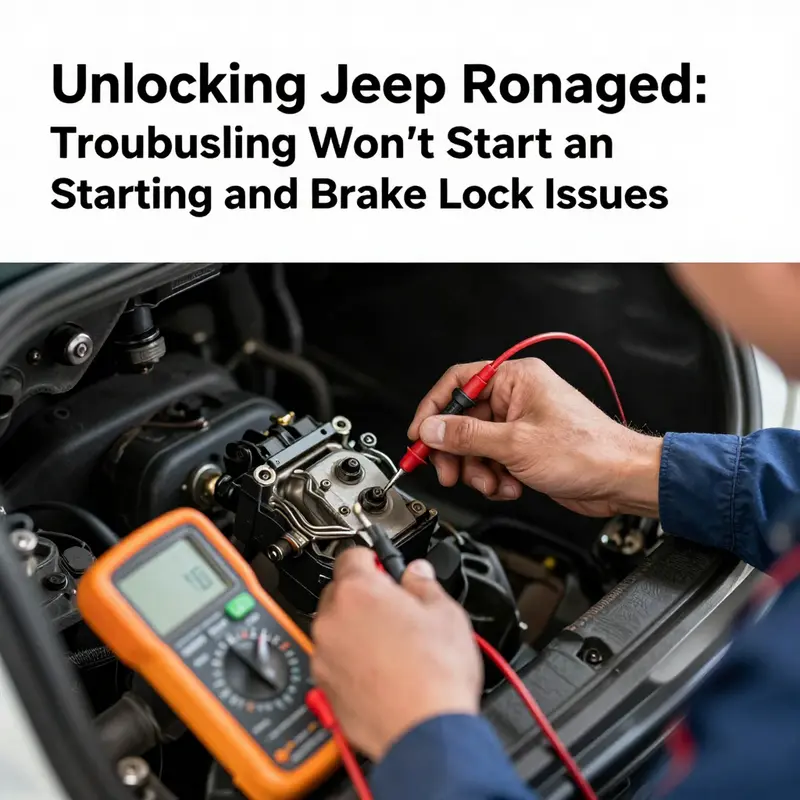
A precise diagnosis often benefits from a simple electrical test with a multimeter. With the ignition in the OFF position and the engine not cranking, you can disconnect the switch harness and test for continuity across the switch’s terminals. When you depress the brake pedal, the circuit should close, showing continuity, and when you release it, the continuity should open. If the readings are erratic, non-existent, or show a delayed response, the switch needs attention. In some Renegade variants, the switch is integrated with the brake light circuit, so the continuity test should correspond with the bright signal in the brake lights when the pedal is pressed. If you notice a faint or inconsistent signal, the contacts may be pitted or worn and require replacement.
Even when the mechanical and electrical tests point to the switch, it’s worth checking the power supply feeding the system. A weak or fluctuating battery can render even a functional switch ineffective, because the overall electrical load is insufficient for the control modules to register a valid brake-pressed condition. A voltmeter reading of about 12.6 volts when the vehicle is off and roughly 13.7 to 14.7 volts when running is a rough indicator that the charging system is doing its job. If the battery voltage droops or the engine cranks slowly, address the battery’s health before concluding that the switch is at fault. A dead or weak battery can create a cascading series of symptoms that mimic more complex interlock or software problems, leading you down a false path if you don’t check the basics first.
The transmission interlock adds another layer to this puzzle. Some drivers experience the shifter stuck in Park even when the brake pedal seems to depress properly. In such cases, the interlock solenoid—the small device that physically prevents the shifter from moving out of Park until the brake is engaged—can fail or jam. A clicking sound beneath the center console when you press the brake is a good sign that the solenoid is responding; no sound or a repeated failure to click can indicate a failed interlock solenoid. If the solenoid isn’t releasing, even a fully functional brake switch won’t help the shifter escape Park, and the engine won’t start because the safety system remains engaged. In this scenario, the root cause is not the brake switch alone but the chain of safety components that the switch helps to regulate.
When these mechanical and electrical pieces fail to cooperate, it’s easy to fall into the trap of assuming you’re facing a software glitch. Modern Jeeps rely heavily on the computer brain—the Transmission Control Module and the Powertrain Control Module—to interpret inputs from the brake switch, the ignition, and other sensors. A glitch in the software can sometimes mimic a bad switch by delaying or misreporting the brake signal. The remedy in those cases is often a reset procedure that briefly removes power from the control modules and allows them to reboot. A common, simple reset involves disconnecting the negative battery cable for about ten minutes, reconnecting, and then attempting a fresh start. If the issue was a momentary software hiccup, this reset can clear it and restore normal operation. However, if the problem persists after a proper switch adjustment, a more thorough diagnostic may be required, potentially involving stamp-to-stamp checks from a professional who can scan the system for fault codes that point to the brake switch input path, the interlock circuit, or the relevant module memory.
A practical mindset during diagnosis is to treat the brake pedal switch as part of a larger ecosystem that includes the ignition switch, the key fob, wiring harnesses, and the battery. A weak key fob battery can sometimes complicate the problem by interfering with the vehicle recognizing the key when you attempt to start, creating a perception that the brake interlock is failing at the same time as the engine won’t start. In such cases, using a spare key, replacing the key fob battery, or moving the fob closer to the ignition area can reveal whether the issue is electronic rather than mechanical. In this chain of checks, the brake switch remains a central hub because it both confirms the driver’s intent to start and communicates with the transmission interlock to permit gear selection.
From a practical repair perspective, the brake pedal switch adjustment is typically the least expensive and most returning fix for a Renegade that won’t start with a locked brake. If the switch shows signs of wear, corrosion, or mechanical damage that cannot be corrected by a simple repositioning, replacement becomes the sensible next step. The cost of replacement is often modest compared to the price of a failed interlock solenoid or a software-driven miscommunication within the TCM/PCM network. Yet even with a new switch installed, you should verify the system’s behavior across a few starts and stops to ensure consistent performance. In cases where the switch reads correctly during bench tests but fails in real-world operation, a deeper inspection of the wiring harness and connector pins may be required, as a damaged or loose connection can introduce resistance or intermittent contact that disrupts the brake signal path.
For readers seeking a more detailed, step-by-step walkthrough of diagnosing and adjusting the brake light switch on a Jeep Renegade, see the deeper guide linked here: Jeep Renegade service engine light troubleshooting tips and fixes. This internal resource provides expanded photos and a practical sequence that complements the narrative above, helping you verify the switch’s position, inspect the plunger for wear, and confirm correct brake-light operation as part of the overall no-start symptom assessment.
As with any automotive repair that touches electrical and safety-critical systems, patience and methodical testing are your best allies. Start with the simplest explanations—the brake light switch alignment and the associated wiring—before moving to more involved checks like the interlock solenoid and software resets. Remember that a functioning brake pedal switch is not just about getting the engine started; it’s a fundamental safety feature ensuring you can control the vehicle reliably. If you’re unsure at any stage, or if you observe persistent no-start conditions despite proper switch function, it’s wise to consult a certified technician or a dealership service department. They can perform advanced diagnostics, including module reprogramming or updating, and verify that the brake interlock and related safety systems operate within the manufacturer’s specifications. Official service guidance and a tested diagnostic approach are invaluable here, especially when identical symptoms map to multiple potential causes.
External reference: https://www.motor1.com/tech/452379/jeep-renegade-brake-light-switch-fix/
Troubleshooting Jeep Renegade Won’t Start with Brake Locked: Battery Diagnostics and Interlock Insights
When a Jeep Renegade won’t start and the brake remains locked, the underlying culprit is often the battery. A weak or discharged battery can rob the brake interlock, the shifter release, and the engine ignition of stable power, causing symptoms that look like separate problems. Think of the battery as the power station for the vehicle’s control modules, sensors, and interlock circuits. If its voltage sags, safety features lag, and the combination of no-start and brake lock can appear in concert. A solid understanding of this connection helps you diagnose in a logical sequence rather than chasing unrelated faults.
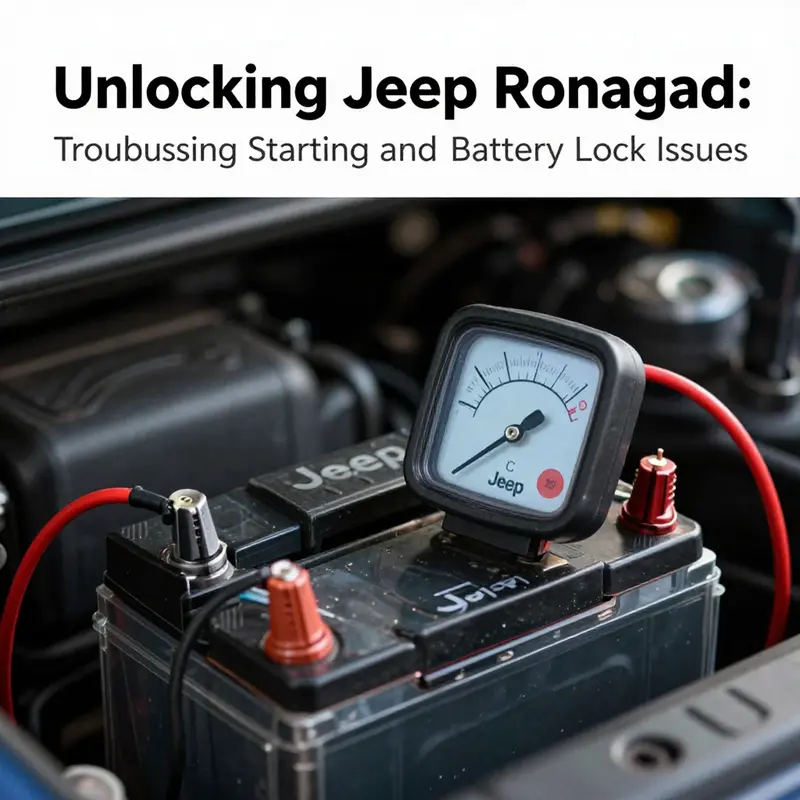
Begin with a simple voltage check with the ignition off. A healthy lead-acid battery should read about 12.6 volts. Readings around 12.0 volts or lower indicate a significantly discharged battery likely needing charging or replacement. Readings in the high 11s or below suggest the battery is near the end of its life or has suffered a deep discharge that reduces its cranking capability. Remember, this same battery powers the brake switch, the shift interlock, the instrument cluster, and the engine control modules. When voltage is low, sensors can misread, relays may chatter, and the interlock can lose synchronization with the brake pedal, producing a no-start with a locked shifter.
If the initial voltage looks suspect, perform a controlled jump start with the correct polarity from a known-good source. A jump start does not cure a battery problem, but it allows you to observe how the system behaves under proper power. After the engine attempts to crank, listen for the interlock solenoid to release with a decisive click as you press the brake. If there is no click and the shifter remains locked, verify battery connections first: clean corrosion, snug clamps, and intact cables can make the difference between a successful start and a missed signal. After a jump start, drive the Renegade long enough to load-test the battery or have it tested under load to confirm healthy cranking amps and overall health.
Battery health interacts with other systems. A failing battery can affect the ignition, key fob, and vehicle software. A weak key fob battery may fail to communicate with the ignition, preventing the car from recognizing the key in some models. If you have a spare key, test it. The ignition switch itself can wear or fail to provide proper signals, and the Transmission Control Module (TCM) and Powertrain Control Module (PCM) rely on clean power to read brake and shift inputs. In some cases a short reset — such as disconnecting the negative battery cable for about ten minutes and reconnecting — can clear a momentary fault, but it does not fix a degraded battery or a faulty interlock. If reset changes nothing, the root cause is likely hardware wear or a persistent electrical fault.
Beyond the battery, the brake interlock is designed to prevent the transmission from leaving Park unless the brake is applied and electrical power and sensor inputs are in range. Low voltage can cause the brake pedal switch to misread or the interlock to misoperate, keeping the shifter locked and the engine from starting. Inspect the brake pedal switch and its ground connections as part of a battery-centered diagnostic because this is a high-current path that requires clean grounds and solid connections.
Progressively, use an iterative approach: start with the battery and grounds, then inspect the interlock solenoid near the shifter area. If the engine cranks slowly or the interlock does not release, the problem is likely a battery or wiring issue. Check the charging system; a failing alternator will not sustain charging after startup and can let voltage drift downward again, recreating the no-start/lock cycle.
If symptoms persist, consider fuel delivery as a possible contributing factor. A clogged fuel filter or weak pump can mimic an electrical fault if there is insufficient fuel pressure to start and run the engine. In such cases, perform fuel-system checks in addition to battery diagnostics rather than replacing components blindly. When warning lights flicker or you observe unusual dash behavior, model-specific guidance can help, but hands-on testing by a qualified technician is recommended for persistent issues.
When the Brake Locks and the Engine Refuses to Start: Tracing the Shift Interlock in the Jeep Renegade
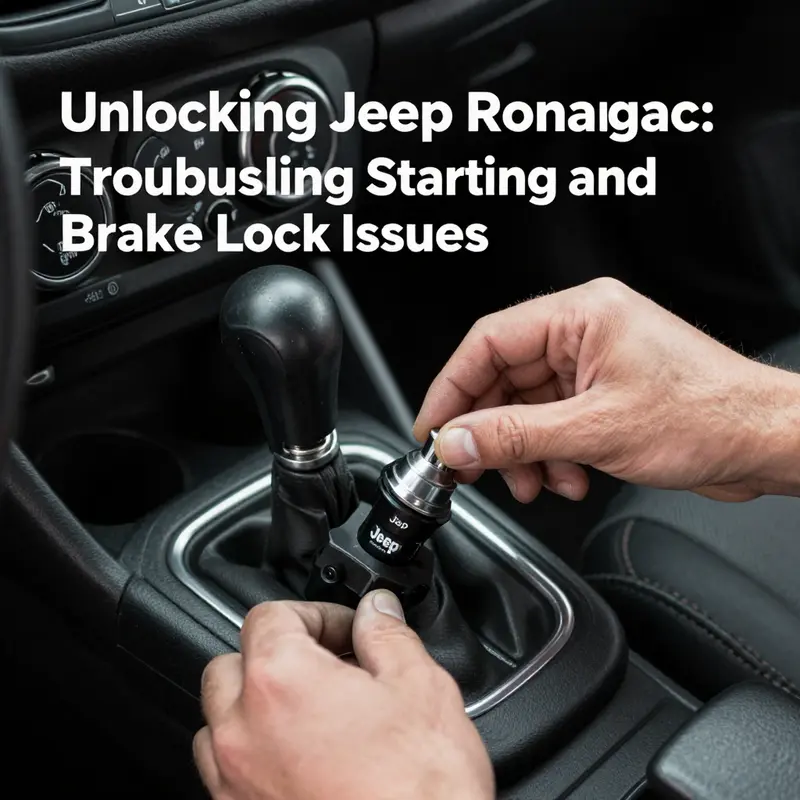
A Jeep Renegade that won’t start and a brake pedal that refuses to release the shifter can feel like a stubborn riddle. The problem isn’t always obvious, and it often hides behind a safety system designed to prevent unintended gear selection or engine cranking. The scene is familiar: you press the brake firmly, you turn the key or press the start button, and instead of the engine roaring to life, the dash glows dimly, the shifter remains stubborn in Park, and a cautious fear creeps in that the vehicle has become a doorstop rather than a driveable machine. In most cases, the root cause is tied to the shift interlock system—the safety feature that keeps the transmission locked in Park until the brake pedal is recognized and the system is satisfied that it is safe to move. When that signal chain breaks, the consequences are twofold: you can’t shift out of Park, and the engine may fail to start because the safety logic blocks the starter circuit until the brake input is verified. Understanding why this happens means tracing a chain of possibilities that are mechanical, electrical, and, increasingly, software-driven.
The first piece of the puzzle is the brake pedal switch itself. This little device sits where the pedal meets the dash or the pedal assembly and sends a straightforward message to the transmission control module: the brake is pressed. If that switch sticks, grows corroded, or suffers a loose connection, the module misses the brake signal. The car interprets this as a safety risk and simply won’t release the shifter from Park. It may also inhibit the starter because the same signal acts as a gate to cranking in many modern vehicles. The fix can be as simple as cleaning or replacing the switch or repairing a frayed wire, but the diagnosis starts with a careful inspection of the switch’s operation. A quick test with a multimeter, while pressing the brake, can reveal whether the switch is making a reliable contact or not.
Next comes the battery, the quiet workhorse that fuels every electronic system in the Renegade. A weak or dead battery can cause the brake interlock to misbehave because the module needs stable voltage to recognize the brake input and to energize the solenoid that unlocks the shifter. Even when the engine cranks sluggishly or not at all, a marginal voltage can be enough to confuse the interlock logic. A basic check with a voltmeter should show about 12.6 volts when the system is off and around 13.7 to 14.7 volts when the alternator is running. When the numbers dip, or when a jump-start provides only a temporary cure, the underlying electrical drain or aging battery may be the culprit. If you do jump-start, monitor how the car behaves after the boost and be prepared for a possible battery replacement if the no-start condition recurs.
But the interlock is not only about the brake switch and the battery. The shift interlock solenoid itself can be a stubborn fault. This solenoid sits near the shifter or under the center console and is the actual actuator that releases the lock when the brake is applied. If it jams, is weak, or loses its electrical feed due to a circuit fault, the shifter stays locked in Park, even with the brake pressed. A simple, audible test can help determine if the solenoid is at fault: with the key in run (or the ignition on in many models), press the brake and listen for a distinct click from the solenoid area. No sound, or a faint, irregular click, suggests a solenoid issue. Replacing a faulty solenoid is the typical remedy, but the precise procedure depends on the model year and the vehicle’s electrical layout.
The ignition switch or your key fob can also throw a curveball. If the vehicle doesn’t recognize the key, it may withhold both cranking and the transmission release sequence as a safety precaution. A weak key fob battery or a misread key can prevent the system from validating the “brake pressed” condition. In practice, trying a spare key or ensuring the fob battery is healthy can quickly reveal whether the problem is a recognition issue rather than a mechanical fault. It may also help to relocate the fob closer to the ignition area, where the signal is often strongest.
In the modern Renegade, software plays a growing role in safety and control logic. A glitch in the Transmission Control Module (TCM) or Powertrain Control Module (PCM) can introduce timing or signal faults that disrupt both the brake signal and the solenoid’s activation. When software misreads, you might experience a no-start condition paired with a brake lock. A common, conservative reset used by technicians is to disconnect the negative battery terminal for about ten minutes, then reconnect and attempt to start again. This reboot clears transient faults and reestablishes communication among control units, though it is not a guaranteed fix for a persistent fault.
Beyond the interlock, there are other no-start culprits that can masquerade as a brake-lock problem. A clogged fuel filter or a failing fuel pump can mimic a starting problem, especially when the engine turns over but never reaches a normal idle. The presence or absence of fuel pressure becomes a clue: you might hear a faint fuel pump whir from the tank when you turn the key to the “on” position, or you may have to inspect fuel pressure with proper gauge equipment. If there is no pump hum or the pressure is low, the engine won’t sustain combustion, which can further complicate diagnosing a brake interlock fault. In such cases, even if the shifter were physically able to move out of Park, the engine still wouldn’t start due to lack of fuel.
The diagnostic path, then, becomes a careful audit through a hierarchy of signals. Start with the most accessible and least invasive checks: verify the brake pedal feels firm and depresses fully, confirm the gear selector is truly in Park or Neutral, and perform a quick inspection of the battery and its connections. A dead battery can masquerade as many woes, so a voltage check should be your first stabilization step. If voltage looks healthy, focus on the brake switch: test the continuity and verify there is a clean, solid signal when the pedal is pressed. If that signal is consistent, shift attention to the interlock solenoid. Listen for the solenoid’s click, and consider whether the shifter remains locked despite a confirmed brake signal. If the mechanical path seems clear but the problem persists, move into the software realm. A reset of the control modules can sometimes clear a stubborn fault code that blocks both starting and shifting.
As you work through these possibilities, it helps to keep a log of what you observe and what you test. Codes from an OBD-II scan can be illuminating. Look for trouble codes associated with the shift interlock, the transmission control, or the brake system. Codes like P0700 point to overall transmission control fault, while more specific solenoid codes or sensor codes can guide you toward a solenoid replacement or a sensor adjustment. If you do encounter a known fault code, use that as your compass instead of relying solely on symptom counting. The interplay of electrical and mechanical subsystems means a single fault can cascade into multiple symptoms, and a structured diagnostic approach minimizes unnecessary part replacements.
In practice, many owners find that the most decisive step is to ensure the brake switch is functioning correctly and that the interlock solenoid is receiving the proper voltage when the brake is applied. If after a thorough check you still hear no click from the solenoid and the dash indicates Park remains locked, the likelihood is high that the solenoid needs replacement. It is a common repair for this specific symptom, and while it isn’t a routine maintenance item, it is a predictable wear point for the interlock system. If the problem remains after replacing the solenoid, turn to the ignition system and the key fob. A failing ignition switch or inconsistent key recognition can confound the diagnostics and mask the underlying issue, making a professional evaluation essential.
The fuel delivery aspect, though not the primary cause of a brake-locked symptom, deserves a nod because a compromised fuel path can produce a no-start condition that misleads the diagnosis. If you hear no fuel pump hum when turning to the On position, or if fuel pressure checks reveal an anomaly, treat fuel delivery as a separate, parallel track to the interlock investigation. In a dealership or accredited shop, technicians often perform an integrated diagnostic involving the electrical, fuel, and transmission subsystems to confirm the root cause rather than chasing a series of partial symptoms.
If you want a more detailed dive into how these electrical and starting-system symptoms relate to related warnings and lights, you can consult a broader resource on the topic. For a focused guide on how the Renegade handles engine start and electrical signals, see Jeep Renegade service engine light troubleshooting tips. The guidance there complements the approach described here by expanding on how sensor and control logic interact during a no-start condition. Jeep Renegade service engine light troubleshooting tips
The overarching message is practical and patient: start with the simplest, most reliable checks, and progress to the more involved tests only as needed. Keep in mind that the interlock system is a safety feature, not a nuisance to be bypassed. Correct diagnosis preserves safety and protects the vehicle’s electrical integrity. When in doubt, especially with electrical connections and control modules, enlisting a certified technician is the prudent course. They can verify the brake switch operation, confirm the interlock solenoid function, and perform any necessary component replacements using the correct procedures for your model year.
In the broader context of no-start and brake interlock issues, the official service guidance from the manufacturer–in particular their service bulletins and diagnostic procedures–offers a reliable, model-specific framework. These resources provide verified diagnostic steps and known fixes for the Renegade’s unique configurations and software versions. For deeper, model-year-specific instructions, refer to the official service materials and the technician’s toolbox of diagnostic methods.
For those who want to validate their own findings against authoritative procedures, the Jeep Owner Support site offers a comprehensive set of troubleshooting references and step-by-step guides. This external resource complements the diagnostic journey described above and helps anchor DIY efforts within a professional, safety-conscious standard. https://www.jeep.com/owners/support/troubleshooting/
Locked Out of Start: Diagnosing Key Fob and Ignition Switch Hurdles in the Jeep Renegade
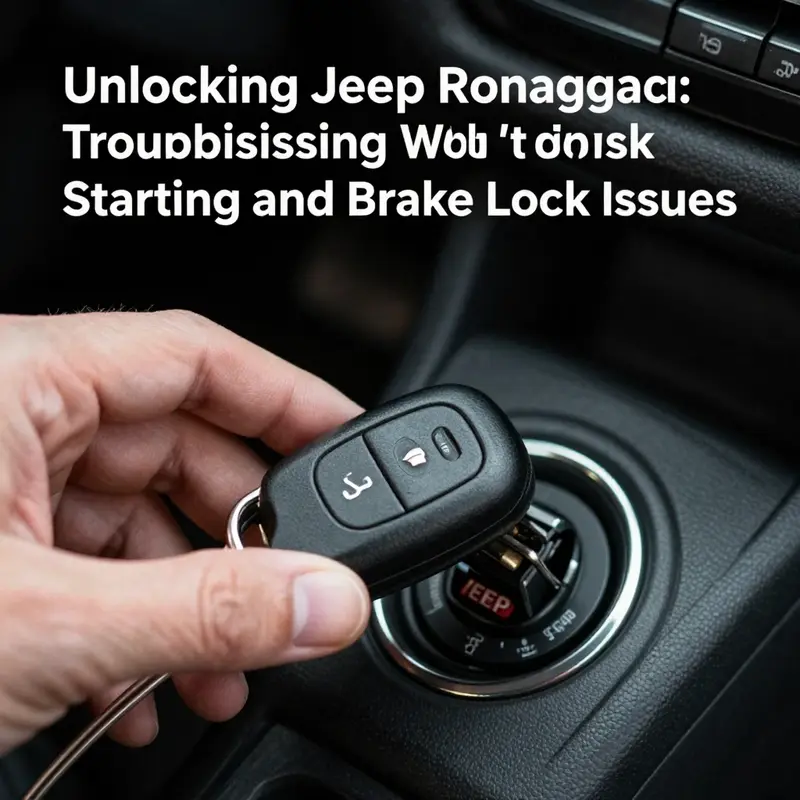
When a Jeep Renegade refuses to wake and the brake lock lingers, it can feel like a stuttering impasse between you and the road. The unlocking mechanism of the brake interlock, the signals from the key fob, and the ignition switch all live in a high-stakes dance that decides whether the engine bursts to life or sighs away in silence. In many cases, the culprit hides in plain sight: a weak key fob battery, a failing ignition switch, or a momentary software hiccup that blurs the car’s ability to recognize the key and authorize the start. The engine management system expects a clean handshake—proof that the driver intends to move and that the car sees a valid, present key. When that handshake falters, the transmission interlock may stay engaged, keeping the shifter locked in Park, and the start sequence may never initiate. The result is a frustrating standoff in which the brake pedal must be pressed to release the interlock, yet the car will not respond beyond a teasing click or a dim dashboard glow. Understanding the channels through which this issue travels helps you separate the likely from the unlikely and guides you toward a targeted fix rather than a shot in the dark.
The most common reason for this particular symptom begins with the key fob. Modern vehicles use passive entry and push-button start to streamline operation, but they still rely on a powered fob to authenticate. If the fob’s battery is dead or near depletion, the car may not detect the fob at all or it may intermittently lose contact when you try to start. The result mirrors a situation where the brake pedal is sensed as not being pressed, which confuses the system and keeps the shifter in Park. The remedy is straightforward in theory but demands careful checking in practice. Start with the fob: assess the battery status, replace it if there is any doubt about its charge, and verify the fob’s ability to communicate with the vehicle. If the fob has a weak battery, you may see warning lights on the fob itself, or you may notice that the doors won’t unlock consistently when you press the remote. A fresh battery often resolves the issue quickly, restoring the expected start sequence and allowing the brake interlock to release as designed.
If replacing the battery does not restore normal function, the next layer to examine is the ignition switch itself. In a push-button-start system, the ignition switch is the electrical gate that initiates the powertrain’s readiness. A faulty ignition switch can fail to send the proper signal to the engine control module or to the transmission control module, so the car never completes the wake-up sequence even when the key fob is present and the brake is pressed. The ignition switch can wear out over time through repeated use, or it can suffer internal corrosion, loose connections, or physical damage that disrupts the circuit. When you turn the key or press the start button, you should feel a distinct, consistent response in the vehicle’s electrical system. If that response is delayed, inconsistent, or completely absent, suspicion should fall on the ignition switch or its associated wiring. A professional diagnostic is often needed to determine whether the switch can be repaired or if it must be replaced. In many cases, replacing the switch resolves the no-start symptom and eliminates the related brake lock frustration because the system once again recognizes the key and accepts the start command reliably.
Between the fob and the ignition switch lies a small but important ecosystem that governs whether the engine starts and whether the shifter can move from Park. If the vehicle senses the key’s presence but still won’t start, the fault could lie in a sensor or software layer that governs how the interlock behaves. Some Renegade models rely on the Transmission Control Module (TCM) and the Powertrain Control Module (PCM) to synchronize the brake signal with the engine start command. A momentary software glitch might interrupt that synchronization, keeping the engine from firing and the brake interlock engaged even when the driver has pressed the brake pedal. In such cases, a simple reset of the vehicle’s electronic systems can sometimes restore normal function. This does not replace a proper diagnosis, but it can clear temporary faults that arise from software quirks. A common, cautious approach is to disconnect the negative battery terminal for about ten minutes, then reconnect and attempt a restart with the key fob in close proximity. If the fault was a transient software hiccup, the system may reinitialize cleanly and the start sequence will proceed as intended. It is important to note that this step should be performed with awareness of your vehicle’s electrical systems and with precautions to avoid short circuits or airbag system interference. If you are uncertain, seek a technician’s assistance, especially when battery work or wiring is involved.
Beyond the key fob and ignition switch, the broader window of possibilities invites you to consider how the electrical system and safety interlocks interact. A weak battery can sap power not only from the start circuit but also from the brake pedal interlock’s sensing circuitry. In a no-start scenario, you might observe that the dash lights dim, the sounds of relays click irregularly, or the brake indicator light flickers as the system attempts a start. In this cascade, the problem is not one isolated issue but a chain of dependent signals—each component reliant on adequate voltage and clean communication with the control modules. When any link in that chain weakens, the entire interlock logic can misfire, leaving you stalled at a particularly inconvenient moment. The practical takeaway is that the search for a fix should proceed in an ordered fashion: confirm power delivery and fob reliability, verify ignition switch operation, and then consider the interlock and ECU communications as necessary. This logical progression helps prevent chasing symptoms that arise from a single, simple failure while also guarding against overlooking a more subtle software or sensor fault.
As you work through these layers, it can be tempting to leap to a more drastic repair, but careful, data-driven steps often yield the best result. Start with the least invasive, highest-yield action: replace the key fob battery if there is any sign of depletion, and test the fob’s proximity by placing the fob directly on the start area or near the ignition area during the attempt to start. Observe whether the vehicle responds more reliably to the proximity approach; this simple test can reveal whether the fob is failing to communicate properly over the normal wireless channel. If there is no improvement, move to inspect the ignition switch and its wiring. Look for obvious signs of wear, loose connectors, or corrosion at the switch, and consider whether the ignition cylinder or push-button module has any noticeable wobble or inconsistency when you operate it. In many cases you may need a professional to perform a more thorough diagnostic, including testing the switch with specialized tools to determine whether it is delivering the correct signals to the PCM and TCM.
If the ignition switch and fob checks do not resolve the problem, you should broaden the diagnostic to software and interlock components. The modern Renegade is a networked creature; it relies on the battery’s stable voltage to power the interlock solenoid, the brake switch, and the electronic shifter interlock, all coordinated by the PCM and TCM. A software glitch or a fault in the interlock circuit can cause the shifter to remain locked in Park despite the brake being pressed. In those cases, the recommended steps align with standard caution: reset power to the control modules, check for any diagnostic trouble codes, and, if codes appear, interpret them in the context of the vehicle’s history and recent work. You may encounter a code that points to a sensor rather than a mechanical fault; however, codes should guide you toward the most efficient repair path and prevent unnecessary, invasive interventions. As with many modern vehicles, the solution can be as much about clearing a communication fault as about replacing a part. In some cases, a software reflash or module reinitialization performed by a certified technician can restore proper interlock behavior and allow the start sequence to proceed without further brake interlock interference. The emphasis remains on careful observation, appropriate testing, and professional confirmation when needed.
Because the Renegade’s start and brake-interlock system sits at the intersection of electrical, mechanical, and software domains, it is prudent to consult authoritative resources when in doubt. For drivers seeking deeper context about engine-related indicators and how they tie into start conditions, there is a curated resource offering structured guidance: Jeep Renegade service engine light troubleshooting tips and fixes. This internal reference provides diagnostic pathways that complement hands-on checks, helping you interpret when a warning light or code aligns with a no-start scenario rooted in the ignition or key recognition pathway. Read it as a companion to the practical tests described here, not as a substitute for safe, measured diagnosis. In all cases, the goal is to restore reliable recognition of the key, ensure the brake interlock releases when the pedal is pressed, and reestablish a dependable start sequence.
In the event that these steps fail to restore normal operation, you should not press onward with speculative fixes. The interconnected nature of the Renegade’s electrical, safety, and powertrain systems means that a persistent no-start with a brake-locked condition could signal a deeper fault—potentially involving the transmission interlock solenoid, the brake pedal switch, or a PCM/TCM fault. At that point, it is wise to obtain a professional diagnosis from a technician who can perform live diagnostics, interpret fault codes, and perform targeted module resets or component replacements as needed. The road to resolution varies with model year and configuration, so relying on a technician who has access to the official service manuals and diagnostic protocols is the most reliable path forward. And while you navigate the diagnostic maze, keep a log of the symptoms, the steps you took, and any codes that appeared. That record can be a valuable aid to the technician and can shorten the time to a definitive fix.
For readers who want to pursue additional official guidance alongside practical checks, the Jeep service portal provides a centralized hub for Technical Service Bulletins and model-specific diagnostics. This resource is especially helpful when your Renegade exhibits combinations of start and brake-interlock symptoms that align with documented service actions for your year and trim. If you find yourself in this situation, consult the official guidance and coordinate with a certified technician to ensure the proper procedure is followed. As you prepare to seek help, remember that the goal of these troubleshooting steps is not merely to get the key to start or the brake to release in the moment, but to restore the vehicle’s safety interlocks to their designed, reliable operation.
If you’d like a concise reference that complements these steps, you can explore additional vehicle tips and troubleshooting guidance at this internal resource: Jeep Renegade service engine light troubleshooting tips and fixes. This link provides convenient context for interpreting engine warning indicators in relation to start conditions and ignition behavior, helping you assemble a broader picture of your Renegade’s electrical health. And when the situation is outside the scope of DIY guidance, rely on professional evaluation rather than trial-and-error repairs, particularly with safety-critical interlocks and electrical systems.
External resource: For official, model-specific guidance, including diagnostic procedures and known fixes, refer to the Jeep Technical Service Bulletin hub: https://www.jeep.com/service/technical-service-bulletins/
Brake Lock, No Start: Understanding Modern Jeep Renegade Software and Safety Interlocks
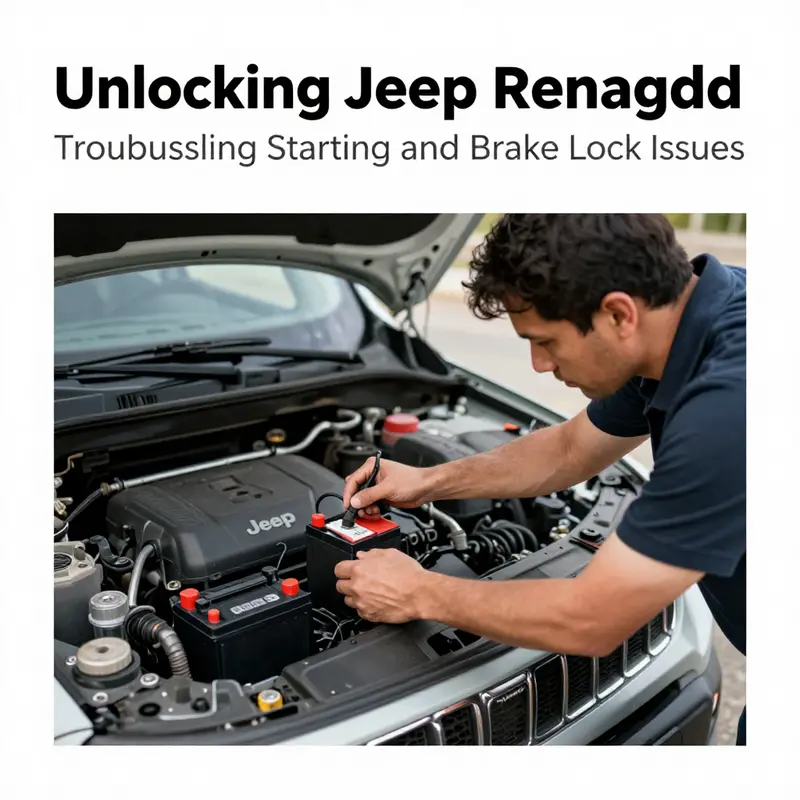
When a Renegade refuses to start and the brake pedal is stuck, drivers often blame the brake itself. In modern Jeeps, the real friction lives in software and in how the safety interlocks talk to each other. The brake interlock, the starter circuit, and the ignition authorization depend on a web of sensors and control modules that must agree — sensor reads, wire integrity, and a clean memory of recent events. A fault in this network can stall the transmission in Park and keep the engine from turning over, even as the battery spins the starter motor. The root cause is frequently a misinterpretation by the body control module (BCM) or powertrain control module (PCM) rather than a physical jam of the shifter. A temporary software hiccup, a voltage dip, or a disrupted signal can trigger a safety lock that wont release until the system resets or the fault is cleared. Understanding this helps explain why a no-start can masquerade as a brake lock and why the most effective approach blends electronics reset with careful component checks.
The first clue lies in how the car interprets the brake signal. The brake pedal switch tells the BCM that braking is active, which in turn allows the transmission to disengage from Park and, in many configurations, enables the starter to engage. If the switch is faulty, corroded, or its wiring loose, the system may think youre not pressing the brake even when you are. The result is a locked shifter and no crank, a safety feature that protects occupants but leaves you stranded. Software also weighs in here. If the BCM or PCM loses track of what happened during a battery disconnect, surge, or power fluctuation, it may stall the entire sequence that permits starting and shifter release. In such cases, the fix often starts with a reset — and that reset may be enough to clear the fault and restore normal operation.
The practical pattern you can follow is a five-step approach that helps isolate software-driven start-from-Park issues without guesswork. The aim is to reset memory, recheck safety interlocks, and assess whether a fault is transient or persistent. The journey typically begins with a deliberate system reset: turn the vehicle off completely, remove the smart key, and wait ten minutes to discharge capacitors and give modules time to forget temporary states. When you reinsert the key and try to start again, you give the BCM and PCM a clean slate to reassess the brake status, ignition authorization, and interlock logic. If the engine still wont crank or the shifter remains immovable, proceed to the next checks and treat each failure as data rather than a verdict.
Another practical step is to check for recalls. Modern Renegades have had software- or module-related recalls that affect ignition, brake interlock, and related systems. A VIN search on official recall channels can reveal whether a known fault matches your symptoms. If a recall applies, the remedy is handled by a dealer or authorized shop, but knowing the scope of the fix can help you discuss the issue with a technician and understand the recommended procedure. Recalls often reflect deeper reprogramming or hardware adjustments aimed at preventing repeat occurrences and improving reliability over the vehicle’s life.
If reset and recall checks dont resolve the no-start with brake lock, using the mechanical key fob to bypass vulnerable electronic paths can help diagnose the fault. In some configurations, key signals may be degraded by interference or a weak battery, and using the mechanical key to unlock the door and start via push-button ignition can momentarily bypass parts of the system susceptible to wireless faults. This is not a permanent fix, but it can help you determine whether the problem is tied to key recognition or to a broader interlock fault. In parallel, inspect the brake pedal interlock itself. If the pedal feels stiff or unresponsive, the interlock mechanism could be misaligned or worn. A mechanical fault in the brake interlock can prevent the shifter from leaving Park even when the brake is pressed, and the symptom may persist despite other corrections. The interlock is a safety path, not an unchangeable wall; diagnosing it may involve listening for a subtle click or feeling the pedal as you press and release it. A plug-in diagnostic scan often clarifies whether the interlock is reporting a valid brake press to the BCM.
Software updates play a central role in modern vehicle reliability. A damp patch in programming lodged in the PCM or BCM can lead to erratic ignition authorization, improper brake interlock signaling, or misread sensors that confuse the system into thinking a fault exists and locking things down. A dealership visit for firmware analysis — checking for latest releases and applying them when appropriate — can resolve glitches that a simple reset cannot. It’s worth noting that not every no-start is solved by software, but many intermittent no-start or brake lock cases improve with a stable software baseline.
Diagnostics become a natural extension of these steps when the issue resists. An OBD-II scan compatible with the vehicle’s CAN bus network can reveal diagnostic trouble codes pointing to BCM, PCM, ignition, or brake system modules. Codes relating to the BCM or ignition system can align with the observed brake interlock lock and starter non-response, guiding a technician toward more detailed circuit checks or module reprogramming. If codes do not clearly point to a single fault, a module reinitialization or a controlled power reset of the electrical system may be recommended. At this stage, a professional diagnosis is prudent, because a wrong interpretation of a transient fault can lead to repeated no-start conditions.
In sharing these steps, it is important to acknowledge a broader pattern: the interlock and starter circuits exist to prevent harm by ensuring the vehicle cannot be driven with a fault. Those electronics rely on a coherent conversation among the BCM, PCM, ignition switch, and brake switch. When those conversations drift out of sync, the symptoms a brake interlock lock and no-start remind us that the system dialogue must be restored. The fix may involve a temporary bypass or a software re-flash, module replacement, or more extensive service. It is this blend of electronics and logic that makes the Renegade’s no-start with brake lock a test of process as much as a test of parts.
For readers who want a concise point of reference on engine and ignition concerns, a practical guide on engine light troubleshooting mirrors the philosophy of systematic checks. It offers a focused path through common failure modes and interlocks that can accompany a no-start scenario. A related resource can help frame how ignition and sensor alerts connect to the interlock logic and start sequence, reinforcing that sometimes the best first step is a methodical reset followed by targeted checks, rather than a rushed mechanical diagnosis. If you suspect a trigger tied to software, seek official guidance on service bulletins and firmware updates from the manufacturer.
When to seek professional assistance remains a key part of this discussion. If the system reset fails to unlock the shifter or if the brake interlock remains nonfunctional after the steps above, a certified technician should perform a deeper inspection. They will verify power and ground integrity, recheck the brake switch operation with a multimeter, inspect wiring for damage or corrosion, and evaluate BCM/PCM communication with a diagnostic tool that can interpret CAN signals. The goal is not just to restore function but to identify and address the fault before it repeats, especially since the root cause may involve software fault, improper reinitialization after a battery service, or a known issue captured in service history.
In those moments when the symptom meets the rule of common sense, you align with the principle that software and safety interlocks in the Renegade protect you. Understanding their language – how the brake signal, ignition authorization, and transmission interlock share information – gives you a powerful framework for troubleshooting that is systematic and prudent. The goal is a reliable start and a smoothly released brake, not a guess at a mysterious mechanical lock. If the problem persists, consult a technician who can perform targeted electrical tests, verify software integrity, and ensure that any necessary updates have been properly applied. Official guidance on software fixes and service bulletins can be found at the Jeep support site: https://www.jeep.com/owners/support/technical-service-bulletins/
Final thoughts
Understanding the potential causes behind your Jeep Renegade’s no-start and brake locking issues is vital for maintaining smooth business operations. With the right tools and knowledge at hand, you can tackle these challenges directly, minimizing downtime and ensuring that your vehicle is reliable. Should the problem persist after various troubleshooting attempts, consulting a professional mechanic is advised. Staying informed about these common automotive issues empowers you to address similar challenges effectively in the future, keeping your business on the road.