
For businesses operating a fleet, managing fuel expenses is essential for profitability. Fluctuating gas prices can erode margins, making proactive maintenance a strategic tool. Regular upkeep isn’t just about reliability; it directly affects fuel efficiency by keeping engines running smoothly, tires properly inflated, and sensors functioning correctly. This article outlines how deliberate maintenance practices—engine care, tire optimization, fluid checks, sensor reliability, and preventive scheduling—translate into tangible gas savings and stronger bottom-line performance for your operation.
null

null
Tire Truths: How Proper Inflation and Alignment Can Slash Your Gas Bill
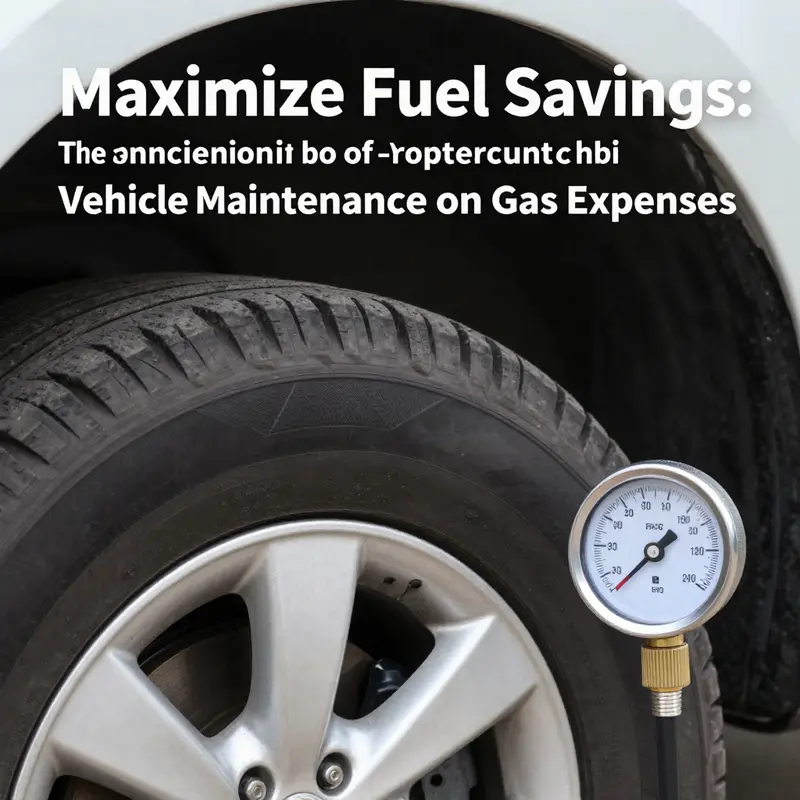
Tire Truths: How Proper Inflation and Alignment Can Slash Your Gas Bill
In the quiet economy of everyday driving, the tires under your car perform more work than most owners realize. They are not merely round patches of rubber; they are the interface between your vehicle and the road, translating engine power into forward motion with a scale of efficiency that rarely gets full credit. The chapter that follows treats tire care as a cornerstone of fuel savings, not a cosmetic or luxury detail. When tires roll at the right pressure and stay aligned, the engine meets less resistance, the drivetrain wastes fewer watts, and the distance you travel with each gallon expands just a little farther. The math behind this is grounded in physics and reinforced by practical measurements, a blend that any careful driver can leverage without expensive gizmos or dramatic changes in routine.
First, consider inflation. An under-inflated tire acts like a stubborn battering ram against the road, increasing rolling resistance more than most drivers expect. That resistance forces the engine to work harder to maintain the same speed, which translates directly into higher fuel consumption. The difference is not dramatic in isolation, but across a year and thousands of miles, the cumulative effect becomes meaningful. The guidance from energy and transportation authorities is clear: check tire pressure regularly, ideally when tires are cold, and keep them at the manufacturer’s recommended level. The difference can be as simple as a quick gauge check during a lunch break or on a Sunday drive. In practical terms, maintaining optimal pressure has been shown to improve fuel economy by a percent or two in many everyday situations. In a typical annual scenario—15,000 miles and a vehicle that averages around 25 miles per gallon—a few percentage points can translate into significant fuel savings. The impact grows when you multiply it by weeks, months, and multiple trips that add up to substantial gallons saved over the year.
The guidance you’ll find echoed across credible sources is consistent: the correct tire pressure is not the pressure printed on the tire sidewall, but the pressure listed on the door jamb placard, the label that tells you the vehicle’s optimal values. Tires have a preferred operating window: they need enough air to support the load and to shape the contact patch precisely, but not so much pressure that the tire loses grip and ride comfort. When you keep tires inflated within the recommended range, you minimize the energy lost to the deforming tire as it makes contact with the road. The energy spent in tiny, repeated deformations translates into wasted fuel. The result is smoother acceleration, steadier cruising, and better transmission of power to motion.
Yet inflation is only half the story. If your wheels pull unevenly due to misalignment, you invite another kind of drag that drains fuel. A misaligned wheel causes uneven wear and can create subtle, persistent dragging that your engine has to overcome. The drag is not limited to the obvious wobble you might feel at the steering wheel; it is embedded in the tire’s contact with the road. When one edge wears faster than another, the rolling resistance shifts, and the vehicle must work harder to move straight, even when your throttle input remains the same. This drag compounds with every mile, stealthily augmenting fuel use. Alignment checks may sound like a maintenance luxury, but they are really a long-term savings tactic. After potholes or curb impacts, wheels can tilt slightly, and that small misalignment can persist until corrected. Regular alignment checks help maintain peak fuel efficiency and extend tire life, according to professional service standards. The net effect is a smoother ride that makes the car feel lighter on the throttle and less in need of extra power to hold a straight line.
The practical implications of tire care extend beyond the occasional gauge read and a booking for an alignment. They ripple through the daily cycles of driving. When you inflate to the correct pressure, you improve the tire’s ability to roll efficiently—this means less energy lost to tire flex and heat build-up. Aligned tires reduce drag, which means the engine does not have to deliver extra torque to overcome misalignment when you maintain a straight path at a steady speed. The result is not just a cleaner gauge reading but a better sense of control, a steadier ride, and a more predictable response when you step on the accelerator. This is especially true for drivers who accumulate long daily commutes, where even small efficiencies accumulate into noticeable monthly savings.
An often overlooked piece of this puzzle is tire wear and tread depth. Worn tires alter the way a vehicle rolls, and they can change the effective rolling resistance enough to influence fuel use. Regular rotation, when done with a view toward even wear, helps keep rolling resistance balanced across all four tires. Balanced wear reduces drag and ensures each tire contributes optimally to propulsion. In turn, the engine’s energy can be allocated toward forward motion rather than compensating for uneven tire behavior. The practice of rotation, though simple, is an integral part of maintaining the tire system as a whole and, by extension, the car’s fuel economy.
The chain of causality from tire pressure to fuel savings is remarkably direct, yet it often goes unnoticed in the rush of daily life. A small habit—a monthly tire-pressure check, a quick inspection after a rough road, a timely alignment after a major impact—can yield a quiet yet steady return. For readers who want to anchor their understanding in a single actionable path, imagine this: you begin with a quick cold-check of all four tires, adjust to the door jamb specifications, and schedule an alignment if you notice uneven wear or if a pothole incident occurred. The result is a more efficient engine, a smoother ride, and, over time, a lower gas bill. If you’d like to see a concise guide that ties maintenance directly to gas savings, consider reviewing the article on how vehicle maintenance can save on gas expenses, which links to broader maintenance strategies and savings opportunities. how-vehicle-maintenance-saves-on-gas-expenses.
Beyond the numbers, tire care affects safety and comfort, which in turn influence driving behavior and efficiency. Properly inflated tires maintain consistent grip, which reduces the need for abrupt throttle changes and braking. Smooth transitions between acceleration and cruising reduce energy spikes and keep your fuel use in a more predictable range. When tires are properly inflated and aligned, drivers tend to adopt steadier speeds, a factor that reinforces fuel economy in real-world driving. The cognitive load of a stable ride also reduces the urge to chase quicker accelerations or frequent lane changes, behaviors that typically burn extra fuel. In sum, tire maintenance is a practical habit that aligns mechanical efficiency with prudent, economical driving.
Maintaining tire condition is not a standalone act; it is a habit that harmonizes with the broader principle that regular vehicle maintenance saves gas. The data from credible sources show that regular maintenance, including checks and alignments, contributes to improved fuel economy, though the effects may appear modest in isolation. When combined with the habitual discipline of monitoring tire pressure and ensuring proper alignment, the cumulative gains can be meaningful. Even a modest 1–3 percent improvement in fuel economy, sustained across a year of driving, translates into real savings. The savings multiply when you consider longer trips, heavier loads, or seasonal driving that exposes tires to more demanding conditions. The tires become a living ledger for fuel economy, not just a budget line item on the maintenance schedule.
To connect this discussion to a broader context, the tire-focused maintenance narrative sits within a larger framework of engine and drivetrain optimization. Modern vehicles rely heavily on sensors to optimize performance. When tires are under-inflated or out of alignment, the subtle shifts in load and drag can cause the onboard system to compensate, often in ways that increase fuel consumption. In contrast, well-maintained tires keep the system calm and predictable, allowing the computer to optimize combustion and efficiency without fighting against rolling inefficiencies. This synergy is part of what makes tire maintenance such a potent, cost-effective strategy for saving gas.
In practice, the steps are low-friction and accessible to most drivers. Check tire pressure once a month and before long trips, using a reliable gauge and the door-jamb placard as the authority. Keep a small gauge in the car or in a garage toolbox so you never skip this quick ritual. Schedule a professional alignment if you notice uneven tire wear, if you’ve hit a pothole that feels off, or if you’ve recently had a curb encounter that might have dented alignment. Finally, adopt a rotation schedule that promotes even wear across the tires so that rolling resistance remains balanced and predictable. These small daily rituals compound into a larger, measurable reduction in fuel expenses over time. The beauty of tire care is that it doesn’t demand a new device, a complicated tutorial, or a steep financial outlay. It rewards consistency, attention to detail, and a willingness to treat tires not as a consumable to be replaced but as a living part of the vehicle that quietly pays back every mile you travel.
For readers who want a concise external reference that reinforces these ideas, you can consult the fuel economy tips from a well-regarded public resource, which offers broader guidance on how tire maintenance and related practices influence mileage: https://www.fueleconomy.gov/feg/tips.shtml
Fluid Fundamentals: How Regular Fluid Checks Drive Real-World Gas Savings
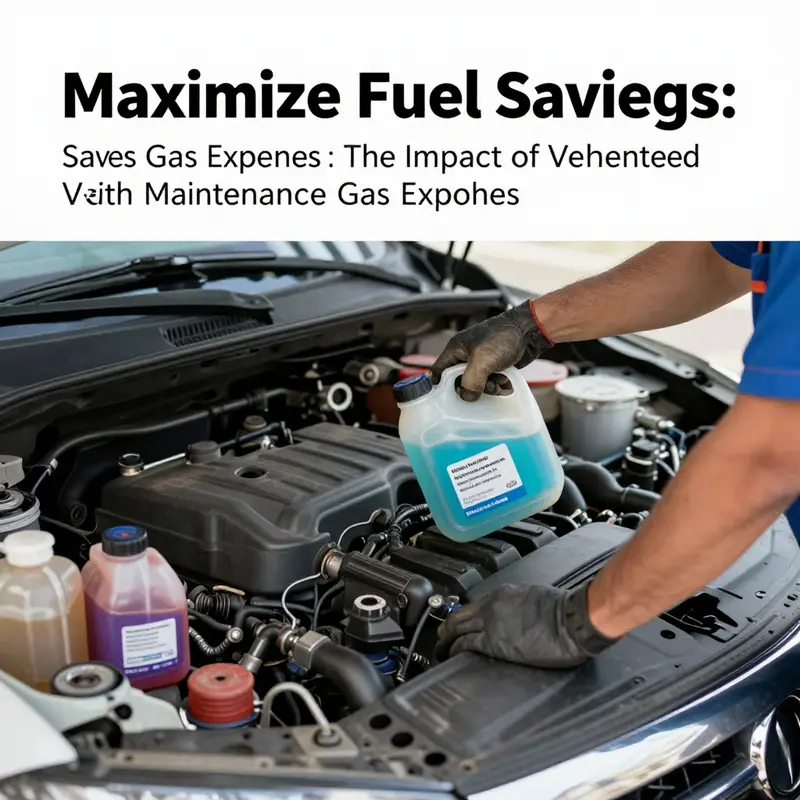
Every gallon of gas carries not just fuel but an invisible ledger of how well a vehicle is cared for. The most impactful entries in that ledger often hide in plain sight: the levels and condition of fluids that keep an engine, transmission, and cooling system operating smoothly. When these fluids are monitored and maintained, engines run with less resistance, gears find their proper engagement without hesitation, and the system as a whole wastes less energy producing the power you ask for. The argument isn’t about flashy upgrades or exotic parts; it is about a steady ritual of measurement, replacement, and attention to detail that compounds over time into meaningful savings at the pump. In a world where small efficiencies accumulate, regular fluid checks are a quiet but powerful driver of better miles per gallon and lower overall fuel expenses. This chapter follows the logic of that maintenance habit, showing how each fluid plays a role in translating care into dollars saved on fuel.
Take engine oil, the lifeblood of the internal combustion engine. Clean, properly leveled oil reduces friction inside the moving parts, letting the engine glide along with less effort. When oil becomes dirty or the level drops, the oil pump must work harder to establish a protective film between metal surfaces. That extra effort shows up as heat and higher parasitic losses, which translates into more fuel burned to deliver the same power. The issue isn’t only the increased drag; degraded oil can carry contaminants that degrade viscosity, causing borderline creep in oil pressure and uneven lubrication across cylinders. The result is not instant catastrophe but slower, steadier efficiency losses. Regular oil checks and timely changes under the manufacturer’s guidelines keep this friction budget in balance, preserving the engine’s ability to convert fuel into motion with minimal waste. The discipline of checking oil isn’t merely about avoiding engine failure; it is a proactive step toward maintaining optimal combustion efficiency and fuel economy. It’s a simple habit with outsized impact when practiced consistently, especially on older engines that tend to accumulate deposits and drift in clearance over time.
From there, the transmission fluid deserves the same careful attention, particularly in automatic transmissions where the fluid serves as both lubricant and hydraulic medium that governs gear shifts. Fresh, clean transmission fluid allows smoother engagement and precise shifting, which keeps engine rpm aligned with requested speed. If the transmission is slipping or hesitating because the fluid is degraded or low, the engine may rev higher than necessary before a gear change occurs. Those extra revs are fuel that’s burned unnecessarily, eroding efficiency. Over the life of a vehicle, even a modest improvement in shift quality can reduce fuel consumption in city stop-and-go driving, where shifting behavior has a pronounced effect. Regular transmission fluid checks and changes, following the vehicle’s maintenance schedule, ensure that the drivetrain isn’t asking the engine for more work than it should when you press the accelerator. The payoff is not just a crisper drive; it is a quieter, more economical progression through gears that doesn’t squander fuel on preventable wear.
Coolant is another actor in this quiet drama. The coolant system keeps the engine temperature within the narrow band at which gasoline combustion is most efficient. If the coolant level is low or the fluid is degraded, the engine can run hotter, and heat is a thief of efficiency. Excess heat pushes the engine toward rich fuel mixtures and throttles combustion efficiency, especially during sustained highway cruising or when the vehicle is under load climbing a grade. In the short term, overheating can trigger reduced power and increased fuel burn as the system struggles to stay within its optimum temperature window. In the long term, persistent high temperatures accelerate wear on cylinders, pistons, and seals, which in turn can alter fuel economy. Regular coolant checks and a coolant replacement schedule help maintain the engine at the ideal operating temperature, promoting smoother combustion and better gas mileage. It is a reminder that cooling and lubrication are not separate concerns; they are partners in preserving efficiency.
The same logic extends to brake fluid and power steering fluid, which, while not directly responsible for the amount of fuel burned per mile, influence the overall efficiency and responsiveness of the vehicle. Brake fluid that has absorbed moisture or become contaminated can cause inconsistent braking performance. When the brakes drag lightly or intermittently, the engine must work harder to regain speed, especially at low speeds and during deceleration-inertia cycles common in urban driving. While the impact on mpg may seem subtle, it adds up over thousands of miles. Power steering fluid, when degraded or low, increases steering effort, which can subtly alter driving behavior. More effort at the wheel often translates into a heavier foot on the accelerator in certain driving conditions, particularly in congested traffic where moment-to-moment decisions impact fuel use. Regular checks into these fluids keep the entire operating system responsive and efficient, reinforcing the idea that maintenance is a holistic practice rather than a series of isolated tasks.
Beyond the fluids themselves, a consistent maintenance regime anchors the fluids’ effectiveness. A monthly or quarterly ritual of inspecting fluid levels, noting color and smell, and confirming each reservoir’s lids and caps are secure reinforces a broader discipline of vehicle care. It is important to remember that fluids do not exist in a vacuum; their performance depends on the engine and drivetrain operating as a cohesive unit. When you catch a leak, a degraded seal, or an unexpectedly fast drop in a fluid level, you are catching an early sign that a subsystem is asking for attention. Addressing issues promptly prevents the cascade of inefficiencies that can arise when a car is not running as designed—inefficiencies that often show up as wasted fuel. And while dashboards lights provide helpful alerts, manual checks ensure you don’t rely solely on sensors, which can mislead when a system is degrading gradually. The habit of regular inspection makes you the steward of your vehicle’s efficiency, rather than a passive observer of its decline.
To appreciate the cumulative effect of these fluid-centric habits, consider the broad estimate from the Fuel Economy Guide: proper maintenance can improve fuel economy by as much as 4 percent. That improvement might feel modest in the moment, yet it compounds with every mile. If you drive 15,000 miles a year and your vehicle averages 25 miles per gallon, a 4 percent gain translates into roughly 24 gallons saved annually. Over several years, those gallons accumulate into meaningful savings that can fund other maintenance or even offset rising fuel costs. This is not about a single dramatic intervention; it is about a steady stream of small, consistent actions—a monthly oil check, a timely coolant flush, a careful transmission fluid change, and an attentive eye on the fluids’ condition—that collectively keep the engine, the transmission, and the cooling system operating at peak efficiency. The value of this approach extends beyond fuel costs. When fluids are maintained properly, engines experience less wear, components age more gracefully, and the vehicle preserves more of its original efficiency for longer. Those advantages translate into fewer trips to the shop for repairs, more predictable fuel budgeting, and a vehicle that remains easier and cheaper to operate over the long haul.
This broader picture of maintenance aligns with the practical, day-to-day reality of many drivers. The routine you establish—checking oil before weekend errands, confirming coolant levels after a long road trip, noting any unusual smells or textures in the fluids—becomes a habit that automatically supports better fuel economy. It also creates a feedback loop: when you see a slight dip in fluid levels or a noticeable change in how the car runs, you can investigate early rather than waiting for a sudden, more expensive failure. In this sense, fluids are not just substances inside the car; they are indicators of the vehicle’s health and its efficiency trajectory. The simple act of keeping them within recommended ranges turns maintenance from a defensive shield against breakdowns into an instrument for efficiency and cost savings. For readers seeking a deeper exploration of how maintenance translates into fuel savings, a more detailed discussion is available here: how-vehicle-maintenance-saves-on-gas-expenses.
In addition to fluid checks, the broader maintenance discipline—tire pressure checks, air filter replacements, and spark plug servicing—plays a supportive role in maximizing the gains from fluid care. Each element reduces unnecessary resistance and helps the engine and drivetrain deliver power more efficiently. Proper tire pressure reduces rolling resistance, improving overall mpg; a clean air filter ensures the engine breathes easily, preventing a drop in volumetric efficiency that would otherwise require more fuel to maintain the same pace. Fresh spark plugs promote clean combustion, reducing misfires that waste fuel and degrade performance. Together, these practices form a cohesive approach to maintenance in which fluids are a foundational component, not an isolated task. The message is practical and clear: invest a little time in regular fluid checks and related routine maintenance, and you accumulate a measurable return in fuel savings over the life of the vehicle. The math is straightforward, but the impact is cumulative and real, especially for drivers who log many miles each year.
Ultimately, the habit of regular fluid checks is about stewardship and foresight. It disciplines you to notice small changes before they become costly and fuel-inefficient problems. It also invites a broader conversation about how cars work: efficiency is not a single feature but the sum of many well-maintained parts functioning together. When you care for the fluids, you support the engine’s smooth operation, keep gears shifting cleanly, and help the cooling system manage heat that can erode efficiency. The result is a car that takes better advantage of every gallon, delivering steadier performance and calmer budgets. Adopting this approach does not require expensive tools or specialized expertise—just a simple routine, a few minutes a month, and a willingness to treat maintenance as a gateway to savings rather than a chore. In the larger arc of vehicle ownership, that small, consistent investment pays off in a vehicle that runs efficiently for longer and costs less to fuel over time.
External resource: https://www.fueleconomy.gov/feg/tech.shtml
Sensor-Smart Maintenance: Reducing Gas Costs by Keeping the Engine’s Data Honest
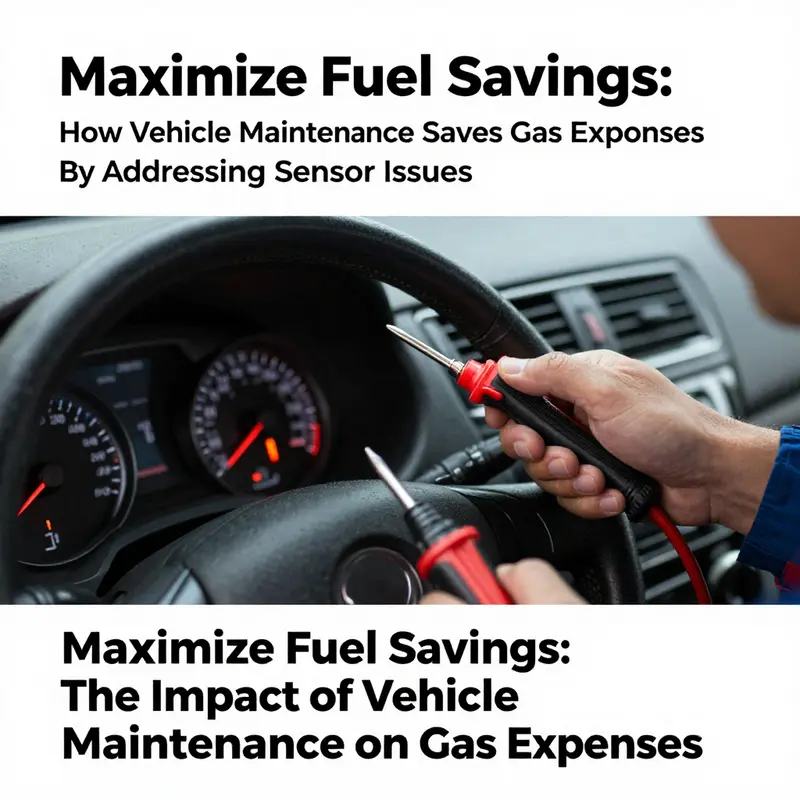
Every modern engine operates as a small, highly disciplined ecosystem, where dozens of sensors feed real-time information to the vehicle’s computer. Those sensors are not accessories; they are the nervous system of the powertrain. When they function correctly, they help the engine deliver just enough fuel and air to produce the power you need without wasting a drop. When they drift out of spec, the engine’s brain confuses data for decision-making, and fuel efficiency slides. The chain from sensor health to gas expenses is not immediately obvious, yet it is direct. Regular maintenance that includes attention to sensors and their supporting components translates into leaner fuel usage, smoother performance, and a lower monthly fuel bill that compounds over miles and years. In other words, sensor health is a quiet but powerful driver of savings you feel at the pump year after year.
To understand why sensor maintenance matters for fuel economy, it helps to think about the trio of sensors that most strongly shape fuel delivery: the oxygen sensor, the mass airflow sensor, and the engine temperature sensor. Each plays a distinct role, yet they are interdependent. The oxygen sensor, positioned near the exhaust, reports how much oxygen remains after combustion. The mass airflow sensor gauges how much air is entering the engine. The engine temperature sensor tells the computer how warm the engine is, which affects cold-start enrichment and timing. When any of these sensors tells the ECU something different from reality, the engine can either flood itself with fuel or run too lean. Both conditions cost gas, though in different ways. Regular checks and cleaning—or timely replacement when needed—keep these signals accurate, ensuring the engine’s fuel delivery matches actual demand rather than distorted data.
Consider the oxygen sensor more closely. It is a common point of failure because it sits in the hot, reactive environment of exhaust gases. A sensor that becomes dirty, contaminated, or aged can misreport the oxygen level in the exhaust. The ECU, trusting that faulty data, may richen the fuel mixture beyond what the engine requires for efficient combustion. The result is wasted fuel and reduce fuel economy. In fact, research compiled by the U.S. Department of Energy indicates that a faulty oxygen sensor can cut fuel economy by as much as 40 percent in some scenarios. That is not an exaggeration; it is a consequence of miscalibrated fuel delivery that no software update can fully compensate for. When you address this sensor through a competent maintenance schedule—whether by cleaning where appropriate, testing readings, or replacing it at the recommended interval—the precise, lean-burning mixture can be restored. In many cars, this repair does not only improve mpg; it also reduces exhaust emissions and lowers the risk of damaging the catalytic converter over time.
The mass airflow sensor, another workhorse in this system, complements the oxygen sensor by measuring the actual volume and density of incoming air. If the MAF sensor becomes dirty or drifts, the ECU can misjudge how much air is entering the cylinders. The result is improper fuel injection: too much fuel when air is scarce, or too little fuel when air is abundant. Either outcome costs fuel, along with a potential dip in performance and a rough idle. Cleanliness is essential here. A contaminated or faulty MAF sensor leads the engine to chase a moving target, wasting fuel while chasing power that never arrives. Routine maintenance—careful inspection, gentle cleaning with appropriate solvents, and calibration when needed—keeps the MAF sensor readings aligned with reality. The payoff is a more predictable air-fuel ratio, steadier idle, more responsive acceleration, and steadier miles-per-gallon over the life of the vehicle.
The engine temperature sensor is the quiet gatekeeper of warm-up and optimal operating conditions. In many engines, a cold-start enrichment strategy dumps extra fuel to help the engine reach its operating temperature as soon as possible. If the coolant temperature sensor misreads, the ECU can keep the engine in a rich or lean state longer than necessary. A cold engine means higher fuel consumption until the thermostat opens and the engine reaches its intended temperature. A malfunctioning sensor can prolong inefficient warm-ups, especially during winter, and that translates directly into more gas burned per mile. Regular checks during service visits—verifying sensor readings against coolant temperature, confirming that wiring remains intact, and replacing a faulty sensor when indicated—helps keep warm-up fuel use in line with actual conditions. As with the oxygen sensor, the DOE guidance emphasizes that maintaining sensors in good working order is among the most effective, practical ways to save on fuel costs over time.
Beyond the three core sensors, other monitors can quietly undermine efficiency if neglected. The crankshaft and camshaft position sensors, for instance, ensure proper timing of spark and fuel injection. If their readings drift or fail, the engine can misfire or retard timing, which wastes fuel and robs power. The MAP (manifold absolute pressure) sensor, the ambient temperature sensor, and even pressure sensors in the fuel rail contribute to the accuracy of the engine’s calculations. The common thread is clear: when sensors perform, fuel delivery is precise; when they don’t, the engine compensates in ways that waste gasoline. That is why sensor care sits at the center of a cost-conscious maintenance plan. It is not about chasing every possible fault; it is about maintaining a reliable feedback loop that allows the engine to burn fuel efficiently under a wide range of conditions.
What does practical maintenance look like in this context? It begins with a disciplined schedule that treats sensors as part of the vehicle’s vital signs. A routine service might include testing sensor outputs with diagnostic equipment, inspecting wiring harnesses for wear or corrosion, and replacing sensors that show signs of degradation. For some sensors, a simple cleaning is sufficient: the mass airflow sensor, for example, can accumulate dust and oil mist that alter readings. Careful, manufacturer-approved cleaning methods can restore accuracy without risking damage. For others, such as the oxygen sensor, replacement at the manufacturer’s recommended interval is often more cost-effective than chasing intermittent misreadings. In every case, the goal is to preserve accurate data to the ECU so that the engine’s brain can optimize fuel delivery, timing, and emissions. When warning lights illuminate or diagnostic trouble codes (DTCs) appear, addressing them promptly is not vanity—it is fuel-saving discipline. Ignoring a malfunctioning sensor invites a cascade of inefficiencies that will accumulate across months and miles, eroding the potential savings from even the best driving habits.
There is a broader, practical takeaway that ties sensor health directly to your wallet. The DOE estimates that regular maintenance can improve fuel economy by as much as 4 percent. Multiply that modest percentage across a typical year of driving, and the savings begin to compound. For example, if you drive about 15,000 miles annually and your vehicle averages 25 miles per gallon, a 4 percent improvement corresponds to roughly 24 gallons less fuel per year. At prevailing pump prices, that figure translates into hundreds of dollars over the long term, especially when you consider how many years a vehicle remains in service. The math is straightforward, but the impact is real: keeping sensors clean, calibrated, and within spec prevents the engine from wasting fuel in the name of data correction. It also means fewer unnecessary trips to the gas station, more predictable fueling costs, and less risk of expensive repairs triggered by chronic sensor misreads—repairs that often come in the form of expensive catalytic converter replacements or more extensive engine work.
The practical virtue of sensor-focused maintenance is, in part, the way it nudges behavior without demanding heroic effort. A driver who makes sensor health a routine priority is less likely to ignore a looming warning light. That translates into early intervention rather than late escalation. It is not merely about chasing a bright check-engine light; it is about recognizing that little, regular actions—inspecting air intake, replacing a clogged filter, keeping electrical connections clean and dry, and listening to the vehicle’s signals—preserve the fidelity of the data that powers the engine. Over months and years, these small acts accumulate into a substantial reduction in fuel consumption. The result is a vehicle that runs closer to its designed fuel economy, even as driving conditions, loads, and routes change. In this way, sensor maintenance becomes a quiet financial ally, amplifying your investment in regular care rather than eroding it through neglect.
For readers seeking a concise roadmap, a practical approach is to treat sensor health as an integral part of overall maintenance rather than a separate checklist item. During routine service, request a quick sensor health review: confirm readings, look for signs of contamination on the MAF sensor, inspect the oxygen sensor’s exposure to exhaust conditions, and verify that the engine temperature readings align with the actual coolant temperature. If any codes appear, or if diagnostics reveal sensor drift or failure margins beyond tolerance, follow through with recommended service steps promptly. Such diligence reduces the likelihood of inefficient combustion and helps ensure that your vehicle’s performance stays aligned with its designed efficiency. It is an approach that respects both the science of fuel delivery and the economics of daily driving. More broadly, it complements other fuel-saving practices like keeping tires properly inflated, performing timely air-filter changes, and ensuring the drivetrain remains well-lubricated and free of unnecessary drag. All of these factors work together to lower gas expenses in a way that feels gradual but becomes substantial over time. For readers who want a broader synthesis of how regular maintenance translates to tangible fuel savings, see the article on how vehicle maintenance saves on gas expenses.
External resource: For a deeper dive into sensor maintenance and fuel economy, consult the U.S. Department of Energy’s Fuel Economy Guide on Vehicle Maintenance: https://www.fueleconomy.gov/feg/technologies/vehicle_maintenance.shtml
The Frugal Driver’s Engine: How Preventive Care Keeps Gas Costs Down
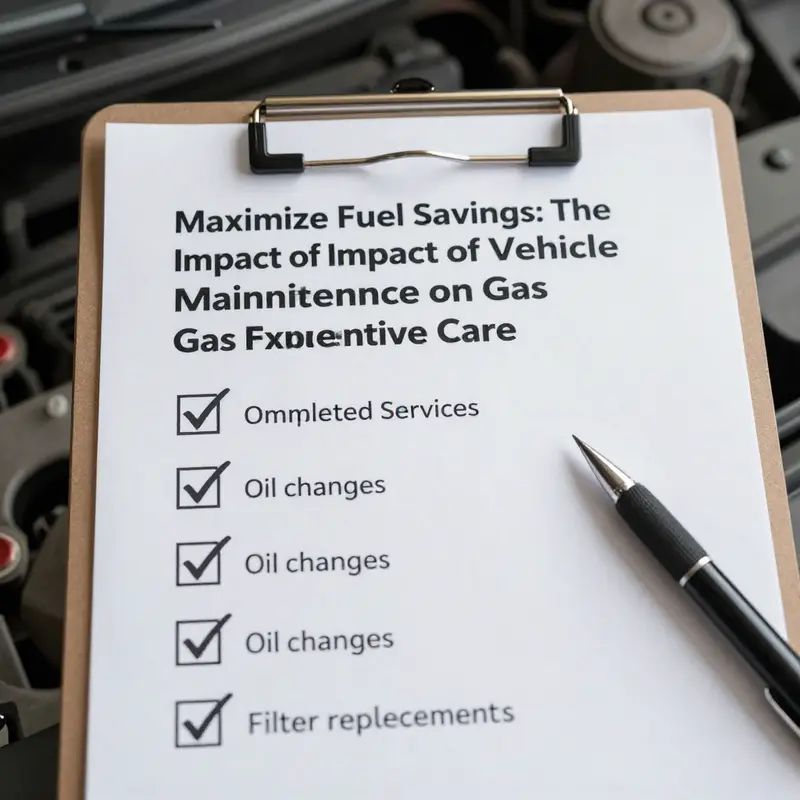
When a vehicle runs with purpose, the road becomes a stage for efficiency rather than a test of endurance. The engine’s hum is a reminder that maintenance isn’t a luxury; it’s a disciplined habit that translates directly into lower gas expenses. The chain of cause and effect is straightforward: regular upkeep keeps components operating as designed, sensors reporting accurate data, and fuel use lean and precise. In that sense, preventive care is fuel economy’s quiet partner, a behind-the-scenes contributor whose effects accumulate across miles, months, and years. What begins as routine service—an oil change, an air filter replacement, a tire rotation—becomes a measurable improvement in how far a tank of gas can carry you before you need to refuel again. It is not merely about avoiding breakdowns; it is about preserving the integrity of every part of the powertrain and the drivetrain so the engine does not waste energy fighting preventable resistance or misfiring with imperfect combustion.
A well-tuned engine is the centerpiece of this efficiency. The engine is a finely balanced system that depends on clean air, clean fuel, and precise timing. A clean air intake matters more than most drivers realize. A clogged or dirty air filter can restrict airflow enough to reduce fuel efficiency by as much as 10%. That drop isn’t dramatic in a single tank, but it compounds over the year across thousands of miles. When air isn’t flowing freely, the engine can’t burn fuel as efficiently, leading to more fuel being used to produce the same amount of power. A simple air filter change, therefore, becomes a small investment with outsized returns. The same logic applies to oil changes. Fresh oil reduces friction and heat, helping the engine operate more smoothly. Over time, this streamlining translates into smoother accelerations, steadier idle, and, crucially, steadier fuel economy.
Tire maintenance sits at the frontier where maintenance intersects with rolling resistance. Tires that are underinflated or misaligned increase the effort the engine must exert to move the vehicle. The energy wasted in every rotation is energy that could have translated into propulsion when the tires were inflated to the correct pressure and aligned to optimize contact with the road. Underinflation alone can raise rolling resistance enough to negate several miles per gallon in aggressive driving conditions, particularly on longer highway trips. Regular tire pressure checks and rotations ensure the tires wear evenly and stay in their optimal state. The result is not merely better fuel economy but a more predictable performance envelope: steadier handling, quicker response to steering inputs, and, over time, fewer drivability concerns that can tempt a driver to press harder on the accelerator.
The role of spark plugs and ignition timing should not be underestimated either. Worn or fouled plugs misfire or burn fuel inefficiently, which means the engine uses more gasoline for the same thrust. Routine inspection and replacement of spark plugs keep combustion clean and complete. When combustion is efficient, the engine extracts more energy from each drop of fuel, reducing losses that would otherwise show up as higher fuel consumption. Modern vehicles may rely on more complex ignition systems, but the core principle remains: clean, well-timed ignition preserves fuel economy and prolongs component life. In tandem with this, a well-maintained fuel system, including proper fuel pressure and clean injectors, helps ensure that the air–fuel mix is ideal for efficient burning. Regular diagnostics and preventive care catch small declines before they translate into noticeable jumps in gas usage.
Beyond the engine itself, the vehicle’s computer and sensor systems act as the nervous system of modern propulsion. When a sensor detects that performance has drifted from specifications—whether due to a failing oxygen sensor, a clogged catalytic converter, or a slipping timing chain—the system can trigger warning lights or, worse, allow the car to run inefficiently as it compensates. Addressing these issues promptly through routine maintenance keeps the engine in its sweet spot for efficiency. It prevents a cascade of compensations that can degrade fuel economy over time, turning what began as a minor nuisance into a larger, more expensive snarl of drivability and expense. The practical upshot is that preventive care doesn’t just avert dramatic failures; it preserves the delicate balance in which a vehicle was designed to operate, where every sensor and actuator contributes to lean, clean, efficient combustion.
Economic reality brings these technical details into sharper focus. The U.S. Department of Energy provides data that makes the case with clarity. Regular maintenance tasks—oil changes, air filter replacements, tire rotations, and confirming proper tire pressure—can improve fuel economy by as much as 4%. That figure may seem modest at first glance, but it represents a meaningful, cumulative saving for drivers who clock substantial annual mileage. Consider the numbers: a driver who covers 15,000 miles in a year with a vehicle rated around 25 mpg would see about a 4% improvement translate into roughly 24 gallons less fuel over the course of the year. Depending on gas prices, that saving can amount to hundreds of dollars after a season and can offset the costs of routine upkeep, especially when maintenance is planned rather than reactive. For a typical household with annual fuel expenditures around $2,000, a 4% improvement equates to about $80 in savings per year—an amount that compounds as miles accumulate and maintenance practices remain consistent.
These savings are not only about dollars saved at the pump. Preventive care also reduces the risk of larger, more costly repairs that can degrade efficiency long before a sensor issues a warning. When small issues go unaddressed, they can escalate into misfires, clogged emissions components, or degraded exhaust flow, each of which can erode efficiency and drive up fuel use. Early intervention through routine check-ups and timely part replacements keeps the engine and exhaust in peak operating condition. It also reinforces the idea that maintenance is a preventive investment rather than a reactive expense. The financial math is straightforward: you spend a modest amount on preventive care now, and you avoid the much larger costs—and the accompanying drag on fuel economy—that come with major repairs and degraded performance later.
In this light, maintenance becomes a daily financial discipline rather than an occasional tune-up. Even the decision to replace an aging air filter during a scheduled service—versus waiting until it becomes visibly dirty—can pay dividends in fuel efficiency. The cumulative effect of several preventive actions, performed on a sensible, regular schedule, multiples the impact on mpg and total fuel costs. For many drivers, this approach also yields intangible benefits: smoother rides, more predictable fuel budgeting, and a greater sense of control over how much of their money goes to fuel rather than wear and tear. When you commit to preventive care, you are choosing efficiency as a long-term partner in your financial planning, not merely a line item in a maintenance log.
For readers seeking a practical anchor in the broader exploration of vehicle care, this chapter connects to a broader discussion of how maintenance threads through fuel savings. The path from routine service to tangible gas savings is not a gimmick; it is a structured process grounded in mechanical and electronic discipline. If you want a deeper dive into the specific preventive strategies and the evidence behind their impact, you can explore the linked resource that underpins these claims. how-vehicle-maintenance-saves-on-gas-expenses.
The broader takeaway is simple: maintenance is a deliberate, financially meaningful habit. It is the steady, proactive care that keeps a car’s efficiency from slipping and stays ahead of the curve where rising fuel costs threaten overall operating expenses. The more consistently you treat preventive care as part of your driving routine, the more your vehicle will reward you with better mileage, fewer surprise repairs, and steadier costs at the pump. This is not a single-action science; it is a framework built on timely service, attention to sensor-detected issues, and respect for the delicate balance that governs modern propulsion systems. In that framework, gas expenses are not just a line item to minimize but a natural outcome of disciplined vehicle care, a dividend paid in miles per gallon and peace of mind.
External resources can offer additional validation and practical tips. For readers who wish to see the data in a broader programmatic context, the U.S. DOE Fuel Economy Guide provides authoritative guidance on how maintenance intersects with fuel efficiency and offers actionable tips for saving on gas. See https://www.fueleconomy.gov/feg/ for more details and official figures that reinforce the argument that preventive care translates into real-world savings.
Final thoughts
In conclusion, regular vehicle maintenance has a substantial impact on fuel consumption and overall profitability for fleets. By prioritizing engine efficiency, tire condition, fluid checks, sensor reliability, and preventive care, businesses can reduce unnecessary fuel spend. Proactive maintenance leads to smoother operation, fewer breakdowns, lower emissions, and measurable cost savings. Investing in maintenance is an investment in long-term fleet performance and profitability.