

Fuel efficiency is a key concern for business owners, especially those managing fleets. Regular vehicle maintenance not only prolongs the life of vehicles but also significantly improves their fuel efficiency—a crucial element in controlling operational costs. Several critical aspects of vehicle care directly correlate with how well a vehicle uses fuel, including engine cleanliness, the condition of air and fuel filters, and tire maintenance. This article dives deep into these areas, illustrating how a proactive maintenance strategy can lead to substantial savings at the pump and enhance overall fleet performance. By understanding and implementing these practices, business owners can ensure that their vehicles operate at peak efficiency, reducing environmental impact while bolstering profitability.
Engine Cleanliness as a Driving Force: How Maintenance Shapes Fuel Efficiency
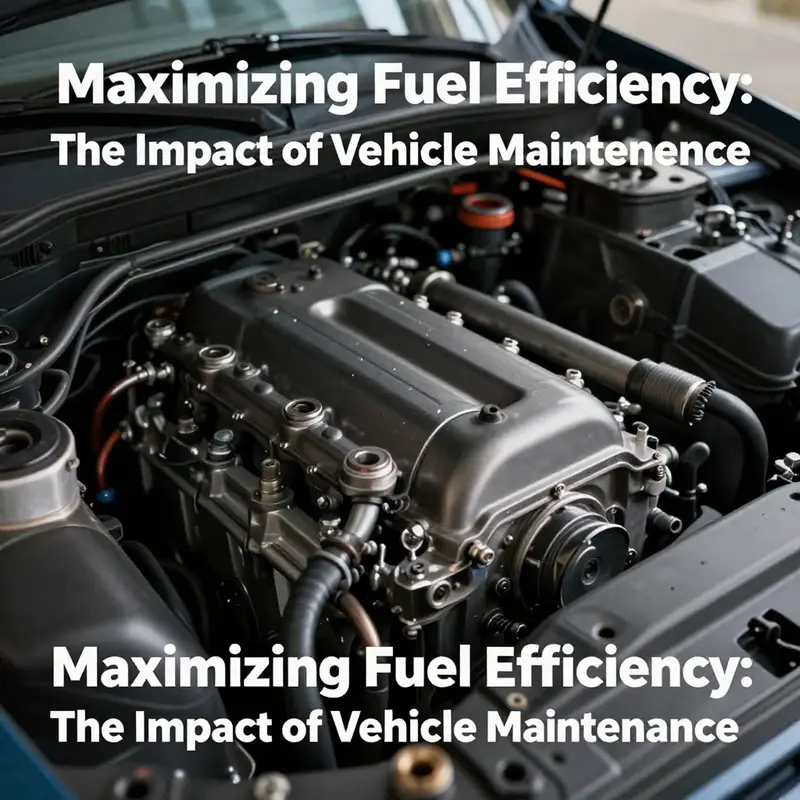
Engine cleanliness is a quiet but powerful driver of fuel efficiency. When a vehicle runs clean inside the metal heart of its operation, the air and fuel meet in more precise, efficient proportions. The opposite is equally true: when carbon deposits and oil sludge accumulate on critical surfaces, the engine’s breath becomes fettered, heat management falters, and the machine must work harder to do the same work. The result is not only reduced power but a measurable uptick in fuel consumption. The relationship between cleanliness and consumption is direct and quantifiable, and it helps explain why some drivers notice a real difference in mileage after a thorough cleaning or after returning a car to a more properly maintained state.
The most visible villains in the cleanliness story are carbon deposits—积碳 in many markets—along with oil sludge that can creep in where deposits should not. These contaminants form on intake valves, around fuel injectors, on pistons, and within combustion chambers. As they accumulate, they interfere with the exact air-fuel mixture the engine relies on for complete and efficient combustion. When the mixture becomes imbalanced, combustion becomes less efficient, and unburned or partially burned fuel can escape as waste. The engine then compensates by increasing fueling or revving higher to produce the same amount of power, which directly translates into more fuel used per mile. In practical terms, this disruption can raise fuel usage by as much as 10% to 15% in engines suffering severe buildup. Those numbers are not just theoretical: they reflect real-world dynamics observed by automotive researchers and service professionals who measure fuel economy before and after deposit removal.
The remedy is straightforward in principle but often intricate in practice. Thorough cleaning of the fuel system and intake pathway—performed by trained technicians—removes the stubborn deposits that choke airflow and misalign fuel delivery. When deposits are removed, the engine’s breathing becomes freer, and fuel injectors can deliver fuel more precisely again. This restoration of precise metering and air intake can yield a fuel economy improvement in the range of 5% to 8%, depending on how dirty the engine was to begin with. In other words, a clean engine doesn’t just run better; it runs cheaper, because the combustion process can occur with less waste and less compensatory throttle input. And the smoother the engine runs, the less the driver has to coax it with pedal input, which translates to more efficient acceleration and, over time, better miles per gallon.
A clean engine’s benefits extend beyond the measured gains in miles per gallon. When deposits are kept at bay, oil passages and bearings can remain well-lubricated, reducing friction and wear. This is not just about saving fuel in the short term; it’s about extending the engine’s life and preserving its efficiency over longer periods. Clean cooling passages promote more effective heat transfer, which helps maintain optimal operating temperatures. When an engine overheats or runs hot, fuel economy can suffer due to altered combustion characteristics and the engine’s protective strategies that prioritize reliability over efficiency. Cleaner combustion also tends to produce fewer emissions, which, while not the primary focus of fuel economy, aligns with broader environmental and regulatory aims that reward efficient operation.
To translate the science into daily practice, consumers should view engine cleanliness as a regular, integral part of maintenance. Several specific steps stand out for their impact on fuel economy. First, air filtration is a critical gatekeeper for the engine’s air intake. A clogged air filter restricts airflow, forcing the engine to compensate by delivering more fuel to keep the mixture within a usable range. That dynamic skews the air-fuel ratio toward fuel-rich conditions, which dramatically lowers fuel economy. Replacing the air filter on schedule—typically every 12,000 to 15,000 miles, or sooner in dusty environments—can yield a tangible improvement in efficiency, often in the 3% to 5% range. This is not a one-off effect; consistent filtering ensures the engine consistently “breathes” clean air, enabling more precise combustion.
Second, the fuel system itself benefits from attention. Deposits around fuel injectors or in the intake tract impede precise fuel delivery and uniform atomization. In severe cases, clogged injectors can reduce flow, creating lean or rich conditions in different cylinders and causing misfires or irregular combustion. Addressing these issues—whether through professional cleaning or injector servicing—restores smooth fuel delivery and can improve efficiency as the system returns to optimal performance. Consumers should also use high-quality fuel and be mindful of additives formulated to help prevent carbon buildup. Such additives can form a protective film and help maintain cleaner injectors and intake passages between professional cleanings.
Third, the engine oil itself plays a consequential role in efficiency. Old or degraded oil increases internal friction and can impede heat transfer, which means the engine must expend more energy to overcome resistance. Regular oil changes using the viscosity grade recommended by the manufacturer reduce friction, support mechanical efficiency, and contribute to the vehicle’s overall fuel economy. It’s not merely about keeping the engine clean on the outside; it’s about maintaining the lubricating film that reduces metal-to-metal contact and the energy wasted to overcome it. In turn, that mechanical efficiency helps the engine convert more of the chemical energy in fuel into useful work rather than into heat, noise, or wear.
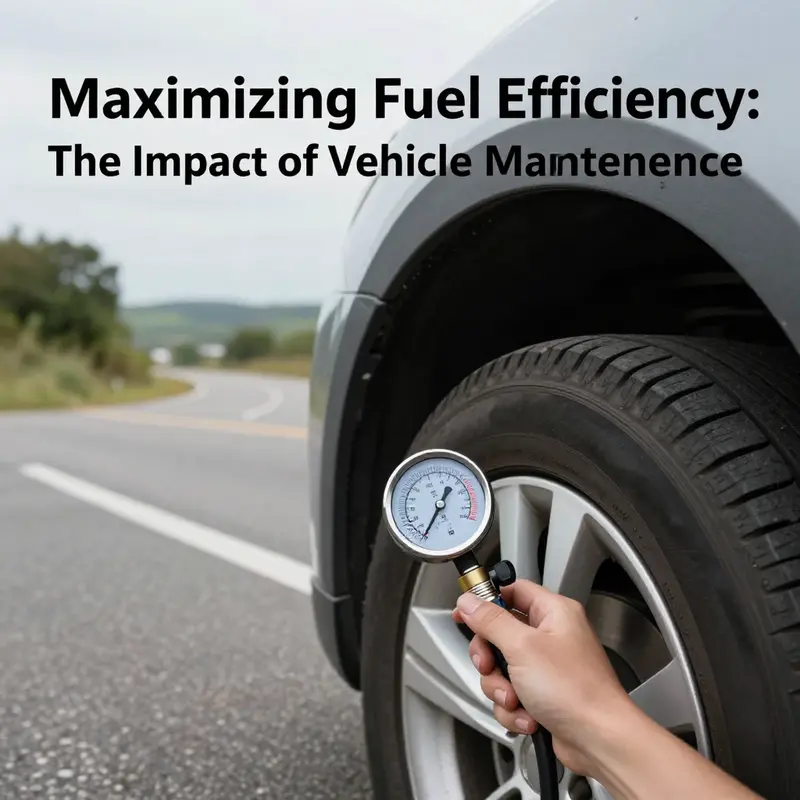
Tire condition and rolling resistance act as a bridge between engine cleanliness and real-world fuel economy. Even with a pristine engine, underinflated tires increase rolling resistance, forcing the engine to burn more fuel to maintain speed and acceleration. This is a reminder that cleanliness must be paired with proper maintenance in other areas to maximize efficiency. Regular tire pressure checks and maintaining the tire pressures recommended by the vehicle’s manufacturer can significantly improve fuel economy by reducing the energy the engine must supply to roll the vehicle. The effect is cumulative: the easier it is for the vehicle to roll, the less fuel the engine needs to expend over the same distance.
The discussion above is not merely about science or the occasional professional service. It’s about an integrated maintenance mindset. Engine cleanliness does not stand alone; it interacts with fuel quality, air intake, lubrication, and even tire maintenance. The synergy among these elements means that the most meaningful gains occur when households adopt a holistic approach, treating engine cleanliness as one component of a broader strategy to reduce fuel use.
Guidance for regular practice emerges from the data. Replacing air filters on schedule remains a cornerstone. Keeping fuel delivery components clean through periodic inspection and, when necessary, professional cleaning, sustains precise combustion. Using the right oil and adhering to replacement intervals minimizes friction and keeps heat where it belongs—inside the engine’s cooling system rather than flowing as wasted energy. In addition, avoiding neglectful habits like prolonged idling and aggressive acceleration can further magnify the gains achieved through cleaner internals. The point is to align mechanical upkeep with a driver’s operating style so that the engine’s efficiency potential can be realized consistently over time.
This chapter’s emphasis on engine cleanliness aligns with broader research that points to maintenance as a reliable lever for reducing fuel consumption and emissions across the fleet. A nationwide survey in 2026 highlighted that regular maintenance was among the most effective strategies for lowering fuel use and emissions. The takeaway is not that maintenance alone solves the energy problem, but that it forms the backbone of a sustainable driving routine. When drivers take maintenance seriously, they are buying into a system that rewards efficiency, reliability, and cost savings over the life of the vehicle.
To make the practical connection explicit, consider a concise set of guidelines that can fit into a routine maintenance calendar:
- Replace the air filter every 12,000 to 15,000 miles, or sooner in dusty environments. This small task consistently yields modest but meaningful gains in fuel efficiency, typically around 3% to 5%. It preserves the engine’s ability to ingest clean air and keeps the combustion process closer to ideal conditions.
- Schedule professional engine cleaning every 20,000 to 30,000 miles, with more frequent service for vehicles subjected to stop-and-go traffic or heavy city driving. Professional cleaning removes stubborn deposits that cleaning agents alone cannot address, restoring airflow and fuel flow to their intended efficiency.
- Use high-quality fuel with additives designed to mitigate carbon buildup. While not a universal fix, the right additives can support cleaner injectors and intake passages between services, helping to maintain better combustion characteristics.
- Monitor and maintain engine oil with the correct viscosity as specified by the manufacturer. Regular oil changes reduce friction and support smooth operation, contributing to a measurable improvement in efficiency over time.
- Keep the fuel system (including the fuel filter, where applicable) clean and free from contaminants. Contaminants can alter fuel delivery and atomization, compromising efficiency and increasing emissions.
- Maintain tire pressure at the recommended level. Properly inflated tires reduce rolling resistance, enhancing very small but cumulatively significant gains in efficiency when combined with a clean engine.
The cumulative effect of these steps can be substantial over the life of a vehicle. A clean engine not only minimizes fuel waste but also supports smoother acceleration, more predictable throttle response, and reduced risk of unexpected performance dips. These benefits extend to reliability and longevity, as cleaner internal pathways and more stable operating conditions help protect engine components from excessive wear and tear. In turn, that reliability has a practical financial dimension: fewer repairs and less downtime translate into lower operating costs, including fuel expenditures.
From a storytelling perspective, the engine’s cleanliness narrative also helps drivers understand the value of preventive maintenance. It provides a tangible link between routine tasks and the day-to-day experience of driving—how a car feels, how it responds to the pedal, and how efficiently it returns mileage on a tank. The numbers—10% to 15% potential savings from removing carbon buildup, and 5% to 8% improvement from cleaning—are not abstract estimates. They map onto real-world experiences that drivers can verify with their own odometer readings if they choose to track performance over time.
For readers seeking a compact, practical takeaway, the core message is simple: a cleaner engine breathes more freely, and freer breathing translates into better fuel economy. This is not a one-off upgrade but a durable practice. It requires attention to air, fuel, oil, and system cleanliness together, and it rewards the driver with better efficiency, lower emissions, and enhanced long-term reliability. In the broader context of vehicle ownership and daily driving, maintenance that emphasizes engine cleanliness becomes a pathway to meaningful, repeatable fuel savings.
For readers who want a direct path to implementing these ideas, a concise resource on the practical relationship between maintenance and gas expense provides a useful map. how vehicle maintenance saves on gas expenses. This reference offers a broader look at how routine upkeep translates into measurable reductions in fuel costs and is meant to complement the in-depth discussion of engine cleanliness presented here. The aim is not to oversell a single action but to illustrate how a consistent maintenance routine compounds its benefits across the engine’s life and the vehicle’s overall efficiency profile.
In sum, engine cleanliness is a central pillar of fuel efficiency. It matters because cleaner air intake, cleaner fuel delivery, and cleaner lubrication work together to reduce friction, improve combustion, and stabilize operating temperatures. The resulting gains—both in fuel economy and in reliability—underscore why maintenance cannot be treated as an optional convenience but as a fundamental investment in the car’s performance and the owner’s wallet. As the data and expert assessments converge, the message becomes clear: keep the engine clean, and the miles per gallon will thank you. External research and industry guidance reinforce this view, pointing toward a well-maintained engine as a baseline condition for achieving the best possible fuel economy.
External resource: https://www.caranddriver.com/features/a47296588/how-to-improve-fuel-economy-with-engine-maintenance/
Breathing Easy, Driving Farther: The Quiet Gatekeepers of Fuel Efficiency Through Air and Fuel Filters
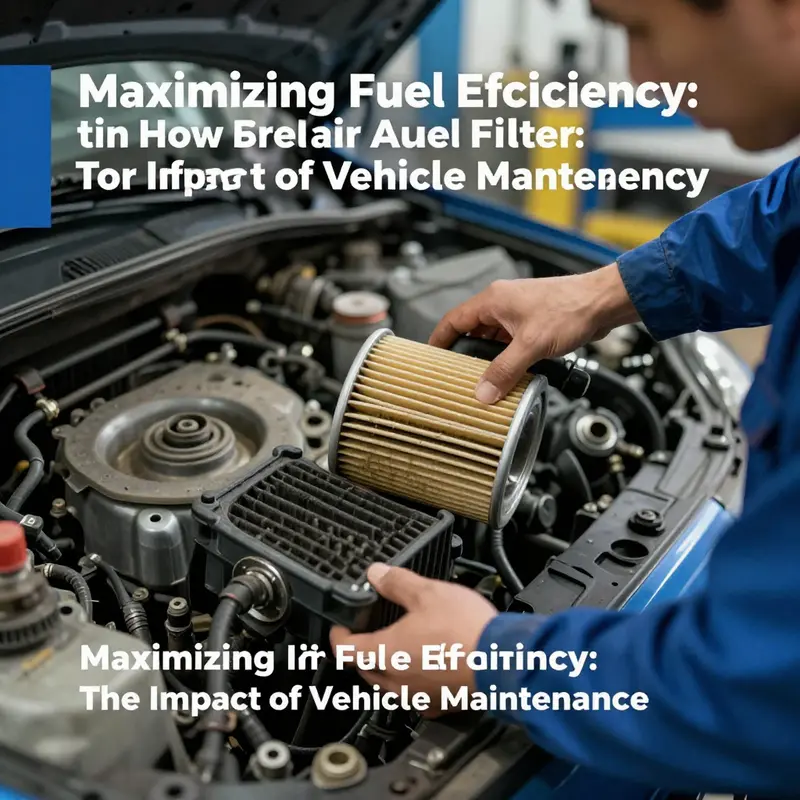
Every engine is a living system that relies on clean air, a steady fuel supply, and friction-free motion to convert gasoline into forward momentum. In the middle of this complex dance are two unglamorous components that rarely dominate the conversation about fuel efficiency yet exert a outsized influence on how far a gallon can take you: the air filter and the fuel filter. These filters act as gatekeepers. They protect sensitive internal components from dust and contaminants while ensuring the engine breathes and burns in a controlled, efficient rhythm. When they work well, the engine runs clean, responds smoothly, and sips fuel with a quiet confidence. When they falter, tiny restrictions multiply into real world penalties in power, emissions, and, yes, fuel economy. The narrative of fuel efficiency often unfolds in high tech domains with advanced spark, turbo, and exhaust strategies. But the most immediate, measurable gains frequently come from attending to these humble filters. They set the stage for every other maintenance step and, in subtle ways, influence how the engine manages air and fuel under varied driving conditions. In this sense, air and fuel filters are not just expendables to be swapped on schedule; they are performance levers that connect everyday maintenance to the miles you expect to gain from every tank of gas. When we examine how maintenance translates into fuel savings, the story of air and fuel filters often forms a clean, linear path from intake to combustion to propulsion. It starts with air intake, where the air filter guards the engine against dust and debris that can erode engine efficiency and clog critical passages. It continues through the fuel system, where the fuel filter ensures a clean, steady flow that preserves proper injection pressure and timing. And it concludes with the engine control systems, which rely on accurate air flow and fuel delivery to maintain the delicate balance of air and fuel needed for complete combustion. A clean air filter means the engine can draw the necessary amount of air without straining. The throttle body can operate freely, and the mass airflow sensor can register a true intake volume. When each of these components sees the air it expects, combustion follows the intended path. The result is a more complete burn, greater throttle responsiveness, and a more stable engine load across accelerations. The opposite is equally true. A clogged air filter introduces a subtle resistance to air inflow. The engine then receives less air for each intake cycle, which can push the fuel system to compensate by injecting more fuel to maintain power. That compensation, intended to preserve performance, can uplift fuel consumption. The longer such a condition persists, the more fuel is wasted through misadjusted mixtures and incomplete combustion. The atmosphere surrounding the air filter is not just about dust; it is a test bed for how well the engine can harvest energy from every cubic inch of air that enters the cylinders. A restricted air path can trigger a cascade of small inefficiencies. A slight power loss during acceleration compels the engine to operate at higher loads for longer periods to achieve the same speed. Higher load means higher fuel demand, which when repeated over hours of driving translates into a noticeable drop in miles per gallon. The fuel filter, while less visible in daily driving, performs an equally critical function. It is the final line of defense against contaminants that can ride along with fuel from the pump to the injectors. A clean fuel filter keeps fuel pressure stable and helps maintain precise metering. When the filter becomes clogged, pressure can drop and fuel may not reach the injectors in a timely, uniform manner. The consequences show up as hesitation, misfires, and reduced fuel economy. The engine may stumble under load or respond with a delayed throttle tip in, both of which place additional strain on the fuel system and the overall energy budget of the vehicle. In many engines, fuel delivery and air intake are tightly coordinated by the engine control unit. It expects a clean signal of how much air is entering and how much fuel is being delivered. A dirty air path or a restricted fuel feed distorts that signal. The control unit then compensates, often by adjusting injector timing or calculation of air mass, but these compensations are not perfect. The result is a subtle, cumulative decline in efficiency. The mathematics of this interaction are not dramatic in isolation, but they accumulate over miles. You notice it as a decrease in miles per gallon, a slight lag in response, or a change in the smoothness of idle. These are the practical manifestations of a chain reaction triggered by a dirty filter. The maintenance practices around these components are straightforward, but their impact on efficiency is profound. Regularly replacing the air filter ensures the engine breathes freely. In a vehicle kept in mind to potential dust and pollen, or in arid or dusty environments, more frequent changes can be warranted. When the air path is clear, the engine can draw air with minimal resistance and the throttle body operates in a clean, predictable range. Cleaner air reduces the need for fuel to compensate for a lean or rich mixture, leading to more stable combustion. Likewise, replacing the fuel filter on a recommended schedule preserves consistent fuel pressure and fuel delivery. Clean fuel allows the injectors to spray precise volumes at the correct times, keeping each combustion event predictable and efficient. The reduction in misfires or hesitation contributes directly to fuel savings because wasted fuel is rarely reclaimed by the next cycle. The conversation about optimization does not end with the filters themselves. The broader maintenance ecosystem matters because the benefits of clean air and steady fuel pressure are amplified when other systems remain in tune. The engine oil, for instance, reduces internal friction that can otherwise steal efficiency. When oil wears or viscosity diverges from the manufacturer spec, the engine works harder regardless of air and fuel cleanliness. Regular oil changes with the correct viscosity help the engine spin with less resistance, enabling a more efficient burn and smoother operation. In this sense, filters interact with oil, spark, lubrication, and even exhaust systems to shape fuel economy. The tire and rolling resistance dimension is another piece of the puzzle. Even with a pristine air and fuel path, wheels that fight excessive rolling resistance will force the engine to work harder to keep the vehicle moving. Proper tire pressure reduces the energy needed to overcome deformation and ground contact. The synergy is clear: a chain of maintenance tasks, each aimed at reducing parasitic losses, yields compounding gains in efficiency. In control terms, you could say that air and fuel filters help maintain the design point of engine operation. They keep the fuel air ratio within the tight envelope where combustion is efficient, stable, and repeatable. When this envelope is preserved, the engine can achieve a higher effective efficiency at a broader range of speeds and loads. In the real world, drivers rarely operate at an ideal, steady state. Traffic, hills, and weather introduce dynamic changes. A clean air path and reliable fuel flow enable the engine to respond to those changes with less energy waste. For example, when climbing a grade, a clean air path allows the throttle to open in a measured way, avoiding the tendency to flood the mixture with fuel to compensate for restricted intake. On the descent or at steady cruise, consistent fuel delivery keeps the burn efficient, avoiding the zigzag of fuel-rich bursts that degrade economy. The practical implications extend beyond the engine alone. A well maintained air and fuel path reduces emissions by ensuring the combustion is closer to the designed stoichiometry. In turn, that cleaner burn translates to lower turbo or catalytic converter stress and longer catalyst life. This is not merely environmental stewardship; it is performance stewardship as well, because it preserves the efficiency margins built into the vehicle from the factory. When we reflect on the guidance from overarching research, including nationwide surveys and governmental resources, the pattern becomes clear. Regular maintenance of the air and fuel pathways is one of the most cost-effective ways to improve or sustain fuel economy across a broad spectrum of vehicles. The significance is not a matter of a single percent here or there; it is the cumulative effect of removing small inefficiencies that add up over thousands of miles. For readers seeking practical, actionable steps, the path is simple. Inspect the air filter; replace it according to the manufacturer’s intervals or more often in dusty environments. Check the fuel filter and replace it on the recommended cadence; if the vehicle shows signs of reduced power or misfires, do not delay inspection of fuel delivery components. These actions are among the least expensive ways to maintain efficiency without sacrificing reliability. The payoff is immediate in many cases. You notice crisper throttle response, a smoother idle, and a steadier fuel economy reading across similar driving conditions. The costs of neglect are not merely measured in dollars; they manifest in higher emissions, reduced engine life, and the frustration of constant minor performance issues. In the broader arc of vehicle maintenance, these filters are the quiet workhorses that make every other step more effective. Even when you service ignition systems, you are buying the time and space for clean air to interact with the burned fuel in the ideal way. Regular maintenance is not a luxury but a practical discipline that aligns with greener driving and lower long-term costs. For those who track their vehicles for business purposes, the correlations become even more meaningful. A fleet that adheres to a disciplined filter replacement schedule can see meaningful reductions in fuel consumption across hundreds or thousands of vehicles. The simple acts of swapping air and fuel filters at the advised intervals accumulate into measurable savings over time, while also reducing risk and downtime associated with reduced engine performance. In that sense, the narrative here ties back to a larger truth about vehicle care: small, consistent maintenance actions compound into meaningful efficiency. The research base supporting this assertion is robust, and it echoes across different disciplines and regions. Industry studies, mass-market surveys, and government resources converge on the conclusion that keeping air and fuel pathways clean is a foundational step toward maximizing fuel economy. The relationship is not about chasing radical gains but about preserving the engine’s ability to perform at its design efficiency. It is about safeguarding the conditions under which the engine delivers power with minimal fuel waste. When maintenance decisions are made with this framing in mind, vehicle owners can approach fuel economy with a practical, non sensationalist mindset. This is not about a single heroic repair; it is about a steady rhythm of care that respects the engine as a complex system of interacting parts. To connect this discussion to practical guidance, many drivers find it helpful to think of maintenance as a performance baseline rather than a cosmetic upgrade. The air and fuel filters establish that baseline by ensuring unimpeded breathing and steady fuel delivery. In the context of ongoing learning for readers of this article, consider how this baseline supports more advanced efficiency strategies discussed in subsequent chapters, including engine clean up, lubrication optimization, and disciplined driving behavior. The idea is simple: when the engine breathes well and the fuel is delivered cleanly and predictably, the vehicle can convert fuel into motion with less waste. To reinforce the principle with a tangible takeaway, let the science and the daily experience converge. If your car hesitates or feels sluggish at mid range, if your fuel economy seems lower than expected for similar trips, or if you notice a subtle change in idle, these can be early signs that the air or fuel path is drifting from its designed condition. Addressing these signals with a careful filter inspection is a cost-efficient way to restore performance and economy before more invasive maintenance becomes necessary. For readers who want to deepen their understanding, the research and guidance from authoritative sources emphasize the same point in slightly different words: maintaining a clean air path and a clean fuel path is essential for optimal combustion efficiency and fuel economy. As with many aspects of vehicle care, the benefits are often incremental yet reliable. A well maintained air and fuel filtration setup acts as a quiet multiplier of efficiency, allowing the driver to enjoy smooth power delivery, better throttle response, reduced emissions, and more miles per gallon across varying driving conditions. For those who want to connect this discussion to practical, real world resources, a concise, actionable reference is available that explains how routine maintenance translates into fuel savings and how to implement these practices in everyday life. how-vehicle-maintenance-saves-on-gas-expenses. In the end, the story of air and fuel filters is a reminder that efficiency begins with careful, consistent care of the basics. The vehicle you drive will reward that care with cleaner combustion, steadier performance, and more efficient energy use. External resources for deeper reading are available, including comprehensive guidance from the Fuel Economy website, which outlines maintenance practices and their impact on fuel efficiency. For a detailed explanation and actionable steps, visit https://www.fueleconomy.gov/fuelcalc/vehicle-maintenance.shtml.
null
null
Final thoughts
Comprehensive vehicle maintenance is not just an investment in longevity—it’s a critical strategy for enhancing fuel efficiency and driving down costs. By keeping engines clean, ensuring filters are replaced regularly, and maintaining tires, business owners can optimize their fleets for performance. Coupled with mindful driving habits, these practices become instrumental in achieving financial and environmental goals. As fuel prices continue to fluctuate, the value of proactive maintenance cannot be overstated. Start implementing these strategies today to enjoy a more efficient and cost-effective operation.