

For business owners, keeping track of vehicle maintenance is crucial to ensure longevity, safety, and reliable operation of their fleets. With vehicles being an integral part of daily operations, implementing a systematic approach to maintenance records not only enhances operational efficiency but also protects your investment. This guide explores innovative methods to maintain comprehensive records, focusing on using dedicated apps, logbooks, manufacturer records, and third-party platforms. Each method serves as a building block, contributing to a holistic understanding of vehicle maintenance tracking.
Smart Logs on the Move: How Dedicated Apps Streamline Vehicle Maintenance
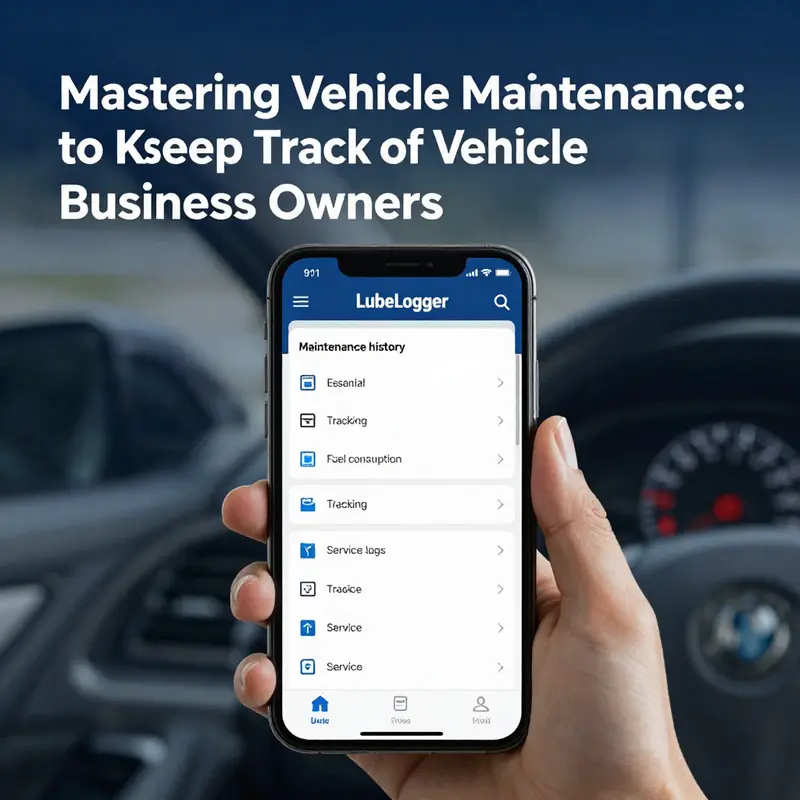
Maintaining a vehicle’s health has evolved from scattered notes and memory to a coordinated, digital workflow. Dedicated maintenance apps act as a central nervous system for your car care, weaving together scheduling, logging, reminders, and service provider connections into a single, accessible platform. The shift to a mobile or web-based system reduces the friction that often interrupts maintenance routines and transforms what could feel like a bureaucratic chore into a proactive, almost effortless habit. The result is a vehicle that stays healthier, a buyer that feels confident in a used purchase, and a motorist who saves time, money, and stress over the life of the car.
At the heart of this shift is the promise of centralized data. Instead of flipping through a folder, a notebook, or a dozen scattered emails for a service history, you can open a single interface and see a complete maintenance narrative. The app captures the essentials—date, mileage, service type, parts replaced, and the cost of the work—along with a record of who performed the service and where it took place. In many cases, you can attach receipts, upload photos of wear patterns or damaged components, and add notes about the driving conditions that may influence future maintenance needs. This level of detail provides a durable, transferable history, which becomes particularly valuable when selling the vehicle or transferring ownership to a family member.
One of the most compelling advantages is the automatic generation of personalized maintenance schedules. The smarter apps tailor intervals to a vehicle’s make, model, year, and even the driver’s habits. They do not merely remind you to change the oil at a generic number of miles; they consider your typical driving terrain, climate, and workload. For instance, city commuting with frequent stop-and-go traffic can affect brake wear and oil degradation differently from highway cruising in a milder climate. A well-designed app translates these nuances into recalibrated timelines, alerting you before a service is due and, in many cases, offering to arrange an appointment with a nearby certified shop.
This intelligent approach starts with a clear, practical foundation. It asks for the vehicle’s basic particulars—make, model, year, and current mileage—and then consumes real-time data as you drive. Some apps partner with the phone’s GPS and motion sensors to estimate wear and usage patterns automatically, while others rely on you to input events as they occur. The result is a maintenance calendar that evolves with you, no longer a static plan set at the time of purchase but a living schedule that adapts to changing conditions. The effect is more consistent upkeep and fewer surprise repairs because the system nudges you toward timely service before minor issues escalate.
Beyond the scheduling and reminders, the record-keeping capabilities of dedicated apps create a breath of transparency that can be invaluable in various circumstances. After each service or repair, you can log the service type, the location, the total cost, and the specific parts replaced, down to the brand and part numbers when you choose to include them. This is not merely a ledger; it is an evolving record that documents the vehicle’s care profile over time. When a prospective buyer asks for maintenance history, you can present a coherent, easily navigable trail of care, which can help justify the vehicle’s condition and potentially improve resale value. The ability to attach receipts and images further enhances this narrative, offering tangible proof of work performed and materials used.
In addition to basic entries, many apps extend functionality through a built-in directory of service centers and authorized repair facilities. This feature eliminates the friction of hunting for reliable providers when a service is due. Instead, a driver can locate nearby shops with a few taps, compare hours and reviews, and even initiate online bookings. For fleets or households with multiple vehicles, the centralized directory becomes even more valuable, simplifying the logistics of routine service and ensuring consistency across the fleet. The convenience is not just about saving time; it also reduces the risk of postponing essential maintenance because the information is always within reach, organized, and easy to share with family members or coworkers who may drive the same car.
No discussion of digital maintenance tools would be complete without touching on the broader ecosystem around vehicle records. Digital logs complement manufacturer and dealership records by providing a layer of continuity as you move between ownership, service ecosystems, and even across brands. A well-maintained digital history can bridge gaps that sometimes occur when service records are scattered across multiple shops or vehicles. It also aligns with industry expectations surrounding lifecycle monitoring and quality control, an idea echoed in policy and regulatory discussions about new-energy or conventional vehicles alike. While the specifics vary by region, the underlying principle remains: a reliable, verifiable maintenance history is a cornerstone of vehicle safety, reliability, and value.
The practical gains extend into day-to-day life in meaningful ways. For many drivers, reminders are the first line of defense against neglected maintenance. Apps can send push notifications and email alerts at just the right moments—before an oil change, when tire tread is approaching a critical point, or when cabin air filters should be replaced. They can also offer proactive recommendations, such as checking your brake fluid sooner if you’ve recently driven through a lot of mountainous terrain or performing a battery health check if your climate is extremely cold. Because the reminders are tied to actual mileage and usage, they’re more precise than generic calendars or two-hour reminders that don’t account for your car’s condition or age.
Another strength of dedicated maintenance apps lies in their support for multiple vehicles, which is essential for households with more than one car or for fleet managers who must coordinate service across several units. You can switch between profiles without losing context, maintain separate histories, and still benefit from the shared features—scheduling, reminders, and centralized service directories. This multi-vehicle capability makes the system scalable and practical for real-world use, where people often juggle vehicles with different service needs and timelines.
In terms of data integrity and continuity, it’s wise to approach app-based maintenance as a layered solution rather than a single tool. The most robust approach combines the convenience and intelligence of an app with the enduring authority of official dealership or manufacturer records. In practice, this means using the app to capture and organize day-to-day service data while periodically exporting or syncing critical documents to a more formal record-keeping channel. Doing so creates a dual track: you gain the immediacy and accessibility of digital logs, and you retain the verifiability of authoritative history files when you need them for sale, leasing, or warranty purposes.
From a buyer’s or seller’s perspective, the internal proof of maintenance becomes a meaningful bargaining chip. Potential buyers look for a clear maintenance trail to validate claims about upkeep, part replacements, and adherence to recommended service intervals. A clean, detailed log can reduce concerns about latent issues, and the transparency it provides can translate into higher confidence and potentially higher resale value. For sellers, having a well-maintained digital record can expedite negotiations and reduce back-and-forth questions, making the transaction smoother and more predictable for both sides.
To get the most from a dedicated maintenance app, consider the setup process as part of your maintenance mindset. Start with a clean slate by adding all vehicles you own or manage. Enter essential details such as make, model, year, and current mileage. Then, input the typical maintenance items you know you’ll encounter in the near term—oil changes, tire rotations, brake inspections, and fluid checks—and adjust the suggested intervals to reflect your driving patterns. If the app supports it, connect the vehicle’s service history from your dealership or manufacturer portal; if not, you can still maintain a thorough manual log alongside the automated entries. The key is consistency: every service, every cost, every part should find its way into the digital ledger, with notes and receipts attached whenever possible.
A thoughtful approach also recognizes the limits of a digital solution. Apps are powerful, but their value depends on regular use and data accuracy. Mistakes in mileage entries or misclassified service types can create confusing histories. Make a habit of reviewing entries after every service and reconcile any discrepancies with the service receipt or bill. If you bring the car in for a non-routine repair, document it with a concise note about the problem, the diagnosis, and the work performed. These small practices pay dividends later when you are assessing long-term maintenance costs or presenting the vehicle’s history to a new owner. Additionally, be mindful of privacy and data ownership. The data you store in an app belongs to you, but it resides on a platform that may operate under its own terms and conditions. Regular backups, offline exports when possible, and understanding the app’s data retention policies can help you keep control of your information.
Having a reliable digital system also helps with the practical realities of life. You may lend a car to a family member or coworker and want to ensure they can navigate the history without confusion. A well-structured entry with clear service types, notes about driving conditions, and a link to the service center can guide whoever is behind the wheel. When you need to pass ownership or lease the vehicle, a transparent maintenance record can simplify the process and reduce questions about how the vehicle has been cared for. In sum, dedicated maintenance apps do not just track what has happened; they illuminate what should happen next and keep a running dossier that supports both current usability and future value.
For readers seeking a deeper understanding of what constitutes routine vehicle maintenance—an essential knowledge base for setting up accurate reminders and meaningful entries—you may explore a foundational overview that explains maintenance concepts and best practices. What is Vehicle Maintenance. What is Vehicle Maintenance .
External resource: official app store listing (for reference to a maintenance-tracking app experience). https://apps.apple.com/us/app/cardrive-vehicle-maintenance-tracker/id1538207496
Maintaining a Digital or Physical Logbook for Vehicle Maintenance

A well-kept logbook, whether digital or physical, is more than a simple record of past work. It is a living narrative of how a vehicle has aged, what it has needed, and how those needs were met. When kept consistently, a maintenance log becomes a practical compass for decisions about service intervals, parts replacement, and overall reliability. It supports the health of the car, protects the owner’s investment, and smooths processes when you sell, insure, or even claim a warranty. The beauty of a logbook lies in its ability to translate scattered receipts, vague memory of last oil change, and a jumble of service invoices into a coherent story that you can rely on years later. The choice between a digital system and a physical notebook is not a binary one. Each has strengths, and for many, a hybrid approach that captures the best of both worlds works best. What matters most is consistency, clarity, and accessibility so that the record serves you when you need it, not just when you remember to open it.
Digital logbooks bring the advantages of convenience and scalability. They are particularly powerful for owners who juggle multiple vehicles, seasonal equipment, or a small fleet. A well-designed digital platform allows you to attach receipts and photos, tag service types, and log precise details such as the date, mileage, service center, and parts replaced. The entries go in chronological order, which makes it easy to spot trends over time. A common feature set includes reminders for upcoming services, customizable service templates (oil changes, brake inspections, tire rotations, coolant checks, timing belt or chain replacements), and the ability to export data to CSV for your records or for sharing with a mechanic or insurer. Importantly, digital logs can be backed up to the cloud and synced across devices, so your data remains available even if one device fails. This reliability is not just about convenience; it is a safeguard against loss of critical information if, for example, a tablet or phone is misplaced or damaged. In fleet scenarios, digital logs scale gracefully. A maintenance manager can oversee hundreds of vehicles with shared reminders, standardized notes, and centralized reporting. The ability to archive or delete vehicles when they exit service keeps the interface clean while preserving archived data for reference. The consistency and searchability of digital records make audits, claims, and resale processes faster and less error-prone.
A physical logbook, despite the digital shift, retains a strong foothold for those who prefer tangible records or who work in environments where digital devices are impractical. For many, the act of writing by hand reinforces discipline. A well-structured physical logbook captures the essential elements: the start and end dates of the log period, the initial and final odometer readings, the total kilometers traveled during the period, and the distance for each trip when relevant. A robust physical record should also include the date of each service, the service type, the parts replaced, and the labor costs. The discipline extends to the annual cycle; if the logbook is kept for tax or regulatory purposes, the odometer readings at the start and end of each income year must be recorded to ensure accuracy and eligibility for deductions or claims. The guidance in official guidelines, while often country-specific, consistently emphasizes the importance of traceability. In that sense, physical logbooks provide a straightforward, low-tech failsafe that remains valid even when digital systems experience outages or data concerns. They are also less susceptible to certain privacy concerns, since the physical pages do not require constant cloud access or device authentication.
Yet the real power emerges when digital and physical records complement each other. A careful practice is to seed a digital logbook with every service detail and scan or photograph receipts and work orders, attaching those images to the corresponding entry. The receipts’ metadata, such as date, merchant name, and parts numbers, become searchable within the app, helping you reconstruct the service history quickly. Conversely, a periodic audit of the physical logbook against the digital entries can catch oversights, ensuring that every service event is captured in both forms. The synergy between the two formats creates a robust redundancy: if one channel is temporarily unavailable, the other can still be used to verify maintenance history.
From a practical standpoint, the process of maintaining either logbook should be integrated into daily or weekly routines. Create a habit of recording a service or milestone as soon as it finishes, rather than waiting weeks to log it. For digital systems, this can be a quick entry after a visit to the shop, followed by a photograph of the receipt uploaded with a few taps. For a physical logbook, keep a dedicated pen and a quiet space in the garage or workshop to write legibly and consistently. The pace of recording should match the volume of activity. If you manage several vehicles, set aside a regular window—perhaps a Friday afternoon or a Sunday evening—to synchronize notes, reconcile receipts, and update any upcoming service reminders. This routine prevents backlogs that are difficult to untangle later and ensures that the log remains a trustworthy record rather than a vague memory trace.
The content of a logbook should go beyond dates and prices. It should capture the story behind each maintenance action. For example, note why a particular part was replaced, the symptoms observed, and any follow-up actions recommended by the technician. If a tire rotation was performed due to uneven tread wear, record the tire brand, model, and size, as well as the alignment check if it was part of the service. If the service included a brake inspection, include the thickness readings of the pads and rotors, and whether any items required replacement or further inspection. When a routine oil change is logged, record not only the brand of the oil and the service interval but also the engine’s current oil level and any observations about the oil’s condition. These details transform the log from a ledger of tasks into a diagnostic archive that helps you plan future maintenance and identify recurring issues early. Over time, a pattern may emerge: a particular component may trend toward earlier wear, or a specific driving profile may correlate with certain maintenance needs. This deeper insight is the real payoff of diligent record-keeping.
A key benefit of a diligently kept logbook is its value when the vehicle changes hands. Prospective buyers often place greater trust in a vehicle with a complete and transparent maintenance history. The logbook can demonstrate careful stewardship and reliability, potentially easing negotiations and contributing to a higher resale value. Insurance claims, warranty disputes, and service reimbursements also benefit from a clear, well-documented maintenance history. In many cases, a well-organized logbook reduces friction and accelerates processes by providing a ready-made narrative of the vehicle’s care and upkeep. The difference between a routine service and a well-documented service can influence outcomes when it comes to claim validity or warranty coverage. This is why professional maintenance records are often treated as part of the vehicle’s essential paperwork, not merely an optional add-on.
To bring these ideas to life without getting lost in tools, consider a practical approach that blends the discipline of a physical log with the agility of a digital system. Start with a clean slate: choose a primary method—digital for its convenience and resilience, while keeping a physical copy for backup or in settings where screens are impractical. Create a simple data structure for digital entries: date, mileage, service type, parts replaced (with as much specificity as needed, including part numbers when available), service center, and cost. Attach a receipt image or photo of the service order whenever possible. For the physical log, you can mirror this structure on each page, ensuring you record the same elements in a legible format. Consistency is the heartbeat of a reliable logbook.
When you record, consider including a few strategic notes that enhance future decisions. For example, track the service intervals for critical items such as fluids, belts, and brake components and note any peculiarities observed during inspection. If a vehicle has been subjected to high-mileage usage, you might add notes about maintenance considerations unique to that profile, such as more frequent fluid checks or adjustments to service intervals. If you own equipment in addition to a passenger vehicle, extend the log to cover those units as well. A fleet-style log can be organized by vehicle, with cross-referenced maintenance tasks and notes that help you see the full picture at a glance. The goal is not just a ledger of costs but a repository of knowledge about how each asset behaves over time and what it needs to stay reliable.
Despite the value of a robust logbook, it is not a set-it-and-forget-it solution. Periodic audits are part of a healthy maintenance discipline. A quarterly review can reveal gaps in service history, catch out-of-sequence entries, and confirm that upcoming maintenance is aligned with the vehicle’s manufacturer recommendations and the owner’s usage patterns. If you notice a discrepancy—such as a service entry that lacks a mileage reading or a receipt that does not clearly identify the parts replaced—address it promptly. In a digital system, you can search for missing fields, re-scan documentation, or re-sync data from the cloud. In a physical log, you can add a quick amendment page or a marginal note to preserve the record’s integrity. This ongoing quality control is essential because a logbook’s credibility depends on its accuracy and completeness.
For those who want to connect their logbook practice to broader questions of maintenance philosophy, the key is to anchor your entries in the principle of proactive care rather than reactive fixes. When you approach maintenance as a proactive, planned discipline, the logbook becomes a map of anticipated needs rather than a diary of the car’s past misfortunes. This mindset encourages you to set reminders for preventive tasks before they become urgent repairs. It also helps you budget for expected maintenance and plan for part replacement that minimizes downtime and expense. The logbook, in this light, becomes a planning tool as well as a record-keeping device. It guides conversations with technicians, enabling you to communicate clearly about the history and the current state of the vehicle. When you can point to a detailed entry and show how it led to a recommended service, you gain confidence in your decisions and in the reliability of your vehicle.
In choosing a path forward, transparency and accessibility matter as much as elegance or complexity. A digital approach offers speed, searchability, and broad accessibility across devices, which is especially valuable for those who travel with multiple vehicles or share vehicles with family or colleagues. A physical logbook offers simplicity, immediacy, and a tangible sense of accountability that some users find reassuring. The strongest strategy, however, is to leverage both. Start with a trusted digital system that can grow with your needs, then maintain a concise physical record as a reliable, offline backup. This dual approach protects you against data loss, supports long-term recall, and ensures that you always have a complete, legible history at your fingertips.
For readers seeking a broader perspective on how regular maintenance can affect operational costs, explore related insights on fuel efficiency and maintenance practices through a practical article that examines how maintenance routines translate into tangible savings. This perspective can illuminate why a disciplined logbook is not merely about record-keeping but about making informed, economically sound decisions that extend the life of your vehicle. How Vehicle Maintenance Saves on Gas Expenses.
Ultimately, the choice between digital and physical, or a hybrid of the two, should reflect your comfort with technology, your daily routines, and the specific needs of your vehicles. The best logbook is the one you actually use, consistently and thoughtfully. Invest the time to set up a simple, reliable workflow, keep the data coherent across formats, and revisit it regularly to prune, update, and reflect. In doing so, you not only preserve the mechanical well-being of your vehicle but also create a trustworthy narrative that protects your investment, supports smoother ownership, and makes future decisions easier—whether you are planning new maintenance, preparing for a sale, or navigating insurance or warranty considerations.
External resource: To understand the official guidelines that underpin vehicle logbooks and their role in record-keeping for tax purposes, consult the Australian Taxation Office resource on vehicle logbooks. https://www.ato.gov.au/business/records-and-reporting/vehicle-logbook
null

null
Beyond Silos: Harnessing Third-Party Platforms for a Complete Vehicle Maintenance History
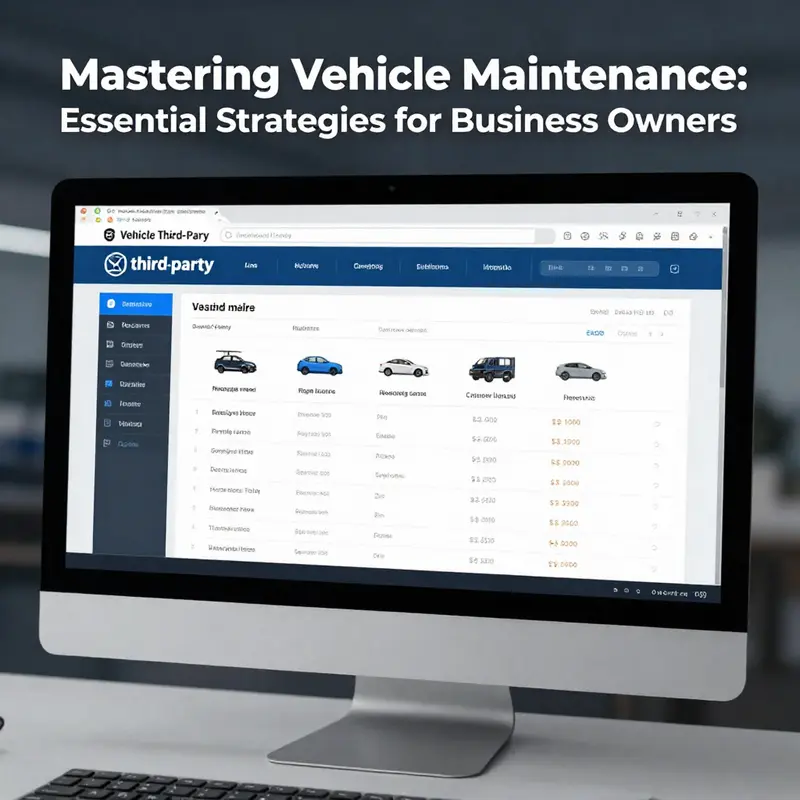
When you assemble the full story of a vehicle’s upkeep, third-party platforms emerge as editors who stitch together disparate data into a coherent narrative. They do not replace logbooks or dealer records; they complement them by aggregating information from multiple sources into one accessible view. The value lies in the intersections of many data points, not in a single entry. A vehicle’s life has chapters—scheduled maintenance, repairs, insurance claims, minor incidents, and ownership changes. No single shop or brand database holds all of that. Third-party platforms excel where data silos impede clarity: they collect and harmonize maintenance and repair events from a wide network of sources, then present a holistic picture you can access instantly from a phone or computer. This turns a maze of receipts and service stamps into a readable history you can trust and act on.
At the heart of these platforms is data integration. A reputable service aggregates records from dealerships and independent shops, as well as insurance claim data and, in some regions, government registries. This multi-source approach counters the limitations of relying on one source. A car may visit multiple service centers over its life—the brand network, a local mechanic, a quick-lube chain, or a specialty shop. Each provider tends to keep its own records, so a true maintenance trajectory can become fragmented if you consult only one source. By pulling from many channels, third-party platforms reduce blind spots and provide a more complete, up-to-date picture. The principle is simple: more verifiable sources, more confidence in what the vehicle has endured and what it may need next.
In practice, you can enter the VIN or upload a document and receive a report that aggregates maintenance and repair events across the vehicle’s history. The process is designed to be fast and user-friendly. Often a few taps or a short form is all that stands between you and a detailed history. For a used-car buyer, this capability can be transformative. The report will typically confirm routine services and may reveal less obvious data, such as timing of brake service or transmission work. Because data comes from multiple sources, the report often fills gaps that you would otherwise uncover by contacting several shops or poring through paper records.
Final thoughts
Implementing a comprehensive vehicle maintenance tracking system is critical for business owners to enhance efficiency, minimize costs, and ensure the reliability of their fleets. By utilizing dedicated apps, maintaining logbooks, and leveraging manufacturer and dealership records along with third-party platforms, you can build a robust maintenance history. This not only protects your investment but also streamlines operations, ultimately improving your business’s overall performance.