

For business owners managing fleets or relying on vehicles for operations, understanding vehicle maintenance history is crucial for cost management and safety. Whether you’re assessing a new purchase or maintaining your existing vehicles, accessing accurate maintenance records is essential. This guide presents effective ways to uncover vehicle maintenance records, exploring various methods such as third-party data platforms, official dealership channels, insurance records, direct requests to repair shops, and government services. Each chapter will delve into the specifics, ensuring you have the information needed to make informed decisions about vehicle management.
Tracing a Vehicle’s Past: The Fast Path to Maintenance Records Through Third-Party Platforms
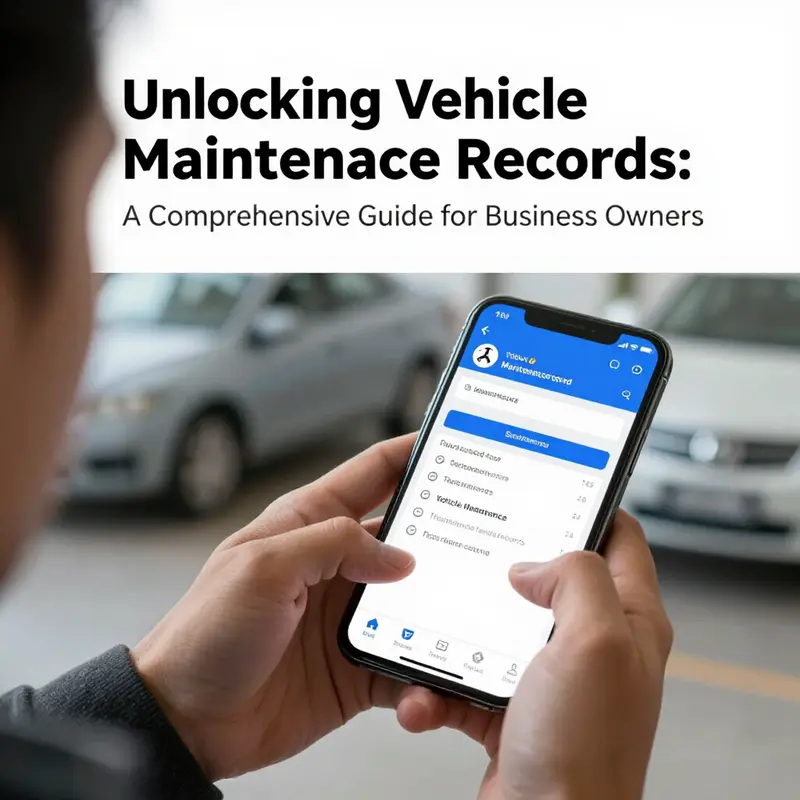
When you are evaluating a used car, the most valuable clues about its reliability lie in its past maintenance and service history. A clean exterior and a smooth test drive can still hide wear patterns, looming issues, or oversights that only become evident after miles of real use. The goal is to assemble a clear, corroborated timeline of maintenance events, repairs, and state-related data that reveals the car’s true health. In practice, the fastest and most comprehensive way to achieve this is through third‑party data platforms. These platforms harvest records from a wide network of repair shops, dealerships, insurers, and sometimes government or fleet sources, giving you a multi‑dimensional view that a single source rarely provides. For buyers, this speeds up due diligence; for sellers, it offers a verifiable history that can back up claims about service quality and longevity. The modern market rewards transparency, and third‑party history reports have become the de facto shortcut to that transparency. The core idea is simple: a consolidated history helps you separate routine maintenance from red flags, so you can decide with confidence whether a vehicle is worth pursuing or a price adjustment is warranted. In this chapter, the focus is the fastest route through the maze—the use of trusted third‑party platforms that specialize in centralizing maintenance and service data for a broad fleet of vehicles across many repair ecosystems.
Among these platforms, one stands out for breadth and speed: the Houchekanjian service. The name, a nod to the idea of looking back at a vehicle’s record from the vantage point of a trusted source, signals the promise of a more complete history than any single shop could offer. As you begin, the key is to approach the process with a clear checklist in mind: the VIN verification that anchors the search, the data points you expect to see, and a plan to validate the results by cross‑checking with other sources. The VIN, a 17‑digit identifier etched on the windshield and documented in the vehicle’s registration, is the anchor for every credible record search. If the VIN is wrong by even a single digit, you risk pulling records from a different vehicle altogether. With that caveat in mind, the Houchekanjian platform invites you to transcribe or photograph the VIN so the system can locate compatible reports across its partner network. The result is not just a list of service dates; it is a narrative that includes parts replaced, labor notes, mileage at the time of service, and the broader context in which repairs occurred, such as a recurring issue that recurs across multiple visits.
To begin, you open WeChat on your smartphone and search for the official account or mini‑program named Houchekanjian. Inside the service, you navigate to the vehicle maintenance and repair record inquiry function. The interface is designed to be straightforward for a broad audience, from casual buyers to professional vehicle evaluators. You are asked to input the VIN or to upload a photo of the driving license for automatic VIN extraction. The reason for offering both options is simple: not everyone has a clean copy of the VIN handy, and some buyers may prefer to avoid manual transcription. In either case, the system performs a quick validation pass to ensure the entered VIN corresponds to a legitimate vehicle record. Once the VIN is confirmed, the platform consolidates data from its expansive network, which includes numerous 4S dealerships and an array of independent repair shops across the country. The resulting report often spans maintenance visits, repair events, parts replaced, and odometer readings. It may also touch on insurance details, including compulsory and commercial coverage, and even flag whether the vehicle is under lien or mortgage status. Another layer of depth frequently included is mileage verification, which is crucial in detecting odometer tampering, a concern that sometimes obscures the true wear and tear on the vehicle.
The advantages of this approach are tangible. First, it is remarkably convenient. The entire process is online, and in many cases the report is ready within minutes. This eliminates the need for multiple calls to different shops or visits to a dealership to pull a paper history. Second, the breadth of data is typically broader than a single dealer’s log. Because Houchekanjian aggregates information from a wide network, you see a more representative picture of the car’s service history, not just the parts replaced at a single brand’s network. Third, the platform often delivers multi‑dimensional insights beyond routine maintenance. In addition to standard service dates and parts, you may find notes on recurring issues, patterns in repairs to the same component, or hints about the vehicle’s overall lifecycle, such as whether a prior owner consistently serviced the car at reputable shops or relied on quick, low‑cost fixes that might mask deeper problems.
It is helpful to view the Houchekanjian report as a complement to, not a replacement for, other sources of truth. Official 4S dealership records are still the gold standard when it comes to authoritative, brand‑specific service histories. Insurance claim histories offer a different kind of lens, especially for accident history and subsequent repairs. Direct reports from repair shops fill gaps where a vehicle may have been serviced outside the brand network. Government or municipal services can occasionally provide limited historical data, depending on the city and the access rules in place for vehicle owners. Each source has its strengths and blind spots, so a convergent approach—cross‑checking the Houchekanjian findings with a dealership history and with the insurance or repair shop records—yields the most reliable picture. In practice, the most informed buyers use multiple angles for verification, not because one source is inherently unreliable, but because each source captures a different slice of the car’s life.
As you gather data from Houchekanjian, a few practical disciplines help you get the most value. Always start with the VIN. The system’s accuracy hinges on correct identification, so if you spot a discrepancy, recheck the VIN against the windshield, the registration document, and any official paperwork. If the VIN is correct, examine the maintenance dates for gaps that suggest periods when records might be missing. A long interval with few or no entries could indicate missed regular service or a concentrated maintenance history concentrated around a few events. Look for clustering around particular components. Recurrent work on the same subsystem—say a suspension, transmission, or electrical module—might reveal a known design vulnerability or a recurring fault that a few shops attempted to address without solving the root cause. Cross‑reference such patterns with the vehicle’s mileage to confirm whether the wear aligns with expected service intervals or signs of accelerated depreciation.
Beyond the numbers, the narrative in the report matters. If the platform flags odometer concerns or if it shows conflicting mileage entries across shops, that warrants deeper scrutiny. Inconsistencies can be a red flag that deserves a hands‑on follow‑up, such as requesting a detailed invoice from a recent repair shop or seeking a third‑party mechanical inspection to corroborate the timing and scope of past work. Even when a record appears thorough, a cautious reader should still corroborate with additional sources. While Houchekanjian excels at breadth, the most robust due diligence emerges from triangulation—VIN‑verified data from the platform, the original dealer’s service history when available, and the insurance claim trail for accident residues.
To keep the discussion anchored in practical use, consider the following cross‑verification mindset. If a report lists a maintenance event at a non‑brand shop, ask the seller or owner for the actual repair invoices. If a part is listed as replaced but the vehicle’s current condition or test drive suggests otherwise, request a diagnostic printout or a technician’s notes from that visit. If the report shows a clean odometer history but the vehicle’s age and wear suggest otherwise, insist on a one‑page odometer verification from the current seller or a third‑party inspection. This composite approach helps you separate genuine maintenance diligence from superficial appearances or hidden faults. The goal is not to produce a perfect record but to assemble a credible, cross‑validated history that informs the purchase decision and sets expectations for future maintenance.
For readers seeking additional foundational context on maintenance concepts that underpin why these records matter, a quick reference is available at the What is Vehicle Maintenance article. It helps you interpret the kinds of service events that typically appear in histories and why timely maintenance correlates with reliability. See What is Vehicle Maintenance for a concise refresher that aligns with the kinds of details you’ll encounter in third‑party reports. As you build your assessment, keep in mind that the Houchekanjian platform is a powerful ally for rapid insight, but it works best as part of a broader verification strategy rather than as the sole determiner of a vehicle’s value.
Closing the loop, a disciplined buyer should also be aware of the data’s provenance. The China‑centric context for Houchekanjian reflects the highly interconnected nature of a modern repair ecosystem, where many independent shops contribute to a broader picture. The value lies in how well you interpret the data, not in the volume of entries alone. If you approach the report as a starting point for deeper verification, you will uncover patterns that inform warranty strategies, price negotiation, and long‑term ownership decisions. The broader lesson is this: knowledge of a vehicle’s past, when gathered through credible third‑party platforms and cross‑validated with primary sources, empowers you to make smarter, more confident choices when you buy, maintain, or sell a vehicle. For further context on how history informs maintenance decisions, explore the linked article above, and consider complementing your search with an external reference that provides a governance perspective on vehicle history data: NMVTIS Vehicle History Information.
Retrieving Vehicle Maintenance Records Through Official 4S Dealership Channels: A Practical Guide
When you assess a used or recently purchased vehicle, one of the most reliable indicators of its condition is its maintenance history. Official channels tied to the vehicle’s brand offer the most authoritative, unambiguous records, because they originate from the same network that serviced the car throughout its life. Accessing these records through the dealership’s service department can feel like a straightforward process, but it benefits from a careful, prepared approach. The journey begins with the VIN, the vehicle identification number, which acts as the key to unlocking the service history held within the brand’s systems. The VIN is a 17-digit code that appears in several places: on the windshield’s bottom corner, on the vehicle registration, and sometimes in the owner’s manual. Before you even pick up the phone, ensure you have this number legible and correct. A single digit out of place can lead to a completely different vehicle’s file, which is more than inconvenient; it can mislead a decision you might rely on for purchase or maintenance planning. Once you have the VIN, the next step is to contact the dealership’s service department. You can reach them by phone or, if you prefer a more personal approach, visit in person. A staff member in the service or records department will typically handle these requests. They are accustomed to retrieving owner service histories and will guide you through the privacy and authentication steps required to access confidential records. In many cases, you will be asked to verify your identity and your relationship to the vehicle. This is standard practice designed to protect sensitive information and to comply with privacy regulations that govern vehicle data. The exact documents requested can vary, but you should be prepared to present a government-issued photo ID and proof of ownership. If you are not the registered owner, you may need to provide a notarized authorization letter from the owner and perhaps additional documentation demonstrating your right to view the records. These requirements are not obstacles so much as safeguards that ensure the data is released only to authorized individuals. With the VIN verified and identity confirmed, you can request access to the vehicle’s service history. The dealership will search its internal systems, often a Dealer Management System or a Customer Relationship Management platform, to retrieve the complete maintenance and repair history. This history typically includes service dates, descriptions of tasks performed, parts replaced (with part numbers when available), labor hours, and the associated costs. Technician notes or signatures may accompany certain entries, offering extra context about what was observed during a visit or why a particular service was pursued. In some cases, the records may also show related information such as warranty claims or major repairs that required authorization. It is important to understand that the depth and breadth of these records can vary. If the car has spent its life mostly within one brand’s authorized network, you will likely receive a highly detailed log from that network. If, however, the vehicle was serviced at independent shops or across multiple brands, the official channel may present a more limited dataset. Additionally, certain sensitive details—such as diagnostic trouble codes or behind-the-scenes diagnostic notes—may be restricted to protect privacy or proprietary information. This is not a flaw in the system; it simply reflects how data is managed within each dealership’s governance framework. As you work through the retrieval, you may also encounter the possibility of brand-specific owner portals or apps designed by the manufacturer. These platforms offer owners a way to access service history directly, often by linking the vehicle through its VIN and confirming ownership. Because these portals are maintained by the brand, they can provide a seamless, longitudinal view that complements the dealership’s records. To get the most from these tools, create or sign into the manufacturer’s owner portal, register your account, and connect your vehicle using its VIN. You may find that some entries from the dealership’s DMS mirror what appears in the portal, while other entries—such as certain recall-related or recall-related maintenance—appear in one source but not the other. This is why cross-verification is valuable. For a broader perspective, you can consult general guidance on what maintenance typically entails and how to interpret it. For example, you can explore a concise overview of vehicle maintenance concepts to better understand what you are looking at in each record. This contextual knowledge helps you distinguish routine care from issues that may require attention now. To connect this general understanding with the specific history you obtain, look at the types of entries you will see: service dates that reflect routine maintenance, parts replaced, labor details, and notes from technicians that shed light on the condition of components at the time of service. The level of detail may include whether components such as belts, fluids, or filters were replaced, and whether any technical service bulletins influenced the maintenance plan. A well-documented history often reveals patterns that are more telling than isolated entries. For instance, a car that shows repeated maintenance on the same subsystem at shorter intervals could indicate a developing issue, even if each individual entry appears benign. Conversely, a vehicle with long gaps between visits but a clean slate of recent services may be in better shape than it seems if the prior service history is sparse or incomplete. When you review the dealership records, give special attention to the consistency of data across visits. Are dates close to the vehicle’s odometer readings, and do the tasks align with ordinary aging and wear? Do listed part numbers correspond to the expected components used by the brand’s network at specific model years? Such cross-checks help you assess the reliability of the report and identify any gaps that warrant further inquiry. A practical approach to achieving a holistic view is to combine the official channel data with broader sources. While official channels provide the most authoritative record for services performed within the same brand’s network, independent shops and other brands’ services may not appear in those files. In many cases, you can supplement the history by looking for data from independent repair shops or through legitimate third-party data aggregators that compile information from multiple sources. When you consider independent data, bear in mind that the coverage and accuracy depend on consent, reporting practices, and data-sharing agreements. The goal is not to replace one source with another but to triangulate a more complete picture. If you want to deepen your understanding of maintenance concepts as you review these records, there is value in a general overview of maintenance definitions and practices. This context helps you interpret entries with confidence and prevents overreacting to items that are common for a vehicle’s age but are not urgent problems. The key is to approach the process methodically: start with the VIN, verify your identity, request the complete service history from the dealership, and then cross-check with any available manufacturer portals and, where appropriate, independent data. Throughout, keep your eyes on patterns rather than single entries. A recurring issue with a particular component, or a sequence of services tied to a single fault, can reveal a latent problem that might not be obvious from a single visit. Maintaining a clear record of what you review can also help you make smarter decisions about purchasing a vehicle, planning future maintenance, or negotiating with sellers. If you are exploring further, you can refer to a general overview of maintenance concepts to anchor your interpretation. For a deeper dive, consider consulting additional resources that discuss how maintenance histories influence buying decisions and future maintenance planning. What is Vehicle Maintenance. External validation can also be helpful, especially if you’re weighing the reliability of the data you’ve gathered. A widely used external data resource provides additional context about vehicle history and claims data that can enhance your understanding of a car’s past. External resource: https://www.carfax.com/.
Untangling History: Accessing Vehicle Maintenance through Insurance Records
A vehicle’s maintenance story rarely unfolds in a single place. When you need a coherent, trustable view of what has been done to a car over time, insurance records can be the quiet backbone of that narrative. They capture the repairs tied to claims, the incidents that triggered those repairs, and the financial footprints left behind by insurers and repair shops. While they do not replace a full maintenance log, they offer a crucial, often underutilized lens for assessing how reliably a vehicle has been cared for, especially when you are evaluating a used car or trying to understand a spotty service history. The careful reader will treat insurance records as one piece of a larger mosaic, to be cross-checked with dealer histories, independent shop invoices, and, when possible, the vehicle’s own odometer readings and service stamps. The path to these records is straightforward but requires attention to privacy rules, proper authorization, and an appreciation for what the data can and cannot reveal.
Begin with purpose. Insurance records are most informative for accident repairs and subsequent restorations, rather than routine maintenance. They show when a vehicle sustained damage, what repairs were performed under an insurance claim, and sometimes the extent of any structural or frame work, parts replaced, or the involvement of mechanical systems that may have influenced longevity or resale value. They can also indicate if a vehicle was deemed a total loss in a prior incident, which is a red flag or, at minimum, a critical data point in assessing risk. With that framing, you approach the process with realistic expectations: you will likely see a trail of accident-related work, not every oil change or tire rotation. To ground this concept in practical steps, consider the following sequence, designed to be used as a seamless part of your due diligence rather than a checklist that interrupts the narrative of the car’s history.
First, you must identify the right contact points. Start by locating the insurer that currently covers the vehicle or covered it in the past. This is not about guessing the provider from the exterior features or the color of the logbooks; it’s about identifying the custodian of claim histories. Once you have a target, reach out through the insurer’s official channels—usually a customer-service line or a local branch. You will need to provide basic identifiers: the vehicle’s VIN, the license plate, and personal identification details. If you don’t hold the policy, you will likely need the policyholder to authorize your request or provide a formal release. The authorization step is not merely a bureaucratic hurdle; it is a necessary privacy safeguard that protects the owner’s sensitive information and ensures the data is being requested by someone with legitimate interest.
With authorization in place, the next phase is data access. Insurance providers increasingly offer online portals or mobile apps where policyholders can view documents related to claims, repairs, and sometimes maintenance that was tied to a claim. In these portals, look for sections labeled something like Claims History, Repair Records, or Maintenance Logs. The interface varies, but the core idea remains the same: you search by VIN or license plate and request the records. If you are the policyholder, you may download PDFs of repair invoices, statements from adjusters, and notes from the repairing shops. If you are not the owner, you’ll rely on the authorized access you’ve secured. Remember that the data you retrieve will reflect the relationship between the vehicle and insurance events. Routine maintenance that never triggered a claim may not appear in these records, which is why insurance data should be complemented with other sources.
A crucial mindset is to read what the data actually conveys. Insurance repair histories highlight the events that prompted a claim, the scope of work that was approved, and the parts that were replaced. Sometimes the logs record mileage at the time of service or the labor hours billed, which can be useful for validating the car’s usage and wear patterns. But don’t expect a clean, uninterrupted ledger of every oil change or preventive service. Maintenance logs that were not tied to a claim are often missing from insurer records, and that gap is exactly where a dealership history or independent-shop invoices become valuable allies. To frame maintenance more broadly and connect it with the insurer’s perspective, you can reference general maintenance concepts that guide maintenance decision-making, the scope of which is wider than insurance claims. For a broader view of what maintenance encompasses, consider the entry-level overview What is Vehicle Maintenance.
Another layer of nuance comes from understanding who can access what. If you are the vehicle’s owner, you have broader rights to request records for your own car. If you are a prospective buyer or a third party, you will typically need explicit written authorization from the policyholder. The process may involve providing identification, a formal release document, and sometimes additional proof of interest such as a bill of sale. The safeguards are designed to prevent unauthorized data pulls, which means that a careful requester should prepare all documentation in advance to avoid delays. The result, when done correctly, is a source of truth that helps you separate fact from speculation about a vehicle’s past health and the likelihood of recurring issues stemming from a prior accident or a substantial repair campaign.
In terms of limitations, insurance records are not a complete maintenance diary. They excel at flagging repairs tied to insured events and the subsequent logistics of repair, replacement, and adjustment. They may reveal the timing of major repairs that affected drivability or safety, which is valuable for judging the car’s reliability and potential resale price. However, routine maintenance—oil changes, filter replacements, brake pad wear, tire rotations—performed without an insurance claim often remains undocumented in these records. This reality underscores why cross-referencing with third-party history platforms, dealership service histories, and independent repair invoices is essential. No single source can tell the entire story; together, they form a richer picture that supports informed decisions about buying, selling, or maintaining a vehicle.
When you gather data from insurance records, concentrate on patterns rather than isolated entries. A cluster of claims around a specific component can indicate a chronic issue, while a long stretch with few entries might reflect disciplined maintenance or a lack of costly incidents. Look for dates that align with major service milestones: timing around major repairs, part replacements, or significant diagnostic work. If you notice a discrepancy between the reported mileage in an insurance repair event and the vehicle’s odometer reading at the time, treat it as a flag for further verification. If the car has had multiple repairs after a single incident, investigate whether those repairs addressed the same root cause, a common situation with components that have systemic vulnerabilities. These patterns can illuminate underlying problems that a buyer or current owner would want to resolve before committing to a purchase or a costly repair plan.
To maximize the usefulness of insurer data, integrate it with other sources. A third-party vehicle history platform can cast a wider net, aggregating dealer and independent-shop data to supplement gaps. A brand-specific dealership history can provide precise details on parts replaced, labor, and technician notes within a certified network. Independent repair invoices can fill in maintenance activities not tied to insurance claims. The synergy among sources is what turns a patchwork of records into a coherent maintenance story. In practice, this means you should treat insurer records as a foundational scaffold, then carefully add the other documents that fill in the missing layers. When you need to communicate your findings to a lender, a mechanic, or a seller, you can present a narrative that emphasizes what the data confirms and where uncertainties or gaps exist.
Finally, approach the request with care for privacy and legality. Always verify you have the right to access the records, ensure you’re acting on legitimate authorization, and keep the data secure. If you encounter obstacles—such as a delay in obtaining the records or unclear data fields—document the steps you took and seek clarification from the insurer. Handling sensitive information responsibly protects the owner’s privacy and keeps your due diligence on solid footing. When you have assembled insurer data and reconciled it with other sources, you arrive at a well-grounded assessment of the vehicle’s past, its pattern of care, and what that suggests for future maintenance needs. This holistic view is what elevates a basic purchase decision into a prudent, informed choice.
In sum, insurance records offer a critical, though partial, window into a vehicle’s maintenance history. They illuminate accident-related repairs and the post-claim repair journey, while reminding you to seek missing routine maintenance data elsewhere. The skill is in asking the right questions, obtaining the proper authorization, and integrating what you learn with dealership histories and independent invoices. When used thoughtfully, these records become more than a set of numbers; they become a story of how a vehicle has aged in the hands of contributors who cared enough to document the journey. For a broader perspective on maintenance as a concept, see the linked overview above, and consider reviewing related content to deepen your understanding of how a car’s care history informs its value and reliability. If you’d like a concise roadmap for insurer-based data, the next steps are simply to identify the insurer, secure authorization, and explore the online claim or repair history portal as your first stop. From there, you can triangulate the results with other sources to build a trustworthy maintenance narrative that guides your decisions about purchase, ownership, and future upkeep. For more on insurer claims history lookup, you can consult official guidance to ensure you navigate the process correctly: https://www.sina.com.cn/insurance/claims-lookup/.
Direct Lines to the Source: Tracing Vehicle Maintenance History by Requesting Records from Repair Shops
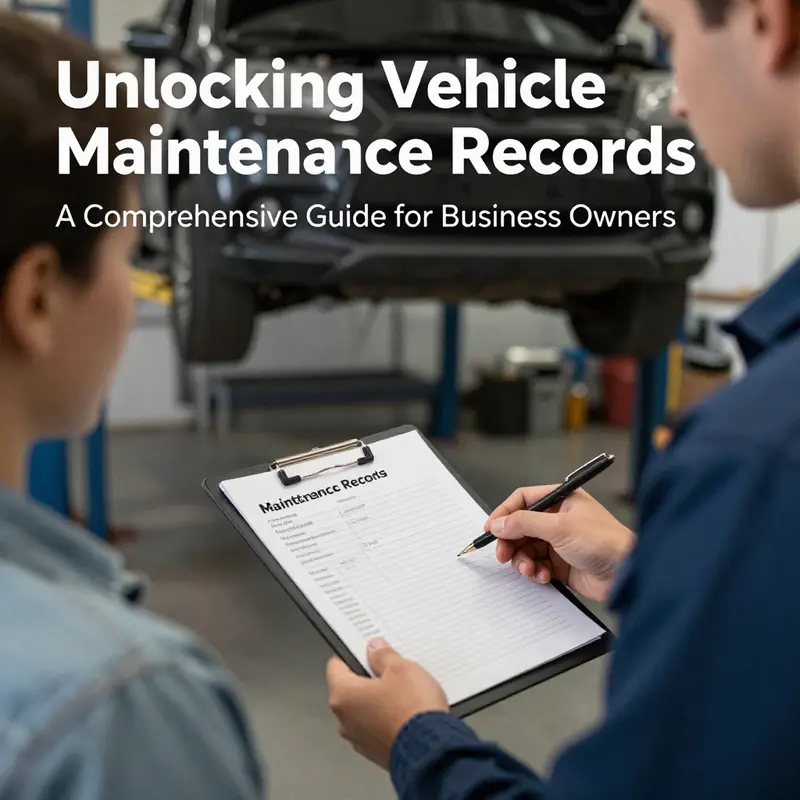
When a vehicle’s past maintenance record becomes essential—whether you’re evaluating a purchase, verifying a warranty claim, or planning a major restoration—the most precise details often live not in a distant database but in the files of the shops that actually worked on the car. Direct requests to repair shops can yield a level of specificity unmatched by third-party aggregators, especially when the vehicle has passed through multiple service providers or when a particular brand’s network kept meticulous notes that later platforms couldn’t compile. The approach rests on a simple premise: you are asking the people who touched the vehicle to hand you the history they kept, and you are asking them to do it in a way that respects privacy, ownership, and record-keeping policies. The journey begins with careful preparation and ends, ideally, with a coherent, actionable maintenance narrative that you can trust as you assess condition, value, and future upkeep.
The first step is identifying which shop or shops actually serviced the vehicle. This can be straightforward if the car has a long-standing relationship with a single 4S dealership or an independent shop you still know by name. It can also be more complex if the vehicle has cycled among several service providers across years or regions. Start by recalling service locations and dates from memory, but then broaden the search with a careful review of any service invoices, receipts, or even old insurance estimates that might list shops or technicians. If you still don’t know where the car was serviced, its VIN can sometimes jog a memory—owners and sellers often remember the city or the chain of shops they used most frequently. The goal is to create a short, accurate roster of potential record repositories rather than making broad, blind inquiries that waste time. Once you have a handful of shops in mind, the next phase is preparing the materials you will need to verify ownership and identify the vehicle in their system.
In terms of documentation, you should collect the essentials before you pick up the phone or walk through a shop’s door. The VIN is your most critical identifier; it is etched on the windshield and often on the driver’s door jamb, but it can also be found on registration documents. A valid government-issued photo ID is typically required to confirm your identity and lawful ownership, and in many cases the registration or proof of ownership helps the staff locate the correct file. Some shops may require you to show a copy of the vehicle title or a bill of sale, especially if you are not the listed owner but have a legitimate interest to access the records. Have a clear, concise message ready that confirms your relationship to the vehicle and your request to view or receive copies of the maintenance history. The more you reduce ambiguity, the faster the staff can locate the relevant files and fulfill your request without unnecessary back-and-forth.
As you reach out, adopt a respectful, precise tone. Introduce yourself, state your interest in the vehicle’s maintenance history, and indicate the specific records you want—service dates, parts replaced, labor notes, mileage at service visits, and any diagnostic codes or technician comments. When the staff asks for authorization, provide the exact details they require. If you are the registered owner, a simple authorization and a copy of your ID may suffice. If you are handling the request on behalf of the owner, you may need a signed authorization from the owner, plus a copy of the owner’s ID and proof of your relationship to the vehicle. In conversations, it helps to reference the VIN and approximate service dates to speed up the search.
The reality of this approach is that you will likely encounter three kinds of responses. Some shops will readily locate and disclose the complete maintenance history and provide copies of invoices or a written summary of services, including dates, mileage, parts, and technician notes. Other shops will offer only a subset of records, perhaps limited to what was generated during that shop’s own work, and may explain that external work performed elsewhere is outside their control. A few shops will decline to share records beyond what they are comfortable releasing, citing privacy policies, data retention schedules, or regulatory constraints. You should be prepared for any outcome and use it to calibrate your expectations as you continue your due diligence.
When records are located, they often arrive as a mix of invoices and internal service notes. What you want to read for a trustworthy history includes the service date, the vehicle’s exact mileage at the time of service, parts replaced with part numbers, labor hours, and the technician’s notes that might reveal recurrent issues or recurring faults. A well-documented file may also show the vehicle’s status after service, such as whether the vehicle was kept for diagnostics, whether any recalls were addressed, and if there were recommendations for future maintenance. If the shop uses a dealer management system, they may export a clean summary or provide a bound copy of the complete file. If they use handwritten or scanned records, you may receive a bundle that requires careful organization to extract the same level of detail.
An important caveat attaches to this approach. The coverage you obtain depends entirely on the shop’s scope of work and retention policies. A shop will only have records for services it performed; if the car visited another shop for maintenance, its records will not appear in that shop’s files. Some shops retain records for only a few years, while others keep them longer, sometimes in offsite archives. Privacy is another factor. While you have a right to access your own vehicle’s records, some shops may require a formal authorization process, especially when you are requesting information about services performed long ago or by a different owner. These realities mean that you should not rely on direct shop requests in isolation. Instead, treat them as one piece of a broader verification strategy that also includes data from third-party platforms and official channels. When you combine these sources, you cultivate a more complete, cross-checked picture of the vehicle’s maintenance life.
There is genuine value in pursuing direct shop records even when other options exist. A shop’s documentation tends to be the most granular, often enumerating the exact parts used, including replacement part numbers and batch codes, which can reveal long-term patterns such as repeated component failures or suboptimal repair choices. The notes may reveal whether a prior issue was resolved definitively or if a condition persisted. In some cases, a shop’s notes can illuminate the timing of repairs relative to a vehicle’s mileage, offering insight into wear patterns or driving conditions that a consumer may not recall. If you are evaluating a used car, this level of detail helps you assess the risk of future failures and estimate the potential cost of ownership. It also helps you audit mileage discrepancies or maintenance gaps that can affect the vehicle’s perceived value and reliability.
To maximize the value of direct shop records, approach the process as a narrative-building exercise. Ask for a chronological history, then piece the snippets together into a coherent story: what services were performed, when, and why; what parts were replaced and with what quality or specification; whether there were recurring issues requiring repeated visits. If you receive scattered documents, request a consolidated summary, or offer to pay a small archival fee if the shop provides a complete export from their system. A well-organized set of documents makes it easier to spot patterns, such as a cluster of repairs around a single system, which could point to an underlying design flaw or a flaw in maintenance schedules. The aim is to empower you with a narrative you can trust when discussing the vehicle with a mechanic, a potential seller, or a financial institution.
As you close the loop on direct shop inquiries, remember that this method shines when you know the vehicle’s servicing history and have concrete leads about where work was performed. If you have a sense of a shop’s identity but cannot access the records, it can still be worthwhile to contact the shop with a respectful query and a plan to present the necessary ownership documentation. Even partial information can be valuable when cross-checked against other sources. For readers who want to broaden their maintenance literacy while navigating these records, consider exploring resources that discuss broader maintenance best practices. For example, How to service electronic stability control — expert tips offers practical context on how modern systems interact with routine service, which can help you interpret notes or codes you might encounter in a repair history.
In practice, a well-executed direct-shop request becomes a crucial piece of the verification puzzle. The results you obtain can anchor decisions about purchasing, insurance, or ongoing maintenance planning. They can help you anticipate the care the vehicle has received, whether certain repairs were preventative or reactive, and whether any red flags—such as repeated failures in a single subsystem—align with the vehicle’s current condition. Even if the records arrive in imperfect form, you now have the raw material to ask sharper follow-up questions of technicians, dealers, or insurance professionals. Across any chapter of vehicle history literacy, this is the move that shifts the burden of proof from memory and assumptions to documented evidence. It also reinforces a broader habit: whenever possible, you should seek a documentary trail rather than rely on recollection or marketing assurances.
As you proceed, maintain a careful note of who you contacted, when, and what you received. Record the names of staff you spoke with and the file identifiers or reference numbers included in the records. This trail will be invaluable if you later need to reconcile discrepancies or verify the legitimacy of a document. Finally, bear in mind that no single source is perfectly comprehensive. Use direct shop records in combination with third-party histories and official channels to assemble a robust, cross-validated maintenance portrait of the vehicle. The more you integrate, the more confidently you can assess wear, plan preventive maintenance, and negotiate with confidence when evaluating a used vehicle’s true maintenance health.
External reading can provide broader safety and regulatory context as you navigate maintenance records. For instance, official guidance on recalls and defects complements the maintenance narrative you build, helping you understand how past repairs and replacements fit into a vehicle’s overall safety profile: https://www.nhtsa.gov/recalls-defects. This external reference can be a useful companion as you translate shop notes into practical maintenance decisions.
Public Records, Private Histories: Tracing a Vehicle’s Maintenance Through Government Services
When you set out to evaluate a used car or verify a recently purchased vehicle, government services can feel like a quiet anchor in a sea of uncertain information. They don’t replace the full, audited maintenance history you’d get from every shop a car has visited, but they establish a reliable baseline. In many markets, official channels provide essential data about who owns a vehicle, whether it has been properly registered, and whether it has met mandatory inspections or accrued traffic violations. This foundation helps you separate verifiable status from unverified anecdotes, and it anchors your broader search for a complete maintenance narrative. What government services can reveal is often precise, trackable, and legally safeguarded. What they typically do not provide is a detailed ledger of every oil change, tire rotation, brake pad replacement, or diagnostic code that a repair shop might note. Understanding this distinction is the first step to using government records effectively as part of a larger, layered approach to uncovering a vehicle’s true maintenance history.
In practice, the primary data available through official channels usually includes vehicle registration details, annual inspection history, recorded traffic violations, and basic ownership information. Registration data confirms that a vehicle is legitimately in circulation and who is responsible for it at any given time. Annual inspections, when they exist in a jurisdiction, can show compliance with safety and emissions standards and may flag notable service events that prompted inspection-related repairs or adjustments. Traffic violation records add another layer of context, particularly when you’re assessing a vehicle’s track record for prior incidents or reckless-use concerns. License plate and owner information serve as identifiers that help you cross-check records against other sources. Taken together, these elements provide a skeletal view of the vehicle’s lifecycle and compliance status, which is invaluable when you are deciding whether to dig deeper into a specific history or walk away from a potential purchase.
The most important caveat is that this government-provided data is not a substitute for a complete maintenance log. Detailed records—such as exact service dates, parts replaced, labor notes, and workshop receipts—are typically stored by the service providers themselves, or by third-party data aggregators that compile information from many sources. Government databases are not designed to hold this level of granular maintenance data, partly for privacy reasons and partly because those records originate in private businesses with their own data-retention policies. Recognizing the boundary helps shape your expectations: think of government records as a map of compliance and ownership, not a diary of every service event. If you chase a full maintenance narrative from a single source, you’re likely to end with gaps that only corroborating records from multiple sources can fill.
To move from baseline government data toward a fuller picture, you should treat official records as a starting point, not the final word. Start by retrieving the basics: confirm that the VIN on the windshield matches the one on the registration, verify ownership history if available, and look for any flags in the inspection history or violation log. If the inspection history shows a sudden spike in activity or a note about a particular safety component, that can be a signal to inspect the related systems more closely during a pre-purchase check. This stage of the process is about building confidence and identifying what to pursue next rather than compiling a complete diary of maintenance.
With that foundation, the next layers of truth emerge from a triad of sources: authorized dealership records, third-party data platforms, and direct shop invoices. Authorized dealership records, when available, are among the most trustworthy for brand-specific maintenance history. If the car has been serviced at a flagship or authorized network location, you may gain access to a dealer management system entry that details exact parts replaced, the mileage at service, labor charges, and technician notes. The caveat here is scope: dealership records are comprehensive for that brand’s network but do not automatically capture maintenance performed at independent shops or non-network service centers. If a vehicle’s past includes frequenting independent garages, the dealer records will be incomplete, and you’ll need to widen your search.
This is where third-party data platforms enter the scene. These platforms aim to aggregate information from multiple sources, including independent repair shops, insurance-repair records, and sometimes dealership service data. They can provide a broader view than a single dealership, often presenting a maintenance timeline that spans multiple providers. The benefit is breadth; the risk is variance in data quality and coverage gaps. When using such platforms, you should treat their reports as a consolidated snapshot rather than a definitive ledger. Always cross-check dates, mileage, and critical repairs with other sources to ensure consistency. If a platform flags an unusually high frequency of visits to the same component, that pattern can be a red flag worth investigating with a physical inspection or a targeted repair history request.
The third pillar—direct requests from repair shops—remains indispensable for independent vehicles or vehicles with a patchwork maintenance history. Calling a shop where the vehicle was serviced, or visiting in person to request invoices or maintenance logs, can yield receipts, part numbers, service codes, and notes about what was done. This approach is most powerful when you already have a sense of the vehicle’s history from other sources and want to fill in specific gaps. A direct request provides provenance: a shop invoice is often the most legible artifact tying together a job, a price, and a date. If you do uncover a record that raises questions—such as repeated failures on a particular component—this is the moment to bring in a specialist for a focused diagnostic or to consider a more exhaustive history inquiry.
It may be tempting to rely on government or dealer channels alone, but the most robust path is a layered approach. You begin with public-record baselines to verify legitimacy and compliance, then widen the net with dealer histories where available, and finally triangulate with third-party platforms and direct shop records to build a continuous, coherent history. When you align these sources, you not only gain a clearer sense of the vehicle’s past but also reduce the risk of missing critical maintenance events that could affect reliability and value.
For readers who are new to this process, a simple mental model can help. Imagine a puzzle where each source provides a different edge of the picture. The government data offers the frame: registration, ownership, inspections, and compliance. A dealership record fills in the brand-specific silhouette. A third-party platform stitches together a broader, multi-source narrative, filling in gaps across shops and regions. Direct repair invoices add texture and detail—dates, exact parts, and labor. The more edges you fit together, the more confident you become about a vehicle’s true maintenance history.
If you want to deepen your understanding of what constitutes maintenance and why specific records matter, consider reviewing materials that explain typical maintenance milestones and documentation. For broader context, you can explore a comprehensive overview of vehicle maintenance concepts and terminology at this accessible resource: what is vehicle maintenance. This background helps you interpret the data you gather from government services and other sources, turning scattered numbers into meaningful signals about reliability, expected future costs, and potential hidden issues.
In applying this approach, keep a healthy skepticism and a disciplined verification process. Do not expect a government record to narrate every repair; instead, look for consistency across sources. Compare the dates of inspections with service intervals, align odometer readings with maintenance entries, and scrutinize any anomalies, such as repairs performed at an unusually low odometer or a long gap with no documented service. Patterns matter as much as individual entries. A history that shows regular maintenance at the same type of shop, with corresponding mileage progression, is more trustworthy than a sporadic series of repairs scattered across the spectrum of providers.
Finally, remember that privacy and access rules vary by jurisdiction. Some government databases require the vehicle’s registered owner to initiate the data request, and some information may be restricted to authorized parties or require proof of ownership. If you are evaluating a vehicle for purchase, you may need the current owner’s cooperation or appropriate legal authorization to access certain records. In all cases, use government data as a starting point and proceed with permission and transparency when requesting private maintenance information from dealers, shops, or data aggregators.
External resources can be helpful in understanding how to navigate these channels and what to expect from each source. For foundational data, consult the Traffic Management 12123 Official Website: https://gk.12123.gov.cn. This site provides the public-facing portal for vehicle status checks, violations, and registration queries that support your due diligence without claiming to deliver a complete maintenance diary. The combination of official basics with broader data from dealers and third-party platforms equips you to build a comprehensive, accurate picture of a vehicle’s maintenance history without oversimplifying or misreading the records.
Final thoughts
Gaining access to vehicle maintenance records is pivotal for business owners to ensure the reliability and performance of their vehicles. By leveraging a combination of third-party data platforms, official dealership channels, insurance records, repair shop inquiries, and government services, you can comprehensively understand your vehicles’ conditions. This proactive approach not only enhances your operational efficiency but also minimizes unforeseen costs. Making informed decisions based on accurate maintenance history is a key driver of success in any business that relies on vehicle functionality.