
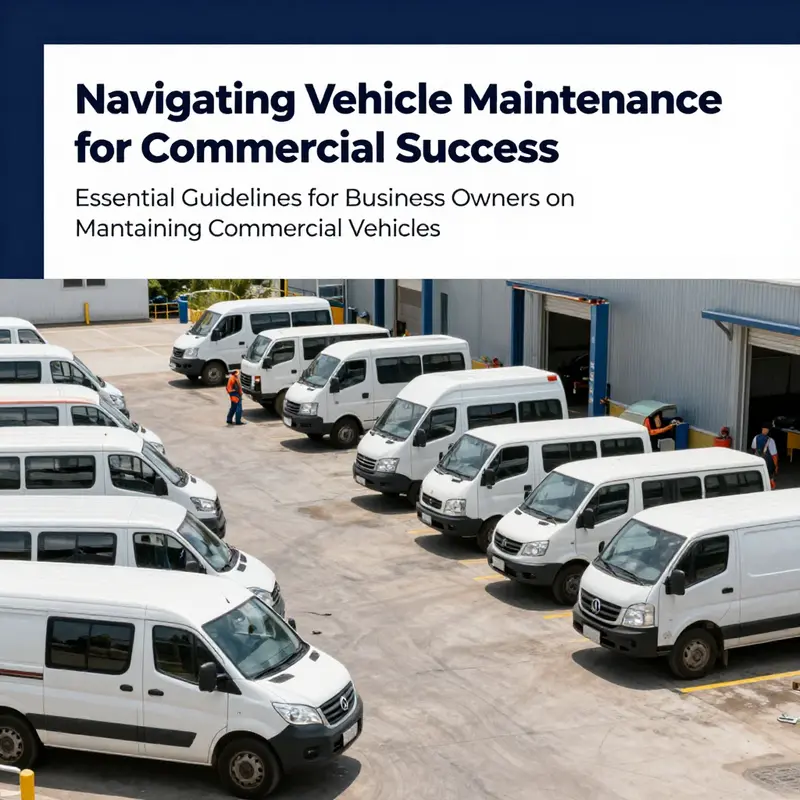
Ensuring the longevity and efficiency of commercial vehicles is critical for business owners. Regular vehicle maintenance not only preserves the integrity of your fleet but also enhances safety and reduces operational costs. This guide outlines the recommended maintenance intervals, highlights the significance of inspecting critical components, and reviews regulatory requirements that impact how often you should schedule maintenance. By understanding these aspects, business owners can better manage their commercial vehicle fleets, promoting reliability, compliance, and ultimately, profitability.
Maintenance Rhythms for Commercial Fleets: How Often Do Your Vehicles Really Need Service?
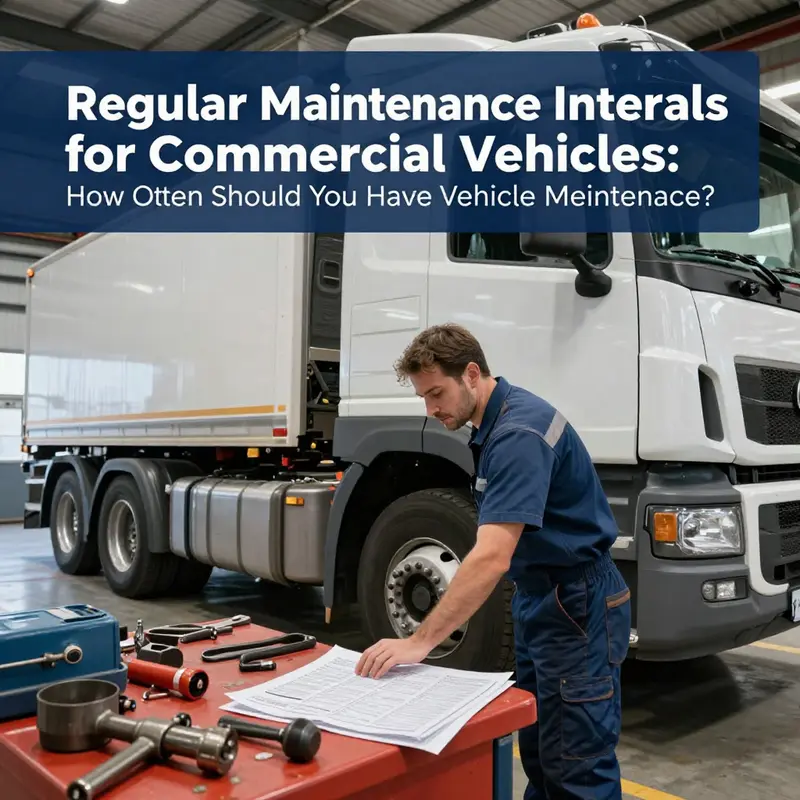
Maintenance rhythms for commercial fleets are not merely a matter of ticking boxes. They are the operational heartbeat of an enterprise that depends on uptime, safety, and predictable costs. The question of how often to service commercial vehicles does not have a single universal answer; it grows from the vehicle type, how the truck or bus is used, where it travels, and the expectations of the fleet’s customers. In practice, maintenance programs must balance two opposing pressures: the risk of failure that comes with neglect and the cost and downtime that come with too-frequent servicing. When fleets align maintenance with the actual duty cycle—how far vehicles travel, how often they stop, and under what conditions they operate—they shift from a calendar-based approach to a condition-based rhythm that respects each vehicle’s story. Across many fleets, a baseline exists that keeps essential systems within safe margins while not stalling operations.
The most visible piece of that baseline is a regular service interval. For standard commercial vehicles that carry freight or passengers in typical conditions, the interval is set to ensure a thorough inspection and service every few thousand kilometers or every six months, whichever comes first. This cadence is not arbitrary; it reflects accumulated wear in engine bays, brake systems, transmissions, and drive trains. In some fleets, the interval is expressed as a mileage window of five thousand to ten thousand kilometers, coupled with a six-month maximum on the clock. This arrangement makes sense when trips are balanced between city starts and highway runs, where wear patterns are relatively predictable and trips remain within a moderate powertrain load. Yet the same rule must bend when a vehicle’s life is dominated by heavy loads, extreme climates, or long, continuous highway work. In those cases, maintenance intervals tend to be longer in absolute distance because the duty cycle favors uniform operating temperatures and steadier engine loads, but inspections must be more frequent for wear components such as tires and brakes that handle aggressive stopping and rolling resistance.
Within that broad framework, the engine—particularly diesel engines common in commercial fleets—remains central to the maintenance conversation. Engine oil is the single most critical maintenance item. Regular oil changes clean the engine’s internals, carry away wear metals, and keep lubrication at the right viscosity under heavy loads. In standard practice for many diesel engines, the oil change interval hovers around five thousand to ten thousand kilometers or about six months. Some fleets push those numbers further by adopting high-quality synthetic oils and optimizing driving conditions; under favorable circumstances, certain engines can extend this service window toward one hundred thousand kilometers, though that level of extension demands immaculate fuel quality, consistent highway cruising, and rigorous filtration. In practice, most operators will not venture that far without careful monitoring and supplemental checks. The distinction here is important: the interval is not only about time or distance; it’s about how the engine performs and how cleanly it operates under load, which is why many fleets pair oil changes with regular diagnostics that flag abnormal pressures, temperature spikes, or unusual oil consumption.
Nevertheless, the engine is only part of the picture. Tires and brakes sit at the front line of wear, often showing symptoms long before other systems reveal themselves. Heavy payloads and frequent stops punish tires in ways passenger vehicles rarely experience. The same is true for brake pads, rotors, drums, and associated hydraulic equipment. Inspections of tires and brakes should be woven into every service interval, not relegated to occasional checks. The fleet manager’s job includes mapping out replacement windows based on tread depth, sidewall integrity, tire temperature behavior, and the vehicle’s braking load history. At times, this means tire replacement occurs well ahead of the point where legal minimums are reached because unsafe tread depth or irregular wear patterns threaten traction in rain or on grades. Transmission fluid is another critical line item with rules that vary by transmission type. Manual transmissions often demand fluid replacement around the five-year or one-hundred-thousand-kilometer mark, whereas automatic transmissions typically require service every sixty thousand kilometers or about three years, depending on the manufacturer’s guidance and operating environment. These intervals reflect the need to refresh clutch-acting components and to maintain smooth gear shifts under heavy gearing loads characteristic of commercial operations.
Air and fuel filtration rounds out the core maintenance loop. Air filters must be kept clean to ensure turbochargers or intake systems are not starved for air, a false economy that can cost fuel efficiency and power. The typical cadence calls for inspection around ten thousand kilometers with replacement every twenty thousand, though the exact interval depends on climate and dust exposure. Diesel-fuel systems are particularly sensitive to fuel quality; diesel fuel filters often require more frequent replacement—roughly every ten to fifteen thousand kilometers in many fleets—especially when fuel quality fluctuates or when trucks operate in dusty or arid regions. A well-tuned filtration program not only protects the engine but also supports downstream components such as turbochargers and fuel injectors, and it helps avoid particulate buildup that can degrade combustion efficiency.
The regulatory layer adds further structure to these schedules. In many regions, commercial vehicles face mandatory safety inspections designed to catch issues before they cause safety incidents. The calendar for these inspections varies by vehicle type and the governing jurisdiction, but typical patterns exist. General freight vehicles may require inspections every 180 days, buses on a similar but distinct cadence may have checks every 90 days, and vehicles transporting dangerous goods often follow an intermediate interval of around 120 days. The annual inspection remains a constant feature in most systems, serving as a comprehensive health assessment across the vehicle’s systems. These rules create a floor beneath which maintenance cannot fall, while fleet operators still have latitude to tailor service frequency to the vehicle’s actual duty cycle.
To make sense of all these moving parts, it helps to move from a purely calendar- or mileage-based mindset toward a more dynamic approach that blends manufacturer guidance with real-world operation. Manufacturer manuals are the primary source for recommended service windows, but most fleets increasingly rely on telematics and on-board health monitoring to translate those guidelines into action. Telematics platforms collect sensor data on oil life, coolant temperatures, brake wear, tire pressure, fuel quality, and exhaust emissions, then translate it into actionable alerts. When a vehicle completes a pattern of heavy acceleration, short trips, or sustained idling in extreme heat, the system can trigger maintenance earlier than the standard interval would. Conversely, when a vehicle operates in forgiving conditions—long highway stages with steady loads—it may be possible to extend service intervals without compromising safety. The goal is not to rush maintenance or to prolong it to the point of risk; it is to align the cadence with actual wear and performance, so the next service visit is a constructive step rather than a routine interruption.
Driving this concept home is the idea that maintenance is a collective responsibility. The people who keep fleets on the road—drivers who perform daily pre-trip inspections, technicians who interpret sensor data and carry out repairs, and planners who schedule work with minimal disruption—must work in concert. The driver’s daily vigilance is the first filter; if a tire starts to lose tread in the middle of a peak season, the team must respond quickly. A well-structured maintenance program, supported by reliable data, reduces the risk that minor issues, if left unchecked, will escalate into major failures that threaten safety or derail schedules. In this sense, maintenance rhythms become not only a safety protocol but a strategic capability: a signal to customers and partners that the fleet can deliver dependable, on-time service.
The practical takeaway is that a fixed cadence, though useful as a starting point, should never be mistaken for a rigid rule. A baseline of ten thousand to fifteen thousand miles, or six to twelve months, offers a reasonable starting point for many fleets, but the most effective programs bend with the road. In harsh environments—dusty routes, extreme heat or cold, stop-and-go city traffic—the cadence should tighten to reflect increased wear; in steady, long-haul operations with well-maintained facilities, it may be possible to stretch service intervals a bit further while preserving safety margins. Above all, the value lies in measurement rather than assumption: facility staff should track service outcomes, fuel efficiency, and component lifetimes to see whether the plan delivers the predicted uptime and reliability. The right maintenance rhythm is a living tool, not a static checklist.
For a concise definition of maintenance in the context of vehicle fleets, see What is vehicle maintenance. That reference anchors the broader discussion in a practical framework and reminds readers that the aim is ongoing reliability and safety, not merely compliance. As you adopt telematics and refine the duty cycles of your fleet, remember that regulatory guidance sets a minimum and that manufacturer recommendations establish the building blocks for your program. The dialogue between those sources, combined with real-world performance data, will shape the rhythm that fits your fleet’s unique mission. The end goal is straightforward: maximize uptime, minimize unexpected downtime, protect drivers, and manage total cost of ownership through a responsive maintenance strategy. As you prepare to translate this framework into your own operations, the next chapter will explore how to implement a maintenance program that works in practice across diverse vehicles, routes, and climates.
External resource: https://www.fmcsa.dot.gov
Beyond the Baseline: How Critical Systems Shape the Maintenance Cadence of Commercial Fleets
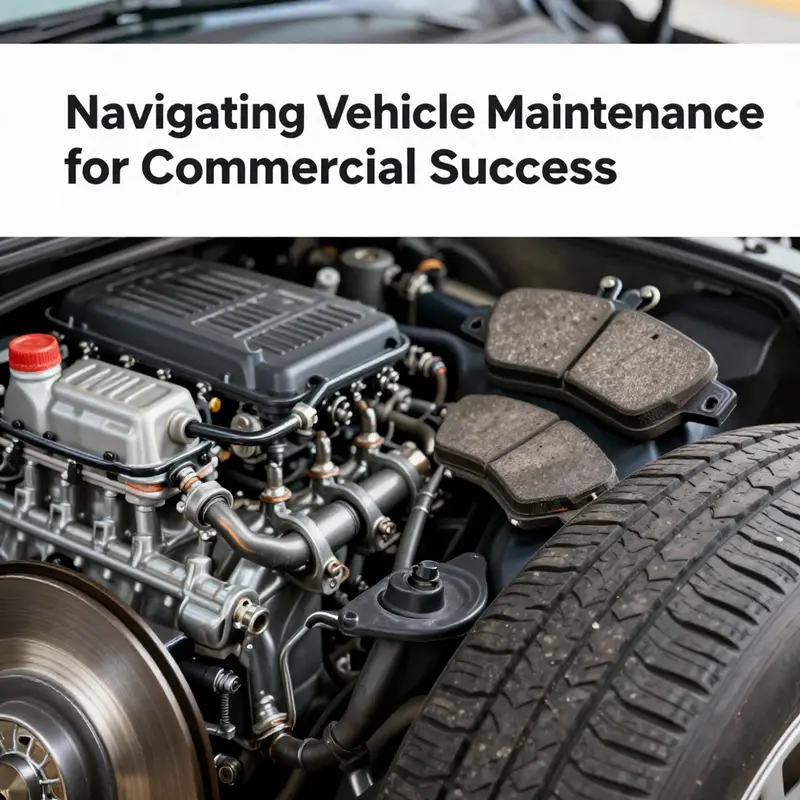
Every fleet operator knows that maintenance is not a checkbox to be ticked on a calendar, but a dynamic discipline that mirrors the stress, duty cycles, and regulatory realities of commercial transport. The cadence of care for commercial vehicles—trucks, buses, delivery vans—must emerge from a clear understanding of the systems that bear the heaviest loads and the highest demands. In practice, this means anchoring routine service not just to mileage or time, but to the health and performance of the key components that keep a fleet safe, compliant, and on the road. The most evident truth is that neglect of critical areas—braking, the engine and its emissions controls, the transmission, tires and suspension, and the electrical and electronic backbone—inevitably bleeds into uptime loss, fuel efficiency decline, and elevated repair costs. When a carrier treats maintenance as a strategic asset rather than a defensive expense, the result is steadier schedules, longer asset life, and a lower total cost of ownership over time. This perspective also aligns with the broader regulatory framework that governs commercial operations; compliance does not happen by accident but through disciplined inspection and timely intervention at the interfaces where safety meets performance. For fleets seeking a practical rule of thumb, baseline guidance remains useful: many vehicles benefit from a comprehensive check every 5,000 to 10,000 kilometers (3,000 to 6,000 miles) or every six months, whichever comes first. Heavier duty designs, built to endure longer legs of duty with fewer short trips, may tolerate longer intervals, such as around 30,000 kilometers (18,000 miles). In optimal conditions—a highway regimen, consistent speeds, and high-quality lubricants—some engines can even stretch oil changes toward the 100,000-kilometer mark. Yet those longer intervals are conditional, and they do not replace the need for vigilance across the fleet—especially when environments are harsh, fuels are variable, or the duty cycle involves frequent starts and stops, steep grades, or extreme temperatures. The practical takeaway is that maintenance cadence must be tailored to the vehicle and its operation, with the manufacturer’s manual and the fleet’s own data as the guiding lights. To those who want a foundational overview that informs deeper planning, a compact reference describes maintenance as a discipline of recognizing what wears fastest, what sensors tell you, and when to intervene before a fault becomes a failure. For a broad primer, see the overview linked here: What is vehicle maintenance. This kind of framing helps fleet managers translate a cadence into cash flow, risk management, and service reliability that keep drivers safe and customers satisfied. The core premise remains consistent across the fleet spectrum: scheduling maintenance around the critical components not only preserves safety but also preserves assets, preserves fuel efficiency, and preserves the ability to meet service commitments with confidence. As such, the maintenance rhythm becomes an operating metric, not merely a maintenance department concern. The following discussion stitches together the most consequential elements of this rhythm—the braking system, the engine and its ancillary systems, the transmission, the tires and suspension, and the electrical and electronic systems—into a coherent narrative about how to plan, monitor, and act in a way that optimizes uptime and minimizes risk. The braking system, for instance, sits at the top of any safety calculus. In commercial vehicles, the consequences of brake wear are magnified by mass and momentum. Regular inspections of brake pads and rotors, drums and hydraulic lines, and the health of electronic braking features are essential. Modern fleets rely on electronic braking systems that integrate sensors, control modules, and real-time diagnostics. These systems demand not only periodic physical checks but also diagnostic runs using manufacturer-specific tools to verify sensor accuracy, servo response, and proper modulation under different load conditions. A comprehensive brake check should be part of every service interval and should be intensified after incidents involving hard braking or unusual steering responses. The engine and its ancillary systems form the next focal point, because the engine is the heart of performance, reliability, and, increasingly, emissions compliance. Maintenance here means more than oil and filter changes; it involves tracking oil quality and level, inspecting air filters, and sure enough, confirming the integrity of the cooling system to prevent overheating. Diesel engines, in particular, with advanced emission controls like selective catalytic reduction (SCR) and diesel particulate filters (DPF), require specialized diagnostic procedures and periodic regeneration cycles to stay within regulatory standards and to sustain fuel economy. Oil change intervals vary widely in this context. A standard interval might be every 5,000 to 10,000 kilometers (3,000 to 6,000 miles) or every six months, while under optimal conditions with synthetic lubricants and steady highway operation, longer intervals can be contemplated. Yet even when the clock allows longer gaps between oil changes, the engine still benefits from regular checks of coolant condition, fuel and air filters, and the integrity of exhaust aftertreatment components, because a degraded SCR catalyst or a clogged DPF can hobble power and raise emissions. The transmission system deserves equal attention, since these drivetrains absorb substantial stress from heavy loads and frequent gear changes. Whether automatic or manual, transmissions in commercial fleets experience wear through misfits in gear engagement, slipping, and fluid degradation. Regular checks of transmission fluid, periodic filter replacements, and careful inspection for signs of wear are mandatory. More advanced diagnostics, including data logging and pressure testing, can reveal early signs of lubrication breakdown or valve body wear that would otherwise trigger costly downtime. Correct lubrication, proper alignment of driveline components such as axles and universal joints, and careful monitoring of vibration or noise during operation are all essential. The tires and suspension deserve equal regard because this combination is the interface through which load, road, and driver intention meet the pavement. Worn or improperly inflated tires increase rolling resistance, raise fuel consumption, and degrade handling, especially under heavy loads or in emergency maneuvers. A thorough tire program should consider tread depth, sidewall condition, and wear patterns to identify misalignment or suspension issues. Suspension components—leaf springs, shock absorbers, control arms—are not mere ride comfort; they affect stability, tire wear, and braking performance. Cracks, corrosion, or misalignment in these parts can lead to uneven wear and greater risk during cornering or abrupt deceleration. Electrical and electronic systems increasingly determine how well a fleet operates. Onboard computers, sensors, telematics, and lighting all depend on reliable communication between sensors, controllers, and the fleet management platform. Routine checks with OBD-II readers and software updates help ensure that fault codes translate into actionable maintenance and that drivers receive timely safety alerts. Misleading fault codes or lagging data can cascade into inefficient routing, poor diagnostics, and unsafe conditions on the road. Taken together, these five areas create a map of maintenance that emphasizes preventive care, early detection, and disciplined intervention. The cadence is not a one-size-fits-all schedule but a disciplined practice that blends the vehicle’s design limits with the realities of its duty cycle. In practice, this means a maintenance plan that classifies components by risk and consequence: brakes, engine and emissions controls, transmission, tires and suspension, and electrical systems. It also means tracking performance indicators that matter to fleet economics—uptime, fuel economy, repair cost per mile, and the frequency and severity of unscheduled maintenance. The goal is to align service timing with observable indicators rather than inflexible dates. As part of turning this plan into action, maintenance decisions should be informed by the vehicle’s operating environment. Stop-and-go city driving, hilly terrain, extreme temperatures, or heavy payloads intensify wear in different places. For instance, city driving accelerates brake wear and increases load on the transmission and axles; frequent heat cycles affect the cooling system and oil life; rural or highway routes with steady speeds can enable longer oil-change intervals when high-quality synthetic lubricants are used and when oil health is tracked. The same logic applies to air and fuel filtration: harsh fuel or dusty environments can shorten replacement intervals, especially for diesel engines where filtration plays a direct role in protecting sensitive aftertreatment systems. The regulatory backdrop intensifies the need for disciplined maintenance. Safety inspections in many regions require regular checks of general vehicle fitness, and more specialized rules govern certain classes of operations. Safety audits and compliance checks are not merely administrative hurdles; they are risk mitigators that help fleets avoid downtime tied to inspections or penalties related to out-of-spec equipment. The general framework often includes safety inspections at intervals such as every 180 days for general freight vehicles, every 90 days for scheduled passenger vehicles, and around 120 days for dangerous goods vehicles, along with an annual vehicle inspection to assess overall condition. In other words, the cadence must be robust enough to satisfy regulatory expectations while also being flexible enough to respond to real-world wear patterns observed in the fleet. The practical economics of maintenance follow the same logic. Regular service visits that address critical wear points prevent larger, more expensive problems later. Timely brake replacements, timely oil changes with the right lubricant, and the right attention to the cooling system, transmission, and aftertreatment components, all contribute to steady uptime and predictable maintenance budgets. Failure to address these systems can produce cascading failures—brakes that fade, a DPF regeneration that fails, a transmission that shudders or loses efficiency, tires that wear unevenly due to misalignment, or sensors that feed erroneous data into fleet management. Each of these outcomes brings not just repair costs but potential downtime that eats into service commitments and erodes customer trust. The art of maintenance, therefore, is not simply knowing when to change fluids; it is building a cadence that anticipates wear, supports reliability, and remains compatible with the fleet’s operating plan. Operators should cultivate a data-informed practice: logging conditions under which vehicles operate, monitoring performance metrics, and adjusting the maintenance calendar as real-world results dictate. This approach should be reinforced by skilled technicians with access to diagnostic tools capable of interpreting sensor data and correlating it with expected wear patterns. The value of a proactive maintenance program becomes especially clear when considering the total cost of ownership. Upfront investments in regular inspections and targeted replacements can yield substantial returns through fewer unscheduled repairs, reduced fuel waste, and longer asset life. Fleet managers who embed critical-component focus within a broader maintenance strategy often find they can meet service windows more reliably, keep drivers safer, and maintain a competitive edge in a marketplace that prizes reliability as much as cost efficiency. For readers seeking a concise regulator-style reference on the broader regulatory context, the FMCSA provides detailed resources and regulatory requirements that can guide policy and practice within a fleet program: https://www.fmcsa.dot.gov. In the end, the maintenance cadence for commercial vehicles is a disciplined synthesis of systems thinking, regulatory awareness, and operational data. It is a book kept open by regular checks and a readiness to respond to the unique demands of each vehicle and route. The chapter lays out the core idea that maintenance is a strategic asset, not a routine burden, and that its effectiveness rests on attending to the specific, high-stakes components that sustain safety, performance, and compliance across the fleet.
Compliance First, Cadence Follows: How Regulatory Rules Shape Maintenance Cadence for Commercial Vehicles
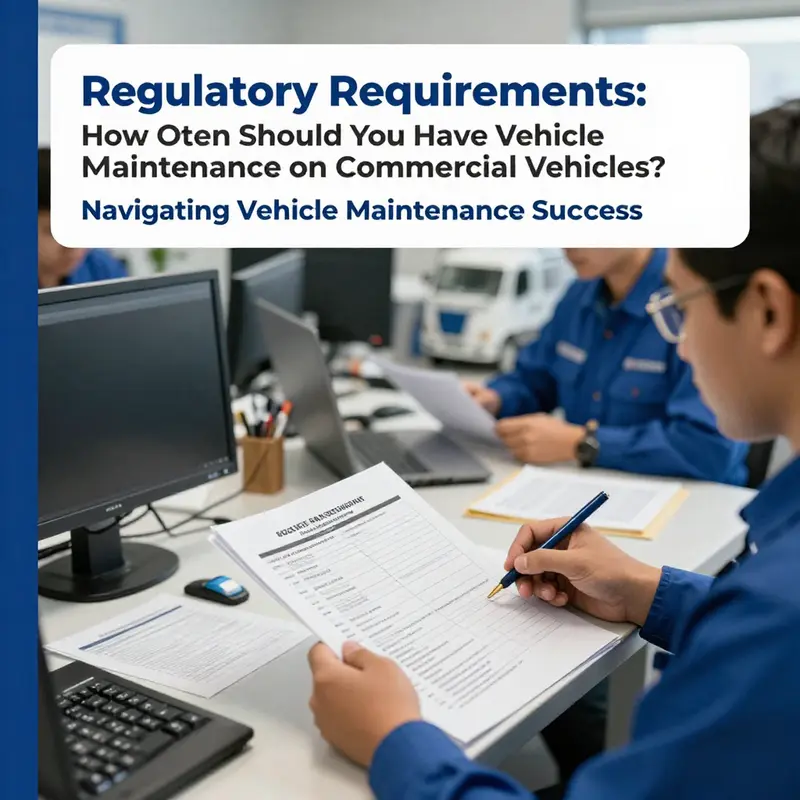
Finally, it is worth reading the regulatory landscape alongside the broader industry practice of risk-based maintenance. The baseline cadence—roughly every 5,000 to 10,000 miles or every three to six months—provides a floor that safety programs can build upon. It is the combination of this floor with the employer’s risk assessment, the vehicle’s duty cycle, and the use of data analytics that truly defines the maintenance cadence. In fleets where drivers log many miles across urban corridors with frequent stops and variable temperatures, the fleet may adopt more frequent inspections and service items. In contrast, long-haul operations with stable routes and controlled payloads may justify extending some intervals, provided the vehicle’s condition and performance metrics support that choice. The aim remains constant: reduce the probability of a breakdown on the road, avoid preventable accidents, and minimize unplanned downtime that disrupts schedules and erodes customer trust. The regulatory framework recognizes that maintenance is a dynamic process, not a fixed calendar plan. It invites fleets to implement a living maintenance program—one that combines the safety-first instinct of regulators with the efficiency-driven instincts of modern fleet operations. The end result is a practical cadence that honors both safety and service quality, anchored in compliance but guided by continuous improvement. And as the industry continues to collect performance data and refine predictive-maintenance strategies, the cadence will continue to evolve, always with an eye toward safer roads and more reliable service. For readers who want to explore the financial and operational benefits of a well-run maintenance program, a useful resource delves into how regular upkeep translates into tangible cost savings, including fuel efficiency and reduced downtime. How vehicle maintenance saves on gas expenses.
Final thoughts
In conclusion, maintaining commercial vehicles is a multifaceted process that involves regular checks, attention to critical components, and adherence to regulatory requirements. By following established maintenance intervals, ensuring thorough inspections, and being mindful of your local regulations, business owners can effectively safeguard their investments. Prioritizing vehicle maintenance not only improves safety and efficiency but also minimizes costs in the long run. A well-maintained vehicle fleet reflects professionalism and enhances service delivery, ultimately contributing to business success.