
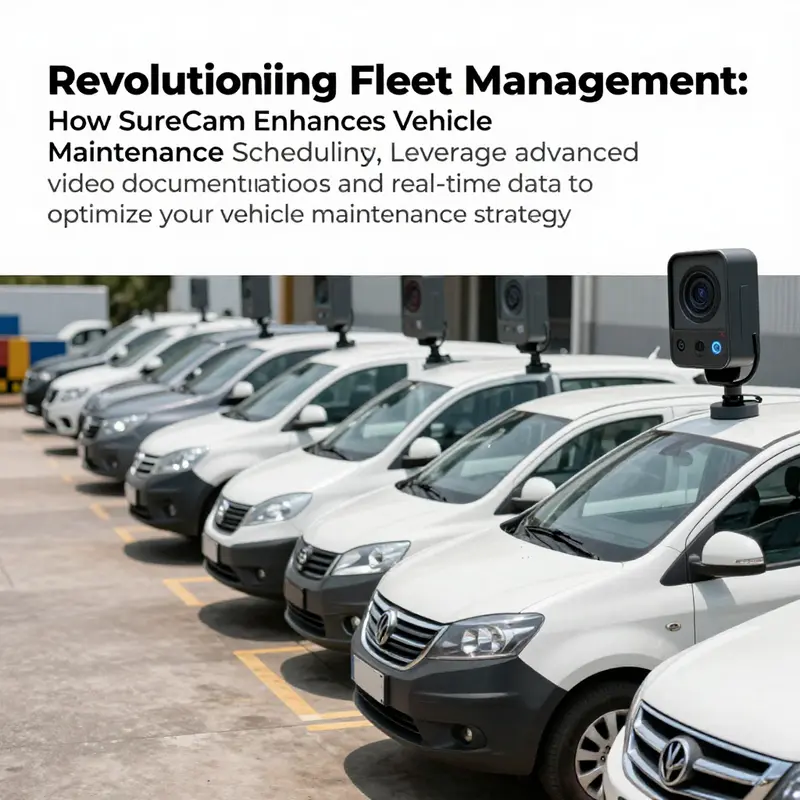
Fleet management requires precision and foresight, especially when it comes to vehicle maintenance scheduling. Ensuring that your vehicles are in optimal condition directly affects safety, efficiency, and cost management. SureCam stands out in this aspect by providing a connected camera solution that captures high-quality video evidence of incidents. Through each chapter, we will delve into how SureCam enhances vehicle maintenance scheduling, focusing on accurate incident documentation, the role of video evidence in predictive maintenance, the importance of real-time alerts for informed decisions, and the significant impact on cost reduction and overall efficiency in vehicle care.
From Footage to Forward Planning: How Video Telemetry Refines Vehicle Maintenance Scheduling
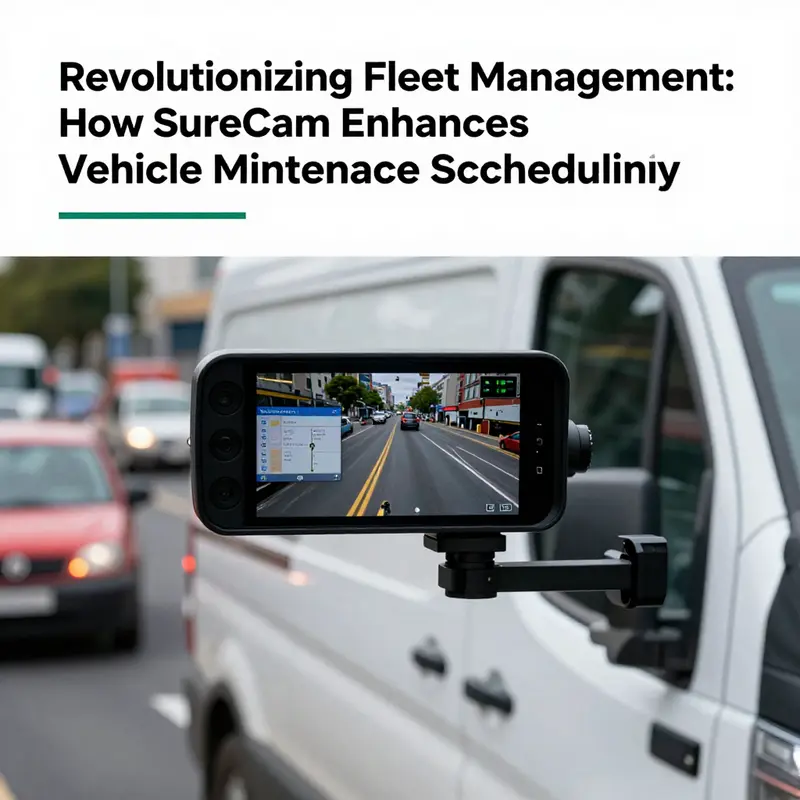
When fleets shift from routine servicing to data-driven maintenance, the routine becomes more precise and the response times shorter. A connected camera and telematics system does more than record incidents; it creates a continuous evidence-based thread that ties everyday operation to maintenance needs. High-quality video, infrared capabilities for night visibility, and real-time data streams transform maintenance scheduling from a calendar-driven ritual into an evidence-based workflow. The result is a maintenance program that is not only proactive but tightly aligned with how each vehicle is actually used, the strains it endures, and the events that reveal hidden wear long before a breakdown occurs.
At the heart of this transformation is accurate incident documentation. Vehicles in the field encounter a spectrum of events: a minor fender bender, a hard stop caused by sudden traffic changes, a rough road that transmits vibration through the suspension, or an unexpected mechanical anomaly that only becomes evident when viewed through a detailed lens. A connected camera captures these moments with clarity, preserving not just the gist of what happened but the exact context—the speed at impact, the direction of force, the behavior of the tires, and the surrounding environment. When these visuals are paired with sensor data such as brake temperature, suspension displacement, or wheel speed, diagnostic conclusions become far less speculative. Maintenance teams can move from broad assumptions to targeted inspections. If footage shows a collision accompanied by sudden stops and unusual tire wear, the team can prioritise brake and suspension checks and schedule those inspections promptly rather than waiting for the next routine interval.
Night-time scenarios often pose a challenge for traditional inspection regimes. Infrared capability embedded in a robust camera system ensures that incidents or abnormal vehicle behavior are captured even after sunset. This continuous visibility matters because wear patterns do not respect the clock. A rough stretch of road that triggers repeated harsh braking or subtle differential movement may escape notice during daytime checks but becomes evident when night footage highlights braking efficiency and tire grip. The ability to document these moments across day and night is essential to building a maintenance history that reflects real-life operating conditions rather than idealized schedules.
The practical value of this footage is amplified when it is integrated with telemetry and diagnostic data. The camera itself detects events, but the true power emerges when video is correlated with sensor streams for a holistic view of vehicle health. Consider a vehicle that experiences a sudden vibration during a trip. The video may reveal a wheel misalignment or a loosened component, while the accompanying telemetry shows abnormal wheel speed signals and occasional braking force anomalies. This correlation makes root-cause analysis faster and more reliable. The maintenance team can immediately flag the suspension system, steering linkage, or drivetrain components for inspection. Instead of a vague “check the brakes” directive, technicians receive a precise, evidence-backed task that reduces diagnostic guesswork and accelerates the repair cycle.
This data synergy reshapes how maintenance planning is scheduled. Rather than relying solely on mileage or calendar-based intervals, fleets can adopt a usage and condition-based approach. Incidents—documented events that have a clear, video-supported narrative—serve as catalysts for maintenance actions. If a vehicle accrues incident history that shows repeated stress on a particular subsystem, the schedule can be adjusted to reflect the actual wear pattern. A tire and brake program, for example, can be triggered earlier for a vehicle with documented sharp decelerations, while another vehicle with gentler driving data may coast along longer between services. This approach does not abandon preventive care; it recalibrates it to align with observed demand on each component. The result is lower downtime, more predictable service windows, and a stronger link between vehicle usage and upkeep.
A critical benefit of video-enabled maintenance scheduling is the reduction of disputes over fault and repair costs. In fleets, disagreements about who caused damage or why a part failed can stall repairs and prolong downtime. Clear video evidence, paired with precise sensor data, provides an objective baseline that supports faster decision-making. Maintenance managers no longer rely on memory or anecdotal notes; they have a repeatable, auditable record of events and conditions. This transparency streamlines repairs and helps ensure that the right component is serviced at the right time, which is particularly important for multi-vehicle operations where the same route and duty cycle may produce similar wear patterns across the fleet.
The practical workflow from incident to service is also streamlined by connectivity features. Modern telematics ecosystems use Bluetooth and Wi-Fi to push incident data to cloud platforms or mobile devices in near real time. A critical event can trigger automated alerts to the maintenance desk and, if necessary, to the nearest authorized service partner. For repair shops and mobile mechanics, this connectivity shortens the loop between event detection and intervention. Automated reminders based on the captured data ensure that service tasks appear in schedules promptly, reducing the likelihood that a small issue becomes a major failure.
This workflow is especially valuable when the fleet operates across multiple sites or remote locations. In such contexts, the ability to transmit high-fidelity video and sensor data to a centralized maintenance hub eliminates the need for on-site diagnostics before a decision is made. A central team can review the evidence, compare it with historical data, and assign tasks with clear priority levels. The efficiency gains extend to repair providers, who can pre-stage parts and allocate labor more effectively when they know exactly which issues to address. In turn, technicians spend less time chasing down symptoms and more time repairing root causes.
The benefits extend beyond the shop floor. Safer, more reliable vehicles contribute to a healthier bottom line by maximizing uptime and minimizing unexpected downtime. When maintenance is driven by actual conditions rather than generic schedules, vehicles spend more time in service and less time idling in repair bays. The improved reliability also supports better route planning and dispatch efficiency. With fewer unplanned breakdowns, fleet managers can optimize maintenance windows around peak demand periods, reducing disruption to service delivery and customer commitments.
Fundamentally, this approach rests on a simple premise: data quality dictates the quality of decisions. The clearer the video and the richer the sensor context, the more precise the maintenance interventions can be. Clear night-vision footage, high-resolution daytime captures, and robust telemetry together create a longitudinal health record for each vehicle. Over time, this record reveals wear patterns and failure modes that recur with certain duty cycles or driving conditions. Armed with that knowledge, maintenance programs can move from reactive repairs to proactive, condition-based interventions that extend vehicle life and protect safety.
To connect this concept with the broader landscape of fleet maintenance, consider the foundational knowledge of what vehicle maintenance entails. For a grounded view of the basics, many fleets find it useful to revisit the core definition and scope of maintenance activities. What is vehicle maintenance provides a clear framework for distinguishing routine servicing from condition-driven work. This reference helps ensure that the data-driven approach complements established maintenance principles rather than diverging from them. When you align footage-driven insights with foundational maintenance concepts, you create a coherent program that respects both the science of diagnostics and the practicalities of day-to-day operations.
The integration of video evidence with diagnostic data also invites a renewed perspective on the role of maintenance in safety and efficiency. When drivers know that every event can contribute to a detailed health check, adherence to safe operating practices often improves. The camera’s presence becomes a subtle incentive to drive within normal load limits and avoid behavior that could cause premature wear. The resulting improvements in driving style feed directly into the data pool, reinforcing a virtuous cycle: safer driving yields fewer abnormal wear events, which in turn narrows maintenance needs to what is truly necessary and urgent.
As with any advanced data system, there are challenges to navigate. Data privacy and access controls are essential to protect driver information and fleet confidentiality. The value of the footage must be balanced against concerns about how long it is stored and who can view it. Robust policy frameworks and secure data handling practices are essential companions to the technical capabilities of the system. There is also the practical need to ensure data integrity across different weather conditions, road surfaces, and operating environments. The reliability of the camera hardware, the resilience of the wireless link, and the accuracy of time stamps all influence how confidently teams can act on the evidence. When these elements are designed with care, the result is an integrated system that consistently supports better decisions about when to intervene and what to inspect.
The narrative of maintenance scheduling enriched by video and telemetry is not a solitary improvement; it shapes the broader culture of fleet management. It encourages collaboration among drivers, maintenance technicians, and operations managers. Drivers contribute contextual notes about road conditions and vehicle behavior that can be cross-referenced with video. Technicians provide real-time feedback on parts and performance that can be compared with incident footage to confirm or refine maintenance plans. Operations teams gain a unified, auditable pathway from event to service, ensuring that maintenance decisions are transparent and traceable across the fleet.
In practice, the transition to a data-informed maintenance regime requires thoughtful implementation. It begins with selecting components that deliver reliable video quality, reliable infrared imaging when needed, and robust data communication. It continues with establishing data governance policies that define who can access footage, what can be stored, and how long records are retained. It also requires building clear workflows that translate incident narratives into service tickets, with automatic escalation when safety-critical components are involved. The most effective programs weave these elements into everyday operations so that maintenance decisions become a natural extension of the fleet’s day-to-day activity rather than a separate, disruptive process.
The long-term payoff of this approach is measurable. Maintenance planning becomes more accurate, service gaps shrink, and downtime is minimized. Vehicles stay in service longer because wear is detected and addressed at the right moment. The driver experience improves because routes are planned with a higher degree of reliability, and the organization gains a clearer sense of how daily operations translate into maintenance needs. In the end, the objective is not merely to fix what breaks but to anticipate what will fail next and prepare for it in a timely, cost-effective way.
For readers seeking a broader framework on how smart vehicle monitoring systems advance maintenance decisions, a comprehensive overview from a leading automotive technology publication offers helpful context on the telematics-enabled maintenance paradigm. You can explore further here: https://www.automotiveinnovation.org/telematics-for-fleet-maintenance.
In sum, a connected camera and telematics solution does more than capture events; it creates an evidence-based maintenance culture. By documenting incidents with high fidelity, providing night-vision clarity, and weaving this information together with diagnostic data, fleets can schedule maintenance with astonishing precision. The days of guessing at the cause of a problem or relying solely on generic service intervals are fading. Instead, maintenance becomes a living process—continuous, responsive, and deeply informed by the real-world wear and use that each vehicle experiences on every shift and every road. This is the practical embodiment of intelligent fleet management: a system where footage drives action, action drives reliability, and reliability drives both safety and efficiency across the entire operation.
Seeing Ahead: How Video Evidence Accelerates Proactive Vehicle Maintenance
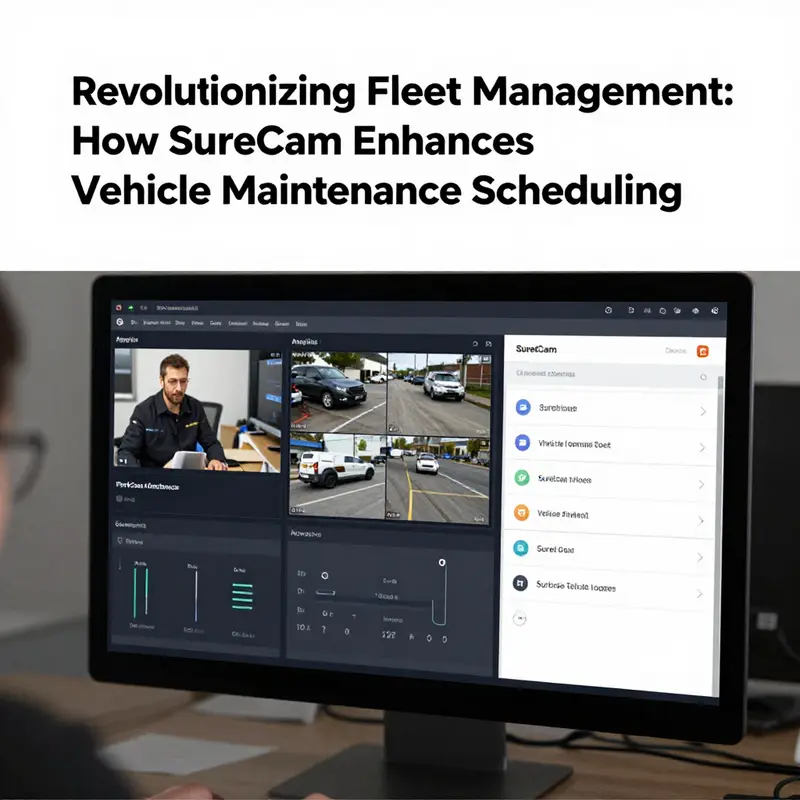
When fleets move from reactive repairs to proactive upkeep, a connected video solution can be a turning point. Video telematics creates a continuous, context-rich data stream that ties together road conditions, vehicle health, and driver behavior. The result is a maintenance schedule that responds to real-world usage and events rather than a calendar. Clearer evidence supports smarter decisions and reduces unscheduled downtime.
Infrared night vision and instant alerts extend this capability into the hours when problems first emerge. Heat signatures can reveal overheating bearings, worn brakes, or mounting issues that might not be captured by sensors alone. By linking nighttime observations with daytime route data, fleets identify which routes or shifts impose unusual stress on critical systems, enabling targeted maintenance before a failure occurs.
The behavioral layer adds predictive clarity. Detected driving patterns—harsh braking, rapid acceleration, or aggressive cornering—increase mechanical wear. When video context is paired with sensor metrics, maintenance forecasts become more accurate and less noisy.
Practical integration matters. Automatic ticket creation tied to specific video evidence, plus overlays showing recommended service intervals, helps technicians act quickly. The result is a maintenance program that stays aligned with actual wear and usage, not just age or mileage.
A concrete scenario helps. A recurring brake vibration captured on video, corroborated by rising sensor wear and reduced heat dissipation, prompts a proactive rebuild before a failure. In another case, oil seepage visible on video paired with a temperature anomaly guides a timely repair, avoiding costly breakdowns.
Seeing the Road Ahead: How a Connected Dash Camera Transforms Maintenance Scheduling Through Real-Time Insight
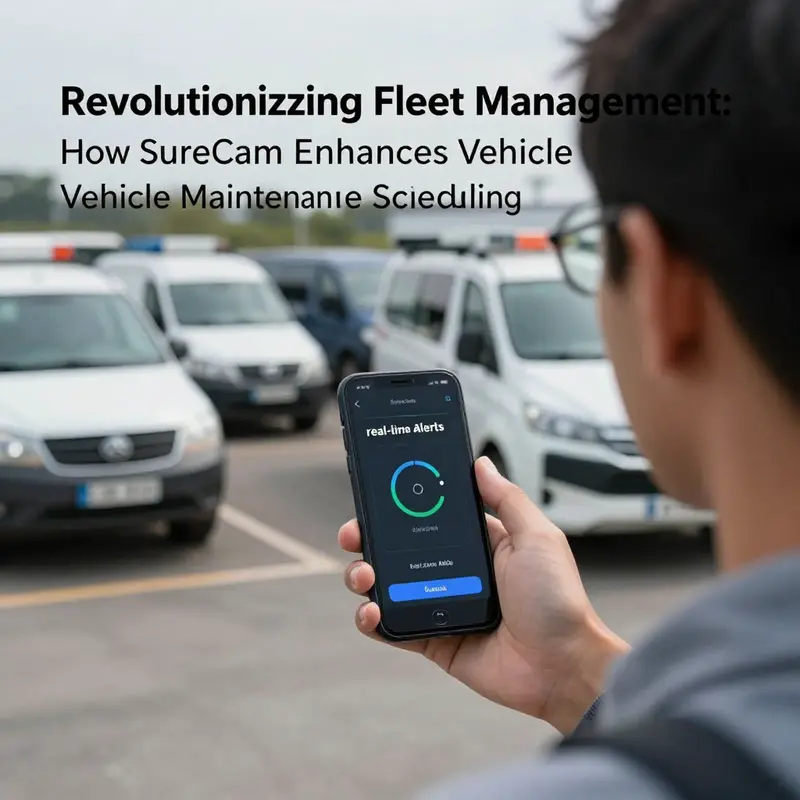
A fleet’s health is often measured by the quiet hum of its engines, the cadence of tire wear, and the reliability of its brakes. Yet for many operators, maintenance decisions still hinge on calendar-based intervals or after-the-fact fault reports. A connected dash camera system changes that calculus by turning everyday driving into a continuous stream of data, evidence, and actionable insight. It does more than capture moments; it creates a living record of how a vehicle is used, the stresses it endures, and the incidents that reveal, faster than any routine check, where maintenance is truly needed. In this light, the technology becomes not just a recording device but a proactive maintenance partner—one that links real-world usage and incident history to the timing and scope of service. With infrared capability for night-time visibility and dependable performance in all weather, the camera system promises a consistent, data-rich view of a vehicle’s lifecycle that shifts maintenance scheduling from purely time-based planning to evidence-based care.
The core idea is straightforward: continuous recording and real-time analytics generate a factual narrative about how the vehicle is operating. Every moment on the road contributes to a larger picture of wear patterns, mechanical stress, and potential faults. The system’s capacity to monitor driving behavior—harsh braking, rapid acceleration, sudden steering inputs—translates into indirect signals about component health. Harsh braking, for instance, can indicate worn brake pads or issues in the hydraulic system, especially when paired with accompanying data like tire grip, wheel speed, and pedal travel. Similarly, repeated aggressive cornering may strain the suspension, misalign wheels, or accelerate tire wear. When these indicators appear consistently, maintenance teams can move from a reactive stance to a proactive one, scheduling inspections or part replacements before a breakdown creates downtime or safety risks. This is more than risk mitigation; it is a disciplined approach to extending the life of the vehicle while preserving uptime.
Real-time alerts amplify this capability by delivering timely knowledge exactly when it matters. Rather than waiting for a breakdown to trigger a service ticket, fleet managers receive instant notifications when the system detects anomalies or maintenance-relevant events. The immediacy of alerts can lead to rapid triage, enabling quick diagnostics and targeted maintenance planning. For example, if a sequence of unusual engine vibrations is detected in the hours after a night shift, maintenance teams can request a diagnostic check at the next available window rather than schedule a routine service that might miss the early signs. The ability to tag these events with video proof strengthens the clinician’s or technician’s capacity to interpret data accurately. Video evidence helps distinguish between a transient issue caused by rough terrain and a genuine mechanical fault that warrants immediate attention. In a world where disputes over fault and repair costs can cloud decisions, video-backed data becomes a neutral, verifiable witness that clarifies responsibility and accelerates resolution.
The sustained value of this approach lies in how data is synthesized into actionable maintenance plans. A dash camera system that records continuously builds a robust usage profile for each vehicle. The aggregate data set captures how often a vehicle runs at higher speeds, how often harsh braking occurs, how many miles it logs between stops, and how frequently incidents trigger alerts. When analytics tools are layered onto this data, patterns emerge that routine maintenance alone often misses. For instance, a vehicle might not exhibit a fault during a standard inspection, yet analytics could reveal an uptick in irregular engine noise patterns or minor vibrations during acceleration. Those signals might precede a more significant issue if left unaddressed. By correlating these behavioral indicators with wear data from other vehicle systems—brake wear sensors, tire tread depth, or suspension health metrics—fleet managers can determine the precise timing for inspections, part replacements, or software updates. In this way, maintenance becomes a dynamically scheduled activity aligned with actual usage and condition rather than a fixed calendar or mileage milestone.
The narrative of reliability is particularly powerful in mixed-conditions environments. Vehicles operating in urban bottlenecks with frequent starts and stops experience different stresses than those traveling long highway legs. Night driving introduces another layer of complexity, where visibility gaps and fatigue can influence driving patterns and, consequently, wear. Infrared capability and all-weather performance ensure the camera system captures high-quality footage under low light and rain, snow, or fog. This consistency matters because the integrity of the data determines the confidence with which maintenance decisions are made. If video quality degraded in certain weather, it would be harder to interpret events clearly and to distinguish between truly abnormal behavior and environmental noise. With reliable imaging, managers can rely on the analytics to flag genuine anomalies—like unusual engine vibrations, misfires, or mounting looseness—that deserve closer inspection.
What does this look like in practice when maintenance teams translate data into action? Consider a typical fleet operation where vehicles travel diverse routes, from urban deliveries to rural service calls. The analytics system identifies a troublesome trend: a specific subset of vehicles shows frequent harsh cornering in the late afternoon, often preceding minor suspension noises detected on video. Rather than waiting for a suspension failure, the maintenance planner schedules a targeted inspection of the front end, including shocks, springs, and alignment. The result is a preventive measure that reduces the risk of a larger, more disruptive defect developing in a busy schedule. In another scenario, analytics reveal repeating vibration readings that coincide with a particular engine speed range. The maintenance team can arrange a belt or pulley inspection, fuel system check, and a software calibration if needed. These actions, prompted by data rather than calendar alone, capture the essence of proactive maintenance—addressing issues before they derail operations.
The value of this approach extends beyond the mechanical and into the operational psyche of the fleet. Real-time feedback from the camera system subtly shifts driver behavior in constructive ways. When drivers know their trips are being monitored for safety and mechanical impact, they tend to moderate harsh driving practices. This behavioral shift reduces excessive wear and tear, contributing to longer service intervals and lower overall maintenance costs. The combination of behavioral insights and condition-based alerts creates a synergistic cycle: better driving patterns lead to lower mechanical stress, which in turn makes maintenance events more predictable and affordable. This cycle is reinforced by the video records, which provide context for maintenance decisions and help justify any necessary repairs or replacements to stakeholders who might otherwise question the necessity of certain interventions.
The narrative of data-driven maintenance would be incomplete without considering the role of documentation and accountability. Video-backed evidence supports precise repair scoping. When a vehicle incurs damage or experiences an incident, the footage can be reviewed to determine the extent of wear or impact before the maintenance shop begins work. This reduces the chance of over- or under-repair and helps ensure that the parts replaced align with actual needs. In incident resolution, having a clear record of what occurred—before, during, and after an event—helps reconcile disputes with insurers or customers. The clarity of the evidence minimizes guesswork and speeds up the repair process, which subsequently contributes to higher uptime and lower total cost of ownership.
The chapter’s core logic is grounded in the convergence of three streams: continuous data capture, real-time alerting, and analytics-driven maintenance planning. Continuous recording creates the dataset; real-time alerts convert data into timely actions; analytics translate usage and incident histories into practical maintenance schedules. When stitched together, they form a comprehensive maintenance engine that aligns service with actual vehicle condition and operational demands. This engine does not discard the wisdom of established maintenance schedules; it refines them by injecting a granular view of how each vehicle is used and how it responds to those uses. In this sense, maintenance becomes a living program, responsive to day-to-day realities rather than a static calendar. The result is improved uptime, longer vehicle lifespans, and a more predictable maintenance budget, all of which are crucial for fleets that must balance service levels with cost containment.
That transformation is not a leap of faith but a practical, data-driven progression. The camera system’s ability to deliver clear, contextual video evidence complements sensors and telematics by giving technicians a visual narrative to accompany readings. When a warning light appears or a sensor reads out of spec, the accompanying video can reveal whether the issue is symptomatic of broader wear or the result of an isolated event. This nuance matters because it informs the scope of maintenance. If the footage shows that a chain of minor incidents has stressed the entire suspension manifold, a larger, preventive maintenance package may be warranted. If, on the other hand, the footage indicates a one-off incident with no lasting impact, a lighter inspection might suffice. In both cases, the maintenance decision is grounded in observable evidence rather than conjecture.
Incorporating maintenance scheduling with a video-enabled system also challenges conventional maintenance models by emphasizing usage-based planning. The shift from routine-based to data-informed maintenance is not about discarding planned service; it is about tuning it to reflect what the vehicle has actually endured. The metrics that matter expand beyond mileage or calendar days to include driver behavior patterns, incident history, damage assessments, and component wear indicators captured on video. For managers who oversee fleets with a mix of urban and rural routes, this approach is particularly valuable. It captures the full spectrum of stress points a vehicle experiences and allows maintenance to be scheduled around operational peaks and troughs rather than static timeframes. The chassis and drivetrain endure different demands depending on route structure, load, and duty cycles. By validating maintenance needs with video-backed evidence and analytics, the scheduling process becomes more precise and less wasteful.
A final thread in this narrative concerns the broader business implications. When maintenance scheduling becomes more precise, downtime is reduced, and assets stay healthier longer. The cost savings come not only from fewer breakdowns but also from more efficient parts usage and service scheduling. Technicians can plan more effective shop visits, bundling multiple service tasks into single visits when the data shows they are needed in concert. This reduces vehicle idle time and labor costs while maintaining, or even improving, service quality. Moreover, the governance around maintenance becomes more transparent. Video and analytics create an auditable trail that can be shared with stakeholders, insurers, or regulators as needed. This transparency supports smarter procurement decisions, better budgeting, and stronger service level agreements with customers.
To ground these ideas in a practical frame, consider the scenario where a fleet operator notices repeated patterns of aggressive cornering through video analytics. The suspension components and tires show accelerated wear in the data. Rather than waiting for a tire failure or a suspension rehearsal on the open road, a schedule is put in place for a suspension inspection, tire tread measurement, and alignment check. The preventive intervention protects against a potential safety risk, reduces the likelihood of a roadside breakdown, and preserves the vehicle’s integrity for longer. In another case, an irregular engine performance signal paired with a corresponding video cue—such as a moment of unusual engine noise captured during a steep incline—could prompt a targeted engine diagnostic and, if needed, spark plug or fuel system service. These steps become routine components of a data-driven maintenance protocol, changing how teams think about service intervals and what constitutes a warranted service action.
Ultimately, the story is about connecting two essential realms: the lived experience of driving and the science of vehicle maintenance. The camera system—not merely a repository of footage but a dynamic source of insight—bridges those realms. It makes every mile a data point and every video frame a potential maintenance cue. The result is maintenance that is not only more timely but also more attuned to real-world conditions, route demands, and driver behavior. It is a shift from maintenance as a cost center to maintenance as a strategic asset—one that preserves uptime, extends asset life, and strengthens the reliability that customers and operators depend on.
For readers seeking a starting point to contextualize these ideas within the broader field of vehicle upkeep, a concise overview of what maintenance entails can be helpful. A baseline understanding is outlined in What is vehicle maintenance. This reference provides a foundation for connecting maintenance concepts to the data-driven practices described here, illustrating how traditional maintenance concepts interface with modern, evidence-based scheduling strategies. The integration of video-backed analytics with established maintenance frameworks represents a natural evolution in fleet management, one that respects the wisdom of proven approaches while embracing the precision and efficiency of real-time data.
As the data-harvesting capabilities of camera-enabled systems become more sophisticated, teams will increasingly rely on standardized analytics dashboards that translate raw video and telemetry into clear maintenance recommendations. The path from incident to inspection to service becomes shorter and more reliable when teams can trust the data and the visuals that accompany it. In this sense, the dashboard is not just a tool for monitoring; it is a decision-support system that makes the right maintenance action visible and traceable. The long-term payoff is measurable: fewer unexpected repairs, lower total cost of ownership, and a fleet that stays healthier through the cumulative effect of timely, evidence-informed interventions. The road ahead for maintenance scheduling is not merely about catching problems earlier; it is about reimagining how maintenance is planned, executed, and justified in the context of real-world use and real-world footage. External references will continue to illuminate best practices and unknowns alike, guiding users as they translate this evolving discipline into tangible improvements for their operations.
External reference: https://www.surecam.com/dash-camera
Seeing the Road Ahead: How a Connected Dashcam System Refines Maintenance Scheduling and Cuts Costs
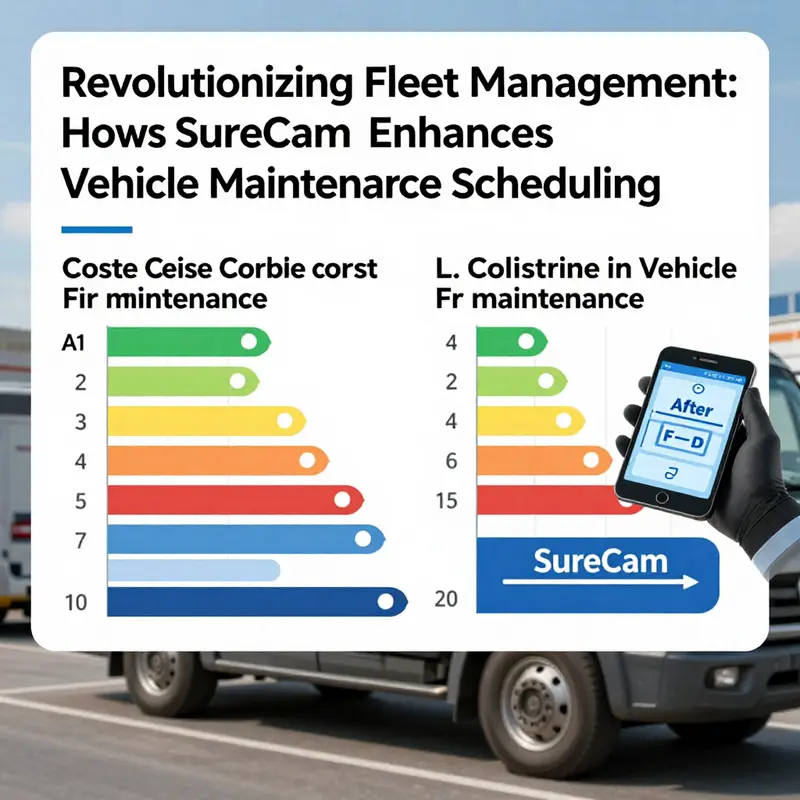
Maintenance scheduling for a fleet has long lived at the intersection of art and science. Managers have balanced the costs of downtime, parts, and technician time against the need to keep vehicles reliable, compliant, and safe. In this landscape, a connected dashcam system behaves less like a passive recorder and more like a data-enabled partner. Its ability to capture high-quality video evidence, including infrared for night-time visibility, turns every drive into a data point that speaks to how a vehicle actually wears and performs. Rather than relying solely on fixed service intervals or reactive repairs after a breakdown, fleet teams can lean into a data-driven cadence. The system’s continuous, synchronized video views around the vehicle provide a holistic picture of usage, impact, and evolving condition. When a road event occurs or when routine operation reveals a subtle change in how the vehicle behaves, this visual ledger becomes the first clue in a new maintenance narrative. The result is a shift from calendar-based planning to condition-based scheduling, where maintenance is triggered by real-world wear and incident history rather than guesswork.
The core of this transformation lies in the system’s multi-view coverage and reliability across weather and light. Imagine a configuration that offers up to six synchronized perspectives around the vehicle. Each angle corroborates the others, creating a robust evidence trail that is hard to dispute and easy to interpret. In the wake of an incident, this multi-angle clarity accelerates post-accident analysis. Fault determination moves from vague assumptions to concrete conclusions supported by objective footage. With a clear record of what happened, maintenance teams can distinguish between damage that requires immediate repair and issues that stem from prior wear or improper alignment, avoiding unnecessary repairs and focusing resources where they truly matter. The infrared capability further enhances this certainty by revealing conditions that might be invisible in daylight—hot spots indicating overheated components, early signs of electrical issues, or lubrication gaps that cause wear to accelerate at night when the vehicle is in lower-demand service. The combination of night visibility and all-weather reliability ensures that evidence remains actionable no matter the operating conditions, reducing the lag between event and diagnosis.
This clearer picture of incidents dovetails with a broader move toward usage- and history-informed maintenance. When fleets collect and scrutinize video tied to time, mileage, and service events, a pattern emerges. The maintenance team can correlate a vehicle’s post-incident condition with its prior usage profile. Was a tire inflated to the recommended pressure? Did an irregular vibration begin after a long highway leg, or did it appear abruptly after a rough road segment? The video data can help answer these questions with greater confidence than mechanical logs alone. In practice, this means maintenance is no longer a routine that happens in a vacuum; it becomes a response to real-world stressors and true wear trajectories. Each recorded mile becomes a data point that informs future scheduling. The ability to map usage history against observed condition enables a maintenance plan that aligns with how the vehicle is actually performing, not how it should perform on a calendar. For operators seeking to minimize unnecessary downtime, this shift is transformative. The cost of unscheduled repair drops when teams can interpret the footage to determine whether a fault is a one-off event or a sign of developing wear that warrants preventive intervention.
Beyond the incident-driven benefits, the continuous video stream serves as a proactive maintenance companion. Viewed over time, the footage becomes a living diagnostic tool. Subtle cues—an emerging pattern of irregular wheel bearing noise, a creeping fluid sheen along a weld seam, or unusual wear on a suspension component—can be detected long before a breakdown occurs. In this sense, the system supports predictive maintenance in its truest form: small, timely interventions that prevent larger, more expensive failures. Fleet teams can flag potential issues as they appear in the footage, assign them priority in the work queue, and schedule service calls while the vehicle remains in service for the day. The efficiency of this approach compounds as maintenance demand scales across larger fleets. When hundreds of vehicles feed into a single software ecosystem, the ability to triage issues quickly—thanks to crisp, corroborated video evidence—reduces the time to diagnosis, shortens the decision loop for repairs, and keeps the most urgent tasks moving to the top of the week’s schedule.
Integration with fleet management software is the connective tissue that makes these benefits practical and scalable. The video data from the cameras doesn’t live in isolation; it feeds into the same platforms that manage routes, fuel consumption, driver behavior, and maintenance history. The integration streamlines work order creation, automatically tagging vehicles by fault codes, incident type, and severity. It also supports smarter prioritization: a tire with signs of rapid wear revealed across multiple angles, an oil leak detected in the infrared view, or a misalignment indicator that reappears in consecutive drives—all can trigger a maintenance work order with clear, evidence-backed justification. This automation reduces administrative overhead, which historically ate into maintenance budgets and delayed critical repairs. When the system can push a prioritized ticket to the workshop scheduler, the maintenance team can allocate the right technician with the right tools at the right time, cutting the cycle time from fault detection to repair completion. The net effect is a smoother workflow where the vehicle’s condition directly informs when and what kind of service is needed, rather than relying on a fixed timetable that may be out of sync with actual wear.
The value of this approach extends into compliance and risk management. Regulatory landscapes increasingly demand rigorous documentation of incidents and maintenance decisions, particularly for fleets operating in sensitive or high-risk environments. A video-backed maintenance strategy provides a transparent, auditable trail that supports safety programs and regulatory reporting. It helps demonstrate due diligence when incidents occur and when determining fault or responsibility in claims. The same evidence backbone reduces disputes about repair costs, which can be a consequential drain on fleet profitability. By tying maintenance actions to observable condition and incident history, operators present a cohesive case for why certain interventions were performed and when. In addition, because the system tends to normalize evidence across different weather and lighting conditions, it offers consistent data quality that strengthens regulatory submissions and safety audits. The reliability of the footage across seasons further reinforces confidence in the maintenance schedule itself, making it easier to justify preventive investments to leadership and stakeholders who weigh lifecycle costs and risk exposure.
From a cost perspective, the practical impact is twofold. First, there is a clear reduction in over-repair. When the video confirms that a suspected fault was either minor or non-existent, unnecessary parts and labor costs are avoided. Second, there is a reduction in under-maintenance risk, which often materializes as unexpected downtime and emergency service calls that disrupt operations and erode margins. The combined effect is a lower total cost of ownership per vehicle, achieved not by a single dramatic intervention but by a steady drumbeat of informed decisions that keep each asset operating closer to its optimum. This cadence translates into higher asset utilization. Vehicles spend more time in service and less time in the shop, which, in turn, improves fleet productivity and customer service levels. The system’s data also provides a clearer picture of lifecycle costs: by tracking wear patterns and maintenance needs across a fleet, operators can forecast replacement or major refurbishment needs with greater accuracy. This predictive horizon helps optimize capital planning and reduces the risk of sudden, unplanned capital outlays that can stress budgeting cycles.
The collaborative nature of the data environment is another pillar of efficiency. Maintenance teams no longer rely on separate, siloed data streams. Video evidence augments mechanical logs, service history, and condition assessments, creating a synergistic dataset that enriches every decision. When the maintenance team and the safety office share a common frame of reference, collaborations become more fluid. Investigations into post-incident vehicle health can proceed with a common understanding of what occurred and how it aligns with visible wear or damage. This alignment is particularly valuable in environments where responsibility for costs and repair decisions must be clearly delineated. The clarity of multi-angle footage reduces ambiguity and accelerates consensus. In practice, this means fewer back-and-forth cycles between drivers, insurers, and shops, which translates into faster repairs and reduced acceleration of downtime.
Interoperability also matters. A flexible video solution that integrates with existing telematics and fleet software avoids forcing operators to abandon familiar workflows. The ability to pull maintenance data into dashboards that already track routes, fuel economy, and driver performance is essential for teams that want to maintain continuity while elevating their maintenance program. In this integrated view, maintenance scheduling becomes just another facet of optimizing fleet performance. The camera network acts as a continuous, objective reporter that informs decisions with concrete facts rather than impressions. The result is a more resilient maintenance ecosystem capable of adapting to the nuances of different vehicle classes, routes, and operating conditions. For managers charged with reducing risk and extending asset life, this level of insight offers a pragmatic path to sustainable efficiency and reliability.
To connect this discussion back to the everyday realities of fleet operations, it is worth noting a simple but powerful point. The value of a surrounding, infrared-capable, synchronized video system rests not only in the speed of incident resolution or the precision of post-event analysis. It also lies in changing the way teams think about maintenance planning. When a vehicle’s footage over weeks and months begins to reveal a trend, a team can schedule proactive interventions that keep downtime to a minimum and performance at a peak. The calendar becomes less a rigid ruler and more a dynamic map of observed condition. In practice, this is the essence of a modern maintenance program: it is not about chasing failures but about anticipating them through clear, objective evidence that ties together how vehicles are used, how they age, and how they should be cared for. That is the core shift at the heart of leveraging connected video for maintenance scheduling. It is a practical, data-driven improvement that resonates with operators aiming to maximize uptime, minimize costs, and sustain service quality across all routes and seasons. When maintenance decisions are grounded in the actual lived experience of the vehicle, the road ahead becomes clearer, more predictable, and significantly more efficient for every fleet involved.
For readers exploring this approach, a natural next step is to translate these ideas into the language of their own operations. As described in resources on vehicle maintenance, the discipline extends well beyond fixed intervals to a condition-aware practice that respects the vehicle’s history, its current state, and its future needs. The shift from routine-only to data-informed maintenance aligns with broader trends in fleet optimization, where every data stream — from fuel usage to wear patterns to incident footage — plays a part in shaping a smarter maintenance schedule. By embracing a visual record that documents not only what happened but how a vehicle has worn over time, fleets can craft maintenance plans that are not only cost-conscious but also safety-minded and reliability-first. This integrated approach fosters confidence among drivers, shop staff, and executives alike, because decisions are anchored in verifiable evidence rather than conjecture. The payoff is a maintenance program that respects the realities of road experience while delivering measurable improvements in uptime, cost control, and asset longevity. The road ahead, once a function of assumptions, becomes a chain of informed, auditable actions that sustain performance across the fleet over time.
External resource: https://www.surecam.com/
Internal link: what is vehicle maintenance
Final thoughts
In conclusion, enhancements to vehicle maintenance scheduling through SureCam’s innovative video documentation and real-time alerts pave the way for more informed decision-making and proactive maintenance strategies. Business owners can leverage this technology not only to improve vehicle reliability but also to reduce operational costs and optimize resource allocation. By embracing SureCam’s capabilities, you position your fleet for superior performance and significantly improved maintenance outcomes.