
Understanding the maintenance history of your vehicle is critical for business owners. With proper insights, you can make informed decisions about your fleet, enhance vehicle longevity, and ensure safety. Various methods allow you to access this history, each offering different levels of detail and convenience. This guide outlines effective strategies from using third-party platforms to consulting with original dealerships, leveraging manufacturer apps, and integrating these methods for a comprehensive approach.
Beyond Paper Trails: Leveraging Third-Party Platforms to Map Your Vehicle’s Maintenance History
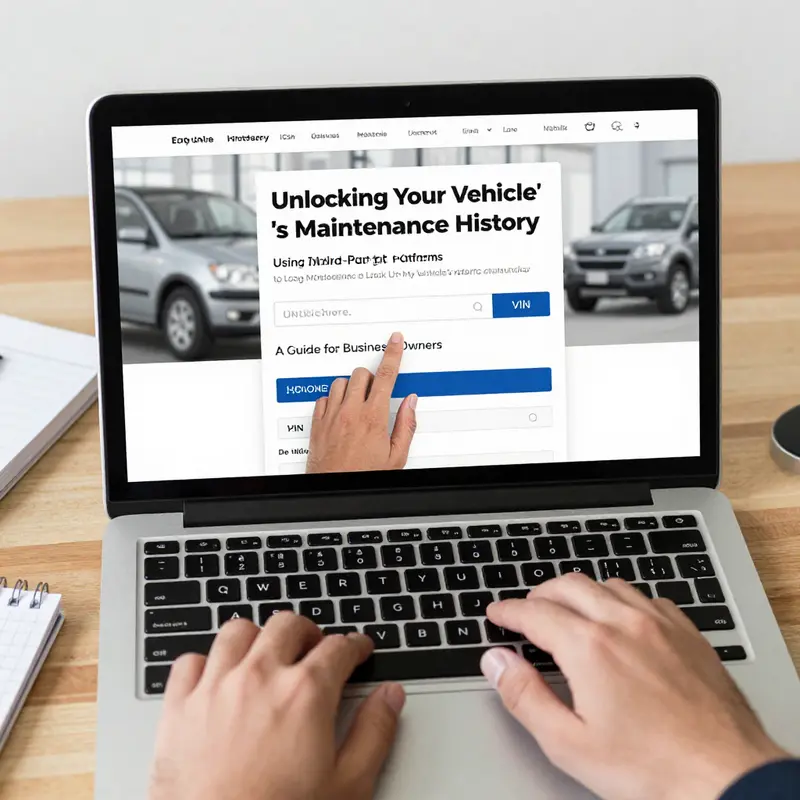
A car’s maintenance history is more than a ledger of oil changes and tire rotations. It is a narrative about how the vehicle has lived its life, where it has been serviced, and what the next owner might expect. When you hear about a third-party platform that aggregates maintenance data, you might imagine a single database that holds every repair note, every part replaced, and every mileage checkpoint. The reality is more nuanced, but the result is powerful: a single, consolidated view that can save you time, reveal hidden issues, and sharpen your decision-making when buying, selling, or simply maintaining a car you already own. Third-party platforms act as data intermediaries. They pull information from a broad ecosystem—authorized service centers, independent shops, insurance providers, and, in some regions, government or regulatory data sources. No one shop or dealer owns all the records; together they form a mosaic of the vehicle’s past. This breadth is what makes third-party history reports so valuable. They can fill gaps that a single dealership or a single app cannot, especially if the vehicle has moved through multiple owners, crossed borders, or received service at a network of different facilities. For buyers, the mosaic reduces uncertainty and the risk of unpleasant discovery after purchase. For owners, it supports proactive maintenance by highlighting recurring issues or inconsistencies in mileage data that might otherwise go unnoticed. The idea is simple in principle, but the execution depends on careful, privacy-conscious data sharing and robust verification processes. The best platforms use encryption to protect your personal details and employ secure identity checks so that the information you access really belongs to you, the rightful vehicle owner or a legitimate authorized user. You should expect a balance: broad data coverage with reasonable safeguards, rather than a perfect, unaudited panorama. That balance is why many drivers choose to consult third-party history reports alongside the official documents from their preferred dealership or the manufacturer’s own app. The combination often yields the most reliable and actionable view of a vehicle’s maintenance story.
To begin exploring these histories, you don’t need to visit a dealership or wait for a paperwork checklist to arrive in the mail. A strong third-party platform can be accessed online or through a familiar app ecosystem, making the process fast and user-friendly. The core idea is straightforward: provide your vehicle’s unique identifier, usually the VIN, and let the platform pull together maintenance and repair records from multiple sources. If you’re unfamiliar with VINs, think of it as a vehicle’s fingerprint. It is a 17-character code etched into the metal frame and listed on registration documents. Getting comfortable with the VIN is the first practical step toward a comprehensive maintenance history. Once you provide the VIN, most platforms can auto-recognize it from a photo of a document or license, which reduces manual entry errors. Errors in the VIN can lead to incorrect or irrelevant data, so a quick verification step is worth your time. A reliable third-party report should not only chronicle routine services but also flag more consequential events—accidents, insurance claims, or any status risks like liens or seizures. This broader lens makes it easier to assess whether a vehicle has been properly maintained and whether there might be hidden concerns that deserve a closer look.
Among the practical benefits of a third-party history tool is its capacity to consolidate scattered records into a single, chronological narrative. You might own a car that has visited several shops, or you could be in the market for a used vehicle with a ledger that spans multiple owners. Rather than gathering PDFs from each shop or calling a string of dealerships, the platform compiles data from diverse sources and presents it in a structured report. For many buyers, this is a leap forward in transparency. The report typically delineates each service event with a date, a mileage snapshot, the procedures performed, and the parts replaced, sometimes including part numbers and labor hours. That level of detail supports a more informed evaluation of ongoing maintenance needs. It can also help detect discrepancies. For example, if the mileage listed at a repair seems inconsistent with the vehicle’s odometer trend, or if a claimed service date does not align with standard maintenance schedules, you can pursue a deeper verification with the source data.
There are several practical steps you can take to maximize the value of a third-party history check, even if you start with a general sense of what to expect from the report. First, prepare the VIN and any relevant ownership documents in advance. A VIN is usually visible on the windshield or driver’s door jamb, but it can also appear on the vehicle’s registration and insurance papers. If you have a photo of the license or registration, some platforms can extract the VIN automatically. This reduces the chance of human error and speeds up the process. Second, review the report in a calm, methodical way. Look for a clear maintenance timeline that aligns with the vehicle’s stated mileage at each service. Pay attention to the exact services performed, the parts replaced, and the associated service centers or repair shops. High-quality reports will indicate the service location and, when possible, the shop’s credentials. This is especially important if you are evaluating a used car. The more granular the data, the easier it becomes to assess whether the vehicle has consistently received timely maintenance and whether any major components have been replaced under warranty or due to wear.
In the world of third-party data aggregation, the best platforms strive for balance. They aim to cover a wide range of data sources, while acknowledging that not every repair shop participates in every network. This means some older records or minor transactions may not appear. A practical approach is to view the third-party report as a crucial, but not exclusive, source of truth. When possible, supplement it with official dealership history, manufacturer-maintained records, or the vehicle’s insurance claims history, if accessible. The value of cross-checking across sources cannot be overstated. A precise maintenance chronology that aligns with the vehicle’s actual mileage and usage trends provides a level of confidence that is hard to achieve by relying on a single source. Consider also that many legitimate records can be missing from any one source, particularly if a shop uses independent software or if a service occurred in a country where data sharing is less standardized. A well-rounded approach recognizes the strengths and limitations of each source and uses them to build a more robust overall picture.
When you are ready to use a third-party platform, you will typically encounter a straightforward workflow that keeps the process accessible even for drivers who are not tech-savvy. You begin by selecting the service within your preferred app ecosystem or browser. The next step is to enter or confirm the VIN. If the platform supports photo input, you can snap a photo of your vehicle registration or a license, and the system will attempt to extract the VIN for you. After submission, a short wait period follows as the platform queries its data sources. In most cases, the resulting report appears within minutes, sometimes even in real time. The report is usually presented as a timeline with entries for each service event. It will list the date, the mileage, the type of service, the parts replaced, and the service center when available. Some reports also incorporate a vehicle status check, indicating whether the vehicle is currently pledged, seized, or subject to any legal claims. In other words, the report tries to tell a complete story, including any red flags that deserve attention before you make a decision.
As you read through the record, you may encounter features designed to further protect you and the integrity of the data. A number of platforms include an odometer integrity check, flagging potential tampering if the mileage shows improbable jumps or inconsistencies with the service history. Privacy safeguards are also emphasized. Your data is encrypted, and access is restricted to you or other authorized parties. It is reasonable to expect a privacy notice that explains how data is stored, for how long, and who can access it. If the service charges a fee for a detailed report, consider whether the price aligns with the depth of information provided. In many cases, a basic check may be free, with enhanced reports offering more granular data like parts numbers, labor hours, or multi-source corroboration.
A crucial nuance to keep in mind is that not all records are guaranteed to appear. Some independent repair shops may not participate in the data-sharing network, and certain jurisdictions have stricter data-sharing rules. That is why the third-party history report is most powerful when used as part of a broader, multi-source due diligence plan. If you are evaluating a potential purchase, you can compare the third-party report with the dealership’s maintenance log or the manufacturer’s service records available through the brand app. The juxtaposition often reveals patterns that neither source alone could uncover. It is not only about verifying whether a service occurred; it is about understanding the quality and timeliness of that service, the particular components that were replaced, and whether maintenance evolved in step with the vehicle’s mileage and operating conditions. When you see a consistent maintenance cadence—oil changes at regular intervals, brake services aligned with wear, and timely belt and hose checks—you gain confidence in the vehicle’s upkeep. Conversely, irregularities, such as missing service dates or unexplained gaps in maintenance, invite closer scrutiny and perhaps a consultation with a trusted technician.
To help anchor these ideas in practical steps, imagine you are considering a used vehicle. You would first obtain the third-party history report to gain an overview of maintenance activity and any red flags. Then you would verify the VIN against the registration and windshield to ensure you are looking at the correct vehicle. If the platform provides a vehicle status summary, you would check for any liens or insurance claims that could impact ownership or future resale. With this first pass, you can quickly identify areas that warrant deeper investigation, such as a high-frequency replacement of a particular component, an unusual clustering of repairs around a certain mileage, or a service history that contradicts the car’s advertised mileage. At this stage, you might choose to supplement the third-party data with direct documentation from a dealership where the car was previously serviced, or with a manufacturer’s official maintenance log if available. This layered approach increases your confidence and reduces the risk of surprises after purchase.
The value of a third-party history platform does not end with buy-sell decisions. Even as an ongoing owner, you can use these tools to optimize maintenance planning. A well-maintained vehicle benefits from a data-driven maintenance calendar. You can spot trends, such as a component approaching end of life or an upcoming service that the previous owner had neglected. This enables proactive budgeting and planning for parts replacements before a failure occurs. It also helps you communicate more effectively with your technician by providing a precise service history. When discussing future work, you can reference exact service dates, mileage, and parts replaced, which can lead to more accurate estimates and shorter repair times. If you are in the market for a pre-owned vehicle, however, the third-party history report becomes a critical risk-management tool. It may reveal a pattern of persistent issues, an odometer irregularity, or a history of accident damage that could affect safety, reliability, or resale value. In this context, the report is not a guarantee, but a highly informative signal that should prompt further due diligence with qualified professionals.
To connect these ideas with practical pointers you can apply right away, consider the following short guide. First, prepare your VIN and any relevant ownership documents before you start. A clean VIN input minimizes errors and ensures you receive the right dataset. Second, approach the report as a piece of a larger puzzle, not the entire truth on its own. Cross-check notable findings with official dealership records or the manufacturer app when possible. Third, treat privacy and security as a priority. Use platforms that encrypt data and restrict access to you, and be mindful of what you share in order to access the service. Fourth, remember that not all records will be present, especially older repairs or those from non-participating shops. Use the data you have as a guide rather than a final verdict.
If you want to deepen your understanding of how maintenance knowledge fits into broader vehicle ownership, you can explore foundational ideas about maintenance itself. For a concise primer on the purpose and scope of regular vehicle care, consider reading a resource that outlines what maintenance encompasses and why it matters for longevity and cost efficiency. This helps ground your interpretation of a maintenance history report in practical benchmarks rather than abstract concepts. What is vehicle maintenance provides a solid starting point for framing the data you uncover in a third-party history check.
In sum, third-party vehicle history platforms offer a practical, efficient means to assemble a comprehensive record of a car’s past across multiple sources. They are not a substitute for official records, but they are often the fastest, most convenient way to gain a broad perspective on maintenance, repairs, and vehicle status. When used thoughtfully and in combination with dealership records and brand apps, they empower you to make smarter decisions, from assessing resale value to planning preventive maintenance. They invite you to move beyond scattered notes and scattered PDFs toward a cohesive story you can rely on when you sit behind the wheel, negotiate a price, or schedule the next service. The better you understand the vehicle’s maintenance history, the more confidently you can steer your ownership journey. External resource for further context on data practices and platform usage can be found at the official provider’s page: https://weixin.qq.com/.
Direct Access, Trusted Records: Obtaining Your Vehicle’s Maintenance History Directly from the Original 4S Dealership

When you set out to understand a car’s past, the most trustworthy thread is the one that comes from the people who kept it running when it was new. The original manufacturer’s authorized dealership—the 4S center where the vehicle’s early life was spent—stores a detailed record of every service that was performed under warranty and paid maintenance. This is more than a log of oil changes or tire rotations. When data are kept in a dealership’s digital system, they are tied to the vehicle’s VIN, the same unique identifier that appears on the registration and often on the lower corner of the windshield. Accessing these records directly from the dealership requires a clear plan, a few documents, and a respectful approach to data privacy. Yet the payoff can be substantial: a complete, granular timeline of maintenance, repairs, parts, labor, and even diagnostic codes that reveal the vehicle’s health more precisely than any secondary report can provide. If you want to know not just what was done, but when, how many miles were on the odometer, which parts were replaced, and at what cost, the dealership path is the most authoritative route you can take. To begin, you will want to set the scene with preparation. Collect the documents that verify ownership and identity, because the dealership’s staff will need to confirm that you are authorized to view the vehicle’s records. The vehicle registration, a valid driver’s license or passport, and any relevant service documents you possess should travel with you to the visit. These items help establish a legitimate link between you and the vehicle, a crucial step for privacy protection. The VIN itself is your compass through the record-keeping maze. In many cases, the VIN is found in the vehicle’s registration certificate, which you may have in your file, or on the lower-left corner of the windshield. If you’re unsure, call ahead and confirm the exact location; dealerships are accustomed to guiding customers to the right place so that you can present the information smoothly. Once you have gathered your documents, plan a visit to the official after-sales service department at the dealership where the car was last serviced or where it has historically been tended. These departments are accustomed to handling a steady flow of owners and buyers seeking service histories, recall information, and warranty details. Your goal is to have the staff access their internal Dealer Management System, a repository built to track every appointment, every part, and every technician’s notes. This is where the real, detailed maintenance narrative lives. When you arrive, present yourself politely and clearly explain that you want the complete maintenance history for your vehicle, with the VIN as the key. The staff will guide you through the process, but the essential step is to provide your VIN and verify your identity. In many dealerships, the personnel will run a quick privacy and ownership check before unlocking the full log. If you are the registered owner or an authorized party, the system will retrieve the complete service history, dating from the earliest recorded service through the most recent visit. The moment the records load, you will be able to see dates, mileage, and descriptions for each service event. The best part is the level of detail. A typical dealership report includes the exact services performed at each visit, the parts installed (often with part numbers), the labor hours billed to each task, and the costs associated with those services. If a diagnostic process was involved, you may also see diagnostic trouble codes (DTCs) identified during inspections, along with the technician’s notes and any pertinent test results. This is the kind of information that helps you understand the car’s lifecycle in a single, manufacturer-aligned perspective, which can be invaluable when you’re evaluating a used car’s condition or planning future maintenance. You may be surprised by how much is included. The report can reveal not only routine maintenance like oil changes and filter replacements but also preventive measures that might have prevented minor issues from becoming serious repairs. It can show you when a brake fluid flush occurred, when a timing belt or chain was replaced, when parts were updated to address a recall, and the sequence of any repairs that followed. Beyond the maintenance itself, the record may capture recall history and service campaigns that affected your vehicle. In some cases, the dealership’s notes can illuminate the presence of recalls and whether tasks were completed, updated, or deferred. This broader context matters, because recalls can impact the vehicle’s safety and value, and knowing their status helps you assess risk and plan future decisions. While the depth of data is a major strength, there are practical realities to keep in mind. The dealership’s records are tied to services performed within that brand’s authorized network. If the vehicle received maintenance from independent shops or a different brand’s 4S center, those items might appear only in third-party reports or in the dealership’s own external notes, not in the original DMS entry. If you’re evaluating a car with a patchy service history, this limitation is a good reminder to cross-check with other sources for a comprehensive view. Another reality is the time and effort involved. Accessing the full log often requires a brief in-person visit, or at least a formal request processed through the dealership’s service department. In some cases, a written authorization from the owner is necessary, especially if you are reviewing the records for a vehicle you do not presently own. Even if you are the owner, the staff may ask you to sign a privacy acknowledgment to ensure you understand how the data will be used. These steps protect sensitive information and keep the process transparent. Yet the in-person nature of the dealership path also brings benefits. You get to talk with a knowledgeable staff member who can interpret the data, answer questions about the service details, and provide guidance on what the maintenance history means for your car’s current condition. If you are purchasing a used vehicle, this direct contact with the original service team offers a chance to ask questions about unusual wear patterns, the timing of critical maintenance milestones, or any repairs that occurred under warranty. In some cases, staff can also provide a readout of the vehicle’s diagnostic history in a way that is friendly to non-experts, translating jargon into practical meaning. There is also an important privacy dimension to the process. If you are not the vehicle’s registered owner, you may face additional authorization requirements. Privacy policies are designed to protect owners, and dealerships must balance customer service with legal obligations. Before you initiate a visit, a quick phone call to confirm what documentation is needed can save you a trip. If the dealership requires a specific form of authorization for non-owners, they will tell you exactly what to bring or how to proceed. Even with these constraints, the dealership path remains the most authoritative source for brand-specific diagnostics and recall history. The advantages are clear: the records come directly from the source, with the most precise mapping of services to dates and mileage, and with part numbers and labor details that other sources might approximate or omit. The specificity of the data—down to exact part numbers and the technician’s notes—can be decisive when you’re negotiating a used-car purchase or planning targeted maintenance on your own vehicle. The limitations, while real, are manageable. You may need to accept an in-person visit or a formal process, and you should be aware that independent garages and multi-brand service centers do not feed directly into a single manufacturer’s DMS. Still, the dealership’s documentation can be complemented by third-party services to build a broader picture. If you want a broader, VIN-based summary that spans multiple endpoints, you can later consult third-party platforms that aggregate records from various networks, and you can also review your manufacturer’s official app or website for brand-wide reporting. In practice, many owners use a blended approach: start with the dealership for the authoritative core history, then cross-check with third-party reports for broader coverage, and finally review the manufacturer’s own digital records for a clean maintenance timeline within that brand network. If you’re exploring these options, you may also want to connect the dealership’s insights with a general understanding of what maintenance entails. A quick refresher on maintenance categories can help you interpret the report more effectively. Maintenance is not merely about replacing worn parts; it is a proactive program that keeps the vehicle reliable, safe, and efficient. It includes routine services, inspections, software updates, and sometimes diagnostics that reveal latent issues before they become costly repairs. If you’d like to refresh your grasp of maintenance concepts while you study the history, consider a concise overview of what maintenance typically includes and why it matters. For a compact explainer, you can refer to a detailed resource that outlines the scope of vehicle maintenance and helps demystify the terminology used in service logs. What matters most is the ability to translate the data you receive into actionable steps. The dealership’s report should help you identify whether the car you are inspecting has followed a consistent maintenance trajectory, whether there were gaps that might warrant closer inspection, and whether parts replacements align with typical service intervals. If a major service milestone appears out of sequence, or if several services were performed far earlier than expected, you may want to investigate further or request more context from the service advisor. This is where the human touch of the dealership staff adds value. They can explain why certain tasks were prioritized, whether a particular component was replaced due to part wear, and how warranty coverage influenced the maintenance choices. They can also provide a sense of the vehicle’s overall health by correlating maintenance events with any diagnostic codes that appeared along the way. After you receive the record, you may decide to schedule a follow-up appointment for a more granular discussion. If the report reveals a list of pending maintenance items or recalls, the dealership can help you chart a plan that aligns with the vehicle’s age, mileage, and the manufacturer’s recommendations. At this stage, you can use the information to inform your next steps, whether you are buying the car, maintaining it, or simply staying informed as a current owner. The process is not a substitute for professional mechanical advice, but it is a powerful foundation for informed decision-making. As you close this chapter of your journey into vehicle history, you can carry forward a few practical reminders. Bring the VIN and your IDs to every visit. Expect privacy checks and potential authorization requirements if you are not the owner. Be prepared to spend time in discussion as well as in the system, because the value lies in both the records and the interpretation. And remember that while the dealership path is the most authoritative for brand-specific data, you can always supplement this with other sources to build a more complete picture. For readers who want a broader sense of how maintenance fits into vehicle ownership, a concise overview of maintenance concepts can reinforce your understanding and improve your ability to read the history you receive. This integration of primary dealership data with broader perspectives will help you approach maintenance with both confidence and curiosity. If you’d like to explore further nuance, you can keep one foot in the dealership’s domain and one in the wider ecosystem of vehicle history reporting. The dealership provides the strongest, most precise anchor for your maintenance story, while third-party summaries can offer breadth, cross-checks, and a panoramic view of the vehicle’s journey. To deepen your understanding beyond the records, you can consult a general explainer on what constitutes vehicle maintenance, which will equip you to read the notes with sharper eyes and a clearer sense of what the data imply about the car’s reliability and future needs. what is vehicle maintenance. Finally, as you move forward in this article, you will encounter other paths to maintenance history that balance convenience with completeness. A well-rounded approach often involves cross-referencing the original dealership’s history with trusted third-party platforms and with the automaker’s own digital accounts. Each path has its own strengths, and together they can provide a robust, multi-faceted view of your vehicle’s maintenance history. For readers seeking an external resource that complements the dealership record, consider looking at comprehensive vehicle history platforms that assemble data from multiple sources and present it in an accessible format. Such resources can add context to the maintenance log, enabling smarter decisions about future service and ownership. In sum, consulting the original 4S dealership offers the most authoritative and granular maintenance history. It is a direct link to the vehicle’s service DNA, anchored in the manufacturer’s own systems and the dealership’s records. When you couple this with a broader review from third-party histories and the automaker’s digital tools, you assemble a complete, credible narrative of how your car has lived and been cared for. This approach keeps you informed, prepared, and empowered to protect your investment and plan proactively for upkeep. External reference for broader context: Carfax provides a widely used vehicle history resource built around VIN data, including maintenance, title, accident, and recall information. You can explore their vehicle history overview at https://www.carfax.com/vehicle-history.
From VIN to Timeline: Accessing Your Vehicle’s Maintenance History Through Official Manufacturer Apps
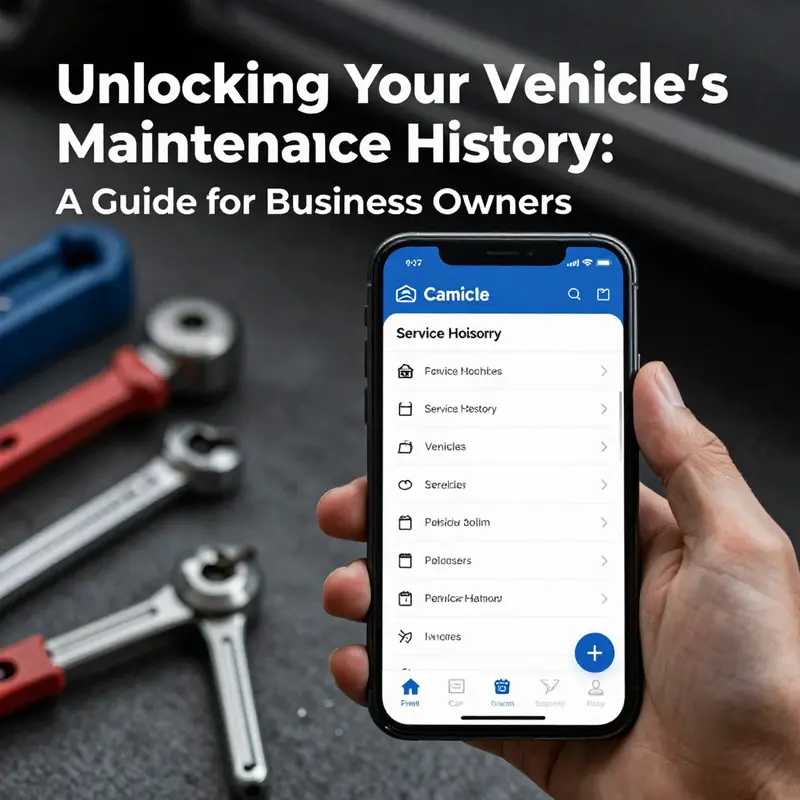
Tapping into your car’s maintenance history through the official manufacturer apps is like consulting the source of truth for the vehicle’s service timeline. These apps, tied directly to the brand’s service network, offer a streamlined, secure way to see what has been done, when, and by whom. They are designed to be user-friendly for owners, yet robust enough to provide a trusted log that can matter when you’re evaluating a used car, negotiating a trade-in, or planning future care. The experience varies a little from brand to brand, but the underlying idea is the same: bind your vehicle to your account, and you unlock a chronological ledger that grows with every authorized service. This is not merely a convenience; it can become a practical backbone for ongoing maintenance, recalls, and reminders that help you avoid gaps in care.
Setting up access to your vehicle’s maintenance history through a manufacturer’s app starts with a simple sequence. First, download the official app from the platform’s app store. The download is the easy part, but the real work happens next: creating an account, verifying your identity, and linking the vehicle to your profile. You typically provide your VIN—the 17-character Vehicle Identification Number that uniquely identifies your car—and confirm ownership through a secure process. Some brands also offer an alternative method, such as linking via the license plate or scanning a document, but the VIN remains the most reliable key. Once the vehicle is bound to your account, the app retrieves the service history from the brand’s network, which includes authorized dealership activity and service records logged into the maker’s system.
What you’ll see in the app is a clean, chronological ledger of maintenance events. Each entry generally includes the service date, the mileage at the time of service, and a concise description of what was done. If a parts replacement occurred, you may find part numbers and a brief note about the components involved. Some brands also expose labor details, including the hours billed for each service, and a running list of upcoming maintenance recommendations based on the car’s age and mileage. For owners who like the peace of mind that comes with precision, this level of detail is precisely what makes official app histories one of the most trustworthy sources for a vehicle’s maintenance story. The clarity of these records can be especially valuable for those purchasing a used car, as the data is anchored in the brand’s own service ecosystem rather than scattered across independent shops.
Beyond routine services, the manufacturer apps often include critical safety and compliance data. You may find service advisories, recall notices, and reminders tailored to your car’s maintenance calendar. The reminders are not just generic prompts; they’re informed by the vehicle’s service history, current mileage, and the manufacturer’s recommended maintenance intervals. When a service interval is approaching, the app may push a notification, nudging you to schedule a dealership visit or a certified technician appointment. This proactive approach helps owners stay on top of care before minor issues become larger problems. If you’ve ever wondered whether a particular repair was completed on a specific date, the app’s history log can usually be expanded to reveal details about the visit—such as which systems were inspected or calibrated and which parts were replaced with genuine components.
A practical nuance of using official manufacturer apps is the dependence on the brand’s own service network. The depth of data available in the history tends to reflect the activity logged inside the network’s Dealer Management System (DMS) and service records created at authorized centers. For vehicles that have seen multiple service locations, the app may merge entries from different dealerships within the same brand’s network, presenting a unified timeline. This consolidation is particularly helpful when you have owned the car through different periods or if maintenance was performed by multiple technicians across regions. Yet it’s important to recognize that the app’s history might not capture every outside service, especially if a vehicle has been serviced at independent shops that do not feed records into the maker’s system. In such cases, the app remains an authoritative source for dealership-supplied data, while you may need to supplement with receipts or third-party records to complete the picture.
From the user’s perspective, one of the strongest advantages of accessing maintenance history via manufacturer apps is the confidence that comes from data that originates from the maker’s own archives. The numbers and narratives you see—dates, mileages, tasks, and parts—are aligned with official service standards and documented maintenance schedules. This alignment is particularly valuable when you’re evaluating a vehicle’s condition for resale or resale value, as it reduces ambiguity about the care it has received. It also helps you plan preventive maintenance more effectively. When the app flags upcoming service intervals or repairs, you can book ahead with a trusted technician, ensuring that timing aligns with manufacturer recommendations. The result is a coherent, self-contained maintenance story that you can share with a prospective buyer or include in a personal record-keeping system without having to reconcile disparate sources.
To put this approach into perspective, consider how different manufacturers structure the data, while bearing in mind that the core principles remain consistent. In some brands, the service history is presented as a chronological timeline with expandable entries. You tap or click each entry to view more detail, including service notes and any relevant calibration information. In others, the history is organized by service category—such as oil changes, brake services, or tire rotations—with a clear mapping to the specific dates and mileage. Regardless of the layout, the aim is the same: deliver an honest, traceable account of what’s been done, when, and with what impact on the vehicle’s ongoing maintenance needs.
If you’re exploring how this fits into a broader maintenance strategy, you can deepen your understanding of maintenance concepts by consulting a general guide on vehicle upkeep. For a broader understanding of what maintenance entails, see What is vehicle maintenance. This resource helps frame the entries you see in the app, offering context for why certain services are recommended at particular intervals and how replacing certain parts can extend the life of your vehicle. The combination of a precise, brand-sourced history and a foundational grasp of maintenance principles creates a powerful toolkit for responsible ownership.
As you navigate the app, you’ll notice the importance of accurate identity verification and secure access. Manufacturers place a premium on ensuring that only the rightful owner or an authorized user can view a vehicle’s service history. This is typically achieved through a multi-step authentication process during account creation and device linkage. If you ever lose access, the remedy usually involves re-verifying your identity and re-linking the vehicle to your account. In practice, this is a straightforward sequence, but it underscores a key point: the history you access within the app is as reliable as the security measures guarding it. Protect your login credentials, enable any available two-factor authentication, and be mindful of shared devices to maintain the integrity of your vehicle’s maintenance record.
The practical value of manufacturer app histories becomes even clearer when you’re moving between ownership arrangements or preparing for a sale. A well-documented service timeline, supported by the maker’s records, helps establish trust with a buyer by presenting verifiable maintenance milestones. It can also simplify service planning after a purchase, because you can review past work and set expectations for upcoming intervals. The knowledge you gain from these official records complements the broader maintenance ecosystem discussed in other parts of this guide. While third-party platforms can aggregate data from multiple sources, and local dealership visits can yield granular detail, the manufacturer’s app offers a direct, auditable link to the brand’s service network—an anchor you can rely on when history accuracy matters most.
It is worth noting that, while the app is a powerful tool, it is not a complete substitute for every possible record. Independent repairs, aftermarket services, or non-dealer maintenance may not appear in the maker’s system unless the shop participates in the brand’s data feed or you manually upload receipts. In practice, many owners use a hybrid approach: lean on the manufacturer app for an authoritative base history and supplement with receipts from non-dealer services to achieve a full picture. The combination provides both the reliability of official data and the completeness that comes from broader maintenance activity. This balanced approach is especially useful when evaluating a used vehicle, as it guards against gaps that might otherwise emerge if you relied on a single source.
If you are curious about the long-term value of maintaining a robust digital record, remember that the app’s history is more than a ledger; it’s evidence of ongoing care. Regular servicing at authorized centers often aligns with better resale prospects and can support continued performance and warranty coverage. When you plan to keep a vehicle for many years, the habit of checking and updating this history—alongside your personal receipts—helps you make informed decisions about future maintenance, part replacements, and potential upgrades. On busy days, the app can serve as a quick check to confirm that a recommended service has already been completed, or to forecast when the next visit should occur, which brings a sense of order to an otherwise complex maintenance landscape.
In sum, accessing maintenance history through official manufacturer apps is a reliable, efficient way to track your car’s service timeline directly from the source. It places the most relevant data at your fingertips, supports smarter ownership decisions, and integrates smoothly with reminders and planning tools that help you stay ahead of wear and tear. As you grow more comfortable with this approach, you’ll likely appreciate how the app complements other methods discussed in this guide, creating a comprehensive, layered view of your vehicle’s past, present, and planned maintenance. For those seeking a broader understanding of how maintenance fits into overall vehicle stewardship, a quick read on What is vehicle maintenance provides helpful context, while this chapter focuses on the practical, brand-connected pathway to your car’s maintenance history. If you want to explore further into the manufacturer’s own support portal, you can see how a representative brand structures its owner resources and service history features.
External reference for additional context: official manufacturer maintenance portal
Harmonizing Signals: A Cohesive, Multi-Source Approach to Uncovering Your Vehicle’s Maintenance History
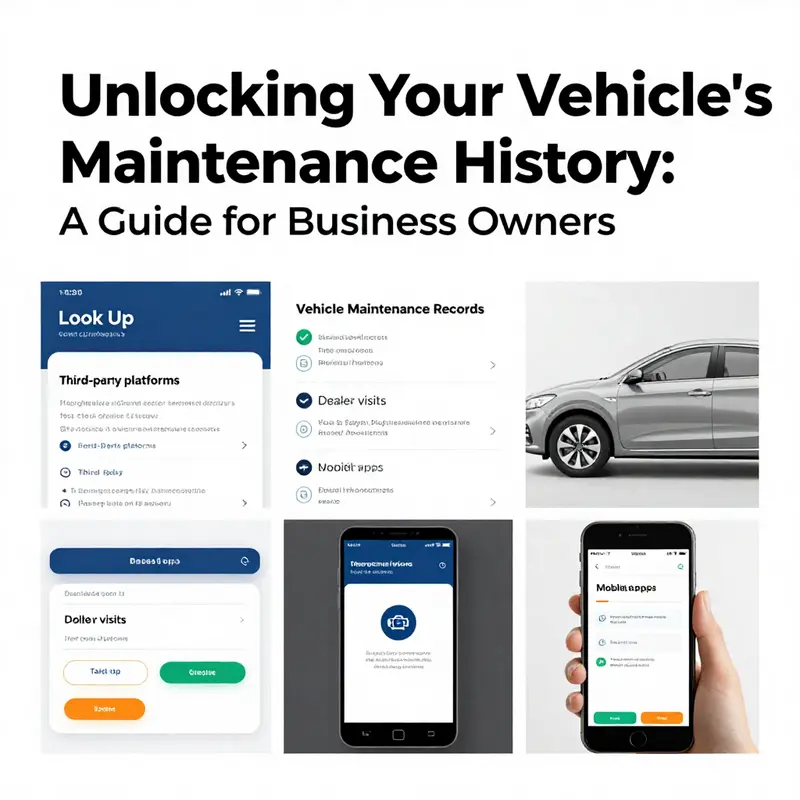
Tracing a vehicle’s maintenance history is less a single search and more a careful synthesis of multiple data streams. Each source holds a piece of the truth, and when you combine them, you get a clearer picture of how well a car has been cared for, what repairs it has undergone, and whether it has stayed on or fallen off the manufacturer’s recommended service schedule. This chapter weaves together the most reliable methods into a practical, layered approach. It respects the reality that no one source is perfect, yet together they point toward a trustworthy narrative of a vehicle’s life. If you’re evaluating a used car or simply trying to understand your own maintenance past, the path forward is to assemble evidence from trusted providers, cross-check critical entries, and keep a personal log that complements what you discover elsewhere. For a foundational context on maintenance itself, consider the brief explainer What is vehicle maintenance. This grounding helps you distinguish routine upkeep from major repairs, and it clarifies why certain data points matter when you assemble a history report.
The most efficient starting point is a trusted third‑party vehicle history platform. This approach is widely regarded as the fastest route to a complete picture because it aggregates data from numerous sources, reducing the guesswork that often accompanies scattered receipts and disconnected records. In the real world, such platforms pull data from a network of 4S shops, independent repair centers, and sometimes even insurers or fleet records. The value proposition is straightforward: you obtain a consolidated history rather than chasing down each service slip separately. When you access the platform, you typically enter the 17‑digit VIN or upload a license‑related document to trigger an automatic VIN recognition process. The resulting report usually spans maintenance and repair visits, dates, mileage at service, parts replaced, labor hours, and the costs associated with each service. And in many markets, the same report extends beyond routine maintenance to flag accident histories, insurance claims, and even the vehicle’s status in terms of liens or seizures. This breadth is precisely what makes the third‑party approach so appealing, especially for buyers of used cars who want a holistic sense of the vehicle’s condition before committing to a purchase.
From a practical standpoint, the why behind this method is simple: it overcomes the data silos that can plague a single shop’s records or a single dealership’s archive. When you review a comprehensive history from a third‑party source, you can translate the information into a reliable maintenance cadence. You can verify that oil changes occurred at the manufacturer’s suggested intervals, confirm that brakes were replaced at a standard mileage, and detect any red flags such as gaps in maintenance that could indicate neglect or undisclosed issues. At their best, these platforms also verify odometer readings, helping to catch anomalies that might otherwise go unnoticed. This level of cross‑checking is especially important in a used‑car transaction where misrepresented service histories can mask serious underlying problems. The value of the third‑party route is thus twofold: it provides a broad, efficient snapshot and offers a safeguard against omitted or altered data by triangulating multiple data sources.
For many readers, the next layer of reliability lies with the original 4S dealership where the car was serviced—especially if the vehicle has a long and consistent service history within a single brand’s network. Dealerships develop an intimate, brand‑specific archive through their internal Dealer Management System, which tracks every service event conducted at their location. When you contact the dealership, you’ll typically provide the VIN along with valid identification. The service team then retrieves the complete service history from their DMS, presenting a granular log that is hard to match elsewhere. Expect dates and mileages for each visit, a precise list of the maintenance tasks performed, the exact parts replaced (often with part numbers), the labor hours billed, and the costs associated with each service. In other words, you receive a level of detail that is exceptionally precise and brand‑specific, including alignment with the manufacturer’s recommended maintenance schedule. The limitation, of course, is scope: the dealership’s records are most comprehensive for work done within that brand’s network, and any repairs performed at independent shops or by other brands may not appear in the same chronicle. Still, when a brand’s dealership has stewarded the majority of maintenance history, the dealership record can become the backbone of your understanding of the vehicle’s upkeep.
Another layer comes from the car manufacturer’s own digital ecosystem. Many automakers offer owner portals or dedicated apps that connect to their service networks. After linking your VIN and vehicle, you can access a maintenance or service history section that presents a clean, chronological log of all work performed at authorized service centers within that brand’s network. This source tends to be highly user‑friendly, designed with owners in mind, and it aligns with the manufacturer’s service schedules. The advantages include immediacy and clarity: you can see upcoming maintenance reminders alongside past services, a feature particularly helpful for owners who want to stay on top of the schedule. The data may be limited to authorized dealerships, but its trustworthiness is high because it originates from the brand’s own service ecosystem. If you are managing a vehicle across several brands or you want to keep a close eye on how well a current owner is adhering to maintenance guidelines, the manufacturer app or portal is a reliable companion to the dealership records.
A fourth dimension worth incorporating is insurance claim history. While not a daily maintenance ledger, insurance data can illuminate major repairs arising from accidents or significant damage. If you contact your insurer with the VIN and proof of ownership, you can request a summary of past claims related to the vehicle. This information helps you identify major structural repairs, airbag deployments, or other events that could have altered the vehicle’s condition or its maintenance needs. The strength of this source is about risk framing rather than regular service details. It shines when you want to assess whether the car has endured major events that could influence long‑term reliability or resale value. Used car buyers, in particular, benefit from this cross‑check against the maintenance narrative you’re building, ensuring that a past incident didn’t silently reshape the vehicle’s maintenance requirements.
Alongside these digital channels, there remains value in physical and digital owner records from previous owners or sellers. Service invoices, stamped maintenance logs, or digital backups tucked away in emails or cloud drives can offer confirmation for routine upkeep. These documents may accompany the vehicle when it changes hands, and they provide a direct, human‑authored trail of care. They can illuminate patterns that data from platforms might miss, such as the timing of more mundane preventive services or the use of specific shop practices that aren’t always captured by larger data aggregators. When you combine seller records with platform data and dealership histories, you create a triangulated view that is both broad and precise.
As you combine these sources, a practical, layered approach emerges. Start with the third‑party platform to secure a broad, consolidated snapshot. This is the quickest way to spot obvious gaps or inconsistencies, such as long stretches without service entries or suspicious mileage leaps. Then, pursue the most authoritative source within the vehicle’s brand by contacting the original 4S dealership(s) that serviced the car. Their records will likely capture the finest details—exact part numbers, labor hours, and the nuanced notes that accompany each service. After confirming the high‑fidelity dealer data, log into the car maker’s official app or portal to corroborate the narrative with the brand’s own view of history across its network. Finally, check the insurance history for any major, non‑routine events that could have redirected maintenance priorities or triggered additional repairs. If available, request the seller’s documentation to cross‑verify all the entries you have gathered. This staged approach maximizes accuracy while minimizing the chance that you miss critical data.
In practice, the integration looks like a layered file of evidence. The third‑party platform provides a broad stroke: a complete maintenance backdrop, mileage corroboration, and a sense of how the vehicle’s life has unfolded across different repair ecosystems. The 4S dealership adds the precision: it confirms the exact services and parts, with the chain of custody for each maintenance action. The manufacturer app shows the owner’s point of view, including reminders, upcoming needs, and the alignment between what was done and what the manufacturer recommends. Insurance clues fill in the gaps for significant events, while seller records anchor the story in the vehicle’s most recent stewardship. Taken together, these data strands form a cohesive, defensible maintenance history that supports informed decisions—whether you’re buying, selling, or simply maintaining the vehicle more intelligently.
The narrative of history also becomes a practical workflow. When you begin, you should access the third‑party platform first. Use the VIN or the registration‑certificate image to unlock a consolidated report that highlights maintenance events, repairs, mileage at service, and any flagged odometer concerns. If the report reveals long gaps or unusual periods of no documented maintenance, that becomes a cue to contact the original brand dealership. A quick call or visit to the dealership will often yield a complete internal log, including parts lists and labor specifics that help verify or dispute entries from the third party. After you’ve confirmed the key items, you can check the manufacturer app for a corroborating, brand‑level narrative. The app can also reveal maintenance reminders you may have overlooked, which in turn helps you plan future service more effectively. If the vehicle has seen major incidents, policy claims data from the insurer can help you understand the broader context of repairs and any subsequent maintenance needs. Finally, bring in the seller’s documents for a final cross‑check. When these layers align, you gain a robust, trustworthy understanding of the vehicle’s maintenance history that is far stronger than any single source could offer.
This integrated approach is not merely practical; it is prudent. It protects you from overreliance on a single institution’s memory or a single dealership’s bookkeeping. It acknowledges that true maintenance history is a lifecycle story, extending from routine oil changes to the occasional major repair and even to the legal status of the vehicle’s ownership and claims. The result is a report you can rely on when negotiating price, deciding whether to invest in upcoming maintenance, or simply certifying to yourself that the vehicle you rely on every day has been cared for as the manufacturer recommends. If you are building a personal process, start with the broad, multi‑source view, then drill down into brand specifics and finally confirm any critical details with direct documentation from the seller. The goal is not perfection, but a high‑confidence portrait of the car’s upkeep that serves your needs as a current owner or prospective buyer.
In closing, the layered method described here is a practical embodiment of the idea that maintenance history is best understood through integration. It leverages the speed and coverage of a third‑party history platform, the precision and depth of the original dealership, the authoritative alignment of the manufacturer’s app, the risk‑aware lens of insurer data, and the tangible reassurance of owner records. By weaving these threads together, you can arrive at a far more solid conclusion about a vehicle’s condition and its care history. This approach positions you to make informed decisions, protect your investment, and maintain the integrity of the vehicle you depend on. For readers seeking a deeper dive into the multi‑source logic driving these recommendations, consider exploring the linked internal resource on vehicle maintenance to ground the approach in a clear definition of routine care and its implications for history accuracy. And as a real‑world reference, the HouCheKan platform serves as a useful external case study for how cross‑system data can coalesce into a single, trustworthy narrative about a car’s past. Access to such consolidated data, when used responsibly, can transform the way you understand, evaluate, and care for your vehicle.
External resource:
- HouCheKan overview and data consolidation guide: https://mp.weixin.qq.com/s/5a0e2b8c3d9f7e4f8d6a5c1b3e7a6d5c
Final thoughts
Accessing your vehicle’s maintenance history is not just a necessity but a strategic advantage for business owners. By using a combination of third-party platforms, consulting original dealerships, and leveraging manufacturer apps, you can ensure your fleet remains in peak condition. Embrace these tools to enhance your operational efficiency and make informed decisions that keep your business moving forward.