
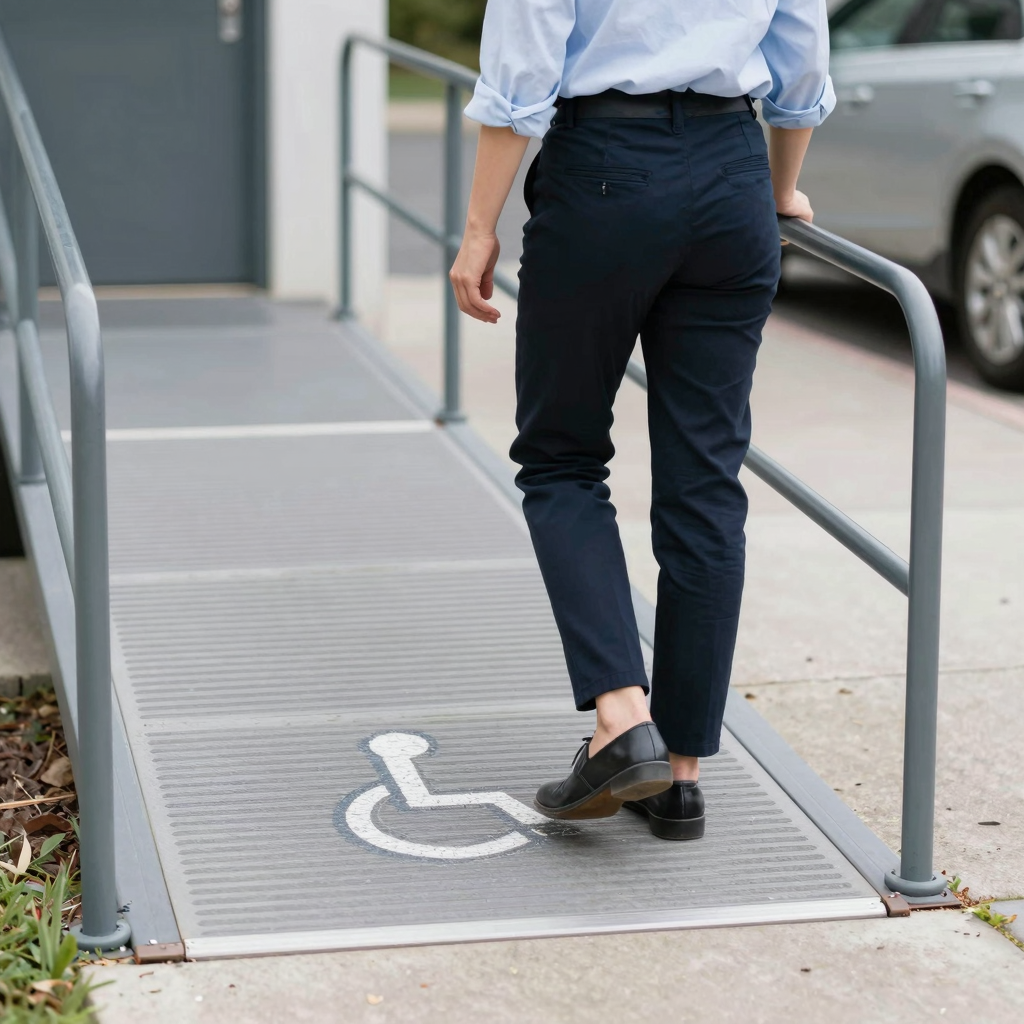
In today’s competitive marketplace, business owners must recognize the profound importance of maintaining handicap vehicle ramps. These ramps are not just structural features; they symbolize inclusivity and accessibility for disabled customers. Reliable ramps can significantly enhance customer satisfaction, enabling individuals with mobility challenges to access services and products effortlessly. A well-maintained vehicle ramp fosters trust and assurance, demonstrating that a business genuinely cares about the needs of all its patrons. Moreover, investing in regular ramp maintenance not only protects against potential safety hazards but also boosts the business’s reputation within the community. By ensuring that these essential access points are in excellent working condition, business owners can create a welcoming environment that encourages repeat visits, thus driving growth and long-term loyalty. Learn more about business accessibility strategies. A proactive approach to vehicle ramp maintenance can make all the difference in customer experience!
Types of Handicap Vehicle Ramps and Their Maintenance
Handicap vehicle ramps are essential for ensuring accessibility to vehicles for individuals with mobility challenges. Business owners should be aware of the three main types of ramps: portable, fixed, and automated. Each type comes with its specific maintenance requirements that are crucial for safety and usability.
1. Portable Ramps
Portable ramps are lightweight and easy to transport, making them suitable for various locations, including homes, offices, and event venues. Common materials include aluminum and fiberglass. Maintenance Requirements:
- Regular inspection for structural integrity, focusing on cracks or corrosion.
- Lubrication of moving parts, such as hinges and joints, at least once every three months.
- Cleaning of surfaces to prevent slipping and accumulation of debris.
- Checking for wear on non-slip surfaces to ensure grip and safety.
- Proper storage in a dry area to prevent weather-related damage.
2. Fixed (Built-in) Ramps
These ramps are typically installed permanently at vehicle entry points and can be made of various materials, including concrete or metal. Maintenance Requirements:
- Routine inspections of mounting bolts and structural supports to maintain stability.
- Periodic cleaning to keep drainage systems functioning.
- Checking for signs of rust or other material degradation.
3. Automated Ramps
Automated ramps are designed to assist in raising and lowering individuals in wheelchairs smoothly. They often include electrical systems for ease of use. Maintenance Requirements:
- Regular electrical checks on wiring and motor functions.
- Lubrication of mechanical components to ensure smooth operation.
- Battery maintenance if applicable, with monthly health checks.
- Professional servicing every 6-12 months to ensure compliance with safety standards.
For more about the specifics of vehicle maintenance and preserving accessibility equipment, read more on our blog.
Comparison of Handicap Vehicle Ramp Maintenance Services
When it comes to maintaining handicap vehicle ramps, business owners need reliable service providers who can offer comprehensive support. Below is a comparison table of various ramp maintenance services that include their offerings, costs, and customer reviews to help you make informed choices.
| Company | Service Offerings | Average Cost | Customer Rating (out of 5) | Highlights |
|---|---|---|---|---|
| AccessPro | Routine inspections, hydraulic system checks | $149 – $299 | 4.8 | Nationwide coverage with fixed pricing; over 1,200 reviews. |
| MobilityFix | On-site visits, full motorized ramp replacements | Starting at $175 | 4.9 | Personalized service with quick response times. |
| AutoMobility Care | Standardized repair packages | $210 | 4.6 | Near nationwide service; good for predictable costs. |
| Local Technicians | General repairs, adjustments, preventive services | $75 – $120 (adjustments), $800 – $1,500 (replacements) | 4.5 | 15-25% cheaper than national chains; flexible scheduling. |
Key Considerations:
- Service Reliability: Choose a company with a strong customer satisfaction rating.
- Cost Effectiveness: Compare the service offerings to get the best value for maintenance.
- Repair Transparency: Look for clear pricing models to avoid unexpected costs.
To delve deeper into how maintenance impacts mobility and vehicle accessibility, learn more about vehicle accessibility here. This information can help you make better decisions regarding maintenance services.
Common Maintenance Issues of Handicap Vehicle Ramps
Handicap vehicle ramps play an essential role in ensuring accessibility for individuals with mobility challenges. However, they are prone to various maintenance issues that business owners should be aware of to ensure safety and functionality. Here are some common problems:
1. Wear and Tear
Over time, frequent usage can lead to degradation of the ramp surface and structural components. Signs of wear may include cracks, uneven surfaces, or rust if made from metal. Regular inspections can help identify these issues early on to mitigate larger repairs.
2. Mechanical Failures
In manual or electric ramps, mechanical components such as motors, gears, and hydraulic systems are susceptible to failure. Common failures include malfunctioning motors, jammed gears, or broken linkages. Regular maintenance checks can catch these issues before they result in unsafe conditions.
3. Compliance with Safety Standards
Safety regulations, such as those outlined by the ADA, require ramps to meet specific design and structural standards. Non-compliance can lead to legal liabilities. Ensuring that ramps comply with current standards-like slope ratios and surface materials-is vital for safety and accessibility.
Conclusion
Regular maintenance and inspections can prolong the lifespan of handicap vehicle ramps and maintain their safety and effectiveness. Business owners should implement a routine check-up plan to address these issues promptly and ensure compliance with applicable safety regulations.
Importance of Maintaining Handicap Vehicle Ramps
Handicap vehicle ramps are essential accessibility features for individuals with disabilities. They provide a safe and reliable means of entering and exiting vehicles, enhancing mobility and independence. Business owners who cater to customers with mobility challenges must ensure that these ramps are well-maintained and inspected regularly.
Why Maintenance Matters
- Safety: A properly maintained ramp prevents accidents and ensures user safety. Worn or damaged ramps can pose significant risks.
- Compliance: Many regions have laws requiring disabled access features meet certain standards. Regular maintenance helps ensure compliance with regulations.
- Longevity: Routine checks can prolong the life of the ramp, saving costs in the long run.
For detailed information on vehicle maintenance, including ramps, don’t hesitate to explore our blog.
Where to Get Maintenance Done
Business owners can find specialized services for maintaining handicap vehicle ramps through local automotive services or companies specializing in accessibility products. Services that offer inspection and repair can ensure that the ramps are functioning optimally.
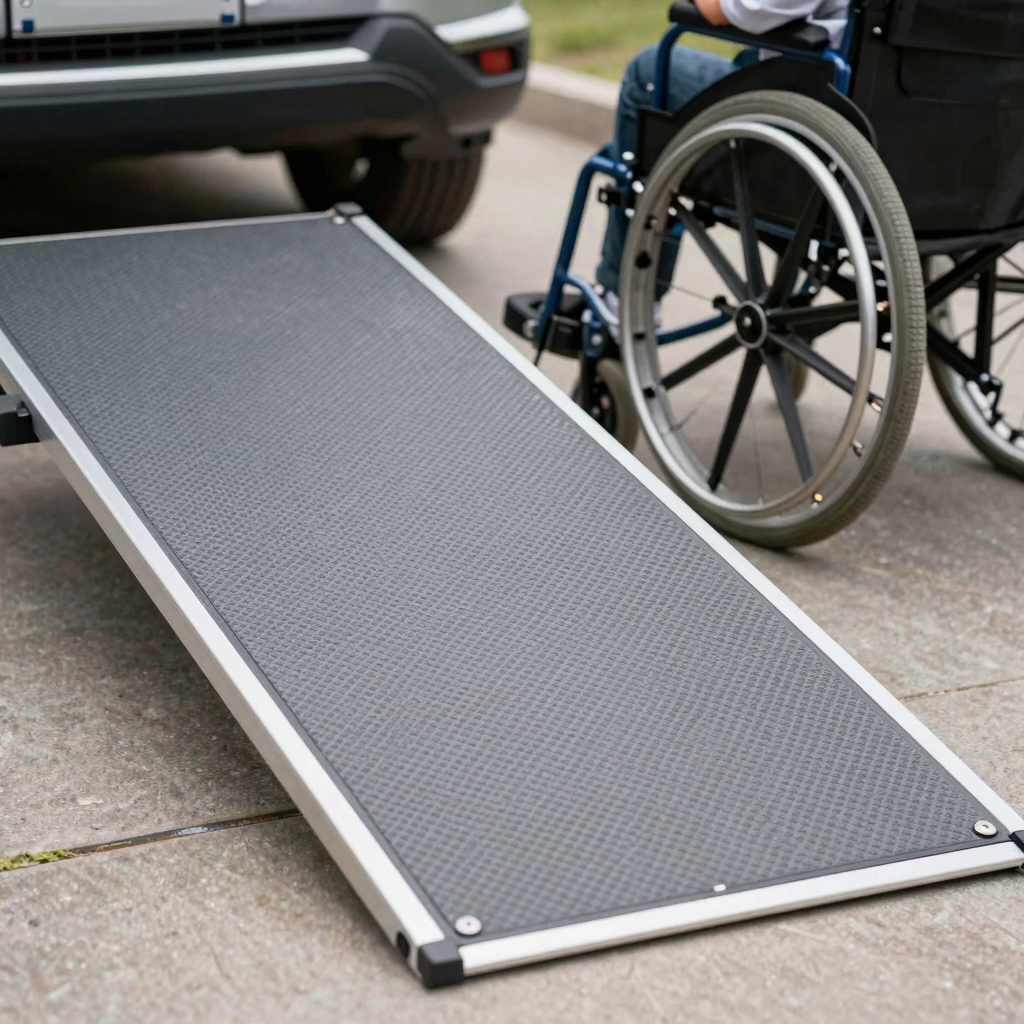
By prioritizing the upkeep of handicap vehicle ramps, you help create a more inclusive environment for all customers. Regular checks and immediate repairs when necessary promote safety and user confidence. Stay informed and proactive in maintenance to better serve your community.
Benefits of Regular Maintenance for Handicap Vehicle Ramps
Regular maintenance of handicap vehicle ramps is not just a matter of convenience; it’s essential for ensuring safety, reliability, and customer satisfaction. Here are several key benefits:
Safety
Maintaining vehicle ramps is critical for safety. Regular inspections help identify and address potential hazards such as cracks, slippery surfaces, or malfunctioning mechanisms that could lead to accidents. A study by the National Institute on Disability, Independent Living, and Rehabilitation Research suggests that routine maintenance significantly reduces the risk of injuries for users, especially during adverse weather conditions.
Reliability
Consistent maintenance ensures that ramps function correctly at all times, enhancing their reliability. A well-maintained ramp performs efficiently, allowing users to rely on it without fear of breakdowns. According to the American Society of Civil Engineers, ongoing upkeep keeps mobility ramps in good condition, preventing costly repairs and downtimes that can affect operational efficiency.
Customer Satisfaction
Reliability and safety directly impact customer satisfaction. When businesses take proactive steps to maintain their ramps, they provide a better experience for their customers, which can lead to increased loyalty and positive word-of-mouth. Satisfied users are more likely to return and recommend services to others, enhancing the reputation of the business.
In summary, regular maintenance of handicap vehicle ramps is crucial for maintaining safety, enhancing reliability, and ensuring high levels of customer satisfaction. Business owners should prioritize this aspect to not only comply with regulations but also foster a positive environment for their clients.
Where to Get Maintenance Done on Handicap Vehicle Ramps
Maintaining handicap vehicle ramps is crucial for the safety and reliability of disabled access vehicles. Whether you manage a fleet of accessible vehicles or operate a single unit, understanding where to get effective maintenance done is essential.
Importance of Regular Maintenance
Regular maintenance helps to ensure that your handicap vehicle ramp remains operational and safe for use. Neglecting maintenance can lead to breakdowns, which can be dangerous for users relying on these essential access features.
Expert Insights on Maintenance
Here are some insightful quotes from industry experts emphasizing the significance of vehicle maintenance:
“Regular vehicle maintenance is critical for safety, longevity, and fuel efficiency. According to a 2024 AAA report, 68% of drivers who follow a consistent maintenance schedule avoid major breakdowns. We recommend checking fluids, tires, brakes, and filters every 3,000 to 5,000 miles.”
- AAA (American Automobile Association)
Read more about vehicle maintenance tips here“Proactive maintenance in fleets can extend vehicle life by up to 25%. As the mobility landscape evolves, maintaining vehicles effectively will be vital to reducing urban congestion and emissions.”
- McKinsey & Company
Learn more about the future of mobility
Where to Get Maintenance Done
- Certification Centers: Look for centers that specialize in vehicle modifications for accessibility. They are often equipped to handle ramp maintenance.
- Mobile Mechanics: Some mechanics offer services that can come directly to your location, which can be particularly convenient for businesses that operate on tight schedules.
- Manufacturer Services: Always consider contacting the manufacturer of the vehicle or the ramp for authorized service options.
Maintaining your handicap vehicle ramps not only ensures safety but also extends the lifespan of your vehicles. Regular checks and adherence to professional maintenance guidelines will keep these vital access features functioning smoothly and effectively.
Hiring Professional Services for Handicap Vehicle Ramps
When it comes to maintaining handicap vehicle ramps, hiring the right professional service is critical to ensure safety, compliance, and functionality. Here are steps to guide business owners in this process:
What to Look For
-
Certification and Experience: Choose a provider that employs certified accessibility specialists. Their expertise will ensure your ramp meets ADA compliance standards and is safe for use. Look for a company with a proven track record in servicing and installing ramps for mobility vehicles.
-
Licensing and Insurance: Ensure that the service provider holds valid licenses and carries liability insurance. This protects you from any potential mishaps during maintenance or repairs.
-
Reputation and Reviews: Investigate online reviews and request references from past clients. This feedback is invaluable in gauging the reliability and quality of the service.
-
NMEDA Certification: Seek out companies certified by the National Mobility Equipment Dealers Association (NMEDA), as they adhere to strict industry safety standards
-
Maintenance Programs: Reliable service providers often offer maintenance plans, including regular inspections, repairs using OEM parts, and emergency support. This can help prolong the life of your ramp and ensure consistent safe operation.
Questions to Ask
Before finalizing your choice, it’s essential to ask the following questions:
- What are your qualifications related to wheelchair ramp safety standards?
- Do you provide on-site assessments before beginning work?
- What specific repairs do you handle? (e.g., motor issues, rail damage, or hydraulic leaks)
- Can you provide a breakdown of your pricing? Are there warranties on parts and labor?
- Have you worked with our specific ramp model or vehicle type before?
These questions can help clarify the service provider’s competence and ensure that you choose a dependable partner for your maintenance needs. To maximize safety and performance, always prioritize professionals who understand the intricacies of mobility devices, their regulations, and the best practices for care.
For a comprehensive understanding of vehicle modifications and maintenance, you can learn more about vehicle tricks and consult expert resources for ongoing upkeep and care.
Ramp Maintenance Checklist for Business Owners
Maintaining handicap vehicle ramps is crucial for safety and accessibility. Here’s a comprehensive checklist to keep your ramps in good working condition:
- Visual Inspection
- Check for cracks or bent metal components.
- Ensure all bolts and screws are tight.
- Surface Cleaning
- Clean the ramp surface with mild soap and water weekly.
- Avoid harsh chemicals that could damage the materials.
- Anti-Slip Surface Evaluation
- Inspect the anti-slip surface regularly; replace if worn or damaged.
- Corrosion Check
- Look for signs of rust or corrosion on metal parts and treat accordingly.
- Lubrication
- Lubricate hinges and locking mechanisms every six months using a silicone-based lubricant.
- Stability Test
- Before use, ensure the ramp is securely attached to the vehicle and test its stability.
- Storage
- Store the ramp in a dry, covered area when not in use to prevent wear or damage.
Following these tips will help ensure your handicap vehicle ramps remain functional and safe for users. For more in-depth maintenance tips, check out the resources from NMEDA.
Additionally, familiarize yourself with ADA guidelines for mobility ramp care for more best practices.
In conclusion, ensuring the functionality and safety of handicap vehicle ramps is crucial for empowering individuals with disabilities. Regular maintenance not only enhances the safety of users but also extends the lifecycle of the ramps and ensures compliance with ADA standards. With up to 70% of ramp-related incidents stemming from inadequate maintenance, it is imperative for business owners to prioritize routine checks and professional servicing (ADA.gov, National Mobility Equipment Dealers Association). This includes monthly inspections for wear and tear, quarterly professional maintenance, and immediate repairs for any discovered issues.
Neglecting these maintenance practices can lead to serious accidents and legal liabilities for businesses. Therefore, seek services from certified vendors who specialize in accessible vehicle ramp maintenance to ensure that every ramp functions optimally and safely.
For comprehensive insights into maintaining wheelchair-accessible vehicles and their equipment, explore more about vehicle maintenance. Act today to secure both compliance and safety-visit Truck Pizza Network for professional assistance tailored to your needs. Your commitment to maintenance will not only safeguard your investments but also uphold your commitment to accessibility for all.