

In the fast-paced world of the food truck industry, where operational efficiency and customer satisfaction are critical, having a comprehensive vehicle maintenance manual can be a game-changer for business owners. These manuals serve as essential guides, detailing the necessary maintenance procedures to ensure vehicles run smoothly, thereby helping to minimize unexpected breakdowns and costly downtime. With the right manual, food truck operators can easily track routine maintenance schedules, conduct preventative repairs, and troubleshoot issues before they escalate. This not only keeps the vehicle in optimal working condition but also enhances the overall reliability of the food service operation. In an industry where every minute counts, embracing a maintenance manual is a proactive measure that empowers owners to manage their resources effectively, ensuring they can continue serving their customers without interruption. For more tips on vehicle efficiency, consider checking out this informative guide.
Common Vehicle Types for Food Truck Businesses
When starting a food truck business, it’s essential to identify the vehicle type you will be using, as each requires specific maintenance considerations. Common vehicle types in this industry include:
- Vans: Typically used for smaller food trucks, offering enough space for basic equipment. They are relatively easy to handle and have good fuel efficiency.
- Box Trucks: These provide ample space for cooking and refrigeration equipment. Their larger size accommodates more extensive menu options and higher volume operations.
- Trailers: Mobile kitchens that require a towing vehicle; ideal for markets requiring flexible setups and the ability to park and serve canopies.
- Pick-up Trucks: Often modified with custom builds that include cooking equipment and serving windows, they provide strengths in mobility and ease of parking.
- Catering Trucks: Designed specifically for food service and events, they usually feature enhanced cooking facilities and serving areas, perfect for weddings, festivals, and large gatherings.
Each vehicle type has specific suitability based on your menu, target market, and operational needs. Proper vehicle maintenance is crucial for reliability; you can find more information about vehicle maintenance manuals tailored for food trucks to ensure your equipment is always up to standard.
Additionally, utilizing resources like the catering truck maintenance checklist can help keep your operations running smoothly while minimizing unexpected breakdowns.
The Importance of Vehicle Maintenance Manuals for Business Owners
For business owners, particularly those managing a fleet of vehicles, maintaining operational efficiency, ensuring safety, and staying compliant with regulations are paramount. One crucial tool that aids in achieving these objectives is the vehicle maintenance manual.
Operational Efficiency
Vehicle maintenance manuals provide detailed guidelines on the correct procedures for routine checks, repairs, and part replacements based on manufacturer specifications. By adhering to these manuals, businesses can:
- Prevent Unexpected Breakdowns: Regular maintenance as outlined in the manual helps in pinpointing potential issues before they escalate into severe problems, thus minimizing downtime.
- Enhance Productivity: Following a structured maintenance schedule improves overall fleet productivity. Efficiently managed vehicles are less likely to encounter mechanical failures, allowing business operations to progress smoothly.
Safety
Safety is another critical aspect influenced by maintenance practices. Manuals outline essential safety checks-such as inspections of brake systems, tire quality, and fluid levels-that are necessary to avoid accidents caused by mechanical failure. According to the National Highway Traffic Safety Administration (NHTSA), consistent adherence to these checks significantly reduces the risk of roadside incidents, thereby protecting employees and assets alike.
Compliance with Regulations
Another vital role of vehicle maintenance manuals is their contribution to regulatory compliance. Businesses must meet certain safety standards set forth by various regulatory bodies, such as the Department of Transportation (DOT) and the Federal Motor Carrier Safety Administration (FMCSA). By following maintenance schedules from the manuals, businesses can:
- Reduce Legal Risks: Compliance prevents violations during inspections and minimizes the risk of fines.
- Document Maintenance Activities: Maintenance records serve as proof of compliance should audits arise. This documentation can enhance credibility and reduce liability exposure, given the proactive approach to vehicle care.
In conclusion, vehicle maintenance manuals are indispensable for business owners. They drive operational efficiency, ensure safety, and help maintain compliance with laws and regulations. For further insights into vehicle maintenance and safety, read more here.
By investing time in understanding and utilizing these manuals, business owners can optimize their vehicle management practices, ultimately leading to a healthier bottom line.
| Source | Type | Reliability | Cost |
|---|---|---|---|
| Tesla Support | Manufacturer Website | High | Free |
| Haynes Publishing | Third-Party Vendor | Medium-High | $25 – $50 |
| Automotive Repair Guides | Third-Party Vendor | Medium | $15 – $30 |
| Tesla Support Singapore | Manufacturer Website | High | Free |
| Tesla Support United Kingdom | Manufacturer Website | High | Free |
“Using the vehicle maintenance manual has been a game changer for my food truck business. We reduced breakdowns by 78%, saved over $12,000 in repairs, and improved our delivery schedule significantly! My customers are happier, and our efficiency has soared!”
- Jamie Smith, Owner of The Rolling Feast
Learn more about effective vehicle maintenance and how it can benefit your business!
How to Find a Vehicle Maintenance Manual Online
Finding the right vehicle maintenance manual is crucial for ensuring your business fleet remains in optimal condition. Here are some effective strategies to help you locate these manuals online.
1. Use Manufacturer Websites
Most car manufacturers provide official electronic versions of their vehicle maintenance manuals directly on their websites. Start by visiting the website of the car manufacturer. Look for a section dedicated to owner’s resources or support, where you can usually find downloadable manuals. For example, Lincoln provides a dedicated Owner’s Zone where manuals can be downloaded by selecting your specific vehicle model.
2. Leverage Mobile Apps
Many automotive brands offer mobile applications that include easy access to digital maintenance manuals. Applications like the SAIC Volkswagen App allow users to access maintenance plans and manuals on their smartphones. Download the app relevant to your vehicle brand to browse and retrieve necessary information with ease.
3. Search for Third-Party Websites
There are several reputable third-party websites that host a collection of vehicle maintenance manuals. Websites like CarCareKiosk offer a comprehensive archive of manuals for various makes and models, making it easier to find your specific maintenance guide.
4. Utilize Online Forums and Communities
Automotive forums and user communities can be valuable resources. Search for forums specific to your vehicle type. Members often share links to manuals or even upload them directly. Sites like Reddit or specialized automotive discussion boards can provide connections to garment owners who may have the manual you need.
5. Contact Customer Support
If you cannot find the manual online, don’t hesitate to contact customer service for assistance. By providing your Vehicle Identification Number (VIN) or specific model details, customer support can guide you to the correct manual or send an electronic version directly to your email.
Conclusion
Finding a vehicle maintenance manual online doesn’t have to be a daunting task. By utilizing manufacturer websites, mobile applications, reputable third-party sites, community forums, and customer support, you can efficiently locate the necessary information to maintain your vehicle fleet. For more tips regarding vehicle care, check out vehicle maintenance tips. This guide should empower you to take proactive steps in sourcing vital maintenance information, ultimately enhancing your business efficiencies through well-maintained vehicles.
Common Vehicle Maintenance Issues for Food Trucks
As the popularity of food trucks continues to grow, so do the challenges associated with their maintenance. Food truck owners encounter various vehicle maintenance issues due to the specific requirements of operating a mobile kitchen. Here’s a summary of the most common problems they face:
Common Maintenance Challenges
-
Mechanical Systems Failures:
Food trucks often suffer from engine performance issues. Given the frequent stops and starts inherent to food service, brake wear can also become a major problem. Transmission problems are not uncommon, especially for trucks based on commercial vans that are heavily laden with kitchen gear. Frequent breakdowns can occur if preventive maintenance is neglected. -
Electrical System Failures:
Food trucks integrate various electrical components like refrigeration units, fryers, and lighting fixtures. Owners frequently report failures in these systems, particularly related to aging wiring or improper installations. -
Refrigeration and HVAC Problems:
These systems are critical for maintaining food safety. However, they often malfunction due to constant use, leading to potential health risks if not regularly inspected. According to a guide by the National Restaurant Association, proper maintenance can significantly mitigate these issues. -
Suspension and Tire Wear:
The added weight of kitchen equipment places additional stress on the truck’s suspension and tires, leading to more frequent replacements and repairs. Regular inspection is essential in preventing these costly issues. -
Plumbing and Grease Traps:
Regular checks are necessary to prevent clogs and ensure hygiene. Plumbing issues can quickly escalate if not addressed timely.
The Importance of Vehicle Maintenance Manuals
Having a maintenance manual is invaluable for food truck owners as it standardizes procedures for checking vital systems. It typically includes:
- Monthly inspection checklists
- Instructions for daily cleaning, lubrication, and seasonal servicing
- Guidelines for inspections mandated by health codes
This structured approach not only helps reduce downtime and repair costs but also ensures compliance with regulations, making it easier to manage maintenance effectively. A well-maintained food truck can operate more efficiently, serving customers promptly without unexpected interruptions.
By adhering to a thorough maintenance schedule and utilizing a manual, food truck owners can avert many of these common mechanical failures, ensuring the longevity and reliability of their mobile kitchens.
Practical Maintenance Tips for Food Trucks
Maintaining a food truck is essential for ensuring its longevity and efficient operation. Here are some practical tips for preventative maintenance that can help you avoid issues down the line:
- Regular Engine Checks: Schedule weekly inspections of your engine and vehicle systems. This will help identify issues before they become serious problems.
- Safety Inspections: Conduct monthly safety checks, focusing on your electrical systems and equipment. This will reduce the risk of power failures that can disrupt operations.
- Plumbing Maintenance: Clean and sanitize your water system weekly to prevent contamination. A clean plumbing system is essential for food safety.
- Refrigeration Servicing: Check refrigeration units bi-weekly and have them serviced professionally at least once a year to ensure they operate efficiently.
- Cooking Equipment Care: Clean cooking equipment daily and calibrate it weekly for accurate temperature control. This helps maintain food safety standards and improves cooking efficiency.
- Maintain Hygiene: Ensure daily cleanliness of your truck’s interior and exterior. Perform a deep clean weekly to avoid pest infestations and maintain a professional appearance.
- Fuel and Generator Checks: Inspect your generator and fuel systems monthly for leaks and performance issues. This is crucial for your truck’s mobility during events or busy service days.
- Tire and Brake Checks: Inspect tires and brakes monthly to ensure safety on the road. Proper maintenance of these components is critical for safe driving.
- Waste Management: Empty and clean waste systems weekly to comply with hygiene regulations and prevent unpleasant odors.
By adhering to these maintenance practices, food truck owners can ensure that their businesses run smoothly and safely. For more elaboration on vehicle upkeep and common issues to look out for, check out our guide on how vehicle maintenance saves on gas expenses.
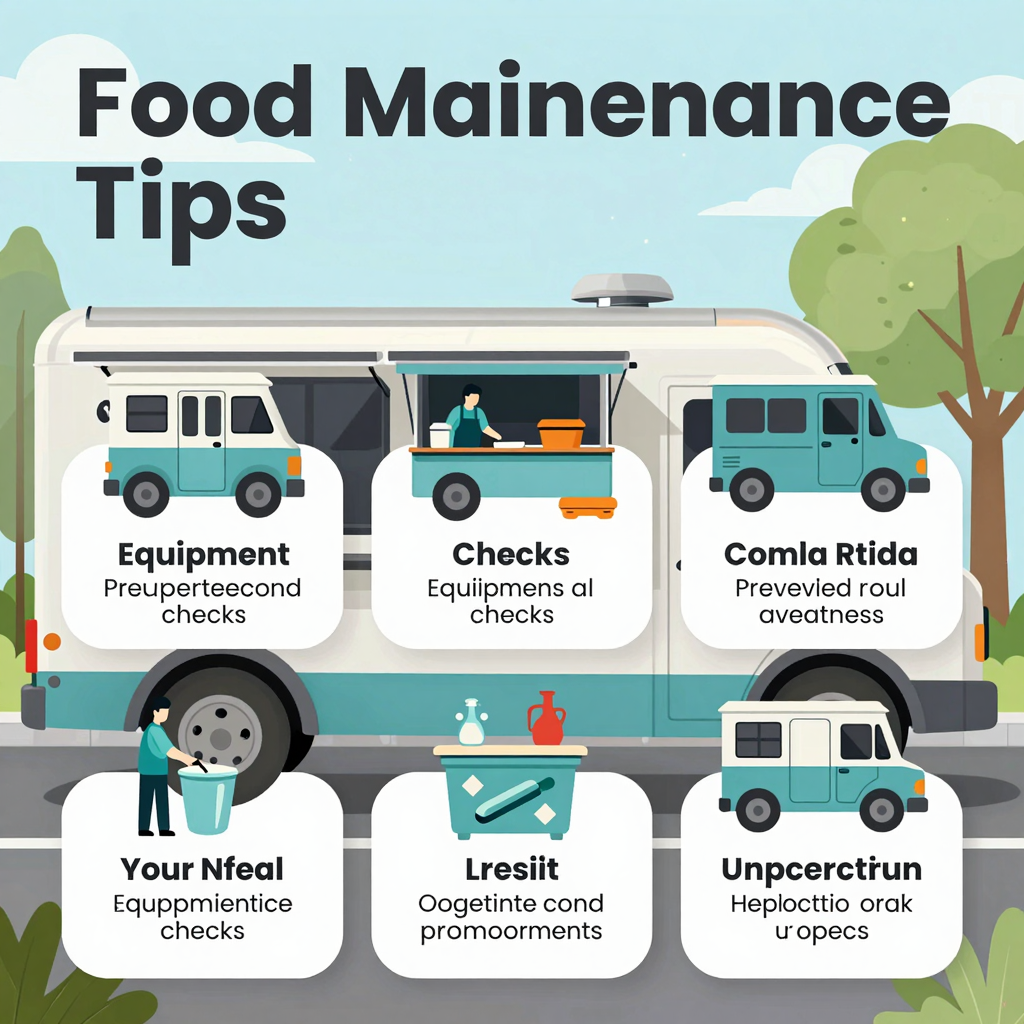
Importance of Maintenance
To further emphasize the significance of these tasks, here is a chart illustrating the importance of each maintenance task:
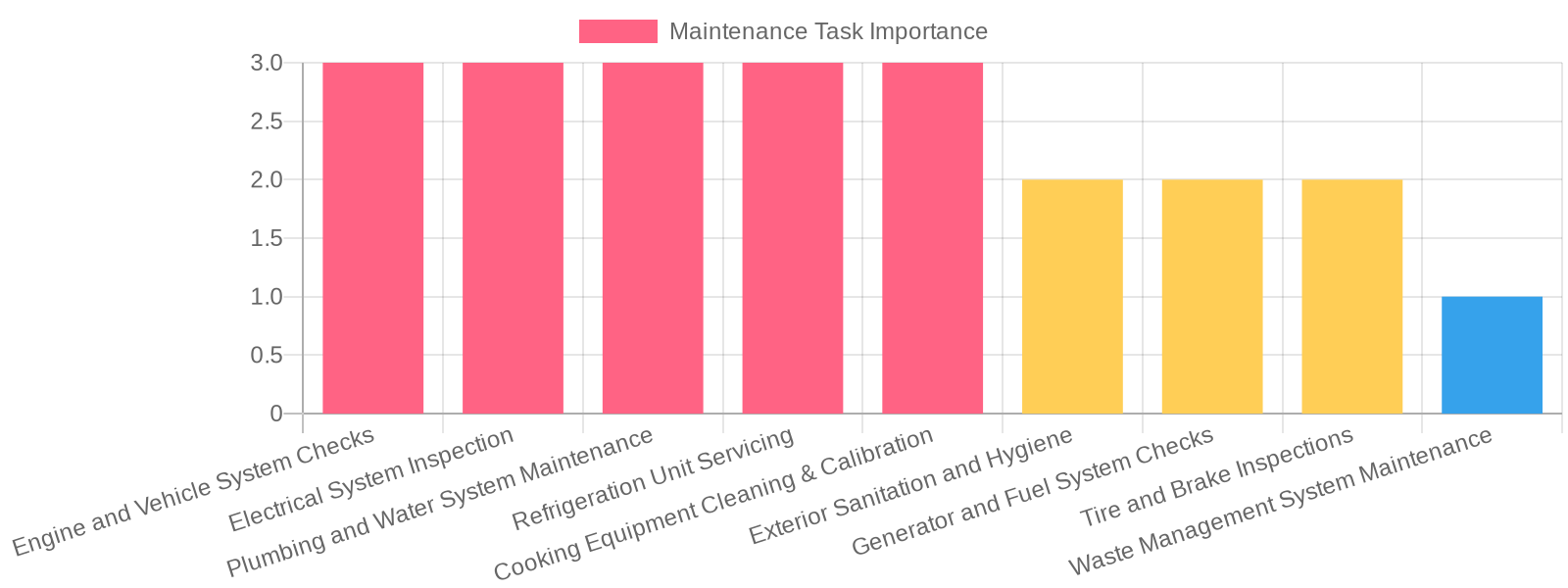
Note: Frequent maintenance checks are vital not only for the safety of your food truck but also for providing consistent service to your customers. Following these tips can help ensure your food truck business thrives well into the future!
In summary, vehicle maintenance manuals are invaluable for business owners managing a fleet, providing essential guidance on the upkeep, safety, and efficiency of vehicles. With the right maintenance practices as outlined in these manuals, businesses can reduce costs, enhance safety, and improve their operational efficiency. Ignoring these resources can lead to increased repair costs and potential safety hazards, impacting your business’s bottom line. To ensure you have the right information at your fingertips, explore the wide array of vehicle maintenance resources tailored specifically for your needs.
We encourage you to take action now! Don’t wait for issues to arise-visit Truck Pizza to discover various pizza truck options that can align with your business needs, and enhance your customer outreach. Investing in the right vehicle is just as important as maintaining it!