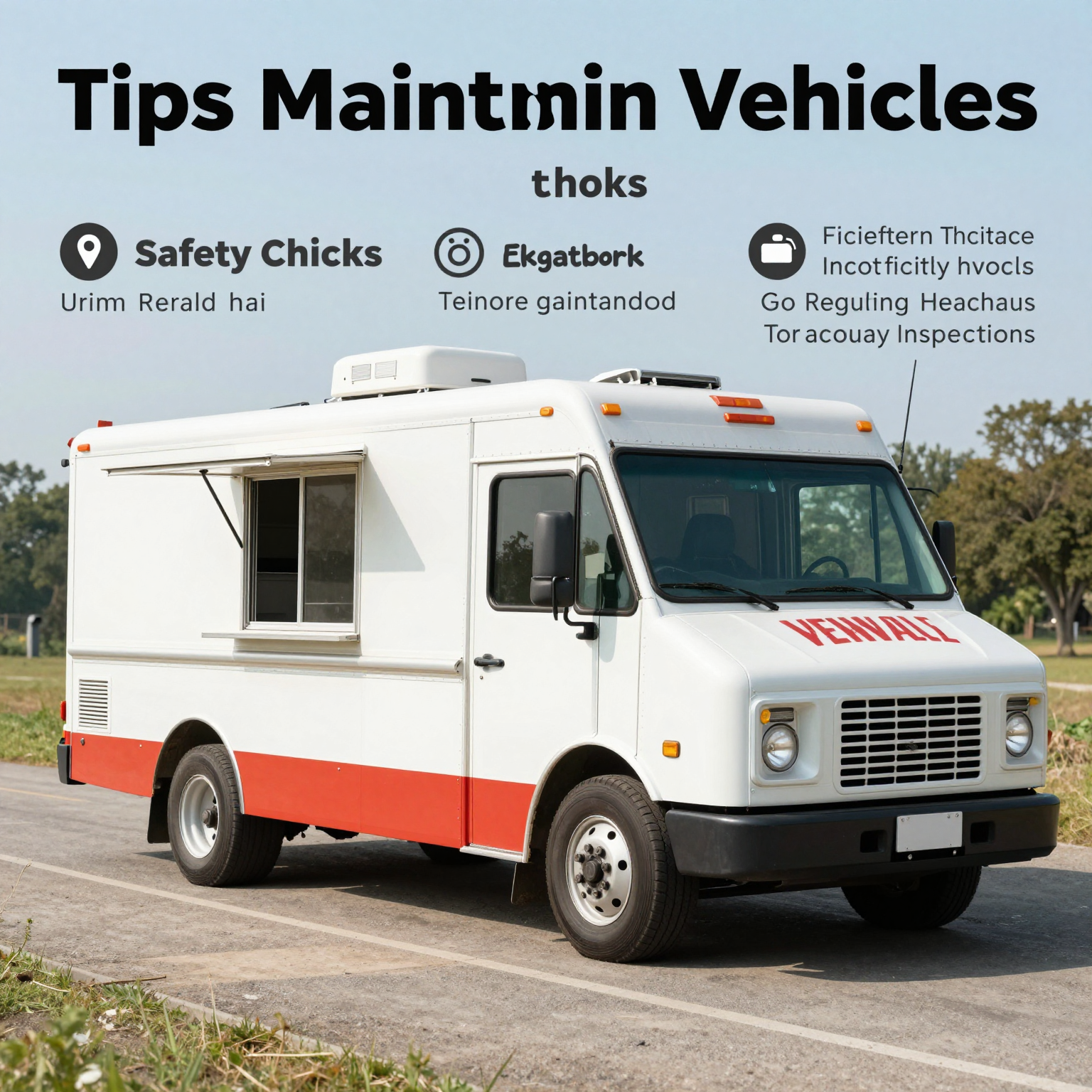

As a food truck owner, your vehicle is not just a means of transportation; it’s the heart of your business. Maintaining a comprehensive vehicle maintenance file is crucial for ensuring your mobile kitchen operates smoothly and efficiently. Keeping track of service records, repairs, and inspections can not only help you avoid costly breakdowns but also prolong the lifespan of your vehicle. Moreover, effective maintenance helps you comply with health and safety regulations, ultimately leading to enhanced customer satisfaction and operational success. With proper documentation, you can identify recurring issues, plan for future repairs, and even improve fuel efficiency-translating to substantial cost savings over time. Embracing a proactive approach to vehicle care is essential for sustaining your food truck’s reliability and success in a competitive industry. To dive deeper into effective maintenance strategies, check out our vehicle tricks blog.
Understanding the Vehicle Maintenance File
A vehicle maintenance file is an essential resource for any business that relies on vehicles, especially in industries like food transportation. This comprehensive record documents all servicing, repairs, inspections, and replacements that have occurred over the lifetime of a vehicle. For food service businesses, maintaining such a file is critical to ensure compliance with food safety regulations, prevent breakdowns, and avoid spoilage of temperature-sensitive goods.
What Does a Vehicle Maintenance File Typically Include?
A well-organized vehicle maintenance file generally contains:
- Vehicle Identification: VIN, make, model, and year of the vehicle.
- Service Logs: Dates and mileage records for all services performed.
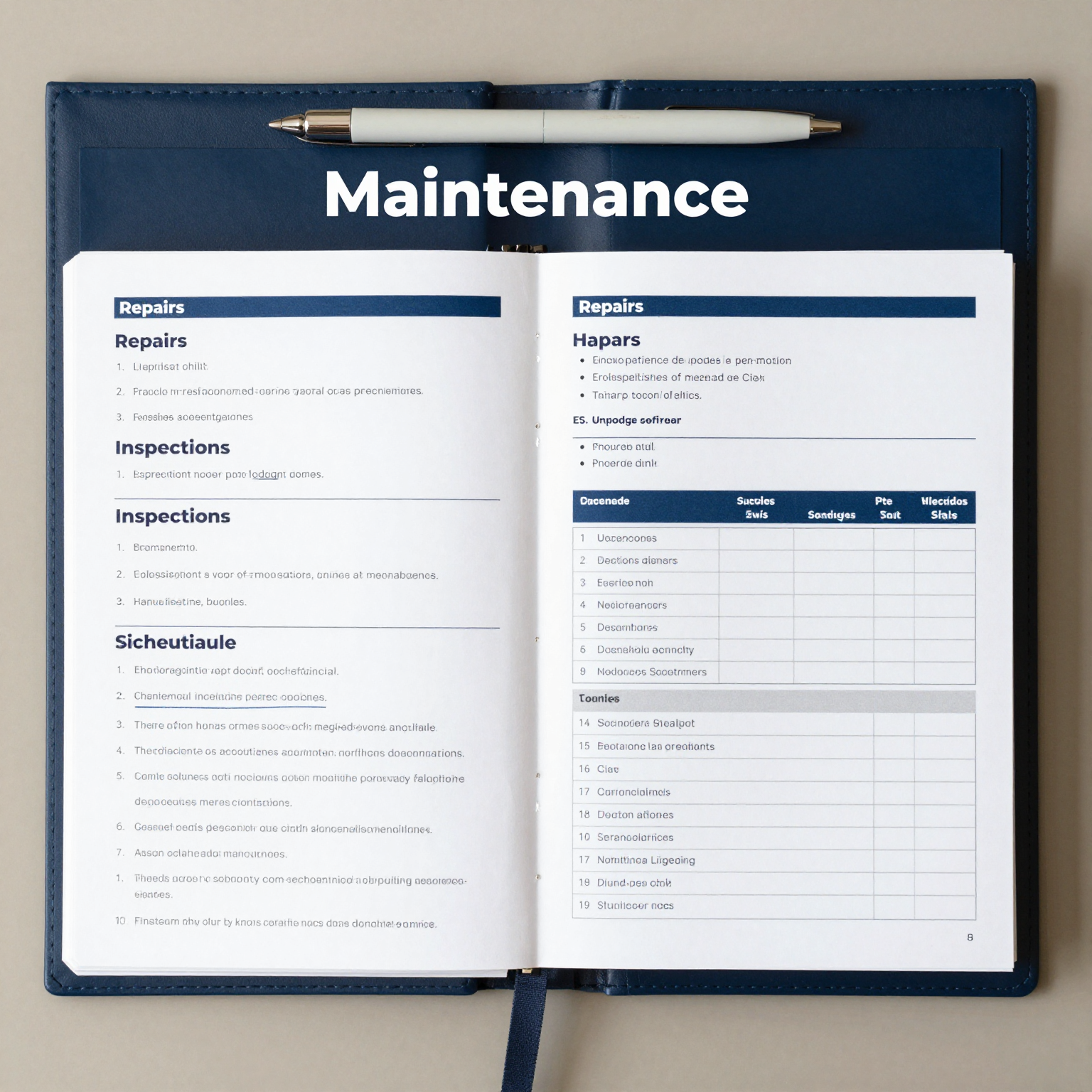
- Repair and Maintenance Records: Detailed lists of tasks completed, including parts replaced and labor hours.
- Inspection Results: Notes on critical systems such as brakes, suspension, and tires.
- Fluids Specifications: Details on oil type, fluid levels, and other consumables used during services.
These elements are crucial in providing a clear history of the vehicle’s condition, enhancing its resale value, and supporting warranty claims. Comprehensive records not only facilitate scheduled maintenance but also assist in anticipating future repair needs.
For food industry operators, ensuring vehicles are well-maintained is vital. Proper records help demonstrate compliance with USDA and FDA guidelines by validating vehicle readiness during health inspections. They also crucially support the cold chain integrity, preventing regulatory fines and reputational damage due to food spoilage.
For more insights on vehicle maintenance, consider visiting Vehicle Tricks or check out the importance of service records for thorough maintenance strategies.
In summary, a vehicle maintenance file is indispensable for business owners aiming to uphold vehicular reliability and regulatory compliance, particularly in the food sector.
Benefits of Maintaining a Vehicle Maintenance File
Keeping a well-organized vehicle maintenance file is essential for business owners managing fleets or individual vehicles. Here are the key benefits of maintaining such a file:
-
Improved Efficiency: A detailed maintenance record allows businesses to schedule service more effectively, ensuring vehicles are kept in peak operating condition. This proactive approach minimizes downtime and keeps the fleet running smoothly.
-
Reduced Costs: Regular maintenance documented in a file often prevents major repairs by addressing minor issues before they escalate. The AAA Foundation for Traffic Safety indicates that preventive measures based on maintenance logs can drastically cut repair costs over time.
-
Increased Resale Value: When it comes time to sell a vehicle, having a complete maintenance record can boost its resale value by up to 15%. Buyers are more likely to trust a vehicle that has documented evidence of regular care. Learn more about how maintenance records impact resale value.
-
Compliance with Regulations: For businesses that operate under strict regulations, such as transportation or logistics companies, keeping accurate maintenance records ensures compliance with safety standards. This can protect against legal issues and potential fines.
-
Evidence in Disputes: In the event of a warranty claim or a service dispute, having a complete file with all maintenance records can serve as essential evidence. This helps in negotiating warranty repairs or refunds effectively.
-
Peace of Mind: Knowing that your vehicle maintenance is documented provides confidence that your vehicles will perform reliably. This is crucial for business operations, where vehicle failure can lead to lost productivity and revenue.
-
Transparency with Mechanics: A well-maintained file helps mechanics understand the vehicle’s service history, allowing them to diagnose issues more accurately and efficiently, which saves both time and money.
Maintaining a vehicle maintenance file not only aids in operational efficiency but also serves as a crucial tool for ensuring your business’s investment in vehicles is protected while reducing overall expenses. Explore further on how vehicle maintenance saves on gas expenses.
Best Practices for Creating a Vehicle Maintenance File
Creating and maintaining a vehicle maintenance file is vital for ensuring the longevity and efficiency of any vehicle, especially for food truck operators. An organized maintenance file helps track repairs, inspections, and regular upkeep, which can prevent breakdowns and ensure compliance with health and safety regulations. Here are some best practices to follow:
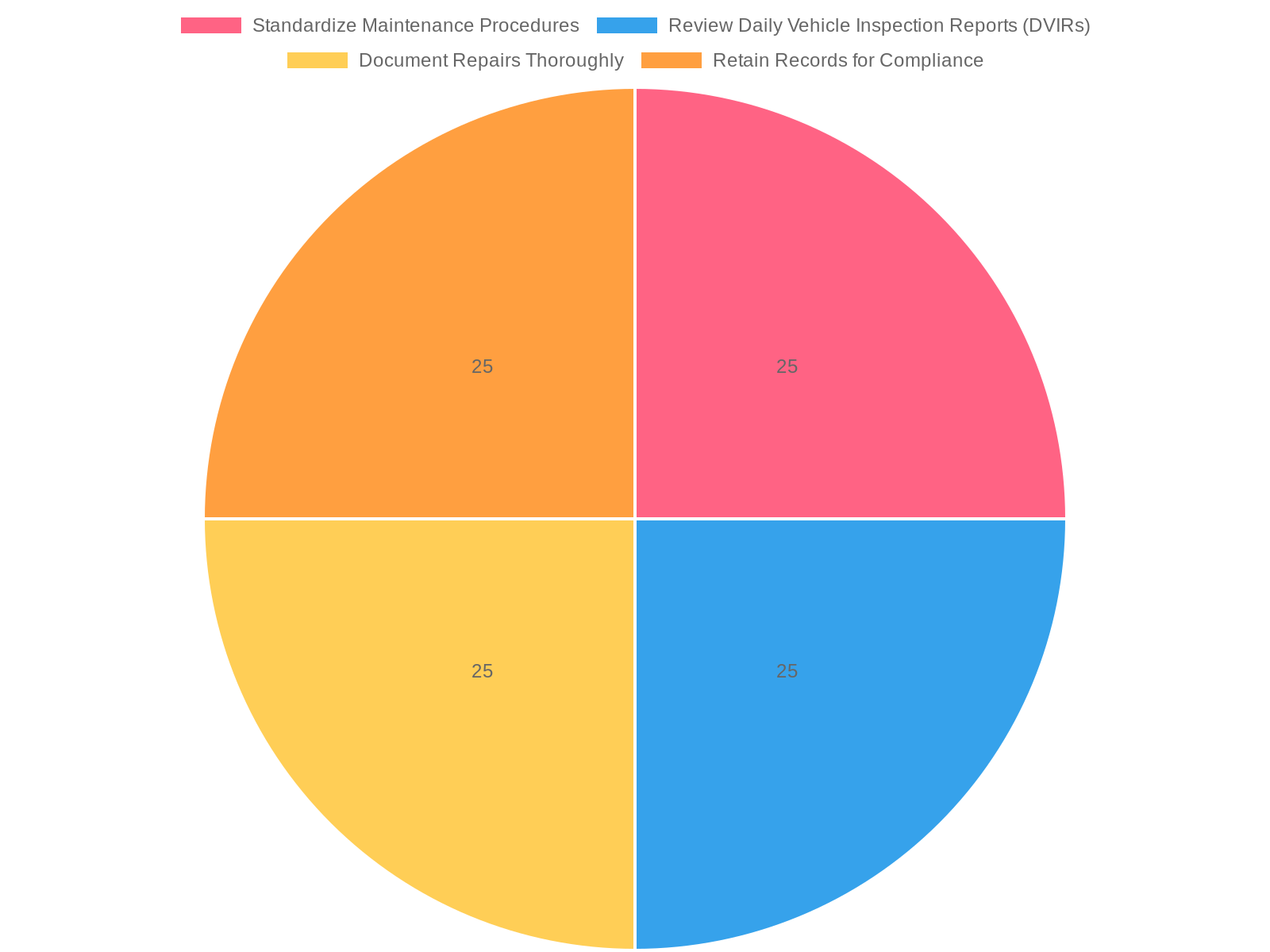
1. Standardize Maintenance Procedures
Develop a consistent approach to documenting maintenance activities. Each entry in the file should include:
- Date of maintenance
- Vehicle mileage
- Description of work performed
- Parts used
- Labor hours
- Technician name
This uniformity not only improves accuracy but also simplifies audits and ensures compliance across your fleet. For more detailed insights on vehicle maintenance procedures, read more here.
2. Review Daily Vehicle Inspection Reports (DVIRs)
Before operating any vehicle, thoroughly review daily vehicle inspection reports. Prioritize addressing safety-related defects to prevent accidents and ensure the vehicle is ready for operation. Ignoring potential issues can lead to costly repairs and jeopardize the safety of food handling services.
3. Document Repairs Thoroughly
For every repair executed, provide complete details such as:
- Nature of the defect
- Corrective action taken
- Date of repair
- Parts replaced
- Technician certification confirming completion
This creates a verifiable audit trail beneficial for compliance and future reference.
4. Retain Records for Compliance
Ensure to keep maintenance and inspection records for at least 18 months or longer per local regulations. Store these records in a secure manner-either digitally with backup systems or in organized physical files. Having readily accessible records is crucial for inspections and audits by health and safety officials.
Conclusion
For food truck operators, a well-maintained vehicle maintenance file is key. Following these best practices will not only help in maintaining the vehicle’s health but also enhance operational efficiency.
For further reading on how vehicle maintenance affects efficiency, check out our articles here.
Where to Keep Your Vehicle Maintenance File
An organized vehicle maintenance file is essential for business owners who rely on fleet management or even personal vehicles. Keeping all maintenance records in one easily accessible location helps streamline operations and ensures that each vehicle remains in optimal condition.
Importance of an Organized File
- Easy Access: Organized files allow for quick retrieval of service history, which is crucial during inspections or when selling a vehicle.
- Tracking Expenses: By maintaining a consolidated file, business owners can better track maintenance costs, helping in budget management.
- Enhancing Resale Value: A well-documented maintenance history can significantly enhance the resale value of vehicles, making it more appealing to potential buyers.
The image below illustrates an example of an organized vehicle maintenance file:
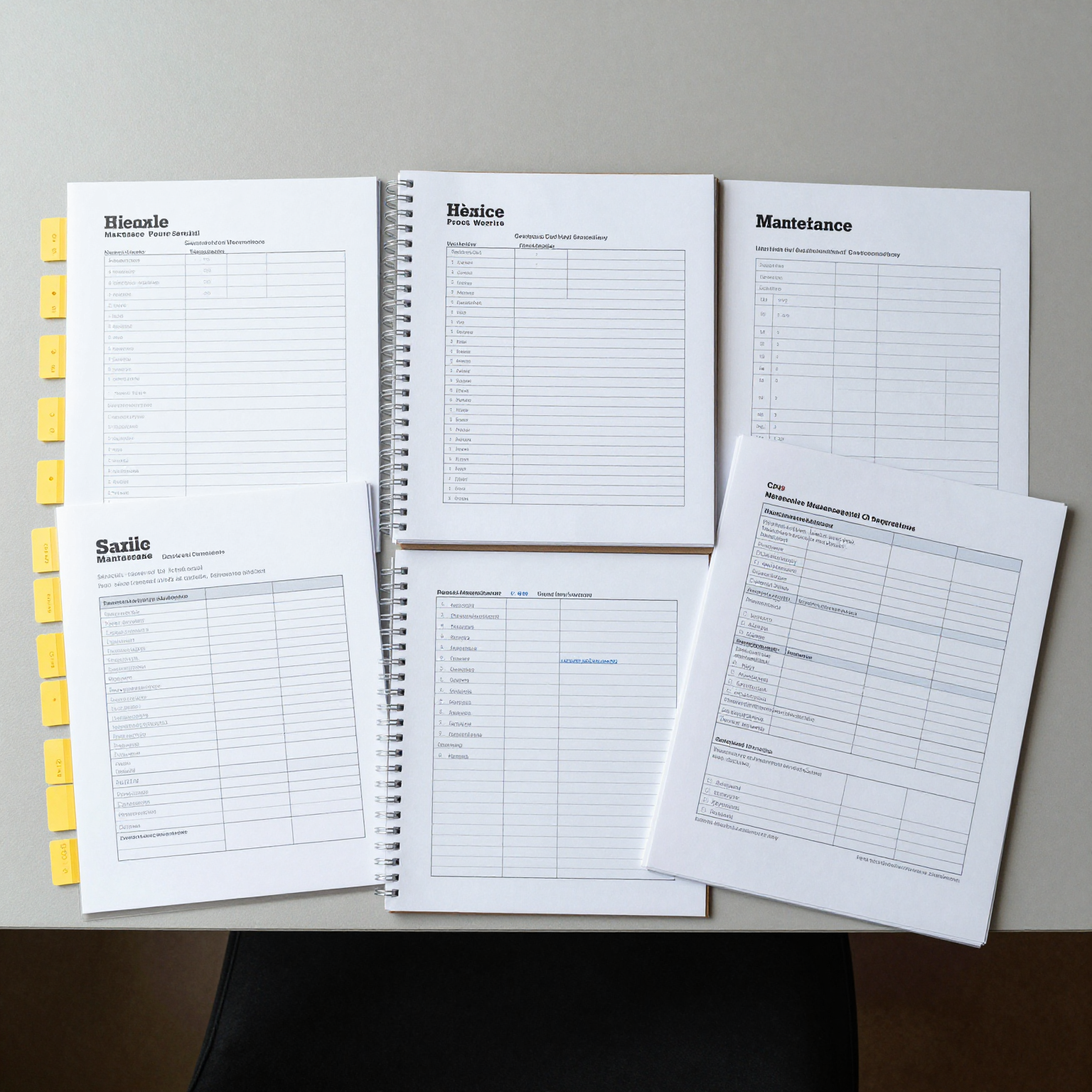
With these elements in mind, it becomes clear why investing time in organizing your vehicle maintenance file pays off. Learn more about effective vehicle management to further enhance your fleet’s performance.
Digital vs. Paper Maintenance Files
As food truck business owners, managing vehicle maintenance records is crucial for ensuring optimal performance and compliance. When deciding between digital and paper maintenance files, it is essential to weigh the pros and cons of each method.
Pros of Digital Maintenance Files:
- Accessibility: Digital files allow for instant access from anywhere, whether you’re at a food festival or managing your truck remotely. This is particularly valuable when quick reference is needed during service or repairs.
- Searchability: Digital systems often include search functions, making it easier to find specific records or documents compared to rifling through stacks of paper.
- Real-Time Updates: Digital logs can be updated immediately, ensuring that your maintenance history reflects the latest services and repairs, which can be vital when dealing with manufacturer recalls or compliance requirements.
- Environmental Benefits: Reducing paper usage not only helps save trees but also minimizes waste, which aligns with sustainable business practices, particularly significant in the food industry.
Cons of Digital Maintenance Files:
- Reliability on Technology: Digital files are dependent on technology. If there’s a device failure or a power outage, you may temporarily lose access to important records.
- Cybersecurity Risks: Digital files can be vulnerable to hacking or accidental data deletion, requiring regular backups and security measures.
Pros of Paper Maintenance Files:
- Tangible Documents: Many individuals feel more secure with physical records; they are easy to access without needing electronic devices.
- Ease of Use for Non-Tech Savvy Owners: For those who are uncomfortable with technology, paper may be more straightforward.
Cons of Paper Maintenance Files:
- Space and Accessibility: They can take up considerable space and are more difficult to organize and retrieve compared to digital records.
- Risk of Loss: Paper files can be easily lost, damaged, or destroyed, especially in case of disasters.
For food truck owners, a hybrid approach might be ideal, combining both systems to leverage the immediate benefits of digital records while retaining physical copies of critical documents for added security. For more information on how to manage vehicle maintenance effectively, learn more about vehicle maintenance strategies here.
Ultimately, the choice between digital and paper maintenance files should align with your comfort level, specific business needs, and regulatory requirements in your region.
When it comes to keeping a comprehensive vehicle maintenance file, using specialized software can streamline the process significantly. Below is a comparison of popular software options available for tracking vehicle maintenance, tailored specifically for business owners looking to enhance their fleet management.
| Software Name | Key Features | Cost (per month) | User Ratings |
|---|---|---|---|
| 途虎养车 | Vehicle maintenance tracking, appointment scheduling, repair records management | $10 | 4.8/5 |
| 汽车大师 | VIN-based repair history, diagnostic AI, comprehensive repair manuals | Free | 4.9/5 |
| 车享家 | Maintenance tracking, service appointment booking, automobile beauty services | $15 | 4.7/5 |
| 行车管家 | Real-time monitoring, fault code readings, fuel consumption tracking | $5 | 4.6/5 |
These platforms offer various functionalities, from appointment scheduling to real-time diagnostics. Depending on your specific needs, choosing the right software can significantly aid in efficient vehicle maintenance management. For more details on effectively maintaining vehicle records, learn more about vehicle maintenance strategies.
Incorporating such tools not only ensures that maintenance tasks are not overlooked, but also enhances the longevity and performance of your vehicles.
Case Study: Success Story of a Food Truck Owner’s Vehicle Maintenance Implementation
Meet Sarah, an ambitious food truck owner who launched her business, “Gourmet Tacos on Wheels,” two years ago. Realizing the importance of vehicle maintenance for her food truck’s success, she decided to implement a structured vehicle maintenance file. This file would track all maintenance activities, repairs, inspections, and fuel consumption, promoting efficiency and reducing unexpected downtime.
Implementation of the Vehicle Maintenance File
Sarah began by creating a digital maintenance file using a spreadsheet application that allowed her to log all necessary details. She entered sections for:
- Routine Checks: Oil changes, tire rotations, and brake inspections
- Repairs: Any issues faced, with dates and costs
- Fuel Records: Keeping track of fuel usage for operational insights
Benefits Experienced
Since implementing the vehicle maintenance file, Sarah witnessed numerous benefits:
- Reduced Breakdowns: With diligent tracking, her food truck experienced 40% fewer mechanical breakdowns, allowing for uninterrupted service.
- Improved Profitability: Downtime dropped significantly, leading to increased sales. Maintaining her vehicle efficiently helped ensure reliable service during peak hours.
- Enhanced Customer Trust: Consistency in service delivery boosted customer trust, leading to repeat business and positive word-of-mouth recommendations.
- Cost Management: The structured approach helped identify fuel inefficiencies and reduce maintenance costs over time, optimizing her operational budget.
Sarah’s case aligns with findings in an academic study that emphasizes the critical role of consistent vehicle maintenance in food truck operations. By prioritizing maintenance, Sarah not only improved her operational efficiency but also set a solid foundation for her food truck business’s long-term success. To learn more about effective vehicle maintenance, check out this article.
Conclusion and Call to Action
In the world of business, maintaining a well-organized vehicle maintenance file is not just a good practice-it’s essential. This file serves as a critical resource for understanding the performance and health of your fleet. According to the SBA.gov, tracking vehicle maintenance helps business owners control costs, meet safety compliance, and even enhance resale value. Having these records minimizes unexpected repairs, which can disrupt your operations and lead to financial strain.
Furthermore, the National Highway Traffic Safety Administration (NHTSA) emphasizes that properly maintained vehicles significantly reduce accident risks. A comprehensive maintenance history supports due diligence in vehicle upkeep, which can lower your liability exposure and potentially reduce insurance premiums.
By documenting your maintenance activities, you not only ensure the longevity of your vehicles but also improve your overall operational efficiency, making informed decisions about resource allocation and vehicle retirement based on empirical data.
To make the most of your vehicle maintenance strategies, consider contacting TruckPizza.net for all your pizza truck needs. Whether you are starting a new venture or looking to optimize your existing fleet, we’re here to help you succeed in the mobile food business. Don’t wait! Reach out today and drive your business forward with the right resources in hand.
Importance of Vehicle Maintenance
Maintaining a vehicle in the food truck industry isn’t just about keeping it running; it’s essential for the safety of both the food served and the customers who enjoy it. According to a recent report from the China Transportation Association,
“Mobile food trucks combine the functions of vehicles and kitchen equipment. Without regular maintenance, systems like the engine and brakes can fail, significantly increasing the risk of breakdowns. Regular maintenance is not just about ensuring safe transportation; it is crucial to maintain continuous service and avoid losing customers.”
This underscores the importance of routine checks and maintenance schedules to ensure reliability and safety in food truck operations. By keeping detailed records of vehicle maintenance, you can streamline your operations and adhere to health and safety standards. For more tips on vehicle maintenance management, visit our blog.