
As a business owner seeking used vehicles, understanding the history and safety of potential purchases is paramount. Vehicle recalls can significantly impact a vehicle’s reliability and safety, and being aware of them can inform your decisions. This article explores how Carfax reports convey vehicle recall maintenance details, the sources of their data, the significance for buyers, and how to interpret the information. In doing so, we aim to equip you with the knowledge to make informed decisions while navigating the used vehicle market, ensuring your operations run smoothly and safely.
Beyond the Recall Box: How Carfax Tracks Vehicle Recall Maintenance and Why It Matters
When evaluating a used car, buyers frequently fixate on price, mileage, and cosmetic condition. Yet safety recalls and the maintenance history tied to them can decisively tilt a purchase decision. Carfax reports include a dedicated recalls section that goes beyond merely flagging a defect. They present the status of each recall, indicate whether remedies have been performed, and, when available, show the repair activity tied to the recall. Understanding how this data is gathered, how it is displayed, and what it can and cannot tell you is essential for anyone seeking a safer, more informed used-car purchase.
Carfax builds its recall data from a triad of sources that together create a trusted mosaic of a vehicle’s safety history. Manufacturers issue recalls to address known safety defects, and government agencies maintain official databases that track these events and their resolutions. Carfax aggregates notices from these official channels and augments them with repair records reported by participating service centers. This multi-source approach helps ensure that recall information is reflected in the report with a reasonable degree of accuracy and timely updates. When a recall is active or has been remedied, that status typically appears in the Recalls section of the history. If a repair shop has completed a recall remedy, that completion can appear in the service history portion of the report as well, though the reliability of that transfer depends on the participating centers reporting their work.
To a buyer, this setup delivers two critical signals. First, the presence of an open recall signals a safety issue that may require immediate attention. Second, a completed recall suggests the manufacturer’s remedy has been applied, possibly reducing risk. But the line between open and closed recalls is not always cut and dried, and Carfax itself emphasizes that its data provides a historical snapshot rather than a guarantee of current safety or servicing. The reporting system is only as complete as the data feeds it receives. If a repair was performed at a shop that does not report back to Carfax, or if a dealer completed the work but did not file a corresponding service entry, the recall may appear with a status that reflects the recall without a matching completion record. In practice, this means a missing repair note does not automatically imply that no remedy occurred; it may simply indicate a reporting gap.
This nuance matters because safety-related recalls cover a broad spectrum of systems, from airbags and seatbelts to brakes, steering, and stability control. A reader might see an active recall tied to a critical system and wonder how urgent the issue is. Carfax’s wording in the Recalls section typically aligns with the seriousness described by the recall notice itself, and it often includes the recall description, the date of the recall, and its current status. When a recall has been completed, the description may indicate the specific remedy that was applied and the service work that was performed, sometimes including the dealership or service center involved. If a recall was repaired but the report lacks a corresponding service entry, buyers should treat that as a data gap to be resolved by cross-checking with the official recall database and the vehicle’s maintenance documentation.
For someone weighing a purchase, the practical takeaway is to minimize ambiguity around safety. An outstanding recall is a red flag that deserves prompt action, potentially delaying a purchase until the remedy is completed. Yet a completed recall is not a universal certificate of ongoing safety or future reliability. Carfax’s recall data is a powerful signal, but it should be read in concert with the rest of the vehicle’s history and with a professional inspection. The report’s Recalls section can illuminate patterns—such as a history of multiple recalls or repairs tied to similar systems—that might hint at broader maintenance issues or at the likelihood that the vehicle was serviced regularly by competent technicians. Conversely, a single, well-documented recall repair may indicate that a responsible owner or dealer has kept safety obligations up to date, which can be reassuring even as it raises questions about the vehicle’s broader maintenance trajectory.
Interpreting recall information also benefits from cross-referencing. The official recall database maintained by manufacturers and government agencies provides authoritative, up-to-date details on each recall, including the specific remedy and parts involved. Cross-checking Carfax entries with the official database helps confirm whether the recall status in the report aligns with current records and whether there have been any updates since the Carfax entry was created. This cross-check is especially important if the recall relates to high-stakes safety systems. For instance, airbags, braking systems, or steering components carry outsized risk if issues remain unresolved. The Carfax entry may summarize the recall and note its status, but the official database will typically supply the most current remediation guidance and any additional recall actions that may have been issued after the Carfax entry.
The idea behind Carfax’s recall presentation is to give buyers a clear, centralized view of safety actions tied to a vehicle, without replacing the due diligence that a buyer should perform. Carfax is an information intermediary that makes it easier to access recall history in one place, but it cannot substitute for direct verification with the manufacturer or for a professional inspection. In practice, this means that while a Carfax report can quickly reveal whether a vehicle has an open recall and whether repairs have reportedly been completed, the most reliable path to confidence combines that signal with official recall status checks and a trusted mechanical inspection. A buyer should consider the timing of recalls in relation to the vehicle’s age, mileage, and prior ownership, and should seek documentation such as repair orders or service advisories that corroborate the Carfax narrative.
The mechanics of data flow—how recall information reaches a Carfax report—also shape how readers should treat the results. Recall notices are first issued by manufacturers and then recorded in centralized databases maintained by government agencies and other authorities. Carfax ingests these notices and creates a vehicle-specific history that includes a Recalls section and, where available, an associated service history entry. When a dealer or independent shop performs a recall remedy, and that shop submits the work to Carfax, the report may reflect an updated completion status. This is why it can be valuable to examine the service history alongside recalls. A repair that was performed in response to a recall and documented by a participating shop is a meaningful data point that reinforces the credibility of the completion status. On the other hand, the absence of a service-entry record for a completed recall does not necessarily mean the repair never occurred; it may reflect reporting gaps rather than an actual failure to repair.
To navigate these waters, buyers should adopt a disciplined approach to verification. Start with the Carfax Recalls section to identify any open or completed recalls and note the dates and descriptions. Then consult the official recall portal to verify the current status and to read the manufacturer’s remediation steps. If a recall remains open, contact the seller or the dealership and request confirmation of whether the recall work has been ordered or completed, along with any documentation the seller can provide. If a recall has recently been addressed, ask for the precise repair order or service ticket that demonstrates completion, including the parts used and the dates of service. This documentation not only clarifies the recall status but also helps establish a broader pattern of maintenance behavior that can influence your assessment of the vehicle’s reliability.
For readers seeking practical guidance on how to navigate vehicle histories in real-world conversations with sellers, a broad resource hub on vehicle history and maintenance can be a helpful companion. A visit to the Vehicle Tricks blog offers accessible insights into how to interpret various signals in a car’s history report and how to translate that information into clear questions during a test drive. Vehicle Tricks blog: https://vehicletricks.com/blog/vehicle-tricks/. This context helps ground recall data in everyday decision making and minimizes the risk of overlooking subtle but consequential details during negotiations.
In sum, the chapter on recall maintenance within a Carfax history is a reminder that safety is an ongoing process, not a one-time check. Recalls exist to address safety defects, and the maintenance of those recalls signals a commitment to rectifying the underlying issue. Carfax, by aggregating data from manufacturers, government agencies, and repair facilities, provides a structured way to see whether those safety actions have occurred or remain pending. Buyers who value an evidence-based approach will appreciate the clarity that a well-structured recall section can offer, even as they acknowledge its limitations. A comprehensive evaluation includes an independent inspection, a review of service records, and a direct conversation with the seller about the vehicle’s past actions to address safety concerns.
To conclude, while Carfax recall information is a powerful piece of the puzzle, it is not a substitute for direct verification with the manufacturer or for a professional inspection. The most reliable path to confidence in a used car logbook is a layered approach: review the recalls, verify completion through official sources, request supporting documentation, and have the vehicle examined by a qualified mechanic. In that sense, Carfax serves as an early diagnostic tool, flagging potential safety concerns and offering a structured map of recall events and related repairs that buyers can use to steer their assessment toward a safer purchase. For ongoing, up-to-date recall information, you can also consult the official recall database maintained by the authorities: https://www.nhtsa.gov/recalls.
Tracking Safety Through Carfax: Where Recall Data Comes From and What It Means for Used-Vehicle Buyers
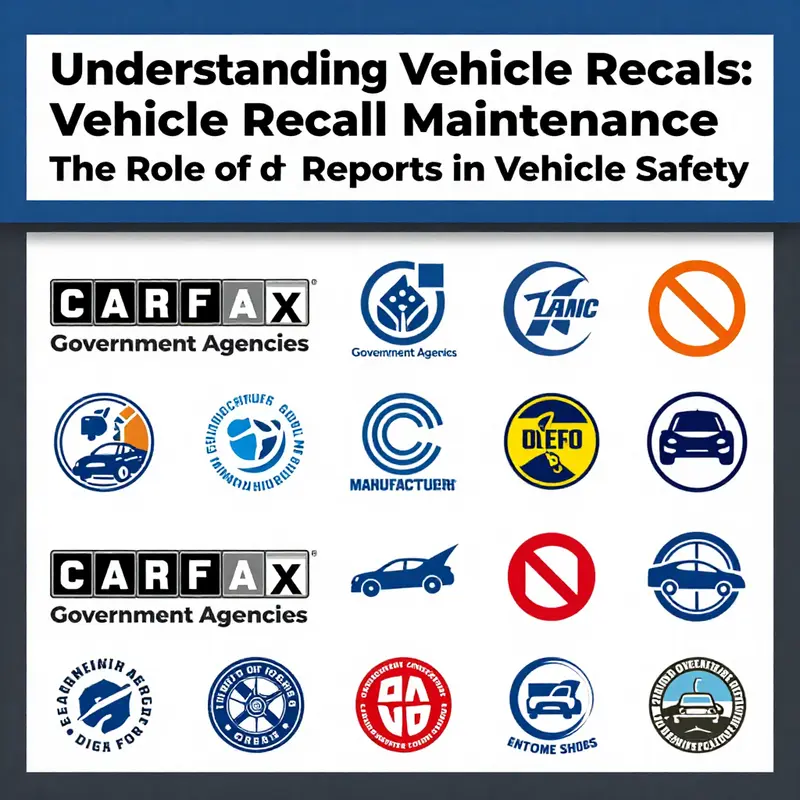
A Carfax report is often pitched as a concise snapshot of a vehicle’s past, a tool that helps a buyer separate likely sound choices from hidden trouble. When it comes to recalls, the record is more than just a list of campaigns; it is a map of safety interventions, a ledger that links regulatory actions to the repairs that may or may not have been completed. The data behind recalls in a Carfax history comes from a network that spans government regulators, automakers, service centers, and insurers. In practice, this means a reader can see not only that a recall exists, but also whether repairs have been performed and how complete the vehicle’s safety history is. But as with any secondhand record, the story Carfax tells about recalls is only as strong as the data that feeds it, and that data has its own complexities and gaps. Understanding where recall information comes from, how it is verified, and how to translate the status into a clear assessment of risk is essential for anyone evaluating a used car with safety in mind.
At the core of recall reporting in Carfax is a straightforward principle: the information must reflect official campaigns that the manufacturer or regulator has identified as affecting a particular vehicle. The primary sources are public recall notices issued by manufacturers and published by government authorities. The most prominent regulator in this space is the national agency that tracks and communicates recalls, followed by manufacturer-initiated campaigns that may be shared with Carfax through direct data feeds. In short, when a recall is announced for a given vehicle model, Carfax’s system pulls that notice into the vehicle’s history by matching it to the VIN and the specific production year and configuration. This process ensures that a buyer is alerted to safety issues even if the vehicle has changed hands multiple times or is being reviewed years after the recall first appeared.
The second pillar of recall data comes from the automakers themselves. Manufacturers directly report recall campaigns and service actions to regulatory bodies and to data providers like Carfax. When a campaign is launched, the manufacturer’s description of the issue, the scope of the recall, and the recommended repair are transmitted through official channels. Carfax then translates that information into the report under a dedicated section usually labeled Recalls. If a recall involves an essential safety feature—such as airbags, braking systems, or steering components—the entry often carries greater emphasis because potential buyers read it as a direct signal of safety risk and of the quality of a vehicle’s ongoing maintenance.
Dealerships and repair facilities contribute a crucial, but sometimes uneven, stream of data as well. If a recall repair is performed, the service center’s work often gets reported back into Carfax’s network. When a service event ties to a recall, it appears in the report’s service history, typically with a notation that the repair was completed. However, this is not guaranteed for every repair, particularly if a center is not a participating Carfax reporting partner. In practice, a completed recall may appear as a specific service entry marked Completed, while an outstanding recall will appear as Open or Pending. The precision of this status—Open versus Completed—helps buyers understand not just whether a safety issue exists on the vehicle, but whether it has been resolved. This distinction matters: a completed repair confirms that the vehicle has undergone the necessary remediation, which reduces risk but does not erase the possibility of new issues arising from the underlying defect or the repair itself.
Insurance companies and state DMVs can also contribute to the recall narrative. While their primary roles are ownership records and coverage histories, they sometimes provide data about service events or warranty work that is relevant to recalls. These inputs add another layer of cross-checking, helping Carfax reduce the chances that a recall entry is inaccurate or outdated. Taken together, these sources form a multi-faceted data web that supports a comprehensive recall section in the report. The result is a history that, while not perfect, offers a robust baseline for evaluating safety history, the diligence of prior owners, and the likelihood that a potential issue has already been addressed.
Verification is the thread that binds these sources into a coherent narrative. Carfax undertakes a multi-source verification process to cross-check recall information and limit errors. When a recall is marked as Completed, the system looks for evidence of repair through dealer service records or other participating centers. If a recall has not been repaired, a status of Open or Pending will typically be shown, accompanied by the recall description and the date when the notice was issued or when the campaign began. The timing aspect matters: recall data can change as new campaigns are initiated or as service records are reported. Buyers should treat the status as dynamic information, something to re-check closer to the purchase date or before finalizing a deal. In this sense, Carfax provides a reliable snapshot, but it is not a substitute for direct verification with the manufacturer or a professional inspection.
An important practical implication for buyers is to read the recall section carefully and in the context of the vehicle’s overall maintenance history. A vehicle may have an Open recall, yet show a clean service history otherwise; in such cases, the owner or seller should be able to point to a scheduled repair date or a fixed appointment with a certified repair facility. Conversely, a Completed recall can indicate that the vehicle has undergone the recommended remediation, which reduces the risk of a safety fault persisting. The nuance lies not only in whether a recall exists, but also in whether the repair has been completed, whether it has been verified by a service provider, and whether the vehicle has had any subsequent events that might affect safety. Carfax’s recall entries, combined with a transparent service history, can therefore offer a more complete sense of a vehicle’s risk profile than a simple absence of recalls on its face would imply.
To further ground the reader in how these pieces fit together, consider the broader maintenance narrative that Carfax aims to assemble. Recall data is a core component, but it sits alongside other maintenance and repair records. For example, a vehicle that has required a recall repair but also shows ongoing wear in components related to the recall target can complicate the assessment of overall safety and reliability. This is where the link between recalls and general maintenance becomes meaningful. A proactive owner who addresses recalls promptly and keeps up with routine maintenance demonstrates responsible vehicle stewardship, which in turn can translate into lower risk and more predictable maintenance costs for a buyer. For context on how maintenance concepts intersect with recall history, you can explore discussions about what constitutes routine vehicle maintenance and how it relates to recall-related service at this resource: What is vehicle maintenance.
Despite the strengths of Carfax recall data, it is essential to acknowledge its limitations. Not every repair is reported, especially if the service was completed at an independent shop that does not feed data back into Carfax’s system. Some recalls may be resolved through field service campaigns that do not require a dealer visit, or through owner-initiated repairs that are not logged in the Carfax network. In such cases, a recall could be marked Open in one system while another database shows it as Completed or where no entry exists at all. Time lags also play a role; there can be delays between when a recall is issued and when it appears on Carfax or when a repair is posted by a service center. Buyers should therefore use Carfax as a highly informative guide rather than a definitive, stand-alone source. For the most current and official status, referring to the NHTSA’s recall portal by VIN is a practical step, since regulatory notices are updated on a government-maintained platform that is independent of Carfax’s reporting cycles.
The interplay between Carfax data and official recall databases becomes especially important when a prospective buyer is evaluating a used vehicle that may have had multiple owners or where the vehicle’s documentation is incomplete. In those scenarios, Carfax’s multi-source recall reporting can illuminate red flags early in the decision process. It helps a buyer ask the right questions about safety repairs, such as whether a critical component was serviced, whether the repairs were performed by authorized technicians, and whether the vehicle’s current condition aligns with the documented history. Yet the questions do not end there. The buyer should also seek confirmation from the manufacturer’s technical bulletin, verify the vehicle’s service history with the current owner or dealer, and, ideally, arrange an independent inspection that includes a recall-related repair check. The purpose is not to second-guess Carfax, but to triangulate information across multiple sources so that the final assessment of risk is well-founded and transparent.
In this light, Carfax becomes a valuable part of a broader diligence process. It is a tool that aggregates regulatory notices, manufacturer campaigns, and service events into a coherent view of a vehicle’s safety history. It helps buyers detect patterns—such as recurring issues associated with a specific model year or a need for multiple recall repairs—that could influence future reliability and resale value. But the chapter of recall history is only a chapter in a longer book about vehicle stewardship. A careful buyer integrates Carfax data with a professional inspection, direct manufacturer confirmation, and a review of the vehicle’s maintenance cadence. This approach does not guarantee a perfect buy, but it does significantly improve the odds of avoiding a safety blind spot.
If you are considering a purchase and want a practical next step beyond reading the recall entries, examine how recall status aligns with the vehicle’s service history. Look for a completed recall note, then cross-check the date of that service against the model year’s known campaigns. If a recall is open, ask the seller for documentation of whether a fix has been scheduled or completed, and when. In all cases, do not rely solely on the presence or absence of a recall entry to judge the vehicle’s safety. Use it as a starting point for a deeper verification process that includes an official recall check via the VIN and a professional technician’s assessment. For a broader context on maintenance and safety considerations, you can consult the linked resource above and reflect on how recall maintenance interacts with ongoing service needs.
In sum, Carfax’s recall data is built from a network of regulators, manufacturers, and service providers, all designed to create a reliable, checkable history. The data is usually robust enough to identify open and completed recalls, the nature of the safety issue, and whether a repair has been performed. Yet it remains essential to view this information as part of a larger verification framework. The ultimate goal for buyers is clear: to minimize risk by confirming that any safety-related repairs have been completed, or to establish a plan to have them completed before taking ownership. By combining Carfax’s recall entries with direct manufacturer status checks and professional inspections, buyers can approach a used-vehicle purchase with a stronger sense of safety, reliability, and value.
External resource for official recall information and up-to-date status: https://www.nhtsa.gov/recalls
Recall Visibility in Carfax: How Vehicle History Reports Reveal Maintenance and Safety Fixes for Used-Car Buyers
Entering the used car market, buyers often face a maze of numbers, promises, and headlines. Among the most consequential is the presence or absence of a safety recall and, crucially, whether that recall has been addressed. A history report promises more than a simple vehicle ID and mileage; it is a condensed history that flags safety actions taken by manufacturers, service centers, and sometimes the original owners. For many shoppers, the recall information becomes a deciding factor because it translates regulatory obligations into real world safety and anticipated upkeep. If a car once sold under recall remains in the hands of a new owner without a verified repair, the risk profile shifts. The question at the core is not merely whether recalls exist, but how the report communicates their status and what that means for assessing value and risk over the long arc of ownership.
Carfax organizes recall data in a way that aligns with how buyers think about risk over time. The Vehicle History Report typically lists any open or past safety recalls that have been issued for the vehicle, describing the nature of the recall and noting whether a repair has been completed. This transparency matters because it allows a buyer to see if a critical safety action has been missed or confirmed as resolved. When a recall touches a component as vital as airbags, braking systems, or steering, the implications extend beyond a simple repair appointment. It can affect insurance considerations, resale value, and the decision to pursue the purchase at a given price. Carfax emphasizes that the data come from a network of sources, including manufacturers, government agencies, and repair facilities, which helps explain why the recall status can carry weight in negotiations and risk assessment.
Yet the real-world usefulness of recalls in a history report rests on how completely that data is recorded and reported. Carfax draws from multiple channels, which makes the recall status more credible than a one-off listing from a single outlet. When a recall is addressed at a service center, the repair can sometimes be logged in the report under the service history, though this is not guaranteed for every repair, especially if the center is not a participating Carfax data partner. This is an important caveat for buyers who rely on the history as a complete log of maintenance. The absence of a note about a recall repair does not automatically prove that no repair occurred; it may reflect reporting gaps rather than a missing fix. It is precisely this nuance that motivates buyers to cross-check the data with direct manufacturer communications or official recalls dashboards.
In practical terms, the recall section helps a buyer gauge safety risk and financial exposure. If a vehicle has an outstanding recall related to airbags or braking components, that matter remains until the official repair is performed by a licensed dealer. If the recall has been completed, a note in the report confirms that the vehicle was brought in for service and the fix was implemented, which can reassure a skeptical buyer and potentially influence price. This clarity is not just about peace of mind; it translates into a clearer estimate of the future maintenance landscape. Owners can prepare for the possibility that a repair originally tied to a safety defect might week to week become a regular wear item if a related component shows signs of aging. The car might also be eligible for manufacturer-sponsored goodwill programs, extended warranties, or reminders for periodic checks that align with the recall repair.
Support for the importance of recall visibility appears in user-facing tools beyond the core report. A 2021 App Store review of a recall tracking app highlights the SAFETY RECALLS alerts that push notices if a recall is issued for a vehicle. It is a reminder that many buyers and owners now rely on mobile companions to track safety actions in real time, rather than digging through PDFs or printed histories. A later user review from 2026 reinforces the sentiment that such features are essential for maintaining vehicle safety and value. Taken together, these anecdotes illustrate a broader trend: consumers expect not only accurate recall data but timely, actionable updates that help them plan maintenance, anticipate costs, and decide whether a given car stays in their rotation.
The integrity of recall information rests on its sources. Carfax collects data from manufacturers who issue recalls, from government agencies that track regulatory actions, from insurers who record incidents and repair claims, and from repair shops that perform the fixes or replacements. This multi-source approach reduces the likelihood that a single, isolated report will mischaracterize a car’s safety history. When a recall is still open, Carfax flags that status, nudging buyers to verify the fix before proceeding with a purchase. When a recall is completed, the likelihood increases that the car has moved through a repair process and is safer for drivers. The reliability of the recall data is a major reason many buyers treat the history as a credible part of due diligence, even as they supplement it with their own checks.
From a buyer’s perspective, the practical workflow is to review the recalls first, followed by the service history. Open recalls demand action, but completed recalls offer peace of mind that a repair took place. Either way, the presence of a recall in the report is not the end of the story; it is a signal that prompts broader verification. Buyers should contact the manufacturer or a certified dealer to confirm current recall status via the VIN, request a copy of any recall repair records, and ask about related service advisories that might not be captured in the standard report. A comprehensive approach also means inspecting the vehicle and evaluating whether the repaired component integrates with other wear patterns. The goal is to move from a snapshot of safety actions to a broader picture of how the vehicle has aged, how it has been cared for, and how those factors converge in risk and return.
To ground their understanding of how recall work intersects with routine maintenance, readers can consult what is vehicle maintenance. This reference helps explain why a recall repair is not simply a one-off event but an element in a wider maintenance narrative. Calibrating service intervals, confirming that follow-up checks were completed, and aligning a car’s maintenance calendar with recall-specific requirements can dramatically affect ownership costs. In practical negotiation terms, a report that shows an open recall can justify a lower offer or a demand for repair before transfer of ownership. If a recall has been addressed, buyers can lean toward removing that barrier as a point of leverage, while still requesting documentation that the work met manufacturer guidelines. In either case, the story the report tells is not a verdict but a prompt—a catalyst to investigate further and to validate what the seller presents.
Finally, buyers should recognize both the power and the limits of recall data in a history report. The data are highly valuable for identifying safety issues that could affect the car immediately or in the near term. They can reveal patterns across a model year or across a defensive maintenance schedule that reduces risk and unexpected expenses. Yet the history cannot guarantee that every repair record is captured, especially if a service center did not participate in the data-sharing network. Gaps can occur, and a missing entry does not necessarily mean a recall was never repaired. For that reason, this chapter treats the recall status as a critical input rather than a final arbiter. Combining the recall information with a professional inspection, a VIN-specific manufacturer lookup, and a careful review of the service history yields the most reliable assessment of a used car’s safety and value.
Beyond the mechanics of reading a report, the larger value proposition is confidence. A vehicle that shows a well-documented history of addressing safety recalls signals a history of proactive maintenance and a seller who is willing to substantiate what the car has needed. Conversely, a vehicle with an open recall and sparse service history invites more scrutiny and perhaps a different path to purchase. In both cases, the goal remains the same: to minimize the chance of unknowingly buying into equipment that could fail or incur expensive, unplanned repairs after the sale. The history thus functions as a bridge between regulatory actions and personal responsibility, translating a complex network of recalls, manufacturers, and repair landscapes into information a buyer can act on with a clear plan.
For deeper, official recall context and ongoing updates, the Carfax vehicle history page is a useful starting point: https://www.carfax.com/vehicle-history
null
null
Recall Maintenance in Carfax Reports: What They Show, What They Miss, and How to Verify
Carfax reports have become a standard checkpoint for anyone buying a used car. They promise a concise snapshot of safety recalls and the maintenance activity tied to those recalls, all in one place. In practice, the Carfax Vehicle History Report pulls recall data from a variety of sources, including the manufacturers themselves, government agencies, and repair facilities. When a recall is officially issued, it generally appears in the Recalls section of the report. The entry typically includes the recall number, the date the recall was issued, and a description of the defect or issue. If a recall has already been addressed, the report may show a related service event in the vehicle’s history, indicating that a repair was completed. All of this helps a buyer determine whether a vehicle has outstanding safety issues and whether the necessary repairs have taken place. Yet this system has inherent limitations that can blur the true picture, especially in a market where speed and incomplete reporting can obscure the full maintenance story. Understanding how Carfax gathers and presents recall information is essential to avoid overestimating the completeness of the data, and it helps buyers tailor their next steps toward a safer purchase. The value, after all, lies in context. Carfax offers a starting point, not a definitive verdict, and it is the context that often makes or breaks confidence in a used car choice.
Data compilation sits at the heart of Carfax recall reporting. Recall information is aggregated from multiple official channels, which in theory should yield a robust, up to date picture. The report will specify the exact recall number, the issue description, and the date the recall was issued, providing a digestible outline of what is wrong and why it matters. In many cases, the Recalls section also signals whether the recall has been addressed and whether a remedy has been completed by a repair facility. This kind of structured data is especially valuable for vehicles with a history of safety concerns, where a single well-documented repair can dramatically affect ownership experience and long-term risk. The practical benefit is clear: a prospective buyer can quickly identify vehicles that have not yet been brought up to current safety standards and prioritize those with completed repairs. Still, a simple open or closed label on a recall in Carfax does not guarantee the full restoration of the vehicle’s safety profile. The nuance is often buried in how data is reported and updated across different sources.
Limitations, however, are not mere footnotes. They are the core reasons that Carfax information should be interpreted with care. One primary limitation is reporting gaps. Carfax depends on data that has been reported, and not every repair shop automatically reports back to Carfax after completing a recall repair. If a shop fails to submit a repair to Carfax, or if the manufacturer has not updated their database promptly, an already addressed recall can appear as open on the report. In other words, a vehicle might be safe in reality, but the Carfax record could still suggest an outstanding safety issue. This discrepancy is not a flaw in bad faith but a consequence of how data flows through the system. The second major limitation concerns update frequency. Carfax is not real time. There can be a lag between when a recall is issued, when a recall remedy is completed, and when those changes are reflected in the report. For buyers who want the most current status, that lag can be consequential, especially for recalls that carry high safety risk or require specialized repair work.
Given these gaps, the recommended approach is to supplement Carfax with a direct check of official recall data. The most authoritative source for real time recall information is the government-backed recall lookup system. The Carfax materials consistently emphasize that while the report is a valuable resource, it is not a substitute for professional inspection or for verifying recall status directly with the manufacturer. The practical implication is straightforward: use Carfax to identify potential red flags, then verify with the official channel to confirm whether a recall remains open or has been resolved. For the most accurate and up to date information, experts encourage cross-checking with the official NHTSA website via the VIN-based recall lookup. This step ensures that any new recalls or updated remedy statuses are captured, providing a real-time lens on safety concerns that a report might have lagged behind.
From a buyer’s perspective, the balance of benefits and limitations becomes a framework for decision making. If Carfax flags an open recall, that should prompt direct contact with a dealer or the vehicle’s manufacturer to confirm whether the remedy has been performed and whether the exact fix was completed at an authorized facility. If the recall shows as repaired in the Carfax service history, buyers should still seek confirmation that the repair was executed according to the manufacturer’s specifications and that the relevant service bulletin was followed. It is also prudent to request documentation of the repair. Even when a recall has been repaired, some owners discover that the documentation is incomplete or not readily accessible. In these cases, a careful review of the repair receipts, warranty terms, and the vehicle’s current performance is essential. The bottom line is that a Carfax report can illuminate potential concerns, but verification requires stepping beyond the report and into direct sources of truth.
To integrate these insights into a smoother buying process, one can adopt a practical, repeatable approach. Start with Carfax to scan for open recalls and to read the recall descriptions, which can reveal the exact defect or safety issue and the affected components. Pay attention to the dates of issue and the notes about whether a remedy has been applied. Then pivot to the VIN based lookup on the official government site. Entering the VIN in the NHTSA recall search provides a real time snapshot and typically expands beyond the Carfax data, capturing recalls that are open, in progress, or resolved. The government database also supplies details about the recall remedy, the safety implications, and the dealer’s obligation to address the issue. This two-pronged approach—Carfax for a quick initial scan, and NHTSA for definitive status—offers a robust hedge against relying on a single source that may be subject to delay or incomplete reporting. Importantly, this method underscores the role of the professional inspection. A thorough, independent inspection by a qualified technician can uncover issues beyond recalls, such as wear patterns, incorrect part replacements, or nonrecall maintenance that could influence safety or reliability. Carfax is a guide, not a seal of safety, and buyers should treat it as one element in a broader due diligence routine.
For readers seeking additional context on maintenance that extends beyond recalls, a broader exploration of vehicle maintenance practices can provide useful background. What is vehicle maintenance offers foundational insights into how routine care interacts with safety recalls and overall vehicle integrity. See What is Vehicle Maintenance for a complementary perspective on how regular service history contributes to the reliability narrative of a used car. What is Vehicle Maintenance.
In the end, the chase for safety and value in a used car hinges on how well a buyer synthesizes Carfax data with official recall information and professional inspection. Carfax’s recall data, drawn from manufacturers, government agencies, and repair facilities, creates a useful baseline. Yet the reality of data reporting means a report may not capture every remedy, and there can be delays before updates appear. The prudent buyer recognizes these gaps and adopts a disciplined verification routine. Start with the Carfax Recalls section to identify any open items or repairs that are indicated, then cross-check with the VIN based Recall Lookup on the NHTSA site to see the live status and the exact scope of the remedy. If a recall is outstanding, engage the dealer promptly to confirm the remedy availability, the service center performing the repair, and the warranty coverage that may apply. If a recall has been addressed, obtain proof of completion and confirm there were no related warranty limitations affecting the vehicle’s ongoing safety. This approach reduces the risk of purchasing a car with unresolved safety concerns and aligns the decision with the broader objective of reliable, safe transportation. For ongoing updates, the official government resource remains the most current and reliable guide, ensuring that buyers are empowered with real time information when evaluating a potential purchase.
Final thoughts
In conclusion, as a business owner, being informed about vehicle recall maintenance through Carfax reports plays a pivotal role in ensuring the safety and reliability of your vehicle investments. Understanding the overview of recall information, the diverse data sources that feed into these reports, and the critical insights for buyers can empower you to make better purchasing decisions. While Carfax reports are incredibly valuable, it’s important to be aware of their limitations and not to rely solely on them for your assessments. Complementing this information with professional inspections will ensure your vehicle choices contribute positively to your business’s performance.