
Nighttime disturbances, especially from car horns, can disrupt sleep and peace, affecting business owners who often work in demanding environments. Understanding the reasons behind car horn activations during these quiet hours is essential for ensuring a tranquil night. This article will explore the various causes of car horn issues, practical solutions to prevent them, the role of electrical components in these malfunctions, and essential maintenance tips. By examining these areas, business owners will be equipped to tackle this disruptive problem effectively, enabling them to focus on their operations without unnecessary interruptions.
Nocturnal Horn Troubleshooting: Why Your Car Horn Blares at Night
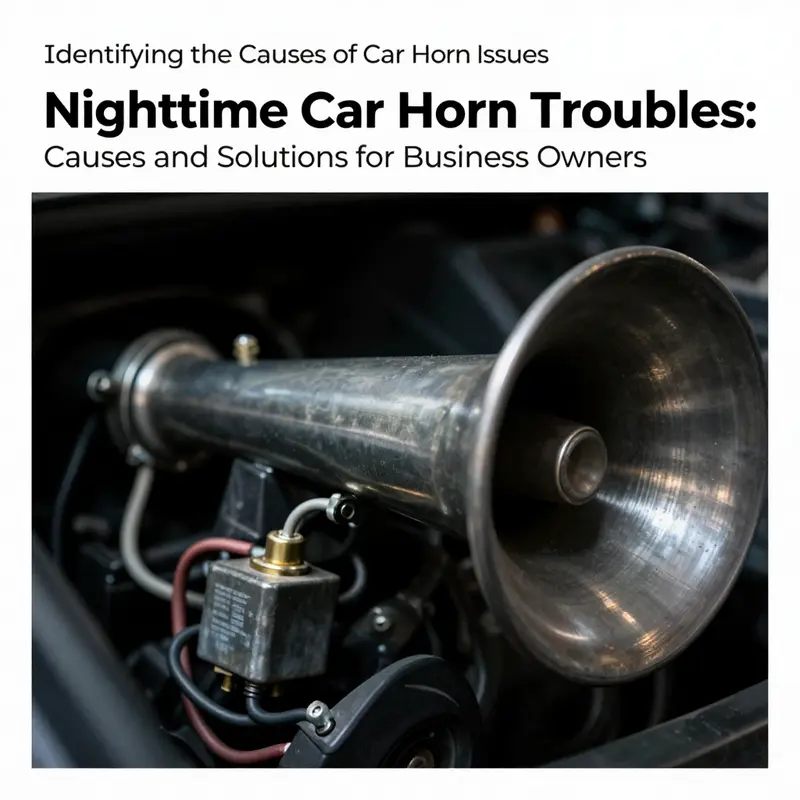
Night creases the city and reveals the truth of a horn that blares when the world is asleep. A midnight horn is not simply a nuisance; it is a sign that the vehicle electrical system may be asking for help. In many cars the horn shares circuits with other high load components, and when the demands rise the horn can misbehave. A careful, methodical approach is the best defense.
First check the battery and charging system. With the engine off, measure the battery voltage; a healthy battery typically sits around 12.6 volts. With the engine running, the alternator should push voltage into the range of about 13.7 to 14.7 volts. If the numbers are lower or wander, the horn can behave oddly under load. A weak battery can cause the horn to sound faintly or not at all, especially when other devices shine extra power.
Next inspect the horn fuse and the horn relay. A blown fuse or a sticky relay can prevent the horn from energizing, even when the switch is pressed. Hear for a click from the relay and examine the fuse visually for signs of damage. If you are uncertain, swap in a known good relay or fuse and test again.
The horn switch itself on the steering wheel is often overlooked. Dirt, sweat, or aging can create poor contact. If pressing the horn does not produce a crisp signal every time, the switch is suspect. In some cases a sticky or worn contact causes the horn to chirp or blare intermittently when the wheel is turned or when the road hits a bump.
Wiring and ground connections deserve a careful look. A loose ground or a corroded connector can let voltage wander or drop at the moment of demand. Inspect the ground strap that runs from the engine block to the chassis, and check the terminals at the horn. If the ground is weak, the horn may energize unpredictably or not at all.
Alarms and security systems can wake the horn at night without a true intrusion. Modern cars use motion and shock sensors that can interpret a minor vibration as a reason to honk. If the horn comes on with no switch press, check the alarm module settings and consider a reset. Reprogramming or recalibrating the system may solve the problem without replacing components.
If the horn still misbehaves after these checks, perform a direct test of the horn unit. Remove power from the circuit, disconnect the lead wires, and apply a temporary direct power source to the horn terminals. If the horn sounds cleanly, the problem lies upstream in the control circuit or in the horn switch, not in the horn itself. If the horn is still quiet when powered directly, the horn itself is faulty and may need replacement or professional refurbishment.
The night will still offer clues even after you finish the checks. Take note of when the horn misbehaves: is it only after the car sits in the rain, or only when the headlights are on? Pattern recognition helps isolate a pattern of failures and guides you to the most likely cause. The goal is a quiet night and a reliably ready horn, not a perfect car with every gizmo flawless. With patience, you can trace the message from the battery to the horn and fix the issue before the next midnight patrol.
Night Watcher: Diagnosing and Quieting the Car Horn That Strikes in the Sleep Hours
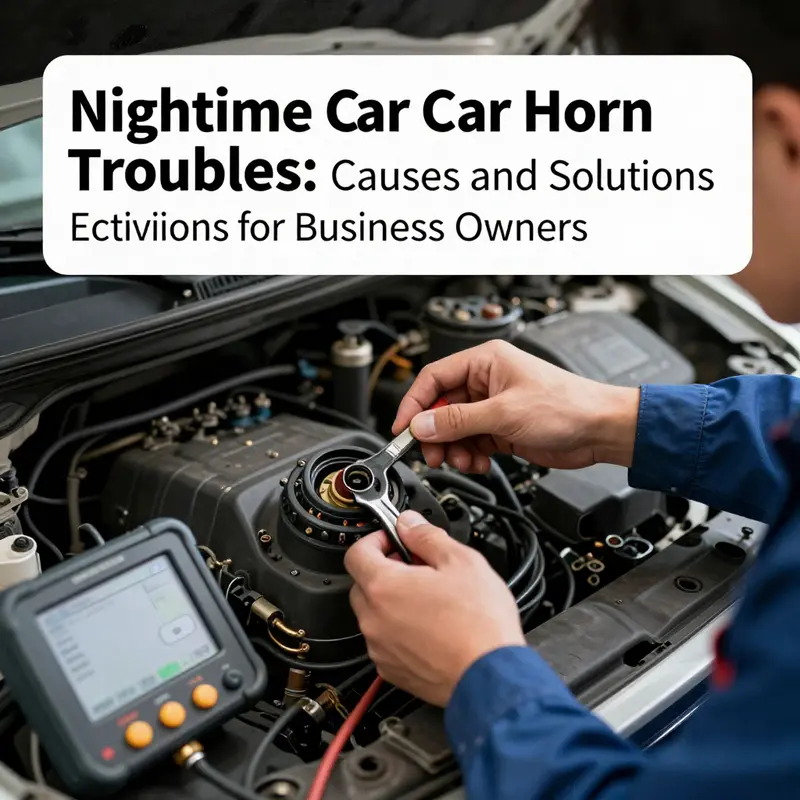
The night hush can feel like a blanket over the world, until a sudden car horn shatters it and wakes a neighborhood with a single blaring punctuation mark. The experience is not merely loud; it is disorienting, intrusive, and oddly revealing of the car’s inner life. For many drivers, the horn’s overnight chorus points to a fault buried in the vehicle’s electrical nervous system. A relay that sticks, a wire that carries the wrong signal, a switch that sticks in its groove, or an alarm module that misbehaves when the world is quiet all have a chance to wake you up and then wake your neighbors. The research behind this chapter makes a practical map: the mystery of a horn that goes off in the middle of the night is rarely one single culprit. It is usually a small misalignment somewhere in a web of components that were not designed for a midnight chorus. Yet within that web there are concrete, testable causes and clear, methodical remedies that can restore quiet to the home and safety to the car’s systems.
The first thread in this story is the horn relay. The relay acts like a switch that a tiny signal can command to complete a larger circuit, allowing the horn to sound without running a heavy current directly through the steering wheel or control switch. When a relay wears out, becomes welded shut, or develops a partial failure, it can stay engaged or respond unpredictably. The horn blares not because someone pressed the horn, but because the relay is temporarily or permanently misreading a stray signal from a loose connection or a fault in the control circuit. A simple test is often the simplest solution: disconnect the horn circuit, check the relay contacts for pitting or corrosion, swap in a known good relay when possible, and inspect the fuse and its housing for heat damage. A relay replaced at the first sign of suspected wear can extinguish a midnight nuisance and prevent repeated episodes that stress wiring further.
Sometimes the problem lies not in the relay but in the wiring itself. Frayed insulation, exposed conductors, or corrosion at connectors can create a path to ground where none should exist. In the dark, a little moisture or a sudden temperature drop can increase the risk of a false trigger. Wiring issues can be subtle: a loose connector that only wobbles into contact as the car settles for the night, or a bend in a wire that gradually fatigues the insulation until a stray spark finds its way to the horn circuit. The approach here is to view the wiring as a living map rather than a single stub of cable. Run a careful inspection along the suspected routes: near the steering column, behind the dash where the horn wires join, and around the fuse box where a stray spark could feed back into other circuits. The goal is not to strip the car down to bare metal but to identify where a seemingly innocuous contact is letting a small current wander where it should not.
Another common source of nocturnal noise is a horn switch itself. The steering wheel horn pad is a delicate piece of hardware with a small mechanical mechanism that completes an electrical circuit when pressed. If the switch sticks or the pad loses its return spring, the circuit can stay closed long enough to keep the horn sounding, especially if vibrations or body flex during sleep are involved. A stuck switch can be intermittent or persistent, and it often thrives in older vehicles or in cars that experience temperature swings that affect plastics and elastomeric components. Disassembly and inspection of the horn switch are sometimes necessary, but this work must be done with the battery disconnected and with care to avoid accidental airbag deployment. The key is to verify that the switch returns to its off position cleanly and that there is no residue or corrosion at the contact surfaces. If a repair is beyond reach, a professional can replace the switch module or rework the wiring harness to restore a quiet night’s sleep.
A malfunctioning alarm system provides another plausible explanation for unexpected horn activation. Modern vehicles blend the alarm with the horn as a loud, audible deterrent. Yet sensors that are too sensitive, control modules that misinterpret movement as a threat, or intermittent wiring faults that fault the sensor circuits can set off the horn without a clear breach of the vehicle’s perimeter. In practice, misfiring alarms often manifest as false positives caused by vibrations, gusts of wind against a parked body, or even the presence of moving animals near door seals. The fix begins with a careful diagnosis of the alarm system itself: checking door and hood sensors for proper alignment, testing the shock or vibration sensors for appropriate thresholds, inspecting the control module for signs of moisture or corrosion, and ensuring that the connections are tight and clean. If a sensor is defective or the module has learned an erroneous pattern, replacement or reprogramming may be required.
Temperature and moisture can join the chorus as well. Cold nights often cause materials to contract; damp nights can encourage condensation on wiring or connectors. In such cases, what seems like a random trigger is a residue of poor insulation, a brittle seam, or a switch that momentarily bridges due to humidity. The strategy here is twofold: protect electrical joints from moisture and ensure the wiring is robust against temperature changes. Seal vulnerable connectors with appropriate resealants and ensure that any vulnerable harness sections are tucked away so that movement in the vehicle cannot drag a pin or pinched wire into contact with another circuit. Regular maintenance with a flashlight and a mirror, even in a dimly lit driveway, can reveal the kind of corrosion or loose ends that daylight inspection would miss but night-time symptoms reveal clearly.
The chapter of diagnosis does not stop with identification. It proceeds into a practical, staged approach that blends self-help with professional support. The simplest step is to verify the security state of the car and the battery health. A weak battery or an unstable charging system can influence the vehicle’s electronics enough to trigger unusual behavior in the alarm and horn system. If the battery is old or shows signs of excessive discharge during the night, addressing the root cause—one that might be as mundane as a parasitic draw—can restore stability to the horn circuit. Battery health is the quiet hero in the background, maintaining the voltage levels necessary to avoid misreads in sensors and relays.
If sensitivity settings are available, many modern vehicles offer a way to adjust the anti-theft or alarm sensitivity from the onboard menu or a companion app. Reducing the sensitivity threshold can dramatically lessen false activations caused by minor vibrations from wind, nearby traffic, or even rodents moving around the wheel arches. In some cases, a vehicle may also offer a sleep mode designed to curb nuisance alarms while the car sits stationary during the night. The practical implication is clear: the approach to sleeping peace often starts with a careful, informed adjustment of the alarm’s thresholds and the watchful use of any sleep-related configurations that the system provides. It is important to note that the sleep mode or adjusted sensitivity should still respect security; the goal is to prevent nuisance alarms while preserving a reliable deterrent against real intrusions.
If adjusting sensitivity yields no relief, the problem likely lies in the alarm components themselves or in the third-party modules that interact with the factory system. This is where the narrative meets professional help. A certified technician can run diagnostic tests with specialized equipment that reads the vehicle’s fault codes, checks the integrity of the wiring harness, tests the control module for a misfire pattern, and probes the sensors with controlled stimuli. It is the difference between chasing symptoms and tracing a root cause. In many shops, technicians will begin by verifying the alarm’s logic and its sensor thresholds, then follow the signal trail through the wiring to the horn relay. They will also look for unexpected cross-talk between circuits—an electrical neighbor that whispers into the horn’s wire and stirs a response when nothing is happening. The aim is to restore a calm nervous system to the car while preserving the protective function of the alarm.
Alongside technical fixes, a few practical habits can prevent a repeat of the midnight blare. When parking, choose a location with minimal vibrations from traffic or wind; a quiet, stable spot reduces the chance that external movements will be misread as a threat. Remove objects that could shift or rattle while the car is parked; loose bags, cargo holds, or even roof racks with little movement can become triggers if their motion is detected by intrusion sensors or by the hull of the vehicle itself. If your car employs motion sensors near the doors or roof, ensure those sensors are properly shielded or turned off if the vehicle will be unoccupied for extended periods in safe locations. In some vehicles, you can program a temporary disablement of certain alarms during a planned overnight stop via the vehicle’s app or interface; this is a pragmatic remedy for drivers who travel with the same car for long trips or overnight rests. While this approach is not suitable for daily use in every location, it offers a practical solution for certain scenarios when the risk environment is well understood.
In cases where the horn sounds not from a detected intruder but as a consequence of the vehicle’s own logic misfiring, the literature suggests a broader, more systemic understanding of the car’s electronic ecosystem. The horn is not an isolated module; it is part of a network that includes the horn relay, wiring harness, horn switch, the central alarm controller, door and hood switches, and sometimes additional sensors for movement, tilt, or glass breakage. When one node in this network begins to misbehave, it can ripple across others, producing a chorus that seems disproportionate to the actual event. Therefore, the most robust preventive approach is a comprehensive diagnostic mindset: treat symptoms not as isolated incidents but as hints about the health of the entire electrical system. This includes routine checks during service intervals, moisture prevention around connectors, and attention to the overall health of the battery and charging system. The aim is not merely to silence the horn but to restore reliability so that the horn’s audible alert remains a meaningful signal rather than a recurring midnight nuisance.
A compact, practical reminder emerges from the consolidated guidance: if you are comfortable with basic electrical work, you can perform a preliminary assessment of the relay and the wiring, test the switch, and observe whether the horn behaves differently when you gently jiggle connectors or gently press the switch in a controlled environment. If you prefer a safety-first approach, contact a licensed technician who can perform a more rigorous evaluation using diagnostic tools that read live circuits and fault memory. Either path begins with the same essential questions: When did the horn first go off by itself? Was there a pattern of wind, vibration, moisture, or a specific temperature change at the time? Are there any warning codes in the vehicle’s memory that point toward the alarm or the horn circuit? Each answer guides the next step and helps determine whether the issue is as simple as a loose connector or as complex as a misprogrammed control module.
To weave these threads into a practical mindset, consider how the discussion in expert automotive resources frames the problem. The horn’s mystery is most often anchored in a small, repeatable fault—like a relay getting stuck or a sensor misreading—but the cure is equally pragmatic: inspect, test, replace if necessary, and adjust the system to align with the car’s security needs without surrendering quiet nights. The chapter’s counsel rests on a few durable levers: by managing the anti-theft system’s sensitivity, ensuring the alarm components are intact and correctly connected, eliminating extraneous triggers from movement or vibration, and leveraging sleep-friendly settings when the vehicle allows, you can significantly reduce the odds of a midnight horn wake-up. The reader is reminded that a calm car interior is not merely a luxury but a marker of disciplined maintenance, and that taking the time to understand how the horn and alarm systems interplay can preserve both comfort and safety.
As a final note for those who seek to connect this knowledge to broader mechanical literacy, a practical breadcrumb is offered: the Vehicle Tricks blog gathers hands-on, approachable guidance about common electrical quirks in modern vehicles. For a concise reminder that small faults can escalate into big disturbances, see the resource linked here. Vehicle Tricks blog.
In the end, the night’s silence returns not by chance but by careful, informed care. The horn’s loud call becomes a rare event, not a daily intruder, when the relay is tested and repaired, when the wiring is safeguarded from moisture and corrosion, when the horn switch is clean and responsive, and when the alarm system’s thresholds are calibrated to distinguish between a true threat and a passing vibration. The home sleeps easier, and so does the car. The path from midnight blare to quiet remains a roadmap of practical action, patient inspection, and a readiness to call in a professional when the system’s bottom line—reliability—demands it. For drivers who routinely park their cars in varied environments, this route offers not only relief from one nuisance but a blueprint for ongoing care that protects both the vehicle’s value and the peace of nighttime neighborhoods.
External resource: https://www.autocar.co.uk/car-advice/car-repair/car-horn-keeps-going-off-reasons-and-how-stop-it
Under the Hood: How Electrical Components Drive Midnight Car Horn Malfunctions—and How to Stop Them
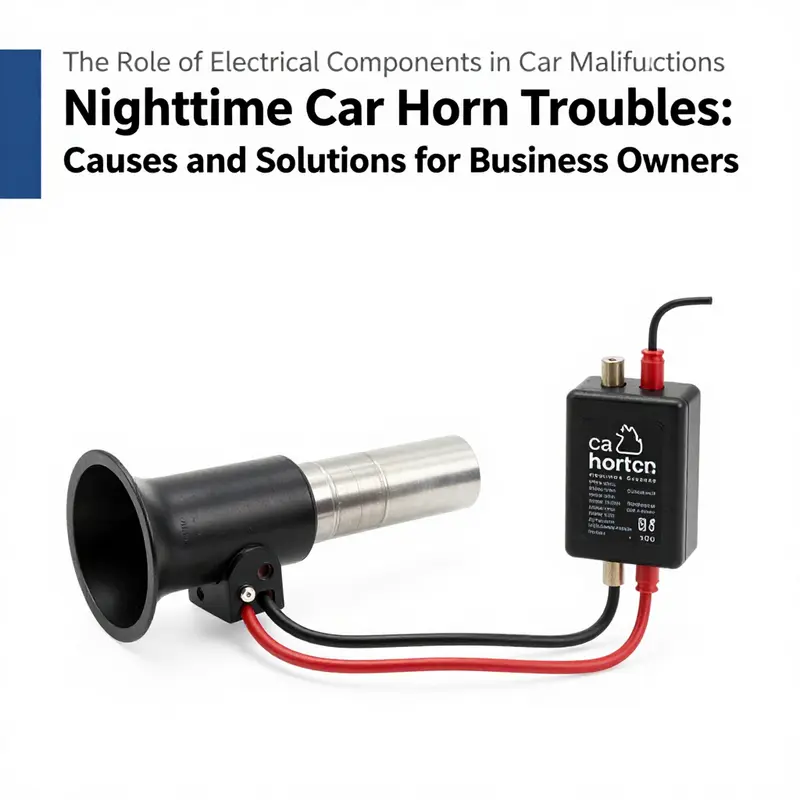
A car horn blaring in the middle of the night can feel like a fault rippling through the quiet. The horn is part of a larger electrical network that relies on signals and power to deliver a loud note when requested. The sudden blast shows a fault in that path, not a problem with the horn alone. Understanding the electrical role helps diagnose the root cause and address the underlying issue.
Fuses protect the system by blowing on a short or overload. When a fuse is blown there is no power to the horn circuit. If the horn still sounds with the fuse intact, the problem moves deeper into the relay or the horn unit.
Relays act as high current switches. If relay contacts stick or the coil fails, the horn signal may not translate reliably. Replacing a faulty relay is often straightforward and can restore reliable horn function without replacing other parts.
The horn unit itself can wear due to moisture intrusion, rust or corrosion. Dust or water can affect the diaphragm and coil, causing intermittent or overly loud blasts. A failing horn may respond inconsistently or produce a distorted sound.
Other parts include the horn button and the clock spring in steering wheel equipped vehicles. Wear or sticky contacts can cause unexpected activations. The clock spring maintains electrical contact and also carries signals related to safety systems; a fault there can cause unintended horn activation or loss of control signals.
Wiring and grounding play a big role. Frayed insulation, loose connections, or corrosion can create resistance or stray currents. A weak ground can make the horn faint or unpredictable. Moisture in connectors can bridge gaps and cause a sudden horn blast.
Environmental factors such as temperature, moisture, salt, and vibration can worsen issues. The night environment can make the symptoms more noticeable.
Troubleshooting approach is typically systematic. Start with the fuse, then verify the relay, then inspect the horn unit. If the horn does not respond when powered directly, the horn may be faulty. If it sounds when powered directly, the fault lies in the control circuit and wiring. Inspect the ground, the wiring harness, and the clock spring for signs of wear or damage.
In some cases the horn is linked to an alarm system; misfires can cause the horn to activate. Resetting or reprogramming the alarm or having a technician service the system may be required.
Prevention comes from regular checks of the fuse and relay seating, the horn button, and the clock spring in steering wheel equipped vehicles. Keep wiring routes clean and dry and reseat connectors as needed to maintain good contact.
Midnight Blare: Diagnosing, Maintaining, and Preventing Unwanted Car Horns
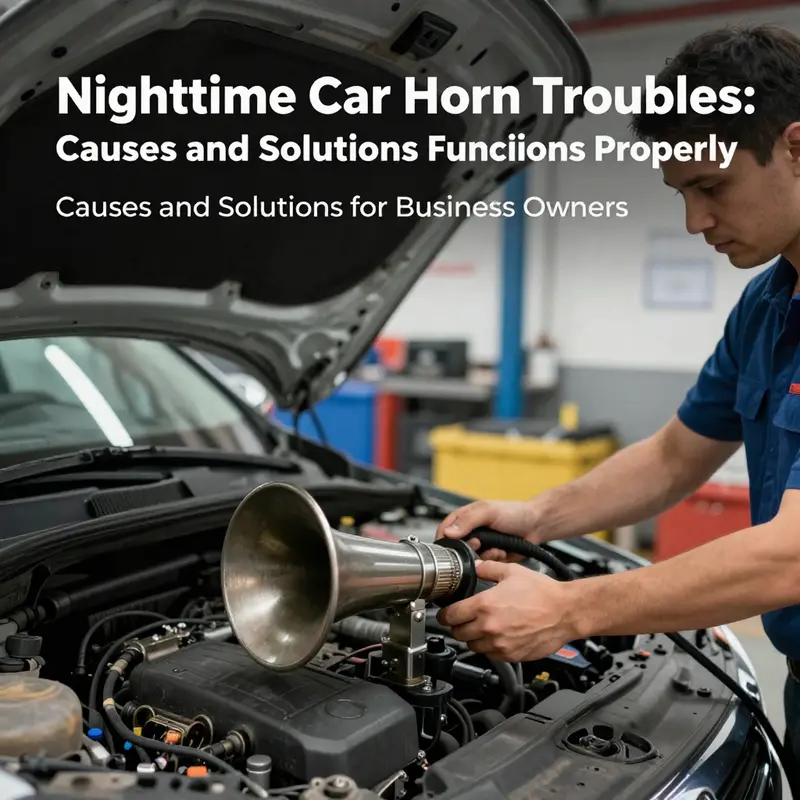
The sound that erupts in the middle of the night can jolts sleep and push the nervous system into high alert. If your car horn goes off while you’re counting sheep, it’s not just loud; it’s a clue about the electrical heartbeat of the vehicle. Most often, a nocturnal horn blast doesn’t come from a deliberate push of the steering wheel, but from a gremlin somewhere in the car’s electrical orchestra—wiring, relays, switches, or a misfiring alarm system. Weather and temperature fluctuations can also wake or trigger a horn when a system is borderline, as moisture and cold or heat strain connections that have grown loose or corroded over time. In this chapter we follow a practical, integrated path from cause to cure, weaving the precautionary habits and diagnostic steps into a narrative that remains faithful to the real-world routine of keeping a car’s horn reliable and predictable when it matters most.
When a horn sounds in the small hours, the instinct is to silence it first and worry later. Yet the wiser approach treats a horn as a safety feature that should not be a mystery. The root causes typically cluster around three realms: a fault in the control electronics, a grounding or mechanical issue that interrupts the circuit, or an environmental factor that nudges the system into activity. The horn relay, a small device tucked in the fuse box or nearby harness, acts as a gatekeeper, delivering a clean, high-current signal from the horn button to the horn itself. If that relay sticks closed or welds itself into a partially energized state, it can hold the circuit open and trigger the horn unexpectedly. Short circuits in the wiring loom can do the same, leaking power to the horn even when the button is at rest. Then there is the horn switch—not just the button on the steering wheel, but the steering column electronics that can seize, stick, or fail to return to its normal state. A malfunctioning alarm system or immobilizer can also misbehave, producing a latent horn signal as part of its security routine, especially in vehicles with more complex electronics. Finally, the weather itself can be a subtle culprit. Rapid temperature swings or moisture intrusion can cause connectors to contract, expand, or corrode, creating momentary paths for current that awaken the horn during the night.
The maintenance horizon recommended by seasoned technicians and reliable automotive resources centers on disciplined, preventative steps that keep the horn resilient rather than reactive. The core idea is simple: treat the horn as part of the electrical system that deserves regular care, not a one-off replacement when the problem erupts again. To frame this practically, consider a sequence of checks and habits that align with how most nocturnal horn events unfold. First, inspect the relay. A sticky or burned relay is one of the most common culprits. Replacing it is not a glamorous repair, but it often resolves a persistent symptom and stops future misfires. Then turn to the wiring and connections. Over the years, vibration, moisture, road salt, and heat cycles can fray insulation, loosen connectors, or promote corrosion. A careful sweep of the horn’s wiring harness—looking for frayed wires, cracked insulation, or greenish corrosion around metal contacts—can reveal the hidden fault before it chills the night air again. The horn switch, usually integrated into the steering wheel, deserves attention too. A switch can become stiff, stuck, or misaligned under repeated use, or its internal contacts can degrade and leak signals when they shouldn’t. If the horn’s misbehavior coincides with a specific turning or lane-change maneuver, the switch is a likely suspect.
Another axis of diagnosis lies in the vehicle’s alarm and security architecture. Modern cars rely on a web of controllers and sensors; a misfiring alarm can prompt the horn to sound in error, sometimes in the quiet hours when the vehicle is parked and uninhabited. Resetting or reprogramming the alarm, or having a professional check for sensor drift, can silence a problem that feels almost paranormal to the uninitiated owner. If the issue endures despite these checks, the next step is to enlist a mechanic equipped with diagnostic tools. A professional will scan the vehicle’s electrical modules, read fault codes, and test the system in ways that a basic visual inspection cannot replicate. This approach acknowledges that some problems lie beneath the surface of simple wiring, often in the realm of grounding, sensor inputs, or module-to-module communication that requires specialized test equipment to interpret.
Beyond the diagnostic vs. replacement decision is a broader philosophy of care. The maintenance tips you follow should be consistent, not episodic. Think of the horn as a safety instrument that needs periodic testing, not a device you only evaluate after it fails. Routine checks, if done with a methodical eye, can extend its life and prevent startling nights. The guidance from authoritative sources emphasizes several practical habits that are easy to adopt and hard to overlook once you have begun. For instance, never press the horn for more than a short burst. A rule of thumb you’ll see echoed by technicians is to avoid prolonged horn usage: never hold the horn button for more than about ten seconds at a time. Continuous activation can overheat the internal touch points inside the horn’s assembly, leading to burnout or permanent damage. This simple limit helps protect the device from electrical strain that could manifest as an unintended midnight blast.
Keeping the horn clean and dry is another cornerstone of reliability. The exterior should be wiped with a soft cloth to remove dust, dirt, and grime. Water exposure during high-pressure car washes and direct spray can push moisture into the horn’s internal components, causing shorts or corrosion. If moisture does creep in, drying it quickly is critical. A gust of compressed air or a cool setting on a hairdryer helps restore dryness without introducing heat that could warp plastics or degrade seals. Regular maintenance schedules should also prioritize wiring and connections. A careful hands-on check of the horn’s harness and connectors—looking for signs of wear, fraying, corrosion, or looseness—can preempt intermittent operation. A multimeter test at the horn connector when the horn button is pressed provides a practical, field-ready method to confirm that power is arriving when it should.
Grounding and mounting deserve special attention too. A robust electrical ground path is essential for a strong, reliable horn tone. The ground path should be secure to the vehicle chassis, ideally through a clean, tight bolt that isn’t corroded. If the ground is weak, the horn can sound anemic or fail to sound at all. The mounting method matters just as much. The horn should breathe and vibrate through a buffer rather than being rigidly bolted to metal. Rubber pads or spring mounts help isolate vibrations, reducing stress on electrical contacts and prolonging the horn’s life. It’s a small detail, but one with outsized effects on reliability, especially when temperature swings are a factor. The advice refrains from improvising with non-standard parts or improvised shims; instead, it calls for genuine or approved components installed by a competent technician. Incorrect installation can disrupt the circuit and invite new failures rather than solving the old ones.
Voltage health is another critical piece of the puzzle. The charging system—the alternator and battery—feeds the horn, and too high or too low a voltage can skew performance. An excessively high voltage may burn out delicate horn contacts, while a voltage that’s too low can yield a weak, distorted, or silent horn. Periodic checks on the battery and the alternator’s output are prudent habits for any car owner who wants to avoid the sensation of a midnight siren with a mind of its own.
The prevention mindset should extend to how you approach modifications. The chorus of caution that accompanies modern electrical systems warns against modifying or replacing the horn with non-standard parts unless you have reliable guidance from a qualified technician. Incorrect installation can create unintended loops in the circuit and make problems worse instead of better. When you do upgrade or replace components, insist on genuine or approved replacements and have wiring harnesses, connectors, and mounting hardware matched to the vehicle’s specifications. A professional can ensure that the entire circuit is balanced and safe, minimizing the risk of future misfires.
Regular testing builds confidence more than post-mortem troubleshooting ever will. A quick test of the horn before long trips or after a maintenance session can reveal early signs of trouble. If the tone changes—growing dull, raspy, or inconsistent—that signal should trigger immediate investigation. A healthy horn should produce a clear, loud, and consistent tone, with no flutter or fluctuation as you press the button. When you notice changes, go through the checks again: relay, wiring, switch, mounting, grounding, and voltage. The repeated pattern of testing and inspection trains your eye (and ear) to detect small deviations before they become large problems.
Throughout this diagnostic and maintenance journey, one principle remains constant: keep the process grounded in practical, verifiable steps. This is not a ritual of guesswork but a sequence of checks that build a complete picture of the horn’s health. For readers who want a broader, hands-on look at recurring vehicle electrical concerns, the Vehicle Tricks blog offers a practical framework for approaching electrical systems in a way that emphasizes reliability and routine maintenance. (Vehicle Tricks blog)
As you navigate these steps, remember that nocturnal horn episodes are often a symptom rather than a standalone failure. They point to a system that needs a careful, deliberate check rather than a quick fix. Approaching the horn with method and patience—checking the relay, tracing the wiring, testing the switch, validating the alarm’s behavior, inspecting the ground, and confirming voltage—gives you a clear map to a reliable sound when you need it most. If the sequence is followed with diligence, you will likely reclaim your quiet nights and a horn that serves its safety purpose without becoming a source of anxiety.
External reference for deeper diagnostic insight: for a more detailed diagnostic framework on persistent horn issues and how to stop them, see Autocar UK’s guide on why car horns keep going off and what to do about it. https://www.autocar.co.uk/car-advice/car-repair/car-horn-keeps-going-off-reasons-and-how-stop-it
Final thoughts
Addressing car horn issues that occur during the night is paramount for business owners seeking operational efficiency and peace. By identifying the root causes, implementing preventative solutions, understanding the role of electrical components, and maintaining the vehicle properly, business owners can minimize disruptions effectively. Keeping your vehicle in optimal condition fosters a better work environment, allowing you to focus on your success without unexpected interruptions.