
For business owners, leasing vehicles can be an efficient way to manage costs while maintaining a professional image. However, one fundamental aspect often overlooked is maintenance responsibility. Understanding who is responsible for the upkeep of a leased vehicle is essential to ensure compliance and financial prudence. This article will delve into the specific maintenance obligations outlined in lease agreements, their implications on vehicle return conditions, and the potential penalties for neglecting maintenance. By examining these facets, business owners can safeguard themselves against unforeseen expenses and ensure the longevity of their leased assets.
null
null
From Fine Print to Front-Seat Peace of Mind: Mastering Maintenance on a Leased Vehicle

When you sign a car lease, you enter a contract that extends beyond monthly payments. The vehicle becomes a leased asset with responsibilities attached to it. The question are you responsible for maintenance on a leased vehicle? The honest answer is yes, but with nuance. The lease agreement is your guide to what counts as routine upkeep, what happens if you miss a service, and how wear and tear will be assessed when you return the car. This chapter builds on the foundations laid in understanding lease terms, translating general principles into practical, day to day actions that preserve the car’s condition and your financial interests.
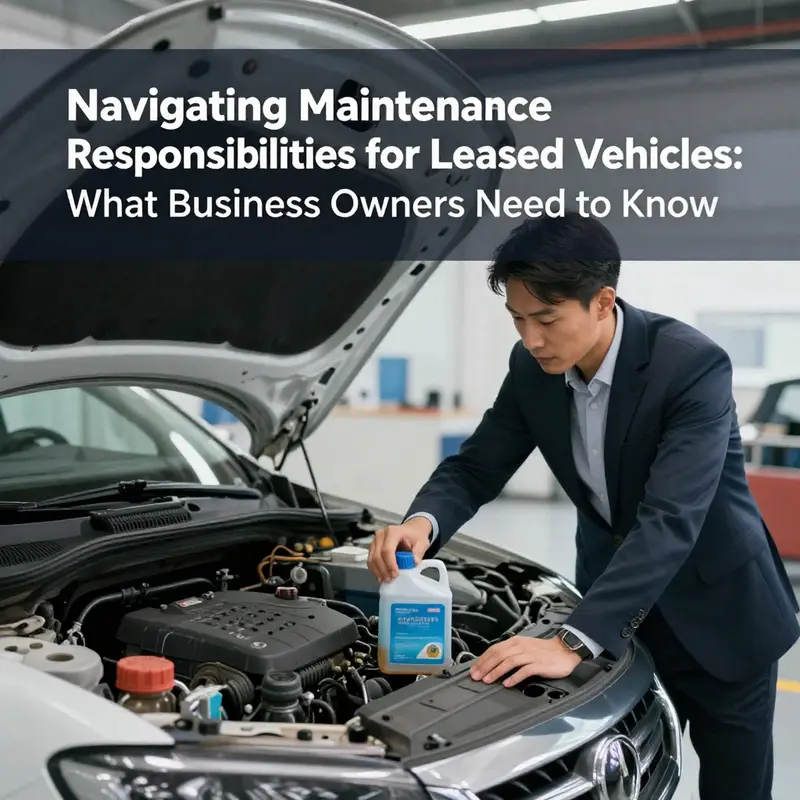
Maintenance responsibility is typically assigned to the lessee, not the lessor. You are expected to keep the car in good operating order, within the intervals laid out in the service schedule, and to address issues that arise from normal use. The vehicle remains the lessee’s obligation for safety, reliability, and value at the end of the term. Routine services such as oil changes, tire rotations, brake inspections, fluid top-offs, and filter replacements are part of your ongoing duties. These tasks may be addressed at a dealership or an independent shop, but many leases specify that servicing should align with the manufacturer’s recommended intervals and often within a network of approved service providers. The distinction between a regularly scheduled maintenance item and an unplanned repair is crucial, because it shapes how you budget, how you document, and how you defend against possible end of lease charges.
A careful read of the lease contract reveals what exactly is expected in your case. Some agreements include maintenance packages or prepaid plans that cover routine services for a defined period. Others may require you to bear the cost of wear items once a component wears out or deteriorates beyond the expected level. In some situations, the lease may explicitly prohibit repairs at non authorized shops or require that certain components be serviced only at certified service centers. This is why the single, most important step is not simply performing maintenance, but understanding the terms that govern it. The document often uses terms like normal wear and tear, excessive wear, and material damage, and it can define what happens if you ignore the intervals or fail to keep receipts. Those definitions matter because they translate into charges at the end of the lease, or even mid term in some cases.
As you navigate these obligations, think of maintenance not as a burden but as a process that protects your asset and your wallet. The mundane rituals of checking tire tread depth, monitoring fluid levels, and confirming that lights are functioning properly become part of a routine that steadies the car’s value. Tire care, for example, is not just about safety; it is a lever that affects wear charges and the overall assessment of the vehicle. Worn tires can trigger penalties if the lease terms specify tread depth minimums or if the wear is excessive beyond normal usage. The same logic applies to brakes; a squeal or reduced stopping power might trigger a diagnostic and reveal a wear pattern that the end of the lease inspection could interpret as excessive wear, unless it falls within the acceptable range. The car’s evolving condition reflects how you have treated it, and the lease is designed to reward consistent, proactive maintenance rather than last minute fixes.
One practical frame for managing responsibilities is to separate maintenance into two broad categories: routine servicing and condition management. Routine servicing aligns with the manufacturer’s service schedule and the dealership’s maintenance capabilities. It covers items that degrade predictably with mileage and time, such as engine oil, oil filters, air filters, cabin filters, brake fluid, coolant, battery health, and tire rotation. The condition management category addresses issues that can arise from everyday driving or from flaws in the vehicle’s components, such as a faulty sensor, a leaking seal, or a failing alternator. Even though these problems may appear episodic, the lease contract may still tie them to your obligation if they are the result of improper maintenance or neglect. This is where documentation becomes essential. Keeping a well organized log of services, including date, mileage, the provider, and the exact service performed, creates a clear narrative of compliance. It also makes it easier to resolve disputes if the end-of-lease inspection paints the vehicle as less than market ready.
To help readers avoid ambiguity, many leases require that maintenance records be retained and available for inspection toward the end of the term. The practice aligns with broader consumer protections that emphasize transparency in tenancy agreements, and it echoes the same logic that governs housing leases, where documentation of repairs and upkeep can prevent disputes. In fact, the parallels are instructive. Just as tenants and landlords are urged to document responsibilities to prevent friction, lessees and lessors benefit from a precise, accessible maintenance history that accompanies the vehicle through its journey. And, as a practical matter, this history can also assist in diagnosing the cause of a current issue, since past maintenance often informs the likelihood of component wear or failure.
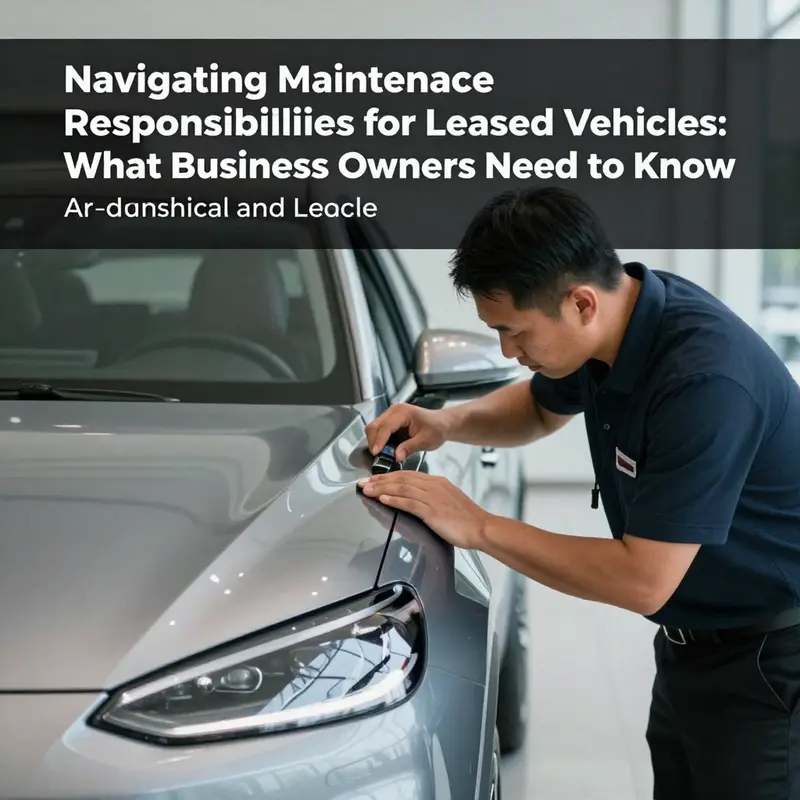
A working knowledge of wear and tear versus damage is essential. Normal wear and tear reflects what happens through regular use: micro scratches, light scuffs, slight tire wear from everyday driving, and minor imperfections that do not impair the vehicle’s safety or operation. Excessive wear, by contrast, goes beyond what would be expected for the lease term and mileage. Examples include deep dents, cracked windshield beyond repairable limits, broken mirrors, tires worn well past the safe tread threshold, or electrical issues that impair core functions. The end of lease charge is most often the result of a thorough assessment that compares the car’s condition to the baseline documented at delivery and to the mileage-adjusted wear expectations. Manufacturers and leasing companies often publish guidelines for what constitutes normal wear and tear, but the interpretation can vary by geography and by the exact terms of the contract. This is another reason why the initial reading of the lease cannot be postponed; it anchors your expectations and informs your maintenance choices.
Beyond the contractual and practical dimensions, there is the practical reality of who pays for what when something goes wrong. If a vehicle develops a mechanical failure while under the lease term that is not due to neglect or improper care, the lessor may still have an obligation to address it, particularly if the problem stems from a covered component in a maintenance plan or warranty. However, in many cases, the lessee bears the cost of repairs arising from normal wear and tear, which ordinarily do not constitute a breach of the lease. It is common for leases to specify that routine maintenance must be performed at designated service centers, and deviation from this requirement can complicate the end-of-lease assessment. The best way to avoid unpleasant surprises is to align every service with the contract’s expectations and to use a maintenance provider that can produce verifiable records of compliance. When the vehicle is returned, the inspection will scrutinize the service history, the condition of key components, and the alignment of tires with the wear patterns expected for the mileage.
For readers seeking a concise resource that explains who typically bears the maintenance costs in a lease, consider reading a focused article on this exact question. The answer depends on the lease’s terms and the quality of maintenance you maintain, but the guiding principle remains consistent: compliance with the contractual obligations protects you from avoidable charges. To explore this, read the article Who pays for maintenance on a leased vehicle. This concise guide complements the broader discussion here and can help you prepare before you sign or renew a lease.
In addition to the contractual and practical dimensions, there are strategic steps you can take to integrate maintenance into your overall lease management. The schedule should be realistic and aligned with your driving habits. If you drive long miles each week, you will want to prioritize maintenance tasks that protect the engine and the drivetrain. If you drive in harsh climates, you may need more frequent tire rotations and brake checks, and you might want to address potential corrosion or battery concerns that are accentuated by cold weather. The goal is not to chase perfection but to preserve predictable costs and to keep the car in a condition that will pass the end-of-lease inspection with minimal charges. Creating a simple calendar, setting reminders a month before service due dates, and keeping a folder with digital receipts can transform maintenance from a quarterly headache into a streamlined habit. It is not overkill to plan ahead; many end-of-lease charges are avoidable when diligence is applied to preventive care.
An additional layer of complexity arises when the lease includes a maintenance package or when the lessee has the option to purchase a maintenance plan from a third party. In some cases, prepaid maintenance reduces out-of-pocket expenses and offers peace of mind that services will be completed by authorized technicians using the correct specifications. When you consider a maintenance package, weigh it against the vehicle’s predicted usage, your likelihood of staying within the plan’s mileage and time windows, and any exclusions. The risk is paying for coverage you do not use or that does not align with the vehicle’s actual wear profile. Conversely, a well-chosen maintenance package can act as a budgeting tool, smoothing out cost volatility and protecting resale value by ensuring regular professional care.
The end-of-lease transition is a critical moment where the maintenance choices you made earlier become particularly consequential. Returning a vehicle that has been faithfully serviced and well maintained can reduce or even eliminate wear-related charges and can translate into a smoother negotiation for your next vehicle, whether you choose to lease again or to purchase. The return process often involves an inspection that assesses cosmetic condition, mechanical integrity, and the state of consumables like tires and brakes. By documenting maintenance, by staying within service intervals, and by using approved service providers, you increase the likelihood that the vehicle will be deemed ready for the next phase of its life.
There is also value in thinking about the relationship between maintenance and risk management. Driving a car with poor maintenance can raise the risk of unexpected failures, which in turn can lead to high repair costs, increased downtime, and possible liability if a failure leads to an accident. Even when you are not legally required to perform every maintenance task, the practical imperative is clear: a well-maintained vehicle reduces risk, protects your safety, and preserves your investment in the lease. The knowledge that you are meeting your obligations with care can also reduce stress during the inevitable maintenance conversations you will have with the leasing company or the dealership at the end of the term. When you approach maintenance with a plan, you are less likely to discover onerous charges at the point of return and more likely to enjoy a smoother transition into your next vehicle arrangement.
As this chapter ties back to the broader theme of lease responsibilities, it is worth considering how maintenance intersects with other lease terms we have discussed. If the agreement imposes penalties for excessive wear or charges for nonstandard repairs, a disciplined maintenance routine provides a margin of protection. Likewise, if the lease offers a warranty or service package that covers certain components for a specified period, understanding the scope and limits of that coverage allows you to maximize its benefits while avoiding gaps in protection. The calculus is not purely financial; it also touches time, convenience, and peace of mind. When you know what is required, what is included, and what would trigger additional costs, you are empowered to make decisions that align with your budget and your plans for future mobility.
For readers who are about to sign a lease or who are negotiating terms, a practical reminder: ask for a maintenance rider or a clear addendum that spells out service expectations. If the contract is ambiguous, request clarification in writing. A couple of phone calls or emails can prevent disputes later on. If you already have a lease, consider compiling a one-page summary of your maintenance responsibilities, highlighting service intervals, required wear items, and the process for reporting problems. This simple exercise can become the backbone of your ongoing car management strategy and can help you stay aligned with the contract you signed.
To wrap the practical threads together, the key to managing maintenance on a leased vehicle is structure, documentation, and proactive engagement. Build a routine around the service schedule. Keep receipts and service records organized, accessible, and easily shareable with lenders or inspectors if needed. Use reminder systems and calendar notes to anticipate due services. If a problem arises between scheduled services, address it promptly rather than deferring, because early intervention can prevent larger, more expensive failures. And finally, do not assume that maintenance is an optional add-on or a courtesy from the lessor; treat it as a core obligation that protects your safety, your finances, and the car’s value through every mile driven.
For readers who want a compact primer on the financial exchange involved in leasing and maintenance, this approach translates into predictable, manageable costs and a clearer path to the end-of-lease outcome. The maintenance responsibility, while clearly framed in the lease terms, also reflects a broader principle common across rental arrangements: responsibility for upkeep is a shared duty, but the party who is in control of the asset when used here, you, should carry the onus of keeping it in good shape. As you move forward, carry this mindset into every service appointment, every tire rotation, and every documentation checkout. The habit you cultivate today will shape the vehicle’s condition on return and will influence not only your next lease decision but your overall experience of owning or leasing mobility in the years ahead.
For readers who want to dig deeper into the legal framework around maintenance and tenancy more broadly, the HUD guidance on tenant information provides a useful reference point that transcends the specifics of a vehicle lease. You can consult the official HUD resource for more context on how maintenance responsibilities and tenant protections are framed in housing, which can illuminate the general logic of obligations, documentation, and dispute resolution that applies across rental agreements. While the contexts differ, the underlying principles of clear terms, timely action, and transparent records remain consistent and transferable to vehicle leasing as well. The HUD resource is available here: https://www.hud.gov/program_offices/housing/sfh/hudinfo/tenants.
This chapter continues to build toward a practical, usable framework for managing lease responsibilities without getting lost in the legal boilerplate. The next discussion will connect maintenance obligations to the broader question of how to evaluate lease terms before signing, ensuring that the contract aligns with your expectations about ongoing upkeep and end-of-term outcomes. In the meantime, remember that the most reliable predictor of a smooth lease experience is not the absence of trouble but the presence of a documented, disciplined maintenance routine that stays true to the letter of the agreement while safeguarding your road time and wallet.
null
null
Maintenance Responsibilities in a Leased Vehicle
When you lease a car, the responsibility for routine maintenance generally falls to the lessee, while the lessor provides the vehicle and at inception sets its basic condition. Following the manufacturer recommended service schedule is important because regular service protects safety, reliability, and can influence end of lease charges. Details vary by lease, and some agreements include maintenance packages that cover certain services while others require the lessee to pay. Keeping thorough service records helps demonstrate compliance during the return inspection and can shield you from penalties for excessive wear and tear. Neglecting maintenance can lead to penalties at lease end, warranty issues, and potential regulatory or safety problems. Understanding your lease terms, budgeting for regular service, and planning for end of lease costs are key to reducing surprises. The central idea is that proactive maintenance reduces financial risk, keeps the vehicle safe, and smooths the path from signing to return.
Final thoughts
In conclusion, understanding maintenance responsibilities for leased vehicles is crucial for business owners looking to mitigate risks and financial exposure. By staying informed about the obligations in lease agreements and adhering to maintenance schedules, you can enhance the vehicle’s longevity and ensure a smooth return process. Being diligent in these areas not only protects your financial interests but also contributes to a positive business reputation. Take charge of your leased vehicle maintenance to safeguard your investment effectively.