

For business owners, maintaining a fleet of vehicles is vital not just for efficiency, but for ensuring safety and reliability. Routine maintenance inspections can significantly mitigate risks and prevent unexpected breakdowns. This guide unveils the structured approach to inspecting your vehicles systematically, beginning with pre-drive visual checks, progressing to weekly assessments, and culminating in periodic professional maintenance. Each chapter elaborates on methods to enhance the durability and performance of your vehicles, ensuring they remain reliable assets for your business.
Seeing Before the Road: The Pre-Drive Visual Check as the Quiet Engine of Vehicle Maintenance

The pre-drive visual check is more than a passing glance before you head out. It is a calm, deliberate ritual that roots safety in daily practice and shapes the reliability of the journey ahead. When a driver steps to the vehicle, the world outside waits, but the first moment of contact—checking the car’s exterior, its lights, its tires, and the fluids—sets the tone for how the machine will respond. This is not a showy diagnostic; it is a grounded, practical test that acknowledges both known issues and the small, evolving signs that hint at hidden trouble. In the broader arc of routine maintenance, the pre-drive visual check acts as the frontline defense, the daily checkpoint that catches minor weaknesses before they become costly, safety-threatening failures. It is the quiet engine behind the more visible maintenance schedule, the daily guarantee that the car you rely on will behave as expected, whether you are commuting to work, delivering goods, or simply enjoying a weekend escape.
This chapter invites the reader to see the pre-drive visual check as a cohesive act—part inspection, part responsibility, part forecast. It is the moment when a driver converts observation into action. A careful walk around a vehicle reveals not only what is present but what is absent—the absence of a crack in the windshield, the absence of a tire that looks underinflated, the absence of a leak that could spell trouble within hours or days. The practice integrates observation with memory and planning. The driver recalls the vehicle’s recent performance, notes any unusual noises or vibrations noted on previous trips, and weighs those observations against what the vehicle is telling them on this particular morning. The result is not merely a safety check; it is the bridge between momentary awareness and long-term maintenance, a bridge that car owners and fleet operators alike depend on to minimize downtime and maximize uptime.
At its core, the pre-drive visual check demands a balance between caution and practicality. You begin with a visual sweep of the exterior, a walk that reads like a quick weather report for the car. Dents and scratches tell stories of encounters with curbs, door dings, or unexpected obstacles. A cracked window or a misaligned headlight is a sharp signal that immediate attention is needed. The exterior inspection naturally leads you to inspect the tires, because tires are the republic of safety on the road. Worn treads betray themselves in the form of reduced grip, longer stopping distances, and compromised performance in wet or icy conditions. A tire that shows bulges or bulging sides is a silent warning about a possible blowout. The tread depth—often invisible in a casual glance—needs a more considered look. If the grooves have worn down toward the minimum, the vehicle’s capacity to hold traction is diminished, and in that moment, a change in plan or route may be prudent rather than risky.
The pre-drive visual check extends to the vehicle’s lighting and signaling system, an area where the consequences of neglect are immediate and visible. Turn signals, brake lights, and headlights are not decorative features; they are the language by which drivers communicate intent and danger to others on the road. A non-functioning light is not merely an inconvenience; it is a blind spot that can invite miscommunication and misinterpretation, increasing the likelihood of an accident. The driver’s responsibilities extend to the glass and mirrors, where cracks and chips can propagate with vibrations, temperature changes, or road grit. Small fractures may appear harmless at dawn, only to grow into pervasive visibility issues during a night drive or a rainstorm. Each element—lamp, lens, housing—deserves a careful, discerning look.
Inside the vehicle, the visual check carries through to the interior life of the car—the seatbelts that should retract smoothly, the dashboard that should illuminate with appropriate warning codes only when required, and the general condition of the cabin that reflects how the vehicle has been treated. A wandering or loose interior component can rattle into a bigger problem if it distracts a driver at a critical moment. A quick check that the instrument panel is clear of warning lights can prevent a scene in which a driver discovers a fault only after it has already compromised performance. Beyond the obvious indicators, the pre-drive routine invites the driver to sense the environment around the vehicle. A faint but persistent odor may signal a leak or overheating; a slight vibration or pull might hint at alignment issues or tire imbalance. In short, the pre-drive check is a microcosm of diagnostic reasoning: it begins with the eye, extends through touch and sound, and ends with a decision about whether to proceed, adjust plans, or seek professional help.
A reliable routine also considers fluids, the lifeblood of mechanical function. The basic, quick fluid checks—engine oil level and condition, coolant in the overflow reservoir, and the windshield washer fluid—are not merely maintenance steps; they are indicators of the vehicle’s internal health. A dipstick reading that sits at or near the minimum line invites a more cautious approach, signaling that the vehicle may require service or a top-up before the next journey. The coolant level, checked when the engine is cold, addresses a potential overheating risk that could strike suddenly during a hot day or a long climb. A low washer fluid reservoir might be more than a nuisance; it can reduce visibility when dirty spray becomes a distraction rather than a help. The windshield, with its critical role in driver visibility, deserves particular attention for chips or cracks. Small damages can spread, compromising vision during a storm or at night, and addressing such issues early is a straightforward, low-cost precaution.
This daily habit is also a moment to acknowledge the growing role of digital tools in routine checks. A DVSA-compliant digital inspection system—implemented through a smartphone app in many fleets and households—transforms the act of inspection from a paper checklist into an auditable, timestamped record of observations. The app guides the driver through a standardized sequence, prompts for photos when damage is present, and stores these images with clear location markers. The ability to capture photographic evidence at the moment of discovery eliminates ambiguity, supports rapid repairs, and creates a verifiable trail for maintenance teams or insurers. Real-time reporting ensures that fleet managers or household maintenance organizers receive alerts the moment a fault is identified, enabling faster decision-making. The digital layer does not replace the sensory and judgment-based aspects of the check; it elevates them, converting subjective observations into objective data that can be acted upon with confidence.
The integration of digital tools brings a broader value to the routine. It makes the pre-drive check a learning process as well as a guardrail. For fleets, the accumulation of inspection data over time reveals patterns—recurrent tire wear on a specific route, recurring moisture around a particular engine bay area, or a cluster of similar minor leaks that may point to a developing mechanical condition. These insights can recalibrate maintenance schedules, inform driver training, and drive improvements in vehicle design and component selection. A culture that treats pre-drive checks as a measurable, data-driven activity tends to produce fewer roadside failures, fewer delays, and safer roads for everyone. This shift from a purely personal discipline to an organizational process aligns daily habits with long-range goals: safer operation, reduced downtime, and better fuel economy through well-maintained tires, brakes, and systems.
When the pre-drive visual check is discussed in the context of the broader maintenance routine, it becomes clear that the habit does not exist in isolation. It is the daily touchpoint that connects planning with execution. Weekly checks extend the same scrutiny to deeper systems, such as engine oil condition and belt wear, while monthly checks expand into a more thorough assessment of tires, brakes, battery health, and undercarriage integrity. The pre-drive check feeds into these layers by highlighting issues that deserve more extensive examination. If a leak is spotted beneath the engine, for instance, it is not merely a concern for the moment; it is a signal that triggers a more detailed inspection by a professional. The routine becomes a continuous loop rather than a collection of discrete tasks, a cycle in which observation, action, and verification reinforce one another. A driver who commits to this cycle contributes to a safer driving environment, reduces the chance of unexpected breakdowns, and protects the long-term value of the vehicle.
To understand the broader impact of the pre-drive visual check, consider its educational value. For new drivers, the routine teaches attentiveness, disciplined habits, and the importance of proactive care. For experienced operators, it provides a framework for evaluating wear patterns, tracking changes over time, and coaching others. The language of the check—what to look for, how to document it, and when to escalate—becomes transferable knowledge. In fleets, this shared understanding supports consistent maintenance practices across drivers, vehicles, and routes. It turns what could be seen as a routine chore into a shared responsibility that emphasizes safety, accountability, and reliability. The resulting culture is less about catching people in mistakes and more about empowering people to prevent problems before they appear, a shift that benefits every stakeholder—from drivers to managers to passengers.
A critical aspect of the modern pre-drive visual check is its adaptability. It works just as well on a simple family sedan as it does on a growing fleet of delivery vans. The steps are intuitive, the observations straightforward, and the decisions clear. The core principle remains constant: start with what can be seen and heard, then consider what might be hidden or developing. A disciplined driver will not chase a perfect, flawless vehicle every morning; instead, they will acknowledge minor variations and respond with measured action. They understand that maintenance is a continuum, not a checklist that ends with the last completed item. When a small crack appears in a headlight or a tire shows a slight shoulder wear, the prudent driver makes a note, files the information into the digital record, and plans the next step—whether that means a quick top-up, a repair, or a scheduled service. This approach preserves the vehicle’s integrity while avoiding unnecessary downtime, a balance that is at the heart of any successful maintenance strategy.
For readers familiar with the broader topic of vehicle care, this approach reinforces a key idea: the path to reliability begins with simple, repeatable actions. The pre-drive visual check is not an exotic diagnostic method but a practical, everyday habit that supports all other maintenance activities. It complements the more in-depth inspections that occur on a monthly or annual basis and makes those deeper checks more efficient because they are informed by precise, up-to-date information. If the larger maintenance narrative asks us to plan ahead, the pre-drive check answers with immediate, actionable clarity. It asks nothing more than attention, responsibility, and a willingness to stop and look before turning the key. The cumulative effect of countless daily checks is a car that communicates less with surprise and more with predictability, delivering safer travels and a more confident driving experience.
This perspective also resonates with the broader goal of responsible vehicle ownership: building a habit that supports regulatory compliance and safety outcomes. In many regions, fleets and individuals are required to maintain records of inspections and to ensure that vehicles meet minimum safety standards. A digital inspection system helps meet those obligations by creating traceable, auditable evidence of daily checks and findings. The driver’s declarations, photos, timestamps, and the reporting interface together form a transparent record that can be reviewed by maintenance teams, insurers, or auditors. The pre-drive visual check, when performed consistently, becomes a cornerstone of compliance, not a nuisance to be managed. It embodies a proactive stance toward road safety and vehicle stewardship, aligning personal diligence with organizational standards and public expectations.
Ultimately, a well-executed pre-drive visual check embodies a philosophy of care. It recognizes that driving is not merely about reaching a destination but about preserving the vehicle’s ability to perform reliably on that journey. It is a simple, daily expression of respect for the car, for other road users, and for the people who rely on the vehicle every day. When this habit is practiced in earnest, it expands beyond the driver’s seat to the workshop, the fleet office, and the conversation about maintenance as a continuous, collaborative enterprise. In this light, the pre-drive visual check becomes more than a routine—it’s a discipline that sustains safety, efficiency, and trust on the road.
For readers seeking a concise synthesis of the broader concept, this daily ritual can be summarized as follows: begin with a careful exterior survey, confirm lights and signals, inspect tires for wear and pressure, check for leaks and fluid levels, and scan the interior for safety-related issues. Record any anomalies, capture evidence if needed, and decide whether the vehicle is fit to proceed or requires attention before departure. This approach ties directly into the larger maintenance framework, where weekly and monthly checks deepen the diagnosis and professional service ensures more involved interventions. The result is a vehicle that remains dependable through a repeating, disciplined practice rather than through occasional, reactive maintenance.
In the larger arc of this article, the pre-drive visual check stands as the first act in the maintenance drama. It is the moment when observation meets judgment and action follows. It is a discipline that empowers drivers to participate in the care of their vehicles actively, transforming routine checks into meaningful stewardship. The chapter that follows broadens the lens to show how weekly and monthly checks build on this daily foundation, creating a comprehensive maintenance ecosystem that keeps vehicles safe, efficient, and ready for the road ahead. As a closing consideration—but not a conclusion—the habit of looking before you drive is a practical moral choice, a commitment to safety, and a smart investment in the longevity of the machine we lean on every day. For anyone aiming to connect daily practice with long-term outcomes, embracing this pre-drive ritual is a straightforward, highly effective starting point.
To connect this practice with practical knowledge, readers can explore broader discussions about maintenance by considering the question, What is vehicle maintenance? This provides a foundation for understanding how the daily pre-drive check integrates with longer-term service intervals and component care. What is vehicle maintenance?
External resource for further context on digital inspection standards and practices: https://www.predrive.com
A Steady Pulse: The Week-By-Week Rhythm of Vehicle Wellness Within Routine Maintenance
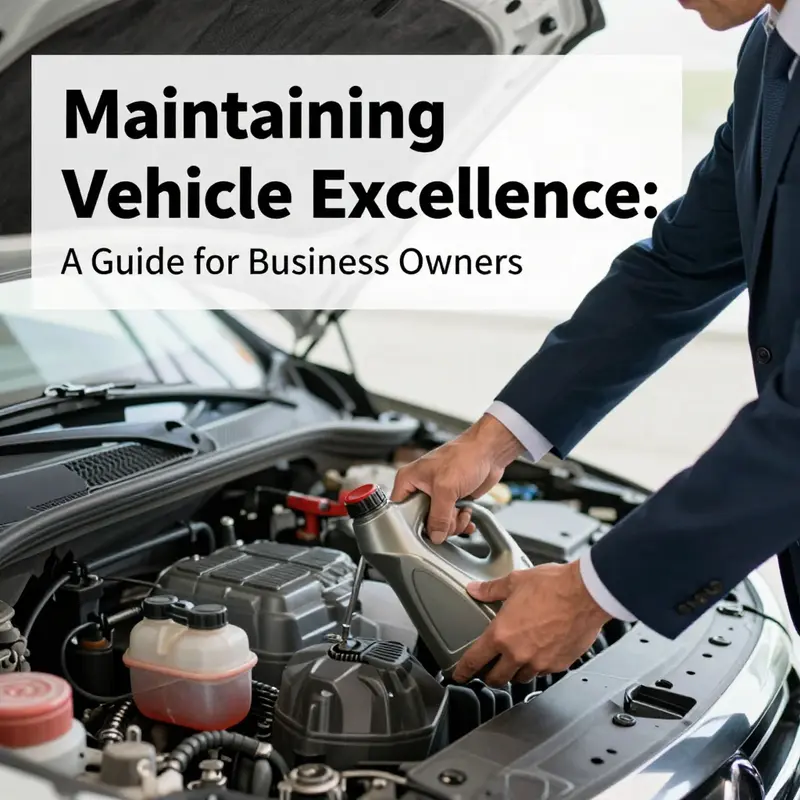
A steady pulse runs through a car’s life, a weekly inspection that sits between the everyday vigilance of a quick pre-drive check and the more formal service that arrives with the schedule. This rhythm isn’t about fear of failure; it’s about stewardship, clarity, and consistency. When a driver treats maintenance as a regular practice rather than a task to be completed, the vehicle reveals its reliability through smooth starts, stable handling, and predictable response. The weekly check becomes less a chore and more a quiet routine that keeps the car honest about its condition while giving the owner a confident sense of what is working and what might soon need attention. It is, in essence, a conversation with the automobile, conducted in a calm, recurring cadence that reduces surprises on the road and protects the pocketbook from preventable problems.
The logic of weekly inspection rests on the same premise that underpins any disciplined maintenance plan: small, early observations can prevent big, disruptive failures. A modern vehicle is a complex machine with many moving parts, each dependent on another for good performance. The week-long interval gives just enough time for normal wear or fluid shifts to become noticeable while still being short enough to catch issues before they metastasize into safety risks or costly repairs. This approach also harmonizes with daily habits. The driver who makes time for a quick, purposeful walk around the vehicle after a day’s use or before a weekend trip creates an ongoing feedback loop. Visual cues—an extra sheen of moisture on the ground, a faint damp smell near the engine bay, a loose belt that didn’t rattle yesterday—can be confirmed or dismissed with a few minutes of careful observation. In that sense, weekly checks are not an isolated ritual; they are the bridge between instinct and evidence, the moment when experience and data meet on the road.
A practical weekly inspection is anchored in a few core domains that rarely surprise, but when neglected, tend to sneak up as inconvenient failures. The first is the obvious yet often overlooked realm of safety-related items. Seat belts, not just their latches but their webbing for fraying or twisting, deserve a quick test. A seat belt should retract smoothly, restrain firmly when pulled, and not reveal any wear that might compromise its integrity. The same careful attention extends to lighting and signaling. The exterior lights—headlights, tail lights, brake lights, and turn signals—should illuminate with steady brightness, illuminate the edges of the road, and communicate intent clearly to other road users. Even a minor malfunction, such as a dim bulb or a loose connector, can degrade visibility or mislead other drivers. The routine check thus becomes a safeguard against moments when visibility and signal clarity make the difference between a routine drive and a risky one.
Tires anchor this weekly audit in the most tangible way. Pressure checks are foundational; a tire kept at the recommended PSI improves handling, reduces rolling resistance, and enhances fuel economy. A weekly moment can reveal slow leaks or shifts in pressure that may have occurred during a drive or overnight. A visual scan for uneven wear, sidewall damage, or punctures complements the pressure check. The tread itself is a barometer of road readiness; while a monthly or quarterly deep dive might measure tread depth with a gauge, the weekly routine includes a quick glance for abnormal wear patterns that could indicate alignment issues, improper inflation, or suspension concerns. The spare tire, too, deserves a moment of attention: its presence, its inflation, and its readiness in case of a roadside need form part of the vehicle’s safety net, even if the spare rarely leaves its cradle.
Brakes occupy a central position in any discussion of weekly checks. A vehicle’s ability to stop reliably is nonnegotiable, and the weekly rhythm provides an opportunity to observe the system’s health without the pressure of an urgent repair scenario. While professional testing and measurement occur in a shop, the driver can perform a basic, safe assessment: listen for changes in brake pedal feel, check for unusual vibrations during braking, and inspect the visible portions of the brake pads through the wheel openings. If a pad appears visibly thin or a rotor shows grooves or visible scoring, it is time to seek professional care. Although the internal wear of rotors and pads can be beyond casual inspection, the sense that something has changed—an increase in pedal travel, a softer bite, or a growling sound on heavy braking—can be enough to trigger a scheduled service before a failure occurs.
The engine bay is the engine of the weekly inspection itself. Fluid levels—oil, coolant, transmission fluid, power steering fluid, and brake fluid—offer essential clues about the health of the vehicle’s core systems. A cool-down period is important when checking fluids like engine oil, which should be measured after the engine has rested. The oil’s color and consistency tell a story: amber and smooth suggests healthy lubrication, while a dark, sludgy appearance can indicate contamination or long intervals between changes. The coolant level in the overflow reservoir should sit within the marked range when cold, and the transmission fluid’s color and smell (for automatic transmissions) can reveal frictional heat or aging. Power steering and brake fluids, less frequently checked in casual routines, also play a role in steering response and braking performance. A weekly cadence encourages drivers to become familiar with what is normal for their vehicle and to notice deviations that might signify leaks, hose wear, or a failing seal.
Beyond the fluids, the weekly check extends to the safety and support systems that keep occupants secure. A quick survey of safety equipment—where present—ensures fire extinguishers, first-aid kits, and reflective safety vests are accessible and in good condition. Even if these items do not actively affect the vehicle’s mechanical performance, their readiness is part of the broader safety picture. Windshield wipers deserve a moment of attention as well: blade condition, streaking, or chattering can compromise visibility in rain or snow, and swapping worn blades is a small but significant improvement in driver confidence.
The routine also invites a broader sensory scan. Listening for unusual noises—softer creaks, a squeal at low speeds, a faint thump when driving over a bump—can signal a developing issue with suspension components, drive belts, or wheel bearings. A weekly check becomes a habit of listening as much as looking. A visual inspection of hoses and belts—cracks, fraying, glazing, or excessive slack—completes the belt-and-helt picture. Though a belt with a visible fault warrants immediate attention, minor signs of wear can still be monitored and scheduled for service at the next appropriate interval, avoiding unexpected downtime.
Underneath the vehicle, the weekly inspection quietly looks for leaks and drips. A vehicle left parked on a level surface can reveal fresh or old drips that tell a story about the engine, transmission, or differential. Finding a small trace of oil or coolant after a drive should prompt a closer look, a top-up if needed, or a professional inspection if the source remains unclear. The habit of checking underneath the car after parking reinforces the practice of looking for issues where they often begin: at the seams of components that work under pressure and generate heat, vibration, or friction over time.
To make this weekly rhythm effective, drivers benefit from a light, repeatable routine rather than a long, laborious examination. A quiet, well-lit space helps, as does a small toolkit that includes a decent flashlight, a tire pressure gauge, a dipstick with a clean rag, and a note pad or digital log to record results and any actions taken. In practical terms, the weekly check becomes a story told in a few sentences: tire pressure is within spec, no leaks detected, brake pads still thick enough, oil level at the upper end of the safe range, coolant stable, wipers clearing the windshield, no abnormal noises. Recording these observations helps track trends over time. If a pattern emerges—progressively lowering oil levels, or a creeping rise in coolant temperatures—the owner can adjust maintenance plans or schedule professional care with confidence.
This weekly cadence is not an isolated habit; it aligns with a broader philosophy of maintenance that treats the vehicle as a living system rather than a collection of separate parts. The weekly inspection complements the daily pre-drive walk-around, reinforcing awareness and building a knowledge base that grows with each mile. It also echoes the broader idea that maintenance is a continuous investment. Regular checks, performed with prudence and care, translate into safer driving, better fuel efficiency, and longer life for the vehicle’s essential systems. The habit reduces the likelihood of sudden failures by catching small issues early, precisely when they are most affordable to fix. As a result, the weekly inspection becomes a cornerstone of responsible vehicle ownership, a practice that supports not only safety but also financial peace of mind over the vehicle’s lifetime.
For readers seeking a broader framework, this approach resonates with the idea that maintenance is more than a list of tasks. It is a stance toward a vehicle’s well-being—an ongoing relationship built on observation, documentation, and timely action. The weekly checks, though they may seem modest, are a disciplined expression of that relationship. They cultivate intuition in the driver and clarity in the ownership experience, transforming routine maintenance from a burdensome obligation into a dependable habit that keeps the car ready for the road ahead. In this way, the weekly inspection is a practical hinge between daily care and professional service, bridging personal oversight with expert guidance to sustain performance and safety across the life of the vehicle.
To connect this practice with a broader understanding of maintenance, readers can explore the concept of maintenance itself through the lens of a general guide that frames vehicle care as ongoing stewardship rather than episodic fixes. What is vehicle maintenance outlines how routine checks, regular fluid top-ups, and timely replacements contribute to overall reliability and efficiency. This perspective reinforces the weekly inspection as a fundamental, persistently valuable habit rather than a one-off task or a nuisance.
The weekly checks, while detailed enough to be meaningful, are designed to be adaptable to different vehicle types, climates, and driving patterns. They should be performed with care and honesty, acknowledging that some days may reveal nothing problematic, while other days may surface subtle signs that warrant attention. The goal is to maintain a stable baseline of operation, where the vehicle’s behavior remains predictable and the owner’s confidence remains high. Over time, the practice develops a quiet fluency: recognizing when a sound is ordinary and when it is not, noticing shifts in pedal feel or steering response, and understanding how routine maintenance interacts with weather, road conditions, and driving style. In adopting this cadence, drivers invest in longevity and safety without surrendering spontaneity or enjoyment of the open road.
As with any discipline, there is room for refinement. The weekly ritual can be supported by a simple, consistent record-keeping method that notes the date, observations, and any corrective actions. If a pattern emerges, the entries themselves become a mini-education, guiding decisions about more frequent checks in certain areas or scheduling professional service for items that consistently drift out of spec. The discipline of documentation turns a subjective sense of “feels fine” into an objective log that can be reviewed or shared with a technician when needed. It also creates a personal history that is valuable for aging vehicles, fleet operations, or situations where maintenance history matters for resale value and trust in the vehicle’s reliability.
The weekly inspection thus serves multiple purposes at once. It protects safety by ensuring that critical systems remain reliable, it preserves performance by maintaining proper fluids and tires, and it secures value by reducing the risk of major, costly repairs. It aligns with a mature understanding of vehicle ownership, one that favors regular attention over episodic fix-or-replace decisions. And it does so in a manner that remains accessible to most drivers: a modest investment of time, a straightforward set of checks, and a mindset oriented toward steady, proactive care. In this light, the weekly inspection is less a ritual of obligation and more a practice of stewardship—an ongoing commitment to keeping the wheels turning smoothly, safely, and efficiently for as long as the vehicle serves.
For readers who want to anchor this practice in a broader professional context, note how even industry-guided weekly inspections emphasize both thoroughness and practicality. The sequence of checks—from seat belts to undercarriage—mirrors the way many guidelines approach routine health for machines: start with the obvious and safety-critical, then move to supporting systems, and finally scan for subtle signs that could indicate a developing issue. This cadence makes the weekly inspection compatible with both personal ownership and fleet management, providing a versatile framework that respects time constraints while delivering meaningful value. The emphasis remains clear: consistent, attentive observation, paired with timely action, is the most reliable route to long-term vehicle health.
In conclusion, the weekly vehicle inspection is a disciplined, practical habit that embodies the essence of routine maintenance. It does not claim to replace professional service or diagnostic testing, but it does offer a powerful early-warning mechanism that protects safety, performance, and investment. It invites the driver to be an active participant in the vehicle’s life, cultivating awareness and responsibility that pay dividends every time the car answers a call to the road. And so this weekly rhythm continues, a steady heartbeat that keeps the journey secure and steady, mile after mile.
External resource for standards and guidance: FMCSA Vehicle Inspection Guidelines. https://www.fmcsa.dot.gov/regulations/vehicle-inspection
The Heartbeat of Routine Maintenance: Periodic Professional Care Within a Vehicle Inspection
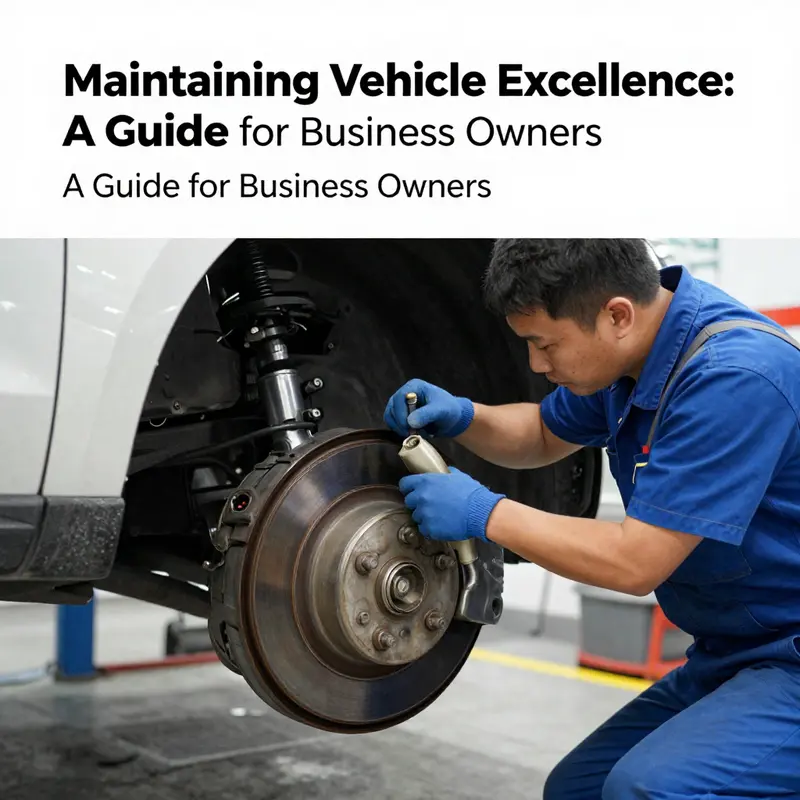
Periodic professional maintenance sits at the center of a well-rounded routine vehicle inspection. It is the scheduled, in-depth care that technicians perform at defined intervals to complement the quick, every-day checks a driver can do alone. When a vehicle owner understands this layer of maintenance, the inspection stops feeling like a chore and becomes a disciplined practice that preserves safety, reliability, and value. The goal of professional maintenance is not merely to replace worn parts on the day they fail; it is to anticipate issues before they become limiting problems, to restore and optimize performance, and to provide a clear, expert assessment of the car’s condition. In the chapters that precede this one, you learned how to conduct a quick pre-drive visual check and how to perform weekly and monthly observations. Here the conversation deepens, turning attention to the periodic, professional touch that sharpens that routine into a dependable maintenance cycle.\n\nThe rationale behind periodic professional maintenance rests on a simple truth: cars are complex machines with many systems that interact in nuanced ways. Manufacturers publish service intervals based on lab testing, real-world experience, and safety considerations. Technicians translate those recommendations into hands-on work, using calibrated tools and diagnostic equipment to measure not just whether a part is functioning, but how well it is functioning under the stress of daily use. The interval, commonly every 5,000 to 10,000 miles or according to the maker’s schedule, is not just a number. It is a rhythm that keeps lubrication, cooling, and load management aligned with the engine’s demands, the transmission’s needs, and the braking and steering systems’ safety margins. In practice, this means a professional inspection is a structured audit that confirms the basics—oil on the correct level and in good condition, fluids that remain within prescribed ranges, and sensors and actuators that respond consistently—while also probing deeper for hidden wear and emerging faults.\n\nOil and filter changes, for example, epitomize the preventive ethos of professional maintenance. Fresh oil reduces friction, dissipates heat, and preserves engine parts that endure billions of motion cycles. A new filter complements this by removing particulates that accumulate with use. The practice is not merely about oil color or level, though those indicators are useful; it is about the chemistry and viscosity that govern lubrication under loads. A technician will confirm the oil’s appearance, measure its level, and verify that the filtration system is intact. They will also check for signs of fuel dilution, coolant intrusion, or contamination that could hint at a broader issue. The result is not only smoother operation but also a reduced likelihood of scuffing and wear that could lead to higher fuel consumption, reduced performance, or more dramatic failures later on.\n\nThe brake system, too, undergoes a comprehensive professional review that extends beyond a quick visual glance. The pads, discs, and hydraulic components are tested for thickness, wear patterns, and the presence of any glazing or cracking. A trained eye can discern subtle signs of rotor distress, such as grooves that exceed a quarter of a millimeter or an uneven wear profile that hints at alignment or suspension concerns. In practice, this means measuring pad depth with care and evaluating the rotors for runout and smoothness. The technician also assesses the brake fluid’s condition, looking for moisture content and the point at which boiling could occur under heavy use. The outcome of this scrutiny is often an early recommendation to replace pads or service rotors before braking performance deteriorates or heat-induced issues compromise safety. The effect on safety cannot be overstated: brakes that work consistently at the outset are the brakes you want when an emergency stop is required.\n\nFluid level and condition form another cornerstone of periodic professional maintenance. Coolant, transmission fluid, power steering fluid, and brake fluid all demand careful attention because their performance depends not only on quantity but also on quality. Coolant must resist freezing or boiling, maintain corrosion protection, and sustain proper heat transfer in varying climates. Transmission fluid plays a dual role as a lubricant and a hydraulic medium that governs gear engagement and shift quality. Over time, transmission fluid can degrade in color and viscosity, signaling oxidation or contamination that reduces efficiency or can lead to slipping and overheating. Power steering fluid, which has a similar fluid-dynamics purpose, benefits from inspection of its color and clarity, as well as a check for leaks in hoses and connections. Each fluid has its own service window, and a professional will recommend replenishment or replacement in line with the manufacturer’s specifications. When done properly, these checks contribute to consistent shifts, responsive steering, predictable cooling, and a more reliable engine startup in demanding conditions.\n\nTire examination receives a thorough professional treatment during periodic maintenance. While regular tire pressure checks are a routine DIY task, a professional inspection goes further. It includes a measured assessment of tread depth and distribution of wear, an evaluation of tire sidewall integrity, and verification that the tires pair with the vehicle’s load requirements and driving typicalities. A technician will also confirm that tire rotation aligns with wear patterns and discuss alignment if you notice pull, vibrations, or unusual tire wear that does not mirror steering input. A balanced approach to tires improves grip, handling, and fuel efficiency, while uneven wear or underinflation can compromise stability and braking. Beyond the tires, the technician will review the spare and its condition, ensuring essential capabilities remain available when needed. The overall effect is a smoother ride, better cornering confidence, and a lower risk of a roadside incident caused by tire failure.\n\nSuspension assessment and the belt-and-hose inspection are often quiet, meticulous processes, yet they have outsized impacts on comfort and reliability. The suspension system—comprising shock absorbers, struts, springs, and associated components—deserves careful evaluation for signs of wear, leaks, or loss of damping efficiency. A professional can test for excessive bounce, unusual noises, or a compromised ride quality that reveals deeper issues in bushings or control arms. When these components are not functioning well, they can affect steering precision and tire contact with the road. Similarly, belts and hoses are critical lifelines in the engine bay. Cracks, fraying, or glazing signals impending failure, which could strand you at an inopportune moment. The professional checks these components, not just for immediate risk, but for predictability of performance and to prevent unplanned downtime. Addressing a failing belt or a cracked hose before it fails can save money, avoid engine overheating, and shield the vehicle from a hazardous breakdown.\n\nThe function of lights and safety systems also falls under periodic professional maintenance. A technician confirms that headlights, taillights, brake lights, turn signals, and daytime running lights operate correctly, then checks wipers, windshields, and visibility aids. In an age where electronics and software increasingly govern safety, professional checks routinely include test routines for sensors and assistive systems. If a vehicle is equipped with advanced safety features, technicians verify the inputs these systems rely on and calibrate where necessary. The aim is simple: ensure that when you rely on these systems for protection, they perform consistently under real-world conditions.\n\nThe professional maintenance visit unfolds as a carefully choreographed sequence rather than a list of tasks. It typically begins with a documented review of the vehicle’s history and a baseline check of fluids and components visible at the outset. The technician then proceeds to diagnostic work, measuring pressures, temperatures, electrical resistance, and fluid condition. Tools such as diagnostic scanners, pressure gauges, and moisture meters provide objective data that supports or refutes the technician’s initial impressions. A key aspect of this phase is the interpretation of data within the context of how the vehicle is used—daily commuting, heavy towing, or frequent short trips can all influence wear patterns and service intervals. The results are then discussed with the owner, framed in plain language, with clear recommendations and rationale. If an issue is found, the plan might include an immediate repair, a replacement timeline, or a maintenance action designed to mitigate risk while balancing cost and downtime.\n\nTo make sense of this rhythm, drivers should approach a periodic professional maintenance visit as a collaborative partnership. Ahead of the appointment, gather service records, note any symptoms you’ve observed, and list questions you want answered. Clear communication helps the technician tailor the inspection to your vehicle’s history and how you drive it. During the visit, be prepared for a thorough walk-through of findings, with a transparent explanation of what is being replaced or serviced and why. It is natural to feel overwhelmed by technical details, but a good technician will bridge that gap with straightforward explanations, diagrams, and practical implications for day-to-day driving. After the work is completed, ask for a written summary that includes the service performed, parts replaced, any parts that remain in good condition, and recommendations for the next interval. This record becomes not only a reference for your future maintenance but a valuable reference point if you decide to trade or sell the vehicle.\n\nIn this broader context, periodic professional maintenance functions as the keel that steadies the larger routine maintenance voyage. The quick daily checks and weekly/ monthly verifications you perform are the sail and lines that keep things moving on a calm day. The professional service is the hull and ballast that preserve stability when seas turn rough. Together, they form a continuous loop, translating manufacturer recommendations into actionable care and turning a car into a dependable companion. The theme here is predictability. Predictable maintenance schedules, predictable part wear, and predictable repair costs add up to a vehicle that reliably starts, runs smoothly, and safely slows or stops when you need it most. This predictability extends beyond the car itself; it reduces the stress and uncertainty that accompany unexpected breakdowns, and it helps you budget for maintenance with greater confidence.\n\nThe practical takeaway is straightforward. Treat periodic professional maintenance as the heartbeat of your vehicle’s health. It is the anchor that keeps you aligned with maker specifications, safety standards, and real-world performance. It is the engine of reliability, the shield against breakdowns, and the safeguard for your investment. If you want to explore the philosophical and practical underpinnings of what maintenance means in a vehicle, see What is vehicle maintenance? This resource grounds the conversation in a broader framework of responsibility, planning, and informed decision-making. As you incorporate this approach into your routine, you will notice not only fewer surprises but also the satisfaction of knowing that your car remains aligned with the conditions under which it was designed to operate.\n\nFor readers who wish to broaden their understanding beyond the local shop visit, the National Highway Traffic Safety Administration offers authoritative guidance on vehicle maintenance. Their resources emphasize the safety dimension of routine upkeep, the importance of regular inspections, and the preventive mindset that underpins responsible ownership. Engaging with credible standards and official recommendations reinforces the mindset that maintenance is not a one-off event but a continuous discipline that protects people and prolongs vehicle life. This chapter has outlined the core components and the operational flow of periodic professional maintenance, while the broader corpus of guidance exists to support you in applying these principles across different makes, models, and driving conditions. By internalizing the routine and committing to scheduled, professional care, you can transform maintenance from a dreaded obligation into a disciplined, value-enhancing habit.\n\nAs you move forward, consider how your own vehicle’s manual translates into a maintenance calendar that pairs with your driving reality. If your climate involves extreme temperatures, frequent heavy loads, or long highway runs, your intervals may shift to accommodate higher thermal stress, engine load, and wear on braking components. Likewise, if you own a vehicle with advanced driver-assistance features, periodic professional maintenance should include calibration and software updates to ensure the sensors read the world accurately. The core idea remains constant: professional maintenance is a proactive shield, not a reactive afterthought. It complements the pre-drive checks, weekly/ monthly verifications, and monthly deep dives, wrapping the entire routine in a layer of professional scrutiny that translates to safer roads, smoother operation, and longer vehicle life.\n\nTo close this segment with a sense of coherence and continuity, let the cadence of professional maintenance anchor your overall approach. The next chapter will pivot to how owners interpret service findings and translate them into action—prioritizing safety, performance, and value. In the meantime, reflect on the way each service interval aligns with your vehicle’s design philosophy and your own driving patterns. When you see maintenance as a partnership with your car, rather than a cage of obligations, you unlock a more confident, capable relationship with the road. For a foundational perspective that reinforces this mindset, read the linked piece on What is vehicle maintenance? and bring that understanding into your next service visit. And if you want to deepen your understanding with an authoritative regulatory perspective, the external resource at the end of this chapter provides essential guidance on how professionals assess and address vehicle safety and maintenance needs in the real world.\n\nExternal resource: https://www.nhtsa.gov/vehicle-maintenance
Final thoughts
In conclusion, maintaining a structured routine maintenance inspection schedule is crucial for business owners relying on vehicles for operations. By implementing systematic pre-drive checks, scheduled weekly inspections, and periodic professional maintenance, you enhance vehicle safety, efficiency, and longevity, thereby safeguarding your investments and minimizing operational disruptions. As small issues can escalate into costly repairs if left unchecked, adopting these practices protects your business while promoting a reliable fleet.