

The 2024 Jeep Wrangler 4xe represents a remarkable fusion of off-road capability and eco-friendly technology. As more businesses adopt hybrid vehicles for their fleets, understanding how to charge the Wrangler 4xe effectively is vital for reducing operational costs and environmental impact. This guide dives into the essentials of charging your Wrangler 4xe, outlining everything from charging basics to maintaining battery health. Business owners can leverage this knowledge to maximize productivity while enjoying the benefits of electric mobility.
null
null
Charging for Trail-Ready Efficiency: Mastering the 2024 Wrangler 4xe
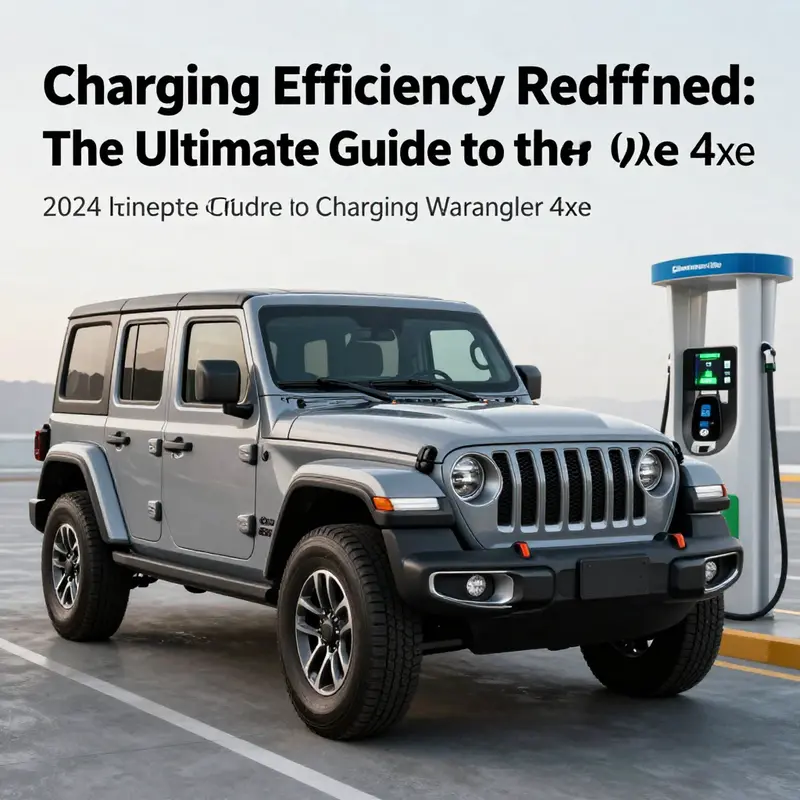
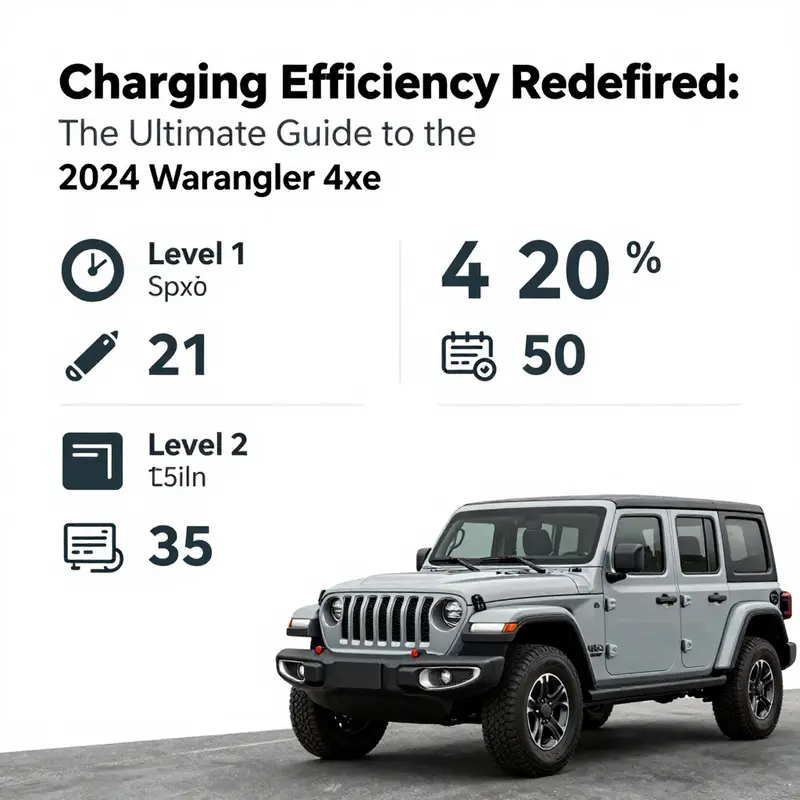
The 2024 Wrangler 4xe sits at an intriguing intersection of rugged capability and quiet, efficient propulsion. It invites the driver to think differently about energy: not just how much fuel is burned on a trail, but how and when the battery is charged to extend the electric portion of every journey. In this chapter, we weave together the charging capabilities, real-world use cases, and smart habits that let the Wrangler 4xe deliver its best efficiency without compromising the off-road lineage that defines the name. At the heart of the discussion is a battery pack designed to be practical for adventure. The published specifications point to a 17 kWh pack, built from a compact arrangement of cells—96 in total—that powers roughly 40 kilometers of pure electric range under ideal conditions. This is not a showroom number alone; it translates into meaningful daily range that, when managed well, reduces outings to the pump and keeps the vehicle ready for the next trailhead. The 17 kWh figure also clarifies the charging strategy: plug in and top up with a Level 2 charger to reclaim electric miles quickly, while recognizing that the system is designed to work best with steady, moderate charging rather than sporadic, high-demand sessions. The charging architecture is built around a Level 2 (240V) AC system; the Wrangler 4xe does not support DC fast charging, a design choice that emphasizes reliability and battery longevity over ultra-fast on-the-road replenishment. The practical upshot is simple: the standard Level 2 wall box, often called a wall connector, can replenish the battery in roughly two hours or a bit more, depending on state of charge and temperature. Level 1 charging—using a regular 120V household outlet—remains an available option, but it is slow, typically adding only a couple of miles of electric range per hour. For daily driving, that makes Level 1 feel like a neat convenience for top-ups at the end of a day, but Level 2 is the real enabler of electric driving in everyday use and longer trips. The connector standard backstopping this setup is SAE J1772, a compatibility anchor across North American charging networks. While that standard guarantees broad access, it also signals a truth: the Wrangler 4xe’s charging equation is built to work best with regular, predictable Level 2 sessions rather than opportunistic fast-charging stops. This is why the official charging guidance emphasizes the home charging habit, the reliability of a wall box, and a growing ecosystem of compatible public Level 2 stations. In practice, this means designing your trips with charging in mind, not as a last-minute add-on.
A central element of getting the most from the Wrangler 4xe is timing. Off-peak electricity hours, when rates dip and the grid is less burdened, are prime for charging. If you have a time-of-use utility plan, scheduling charging during those low-rate windows stretches your cost savings and makes the electric portion of the drive more predictable. The built-in vehicle intelligence supports this approach by allowing preconditioning and scheduling routines that sync with your home charging setup. Preconditioning—warming or cooling the battery and cabin before departure—improves charging efficiency and overall performance, especially in cold weather when battery resistance climbs and charging can slow down. The Jeep App provides a direct line to preconditioning controls, letting you warm the battery while still connected to power so that the charger does not have to work against a cold pack the moment you unplug. This practice not only cuts charging time in some scenarios but also protects the battery by maintaining a stable temperature profile during charging cycles.
Driving style and energy recovery continue to shape efficiency in real time. The 4xe’s drivetrain leverages regenerative braking to reclaim energy during deceleration, feeding it back into the battery for later electric momentum. In Eco or Normal driving modes, regenerative systems are tuned to maximize energy recovery without sacrificing predictable throttle response; these modes encourage a smoother energy loop that reduces the need for frequent charging stops on shorter trips. In conversation with the charging workflow, this is a crucial companion habit: plan routes and speeds to fold regenerative energy into the journey, rather than repeatedly forcing the system to rely on external charging to maintain SOC. When you combine preconditioning, regenerative braking optimization, and a Level 2 charging habit, the electric portion of daily driving becomes a more self-sustaining loop, with the engine stepping in mainly when the road demands torque or when speed requires more than the battery can supply.
What about long trips or off-road adventures where you might crave more electric miles away from home? The Wrangler 4xe integrates a hybrid strategy that sympathetically uses the internal combustion engine to generate electricity and recharge the battery while driving. The design includes a turbocharged 2.0-liter engine paired with an eight-speed automatic transmission, tuned to deliver a seamless transition between electric propulsion and hybrid operation. In real-world use, this means you are not stranded by a depleted battery on a remote trail; instead, you can press on, knowing the hybrid system can bolster the pack through sustained driving periods that would otherwise erase your electric range in one stretch. The charging strategy, then, embraces both the user-driven charging schedule and the vehicle-driven recharging that occurs on the move. If the weather or terrain forces a slower charging rhythm, the hybrid mode can keep the wheels turning without derailing the plan for efficient travel. And for those who plan long trips on highways or intercity routes, reliable charging infrastructure becomes a partner in the journey. The Wrangler 4xe has a natural ally in the public Level 2 network that complements home charging, and specifically, a pioneering collaboration with a national charging partner that has introduced a network designed with Jeep owners in mind. This arrangement supports 240V Level 2 sessions and is organized through a dedicated mobile app that helps locate stations, start charging sessions, monitor progress, and verify availability along the route. The goal, as articulated by the leadership behind the network, is to ensure that Jeep drivers can explore freely—whether on highways or rugged trails—without charging anxiety. The practical impact is tangible: you can count on a reliable sparse corridor of Level 2 stations along major routes and around popular off-road destinations, with the two-hour replenishment cadence a predictable anchor for planning. For many owners, the Electrify America network serves as a core part of the efficiency narrative, providing a reliable, widely available infrastructure that complements the Wrangler 4xe’s own charging cadence.
With these charging pathways in mind, it helps to align expectations about battery longevity and daily care. Like most lithium-ion packs, the 17 kWh Wrangler 4xe battery benefits from disciplined charging practices that protect long-term health. Avoiding deep discharges—keeping SOC above roughly 20 percent when possible—helps reduce stress on the battery and preserves its ability to accept charge over many cycles. When daily driving is light, setting a charging limit to 80 percent can be a prudent habit; this is a built-in option in the Uconnect system that caps the battery at a level that balances usable electric range with longevity. Park shading and temperature-controlled storage further support battery life by reducing high-temperature strain in hot weather and ensuring more consistent charging behavior during extreme cold.
The physical layout of the battery pack also plays a practical role in how the Wrangler behaves on and off the trail. The 17 kWh pack is positioned beneath the rear seats, a design choice that minimizes intrusion into interior space while preserving ground clearance and drivetrain protection during off-road use. This placement helps distribute weight in a way that keeps handling stable on uneven terrain while preserving cargo flexibility. It also means that when you are camping gear-heavy or fueling up after a grueling day on the rocks, the interior remains usable and the battery remains well protected from the elements. In daily use, this translates into a cabin that feels more versatile, with electric miles ready to roll when the ambient temperature supports efficient charging and discharge cycles.
For drivers who treat charging as a strategic element of travel, a practical rhythm emerges. Start the week with a full Level 2 top-up at home or at a trusted public station so the electric range is available for morning commutes and school runs. Throughout the week, lean on off-peak charging windows to maximize every kWh pulled from the grid. When planning weekend adventures, map a route that leans on public Level 2 charging options along the corridor, knowing that the network is designed to accommodate the Wrangler 4xe’s two-hour replenishment cadence. If you encounter a stretch with limited Level 2 access, the hybrid system is ready to fill the gap, drawing on the engine’s energy generation capability to maintain momentum while you seek the next charging opportunity. The partnership ecosystem that supports these goals—paired with the vehicle’s intelligent energy management—turns a potentially anxiety-producing charging scenario into a predictable facet of adventure planning.
To connect the dots for winter or other challenging conditions, consider a succinct point about how this vehicle behaves in cold or snow-prone climates. Winter conditions can affect battery efficiency, charging times, and regenerative performance. For a more detailed discussion on winter performance and how Wranglers manage in cold weather, see the practical guidance in the article Are Jeep Wranglers Good in the Snow. Are Jeep Wranglers Good in the Snow.
The philosophy here is straightforward: charge smart, drive smart, and let the hybrid system fill in gaps where electric miles would otherwise drop to zero. Use preconditioning to reduce charging drag in cold weather, embrace off-peak charging to minimize costs, and lean into regenerative braking to maximize the energy recovered during daily cycles. When you add the Electrify America network into the mix, a powerful efficiency framework emerges. It is a framework designed not for maximal battery extraction at all costs but for dependable, efficient travel that respects the vehicle’s off-road DNA and prioritizes a balanced energy footprint. The end result is a Wrangler 4xe that doesn’t force compromises between trail prowess and everyday efficiency. It offers a nuanced, achievable path to lower fuel consumption and lower emissions without sacrificing the sense of adventure that defines the model. The charging strategy becomes not a separate routine but a natural part of how the vehicle is used, a cadence that aligns with how and where you drive.
For those seeking concrete touchpoints, the network in question—public Level 2 charging stations—provides reliable, convenient access that aligns with typical weekend planning. The two-hour charging rhythm fits neatly into a day on the road, a trailhead lunch break, or a scenic detour. This cohesion between charging capability, vehicle design, and user behavior is what makes the Wrangler 4xe a compelling option for drivers who value both capability and efficiency. The goal remains clear: leverage the electric range to minimize fuel use on regular trips, while keeping the flexibility of a traditional SUV when the road or trail demands more power or more miles. In practice, this means you can plan longer trips with fewer stops, knowing that the battery recharges quickly at Level 2 stations and that the hybrid system can take over when necessary to sustain progress.
As the charging landscape evolves, staying informed about updates to firmware and compatibility remains important. Jeep’s Uconnect ecosystem provides the interface to monitor charge status, adjust charging limits, and confirm that the vehicle remains aligned with the latest safety and efficiency improvements. If you are charting a voyage that pushes the Wrangler 4xe toward its electric edge, remember that a well-timed, well-managed charge is your best friend on the trail and on the commute alike. The combination of a capable, efficient drivetrain, a robust Level 2 charging framework, smart preconditioning, and a supportive charging network creates a practical path to genuine efficiency gains without compromising the off-road character that makes the Wrangler 4xe special. And for those who want to see how winter conditions affect the broader picture, the linked article on winter performance offers additional context on battery behavior and charging strategy in cold weather.
External resource: https://www.electrifyamerica.com
null

null
Battery Stewardship on Trail and Tarmac: Longevity Strategies for the 2024 Wrangler 4xe
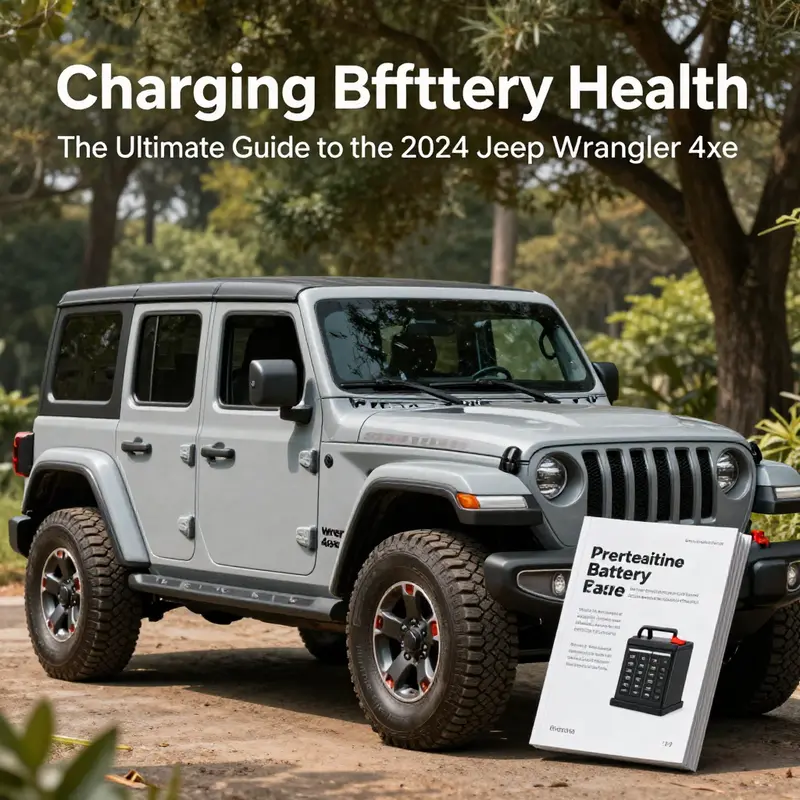
Battery stewardship on trail and tarmac isn’t a footnote in the life of a modern plug-in hybrid. It is the quiet engine behind reliable electric drive, the force that determines how often you can slip into electric mode, how far you can roam without the rumble of the gas engine, and how smoothly the Wrangler 4xe blends power with grip when you point it at rocky trails, sandy flats, or a daily commute. In the 2024 Wrangler 4xe, the heart of that capability sits in a substantial lithium‑ion pack designed for high performance and long-term reliability. The detailed battery specifications highlight a 17.3 kWh pack built for a hybrid application, optimized for durability and a blend of power and efficiency. Understanding how to care for this pack isn’t a niche concern; it’s a practical discipline that translates to more electric miles, less fuel consumption, and a lower environmental footprint on every trip. When you treat charging as a regular part of vehicle maintenance rather than a one-off event, you set the stage for a more consistent, confident experience whether you’re at a trailhead or in a crowded city. The guidance that follows ties together charging cadence, temperature considerations, and in‑cab tools designed to maximize the electric portion of the Wrangler 4xe’s performance without compromising its rugged character.
Charging is the most direct lever you have for battery longevity. Level 1 charging, using a standard household outlet, is convenient for topping up when you’re parked for a while, but it’s slow enough that daily use often benefits from a Level 2 upgrade. Level 2 (240V) charging can add about 22 miles of range per hour under typical conditions, a rate that makes practical, daily EV operation much more feasible for most owners. The chassis design, battery placement, and cooling systems in the Wrangler 4xe are tuned to work with this charging approach, and the SAE J1772 connector bridges the Wrangler with a broad ecosystem of public and private Level 2 chargers across North America. The practical upshot is clear: to sustain electric driving without frequent interruptions for gasoline, you’ll want Level 2 charging as your default habit. Yet even within that framework, discipline matters. Planning charging sessions so the battery stays within a healthy range, avoiding long stints at the very top or bottom of the charge, and using built‑in settings to limit charge depth all contribute to a longer, more consistent life for the pack.
In daily life, the importance of temperature cannot be overstated. Heat is a friend to rapid charging but a foe to long-term health, while cold snaps slow battery chemistry and can temporarily blunt capacity. The Wrangler 4xe provides tools to help you manage this balance. When weather turns cold, preconditioning the battery helps bring the pack to an operational temperature before you start charging or driving. The Jeep App makes this process straightforward, letting you warm the battery while the vehicle remains plugged in or just before you head out, which can shave precious minutes off charging time and improve overall efficiency. Similarly, keeping the vehicle tucked into shade or a temperature-controlled garage during extreme heat or cold reduces thermal stress that can accelerate wear. Small, thoughtful choices about where and when you charge—combined with the preconditioning feature—add up to meaningful gains in pack longevity and daily performance.
Another simple, highly effective practice is to respect the natural balance between charge level and battery health. The Wrangler 4xe benefits from avoiding deep discharges, and it is wise to maintain the battery above a practical floor, commonly cited as around 20 percent. This precaution helps prevent cumulative strain that comes with living at the very edges of the chemistry’s useful range. The automaker’s guidance, along with general lithium‑ion best practices, supports a charging strategy that emphasizes regular top‑ups over occasional full charges. In practical terms, you’ll often find that plugging in overnight and firing off the next day with a battery gently topped up is preferable to letting the battery dwindle and then scrubbing in a long, deeper discharge. By adopting this rhythm, you preserve the pack’s ability to deliver strong electric propulsion over many miles and many seasons.
A key feature that supports longevity is the ability to manage charging depth through the vehicle’s settings. The Charge Limit function, accessible via the Uconnect system, lets you cap charging at a target percentage—commonly around 80 percent for everyday use. This cap reduces the number of cycles the battery undergoes at high voltage, a state that, over time, can contribute to slower degradation. It’s a practical safeguard that dovetails with the broader recommendation to avoid keeping the battery at a pristine, 100 percent state for extended periods. For daily range needs, the 80 percent ceiling provides ample electric miles for most commutes and short trips, while leaving a comfortable buffer for unexpected runs without resorting to the gas engine. The effectiveness of this approach is amplified when combined with preconditioning and temperature-aware charging, because a warm battery that stops charging at 80 percent tends to achieve better real‑world efficiency than a cold, fully charged pack.
A thoughtful charger setup also means choosing your infrastructure with intention. The Wrangler 4xe’s reliance on a Level 2 upgrade is a practical choice for most owners, but the system also benefits from using certified Level 2 stations and keeping firmware up to date via the Jeep Uconnect interface. Regular updates can improve charging compatibility, communication with the vehicle, and safety checks that help prevent unexpected wear during plug‑in sessions. It’s easy to underestimate the subtle cumulative effects of minor firmware tweaks over time, but in a vehicle designed for both on‑road efficiency and off‑road traction, those updates can optimize charging cadence, regenerative behavior, and how the battery interacts with the hybrid powertrain during both normal and rugged driving. When in doubt, refer to the official charging guide for your model year to confirm any model‑specific nuances, and ensure all charging hardware you use is certified and compatible with the vehicle’s electrical system.
The practical discipline of battery care also connects to a broader, daily reality: how you drive and how you recover energy through braking. Regenerative braking is a built‑in ally in the Wrangler 4xe, designed to convert deceleration into usable electrical energy that recharges the pack. Driving in Eco or Normal modes helps you maximize this feature, encouraging smoother, more predictable energy recovery rather than abrupt heat spikes that can accompany aggressive handling. When you combine regenerative gains with regular Level 2 charging and a modest Charge Limit, you create a reinforcing loop: more energy captured during driving supports more electric miles, which in turn reduces reliance on the gasoline engine and supports overall efficiency. This synergy is especially valuable when you’re exploring backcountry roads or winter trails, where the ability to stretch EV range without frequent fueling is a real advantage.
If you occasionally need a broader reference on battery care and practical, user‑level maintenance, one accessible resource is a community-driven guide that collates tips on daily practice, driver behavior, and charging habits. It can offer fresh perspectives that complement official guidance and help you adapt to unique schedules and climates. Inline with that, you’ll find it useful to keep in mind that a modern PHEV like the Wrangler 4xe is designed to absorb a fair amount of charging variability and still perform robustly. The ownership experience benefits from integrating the battery with the vehicle’s overall energy strategy instead of treating it as a separate subsystem. In the spirit of ongoing learning, you can explore practical tips from the broader automotive community through resources such as the Vehicle Tricks blog mentioned here for a broader, experience-based perspective.
In the end, longevity is less about heroic measures and more about consistent, intelligent routines. Regular charging, smart use of preconditioning, moderate charging depth, and temperature awareness all work together to minimize wear while preserving the Wrangler 4xe’s dual identity as a capable off‑roader and an efficient, everyday commuter. The reward is a battery that holds a strong, usable portion of its original capacity for years, delivering electric range where it matters most and preserving the performance that makes off‑roading both exciting and practical. With these practices in place, the 2024 Wrangler 4xe remains a compelling blend of rugged capability and prudent energy management, enabling more miles of trail and more miles of efficient driving alike.
For a broader, community‑driven take on practical battery care and everyday optimization, readers may explore Vehicle Tricks. Vehicle Tricks.
For the official guidance on charging specifics for your model year, consult the Wrangler 4xe charging guide published by the manufacturer. This external resource provides the latest, model‑specific details and safety recommendations directly from the maker: https://www.jeep.com/vehicles/wrangler-4xe/charging.html.
Final thoughts
Understanding and implementing effective charging practices for the 2024 Jeep Wrangler 4xe can dramatically enhance operational efficiency, reduce costs, and extend battery life. As business owners navigate the transition to more sustainable vehicles, embracing the full spectrum of this PHEV’s capabilities will not only contribute to environmental responsibility but also offer substantial economic benefits. Equip yourself with this knowledge and position your business at the forefront of the eco-friendly transportation revolution.