
In today’s competitive landscape, maintaining a fleet of vehicles is crucial for business owners. A Vehicle Maintenance PDF serves as an invaluable asset, providing detailed guidance on the upkeep and care of vehicles. This structured document encompasses everything from maintenance schedules to safety guidelines, making it essential for those who depend on vehicles for operational efficiency. Each chapter will delve into specific aspects of the Vehicle Maintenance PDF, including the importance of maintenance schedules, step-by-step care procedures, technical specifications, and the necessity of safety and troubleshooting guidelines. By understanding these components, business owners can ensure their vehicles remain reliable and safe, ultimately leading to increased productivity and reduced costs.
Decoding the Vehicle Maintenance PDF: A Practical Guide to Safety, Reliability, and Longevity
Vehicle maintenance PDFs are not merely manuals; they are navigational charts that translate complex engineering into actionable steps for drivers and technicians alike. A well-constructed maintenance PDF, usually offered by manufacturers or authorized service providers, collects decades of testing, field observations, and safety considerations into a single, portable document. It becomes a living reference that helps owners plan ahead, schedule service, and document work, turning a potentially overwhelming task into a predictable routine. When approached with the right mindset, a PDF becomes an ally that links safety, performance, and value.
At its core, a vehicle maintenance PDF is built around a few core pillars. It contains maintenance schedules that set when tasks should be performed, expressed either in miles driven or in calendar time. It includes step-by-step procedures for common checks and services, detailing which fluids to use, where to locate reservoirs, how to remove and replace filters, and the correct sequence of steps to tighten fasteners to specification. It provides precise specifications—fluid types, torque values for bolts, recommended tire pressures, and temperatures for systems such as cooling or charging. It closes the loop with safety guidelines, pointing out the hazards that an untrained observer might overlook, and it offers troubleshooting tips for diagnosing symptoms that might otherwise be mistaken for routine wear. Taken together, these elements form a structured approach to upkeep that aims to prevent failures rather than merely react to them.
The most compelling logic behind these PDFs is the principle of prevention over repair. Oil changes performed on schedule prevent sludge buildup and excessive wear, keeping the engine lubricated and heat-transport mechanisms clear. Skipping even one interval can cascade into reduced lubrication, increased friction, and accelerated wear of bearings, rings, and seals. In the same vein, timely brake inspections and pad replacements maintain stopping power and protect rotor surfaces, preserving safety and minimizing expensive rotor machining or replacement down the line. Regular checks of belts, hoses, and airflow components not only avert breakdowns but also sustain fuel efficiency and emissions performance. A well-maintained air filter, for instance, allows the engine to sip clean air, optimizing combustion and reducing engine strain. In the broader picture, when a PDF emphasizes reliability over sparkle, it helps owners manage ownership costs while sustaining resale value.
The maintenance process itself—cleaning, inspection, lubrication, tightening, and adjustment—forms a practical rhythm. Cleaning removes grime that can mask leaks or corrosion; inspection detects early signs of wear, corrosion, or misalignment; lubrication ensures moving parts operate smoothly and with minimal resistance; tightening ensures bolts and clamps maintain their clamped integrity; and adjustment brings systems back into spec, aligning components with the precise tolerances the manufacturer designed. This sequence is not arbitrary but aligned with the vehicle’s design philosophy. For example, a brake system might require careful inspection of calipers and lines before assessing pad thickness and rotor condition, followed by torque-correct fastener installation when reassembling. The PDF translates this logic into a repeatable workflow that a listener can perform with common tools or, when the task requires specialized equipment, with clear guidance about when to defer to a professional technician.
Within the same framework, the maintenance schedule is often organized into tiers that reflect the level of effort, risk, and complexity. Daily checks, where the driver performs quick safety-oriented tasks before and after a trip, set the stage for more thorough work carried out by mechanics in first-level maintenance. This phase covers cleaning and lubrication, plus basic inspections of critical systems such as brakes and steering. When the vehicle accumulates miles, second-level maintenance steps in: diagnostic checks, adjustments to components that drift from spec, and routine tire rotation or replacement that keep the contact patch uniform and extend tire life. Seasonal maintenance adds another layer, responding to climate effects—coolant levels, battery performance in cold weather, and cabin air filtration for dusty conditions. Seen together, these levels deliver a practical, scalable approach that can be applied to all types of vehicles, from compact cars to trucks and beyond.
Another dimension these PDFs capture is the modern shift toward diagnostics and digital record-keeping. In contemporary practice, after each service, technicians log what was done, when, and to what standard. The vehicle’s technical file becomes a transparent ledger, supporting regulatory compliance, warranty coverage, and fleet management. Digital records empower owners to track maintenance history across ownership periods, reveal patterns that point to emerging problems, and support resale by showing a documented history of care. For fleets, a centralized maintenance log can reveal timing gaps, frequency of service, and just-in-time maintenance opportunities that reduce downtime and optimize utilization. The PDF, therefore, serves not only as a care guide but also as a management tool, turning routine servicing into accountable, auditable practice.
The emphasis on manufacturer recommendations is not simply a matter of tradition; it is about harnessing engineering intent. While many owners might be tempted to improvise or substitute parts, the PDF will repeatedly stress the importance of using specified fluids, correct torque settings, and genuine filters. Qualified repair facilities are highlighted as the safest option when the scope of work exceeds routine checks. Adhering to these guidelines protects warranties, preserves safety margins, and ensures that the vehicle’s emission and safety systems remain within tested tolerances. In this sense, the maintenance PDF is not a surveillance manual but a stewardship document that helps owners balance care, safety, and cost across the vehicle’s lifecycle. Reading and following it builds confidence; neglecting it invites avoidable risk and higher long-term costs.
For readers who want a practical touchstone, the way a PDF communicates its content matters as much as the content itself. A well-structured PDF translates a complex highway of mechanical details into accessible steps and reference points. It guides the reader to map the schedule to actual driving patterns, climate considerations, and personal usage. This means recognizing that a high-mileage driver in a region with harsh winters might weight certain tasks differently than a casual driver in a temperate climate. It also means developing a simple habit: after each oil change or tire rotation, record the date and mileage, and note any observations such as unusual vibrations or fluid discoloration. Over time, these notes form a narrative that reveals the car’s health and helps anticipate the next service interval rather than waiting for a caution light to appear.
If you seek a concise primer on the topic while continuing to explore the larger arc of maintenance philosophy, you might start with a standard overview such as What is vehicle maintenance. The link anchors the broader discussion of routine care to a simple, readable definition, while the PDF then supplies the operational depth—tick boxes, torque specs, and step-by-step instructions that translate theory into practice. This pairing makes maintenance approachable for new drivers and reassuring for long-time owners who want a repeatable workflow they can trust.
In the end, the value of a Vehicle Maintenance PDF lies not only in what it instructs but in how it frames upkeep as a durable habit rather than a series of isolated chores. When owners integrate the schedule into daily and weekly routines, they create a stable baseline for safety, fuel efficiency, and vehicle longevity. The document’s emphasis on preventive care also aligns with environmental stewardship: well-tuned engines consume less fuel, exhaust systems operate cleaner, and tires wear evenly, reducing waste and unnecessary consumption. The payoff is more than peace of mind; it is sustained performance, reliable operation, and a stronger, better-protected investment.
External resources can deepen understanding and offer additional perspectives on maintenance planning, diagnostics, and procedure standards. For those looking to study the topic further, a comprehensive reference such as the Vehicle Maintenance Essentials Guide provides extensive checklists and technical detail that complement manufacturer PDFs. External resource: https://www.scribd.com/document/512345678/Vehicle-Maintenance-Essentials-Guide
As with any technical field, the value lies in applying the knowledge consistently. A reader who uses a PDF as a dialogue with the vehicle—checking fluids, listening for changes in tone or vibration, and maintaining a careful log—will become more adept at recognizing when something is out of balance and how to respond. That attentiveness is the practical bridge between theoretical guidelines and real-world reliability. And it keeps the car ready for the road ahead, preserving safety for the driver, passengers, and other road users alike.
For readers starting out, begin with the manufacturer’s maintenance schedule, keep a dedicated log of dates and mileages, and treat the PDF as a living document that evolves with the car and its use. A well-used PDF becomes part of the car’s life story, documenting milestones from the first oil change to the last professional inspection, and guiding future decisions.
Maintenance Schedules: Key Timelines in Vehicle Maintenance PDF
A Vehicle Maintenance PDF is more than a static set of instructions. It is a living blueprint that translates the long list of routine chores into a clear timeline. When you open a maintenance PDF, you are stepping into a tool designed to turn hours of potential guesswork into reliable, repeatable care. The document bundles schedules, step-by-step procedures, specifications, safety guidelines, and troubleshooting tips into a single reference. The goal is simple and essential: keep the vehicle safe, dependable, efficient, and long-lasting. The schedules within these PDFs are not arbitrary deadlines but thresholds grounded in engineering, materials science, and real-world wear patterns. They balance engine heat, fluid life, and component fatigue with the realities of how you drive. In effect, the PDF becomes the roadmap that guides you through years of ownership, translating a model’s internal engineering into practical, humane maintenance alarms. Reading it is not a routine chore; it is an investment in safety and peace of mind, the quiet kind that keeps engines purring rather than stalling in the middle of a busy day. For many drivers, the PDF is the difference between a car that performs consistently and one that begins to disappoint at the worst possible moment.
Consider the way a well-structured maintenance schedule anchors the entire care regime. It starts with the most fundamental service—oil and oil filter changes. This is the heartbeat of the engine’s longevity. In most modern vehicles, the recommended oil change interval ranges from five thousand to ten thousand kilometers, or roughly six months to a year, whichever comes first. The exact figure, of course, rests on the vehicle’s design, the type of oil used, and the driving environment. A PDF that reflects a contemporary model will often note that synthetic oils can extend change intervals toward the higher end of that range. Yet even with synthetic oil, the manufacturer’s guidance remains the authoritative compass. Following it reduces friction, minimizes soot and sludge buildup, and prevents wear that could escalate into costly repairs. Engines that run clean and well-lubricated enjoy smoother operation, improved responsiveness, and lower risk of premature bearing failure. The PDF also highlights the importance of using the correct filter and ensuring the oil’s viscosity matches the specification. In other words, the document teaches not just when to change oil, but how to do it properly and safely, with the right tools, the right container, and the right torque for the drain plug. In the broader arc of maintenance, oil changes set the tone for the next steps, because a well-lubricated engine reduces the likelihood of cascading failures that might arise from neglected basic services.
If the engine is the heart, the tires are the feet that carry the journey. The PDF’s timelines for tires emphasize two dimensions: pressure checks and wear rotation. Tire pressure should be checked regularly, because underinflation and overinflation both degrade handling, fuel economy, and tire life. The standard cadence in many PDFs is a tire pressure check at least monthly and before long trips. Rotate the tires at intervals—not merely when one tire wears unevenly, but as a precaution to promote uniform wear across all four. A typical rotation interval appears around every ten thousand kilometers or about every six months, depending on the model and driving style. The care guide also notes visual inspections for tread depth, sidewall damage, and objects lodged in treads. When you rotate tires, you rebalance wear patterns and preserve predictable braking and cornering behavior. The result is predictable grip, shorter stopping distances, and a smoother ride. The PDF underscores that tire maintenance is not just about the rubber itself; it influences the suspension’s geometry, steering feel, and even fuel efficiency—an intertwined web where one worn element affects many others.
Braking systems form the next vital chapter in the PDF’s timetable. The schedule calls for a thorough brake inspection at regular intervals—commonly every twenty thousand kilometers or once a year, whichever comes first. This inspection focuses on pad thickness, rotor surface condition, and brake fluid quality. Braking performance is the most direct line to safety, and the PDF treats it with the seriousness it deserves. Worn pads can reduce stopping power and damage rotors, while degraded fluid can absorb moisture, raising the risk of brake fade in demanding conditions. The document often recommends retrieving precise measurements and following torque specifications for wheel hub components during brake service. Such details may appear small, but they matter when the road ahead demands quick, confident stops. A robust maintenance PDF also directs owners to note any unusual signs—creaking, grinding noises, or a soft brake pedal—as triggers to seek professional evaluation sooner rather than later. This is where the PDF transitions from a schedule into a safety net.
Air intake efficiency is another essential factor the PDFs address, typically through air filter replacement timelines. The recommended interval for dry air filters tends to lie between twenty thousand and forty thousand kilometers, or roughly every two years, depending on climate and driving conditions. In dust-prone regions or severe urban environments, the paper often advises more frequent checks. A clogged or dirty filter can impede airflow, reduce engine performance, and increase fuel consumption. The same flow of logic appears in the section on rain and weather exposure: when air enters the engine with contaminant-laden air, it fosters inefficiency and stress on fuel delivery systems. The PDF’s guidance on filters couples a practical replacement window with a reminder to inspect the filter element for signs of oil contamination or moisture when wet filtering is involved. The slight extra effort of periodic replacement pays off with a steadier idle, crisper throttle response, and a modest gain in efficiency over time.
Battery and electrics emerge as a cousin to the mechanical subsystems in the maintenance calendar. The PDF typically places a yearly check on battery health as a standard item, focusing on terminal cleanliness, corrosion prevention, and voltage stability. A battery’s lifespan varies with climate, usage patterns, and electrical load. While many batteries may last three to five years, a PDF keeps you proactive by encouraging tests that catch a weak cell before it strands you in a shopping mall parking lot. The document may also advise inspecting cables and connections for tightness and cleanliness, which can prevent parasitic drains and starting problems. In addition to the battery, the cooling system, with its own cadence, plays a crucial role in protecting the engine from overheating. The coolant or antifreeze should be checked for concentration and leaks, and the PDF usually prescribes a replacement window that spans tens of thousands of kilometers or several years, depending on the vehicle and coolant type. Proper coolant health maintains proper temperature management, guards against corrosion, and extends radiator life.
The transmission fluid is another centerpiece of the PDF’s long-range plan. For automatic transmissions, the typical interval often lands somewhere around eighty thousand to one hundred thousand kilometers or about every five years, again contingent on model and usage. Manual transmissions may tolerate longer intervals, but even here, the fluid’s condition matters. The PDF explains that clean, properly conditioned transmission fluid ensures smooth gear changes and reduces wear on clutches and gears. It also cautions that severe driving—towing, frequent stop-and-go city traffic, or mountainous terrain—can shorten intervals. The chapter on fluids in the PDF is careful not to conflate the needs of different systems. It emphasizes reading the exact specification for each fluid, observing the recommended viscosity, and honoring torque and drain procedures when the maintenance task is performed. These details ensure the service restores the system’s design performance rather than merely suppressing symptoms of aging.
Beyond the specific items, the maintenance PDF builds a philosophy of care that recognizes the vehicle as a complex machine with many interdependent parts. It invites readers to adapt the baseline timelines to their reality, acknowledging that driving patterns, environment, and even personal tolerance for risk shape the right cadence. A driver who spends long hours on highways may benefit from different intervals than someone who navigates rough urban roads every day. The PDF also acknowledges weather extremes, seasonal changes, and the vehicle’s age. It may present a tiered approach: normal service intervals for newer vehicles and more frequent checks for aging powertrains or heavy-use cycles. The authoring approach is pragmatic, clear, and oriented toward minimizing surprises. Where the document offers uncertainty, it points readers to consult the dealer or a qualified technician. This emphasis on professional confirmation preserves safety and promotes confidence in the journey ahead.
To make the most of this kind of document, readers should treat the PDF as a guide rather than a rigid timetable. Keep a log of services performed and note any deviations from the schedule, along with the conditions that might have influenced those decisions. The practice of recording maintenance days helps build a history that can inform future decisions and support resale value. It also helps technicians diagnose issues quicker when a vehicle presents unusual symptoms. The PDF’s practical side shines in its safety guidelines, which remind readers to park on level ground, engage the parking brake, and use appropriate protective gear when opening the hood or handling fluids. It also underscores the importance of correct torque values for fasteners, which protects components from over-tightening or under-tightening—both of which can compromise safety and performance. In sum, the maintenance PDF turns a list of tasks into a living framework that grows with you and your vehicle through miles and seasons.
For readers seeking a direct contact point with official maintenance calendars, it is worth consulting the manufacturer’s user manual or official support resources for your model. If you want to explore a concise primer that contextualizes these ideas within a broader understanding of maintenance, you can visit the article titled What is Vehicle Maintenance. This resource helps connect the practical timelines in PDFs to a broader philosophy of upkeep, making the information easier to apply to your daily routine. See here: What is Vehicle Maintenance.
As you work with a maintenance PDF, remember that the value lies in consistency and informed flexibility. The schedules provide guardrails, not cages. They give you a framework to safeguard your vehicle’s health, while still leaving room to respond to your own driving realities. The best practice is to weave the PDF’s timelines into a monthly or seasonal routine, aligning checks with your calendar and your road habits. When you do, you transform maintenance from a dreaded chore into a predictable, reliable habit. The payoff is measurable: fewer unexpected repairs, longer engine life, better fuel economy, and a vehicle that performs with confidence when you need it most. The chapter you are holding in your hand—etched with timelines, procedures, and safety reminders—represents not just a guide to care but a commitment to responsible ownership. For those who take it seriously, the maintenance PDF becomes a trusted companion on the road, a steady reminder that good care pays off in the long run.
External reference: For official guidelines, see https://www.gm.com/maintenance-schedule.
From Checklists to Confidence: Harnessing Vehicle Maintenance PDFs for Safer, Longer-Lasting Cars
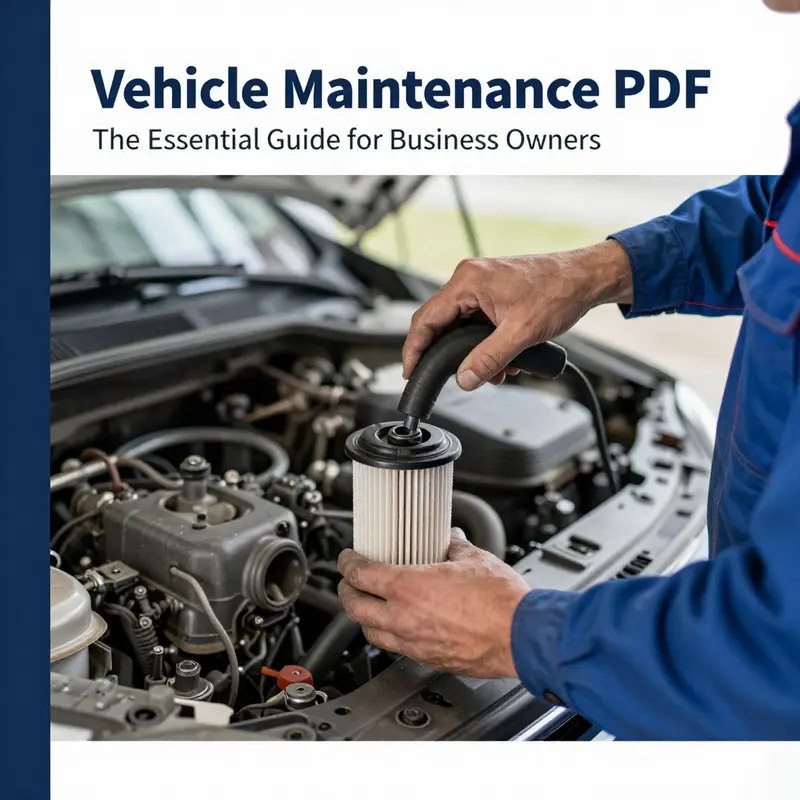
A Vehicle Maintenance PDF is more than a static document tucked into a owner’s manual folder. It is a compact, portable map that translates complex engineering into practical care, a reference that helps both a seasoned technician and a cautious car owner move with purpose through routine upkeep. The chapter on Step-by-Step Procedures in Vehicle Maintenance PDFs invites readers to see these files not as bureaucratic boilerplates but as living guides that frame safety, reliability, and longevity as achievable outcomes. In every line of these PDFs, there is an implicit promise: when you follow the prescribed steps, you reduce surprises on the road and extend the life of the investment you entrust with your daily travels. This approach aligns with the broader question What is Vehicle Maintenance?, a concise definition of proper upkeep that these documents illuminate by turning theory into action. What is Vehicle Maintenance?
A well-constructed maintenance PDF organizes tasks by system and frequency, a design choice that mirrors how the car itself is assembled. Instead of a tangle of anecdotes or vague warnings, you encounter a sequence that guides you from routine checks to more involved services. The aim is to empower you to act within clear safety boundaries, gather the right tools, and respect the model-specific specifications that come with your vehicle. The most trusted PDFs begin with a core premise: consistency matters. Whether you operate a pickup, a sedan, or a compact SUV, the same discipline applies—build a habit of regular checks, document what you find, and when in doubt, escalate to professional service.
Consider the routine check of engine oil, a foundational task that surfaces in nearly every reputable maintenance guide. The PDF typically directs you to locate the dipstick, pull it out, wipe it clean, reinsert, and pull it again to read the level. The level should fall between the min and max marks, a simple visual cue that the engine has sufficient lubrication for normal operation. But the oil itself tells a deeper story. Amber or light brown oil that is clear indicates a healthy state; oil that looks dark, murky, or gritty when rubbed between fingers signals degradation. This color and texture cue, though seemingly small, matters because it reflects the oil’s ability to lubricate, dissipate heat, and trap particulates. When a PDF describes this, it turns an abstract maintenance principle into a tactile check you can perform with a rag and a moment of attention.
A similar clarity appears in the coolant check. The PDF reminds you to ensure the engine is cool before opening any reservoir. You locate the translucent container labeled “Coolant,” verify that the level sits between the min and max marks, and top up if needed. The recommended coolant type and the typical 50/50 water-to-coolant mix are specified to prevent corrosion, freezing, or overheating. Proper coolant maintenance is critical; it guards against engine overheating, a problem that can cascade into costly damage. To follow the procedure faithfully is to respect the physics of heat transfer and the temperamental balance that keeps the cooling system functioning under all driving conditions.
Tire health, a daily-visibility risk and a long-term cost driver, occupies a central place in any maintenance PDF. The monthly check combines pressure with tread assessment. A tire pressure gauge becomes a driver’s trusted tool, and the PDF directs you to compare each tire’s pressure to the manufacturer’s recommended specification, usually found on the driver’s door jamb or in the owner’s manual. In addition, the tread depth is evaluated through a simple gauge or a penny test. Underinflation increases rolling resistance and wear, while overinflation can compromise grip and ride quality. Worn tread, especially, signals danger on wet roads. The PDF’s emphasis on tire health is not just about avoiding fines or tire failure; it is about preserving handling, braking response, and fuel efficiency.
Wiper blades and windshield care, though often overlooked, receive due emphasis in a comprehensive PDF. Monthly checks test for streaking, chattering, or skipping as the wipers move across the glass, while the washer fluid reservoir is inspected and filled as needed. Clear visibility is non-negotiable in safety-critical conditions, and the PDF frames visibility maintenance as a monthly, repeatable ritual rather than a last-minute scramble. The system-level thinking is evident here: a clean, well-supplied windshield complements the other checks that keep the vehicle running smoothly and safely.
Brakes, the heartbeat of road safety, receive described attention at longer intervals—typically every 10,000 to 15,000 miles or annually, depending on the vehicle and driving conditions. The PDF often shows how to jack up the car and remove a wheel to visually inspect the brake pads through the rotor. A pad thickness of less than about 1/4 inch (6 mm) triggers replacement, and signs of uneven wear, glazing, or rotor cracks call for more thorough service. Though brake work can be more involved, the PDF’s insistence on regular inspection is a clear assertion: advanced safety relies on a proactive eye and a willingness to address wear before it translates into diminished stopping power.
Beyond the mechanics, the value of a maintenance PDF lies in its structure. It consolidates the engine’s life story—oil health, cooling balance, tire integrity, visibility, and braking performance—into a coherent narrative that aligns daily owner actions with the car’s long-term reliability. The PDF often includes torque specifications for bolts and precise fluid types, reminding us that accurate procedures matter as much as the tasks themselves. When a reader follows these instructions, they are practicing due care with the same attention automakers expect from professionals. The benefit is twofold: safety on the road today and preserved performance years down the line.
The document also frames maintenance as a sequence rather than a collection of ad hoc chores. The chapters guide you to check-critical systems before long trips, and to perform basic checks monthly as a habit. The idea of a scheduling rhythm helps owners avoid the last-minute scramble that comes from neglected maintenance. In practice, this rhythm translates to a calm, confident approach to vehicle care. Instead of speed-reading a manual when a problem arises, you are already aligned with a routine that reduces risk and uncertainty. The PDFs encourage you to note what you observe and to compare it against manufacturer specifications. If something does not fit the expected range, you have a clear signal to investigate further or seek professional help.
A dependable PDF makes room for nuance. It acknowledges that not every check will reveal a fault, but every check matters because it builds a baseline. Your vehicle learns your routine, and your routine learns the vehicle. In this sense, a maintenance PDF becomes a personal partner in care, guiding you to act with intention rather than guesswork. It also prompts you to consider the role of the technician when needed. Some tasks, especially those involving brake systems, suspension, or electrical diagnostics, demand specialized tools and expertise. The PDF does not pretend to replace professional service; rather, it defines the boundary between what you can safely do and what should be left to a trained mechanic. This clarity is perhaps one of the most valuable features of a well-designed maintenance document.
For readers seeking to understand how these principles translate into real-world practice, a practical takeaway is to approach each monthly check as a small project. Start with a clean work area, gather the right gloves, rags, and a flashlight, and set aside a predictable window of time. Read the relevant section of your PDF aloud as a checklist, then perform each step with deliberate care. If you find the oil is low or the tire pressures are inconsistent, consult the manufacturer’s specifications and consider whether the issue warrants a quick top-up, a more thorough service, or a scheduled appointment. The process becomes less intimidating when you view it as a routine process backed by a trusted guide.
To close the loop, it is worth noting how PDFs enrich the learning experience for both the DIY enthusiast and the professional. A well-structured document explains not only what to do, but why each step matters. It underscores that correct fluid types, the right torque for fasteners, and adherence to safety precautions matter as much as the steps themselves. The result is a more informed driver who can communicate with service providers, interpret warning lights with greater clarity, and schedule maintenance with confidence. In short, step-by-step vehicle maintenance procedures in PDFs are not merely a set of instructions; they are a framework for safer driving and longer vehicle life.
For readers who want to explore related ideas, consider extending this knowledge with additional resources on vehicle maintenance principles and best practices, such as the broader discussions found at the linked resource above. And for ongoing learning, remember that a single well-constructed PDF can anchor your maintenance habits, helping you navigate the hours between service visits with a steady, informed hand. The road ahead becomes less uncertain when care becomes a routine you perform with intention and trust.
External resource for safety guidelines: https://www.nhtsa.gov/road-safety/vehicle-maintenance
The Fine Print that Keeps Cars Safe: How Technical Specifications Shape Vehicle Maintenance PDFs
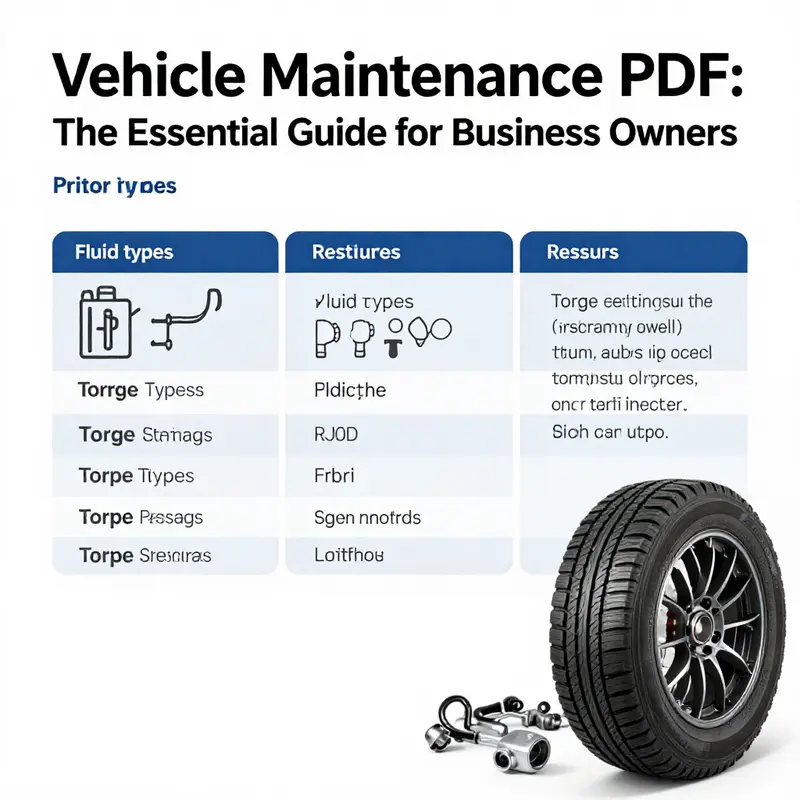
Every vehicle maintenance PDF carries more than a checklist; it is a blueprint for how a machine endures miles of road, heat, cold, and the everyday wear of daily use. The technical specifications embedded in these documents are not mere numbers tucked into a manual. They are the safety margins and reliability guarantees that translate mechanical design into dependable service. When a technician glances at a torque chart, when a fleet manager checks a fluid specification, or when an owner compares a servicing interval against miles on the odometer, they are validating a set of engineered tolerances, material properties, and procedural thresholds that keep the vehicle predictable, safe, and long-lasting.
They are the living contract between the vehicle’s builders and everyone who sits behind the wheel. The heart of maintenance PDFs lies in their precise specifications: torque settings, exact oil viscosity and grade, the correct brake fluids, and recommended tire pressures. They also specify inspection intervals and the allowable tolerances for aging components. A single misstep—tightening a critical bolt to the wrong torque or using an incompatible fluid in a high-pressure circuit—can cascade into degraded performance or worse.
In modern vehicle technology, the stakes have risen even higher. NEVs bring high-voltage batteries, electric motors, and regenerative braking systems that demand a level of precision beyond routine maintenance. Electrical safety considerations create strict sequencing rules, lockout/tagout procedures, and handling instructions for high-voltage connectors and cooling systems. The presence of regenerative braking and sophisticated thermal management means that maintenance tasks may involve data logging, voltage and current verification, and sensitivity to temperature profiles.
Standards such as GB/T 44510-2024 illustrate how maintenance is a technical discipline with safety implications. They codify safe handling of high-voltage systems, prescribed inspection steps for batteries and wiring, and clear criteria for when professional intervention is required. Adherence reduces downtime, minimizes long-term repair costs, and extends component life by ensuring every service is performed within design parameters.
For technicians and fleet managers, exact specifications provide a reference for training, a benchmark for diagnosing anomalies, and a framework for documenting what was done during a service. The goal is a vehicle that maintains its intended performance envelope as it ages, while staying aligned with safety and regulatory expectations.
Finally, a well-crafted maintenance PDF guides the reader through how to approach service windows, cross-check fluids, verify torque values, and recognize when newer data updates should be applied. The result is not a dry list of numbers but a disciplined practice that preserves safety, efficiency, and value over the vehicle’s life.
Safety First, Reliability Always: Reading Vehicle Maintenance PDFs for Safe Servicing and Effective Troubleshooting
A Vehicle Maintenance PDF is more than a collection of checks and steps. It is a safety framework that translates a car’s requirements into a clear sequence of actions, risk awareness, and practical guidance. When approached as a living document, a maintenance PDF becomes a reliable partner in keeping a vehicle safe, dependable, and efficient. The chapter you are reading sits at the crossroads where technical specification meets hands-on practice, where torque values, fluid types, and mounting procedures converge with the real-world realities of a home workshop or a professional bay. The heart of this material lies not only in what to do, but in how to do it safely and with foresight. The safety guidelines embedded in these documents are not afterthoughts; they are the backbone that preserves human life, protects the vehicle’s integrity, and prevents costly collateral damage. As with any tool that aims to standardize care, a well-crafted PDF communicates risk, prohibits impulsive shortcuts, and provides a repeatable protocol that technicians can trust, whether they are seasoned professionals or new car owners learning the ropes. The chapter’s focus is to illuminate how these guidelines are structured within the PDF, why they matter, and how readers can translate that structure into safer, more effective maintenance work.
A first pillar is the practical use of jacks and jack stands. The PDF often dedicates explicit instructions about selecting the right jack for the job, placing stands on level surfaces, and never relying on a hydraulic jack alone to hold a vehicle during service. The language in these pages is deliberately precise: never work beneath a vehicle supported by a single jack; always chock wheels on the opposite end to prevent rolling; and verify that the stands are fully engaged and locked before any under-car inspection begins. This is not merely a precaution; it is a procedural discipline rooted in physics. A vehicle’s weight, uneven ground, or a momentary pressure shift can transform a routine wheel change into a life-threatening incident in seconds. The PDF translates that risk into a concrete routine—check, support, verify, and never rush. In practice, readers quickly learn to pause at the critical juncture between lifting and crawling underneath, to take a breath, and to re-check every variable that could alter balance or bite. This kind of mindfulness is the essence of the maintenance PDF’s safety ethos.
Another major emphasis concerns the safe handling of electrical systems. Modern vehicles depend on intricate networks of sensors, actuators, and controllers. The PDF’s electrical safety guidelines address disassembly of connectors, awareness of stored energy, and the importance of de-energizing circuits before work begins. The aim is twofold: protect the technician from shock and avoid introducing faults that could cascade into a no-start condition or intermittent malfunctions. The guidelines cover practical steps such as disconnecting the battery with the vehicle in a safe state, using insulated tools, and protecting connectors from moisture, dust, or accidental contact with metal parts. What often appears as a simple task—removing a sensor or replacing a relay—unfolds into a carefully choreographed sequence that minimizes the chance of short circuits or arcing. The PDFs also emphasize the use of PPE, such as gloves and eye protection, and the importance of clean, organized workspaces that prevent tools or fluids from creating slip hazards or accidental contact with exposed circuits. In this way, the maintenance PDF is more than a manual; it is a culture of caution that travels with every service.
A third pillar centers on working with Supplemental Restraint Systems (SRS) and other safety features designed to protect occupants. When airbags are involved, the risk of accidental deployment or system damage looms large. The PDF provides explicit precautions, such as disconnecting power sources, disabling SRS indicators when appropriate, and never placing tools near airbag modules. It also explains the correct handling of impact sensors and the sequence for safely rearming systems after service. These instructions reflect a delicate balance—on one side, the need to access components for routine maintenance, and on the other, the imperative to preserve the integrity of safety systems that could prevent severe injuries in a crash. Across brands and models, the underlying principle remains consistent: safety systems require respect, proper procedures, and patience. The PDF’s troubleshooting sections often pair symptom descriptions with risk-aware steps for diagnosis, ensuring technicians do not test or manipulate airbags or sensors in ways that could cause unintended deployment.
The structure of a vehicle maintenance PDF is designed to be an integrated guide rather than a checklist of isolated tasks. When you read about a routine like oil level checking or air filter replacement, you also encounter sections on correct fluid types, torque specifications for fasteners, and recommended torque sequences. These technical details are not garnish; they are foundational to safety and performance. Using the wrong fluid can compromise lubrication, cooling, or combustion efficiency, while incorrect torque can lead to stripped threads or components loosening during operation. The PDFs underscore the interdependence of steps. A safe tire rotation, for instance, is not merely rotating tires; it involves inspecting tread wear patterns, ensuring proper lug nut torque, and confirming wheel alignment indications after the procedure. Each step is grounded in specifications that the PDF communicates in concise language, sometimes with diagrams or torque charts. The intent is to reduce guesswork and empower readers to perform services with consistent quality, regardless of whether they work in a dealership bay or a driveway shed.
Beyond the mechanical specifics, the safety guidelines embedded in vehicle maintenance PDFs also address environment and process discipline. Spills, leaks, or hot components can transform a straightforward service into a hazardous situation. The PDFs routinely call for immediate cleanup of any fluids, proper disposal of used parts and fluids, and safe storage of tools and chemicals. They stress the importance of keeping flammable liquids away from ignition sources, maintaining adequate ventilation, and respecting local regulations around waste handling. In addition, the troubleshooting sections translate symptoms into action with an emphasis on incremental testing and documentation. A typical flow might begin with a visual inspection, followed by a careful check of fluid levels and connections, then a targeted electrical test if no obvious mechanical cause is found. The goal is not to overwhelm but to provide a reliable decision path that minimizes risk while maximizing the chance of a quick, accurate diagnosis. In practice, this means encouraging readers to keep a service log, record observations, and compare current symptoms with documented baselines. The PDF becomes a living record that can guide future maintenance and inform decisions about repairs or replacements.
The practical value of a Vehicle Maintenance PDF also lies in its ability to bridge professional and DIY contexts. For a technician in a shop, the document provides authoritative references, standardized procedures, and compliance-oriented language that supports quality assurance and safety audits. For a vehicle owner performing routine upkeep, it offers approachable, stepwise methods that demystify complex systems without sacrificing safety. The key is to respect the limitations of one’s tools, training, and workspace. The PDF acknowledges that not every home setup can replicate a dealership environment, and so it equips readers with scalable procedures—clear, conservative, and adaptable to different levels of expertise. This adaptability is what makes the chapter’s focus on safety guidelines and troubleshooting tips so essential: it demonstrates how a well-crafted PDF translates decades of engineering, testing, and field experience into actionable, safe practice.
For readers who want to explore the broader idea of maintenance as a discipline, it helps to connect the practical PDF content with the overarching concept of vehicle care. A good maintenance document does more than tell you what to do; it explains why each step is necessary and how it fits into the vehicle’s overall reliability and safety profile. If you want to situate this chapter within the larger article, consider how the maintenance PDF acts as a bridge between theory and hands-on care. It encodes technical knowledge into a repeatable workflow, enabling consistent outcomes and reducing the variability that comes with improvised service. In this sense, the PDF is not a static artifact but a tool for continuous improvement—one that evolves as new safety standards emerge, as diagnostics become more sophisticated, and as manufacturers update specifications for new model years.
To delve deeper into the broader concept and see how maintenance philosophy shapes practice, you can explore further information here: what is vehicle maintenance. The source material within a PDF often echoes this broader view, reinforcing that maintenance is an ongoing, proactive commitment rather than a one-off task. The chapter has aimed to show how the three core safety pillars—physical lift safety, electrical system precautions, and SRS handling—recur throughout the documentation, and how a well-structured PDF weaves them into a coherent approach to service. As you carry these guidelines into practice, you will notice that safety is not an afterthought but the essential condition for any successful repair or preventive measure. The result is not only a safer working environment but also superior performance and longevity for the vehicle, achieved through disciplined, well-informed maintenance work.
External resource: For a comprehensive, formal articulation of safety guidelines in vehicle maintenance, refer to the full Vehicle Maintenance Safety Guidelines PDF at this external source: https://www.scribd.com/document/523487160/Vehicle-Maintenance-Safety-Guidelines-PDF
Final thoughts
In conclusion, a well-structured Vehicle Maintenance PDF provides business owners with a comprehensive toolkit for ensuring their fleet operates at peak performance. By rigorously adhering to maintenance schedules, following step-by-step care procedures, and paying attention to technical specifications, the longevity and reliability of vehicles can be maximized. Prioritizing safety guidelines and troubleshooting tips further solidifies the operational efficiency of any business reliant on vehicles. Embracing these practices not only aids in accident prevention but also contributes to substantial cost savings in the long run, making the investment in a detailed maintenance PDF an essential strategy for any business owner.