
Vehicle maintenance is not just a set of tasks but a crucial investment in any business that relies on a fleet. Understanding how to maintain your vehicles is vital to ensuring safety, reliability, and cost-effectiveness in your operations. This article guides business owners through the various types of maintenance, daily checks, essential scheduled tasks, proper methods, and how to choose the right tools and services. By mastering this knowledge, business owners can safeguard their investments and optimize their vehicle performance.
null
null
Daily Pre-Drive and Post-Park Routines to Keep Your Vehicle Safe and Reliable

Every trip begins and ends with simple checks that prevent larger problems. A short, consistent routine before you turn the key and another quick review after you park will catch small issues while they are still manageable. These daily practices preserve safety, save money over time, and make the scheduled maintenance cycle easier to follow.
Before you drive, start with the fluids. Open the hood and check engine oil, coolant, brake fluid, windshield washer fluid, and power steering fluid if your vehicle has one. Use the dipstick for oil: the level should sit between the marked minima and maxima. Fresh oil keeps moving parts lubricated and prevents overheating. Coolant lives in a translucent reservoir—its level should also fall between the marks. Low coolant is an early sign of leaks or cooling system wear and can quickly lead to engine overheating. Brake fluid is critical to stopping power; a low reservoir can indicate a leak or excessive pad wear. Windshield washer fluid keeps your view clear during rain or road spray, and topping it off is fast and inexpensive. If you notice unusual color or cloudiness in any fluid, or a strong smell, make a note and seek professional inspection.
Tires deserve a quick but thorough look every day. Check pressure with a gauge, not just by feel. Follow the recommended PSI on the sticker inside the driver’s door jamb rather than the number molded on the tire. Proper pressure improves fuel economy, extends tire life, and stabilizes handling. Inspect tread visually and run a simple depth test if you suspect wear. Look for cuts, bulges, embedded objects, or uneven wear patterns. These signs point to alignment, balance, or suspension issues that should be addressed before a problem becomes dangerous. Don’t forget the spare—an unused tire that is flat will not help when you need it.
Lights and signals are easy to test and vital for safety. Turn on headlights, hazard lights, and the indicators, and ask a passenger or walk around the vehicle to confirm they all illuminate. Have someone press the brake pedal while you watch the brake lights. A single burned-out bulb may seem trivial, but it reduces visibility and increases accident risk. Keep a small supply of recommended bulbs and fuses in the trunk so you can replace them quickly.
The windshield and wipers affect visibility more than most drivers realize. Inspect the windshield for chips or cracks; tiny damage can spread under thermal stress or vibration. Test the wipers and watch for streaking or skipping—worn blades reduce clearing efficiency and can scratch the glass. Replace blades at the first sign of wear and use the correct size for your vehicle. Clean the windshield both inside and out; residue from the dashboard, bugs, or road grime can create glare during night driving.
A walk around the car before you leave pays off. Look under the vehicle for fresh puddles or stains. Oil leaves dark spots; coolant often appears green, orange, or pink; brake fluid is pale and oily. Any new leak warrants prompt attention. Check for loose body panels, damaged mirrors, or items dragging beneath the car. If you notice anything unusual, photograph it and log the odometer reading—this helps diagnose when and how a problem appeared.
After driving, shift to a short post-park routine that reinforces the pre-drive checks and captures issues revealed while the car was in use. Start by noting how the vehicle behaved. Record any warning lights, unusual noises, vibrations, pulling to one side, or brake softness you observed. These symptoms often only occur while driving and are easier to report immediately rather than later. Add the odometer reading and fuel level to your record; tracking these trends helps detect creeping problems like rising fuel consumption or accelerated wear.
Cleanliness extends the life of many components. A quick exterior rinse or wipe-down removes corrosive road salts, bird droppings, and tree sap that can damage paint and accelerate rust. Pay attention to the wheel wells and undercarriage; dirt buildup traps moisture and accelerates corrosion. Inside the cabin, remove trash and vacuum regularly. Loose objects can roll under pedals and create hazards, and crumbs attract pests that can damage wiring. Regular cabin cleaning also preserves the function of sensors and vents in modern vehicles.
After your trip, check the tires again if the vehicle felt unstable or if you hit a pothole. Look for newly developed cuts or bulges that may not have been present before the drive. If you detect a slow leak, inflate the tire to the proper pressure and monitor it; if it loses pressure again, have it repaired or replaced promptly.
Take a moment to secure the vehicle. Lock the doors, stow valuables out of sight, and engage any alarm systems. For vehicles with keyless systems, ensure the key fob is removed and the vehicle is fully shut down. Small security steps reduce the chance of theft and vandalism, which create larger maintenance headaches.
Keep a clear log of your daily checks. Write down dates, mileage, any anomalies, and actions taken. This habit builds a useful history that makes troubleshooting faster and more accurate. A consistent record also adds value if you sell the vehicle, showing prospective buyers you maintained it responsibly.
Finally, know when to escalate. Daily checks are designed to find early signs of wear or failure, but some issues need professional attention. If you find persistent fluid leaks, sudden loss of power, grinding brakes, dashboard warnings that do not clear, or steering or suspension problems, stop driving and seek qualified help. These signs can indicate safety-critical failures.
Performing these short routines before you drive and after you park turns maintenance into a practical habit. Small actions—topping off fluids, checking tire pressure, testing lights, and recording observations—prevent larger repairs and reduce the chance of being stranded. Over time you will learn your vehicle’s normal sounds and behaviors, so deviations stand out quickly. Those early detections pay off in safety, lower repair bills, better fuel economy, and a longer vehicle life. For more on how routine care impacts operating costs, see this guide on how vehicle maintenance saves on gas expenses.
For authoritative procedures and recommended intervals, consult your vehicle’s owner manual and follow manufacturer guidelines closely. These sources provide the specific fluid types, capacities, and inspection points particular to your model. When in doubt, reach out to a qualified service center so daily checks stay simple, and the more complex tasks are handled professionally.
External resource: https://www.carcare.org/
Internal link: how vehicle maintenance saves on gas expenses
The Clockwork of Reliability: Mastering Essential Scheduled Vehicle Maintenance
Scheduled vehicle maintenance is the quiet backbone of safe, economical, and dependable driving. It isn’t a one-off chore but a disciplined rhythm that keeps the engine singing, the brakes responsive, and the tires poised for the road ahead. When you treat maintenance as a regular, calendar-bound practice, you’re not just preventing breakdowns; you are extending the life of your investment and preserving safety for every trip. The owner’s manual is your most important map in this journey, detailing exact intervals, fluid specifications, and procedure nuances for your specific model. Relying on general guesses can be tempting, but the precise viscosity of the oil, the right air and cabin filters, and the exact change intervals are what make a maintenance plan work. With that foundation, you can approach scheduled maintenance as a single, continuous act rather than a checklist of scattered tasks. It becomes a story of care rather than a list of repairs waiting to happen, and that mindset keeps you ahead of wear, corrosion, and fatigue that accumulate quietly under the hood and beneath the body panels.
Engine health is the obvious starting point. The engine oil and its filter are the lifeblood of an internal combustion engine, a protective veil that reduces friction, carries away heat, and traps particulates before they can become harmful. Following the manufacturer’s recommended interval—typically every 5,000 to 10,000 miles or as defined in the owner’s manual—ensures the oil maintains its lubricating strength and the filter continues to capture contaminants effectively. The choice between synthetic and conventional oil isn’t merely a price decision; it’s about how your engine performs under heat, cold, and the demands of your daily driving. Using the correct viscosity for your climate and engine design helps maintain proper oil film, which in turn preserves engine efficiency and longevity. As you plan your oil and filter changes, you’re not just replacing a consumable; you’re resetting one of the key lines of defense against engine wear.
Alongside the oil, air quality entering the engine matters just as much as the air you breathe. The air filter acts as a sieve, keeping dust and debris from clogging the intake and reducing the engine’s ability to breathe efficiently. Over time, a clogged air filter can sap power, lower fuel economy, and coax along the onset of rough idling. The typical interval for air filter replacement sits roughly between 15,000 and 30,000 miles, depending on your environment and driving conditions. In dusty or high-debris settings, a more frequent change may be warranted. A clean air filter isn’t flashy, but it’s a direct, measurable contributor to engine efficiency, and the payoff shows up in throttle response and fuel mileage. Similarly, the cabin air filter deserves attention not just for comfort but for the HVAC system’s health and overall air quality inside the vehicle. Replacing it within a 15,000–20,000 mile range keeps the air inside fresher and reduces the likelihood of odors or reduced HVAC performance.
Brakes are the ultimate safety system, and their maintenance deserves particular attention. A routine inspection of brake pads and rotors isn’t optional; it’s essential. If pads wear to about 3 millimeters, it’s time to replace them to preserve stopping power and prevent rotor damage. Brake fluid, too, deserves a check on level and condition, with a flush and replacement on a cadence often recommended every two years or as directed by your manual. The brakes respond to your driving choices as much as to their internal condition, so keeping this system in good order is the closest thing to a guarantee of predictable, reliable stopping. When you pair this with proper tire care and rotation, the braking system becomes part of a larger conversation about how the car handles, tires grip, and speed is controlled safely in all conditions.
Tires, the only contact patch between your vehicle and the surface of the road, deserve thoughtful stewardship. Regular inspection for tread depth, cracks, bulges, or embedded objects helps prevent unexpected failures. A tire that wears unevenly tells a story about alignment, suspension, and even driving habits. Rotating tires every 5,000–8,000 miles promotes even wear and helps ensure consistent traction. Checking tire pressure monthly and before long trips is equally important; correct pressure improves handling, fuel efficiency, and ride comfort. When tread depth falls below 2/32 inches, it’s time to replace the tires. The condition of your tires speaks to the overall health of the vehicle’s suspension and steering, so they should be treated as a central pillar of scheduled maintenance rather than a separate, isolated task.
The cooling system is another critical arena. The engine produces enormous heat, and the cooling system must maintain the right balance of coolant and water to prevent overheating. A monthly coolant level check and a careful verification of the coolant’s concentration helps prevent overheating and corrosion. Over the longer term, the coolant may require replacement or flushing to maintain its protective properties. The interval can vary, but many manufacturers recommend a coolant change every 30,000 to 60,000 miles, depending on the type of coolant and the vehicle’s specifications. If you notice a sweet smell or a greenish puddle under the car, it’s often a sign to investigate sooner rather than later; a failing cooling system can cascade into expensive engine damage. A well-maintained cooling system not only protects the engine but also stabilizes heater performance and overall reliability.
Electrical reliability, including the battery and related components, is the quiet engine of the maintenance schedule. Clean battery terminals, secure mounting, and a check of the battery’s health help prevent those frustrating moments when the car won’t start or the electronics faintly misbehave on a cold morning. A battery health test, particularly before winter, is a prudent safeguard. If voltage dips below a threshold—commonly around 12.4 volts for a resting battery—it’s time to consider replacement. The battery’s performance is influenced by the alternator’s health, parasitic electrical loads, and climate, so treating it as part of a broader electrical system check integrates it into the broader maintenance story rather than isolating it as a separate, sporadic fix.
Transmission maintenance, though sometimes overlooked, deserves careful attention as well. Transmission fluid helps keep gears moving smoothly and prevents premature wear. Many vehicles benefit from a transmission fluid change every 40,000 to 60,000 miles for automatic transmissions, with similar intervals adjusted for manual transmissions and different fluid specifications. Fresh fluid helps preserve shift quality, reduce heat buildup, and extend transmission life. This is one task where using the exact fluid type and meeting the manufacturer’s standards matters almost as much as the frequency. The same attention paid to oil and coolant should apply to transmission fluid, a reminder that each subsystem depends on the health of its companions.
Beyond these core components, the smaller but equally important items—filters, fluids, and lubricants—round out the scheduled maintenance plan. The cabin air filter and engine air filter replacements, along with the periodic checks of transmission fluid, power steering fluid, and windshield washer fluid, all contribute to comfort, performance, and reliability. A practical mindset is to view maintenance as a fluid set of tasks, not a rigid, one-time sprint. Recording every service, including date, mileage, and what was done, builds a living log of your vehicle’s history. This record is invaluable for troubleshooting and for when it comes time to sell the car, because it demonstrates a consistent, well-managed maintenance program.
To keep this program coherent and effective, the owner’s manual remains the compass. It provides the exact intervals for each model, clarifies the acceptable ranges for fluids and filters, and often lists warning signs that should prompt earlier service. When tasks require specialized tools or diagnostic equipment, choosing a reputable service center is prudent. A skilled technician who understands your model’s quirks and service requirements can interpret the manual’s guidance, align it with the car’s current condition, and execute tasks with the precision that preventive maintenance demands. This approach treats maintenance as a targeted, informed practice rather than a series of ad hoc repairs.
Maintaining the schedule also has a practical, everyday payoff. Consistent maintenance helps preserve fuel efficiency, reduces the likelihood of sudden breakdowns, and keeps safety features operating as designed. You may find that a well-timed brake service, a clean cabin air filter, or properly inflated tires yields smoother performance, improved mpg, and a quieter, more comfortable ride. The cumulative effect of following a scheduled plan is a vehicle that runs more predictably, with fewer surprises on the road and more reliability when it counts most. As you navigate the calendar of maintenance, you may discover that the discipline of adhering to intervals creates a sense of control over a complex machine, letting you focus on driving rather than worrying about what might fail next.
For readers looking to deepen their understanding of the value of ongoing maintenance, consider exploring additional perspectives on fuel efficiency and maintenance strategies. For a broader look at the topic, you can read about how routine vehicle care contributes to gas savings and overall efficiency, which complements the scheduled tasks described here: how vehicle maintenance saves on gas expenses. This connection between maintenance discipline and performance reinforces the idea that scheduled care is not an optional luxury but a foundational habit for responsible driving.
As you move through the next chapters, keep in mind that the maintenance plan you implement should align with your vehicle’s unique design, climate, and usage. Seasonal considerations, such as harsher winters or extreme heat, can alter the timing and priority of certain tasks, but the core philosophy remains consistent: proactive care before symptoms appear. A well-executed maintenance schedule translates into safety, reliability, and long-term value, enabling you to trust your vehicle on every journey and to address issues on your terms rather than in the wake of an unexpected roadside moment.
External resource: For a comprehensive overview of vehicle inspection practices and how they support a robust maintenance regime, see the vehicle inspection checklist from a trusted industry source: https://www.consumerreports.org/cars/vehicle-inspection-checklist-a331165591/
Mastering Vehicle Maintenance: A Unified, Correct Path to Safety and Longevity
Maintaining a vehicle is not a one-off chore but a continuous practice that protects your safety, preserves reliability, and sustains value over time. When you approach maintenance as a cohesive discipline, you move beyond scattered tasks to a fluid process that begins with preparation, proceeds through careful execution, and ends with thoughtful follow through. The core idea is simple: know your vehicle, use the right tools, follow the manufacturer, and record what you do. The result is a car that serves you consistently, with fewer unexpected surprises on the road ahead.
Preparation is the quiet foundation of any successful maintenance session. Before you touch a wrench, gather the essentials. A basic toolset with a wrench set, sockets, screwdrivers, a torque wrench, a floor jack and jack stands gives you the versatility to work safely and correctly. Then assemble the consumables your vehicle might need, including the correct grade of engine oil, an appropriate oil filter, an air filter, coolant, brake fluid, windshield washer fluid, and, if you are replacing spark plugs, the correct electrodes. Safety gear is non negotiable: gloves, safety glasses, and sturdy clothing to protect you from spills, sharp edges, and accidental contact with hot surfaces. In practice, this means creating a dedicated workspace on level ground, using wheel chocks and keeping a fire extinguisher within reach. The emphasis on correct parts and fluids is not ornamental. Manufacturer specifications exist to protect the engine, the transmission, and the hydraulic systems from damage and to ensure warranty validity. For a clearer view of why maintenance exists as a defined concept, see the overview of What is vehicle maintenance.
With your toolkit assembled, you begin to recognize maintenance as a threefold discipline. Daily maintenance consists of quick checks drivers perform before a trip and after parking. These checks are not optional rituals; they prevent safety lapses. A quick visual scan of tires for proper inflation and tread wear, exterior and interior cleanliness to spot leaks or damage, lights and signals to ensure visibility, and fluid levels for oil, coolant, brake fluid, and windshield washer fluid can avert minor issues that would otherwise become costly problems. Special maintenance follows seasonal or situational needs, such as changes in weather, long highway trips, or after an accident, and demands more thorough attention than the daily routine. Scheduled maintenance sits between these extremes, driven by manufacturer guidance and mileage or time intervals. The overall goal is to keep the engine clean, the drivetrain responsive, and every system calibrated for safe operation.
As you move into the practical application of daily maintenance, the narrative becomes a sequence of mindful checks. Before you start a drive, you look for obvious signs of trouble: tire pressure is correct according to the door jamb sticker or the owner’s manual, there are no cuts or bulges in the tires, and none of the tires show uneven wear that hints at alignment issues. You test the lighting system, confirming that headlights, brake lights, turn signals, and hazard lights illuminate as they should. Fluid levels get a quick confirmation too. Engine oil should on the dipstick reflect a healthy level, coolant should be visible at the proper mark, brake fluid should not be low or discolored, and windshield washer fluid should be topped up for clear visibility. You also inspect the windshield and wipers to ensure the glass is free of cracks and the blades can clear rain effectively. After parking, you wipe down the surfaces to prevent dirt buildup and do a quick scan for any fresh leaks, loose panels, or signs of new damage. Finally, you record the trip data: odometer reading and fuel usage, plus any issues that emerged during the journey. These routine checks, though simple, form the first line of defense against sudden breakdowns.
When it comes to more involved tasks, there is a practical cadence that keeps work efficient and safe. Start with the engine oil and oil filter. Warming the engine for a few minutes makes the oil more flowable, which improves drainage and helps carry contaminants away. After draining, replace the oil filter with a new unit and lubricate the new gasket with a dab of the fresh oil before installation. Refill with the manufacturer specified oil type and volume, then recheck the oil level after the engine has run briefly and settled. The air and oil filters require attention as well. The air filter needs inspection for dirt and clogging; if removal reveals debris, a careful blowout with compressed air can help, but washing with water or oil should be avoided to prevent introducing moisture or oily residues into the intake system. The oil filter generally needs replacement on a schedule aligned with the engine service life and hard-driving conditions; dusty environments may demand more frequent changes.
Beyond filtration, the maintenance routine includes a disciplined check of cooling system integrity, brake fluid health, and transmission fluid status. Coolant should be at the proper level and within its service window, which for most vehicles is roughly every couple of years or tens of thousands of kilometers, depending on the model. Brake fluid should appear clear and be at the correct level because moisture in the fluid reduces braking efficiency and can lead to corrosion within the system. Transmission fluid inspection or change is essential for smooth gear operation and longevity, with many vehicles benefiting from a change within a broad range of tens of thousands of kilometers. Cabin air filters, while sometimes overlooked, contribute to HVAC efficiency and cabin air quality and should be replaced within the manufacturer’s recommended window.
Tires are a critical safety factor, and a routine inspection should include tire pressure checks, including the spare, along with tread depth evaluation and inspection for irregular wear patterns. These signs can indicate alignment issues or suspension problems that require attention before they become more serious. Wheel alignment itself is a part of a broader maintenance plan, and neglecting it can lead to uneven wear and compromised handling. When you assess tires, you also examine for any embedded objects or bulges that could lead to a blowout under stress. The electrical system deserves its own careful test: headlights, brake lights, turn signals, and dash indicators all function as expected, with any bulb replacements or fuse checks done promptly to avoid driving in compromised visibility or with malfunctioning indicators.
As tasks become more demanding, remember to secure fasteners that vibration may loosen. Rechecking the tightness of critical bolts and nuts across steering components, suspension joints, brake calipers, and wheel lug nuts is a prudent step after cleaning and inspecting components. The Car Care Council emphasizes the importance of these fasteners to prevent failures in critical systems during operation. After completing maintenance work, a careful post-maintenance test drive is essential. Start the engine, listen for unusual noises, and take a cautious drive in a safe area to assess brakes, steering feel, suspension response, and transmission behavior. The presence of warning lights on the dash should be treated seriously; any illuminate warrants a stop and a diagnostic check before continuing.
Documentation is more than recordkeeping; it is a practical map of your vehicle’s health. Maintaining a log of every service, including date, mileage, tasks performed, and parts used, builds a reliable history that helps with future troubleshooting and adds value should you decide to sell the vehicle. Digital tools can streamline this process, enabling you to track maintenance history across multiple vehicles and stay ahead of upcoming service needs without losing sight of what has been done.
Despite the value of do-it-yourself maintenance, there is a compelling case for periodic professional servicing. A professional inspection at regular intervals—typically every 10,000 to 15,000 kilometers or annually—complements DIY work. A qualified technician can perform full diagnostic scans, check belts and hoses, inspect the exhaust system, and assess battery health with diagnostic equipment that a home setup cannot replicate. The combined approach of DIY medication for routine tasks and periodic professional checks creates a safety net, ensuring that subtle wear and aging components are identified before they compromise performance.
To weave these ideas into a practical philosophy, adhere to several enduring principles. Always follow the manufacturer’s guidelines, using the recommended parts and fluids to protect warranty coverage and ensure compatibility. Invest in quality replacements that meet or exceed the required specifications to minimize premature wear. Perform pre-drive inspections to catch issues before they become emergencies and tighten or lubricate components as needed to preserve structural integrity and smooth operation. Keep thorough records, as they empower future troubleshooting, support resale value, and enable you to track the vehicle’s health across its lifetime.
The journey from a mere checklist to a cohesive maintenance practice is about embracing a continuous care mindset. It is a stance that acknowledges the vehicle as a dynamic system, where every part depends on proper maintenance to deliver dependable performance. As you deepen this habit, you gain confidence on the road and reduce the likelihood of breakdowns that disrupt routines or endanger safety. For a concise framework to understand maintenance more broadly, you can explore What is vehicle maintenance in the linked resource. And as you advance, you may find it helpful to consult professional guidance when a task exceeds your comfort level or when diagnostic clarity is needed. This balanced approach—careful DIY with prudent professional support—constitutes a robust strategy for keeping your car reliable, efficient, and road-ready for years to come.
External resource: https://www.nhtsa.gov/vehicle-safety/maintenance-and-inspection
Essential Tools and Trusted Service Partners: How to Maintain Your Vehicle Safely and Smartly
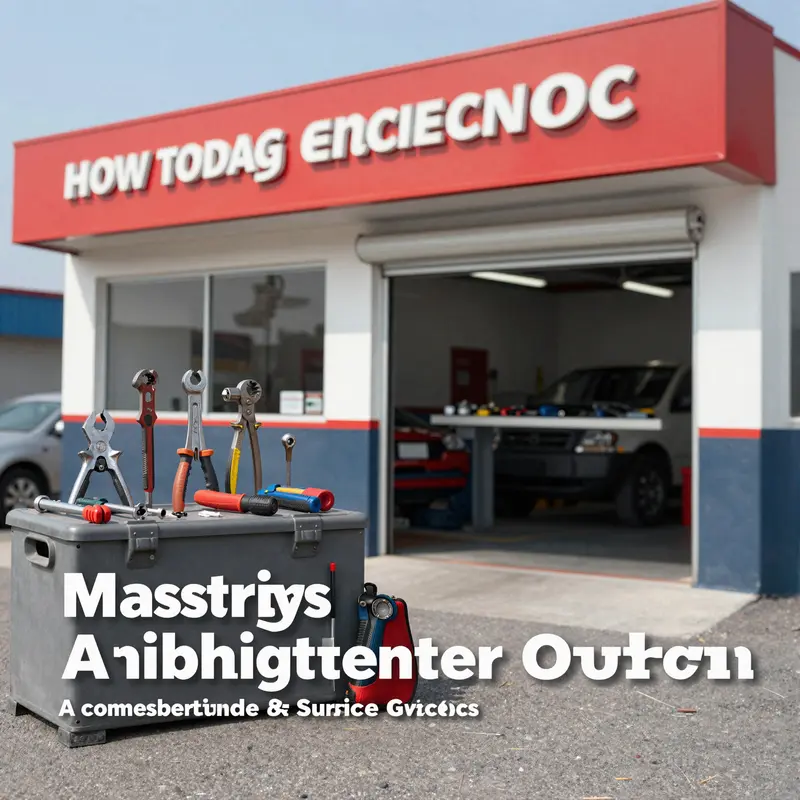
Keeping a vehicle in dependable condition rests on two pillars: having the right tools at hand for routine and emergency work, and knowing how to choose a service center you can trust for deeper repairs. This chapter brings those pillars together in a single, practical narrative so you can act confidently when a job is simple enough to handle at home, or when professional expertise is the safer, more economical choice.
Every car owner benefits from a modest, well-chosen toolbox. The emphasis is on versatility and safety rather than collecting every specialty item. Start with a high-quality set of screwdrivers—both flathead and Phillips—so you can remove trim, access panels, and handle small fastening tasks without damage. A matched set of socket wrenches with a ratchet and extensions covers most bolt sizes you will meet on typical repairs. Combine these with an adjustable wrench for odd-sized nuts and a torque wrench to tighten critical fasteners to specification. Using a torque wrench prevents threads from being over-tightened and avoids components coming loose from under-tightening.
A proper lifting and support system is essential whenever work puts anyone under the car. A hydraulic jack sized for your vehicle plus a pair of solid jack stands is non-negotiable. Never rely on the jack alone; stands are the redundant safety measure that prevents a minor slip from turning into a major hazard. Complement those with wheel chocks and a creeper or thick mat so you can position yourself safely and comfortably while working.
Tire and basic diagnostic tools save money and catch problems early. A reliable tire pressure gauge and a small air compressor or pump keep pressures in the manufacturer’s recommended range. Correct pressure improves fuel efficiency, handling, and tire life. An OBD2 scanner that reads engine fault codes is a powerful diagnostic aid. It tells you where to start when your dash lights come on and can often reveal whether a trip to a shop is necessary. For fluids and filters, keep a funnel, drip trays, gloves, and absorbent mats. These items reduce mess and make safe fluid handling possible.
Beyond the physical tools, maintenance requires knowledge and documentation. Your vehicle’s owner’s manual contains the single most accurate schedule for oil changes, filter replacements, and service intervals. Follow it. Keep a written or digital maintenance log that records dates, mileage, tasks performed, parts used, and service provider details. This record helps you track warranties, spot recurring issues, and preserve resale value.
Knowing which jobs to tackle yourself and which to entrust to professionals is as important as the tools you own. Simple tasks—checking and topping fluid levels, swapping windshield wiper blades, rotating tires if you have the equipment, and replacing air or cabin filters—are good DIY projects. They build familiarity with your vehicle and often cost only time and basic supplies. Complex procedures—brake system overhauls, transmission work, electronic system diagnostics, and anything that involves the fuel or emissions system—should be handled by trained technicians who have specialized tools and factory-level diagnostics.
When professional help is needed, choosing the right service center reduces stress, expense, and the chance of repeat visits. Start by looking for credentials. Technicians who hold recognized certifications have proven competency in specific automotive systems. Certification signals that the shop keeps current with evolving vehicle technology and repair standards.
Reviews and word-of-mouth matter, but interpret them carefully. Consistent praise for clear communication, fair pricing, and punctuality is a better indicator of reliability than a few glowing remarks about low costs. Pay attention to reports about transparency—shops that provide itemized estimates and explain the reasoning behind recommended repairs are easier to work with and less likely to perform unnecessary work.
Warranties and guarantees are another litmus test. A written warranty on parts and labor shows a shop is willing to stand behind its work. Ask for the warranty terms and how claims are handled. Avoid centers that obscure warranty details or refuse to provide written assurances.
The service environment reveals a lot about a shop’s standards. Clean, organized bays, neat waiting areas, and properly labeled parts and tools suggest professionalism. Experience with your vehicle’s specific make and model is valuable; technicians accustomed to the systems in your car will spot issues faster and avoid unnecessary replacements. When you call or visit, notice how staff answer questions. Clear, patient explanations and a readiness to show parts or demonstrate problems are signs the shop values customer understanding.
Cost is naturally important, but cheapest is rarely best. Compare itemized estimates rather than accepting a single total. A proper estimate lists parts, labor hours, and any additional fees. If something seems vague, ask for clarification. A trustworthy shop will explain what repairs are urgent, which are recommended, and which can wait. This prioritization helps you plan expenses over time rather than being surprised by a large bill.
Preparing your vehicle and yourself before a service appointment helps the repair process. Note any dashboard warnings, unusual noises, handling changes, or fluid leaks and record when they occur. If a fault light is on, note whether the light flashes or stays steady, and whether symptoms appear only during certain conditions. Bring your maintenance log and copies of recent receipts if you want continuity of service and warranty tracking.
Communication during the repair is key. Ask how and when the shop will contact you with updates and whether they will obtain your approval before performing additional work. Request that replaced parts be returned for inspection if you wish to see what was changed. This practice can reassure you that parts were actually replaced and that the work justifies the cost.
Maintenance decisions also have financial and environmental consequences. Simple, timely services like oil changes, air filter replacements, and correct tire pressure improve fuel economy and reduce emissions. For more on how upkeep affects fuel use, see the discussion on how vehicle maintenance saves on gas expenses. Regular preventive care often costs less over time than multiples of emergency repairs and reduces the chance of being stranded.
Finally, build a relationship with your service partner. The more a shop knows about your vehicle’s history, the better it can predict and prevent problems. A trusted shop will become a source of honest advice on when to repair, when to replace, and how to budget for aging components.
Choosing the right tools and the right service center is less about owning everything and more about making informed choices. Equip yourself for safe, routine work and learn when to bring in professional help. Keep records, ask questions, and prefer transparent, certified shops. These habits protect your safety, stretch your service dollars, and keep your vehicle reliable for years to come.
External resource: https://www.motortrend.com/cars/vehicle-maintenance-tools-guide/
Internal link: how vehicle maintenance saves on gas expenses – https://vehicletricks.com/blog/how-vehicle-maintenance-saves-on-gas-expenses/
Final thoughts
Proper vehicle maintenance is crucial for any business that operates a fleet. By understanding the various types of maintenance, ensuring daily checks, adhering to scheduled tasks, executing maintenance correctly, and selecting suitable tools and service centers, business owners will not only extend the life and reliability of their vehicles but also enhance overall operational efficiency. With a proactive maintenance strategy, businesses can minimize downtime, reduce costs, and ensure safety on the road.