
Vehicle maintenance is a critical aspect of running a business, particularly for owners dependent on transportation to deliver goods or services. With the right financial preparations, business owners can ensure their vehicles remain in optimal condition, thus avoiding unexpected breakdowns and costly repairs. This guide will delve into the recommended annual budgets and breakdowns of significant expenses involved in vehicle maintenance. It will inform you of the regular maintenance and service costs, how to budget for tires and brakes, and the essential nature of an emergency fund for unforeseen repairs—all tailored to the specific needs of business owners.
The Yearly Vehicle Maintenance Budget: How Much to Set Aside and Why It Keeps Your Car and Wallet Healthy

Every driver knows the sticker price of a car isn’t the only cost to budget for. The steady drumbeat of maintenance, wear, and the occasional unforeseen repair can reshape a budget. The question of how much to set aside each year isn’t a single number; it’s a plan built from core ideas: routine care is predictable, wear items cost money, and an emergency cushion covers the surprises. Framing maintenance as a fixed, upfront expense makes the annual target feel practical and achievable.
For many vehicles, a practical baseline sits in a middle range. Data from reputable sources often places regular maintenance and minor repairs around six hundred to twelve hundred dollars per year, depending on age, model, climate, and driving style. This includes oil changes, filter replacements, tire rotations, brake inspections, and fluid checks. Tires and brakes can push the annual total higher when replacements are needed, adding a few hundred to over a thousand dollars in a given year.
To build this into a plan, consider dividing the year into predictable buckets: set aside a monthly amount for routine maintenance—roughly fifty to one hundred dollars per month. That’s about six hundred to twelve hundred dollars annually, aligning with common benchmarks and making the budget manageable regardless of individual quirks of your car.
A separate emergency fund for unexpected repairs is wise. A common recommendation is to save between one thousand and two thousand dollars per year to cover surprises without resorting to high-interest credit. Also, prep for wear items by reserving a cushion for tires and brakes, roughly a few hundred to over a thousand dollars per year, amortized over the life of your tires.
In practice, your target depends on age, mileage, and climate. A newer car with moderate usage can sit toward the lower end of the range, while an older, high-mileage vehicle may require moving toward the upper end. The goal is a disciplined habit: regular contributions, routine monitoring of vehicle health, and adjustments as your car ages. A simple rule of thumb could be: baseline six hundred to twelve hundred dollars for routine care, five hundred to fifteen hundred for tires and brakes, and one to two thousand for a yearly emergency fund. This yields a total annual maintenance budget in a sensible, scalable range for many drivers.
Ultimately, treating maintenance as a fixed cost helps you avoid dramatic, surprise bills. The more you invest in prevention today, the less you’ll pay in emergency repairs tomorrow.
What to Set Aside Each Year for Vehicle Maintenance: A Practical, Lifecycle-Sensitive Budget
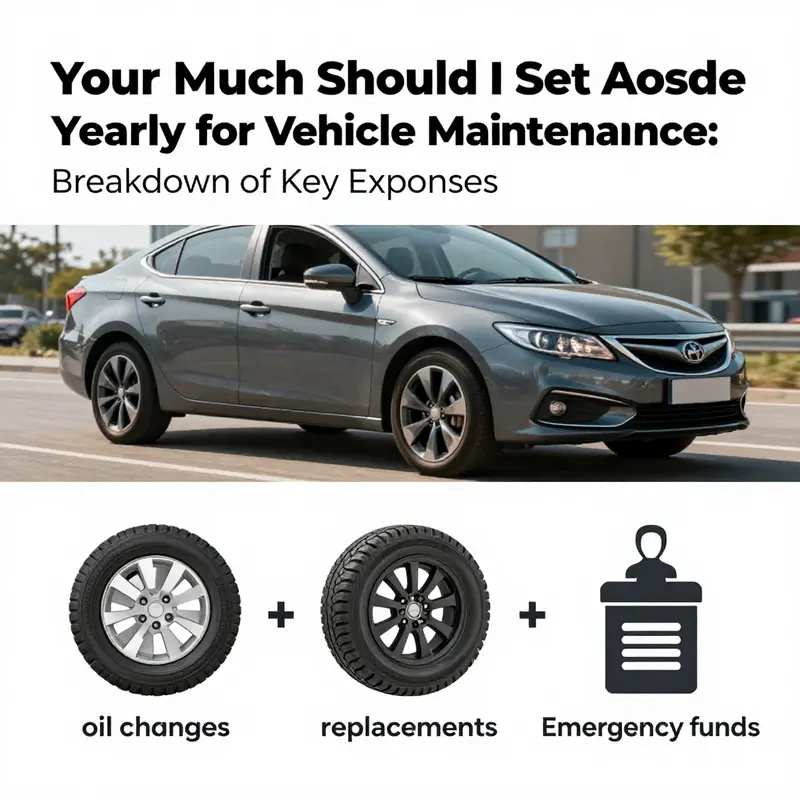
Balancing certainty with flexibility in vehicle maintenance means planning around age, mileage, driving style, climate, and how proactive you are about upkeep. Think in terms of categories, lifecycle, and a disciplined savings routine that cushions predictable wear and the inevitable surprises. This mindset helps you avoid pinch moments when maintenance or repairs come due.
For newer vehicles—those under five years old—the predictable part of the equation is modest. Routine services and minor wear items dominate the picture. In many cases, annual maintenance costs fall roughly in the range of $400 to $800. This covers regular oil changes, filter replacements, brake inspections, tire rotations, and fluid top-ups. The goal is preventative care: address small issues before they become bigger ones and extend the vehicle’s life. The exact figure depends on design, components, and manufacturer schedules. It’s tempting to skip upkeep, but those routine visits prevent larger, costlier repairs later. When budgeting, view this as the bedrock of maintenance, not the ceiling.
As the years pass, the maintenance landscape shifts. Vehicles beyond five years old typically require more attention, and costs can rise to the $1,000 to $2,000 per year territory. Wear items grow more frequent, systems age, and the probability of non-routine repairs climbs. High-mileage vehicles—over 100,000 miles—often demand even closer attention and sometimes bigger interventions. The key is planning: older cars are more likely to require substantial maintenance, and you’ll want to budget accordingly so you aren’t forced to finance repairs with high-interest credit or deplete savings.
A major component of any maintenance budget is tires and brakes, and this area isn’t always aligned with the calendar. Tires and brakes typically average $500 to $1,500 per year when costs are spread over several years. Tires wear in relation to miles, road conditions, and tire type, and may require rotation or alignment checks. Brakes wear at their own pace, with pads or rotors needing attention as part of routine service. Because wear items can be substantial, budgeting for them annually smooths the expense curve and avoids a surprise bill when tires wear out.
Beyond routine maintenance lies the possibility of unexpected repairs. A prudent approach includes a separate emergency fund, often described as a dedicated fund. Typical guidance is in the range of $1,000 to $2,000 per year. This cushion helps cover major repairs—think head gasket, transmission work, or major electrical faults—that aren’t predictable year to year. A financial professional might advocate for a dedicated fund of at least two thousand dollars annually to prevent reliance on high-interest credit. By setting aside such an amount each year, you’re ensuring your car can be repaired promptly without derailing your broader plan.
Fuel is a variable, not a maintenance item. Fuel costs swing with miles driven and fuel economy. Annual fuel outlays commonly range from roughly $800 to $1,500+. For high-mileage or less efficient vehicles, fuel can dwarf routine maintenance costs even before considering repairs. While fuel isn’t maintenance, it is a central part of total cost of ownership. When budgeting, separate predictable maintenance tasks from fuel and insurance, but consider how you drive and where you live, since both influence fuel spend.
Insurance and related fees form another line in the annual car budget, though they belong to the broader ownership picture rather than the maintenance column alone. Depending on location, coverage requirements, and risk profile, annual insurance and related fees can run quite high—often in the thousands per year. In many households, these costs push total ownership into a broader band that includes taxes, registration, and fees. While not maintenance in the strict sense, they influence how much you should realistically set aside for upkeep. A structured approach keeps maintenance funds separate from insurance reserves, helping prevent them from squeezing each other in months with larger bills.
Taken together, these components—regular maintenance, tires and brakes, unexpected repairs, fuel, and insurance—show why a single universal number is rarely sufficient. The combined annual maintenance and repair picture can range from a modest level in early years to a more demanding budget as a car ages and miles accumulate. A widely referenced planning approach suggests contributing to a dedicated vehicle fund on a monthly basis, with deposits totaling roughly $100 to $150 per month, about $1,200 to $1,800 annually for routine upkeep and predictable wear. The goal is to avoid dipping into unrelated savings or letting a small problem become a big one because funds weren’t ready.
For drivers with older or high-mileage vehicles, a higher annual reserve makes sense. If catch-up maintenance is required or essential services have been delayed, increasing the maintenance fund toward the upper end—perhaps $2,000 to $3,000 per year for maintenance and significant wear items—can be prudent. When you factor in the emergency repair fund, the total planning figure can climb further. In such scenarios, many financial advisors suggest a broader, model- and mileage-specific strategy rather than chasing a single blanket target. The principle remains the same: treat maintenance as a fixed, regular cost you budget for, rather than an unpredictable shock.
To tailor these numbers, consider how you drive and the kind of vehicle you own. A younger car with low mileage will generally demand less in routine maintenance, while a well-used vehicle, high-mileage commuter, or luxury model may require more frequent attention. Understanding your expected maintenance schedule—oil changes, filter replacements, brake servicing, tire rotations—helps anchor a realistic annual reserve. Review maintenance history and monthly services, and explore model-specific estimators to get a clearer picture of expected costs in your region. External resources can help: see general maintenance concepts here: https://vehicletricks.com/blog/what-is-vehicle-maintenance/.
As you refine your plan, remember that a disciplined savings routine is essential. Set aside money in a separate vehicle-maintenance account to reduce the temptation to spend it elsewhere when surprises arise. Automating monthly transfers creates a predictable cadence and a cushion that protects both your car and budget. Since maintenance costs aren’t constant year to year, stay flexible: adjust deposits upward after a big service or downward after a light maintenance year, keeping the overall trajectory steady and aligned with the car’s needs.
In short, a robust annual maintenance plan blends a base level of regular upkeep with a buffer for the unexpected, while accounting for broader ownership costs. A practical target sits in the neighborhood of a few thousand dollars annually when you include big-ticket repairs and wear items alongside routine service. For others—especially those with newer cars or lower mileage—a leaner approach may suffice, near the lower end of the spectrum. The key is consistency: a fixed, regular savings habit and a realistic view of lifecycle costs keep you from being caught off guard and keep your vehicle reliable month after month and year after year.
For those seeking a tailored estimate, use model- and region-specific tools that account for local labor rates and parts prices. Such resources translate general rules of thumb into a plan that truly fits your situation. Maintenance isn’t just a checklist; it’s a long-term investment in reliability, safety, and resale value. When framed as a fixed annual obligation rather than an optional expense, you stay current with service intervals, keep wear items in check, and reduce the risk of major repairs down the road.
External resource: RepairPal provides a widely cited average and a practical cost estimator to gauge maintenance costs by year and by vehicle model. See the overview here: https://www.repairpal.com/average-car-maintenance-costs-by-year. In the end, your best route is a plan that reflects your car’s age, your driving habits, and local conditions, anchored by a consistent savings habit that makes maintenance feel routine rather than burdensome.
Regular Maintenance and Service Costs: How Much to Set Aside Each Year to Keep Your Vehicle Running Smoothly
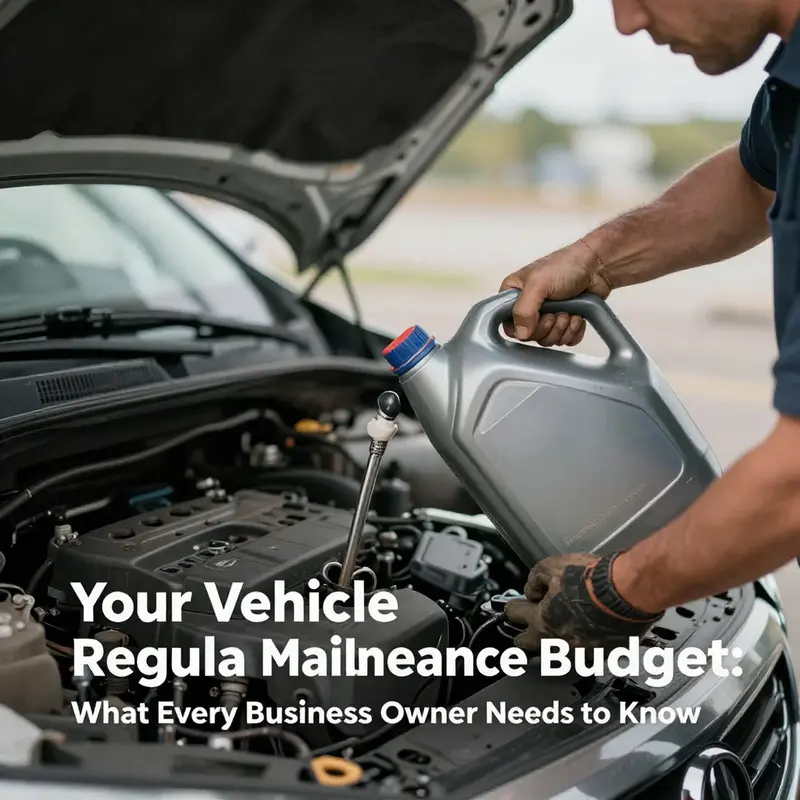
Budgeting for vehicle ownership starts with recognizing what actually falls under regular maintenance and service. It’s the steady, predictable part of keeping a car healthy and reliable. For many drivers, that means a conservative annual target that covers oil changes, filter replacements, tire rotations, brake inspections, and fluid checks. These are the tasks that form the foundation of preventive care. When you treat them as a fixed, anticipated expense, you reduce the chance of a surprise breakdown and the domino effect of bigger bills down the line.
The core idea is straightforward: regular maintenance costs are more predictable than major repairs, yet they vary with age, mileage, and climate. Industry guidance commonly points to a reasonable annual range of roughly $500 to $1,000 for routine maintenance and service. This figure reflects the cost of essential services performed on schedule, such as oil changes every few thousand miles, air, fuel, and cabin filter replacements, brake inspections, tire rotations, and fluid top-ups or flushes. It’s a sensible starting point for most vehicles and provides a useful baseline for building a personal maintenance fund. For context, the goal is not to chase every possible service at once, but to cover the recurring needs that keep your car efficient and safe over time.
The value of preventive maintenance is well established by professional standards and consumer guidance. The National Institute for Automotive Service Excellence (ASE) emphasizes that these checks and replacements aren’t cosmetic; they are preventative measures that can avert more costly repairs later. Maintaining the health of the engine, cooling system, brakes, and tires reduces the likelihood of breakdowns in the middle of a busy week or a long trip. When you consider how often oil changes, filter replacements, and brake inspections occur, the regular maintenance budget becomes a shield against uncertainty rather than an optional expense.
That said, the exact annual cost for maintenance will depend on your car’s specifics. A newer vehicle with low mileage tends to stay near the lower end of the spectrum, often closer to $500 per year. As vehicles age and accumulate miles, maintenance needs can creep upward toward the $800 to $1,000 range or higher. A high-mileage vehicle may require more frequent servicing, additional fluid flushes, and more frequent filter replacements, all of which push the annual figure upward. Conversely, some drivers who adhere meticulously to the recommended service intervals and drive frugally might keep costs lean, especially if their vehicle is known for low maintenance needs. This variability is why a rigid one-size-fits-all number rarely captures every driver’s experience. Instead, use the $500–$1,000 band as a practical, evidence-based target and calibrate it to your vehicle’s age, mileage, and the climate you operate in.
To tailor this further, consult your owner’s manual for the suggested service intervals and maintenance tasks. These recommendations reflect the car’s design and engineering needs, which can differ significantly between makes and models. If you want a quick, reader-friendly overview of what maintenance covers and why it matters, you can explore a concise guide on vehicle maintenance basics. That resource provides a clear sense of which tasks are routine versus which ones should be treated as potential warning signs. What is vehicle maintenance offers a helpful primer and can anchor your budgeting discussions with concrete examples of the tasks that typically fall into regular maintenance.
Seasonal considerations are another practical factor. In colder climates, winterization routines—such as coolant checks, battery health assessments, tire tread evaluation, and sometimes fuel treatment—add a layer of regular costs that may not be as prominent in milder regions. In hotter climates, cooling system inspections and air conditioning service can be more frequent trends, especially in vehicles that see heavy summer use. These seasonal touches aren’t dramatic in isolation, but they do nudge the yearly total upward, particularly for vehicles that live outside year-round or face extreme temperature swings. When you factor in seasonal care, your annual maintenance budget should reflect not just the routine year-round tasks but the predictable seasonal tune-ups that help avoid more serious failures when the weather changes.
An important element of planning is recognizing that maintenance is not merely about ticking tasks off a calendar. It’s about making maintenance a habit that reduces risk and prolongs the life of your car. A simple, proactive approach can yield meaningful long-term savings. Instead of waiting for a problem to appear and then scrambling for funds, many drivers benefit from setting aside a fixed amount each month, creating a small, predictable pool dedicated to regular upkeep. A common, sensible target is to save about $50 to $80 per month for routine maintenance. Over a year, that builds a cushion that aligns with the typical $500–$1,000 annual range and also contributes toward the occasional larger service that might be required as the vehicle ages. This approach acknowledges the reality that maintenance costs are not strictly constant; they drift with mileage, climate, and car condition, yet they remain a manageable, regular expense when treated as a fixed obligation.
When you map out your maintenance calendar, a few practical steps can help you stay on track. First, track mileage and time-based service intervals in a simple log or calendar, so you know when oil changes, filter replacements, and inspections are due. Keep a list of parts that tend to wear out on your model—brake pads, brake fluid, tires, air filters, cabin filters, and fluids like transmission and coolant—and note their typical replacement cycles. This not only clarifies what to expect but also helps you forecast costs with reasonable accuracy. Second, group services where possible. For instance, an oil change that also includes filter replacements and brake inspections can reduce labor charges and minimize the number of visits to the shop. If you prefer doing some routine maintenance yourself, set a separate, reliable budget for parts and tools, and treat any DIY activity as a small but meaningful savings against shop labor.
Another practical dimension is the maintenance log’s role in resale value. A well-documented history of regular care reassures potential buyers and can translate into higher value at sale. This is not merely anecdotal; it reflects the reality that a car with a clean, comprehensive maintenance record demonstrates prudent ownership and lower risk of hidden defects. In this sense, regular maintenance costs aren’t just an ongoing expense. They’re an investment in your vehicle’s reliability, longevity, and future market value.
For readers seeking a broader framework beyond maintenance alone, it can be helpful to view total vehicle ownership costs through the lens of the full annual budget. While maintenance sits at the heart of keeping the car dependable, you should also consider wear items like tires and brakes, the possibility of unexpected repairs, fuel, and ongoing ownership costs like insurance. The broader budgeting approach adopted by many households suggests a reasonable total annual allocation of around $2,500 to $4,000 to cover the spectrum of costs, with maintenance forming the stable base from which the rest of the figure rises. This broader target acknowledges that while regular maintenance is predictable, other expenses—such as tires, unexpected repairs, and fluctuating fuel prices—contribute significantly to the overall cost of ownership. When you put regular maintenance into this wider context, you’ll see that staying disciplined about the smaller, regular outlays makes it easier to weather the bigger, less predictable events, too.
If you want to anchor your routine maintenance expectations to a trusted external benchmark, there are industry resources that summarize typical maintenance costs by vehicle class and age. For a broader national perspective on maintenance costs, a helpful reference is Edmunds’ cost of car maintenance page. This resource provides a more expansive view of how routine maintenance costs accumulate and how they can differ by vehicle type, mileage, and service interval. It’s a good companion piece as you calibrate your personal budget against national averages. Edmunds – Cost of Car Maintenance
In the end, the most effective way to approach regular maintenance costs is to make maintenance predictable and deliberate, not reactive. If you’ve ever found yourself scrambling for funds when a routine service is due, you know the feeling of being caught unprepared. By setting a sensible annual target, then refining that target with your car’s age and mileage in mind, you create a stable financial platform for your vehicle. The monthly savings habit adds a layer of discipline that protects your finances and your car’s performance. It’s not glamorous, but it is practical—and it makes maintaining your vehicle something you do with confidence rather than afterthought. The key is consistency: consistent saving, consistent service, and a willingness to adjust as your car’s needs evolve. When you combine these elements, you move from a shaky expectation of cost to a clear, manageable plan that supports reliability on the road and peace of mind off it.
Internal link note: for a concise overview of what falls under regular maintenance, see the guide mentioned earlier. It provides readers with a quick orientation to the routine tasks that comprise the maintenance baseline, helping you translate the abstract numbers into concrete actions you can schedule and fund throughout the year.
Tires and Brakes: Building a Steady Annual Reserve for Your Car’s Most Essential Maintenance
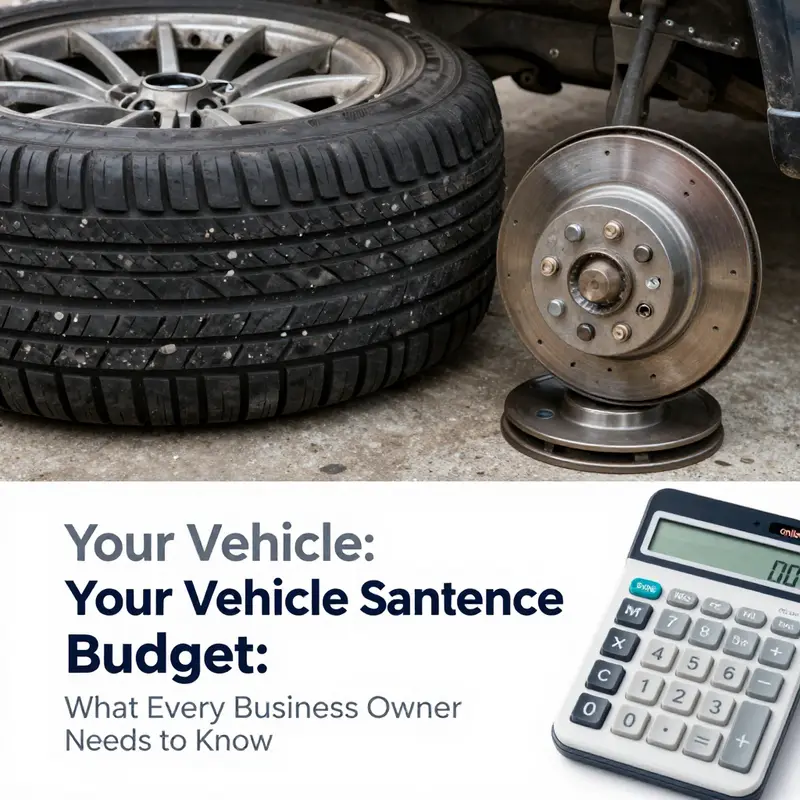
Tires and brakes sit at the core of daily driving. They are the parts you notice first when your car wakes up loud on a cold morning, or when a sudden stop feels less confident than it should. They are also the most visible signs of wear and tear that steadily eat into a budget if you’re not prepared. In the broader conversation about how much to set aside each year for vehicle maintenance, tires and brakes anchor the discussion. They are not glamorous, but they are essential, and they deserve a dedicated, thoughtful place in your financial plan. When you step back and map out the year ahead, the numbers line up in a surprisingly practical way: for tires and brakes, expect to set aside roughly $1,000 to $1,500 annually. This range captures the reality that costs swing with your driving style, the type of vehicle you own, and the local conditions that speed up wear. It’s enough to cover routine wear items and the kind of maintenance that keeps your car safely rolling, while leaving room in the budget for the occasional larger repair that can accompany or follow tire or brake work.
Tires are where many drivers first notice the expense. They wear down with mileage, road quality, weather, and the way you drive. On average, tires need replacement every 40,000 to 60,000 miles, though some vehicles and tires can stretch farther or fade sooner depending on conditions. The cost impact is substantial because tires are not a one-tire purchase; most setups require four tires, and the price per tire varies with size, tread design, and construction. Even when you don’t replace all four at once, you’ll feel the impact when one or two go out of balance with the rest. The budgeting principle here is simple: anticipate tire wear as a regular, recurring line item rather than an all-at-once surprise. A steady approach reduces the sting of a big bill and helps you stay focused on safe driving rather than on debt.
Brakes, by contrast, provide a steady reminder every few years or sooner if driving in dense city traffic, hilly terrain, or in climates that demand more frequent service. Brake pads typically wear out in the 20,000 to 30,000-mile range, depending on driving habits and the vehicle’s braking system. This interval is a useful benchmark for planning, but it’s not a guarantee. Heavy stop-and-go driving can shorten the pad life, while smooth highway cruising may extend it. When brakes require attention, the costs can range from routine pad replacement to more complex rotor service, depending on wear and where the wear has occurred. Even when the brakes don’t need major work, brake system inspections remain a wise annual or semiannual tune-up, because catching wear early is a proven way to avoid more extensive, expensive repairs later.
The combined picture—tires plus brakes—creates a meaningful annual target. The suggested range of $1,000 to $1,500 acknowledges that some years will be lighter, others heavier, but on average the spend is predictable enough to plan for with a fixed savings habit. The total is even more palatable when you translate it into a monthly habit. A dedicated maintenance fund that sets aside about $85 to $125 each month yields $1,020 to $1,500 over the course of a year. This practice aligns maintenance with other fixed monthly costs and avoids the risk of dipping into credit or savings during a sudden tire or brake event. It also reinforces a broader financial truth: treating routine maintenance as a fixed cost protects overall financial health and reduces the temptation to skip essential care when money is tight.
To make this practical, start with your current driver profile. If you log many miles on rough roads or in areas with harsh winters, you may approach the upper end of the range more often. If your vehicle is newer, and you drive gently on smooth highways, you may hover toward the lower end for a few years before the wear accelerates. The key is to track mileage and driving conditions, not to rely on a single estimate. A simple mileage log, updated every few months, helps you compare actual wear against your savings rhythm and adjust the monthly contribution as needed. In other words, the budget should be a living figure, responsive to real-world conditions rather than a fixed target pulled from nowhere.
This approach also aligns with a wider strategy for vehicle ownership. Regular wear-and-tear expenses, though predictable in principle, can still catch people off guard when they occur in a concentrated period—say after a long road trip or in a season when the climate accelerates wear. A dedicated reserve for tires and brakes reduces the likelihood that you’ll resort to high-interest credit cards or dip into emergency funds for something that could have been planned for. It is a form of disciplined financial management that acknowledges the true cost of ownership: the ongoing, ordinary costs that accumulate as your car travels miles on the road. In the context of a broader maintenance plan, this tires-and-brakes reserve is the anchor that keeps you steady while other costs—like regular oil changes, fluids, and inspections—flow around it.
The idea of a monthly savings target is complemented by a straightforward decision about timing. When you notice a tire rotation, an alignment, or a brake inspection due, you can use your maintenance fund as the first line of defense. If the issue is strictly within the expectations—such as a typical brake pad replacement in your mileage window—your fund covers it without abrupt financial disruption. If the problem reveals itself as a larger repair, you still have a buffer to draw from before turning to debt, though you may need to adjust the overall plan for the year. In this sense, the tires-and-brakes focus becomes less about expense forecasting and more about risk management—minimizing the probability that a preventable problem evolves into a high-stress financial event.
To deepen the planning, it can help to consult broader resources on vehicle maintenance. A well-regarded reference point emphasizes the value of a dedicated, predictable savings approach for maintenance as a whole. The concept is to treat car upkeep as a fixed cost, not an unpredictable setback. This mindset helps you stay consistent and reduces the cognitive load of making ad hoc decisions about money whenever your car needs care. If you want a broader view that covers the fundamentals of maintenance beyond tires and brakes, you can explore a comprehensive guide that outlines what maintenance entails and why it matters for longevity and safety. See What is vehicle maintenance for a broader framework and context. The consideration here is not to replace the tires-and-brakes plan but to complement it with a cohesive understanding of how maintenance fits into your overall financial strategy.
When you plan like this, you also set the stage for better scheduling. Knowing you have a reserve for tires and brakes encourages proactive service. You may choose to align tire rotations and brake inspections with a calendar cycle that’s convenient for you, perhaps tying maintenance to a quarterly budget check or to when you reach certain mileage milestones. This rhythm reduces the chance of neglect and helps you avoid the last-minute scramble that too often accompanies looming maintenance needs. It also makes it easier to compare actual expenses against your forecast, so you can refine your estimates over time without guessing wildly.
In practice, the tires-and-brakes reserve is not an isolated island in your budget. It sits alongside other fixed costs that define the monthly cost of ownership. The broader maintenance plan you’re building—integrating regular oil changes, fluid checks, and inspections—resonates with routine financial discipline. The core takeaway remains straightforward: allocate a steady, predictable amount each month specifically for tires and brakes, monitor mileage and wear, and adjust as needed. This approach reduces the friction of inevitable costs and preserves financial stability when the vehicle needs attention. For those who want a quick starting point, a monthly contribution in the mid-range—about $100 per month—will typically yield a yearly cushion of around $1,200, which comfortably covers the common wear-and-tear cycle for tires and brakes. If your driving is heavier or your vehicle is more prone to wear, you can move toward the upper end; if conditions are gentler, you might stay closer to the lower end, rebalancing as patterns shift.
For readers who want to dive deeper into maintenance principles, the linked resource offers a broad lens on how maintenance fits into financial planning. And if you’re ready to broaden your knowledge beyond tires and brakes, the internal guide on vehicle maintenance provides a solid overview to support a well-rounded approach. Learn more about maintenance and see how it integrates with your overall financial strategy at the linked page: What is vehicle maintenance.
In sum, treating tires and brakes as a defined, annual budgeting category makes sense for most drivers. While the exact numbers will vary with mileage and climate, the general rule holds: plan for roughly $1,000 to $1,500 per year for tires and brakes, with a monthly savings cadence of about $85 to $125. This framework supports safer driving, smoother road experiences, and a more resilient budget. It isn’t a luxury; it’s a prudent form of preparation that reflects the reality of ownership and helps keep your car reliably ready for the road ahead.
External resource: https://www.aaa.com
Budgeting for Vehicle Maintenance: Building a Resilient Yearly Reserve for Upkeep and Unexpected Repairs
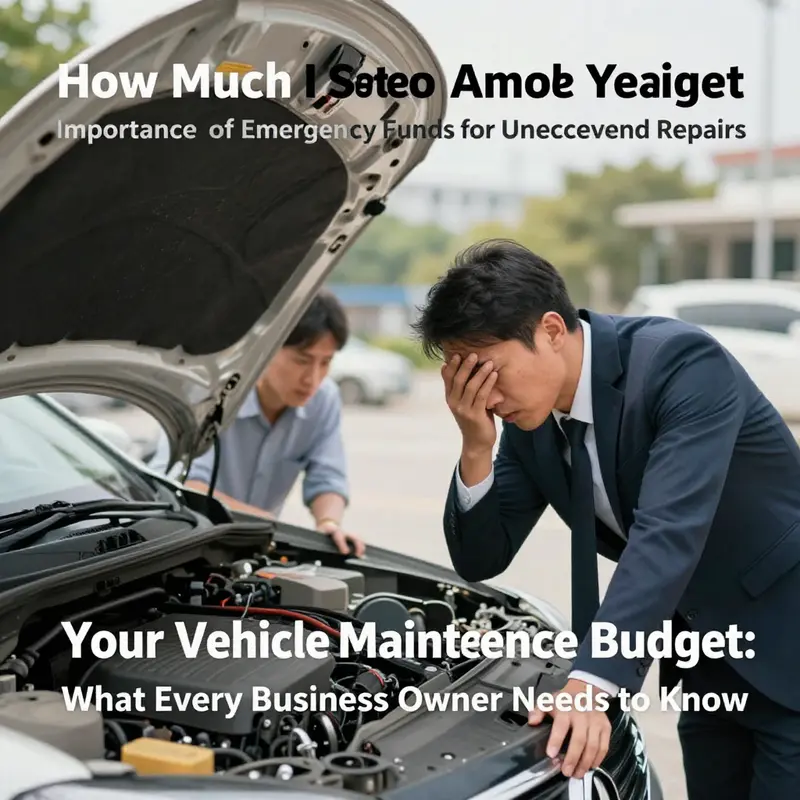
Setting aside money each year for vehicle maintenance is less about chasing the next repair and more about anchoring the true cost of ownership in reality. A well-structured reserve functions like a financial airbag, cushioning routine service while absorbing the inevitable hiccups that arrive with age, mileage, and shifting road conditions. The question drivers most often ask—how much should I set aside each year?—has a practical answer that depends on your car’s specifics and your habits. Instead of chasing a single number, think in a framework that blends predictable maintenance, wear items, and a safety cushion for surprises. In practice, most households find that a thoughtful annual budget in the broad range of a few thousand dollars provides the needed balance between keeping a car reliable and avoiding unpleasant surprises when the bill lands.
A good starting point is to acknowledge that vehicle maintenance is not a one-off expense. It is a rolling set of costs that accumulates as the car ages and miles accumulate. Routine servicing—oil changes, filter replacements, brake inspections, tire rotations, and fluid checks—forms the foundation of preventive care. These are the tasks that keep a car healthy and expensive problems from creeping in. Experts commonly suggest setting aside roughly $1,000 to $2,000 per year for these regular services. The aim is to cover the work that should happen on schedule rather than letting it slide until a warning light becomes a crisis. When you understand maintenance as a fixed cost rather than a sporadic inconvenience, budgeting becomes a smoother, less stressful exercise.
Tires and brakes are the next major category in the upkeep ledger. They represent wear items that can spike costs in certain years even if you don’t replace them annually. Budgeting $500 to $1,500 per year for tires and brakes is a practical approach that keeps you prepared for tire replacements, tread wear, and brake pad changes as they come due. Tires, in particular, vary widely in lifespan—from roughly 40,000 miles to 80,000 miles—depending on your driving style, road conditions, and the tire itself. Even if you rotate and balance regularly, the eventual need for new tires can be expensive. Spreading this cost over several years helps maintain steady cash flow and prevents a single big month from derailing your finances.
Perhaps the most sensitive part of the equation is the unexpected repairs and an emergency fund. No matter how diligent you are, cars will surprise you with repairs you didn’t anticipate—engine issues, transmission concerns, or a blown head gasket. For many households, setting aside $1,000 to $2,000 per year specifically for unexpected repairs is a prudent move. The Car Care Council emphasizes the value of a dedicated reserve to weather major repairs without resorting to high-interest credit or dipping into savings. They suggest having a cushion—ideally between $500 and $1,000—to prevent stress during an unexpectedly costly repair. For some, building this cushion takes disciplined saving: setting aside $50 to $75 per month can accumulate a meaningful fund within a year. The logic is simple and powerful—treat vehicle maintenance as a fixed cost with a built-in buffer for the surprises that always arrive on a Monday morning when the budget is tight.
Fuel, while not a maintenance task per se, remains a major variable cost in the broader ownership calculation. Fuel costs can swing widely based on mileage, fuel economy, and energy prices. A practical annual range often cited is roughly $800 to $1,500 or more, depending on how much you drive and the efficiency of your vehicle. For many drivers who rack up miles quickly, fuel can be a substantial share of total ownership costs. In higher price environments or with greater annual mileage, fuel bills can rise sharply, underscoring the need to distinguish maintenance funds from ongoing operating expenses while recognizing how both contribute to the total cost of ownership.
If you widen the lens to include insurance and other mandatory fees, the total annual ownership cost expands well beyond maintenance alone. For many households, insurance and various required fees can land in the $4,000 to $6,000+ range each year, depending on location, coverage levels, and personal factors. This isn’t a call to shrink maintenance budgets to chase insurance savings, but it helps set expectations about the overall cost picture. Understanding where maintenance ends and ownership costs begin is crucial for building a realistic plan that doesn’t overcommit to one area at the expense of another.
The logic behind this budgeting approach is clear: by allocating funds consistently, you create a predictable path through which maintenance and repairs can be managed without debt or deferred maintenance. The idea of a dedicated vehicle maintenance account—often funded monthly—has been highlighted by financial guides as an effective way to avoid the stress that comes with big bills. It transforms maintenance from an unpredictable, potentially anxiety-inducing variable into a controllable, small monthly commitment. In practice, a target in the $2,500 to $4,000 annual range often emerges as a practical envelope for many households. It’s a broad enough band to cover routine care and some repairs, yet slim enough to remain plausible for average incomes and cars that aren’t at the twilight of their life.
All of this, of course, needs tailoring. The precise figure for any given driver will hinge on four core factors: the car’s age, the mileage accumulated, the local climate and road conditions, and personal driving habits. A newer vehicle with low miles may hover closer to the lower end of the spectrum, while an older car with high mileage and exposure to harsh winters or rough roads will demand more attention and a larger cushion. If you drive in a region where winters involve extensive salt use or rough plow conditions, you may experience faster wear on brakes, tires, and suspension components, nudging your annual maintenance needs upward. Likewise, a driver who logs long highway miles generally enjoys better fuel economy and fewer repairs per mile, which can tilt the budget toward maintenance toward the lower end. That said, the reality remains that maintenance, wear items, and emergency repairs are all costs that will appear with time. Planning for them with a disciplined yearly reserve is the wisest course.
To give this planning some practical teeth, consider a concrete example. Suppose you adopt a baseline maintenance target of $3,000 per year. You might allocate $1,200 to $2,000 for regular service and preventive care, $500 to $1,000 for tires and brakes over time, and $800 to $1,000 as a cushion for unexpected repairs. Add a separate estimate for fuel and insurance as part of the broader ownership plan, recognizing that fuel may swing with your mileage and fuel economy, and insurance costs will depend on your personal profile and location. The result is a coherent, manageable annual plan rather than a jumbled pile of bills that arrive when you least expect them. If you want a quick primer on what counts as maintenance within this framework, see What is vehicle maintenance.
For a quick primer, read What is vehicle maintenance.
To reinforce the care you’re taking with your finances, take a moment to consider how this translates into monthly discipline. A fixed monthly contribution—say, $250 to $400—into a separate vehicle maintenance account aligns with the broader principle that maintenance is a fixed cost, not a surprise. This approach makes it easier to budget, reduces the likelihood of financing repairs, and helps you avoid the slippery slope of deferred maintenance that often leads to bigger, costlier problems later. It also aligns well with a balanced approach to your entire budget, ensuring your car remains a reliable partner rather than a source of financial stress. The overarching lesson is straightforward: by creating a predictable monthly habit around maintenance, you not only protect the vehicle but also protect your broader financial health.
Of course, the exact numbers will vary. If your vehicle is relatively new and you drive conservatively, you might comfortably sit near the lower end of the maintenance budget. If your car is older, with higher mileage, or if you live in a climate that subjects components to more wear, your maintenance reserve should be higher. The key is to monitor two things over time: your actual maintenance spending and your vehicle’s condition. If you notice more frequent services or larger-than-expected repair bills, incrementally raise the reserve. If you’re consistently underspending without compromising safety or reliability, you can adjust downward with care. The process is iterative, not a one-and-done calculation. The refrain should be that maintenance is a fixed cost with a built-in cushion, and your yearly target should reflect the reality of your vehicle and your life.
As you refine your plan, remember that the maintenance budget is a piece of a larger ownership equation. It sits alongside fuel costs, insurance, and other mandatory fees. A well-structured reserve doesn’t erase these other costs, but it ensures you’re not blindsided by the inevitable repairs that come with car ownership. It also supports peace of mind, because you know you’re prepared for both the steady cadence of service and the surprise repairs that will inevitably arise. In the end, the goal is not to squeeze every possible penny out of the car but to steward your resources so your vehicle remains dependable and your finances remain sound. If you’re curious about a broader framework for maintaining a vehicle and saving on related expenses, you can explore related discussions and guides that expand on these themes in accessible, practical terms.
External resource: https://www.carecare.org/
Final thoughts
Effective vehicle maintenance budgeting enables business owners to maintain reliable transportation without experiencing financial strain. By understanding the overall recommended budget and preparing for key expenses, you can ensure that your vehicles remain in good working order, ready to support your business needs. Establishing a dedicated maintenance fund will empower you to tackle any issues that arise, keeping your operations running smoothly and efficiently.