
For business owners who rely on vehicles, understanding how long to keep maintenance records is critical. The longevity of these records can directly impact your operations, resale value, and legal standing. In this comprehensive discussion, we will explore necessary retention durations based on ownership, industry standards, legal requirements across different regions, and the significance of documented history for future transactions. Additionally, we’ll delve into the best practices for managing both digital and paper records, ensuring you maintain an organized record-keeping system that meets your business needs.
The Living Ledger of Your Car: Keeping Vehicle Maintenance Records Across Ownership
A maintenance record is more than a stack of receipts; it is a living ledger that travels with your vehicle. It chronicles every tire rotation, every fluid top-off, and every diagnostic that hints at a future fault. The question of how long you should keep these records isn’t merely administrative; it is a decision that echoes through resale value, warranty claims, insurance considerations, and even the peace of mind you want while driving. The core of the answer is simple in practice but nuanced in reality: hold on to maintenance records for as long as you own the vehicle, and ideally for a substantial period after you sell or dispose of it. The exact legal or regulatory requirements vary by country and state, but the best-practice guidance centers on durability, accessibility, and the ability to prove that recommended services were performed according to the manufacturer’s guidelines. In many places, this translates to keeping records for the life of the vehicle, plus a reasonable tail—often two to five years after final disposition. The practical reality, however, is that most owners encounter several scenarios where the history matters deeply: resale, warranty claims, insurance, and even future diagnostics when an older vehicle returns with a new mystery. The more complete the ledger, the more easily a mechanic can diagnose the next issue, and the easier it is to demonstrate that routine service was performed on schedule. The idea is not to hoard for hoarding’s sake, but to remain prepared for the contingencies that can arise years down the road when a vehicle is older, more complex, or more valuable. And because cars are now engineered to endure longer than ever, the ledger’s value grows as the years accumulate. You’ll want to treat your vehicle’s maintenance history as a durable asset, not a disposable afterthought.
Across borders, the landscape of retention shifts, but the logic remains similar. In several jurisdictions, there are explicit or implicit expectations about keeping repair records for a defined period. For example, some places set minimum periods for record retention tied to consumer protections or safety oversight. In practice, however, the rule of thumb most owners find actionable is simple: keep records while you own the vehicle, and extend that retention beyond ownership if you can. If a dispute arises, or if an accident or claim triggers an investigation into the vehicle’s service history, the records can be the difference between a clear, well-supported position and a painful absence of documentation. The modern reality is that digital records are becoming the default. Scanned invoices, service logs, and diagnostic reports can be stored in the cloud or on encrypted drives with robust backup. Yet digital does not guarantee protection from data loss, corruption, or cyber threats, which is why personal backups are not optional but essential.
The mechanics of what different entities do with maintenance records also shape owners’ expectations. Reputable dealerships and large repair networks increasingly rely on electronic systems that store a decade or more of data for routine service and major repairs alike. In many cases, records relating to disputes, accidents, or recalls may be retained permanently—an archive that ensures a vehicle’s history cannot be easily erased. Smaller shops, by contrast, often operate under tighter storage constraints and may retain records for a shorter window, sometimes two to five years, depending on local regulations and the shop’s own policies. The discrepancy between these practices matters to owners who plan to keep a car for a long time. If a dealership maintains a deep archive, you can request copies, but you should also have your own copies handy. This is especially critical if you anticipate moving between ownerships, or if you are the kind of buyer who places high value on documented maintenance history as part of the car’s overall value proposition.
From a regulatory lens, the guidance varies. In some jurisdictions, a formal mandate exists for maintaining service data for a fixed period after a service date. In others, there is no universal requirement, but the rationale for long-term retention is reinforced by consumer protection guidelines, warranty frameworks, and the practical needs of insurance and claims processes. For instance, federal guidelines in certain regions encourage manufacturers to retain service data for extended periods to support claims and safety recalls. While the specifics can differ, the upshot is consistent: more is better when it comes to creating a credible, verifiable history. The most compelling reason to retain records indefinitely is straightforward: cars are built to last much longer than the legal or regulatory frameworks that govern record-keeping. If you expect your car to serve as a family vehicle for more than a decade, you should not suspend the record-keeping routine after the first few years. You should create a habit of archiving every service entry, every parts bill, and every diagnostic report in a secure, accessible format that you control.
What does this practically mean for you as an owner? Start with the enduring principle: personally retain all maintenance records for the life of the vehicle. This includes both paper copies and digital versions. Paper documents deserve a fireproof, waterproof storage option, ideally organized by year and by type of service. Digital copies should be backed up across at least two independent locations—one on a secure cloud service and another on an external drive kept in a separate place. The aim is simple: ensure you can retrieve a complete history even if the primary source is unavailable. Today’s owners benefit from consolidating records into a centralized archive, whether that is a dedicated folder on a computer, a secure drive, or a reputable app or platform designed to track maintenance. These platforms not only preserve history but also enable you to annotate each entry with notes about what symptoms appeared, what parts were replaced, and what the mechanic recommended for next steps. In this way, maintenance records evolve from a static pile of receipts into a dynamic, searchable history you can reference during future repairs.
To stay organized without becoming overwhelmed, adopt a lightweight but robust system. Start by digitizing the paper trail. Scan or photograph invoices, service logs, and receipts, then attach key metadata: date, mileage, service center, a short description of the work, and the cost. If you prefer a more proactive approach, consider a maintenance app or digital ledger that allows you to categorize services by system (engine, transmission, brakes, electrical, etc.) and to place reminders for scheduled maintenance. Even if you rely on a dealership to retain records for your convenience, having your own copies is a hedge against gaps in service history, changes of ownership, or delayed data transfers. And if you ever plan to sell, a well-maintained, comprehensive archive can become a meaningful selling point. Prospective buyers often recognize that a transparent, well-documented service history reduces uncertainty and reinforces trust in the vehicle’s ongoing maintenance discipline.
A few practical tips can help you implement this approach smoothly. First, keep a single, clearly labeled binder for physical documents. Label sections by year, which makes retrieval easier when you need to confirm a specific service or mileage. Second, create a master index that lists every service entry with the date, mileage, and a one-line description. This index acts as a quick reference that can save time during maintenance visits or when preparing for a potential sale. Third, if you use an online service history platform, export your data regularly and keep a local backup. The goal is redundancy, not reliance on a single source. Fourth, when you receive a new invoice or service order, add it to both digital and physical archives without delay. Delays create gaps that can be hard to fill later. Finally, periodically review your archive to ensure the data is legible and complete. If a document is fading or illegible, replace it with a clearer scan and add a note explaining the update. In short, treat your vehicle’s maintenance history as a living asset you actively curate, not a passive pile of files that someday might be useful.
For readers who want a quick context on what maintenance encompasses, a concise read is available in dedicated explanations that emphasize the broad scope of routine care, inspections, and proactive replacement. For a sense of how this idea translates into everyday practice, consider exploring a resource that explains vehicle maintenance in clear terms. What is Vehicle Maintenance? This page helps anchor the concept to practical actions, from oil changes and tire rotations to more nuanced system checks that prevent costly failures down the line. The point is not to overwhelm but to empower you to build a complete, usable record of your car’s care.
The central thesis remains: keep the records as a permanent part of the car’s history, especially if you plan to sell your vehicle, file insurance claims, or prove a documented history during a warranty dispute. Indefinite storage, even if only in digital form, is a prudent safeguard against the unpredictable future of any aging machine. A long-term archive reduces post-sale friction, supports claim validity, and can even simplify resale negotiations by providing verifiable evidence of well-maintained performance. When you think about it this way, the maintenance ledger stops being an administrative chore and becomes a foundational element of color, value, and trust in your vehicle’s ongoing story. The peace of mind that comes from knowing you can reconstruct a complete, reliable history years down the line is, in itself, a compelling reason to adopt a long-term retention habit.
For authoritative guidance from a trusted U.S. source, see the Federal Trade Commission’s guidance on vehicle service records. https://www.ftc.gov/tips-advice/business-center/guidance/vehicle-service-records
Enduring Records: How Industry Standards Shape Your Vehicle Maintenance Retention Strategy
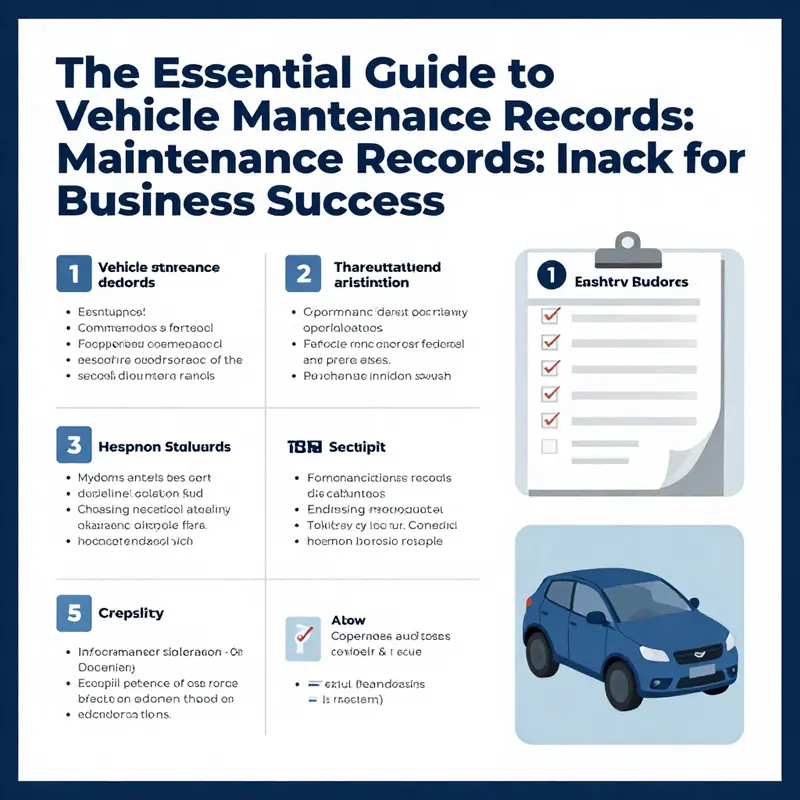
A vehicle is more than metal and rubber; it is a living record of how you use it, how well you care for it, and how reliable it remains over time. The maintenance history of a car is not just a stack of receipts; it is the story a future mechanic, an insurer, or a prospective buyer will read to understand what has kept the vehicle on the road and what might still be needed. Because that history matters in so many real-world ways, the question of how long to keep maintenance records deserves more than a casual answer. It calls for a practical synthesis of industry practices, regional regulations, and the owner’s own peace of mind. In practice, the retention window is less about a single rule and more about a careful, forward-looking approach that blends archival discipline with everyday convenience. The result should feel less like a burden and more like an essential habit that pays dividends whenever a warranty claim is filed, a dispute arises, or a future buyer looks at the vehicle’s provenance.
In the service world, you will find a spectrum of retention practices. Reputable automakers and their authorized 4S shops have digital records that span years and are often kept well beyond the immediate service history. While an internal policy might designate a three-year window for routine service files, the broader industry trend leans toward longer retention. Records tied to disputes, accidents, or warranty considerations tend to be preserved indefinitely because they can carry legal and liability implications. In many large dealerships and professional repair centers, sophisticated document-management systems enable long-term storage—often a decade or more—for complex or high-value work. Those longer-term archives are not just about nostalgia; they are about preserving verifiable evidence of what occurred, which can matter when a claim, a regressive check, or an insurance audit surfaces years later.
However, the landscape is not uniform across the globe. Legal requirements vary by region, and even within a country, rules can differ by state or province. In the United States, there is no federal mandate dictating how long repair shops must retain records, but some states impose two-year minimums. More broadly, federal guidelines related to safety and technical data compel automakers to maintain certain service and safety information for many years after a vehicle’s production date. In China, regulations specify a minimum retention period of six years for repair records. These regional realities underscore a simple truth: while the basic practice of keeping records is universal, the exact horizon you choose should reflect both local requirements and your own risk tolerance. The practical upshot is that you should treat records as long-term assets, not as one-off paperwork to be filed away after the next service.
The shift to digital record-keeping has reshaped how people manage their history. Digital documents are inherently more durable than paper, easier to back up, and simpler to organize. Yet they are not immune to failures, obsolescence, or security threats. A robust retention plan couples digital copies with a reliable backup strategy and a lightweight system for organizing and retrieving information. In other words, you should not rely on a single thumbs-up folder or a single cloud account. Regular backups, multiple storage formats, and consistent naming conventions are the quiet backbone of a dependable history. If a paper receipt survives only in a single location and that location is compromised, the entire record trail can vanish. By contrast, a well-preserved digital archive with copies in the cloud and on a physical drive provides resilience against drive failures, floods, or other incidents that could erode the paper trail.
Given these realities, the strongest professional advice is to treat maintenance records as long-term documents. The best practice advocated by experts is to keep the full history indefinitely or at least through the vehicle’s useful life, especially if you plan to sell it, file an insurance claim, or need to prove service history for warranty considerations. This approach yields tangible benefits. A complete and verifiable record enhances resale value, as a prospective buyer gains confidence in the vehicle’s care and maintenance cadence. It also accelerates future diagnostics: technicians can quickly see what has already been addressed, what parts were replaced, and what performance trends have emerged. Warranty claims frequently hinge on documented adherence to service intervals, so a thorough maintenance log can simplify the claim process. Insurance investigations and liability reviews may also turn on a clear service history, where a well-documented maintenance regime can support more favorable outcomes.
If you’re just starting to assemble a maintenance history or you’re evaluating how deeply to archive, consider your own circumstances and future-use scenarios. You should view the record as part of the vehicle’s enduring value, not merely a compliance artifact. The simplest path toward resilience is to capture the most essential components of each service event: the date, mileage, the provider, the work performed, the parts used, and the costs. You might also note any unusual vehicle behavior or test results that appeared after a service. A quick reference index helps you locate a particular repair or service category later. For drivers who want to anchor the narrative of maintenance, you can start by cataloging the core areas such as routine maintenance, brake work, exhaust and emissions, engine and transmission services, and safety-related upgrades. If you’re unsure what counts as maintenance beyond simple oil changes, a good starting point is to consult a foundational guide on vehicle maintenance—an online resource that offers a comprehensive overview of what tasks fall under routine upkeep and what constitutes a repair.
In this context, it is worth emphasizing a practical approach to developing a lifelong archive. The most efficient method begins with a simple digital system. Scan or photograph paper receipts and invoices, then store them in a clearly labeled folder structure that mirrors your vehicle’s lifecycle. A suggested structure might include folders by year, with subfolders for service events, major repairs, and warranty items. For those who prefer a lighter-touch tactic, keeping a running log—either in a spreadsheet or a plain text document—can complement scanned records. The aim is to ensure that every service event has a traceable anchor: date, mileage, and a concise description of the work performed, plus a link or note to the corresponding invoice. The more detail you capture at the outset, the more valuable the archive becomes when a future question arises about timing, coverage, or cause.
If you are starting from scratch or you want to establish a clear baseline, consider reading about the broader concept of vehicle maintenance to ground your understanding and expectations. For instance, you can explore a concise overview of what constitutes vehicle maintenance through a dedicated resource that distills maintenance principles into practical terms. This is not publicity for a specific brand or retailer; it is a starting point for clarity about what maintenance entails and why it matters. The goal is to ensure you know what to keep as part of the history and how to interpret it when you pass the vehicle along or when you have to defend a claim or a service decision in the future. What is vehicle maintenance.
Beyond the basics of what to keep, consider how you keep it. Paper files in a dedicated binder still have a place for certain receipts and owner manuals, but the advantages of electronic records are compelling. Scanning documents and maintaining a secure backup in the cloud or on an external drive gives you redundancy, searchability, and accessibility from anywhere. A well-structured digital archive makes it easier to produce a complete history for a potential buyer or an insurer. If you choose cloud storage, pick a provider with strong security measures and a straightforward recovery process. Local backups on an encrypted drive provide a separate safety net in case cloud access is interrupted. For several professionals, a hybrid approach—digital primary storage with occasional paper backups for critical items—offers the best of both worlds: easy access and tangible safeguards against data-loss events.
Another practical consideration is the way records influence future maintenance decisions. A long history of service can reveal patterns—patterns that help you anticipate wear and plan preventive care before a problem becomes expensive. For example, consistent records of tire rotations and brake service can highlight when components are approaching their expected service life, prompting preemptive scheduling that minimizes downtime. In that sense, your archive becomes a proactive tool: it helps you budget for upcoming maintenance, informs you about the vehicle’s residual value, and supports smoother transitions when ownership changes hands. But a long history is only valuable if it is complete and legible. Missing pages, faded invoices, or unclear notes can transform a robust archive into a puzzle that takes longer to solve than necessary. This is why regular upkeep of your records is as important as regular maintenance of the vehicle itself.
As with any archive, the end goal is reliable access, not perfect perfection. You should prepare for the day you sell or dispose of the vehicle by ensuring the records most buyers would want to see are complete and easy to verify. The value of a thorough history becomes especially clear at the moment of transfer, when you want to demonstrate that service intervals were honored, that safety-critical components were addressed, and that the car’s performance has been monitored over time. For the seller, a well-documented history supports trust; for the buyer, it reduces uncertainty. A transparent history is a form of social currency in the used-vehicle market, and it contributes to a smoother, more confident transaction for everyone involved.
In sum, industry practices point toward long retention—even beyond the immediate service horizon—because records serve as evidence, guidance, and value over the vehicle’s life. Regional rules may set minimums, but they do not capture the broader benefits of maintaining a complete, searchable history. The practical owner should adopt a retention mindset that treats maintenance records as durable, long-term assets. By combining robust digital storage with careful documentation and routine backups, you create a history that travels with the vehicle, providing peace of mind and a reliable narrative for years to come. If you want a simple cue for where to start, consider reviewing your existing files and committing to a structured archive process that you can maintain with minimal ongoing effort. When you add a new service entry, take a moment to llustrate it in your index and scan any related receipts. Over time, those small daily habits compound into a comprehensive record that can support resale, claims, and maintenance planning long after the next service appointment has faded from memory.
For readers seeking a direct reference to official guidance on transportation and record-keeping practices, the U.S. Department of Transportation offers authoritative resources on how records and data are treated within the broader regulatory framework. You can explore more at https://www.transportation.gov/.
The Long Game of Vehicle Records: How Long to Keep Maintenance Histories Across Regions
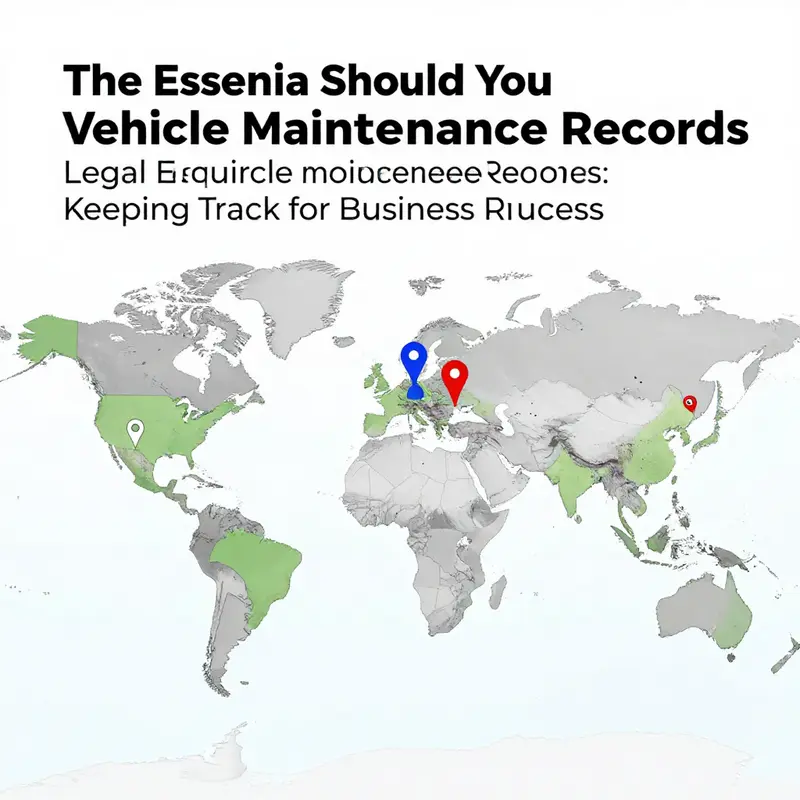
When a car passes from one owner to the next, a quiet, persistent record trail travels with it. These maintenance records are more than receipts; they are a history of care, a timeline of wear and attention, and a potential key to future reliability, value, and protection against disputes. The practical question, how long should you keep them, has no single, universal statute to follow. Instead, it sits at the intersection of regional regulations, industry practices, and personal judgment about risk and value. For the ordinary car owner, the answer is shaped by where you live, how often you service the vehicle, and what you anticipate needing the records for years down the road. The stakes are higher than many people realize: the records you retain now can influence resale value, insurance claims, warranty coverage, and even regulatory investigations in corners of the world where regulatory memory is longer than a single ownership cycle. This is about more than paperwork; it is about preserving the vehicle’s integrity as a transportation asset and as part of your life’s financial ledger.\n\nIn the United States, the regulatory framework emphasizes long-term access to critical data rather than a one-size-fits-all retention period for consumer records. Federal requirements mandating the retention of certain safety and emissions-related data extend up to a decade for manufacturers. This long horizon exists to support safety recalls, investigations, and environmental enforcement, ensuring that crucial information about design, compliance, and performance remains accessible even if a model shifts through many owners. Yet when it comes to the day-to-day maintenance receipts generated by a repair shop or dealership, there is no nationwide law mandating that every service record be kept for a fixed number of years. The practice among reputable 4S dealers and large independent repair centers tends toward long-term archival, commonly spanning a decade to fifteen years, and in some cases, persisting indefinitely in disputes, warranty cases, or situations where the record becomes essential evidence of history. The implicit message is practical: if a card’s history needs to be demonstrated for a claim or a legal matter, the data should be available, even if that means the record outlives the current owner.\n\nAcross the Atlantic in the United Kingdom, the landscape looks different but reflects a similar caution. There is no general legal obligation for individuals to retain their personal maintenance records. However, the guidance from the DVSA and related agencies emphasizes the importance of having a readable history accessible for MOT tests, insurance purposes, and future inspections. The recommended baseline is a five-year horizon, offering enough history to triangulate a vehicle’s condition against age, miles, and service intervals. Commercial operators are advised to keep more robust, verifiable records—especially for driver hours and working time—to demonstrate regulatory compliance. The shared thread here is not a rigid mandate but a standard of diligence that reduces ambiguity when questions arise about a vehicle’s condition or its past care. In a sense, the UK guidance frames records as a practical asset, one that can smooth inspections, claims, and resale negotiations by providing reliable evidence of ongoing maintenance.\n\nIn China, the regulatory baseline requires repair records to be retained for no less than six years. This minimum is more prescriptive than in many other regions, reflecting the country’s emphasis on accountability and traceability in modern motor histories. Major 4S dealerships and authorized service centers often exceed the minimum, maintaining digital records for a decade or more. And in cases involving incidents or legal disputes, archives may be preserved permanently to ensure a clear, traceable history that can withstand scrutiny. A common thread here is that regional standards influence the gravity and duration of record retention, especially when records intersect with legal processes or formal investigations. Yet even in places with stricter legal minima, industry practice frequently exceeds the bare minimum—precisely because the real-world value of a well-documented maintenance history often proves more persuasive than any abstract rule.\n\nThe essential narrative across these regions is that there is no universal, one-size-fits-all deadline for keeping vehicle maintenance records. However, a robust, pragmatic guideline has emerged from the convergence of regulatory memory, industry norms, and consumer expectations. Retaining maintenance records for a minimum horizon—typically five to ten years from the date of service or ownership—aligns with most owners’ needs for resale value, insurance readiness, and dispute resolution. When a vehicle changes hands, many of these records become part of the compelling narrative of how well the car was cared for, which can translate into higher perceived reliability and a smoother transfer process. Yet the prudent owner should plan for longer preservation, especially if the vehicle is high-value, has a complex repair history, or might attract future claims. In these scenarios, keeping records indefinitely becomes the sensible default, much like preserving essential title documents and key identifiers that anchor a vehicle’s legal and financial lineage.\n\nBeyond the legal or regulatory impetus, there is a strong practical case for digitizing and backing up records. Paper invoices, service logs, and receipts can fade, become illegible, or suffer physical loss. Digital copies—scanned invoices, PDF service logs, and mobile-uploaded receipts—are more durable and easier to organize, search, and restore. But digits are not by themselves invincible. They are vulnerable to hardware failures, software obsolescence, and cyber threats. A thoughtful retention strategy pairs digitization with multiple backups, including an offline archive or a trusted cloud solution, and a clear naming convention that makes mileage, service type, and date instantly searchable. In this sense, the act of preserving vehicle maintenance records moves from a passive filing task to an active data stewardship practice. The goal is not just to store information, but to ensure it remains accessible, legible, and trustworthy across years and even owner transitions.\n\nWhat to keep, precisely, matters as much as how long you keep it. At a minimum, collect receipts and invoices for every service, major repair, or replacement part. A well-rounded archive includes service logs that summarize what was done, when, and at what mileage. Include recalls and any manufacturer advisories that prompted service actions. Note the service center, the technician, the work order number, and the outcome. Where possible, attach diagnostic reports, estimates, and the final bill, so the record captures both the intention and the result of each intervention. Adding basic metadata—VIN, vehicle make and model, year, and current odometer reading at the time of service—greatly enhances the value and clarity of the file. These details transform disparate pieces of paper into a coherent narrative that a future buyer, insurer, or regulator can follow with confidence. For those building a historical portfolio of a vehicle, it is also worth collecting optional maintenance items usually considered best practice: seasonal fluids changes, tire rotations with mileage notes, brake wear measurements, battery health checks, and air filter replacements. Even if some of these entries seem routine, they collectively reveal the vehicle’s care trajectory over time, which can be a powerful determinant of condition during future assessments.\n\nThe decision about how long to retain records should be informed by both foresight and practicality. If you expect to sell the car within a few years, maintaining a thorough record set for that window makes sense. A buyer who can review a complete maintenance history, with consistent notes and invoices, will feel more confident about the vehicle’s past and its potential future performance. Insurance claims, accident history, and warranty considerations also benefit from a complete document trail. In many cases, the provider of these services will request copies or the entire history to process a claim or determine eligibility; having your own copies readily available can speed the process and reduce the friction of back-and-forth requests. Moreover, in jurisdictions that permit or require documentation for recalls or safety-related interventions, complete archives minimize the risk that critical service data is unavailable when it could matter most.\n\nWhen it comes to the labor of routine organizing, the simplest path is a consistent, scalable system. Start with a primary file or folder for each year of ownership, then create subfolders for maintenance, repairs, and recalls. If you prefer digital methods, maintain a centralized archive with mirrored backups and an index that lists the date, mileage, service item, and cost. Rename scanned files with a standard format, such as YYYYMMDDServiceTypeMileage, so your future self can locate a specific item quickly. A second approach is to maintain a rolling mileage-based archive, where records are tagged by milestone intervals—say every 5,000 or 10,000 miles—depending on your vehicle’s recommended service schedule. Either approach keeps you organized without requiring you to flip through a closet of paper. And as you digitize, consider linking the most critical maintenance notes to the vehicle’s core identifiers, including the VIN, so you can correlate records even if the physical copies are separated from one another.\n\nOne practical takeaway is that you should personally keep all maintenance records indefinitely, especially if you plan to sell your car, file insurance claims, or prove vehicle history in a dispute. Even when the dealership or repair shop stores copies, having your own durable, accessible archive protects you from gaps in third-party retention policies and gives you a reliable backbone for any future negotiation or claim. It is a quiet form of self-insurance: the longer you keep the records and the more robust your backups, the less you have to worry about what happened years ago when you need to explain the car’s past. This approach aligns with a broader principle of prudent ownership: treat maintenance history as part of the vehicle’s ongoing value, a tangible asset that contributes to safe operation, informed resale decisions, and transparent compliance with regulatory expectations.\n\nAs you consider the concept of ongoing maintenance and history, it is helpful to connect with a clear definition of what maintenance encompasses. A practical way to frame it is to understand that maintenance includes routine servicing, periodic inspections, and the replacement of wear items in line with the manufacturer’s recommendations. To ground that understanding, you can explore a concise explanation of what maintenance means in the broader context of vehicle care: what is vehicle maintenance. This linkage reinforces how routine care, properly documented, feeds into the larger narrative of vehicle reliability and value, rather than existing as a separate, isolated obligation. Keeping a steady stream of well-documented records is, in effect, a commitment to the long-term health of the car and to the financial and practical peace of mind of its owner.\n\nFor readers who want a grounded rule of thumb amid the regional nuances described earlier, a simple synthesis remains relevant: retain records for at least five to ten years, and preserve them indefinitely if you can, especially for high-value or high-mileage vehicles, or when disputes, claims, or warranty considerations loom on the horizon. When you sell, hand over the most complete history you have; it reassures the buyer and can smooth the transfer process, while also ensuring the new owner has a solid baseline for future maintenance planning. The more complete and accessible your records are, the more confident a buyer will be in the vehicle’s care history, which can translate into a stronger negotiation position and, ultimately, a more effortless transition of ownership. The practical implications echo through insurance, recalls, and potential legal inquiries; a well-kept archive reduces friction at every turn and keeps the vehicle’s story coherent for years to come.\n\nIn closing, the question of how long to keep vehicle maintenance records is less about any single deadline and more about cultivating a durable, usable history. A prudent owner treats records as an asset with measurable value: they protect the owner’s investment, support future claims, and preserve the vehicle’s story for the next chapter of ownership. The regional variations matter, but the overarching principle is clear: make and keep your own copies, digitize where possible, and plan for a long horizon. The result is not only a smoother ride through life’s mileage but a more informed, confident approach to maintaining and valuing the car that travels with you across years and miles.\n\nExternal resource for further guidance: UK Government – Keeping vehicle service records: https://www.gov.uk/government/publications/vehicle-service-records-and-mot-history
Preserving the Record: How Long to Keep Vehicle Maintenance Histories and Why It Matters for Future Transactions
A car’s maintenance history is more than a stack of receipts; it is a living document that travels with the vehicle through years of ownership. It records the care a car has received, the parts that were replaced, the miles at service, and the patterns that only steady record-keeping reveals. When you think about how long to keep these records, you are really deciding how robust your vehicle’s history will be for future owners, insurers, and inspectors. The prudent stance is to retain maintenance records for the life of the vehicle, and then hold onto them for a clear additional window—typically two to five years after the car’s final disposition, whether sold for retirement, or scrapped. Although no universal legal mandate prescribes this practice for every jurisdiction, best practices across the industry emphasize long-term retention because these documents underpin trust, value, and accountability over time. For a clear foundation of what constitutes proper maintenance, consider reading What is Vehicle Maintenance?.
There is a practical consensus: dealerships and repair networks tend to preserve service histories, but the duration varies widely. In large networks and traditional service operations, electronic systems have made it common to retain files for several years after service, and many shops keep records for three to ten years. Some vehicles involved in disputes, accidents, or recalls may have their records preserved permanently, reflecting the need to access a complete chronology when questions arise. In a broader sense, the longer you retain your own copies, the easier it is to prove facts when a claim is filed or a sale occurs. In China, for example, the regulation requires that repair records be kept for at least six years, and in the United States, while there is no federal mandate to retain records indefinitely, some states require retention for a minimum of two years, with manufacturers often encouraged to maintain service data for as long as ten years. These examples illuminate a spectrum: retention is less about compliance in every jurisdiction than about ensuring continuity of information that protects value and safety.
Electronic records are generally more durable than paper, yet they are not invincible. They can be lost to hardware failure, data corruption, or cyber threats. That is why a personal backup strategy matters as much as the digital archive. The simplest approach combines reliable cloud storage with redundant local copies and avoids relying on a single source to carry your vehicle’s history. Even with a dealership or repair shop that keeps its own records, having your own copies helps you maintain access and verify that the data you rely on is complete and accurate. Keeping both digital and physical copies means you can match receipts to service entries, confirm the mileage and service intervals, and demonstrate continuity should you ever need to prove the vehicle’s care.
Given these realities, the central recommendation remains straightforward: as a vehicle owner, keep all maintenance records indefinitely, especially if you anticipate selling the car, filing insurance claims, or you want a reliable vehicle-history trail for any future audit or dispute. This encompasses not only receipts and invoices, but also service logs, estimates, work orders, and, when possible, digital copies of diagnostic reports. The practice of maintaining a lifetime archive is not merely about possession; it is about creating a transparent narrative of how well the vehicle was cared for, a narrative that can be validated by independent parties when required. On a practical level, you may wish to begin with a comprehensive folder or digital folder at the same time you start the vehicle’s life, but at minimum you should commit to ongoing collection and organization. It is worth noting that a well-documented service history can also streamline future ownership experiences by reducing questions during a sale, simplifying warranty considerations, and supporting coverage where the maintenance aligns with the manufacturer’s guidelines.
When to consult the literature, a practical approach becomes intuitive: a thorough history reduces risk and refines expectations for future ownership. A complete and verifiable record can meaningfully influence a buyer’s confidence and translate into higher offers or faster sales. Data from appraisal perspectives indicate that vehicles with full service histories command higher prices—often in the range of ten to fifteen percent more than comparable cars without such documentation. This premium reflects the buyer’s certainty that the car has been cared for according to recommended intervals, with fewer unknowns about potential neglect or deferred maintenance. Beyond price, the history also secures peace of mind for a buyer who will assume the risk of future repairs. The ability to demonstrate that critical systems were serviced, parts replaced on schedule, and alignments or brake work completed by certified technicians can sway a buyer who might otherwise worry about hidden problems.
Maintenance records also support warranty claims and insurance interactions. If the vehicle is still under warranty or you are navigating a claim after a loss, records can prove adherence to manufacturer maintenance intervals, which is often a condition for coverage. The absence of maintenance proof can give insurers an opening to deny claims or complicate the process, particularly when the question arises of whether neglect contributed to the incident. In addition, the longitudinal perspective offered by long-running records makes it easier to pinpoint recurring issues. A pattern of wear—such as brakes or cooling system components—emerging across multiple services can trigger proactive interventions before failures become emergencies. This kind of long view is one of the most practical benefits, turning a patchwork of receipts into a diagnostic map that informs future maintenance decisions rather than simply documenting past work.
Protecting yourself against disputes or fraud is another compelling reason to retain records. If a repair is disputed or a dealership questions the need for a service, having a documented history helps establish a baseline of care. A well-organized archive reduces the risk that a late invoice will be misinterpreted as neglect, and it strengthens your position in conversations about what was done, when, and by whom. The more complete your own archive, the less dependent you become on third parties who may hold incomplete or inconsistent data. This does not mean you should shy away from relying on professional records; rather, it means you should complement them with your own robust, organized copies.
On the topic of who actually keeps the records, there is a practical dividing line between large repair networks and small independent shops. Reputable repair networks and major repair centers generally rely on electronic documentation systems and maintain customer files for extended periods—often ranging from three to ten years, and in some cases permanently, especially when vehicles have been involved in accidents, warranty disputes, or recalls. Smaller, independent shops often operate with more modest retention policies, typically keeping records for two to six years, subject to local rules and internal capacity. The gap between these practices highlights why personal retention is not merely prudent; it is essential for owners who want uninterrupted access to a vehicle’s full history, regardless of where or when a given service occurred.
To turn this knowledge into a practical habit, adopt a disciplined approach to personal record retention. Begin by digitizing every receipt, invoice, and service log you receive. Upload the digital copies to a secure cloud-storage location that you control, and maintain duplicates on a separate physical medium such as an external drive kept in a safe place. Create a simple but consistent naming system that includes the date, mileage, and a brief description of the service. This helps you locate a particular entry years after the work was performed. Regularly reconcile the digital archive with any physical folders so that nothing gets misfiled or lost during a move or an upgrade of storage hardware. If you prefer to use digital logbooks, implement a systematic method for logging maintenance entries and attaching documentation. The goal is to have a frictionless, searchable history you can present to a potential buyer, an insurer, or a repair professional without digging through scattered piles of paper.
A holistic retention strategy also involves thinking about what to keep as a matter of principle. Receipts and work orders are the backbone, but you should also strive to retain diagnostic reports, warranty terms, and any recall notices that affected the vehicle. If possible, keep a running calendar of routine services aligned with the manufacturer’s recommended intervals, marking the date, mileage, and nature of the service performed. This practice makes it easier to demonstrate that upkeep was timely and aligned with official guidance. Additionally, retain documentation of any safety-critical work, such as brake service, steering, or airbag-related repairs. These line items usually carry the most weight in valuation and warranty discussions because they are directly tied to the car’s safety and reliability.
The question of how long to retain records after the vehicle is retired or sold is a matter of prudent judgment rather than a rigid rule. The literature suggests maintaining the records for an additional two to five years post-sale or disposal. The idea is that this window covers potential claims, recalls, insurance questions, or re-sales involving heirs or new owners. In practice, many people store the old papers and digital files in a labeled archive, perfectly named and organized, so they can be retrieved quickly if needed. Whether the vehicle remains in your family, becomes a collector’s item, or exits into new ownership, that extra cushion of time provides a safety net for any residual questions about service history that might surface later on. This approach respects both the longevity of the vehicle’s history and the practicalities of modern ownership patterns, where vehicles are owned across multiple hands and through cycles of life, maintenance, and transfer.
Finally, it is helpful to anchor these habits with a clear, simple rule you can remember. Treat your vehicle’s maintenance history as a lifelong asset, and plan to keep it for the life of the car plus at least two to five years after sale or disposal. This stance aligns with the best practices outlined by safety authorities and supported by industry experience. It reflects a commitment to transparency, value, and responsibility that benefits the owner, the next buyer, and the broader ecosystem of vehicle care and safety. And when you prepare for the inevitable chapters of ownership—selling, insuring, or financing—a well-preserved history can become a source of confidence rather than a pile of questions.
For more context on service records and safety guidance, see NHTSA: https://www.nhtsa.gov.
Enduring Evidence: The Lifetime Guide to Keeping Vehicle Maintenance Records in a Digital World
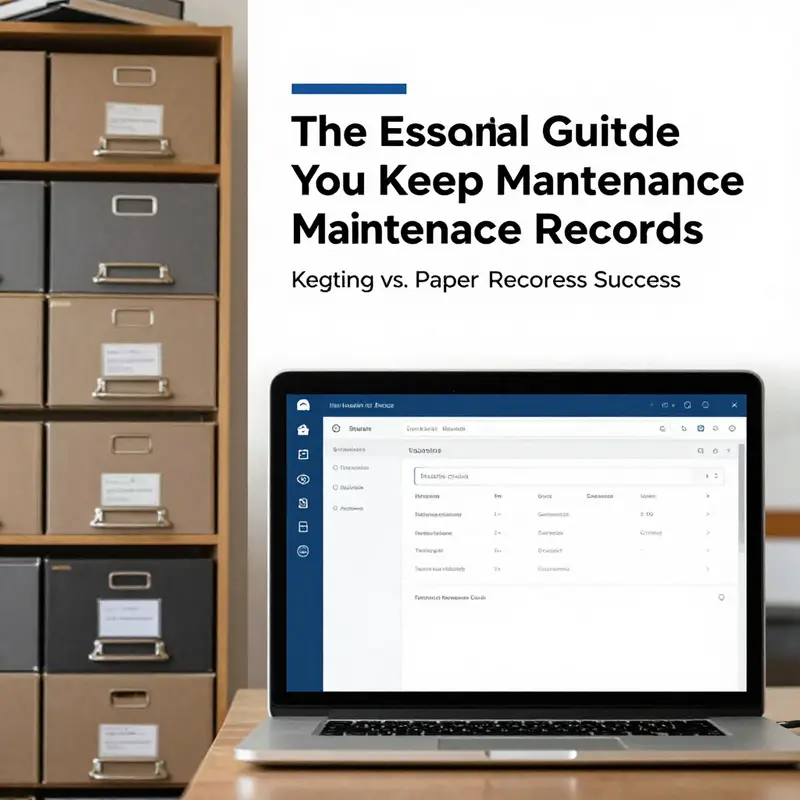
Every time you service your car, a quiet archive grows around its life on the road: receipts, service logs, part numbers, diagnostic notes, and sometimes even the manufacturer’s warranty paperwork. These documents aren’t merely bureaucratic artifacts; they are the vehicle’s memory, a tangible trail that helps you, future owners, insurers, and repair professionals understand what was done, when it was done, and why. The question of how long to keep maintenance records is less about ticking a clock and more about ensuring that the vehicle’s care history remains accessible when it matters most. In practice, that means retaining records for as long as you own the vehicle and ideally for many years after you sell it or dispose of it. This isn’t about chasing legal obligations alone; it is about arming yourself with a trusted history that can influence reliability, resale value, and the efficiency of future claims or disputes.
For most drivers, the retention horizon is guided by two realities: what happens in daily use and what can happen once ownership changes hands. In the day-to-day, many routine services—oil changes, tire rotations, filter replacements—are part of a regular cadence that proves ongoing care. Keeping these records for a substantial period—traditionally a decade—helps demonstrate a pattern of maintenance that can reassure a buyer or a lender that the vehicle has been treated with attention. When major repairs occur—engine or transmission work, major component overhauls—the decision shifts toward longer or even permanent retention. These repairs often influence the vehicle’s long-term value and its risk profile, and they can emerge as critical evidence in future disputes, recalls, or insurance considerations. In practice, many repair networks and dealerships maintain digital archives for extended periods, and they tend to keep records related to disputes or warranty work indefinitely.
The absence of a universal legal mandate does not erase the practical stakes. Jurisdictions diverge in how long records should be retained. In some markets, regulators specify minimum retention periods for repair documents, while in others there is no explicit clock to watch. Meanwhile, federal guidance in large economies often signals what manufacturers and service networks should preserve to support safety oversight and recall administration, frequently encouraging a retention window of up to ten years for certain diagnostic or service data. These numbers are not a universal rule, but they sketch a convergent logic: longer, well-organized archives reduce ambiguity and reinforce accountability. The real takeaway is simple: treat records as a long-term asset rather than a short-term convenience.
Digital records, in particular, offer advantages that align with today’s scale and complexity. Electronic document management systems have matured to preserve information with remarkable durability, enabling owners to retrieve a complete history across multiple devices and time periods. A robust digital archive can outlast a single computer, a pile of paper, or a USB drive that grows obsolete. Yet digital longevity is not automatic. Systems fail, software can become obsolete, and cyber threats lurk in the background. The best practice is proactive and layered: back up data in encrypted form, store copies in more than one location, and verify access and integrity on a regular basis. A practical approach is to keep a cloud-based archive alongside an independent offline backup, and to perform a yearly check to ensure everything can still be opened and read in the future. While digital archives are inherently powerful, it remains prudent to maintain a scanned or scanned-and-indexed set of key paper documents as a backup, ensuring redundancy across formats.
Paper records, despite their vulnerability to environmental peril, still hold value. They remain legally valid in many contexts and sometimes serve as the simplest proof of service, ownership, or accident history when a vehicle is moved through different jurisdictions or passed through private sales. But paper is inherently more fragile. Fire, flood, mold, or misfiling can sever the thread of a vehicle’s documented past. This is why many owners adopt a dual approach: digitize everything and keep a concise, physically organized file for essential documents. The risk with relying solely on paper is not merely loss of the original; it is the risk of gaps appearing in the vehicle’s story when a buyer, insurer, or regulator needs to verify a sequence of maintenance events.
A stark reminder comes from broader industry findings: gaps in maintenance histories persist when records vanish or never reach the right hands. A considerable share of used-car buyers report receiving a vehicle with incomplete maintenance information, which underscores the practical consequences of poor record-keeping. This reality strengthens the case for an intentional, proactive retention strategy. It also emphasizes why owners should not count on third parties to maintain their vehicle history for them. Even when a dealership or repair shop keeps a copy, having your own authoritative archive—complete with receipts, invoices, service logs, and digital copies—provides independent access that can prove invaluable when selling the car, filing a claim, or addressing a dispute.
The practical framework for retention, then, flows from your use case and the vehicle’s life stage. For routine maintenance, a conservative target is five to ten years. This window covers most of a typical ownership horizon and provides a solid record against wear-related questions or minor disputes. For major repairs, many owners extend to ten years or permanent retention, particularly if the vehicle remains in use during its peak value or if the repaired component affects safety or performance. Accident repairs warrant even longer retention because they influence insurance evaluations, post-accident valuations, and the vehicle’s broader history. Warranty claims and recall-related work should stay in the archive at least for the duration of the warranty plus a reasonable tail, often extending beyond the warranty period if extended coverage exists. For those purchasing or selling a used vehicle, longer retention helps because history is a critical component of the buyer’s risk assessment.
Translating these guidelines into action does not require a high-tech operation. Start with a simple, repeatable process: at every service, capture the receipt, the service description, the date, and the mileage. Scan if you have paper copies, or save a digital invoice if the shop provides one. Use a consistent naming convention so a future reader can identify the document at a glance. Tag the record with key metadata—mileage, service type, and a brief note on any unusual symptoms or part replacements. With time, you’ll accumulate a chronological spine that shows how the car progressed through maintenance intervals and how it was cared for as it aged.
Once you have a robust collection, make a conscious decision about storage. A two-pronged strategy works well in practice. First, maintain a secure digital archive that is organized, searchable, and backed up regularly. Second, keep a compact physical folder containing only the most critical originals or copies—think major repair receipts or documents with legal significance. The goal is not to hoard, but to ensure the essentials are accessible when you need them. In addition to storage decisions, consider how the history becomes visible to others when the vehicle changes hands. A buyer or insurer will appreciate a clear, complete narrative that aligns with the vehicle’s odometer readings and maintenance milestones. A well-assembled history can smooth negotiations and improve confidence in the vehicle’s condition.
If you are looking for a concise primer on what constitutes routine maintenance—and why those activities matter—from a definitional standpoint, a reference article on maintenance fundamentals can illuminate the basics and set expectations for what should be included in a long-term archive. See What is Vehicle Maintenance for a clear overview of the activities that comprise a healthy maintenance routine and why they matter. This grounding can help you distinguish between routine services and more consequential repairs, ensuring your archive captures the most meaningful milestones without overwhelming your records with trivial entries.
Beyond the mechanics of storage and the specifics of retention windows, there is a broader ethos to embrace. Keeping records is a form of stewardship for a major purchase that carries both emotional and financial weight. A well-maintained vehicle is not merely a mode of transportation; it is a history that reflects decisions, diligence, and care. By treating maintenance records as a long-term asset rather than a one-time filing task, you recognize their value across ownership transitions, insurance events, and potential disputes. This mindset also informs decisions about privacy and data management. Digital archives should be secure and access-controlled, especially as more documents include sensitive information about service providers, locations, and vehicle history. Balancing accessibility with privacy is part of building a resilient archive that serves you well over years and even decades.
Adopting a retention mindset also aligns with the practical realities of life in an increasingly regulated and data-driven world. Jurisdictions keep evolving in how they handle data retention, privacy, and the digital formats used to archive records. The core message remains unchanged: create a resilient system, favor digital backups, and avoid depending on a single repository. Your personal archive becomes a portable, long-term asset that accompanies the vehicle through every ownership phase, ready to support sale, dispute resolution, or insurance processing when the moment arrives.
In the broader arc of this article, the chapter sits as a bridge between the fundamentals of what to keep and how to implement a practical, budget-conscious plan. It guides you toward a retention practice that is adaptable to different life cycles, budgets, and comfort levels with technology. The overarching aim is simple: cultivate a history that is accurate, accessible, and durable enough to travel with the car through time. With the right approach, you gain not only clarity and confidence, but also a tangible edge in resale value, claims handling, and overall ownership experience. The record you keep today becomes part of the vehicle’s ongoing story, helping you, the buyer who follows, and any trusted professional who evaluates the car years from now.
External resource: https://www.nhtsa.gov/vehicle-maintenance-repair-records
Final thoughts
Maintaining vehicle maintenance records is a vital practice for business owners, not just for legal compliance, but also for safeguarding the investment made in vehicles. The guidelines discussed above provide clarity on how long these records should be kept, from ownership duration to industry standards and legal compliance. As digital solutions become more prevalent, adopting a robust record-keeping system can streamline operations and facilitate improved decision-making. This ensures that your records are not only preserved but also easily accessible whenever needed, paving the way for smoother transactions in the future.