

For business owners, managing operational costs is crucial, and vehicle maintenance plays a pivotal role in ensuring expenses stay in check. Regular maintenance not only minimizes the risk of costly repairs but also enhances fuel efficiency, extends vehicle lifespan, and preserves resale value. Each chapter of this article will delve into these aspects, presenting a compelling case for why investing in vehicle upkeep can lead to considerable savings and improved operational efficiency in the long run. By understanding these financial benefits, you can make informed decisions that support the sustainability and growth of your business.
Savings in the Quiet Engine: How Preventive Maintenance Shields Your Wallet from Costly Repairs
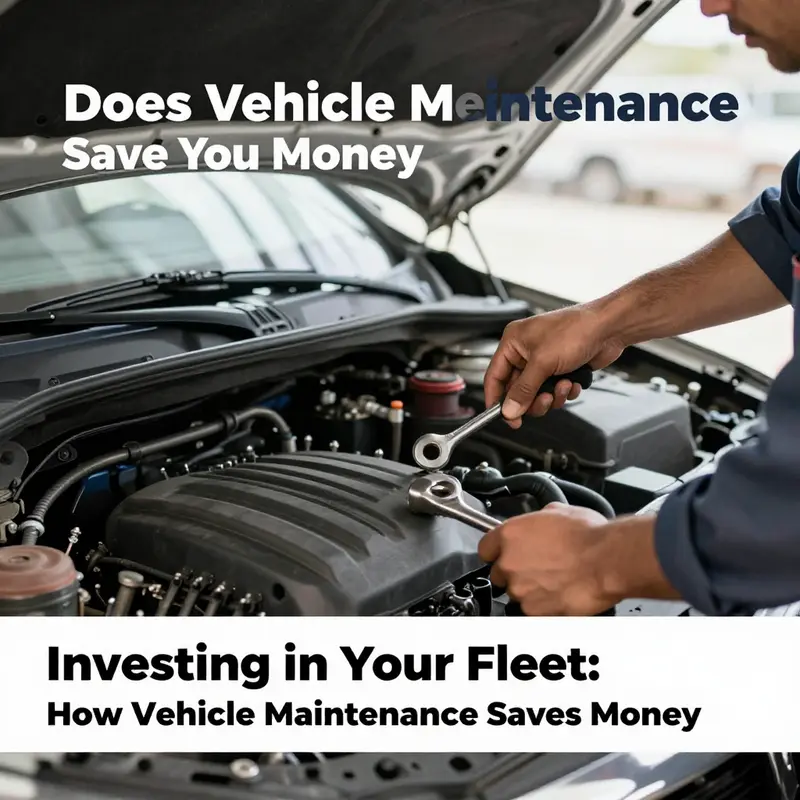
Every vehicle operates as a small, portable budget—an instrument that can either silently drain money or quietly protect it. The premise of preventive maintenance is simple, yet powerful: invest a little time and a modest amount of cash now to keep your car from throwing expensive surprises later. This isn’t just about avoiding breakdowns; it’s about preserving value, optimizing performance, and reducing the variable costs that creep into a monthly budget. When you view maintenance through the lens of long-term savings, routine care becomes less of a chore and more of a financial strategy. Regular upkeep—such as timely oil changes, accurate tire pressure checks, timely brake pad replacements, and steady engine tuning—builds a shield against cascading problems. Minor issues, if ignored, can grow into major headaches that strain both your schedule and your wallet. A well-maintained vehicle is less prone to breakdowns, consumes fuel more efficiently, and tends to stay reliable long enough to maximize its resale value. Consumer-focused assessments have consistently underscored this pattern. A 2024 report highlighted that vehicles subjected to steady maintenance show fewer unexpected failures and frequently achieve better gas mileage, which translates directly into lower fuel costs over time. The math is straightforward: small care now reduces the odds—and the cost—of large repairs tomorrow, while also preserving the car’s efficiency and market value as it ages. The upshot is not merely peace of mind; it is a tangible improvement to the bottom line that regular care can deliver across years of ownership.
In practical terms, preventive maintenance acts as a diagnostic habit, one that recognizes the car’s early warning signs before they become loud, disruptive, and expensive. Consider a tiny oil leak or a barely worn brake pad. When addressed promptly, these issues can be corrected with relatively inexpensive parts and labor. Left unchecked, an oil leak could lead to engine damage or a fire risk, and worn brake pads might degrade braking performance enough to cause a dangerous situation or trigger more costly rotor replacements. The contrast is stark: early interventions typically require a few hundred dollars at most, whereas neglect can escalate into thousands of dollars for engine repairs or complete brake system overhauls. Such costs are not merely financial; they come with the burden of downtime, lost mobility, and the unpredictable stress of urgent vehicle service.
This pragmatic logic aligns with industry observations about the value of aftermarket maintenance. A broad perspective from fleet and service professionals notes that ongoing maintenance helps steer clear of costly repairs. While the specifics vary by vehicle type and usage, the underlying principle remains consistent: predictable upkeep reduces the likelihood of surprising failures and extends the vehicle’s life. This approach is not about chasing every possible problem; it is about establishing a disciplined, proactive habit that prioritizes reliability and efficiency. The payoff compounds over time: fewer breakdowns, steadier fuel economy, and a more intact resale trajectory when the vehicle finally changes hands.
Beyond the obvious avoidance of breakdowns, regular maintenance tangibly affects fuel economy. When the engine runs with clean oil, properly inflated tires, and fresh filters, the system operates with fewer resistances and less wasted energy. Clean filters allow air to reach the engine efficiently, improving combustion and performance. Properly inflated tires reduce rolling resistance, which translates directly into fewer miles per gallon burned. Fluid levels kept at optimal ranges prevent minor inefficiencies from creeping into fuel usage. The cumulative effect of these small, recurring optimizations is measurable savings at the pump—savings that add up over the life of the vehicle. Consumers and researchers alike have noted this pattern, with multiple analyses indicating that well-maintained vehicles deliver better mileage than their neglected peers, especially over longer periods of ownership.
The arithmetic is persuasive but the experience is essential. You notice the difference in how the car feels: smoother acceleration, steadier idle, and more predictable throttle response. You also notice the costs you avoid when you don’t face sudden repairs that force you to scramble for funds or wipe out planned expenses. It’s not only about the absence of expensive fixes; it is about the reliability that makes daily life more predictable. When your trip planning isn’t interrupted by unexpected maintenance needs, you gain control over time, finances, and even the emotional bandwidth you can devote to other priorities. And because a well-documented maintenance history matters in the resale market, showing that a vehicle was cared for regularly can preserve its value. Prospective buyers—and even lenders—ttrend toward vehicles with transparent service records, and that preference translates into higher resale values and sometimes better financing terms. The science and the sentiment align here: routine care protects both the present budget and the long horizon of ownership.
All of this rests on a disciplined rhythm of care rather than sporadic, ad-hoc fixes. The core maintenance tasks—oil changes, tire pressure checks, brake inspections, and fluid replacements—form the foundation. Oil acts as both a lubricant and a cooling agent for the engine’s moving parts. Over time, oil breaks down, loses viscosity, and becomes less effective at preventing friction. Skipping timely oil changes accelerates wear, raises the risk of overheating, and can lead to costly engine damage. Tire maintenance matters just as much. Proper inflation and tread depth maximize grip, optimize fuel efficiency, and reduce uneven wear that shortens tire life. Worn brake pads are a familiar, visible sign of trouble; when they’re replaced early, you avoid rotor damage and the associated higher costs. Regularly checking and topping off essential fluids—coolant, transmission fluid, brake fluid, and power steering fluid—keeps the systems operating smoothly and reduces the chances of cascading failures that can strand you far from home.
The engine’s chronic components—belts, hoses, and the cooling system—also reward timely attention. A cracked belt or a leaking hose may seem minor until it causes overheating or a breakdown. Replacing these parts preventively, based on mileage or visual inspection, costs far less than the repair bill that follows a failure. Addressing the cooling system’s integrity helps prevent overheating, a condition that not only harms engine components but can also disrupt a vehicle’s timing, seals, and gaskets. Such incidents quickly escalate into more complex, expensive repairs than a straightforward replacement or repair would have entailed. Even seemingly small actions, like wiper blade replacement and battery health checks, contribute to a smoother, safer, and more economical ownership experience by ensuring visibility and reliable starts during adverse conditions.
The broader financial argument is this: maintenance costs play a balancing role in your annual vehicle budget. When you average maintenance expenses as a recurring line item, you create a predictable expense that is easier to fund than a sudden emergency charge. The reality is that you will incur maintenance costs; the question is when and how much. By investing consistently in the car’s health, you smooth those costs over time and reduce the probability of a sizable, unexpected bill when your situation is most inconvenient. This continuity matters not only for your wallet but for your daily routine. A car you can depend on minimizes the risk of delays, emergency repairs, or transport-related disruptions that can ripple through family schedules, work commitments, and social obligations.
From a strategic perspective, maintaining a vehicle is among the most cost-effective investments a household can make. It protects the vehicle’s core systems, sustains performance, and preserves value. The long view matters here: even if a single maintenance item costs a modest amount, the avoidance of a major failure yields a disproportionate savings ratio over the vehicle’s life. This is why the best approach isn’t waiting until trouble appears; it’s embracing a preventive mindset that treats maintenance as a partner in financial stewardship, not a luxury expense. If you’re curious about how maintenance translates specifically into fuel savings, you can explore a detailed discussion in this resource that examines the connection between upkeep and gas expenses. How Vehicle Maintenance Saves on Gas Expenses.
In engineering terms, the value of preventive care lies in recognizing that wear is cumulative and unpredictable but not inevitable. The car will always experience some deterioration as miles accumulate, yet the trajectory can be steered with informed decisions. A well-kept vehicle experiences fewer cruel surprises, and each routine visit to the shop becomes an opportunity to verify that the car is operating within its designed tolerances. The cost of routine maintenance may rise with the vehicle’s age or complexity, but so does the risk of a catastrophic failure if neglect takes hold. The balance tends to tilt in favor of maintenance when you factor in the reduced probability of breakdown, improved efficiency, and better resale prospects. The effect compounds: today’s small, affordable services can forestall tomorrow’s expensive, time-consuming repairs, all while maintaining performance and reliability. In practical terms, this means a well-managed maintenance plan is not simply a choice; it is a foundational element of prudent personal finance.
The long arc of ownership—years and miles—lends additional texture to the argument. Cars that receive consistent care accumulate a documented history of service. This record not only supports reliability in the present but also enhances resale attractiveness. Buyers, rental agencies, and lenders often look for a clean maintenance trail as a signal of dependable ownership. That perceived value translates into real money in many cases: higher offers, better loan terms, and less negotiation friction at the point of sale. In sum, preventive maintenance does not just preserve the vehicle’s condition; it preserves its economic value and reduces the friction associated with future transfers of ownership.
For readers who want to see the broader policy and practice behind preventive maintenance, a major fleet maintenance overview underscores the principle that ongoing upkeep helps steer clear of costly repairs and extends vehicle life. While that source speaks to fleets and business use, the logic applies equally to individual ownership. The core message is universal: predictable maintenance schedules reduce risk, align costs, and protect the asset you rely on every day. This aligns with the experiential truth that taking care of your car pays back in reliability, efficiency, and peace of mind, all of which contribute to a healthier household budget over time. If you want to explore more about the long-term financial benefits of preventive maintenance, the linked external resource provides a broader perspective on how aftermarket maintenance programs support cost containment and asset longevity.
External resource: https://www.enterprise.com/en/enterprise-fleet-services/aftermarket-maintenance.html
null
null
The Long Game of Car Care: How Regular Maintenance Extends Lifespan and Protects Your Wallet

Maintenance is easy to overlook in the daily scramble of errands, budgets, and the need for instant results. Yet when you step back and look at a car as a living system—an interwoven set of engines, suspensions, transmissions, and electronics that depend on timely care—the math becomes clear: consistent upkeep is one of the strongest tools you have to save money over the life of a vehicle. It isn’t flashy, and it isn’t glamorous, but it is practical, repeatable, and profoundly effective at preserving value, reliability, and performance. The core idea is simple: small, routine interventions prevent big, expensive problems. Think of the oil that keeps the engine lubricated, the tires that must wear evenly to maintain grip and fuel efficiency, or the brakes that need inspection to stop safely without triggering costly rotor or caliper replacements. When these elements are tended to regularly, the car works less as a fragile collection of components and more as a cohesive machine designed to endure a long journey with fewer costly detours along the way.
The most persuasive argument for maintenance is the way it staves off catastrophic failures. A neglected engine, worn bearings, or leaky seals rarely announce themselves as minor inconveniences. They tend to snowball into breakdowns that strand you, require expensive towing, and demand high-cost repairs that could easily have been avoided with a few routine checks. Preventive maintenance is not about chasing perfection; it is about minimizing risk while smoothing out the cost curve over time. In practical terms, routine oil changes, tire rotations, and brake inspections are the guardrails that keep wear patterns predictable and costs predictable as well. When the oil is changed on schedule, for instance, engine wear is reduced, and the likelihood of a premature failure drops. Regular tire rotations promote even tread wear, preserving grip and extending tire life. Brake inspections catch pad wear before rotors or calipers become compromised. Each of these steps represents a small investment that can save far more in the long run by preventing cascading failures that require much larger outlays.
Beyond the direct repair savings, there is the planet of fuel efficiency where maintenance plays a surprisingly large role. The research landscape consistently points to the fact that well-maintained vehicles tend to deliver better gas mileage than poorly maintained ones. A 2024 report highlighted by Consumer Reports notes that vehicles receiving consistent maintenance are less prone to unexpected failures and often achieve more efficient fuel use. That translates into fewer dollars spent at the pump and a reduced environmental footprint, all from keeping routine maintenance on a steady schedule. The logic is straightforward: clean air filters, properly inflated tires, tuned engines, and well-maintained fuel systems operate more efficiently, and the savings accumulate over thousands of miles. It is not merely a theory; it is a measurable difference in daily driving that compounds as miles rack up.
Ownership economics further reinforce the case for regular care. The extended lifespan of a well-maintained vehicle is not a matter of optimism but of documented likelihood. The National Institute for Automotive Service Excellence (ASE) has underscored that vehicles receiving consistent maintenance are more likely to last beyond 200,000 miles. This milestone—well above the average lifespan of many cars without meticulous upkeep—translates directly into delayed purchases of new vehicles and the avoidance of the steep depreciation that accompanies new-car buying. In other words, maintenance creates a longer, steadier service life; the car remains functional and valuable for a longer period, pushing the point at which a buyer would demand a replacement. When a car can reach or exceed the 200k-mile threshold, you are negotiating from a position of financial strength, not desperation. The cost of keeping a car on the road past publicized milestones can be far lower than the monthly payments or the depreciation hit of a new vehicle, especially when you consider the total cost of ownership over time.
Resale value is another piece of the maintenance equation that people often overlook. A well-documented service history signals to buyers that the car has been cared for, not merely operated. In used-car markets, a transparent maintenance log is a tangible asset; it gives prospective buyers confidence that major repairs are less likely to appear suddenly after purchase. Neglect, in contrast, creates a cloud of uncertainty about reliability and future repair bills, which buyers discount through lower offers. When a seller can demonstrate a consistent record of oil changes, filter replacements, brake work, and other routine services, the vehicle becomes more attractive and can command a higher price. It is a quiet but powerful form of value preservation: the car remains marketable longer, and its resale price reflects the care it has received. This is not just about avoiding a failure; it is about maintaining a perception of reliability and longevity in the eyes of a buyer who may not know every technical detail but understands that a documented maintenance history is a sign of good stewardship.
From a practical standpoint, the habits that yield these benefits are accessible and scalable for most drivers. A disciplined approach to maintenance begins with a basic, recurring checklist that mirrors the vehicle’s service schedule. It starts with oil changes on the recommended interval, which is often tied to miles or time, depending on the vehicle and driving conditions. Even in an era of longer service intervals, the underlying principle remains the same: the engine needs clean oil to minimize friction and heat, which directly affects wear and fuel efficiency. Tire care, too, is central. Regular tire pressure checks, alignment assessments, and rotation schedules help ensure even wear and optimal contact with the road. This not only extends tire life but also preserves handling characteristics, traction, and fuel economy. A well-tuned brake system is another cornerstone; frequent checks of pad thickness, rotor condition, and hydraulic integrity prevent larger, costlier repairs to the entire braking assembly.
Fluids—coolant, transmission fluid, brake fluid, and power steering fluid—also deserve attention. Low levels or degraded fluids can quietly undermine performance and accelerate wear in hard-to-detect ways. A simple top-off or flush at the right interval can avert more expensive problems that would emerge if a system failed or performed poorly, especially under extreme weather or demanding driving conditions. And then there are the little things that quietly accumulate costs: air filters, cabin filters, serpentine belts, hoses, and batteries. While each component carries a relatively small price tag when replaced at the recommended time, the costs multiply if neglect leads to failure in the middle of a trip or during a cold start. The overall picture is one of a vehicle that runs more smoothly, with fewer surprises, when attention to the basics is steady rather than episodic.
In thinking through the money angle, it is tempting to view maintenance as a cost center rather than an investment. Yet the arithmetic is revealing: the typical price tag for a single major repair—whether it is an engine overhaul, a transmission replacement, or a cracked rotor and caliper overhaul—can be many times higher than a year’s worth of routine maintenance. When you extend that view across the life of a vehicle, you are comparing a predictable, modest annual expense against a potential cascade of large, unpredictable costs triggered by neglect. Regular maintenance shifts the financial dynamic from a high-variance scenario to a more predictable trajectory, one that better aligns with most household budgets and risk tolerances. The long-term cost picture includes not only the price of repairs but the opportunity costs of downtime, rental cars during repairs, and the hassle factor. A well-maintained car minimizes all of these interruptions, turning maintenance into a strategic play rather than a grudging necessity.
The literature and expert commentary converge on a practical takeaway: establish a proactive maintenance cadence and treat it as a core financial habit, not an optional line item. This approach yields multiple streams of benefit—reliability, gas savings, resale value, and lower total cost of ownership. It is not a one-size-fits-all prescription. The exact interval for each maintenance task depends on your vehicle, your climate, and your driving patterns. Some drives are highway-focused, others are city stops-and-go. In either case, the principle holds: consistent care that respects the vehicle’s designed maintenance schedule—augmented by attentive responses to unusual noises, vibrations, or warning indicators—creates a resilient asset and a leaner budget over time.
To tie the narrative back to the broader question of money and mileage, the data are persuasive and mutually reinforcing. Regular maintenance reduces the risk of sudden breakdowns and expensive, emergency repairs. It improves fuel efficiency through better aerodynamics, cleaner air intake, and properly functioning propulsion systems. It preserves resale value by producing a well-documented history that signals reliability to buyers. And it lengthens the usable life of the vehicle, enabling you to spread the cost of ownership over more miles of use rather than accelerating toward a replacement. These effects compound, turning the modest, recurring expenditure into a strategic investment with measurable payoff—mile after mile, year after year.
For readers curious about the practical, day-to-day savings tied to maintenance, there is a straightforward route to connect the theory with your own wallet: a disciplined maintenance timetable that prioritizes the basics and adapts to your vehicle’s needs. It starts with a clear plan for oil changes, tire care, and brake service, then adds periodic checks of fluids, belts, and filters. It invites you to log service history in a simple, accessible format so you can show buyers a robust record when it comes time to sell. It also invites a mindful eye toward fuel economy, encouraging regular checks of tire pressure and air filters as subtle, low-cost levers that can yield meaningful savings over thousands of miles. If you want a quick, practical entry point into how these routines translate into gas savings, you can explore a focused discussion on the fuel-efficiency side of maintenance: how vehicle maintenance saves on gas expenses.
The decisions you make about maintenance are not cosmetic or trivial; they are part of a coherent strategy to manage risk, optimize performance, and protect your financial well-being over the life of your car. In a world where the price of cars and fuel can swing with market tides, the steady discipline of preventive care offers a predictable counterbalance. It makes sense not only as a way to protect your investment, but as a method to sustain daily mobility with fewer interruptions and headaches. The car becomes less a symbol of high fixed costs and more a dependable instrument that pays back incremental savings over time. And while the savings may show up as a quieter engine, a longer service life, or a higher resale price, the real value is the confidence that comes from knowing you’ve taken prudent steps to keep your vehicle reliable when you need it most.
For those who want to see the broader, corroborated picture, broad sources and Expert perspectives align with this experience. The consensus is clear: maintenance is money in the bank—just not in a form that shouts for attention. It is a quiet, ongoing habit that compounds into tangible, measurable benefits. The more consistently you apply maintenance practices, the more likely you are to avoid the expensive upheavals that can derail budgets and disrupt plans. This is not about chasing the perfect car or chasing maximal efficiency in every single drive. It is about creating a dependable baseline of care that keeps the vehicle viable for years longer than it might otherwise be. In short, maintenance is money saved not by a single dramatic repair, but by a long series of prudent, timely actions that preserve the car’s health, performance, and value over time. External insights into this topic echo the same conclusion: preventive care saves money by extending lifespan and reducing the scope of future expenses, a point supported by analyses and reviews across automotive journalism.
External resource for further reading: https://www.autoblog.com/vehicle-maintenance-saves-money-extend-lifespan
Maintenance as Equity: How Regular Care Boosts Resale Value and Reduces Lifetime Costs

When people ask whether vehicle maintenance saves money, they often focus on the short-term bills for oil changes and tire rotations. Yet the most significant savings can show up years later, in the form of resale value and the total cost of ownership. Regular, documented care does more than keep a car running smoothly today; it builds a narrative of reliability that buyers are willing to pay for. A well-maintained car with a verifiable service history functions like a line of credit for the owner, a positive signal that reduces perceived risk in the eyes of a buyer. The result is not merely a smoother sale, but a higher return when you finally trade in or sell privately. This chapter traces how maintenance accrues value over time, supported by concrete findings from recent research, and translates those findings into a practical frame for drivers seeking to protect their investment.
The financial implications of maintenance begin with how the market evaluates a vehicle’s reliability. A 2023 report by iSeeCars found that vehicles with complete maintenance records sold for an average of about $1,500 more than those without. That figure reflects more than a cursory premium; it signals to potential buyers that the car has been cared for and that the likelihood of surprise repairs is reduced. In a market where every buyer worries about the risk of hidden issues, a complete service history acts as a form of reassurance. It lowers the buyer’s perceived risk, which translates into a higher bid or a more favorable trade-in offer. The pattern is consistent with the idea that maintenance is not merely a cost to be minimized but an investment in the vehicle’s perceived value.
A complementary thread comes from Carfax, whose studies emphasize market demand for a clean service history. Cars with transparent, well-documented maintenance records tend to sell quickly and at a premium. Quick turnover is itself valuable; in a volatile market, being able to move a vehicle promptly avoids the costs and uncertainty of prolonged listings, price reductions, and extended exposure to dealerships or private buyers. The combination of higher selling prices and shorter time on the market creates a practical, real-world financial incentive to keep up with routine care. When you add the data point from iSeeCars about the premium attached to complete records, the case for maintenance as an asset rather than a mere expense becomes compelling.
To translate these findings into everyday practice, it helps to understand what buyers are looking for beyond a clean title. A documented service history provides a credible, incremental proof of upkeep. Receipts, digital records, and a neat folder of maintenance entries reassure buyers that the car’s problems, if any, have been managed proactively. It’s not only about having oil changes recorded; it’s about a consistent pattern of attention to key systems—engine health, transmission health, brakes, tires, cooling, and safety features. A consistent pattern helps a car communicate a story of dependability, which is exactly what buyers value when they weigh a private sale versus a dealership trade.
From a practical perspective, the maintenance that moves resale value is not exotic or expensive by itself. It includes the routine but critical services: oil changes on schedule, tire rotations to preserve tread and even wear, brake inspections to prevent costly rotor or caliper work, and timely repairs when wear or damage is detected. These are the same interventions that Consumer Reports highlighted in its 2024 assessment: vehicles that receive consistent maintenance are far less prone to unexpected failures and often show better gas mileage. The compounded effect is twofold. First, fewer breakdowns mean less stress and fewer emergency repairs during ownership. Second, better fuel economy translates into real savings at the pump, a factor buyers consider when calculating future ownership costs. The net effect is a car that costs less to operate and appears financially prudent to a prospective buyer, which helps justify a higher asking price.
The value of a maintenance history is also about stewardship of a finite asset. A car’s value erodes not only with wear but with uncertainty. Buyers fear the unknown: is the timing belt overdue? Are the brakes wearing unevenly? Is there evidence of neglect that might mask bigger problems? A robust service history mitigates those concerns. In this sense, maintenance becomes evidence of responsible ownership, a credential that can be shared with buyers in the form of documented intervals, invoices, and even a calendar that shows predictable care. The emotional and psychological comfort this provides has tangible market consequences. When buyers feel confident, they bid more, or they’re more willing to pay a premium for a vehicle with strong maintenance records. The financial implications are clear, and the data from iSeeCars and Carfax corroborate this intuition with solid market outcomes.
Of course, there is more to the wider economic picture than the resale price tag. The value of maintenance extends to the vehicle’s private market journey and its appeal to buyers who value reliability above all else. When a buyer considers a used car, the first question is often about the likelihood of future repairs. A documented maintenance history lowers that likelihood in the buyer’s mind. This is why a well-kept car can command a higher price even if the current market for used vehicles is competitive. The price premium captured by history-rich cars is not an abstract concept; it translates into real dollars that a seller can capture at the point of sale. And as these records become more comprehensive—oil change stamps, tire rotation notes, brake pad replacements, battery checks, and cooling system inspections—the seller’s case grows stronger. The market rewards this clarity with a higher bid and faster sale, reducing carrying costs and the opportunity cost of having the car idle on the market.
It is also worth noting that the resale premium is not the only financial payoff of maintenance. The same preventive practices that support resale value also minimize the likelihood of major, expensive repairs during ownership. A small, timely repair can prevent a cascade of failures that would otherwise require an emergency visit to a shop, a tow, or a roadside breakdown. The predictability of maintenance costs makes ownership budgeting more reliable. Buyers and current owners alike benefit when maintenance is treated as a prudent, ongoing investment rather than an intermittent expense. This aligns with broader findings in the field that preventive care reduces the overall cost of ownership by reducing outlays for pressure-filled, high-cost repairs and by maintaining efficiency and performance over time.
The interplay between maintenance and fuel efficiency further reinforces the financial logic. A vehicle that is well-tuned, with clean air filters, properly inflated tires, and an engine that runs smoothly, tends to sip fuel more efficiently. Consumer Reports’ 2024 observations about maintenance and fuel economy underscore that well-maintained vehicles often deliver better miles-per-gallon numbers. In practical terms, the savings at the fuel pump may seem modest on a month-to-month basis, but they accumulate over the life of the car, especially if you own the vehicle for many years or accumulate high annual mileage. Those savings contribute to the car’s perceived value and, indirectly, to the price a buyer is willing to pay when it comes time to sell. The combined effect on resale value is a car that has proven, through data-backed performance, to be economical to operate over the long run.
Evidence from the research landscape also points to the importance of transparency and record management. A well-kept digital service history travels well with a vehicle. In a market where buyers often pull up service logs online or ask for a buyer’s disclosure packet, the ability to present a clean, verifiable history sets a tone of trust from the outset. That trust translates into bargaining power for the seller, whether in a private sale or a trade-in negotiation, and it helps prevent price reductions motivated by buyers’ concerns about potential future repairs. In this sense, maintenance is not merely about preventing problems but about shaping the narrative around the vehicle’s reliability, a narrative that has measurable economic consequences.
For drivers seeking to translate these insights into action, a practical takeaway is straightforward: cultivate and protect a maintenance record as you would a financial statement. Keep a binder or a digital log of all service visits, noting the date, mileage, work completed, parts used, and the service facility. When it’s time to sell, presenting a complete, well-organized history can be the decisive factor that lifts your price above nearby listings with patchier records. For those curious about the basics behind what constitutes proper vehicle maintenance and how to build a credible history, a concise primer is available at What is vehicle maintenance? What is vehicle maintenance?.
Beyond the numbers and the practical steps, there is a broader narrative about stewardship and value. A car is a curated asset, and routine care is its best maintenance strategy. The market’s willingness to reward documented care is not a mystery; it reflects a shared confidence that a car’s condition is well understood and well managed. As the data from iSeeCars and Carfax suggests, the price advantage conferred by a complete service history is not accidental but a reflection of buyers’ willingness to pay for reliability. When a seller can point to a transparent, verifiable maintenance record, the car becomes less about guesswork and more about predictable outcomes—predictable performance, predictable maintenance costs, and predictable resale outcomes. That predictability is, in itself, a form of financial security for the owner.
In sum, maintenance saves money in two deeply connected ways. First, it reduces the ongoing cost of ownership by mitigating the risk of unexpected breakdowns and by preserving fuel efficiency. Second, and perhaps more leverageable in the market, it enhances resale value through a credible maintenance narrative that reassures buyers and shortens time to sale. The research-backed conclusion is compelling: regular maintenance is not simply a cost to be minimized but a deliberate strategy to protect and grow the car’s financial value over time. By treating maintenance as a form of equity—an asset that accrues value as the vehicle ages—you can navigate ownership with greater confidence and financial clarity. For those planning ahead, the path is clear: invest in consistent care, document every step, and let the market recognize the durable value you’ve built into your vehicle. External research supports this view, guiding owners toward decisions that pay off at sale time while also yielding dividends in the day-to-day performance of the car they depend on.
External references and deeper dives are available for readers who want to explore how preventive care translates into real savings and resale outcomes. For a broader consumer-focused discussion of maintenance and resale value, see the following resource: Edmunds – Maintenance and Resale Value. https://www.edmunds.com/cars/maintenance-and-resale-value.html
Final thoughts
In summary, vehicle maintenance is not just a routine task; it is a strategic investment that pays off handsomely. By preventing costly repairs, improving fuel efficiency, extending the lifespan of your vehicles, and enhancing resale value, consistent maintenance helps safeguard your bottom line. Business owners who adopt a proactive approach to vehicle care can reap significant financial rewards, ensuring their fleets remain efficient and competitive. Investing in maintenance today will lead to savings that benefit your finances tomorrow.