
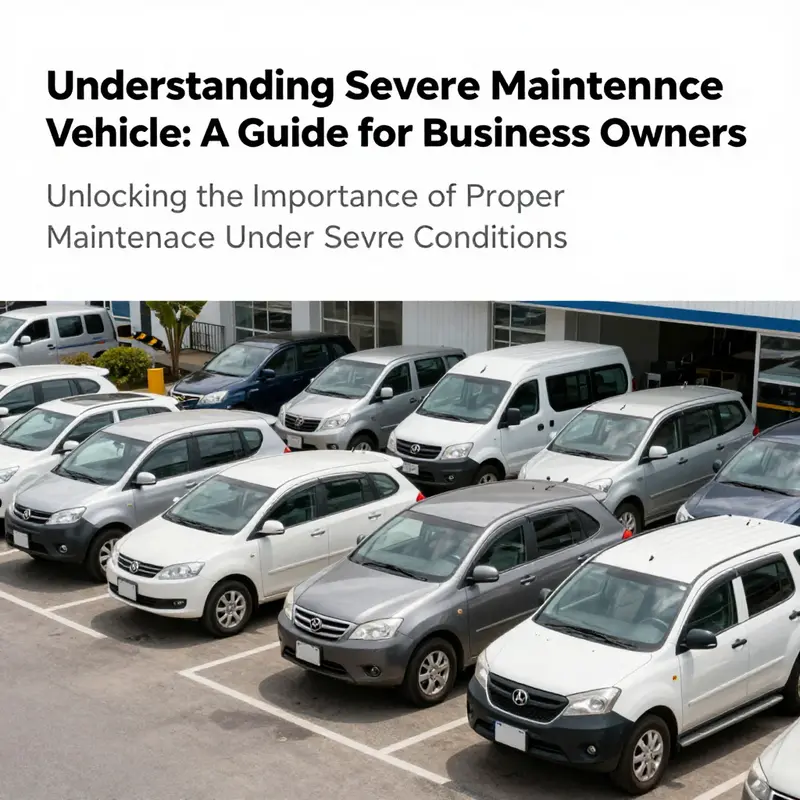
Effective vehicle maintenance is crucial for ensuring the safety, longevity, and efficiency of vehicles operating under demanding conditions. Business owners often encounter terms like ‘severe maintenance vehicle,’ which can create confusion. This article clarifies that the term refers to vehicles subjected to harsh environments necessitating specialized maintenance practices. The upcoming chapters will explore the implications of these conditions, examine scenarios that require heightened care, and emphasize the significance of routine maintenance tailored for such vehicles. By the end of this discussion, you will have a comprehensive understanding of how to protect your investment and maintain performance standards.
null
null
Severe Driving, Proactive Maintenance: Interpreting Severe R in Real World Vehicle Care
When a label such as severe driving or severe service appears in service notes, owner forums, or roadside chats, the mind seeks a simple meaning. The practical truth is that harsh operating conditions often justify a tighter maintenance cadence. The phrase may be unclear, but the underlying idea is clear: more frequent checks, earlier interventions, and closer monitoring of key systems are prudent in challenging environments.
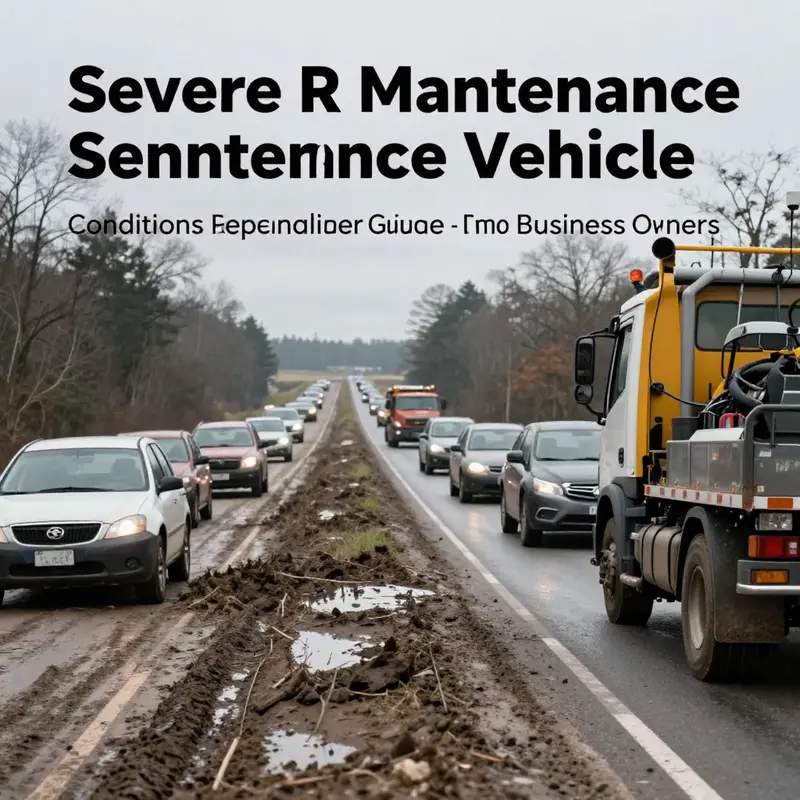
Severe driving conditions can include extreme heat, dusty air, frequent short trips, heavy towing, and congested city driving. In such contexts engines, transmissions, cooling systems, and electrical components wear faster. Short trips prevent full warm up, which leads to moisture buildup in oil and varnish or sludge in engines. High heat increases wear in hoses, seals, and cooling passages. Dust can clog filters and reduce cooling efficiency. By recognizing these factors, you can tailor maintenance to actual use rather than a one size fits all timetable.
In practice this means shorter intervals for oil changes and filter replacements, more frequent checks of coolant levels and radiator cleanliness, and closer attention to brake wear and tire condition when payloads or speeds are higher than normal. For vehicles that rely on software driven maintenance prompts, the system may adjust recommendations based on sensor data and usage patterns. A prompt to inspect the cooling system or to clean the radiator is not a nuisance but a timing cue to protect thermal health and reliability.
If you encounter a phrase that seems odd or garbled, translate the situation into concrete checks. Ask what environment you operate in, whether you drive in heat, dust, or heavy traffic, and whether you tow or frequently carry heavy loads. Review the vehicle manual or official maintenance resources to confirm the recommended actions. When the system indicates cooling system health or a radiator inspection, treat it as a legitimate request to schedule service with a qualified technician who can perform a targeted inspection and cleaning. The goal is to preserve cooling efficiency, protect engine longevity, and maintain safety on the road.
In the end, precise terms matter less than reliable care. A term that looks strange may still point to a sensible plan: monitor critical fluids, filter condition, and thermal health, and respond promptly when software or dashboard indicators suggest concerns.
Under Extreme Conditions: What Severe Maintenance Really Means for Harsh-Environment Vehicles

The idea of severe maintenance is practical and urgent for vehicles in harsh climates, demanding duties, or challenging geographies. When a driver spends long hours in extreme heat, dusty air, or stop and go cycles, wear accelerates. Severe maintenance is the proactive extension of standard upkeep to match reality. It is a disciplined anticipation that a vehicle under stress will not behave like one on smooth highways.
To define severe driving conditions, manufacturers and fleets describe how wear and performance are affected, not just emotions. In high ambient temperatures, dusty environments, high humidity, or frequent short trips that prevent full engine warmth, fluids degrade faster, filters clog sooner, and components heat up more. A short trip can leave moisture and acids in engine oil, inviting corrosion or sludge. When trucks tow heavy loads or navigate congested streets, engine heat and clutch and brake demands rise. The result is a plan for more frequent inspections and timely replacements. The guiding idea is simple: if the environment accelerates wear, maintenance must accelerate in step to prevent failures that threaten safety or uptime.
Safety remains the anchor, but in severe conditions it carries extra weight. Brakes, tires, steering, and suspension are critical when carrying payloads through rough sites or busy corridors. In heavy duty work, brake fade, tire damage, or worn steering links can cause delays or worse, accidents. The connection between maintenance and safety is clear: many incidents in commercial operations stem from mechanical issues preventable by routine upkeep. A well documented maintenance program communicates intervals, performs required tasks on schedule, and records results, becoming a practical instrument for risk management. The maintenance log then reflects both the machine’s past and its future potential, a record of how well the plan protected the vehicle and crew.
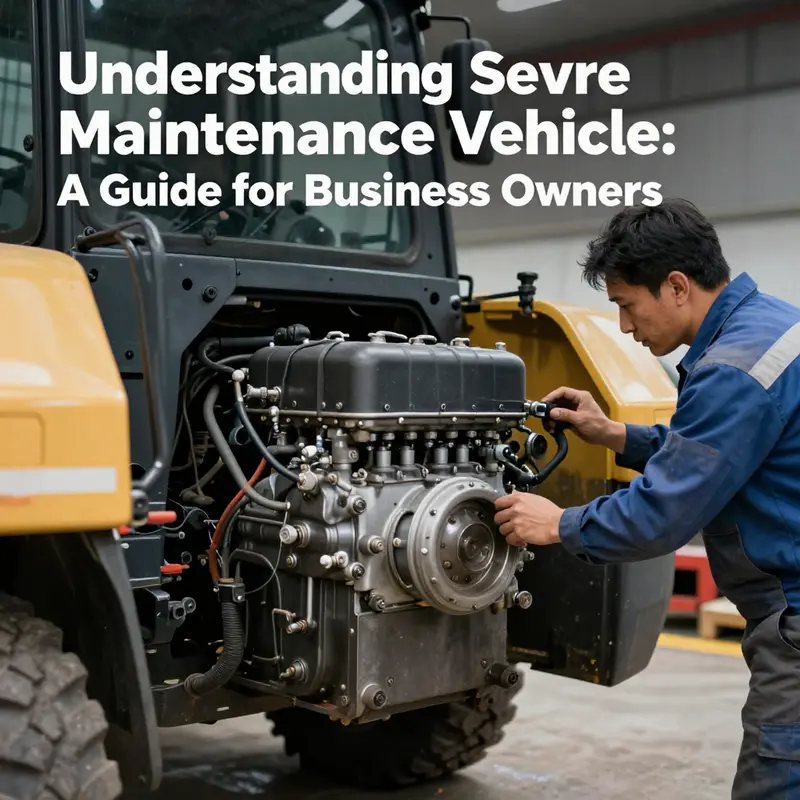
In daily life, the approach translates to oil changes, coolant checks, filtration, and cooling system inspections that are treated with extra gravity. Severe service often means shorter intervals than conventional driving, reflecting how hours of operation, load, and heat accelerate aging. The engine oil plays multiple roles, including lubrication and heat absorption, and in extreme conditions it oxidizes more quickly and thickens. Short trips trap moisture and acids, increasing wear on bearings, pistons, and valve trains. The remedy is more frequent oil changes, stricter filter regimes, and a closer look at auxiliary fluids.
Air and fuel filtration are likewise critical. Dust laden air requires more frequent filter replacement; restricted airflow reduces power and increases fuel use, which in turn raises engine heat. In severe conditions, fuel systems benefit from periodic cleaning or testing to prevent deposits and sustain efficient combustion. The cooling system takes a starring role: coolant loss or radiator inefficiency leads to overheating and accelerated gasket wear. Regular coolant replacement, hose inspection, radiator airflow checks, and thermostat testing help keep temperatures within the design envelope. Transmission and drivetrain components also deserve proactive care, with more frequent fluid changes, filter changes, and diagnostics when hauling or towing.
Tires and brakes are especially vulnerable under load and in harsh surfaces. Regular tread checks, inflation, rotations, and alignments, plus attentive brake monitoring, help prevent unexpected outages. Electrical systems and batteries suffer from vibration and temperature swings; regular testing and terminal corrosion prevention help mitigate failures. The business logic behind severe maintenance links uptime to cost control, ensuring predictable performance, safety, and reliability. A robust maintenance program aligns tasks with actual duty, maintains strong records, and uses driver feedback to adapt as conditions evolve. In practice, this means standardizing basic practices while allowing for local adjustments.
Ultimately, severe maintenance reflects a core principle: anticipate wear, adjust schedules, and document decisions. If you operate in dusty, hot, or stop and go environments, treat maintenance as a proactive habit rather than a reactive duty. The result is a resilient vehicle that stands up to demanding jobs and a fleet that meets its service commitments with fewer unplanned outages.
Final thoughts
Understanding the concept of ‘severe maintenance vehicle’ is essential for business owners overseeing fleets or heavy-duty vehicles. Recognizing the conditions that warrant specialized maintenance not only protects your vehicles but also ensures reliability and safety during operations. Regular maintenance, tailored for the rigors of severe environments, can prevent breakdowns and extend the life of your vehicles. By proactively addressing these needs, you position your business for success and longevity in an increasingly competitive market.