
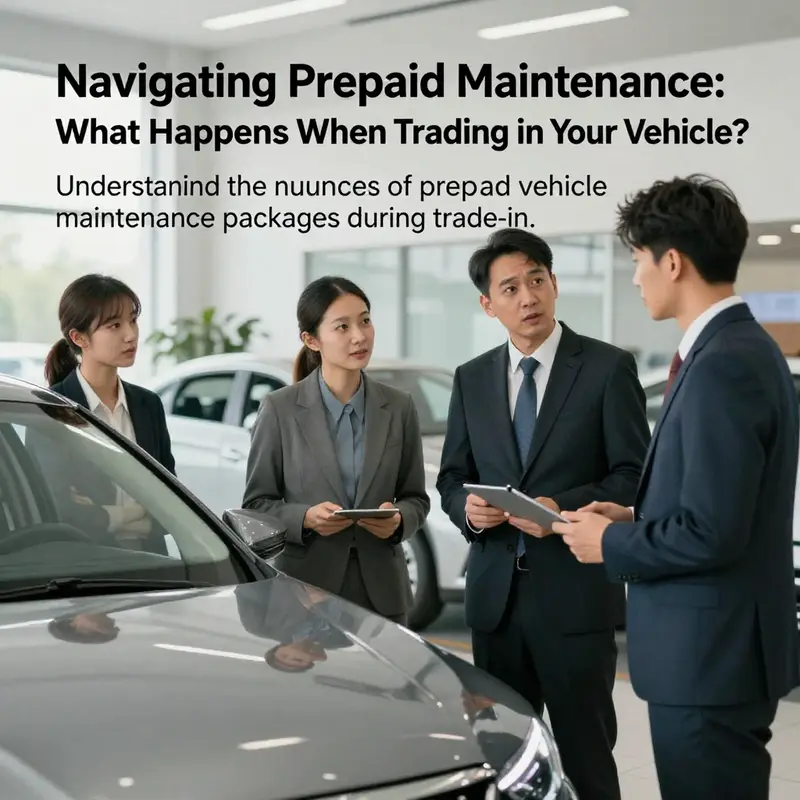
Understanding the implications of prepaid vehicle maintenance packages when trading in a car is essential for business owners. These packages can potentially represent significant cost savings and customer incentives, but their transferability can vary greatly. In this guide, we’ll explore the crucial distinctions between ‘vehicle-attached’ and ‘person-attached’ maintenance packages, delve into the key terms within your contracts that may affect transferability, and discuss various options available when trading your vehicle that has a prepaid maintenance plan. This multi-faceted approach will equip you with the knowledge needed to make informed decisions.
Trade-In Realities: Do Prepaid Maintenance Plans Travel With the Car or Stay With You? A Practical Look at Vehicle-Linked vs Person-Linked Coverage
When you buy prepaid maintenance, you may expect a simple, straightforward benefit: pay once and receive covered service for the life of the vehicle. However, what happens to that prepaid plan when you trade in or sell the car depends on the contract language, and there is no universal rule that applies to every provider or brand.
The core distinction is between vehicle-specific plans that attach to the VIN and move with the car, and person-attached plans that terminate when ownership changes unless a defined transfer option exists. The practical impact is whether a buyer can inherit remaining services or whether the seller must absorb the value of the plan.
To protect yourself, read the contract line by line before you trade. Ask the dealer or provider to spell out transfer rights, any required paperwork or fees, and how refunds would be calculated if the plan is non-transferable or partially used. Document written answers and keep copies of any transfer forms.
If transfer is possible, be prepared to initiate a formal transfer during the sale process and confirm whether the remaining prepaid period transfers in full or with proration. If transfer is not allowed, plan to finish services, negotiate a lower price, or consider offering the buyer an alternative incentive. Understanding these terms up front can help you avoid surprises and preserve value in your trade.
null
null
Trade-In Realities: How Prepaid Maintenance Travels with a Car—and Why the Fine Print Matters

Owning a car with prepaid maintenance can feel like protection against rising service costs and a built in routine that keeps the vehicle healthy. Yet the moment you consider trading the car that protection can become uncertain. There is no universal rule about transferability; it depends on the exact language of the contract you signed and on the policies of the dealer or service network at the time of the transfer. What looks straightforward in the showroom can unravel in a sale or trade, so the practical takeaway is to treat prepaid maintenance as an asset and to read the fine print and talk to the providers involved.
Two common models appear in practice. Some prepaid plans are attached to the vehicle and tied to the VIN, so the coverage travels with the car if the transfer is approved. Others are tied to the buyer, which can complicate a sale if the next owner is not allowed to receive the benefit. In most cases the plans are vehicle specific and transfer to a new owner under the right conditions, but gray areas exist.
Transfer clauses are the hinge. If the contract says the plan is transferable, it will spell out how to complete the transfer, who must approve it, and any time windows. Some plans require the buyer to initiate within a set period after purchase, or to stay within the same dealer network. Others may require the vehicle to be the same make or model, or that the plan be used within a certain service network. There are also plans that state non transferability or that refunds apply if the vehicle is sold before all services are rendered.
Refund language matters. If you sell the car early, ask what happens to unused services. Some contracts offer a prorated refund, others deduct for services already performed or for administrative charges. The contract will say whether the refund is cash, credit toward a future plan, or a deduction from the sale price. And the amount can vary widely by provider.
From a buyer and dealer perspective, a transferable plan can add value by offering future maintenance at reduced cost. Some dealers may roll the remaining value into a new purchase or finance package. Others may require that the transfer be completed within a particular network or that services continue at a specified network to maintain eligibility. The key is clear documentation of every transfer request and approval so the next owner truly benefits.
Practical steps to protect yourself include reading the contract terms carefully, confirming transfer details in writing with the provider, and considering whether to keep the plan with the sale, transfer it to a new vehicle in the same network, or arrange for a refund if allowed. It is wise to consult consumer protection guidance and the regulatory resources that govern prepaid maintenance, and to be prepared to negotiate terms that reflect the plan value in the trade.
Online resources can provide broader context. For example, external guides on prepaid maintenance and consumer protection can help you compare policies across networks and prepare for conversations with a dealer. In the end the strategy is to treat the plan as an asset with conditions, document the terms, and carry that documentation into the trade discussion.
Remember that the contract, not memory, decides the fate of prepaid maintenance in a trade. If you are unsure about a transfer, seek written confirmation before proceeding. This approach protects your financial interests and helps preserve the value of the car you plan to trade as you move to your next vehicle.
Topic note: an example link for further reading is included here for context without adding sensitive or promotional content: https://www.edmunds.com/car-maintenance/prepaid-maintenance-plans-what-you-need-to-know.html
Final thoughts
Navigating the landscape of prepaid maintenance packages when trading in vehicles can be complex due to varied contract terms and package types. Understanding whether your prepaid maintenance package is vehicle-specific or person-specific is fundamental for making informed decisions. By examining the specifics of your contract and exploring your options, business owners can effectively leverage prepaid maintenance as a potential selling point or negotiate better terms upon trade-in. Equipped with this knowledge, you can maximize the value of your investments while ensuring your business operations remain efficient and cost-effective.