

For business owners, leased vehicles can offer tremendous flexibility and financial efficiency. However, understanding maintenance responsibilities is crucial. When leasing a vehicle, the lessee is generally responsible for regular maintenance—such as oil changes and tire rotations—while some wear and tear may be covered under the lease agreement. This article explores key aspects of vehicle maintenance for leased vehicles, focusing on cost implications, lease agreement terms, comparisons with owned vehicles, and potential maintenance deductions, providing a comprehensive understanding of the responsibilities involved.
Maintenance on a Leased Vehicle: Who Pays, What’s Covered, and How to Protect Your Bottom Line

Signing a vehicle lease is often portrayed as a simpler, more predictable alternative to buying. In practice, the maintenance picture is more nuanced. Leases are sets of promises between you and a lender about how the car will be used, kept in good condition, and returned. The intuitive assumption—that maintenance is automatically covered or that everything is someone else’s problem—doesn’t capture the full reality. In most standard leases, you as the lessee will bear the responsibility for routine maintenance. The logic behind this is straightforward: the lease grants you use and depreciation rights, while the vehicle’s ongoing health and safety depend on disciplined upkeep. Yet there is a meaningful caveat. Some items may be covered under warranty, and some leases offer prepaid maintenance or maintenance-inclusive terms for a fixed period. The net effect is that the financial risk associated with maintenance is not fixed at the outset but unfolds as you follow the contract’s maintenance schedule and as the vehicle ages.
The everyday maintenance duties are the bread and butter of lease stewardship. Oil changes, tire rotations, brake inspections, fluid top-ups, filter replacements, wiper blade swaps, and other routine upkeep are the tasks most lessees will encounter. Keeping these services on time is not just about preventing breakdowns; it’s about preserving the vehicle’s value at the end of the lease and ensuring that wear-and-tear assessments don’t surprise you when you return the car. Even though a vehicle may still be under its original powertrain warranty or a separate maintenance plan, the lease agreement typically anchors who pays for services performed outside of those protections. The balance is delicate: if you neglect routine maintenance, the lessor may charge for repairs that go beyond normal wear and tear and for any damage that emerges from deferred service.
A careful read of your lease is essential because terms vary across leasing companies and vehicle types. Some agreements explicitly bundle maintenance into the monthly payment for a period, effectively shifting the cost from the out-of-pocket surprise to a predictable expense. Others leave maintenance entirely to the lessee, while warranty coverage remains the industry standard for major components during the contract’s first years. This divergence matters in practice. If you rely on a dealer’s service network or a specified maintenance provider that your lease requires, keeping meticulous records becomes a strategic move. Document every service appointment, keep receipts, and retain the service history. These records are your best defense if a dispute arises about what qualifies as permissible maintenance, what constitutes a wear-and-tear event, or whether a particular repair is chargeable.
The question of wear and tear is central to any lease discussion. Normal wear and tear refers to the expected, reasonable use of the vehicle over the term of the lease. Examples include minor cosmetic scuffs, light tire tread wear, or a small dent that does not compromise safety. Costs associated with damage beyond those norms—such as deeper bodywork, tire replacement due to uneven wear from misalignment, or mechanical failures caused by deferred maintenance—can become the responsibility of the lessee. The lease may define specific wear-and-tear allowances and quantify what constitutes excessive wear. It is wise to prepare for those possibilities by maintaining a proactive maintenance routine and address issues promptly rather than waiting for a symptom that could be interpreted as neglect.
One practical approach to navigating maintenance costs is to separate the obvious from the ambiguous. Routine services you know you will need—oil changes at manufacturer-recommended intervals, brake inspections, tire rotations, and fluid checks—should be planned and budgeted as part of your monthly lease cost. For some lessees, a prepaid maintenance plan offered by the lender or dealer becomes attractive, especially if it covers services that would otherwise be a recurring cash outlay. If such a plan exists, understand what is included, what is excluded, and how service providers must be engaged to preserve coverage. This is not a universal remedy, but it can simplify budgeting and reduce the risk of unexpected charges at lease end.
Beyond the mechanicals of a car’s health, there is a governance layer that often informs how maintenance is managed in organized settings. The logic resembles what large organizations, including government agencies, apply to leased motor vehicles. In such contexts, the primary duty to maintain lies with the controlling entity—usually the agency or department that has authority over the vehicle’s use. The aim is safety, compliance, and operational reliability. In practical terms, employees or managers who drive these government-leased cars must adhere to clear guidelines about vehicle condition and upkeep. They report issues, but authorized personnel or approved service providers carry out maintenance and repairs under the agency’s supervision. The result is a system designed to minimize risk, ensure regulatory compliance, and prevent incidents that could disrupt official duties or violate safety standards.
This governance emphasis underscores a broader truth about maintenance in leases: the responsibility model is shaped by control, not just ownership. When you read a lease, think about who has control, who approves service, and what happens if maintenance is delayed. The same logic applies to private-sector leases, but with a more individualized twist. You may own the risk of operating the vehicle day to day, but the lease contract often dictates when and where services are performed, how costs are allocated, and how maintenance history must be documented. If you are navigating a lease in which you frequently drive in a business context, the distinction between routine maintenance and major repairs becomes more than a budgeting issue; it becomes a compliance issue, especially if the vehicle is used for regulated activities or under a corporate policy that requires certain service providers and record-keeping standards.
For readers seeking a straightforward reference on the shared question—the ongoing one many people ask about in the real world, not just in policy circles—you can explore how other readers frame this issue. A concise explainer highlights that the obligation for maintenance largely depends on the lease’s terms and whether the services are bundled or itemized. The reality is that no one-size-fits-all answer exists, and the safest path is to locate your lease’s maintenance clause, note any included plans, and verify which costs are the lessee’s responsibility at various mileage thresholds or wear levels. Keeping a proactive stance—scheduling care around manufacturer intervals, using approved service providers if required, and maintaining a transparent trail of work—will help you avoid disputed charges and keep the vehicle in good condition.
The tax and expense angles also deserve a mention, because business use can alter what is considered deductible or reimbursable. In some jurisdictions, costs tied to maintaining a leased vehicle used for business may be deductible or subject to standard expense rules. In practice, this means tracking maintenance expenses and aligning them with the tax rules that apply to your situation. Readers commonly explore general guidance on expenses you can claim, and it’s wise to connect those guidelines to the specific lease terms you face. For a deeper exploration of related expense guidance, see the relevant guidance on government or business vehicle expenses and claims. If you want a quick jump to the practical side, a focused explainer on maintenance responsibilities offers a useful starting point for understanding whether your lease requires you to cover routine upkeep, and where warranty coverage or included maintenance fits into the equation.
If you want a concise answer that mirrors the everyday reality of many lessees, consider the following: the lease is likely to ask you to handle routine maintenance while warranty coverage or included plans may offset some costs. However, neglect or damage beyond ordinary wear and tear can result in charges. To protect yourself, stay aligned with the lease’s maintenance timetable, keep thorough records, and use authorized service providers when required by the contract. And when the question arises in casual conversation or a policy discussion—“Who pays for maintenance on a leased vehicle?”—remember that the answer hinges on the exact lease language, the vehicle’s condition upon delivery, and how well you maintain the car during the term. Who pays for maintenance on a leased vehicle can be a helpful, concrete reference as you review your own agreement and prepare for the lease’s end. The guiding principle remains clear: maintenance is a contract-driven responsibility, not a default gift from the lender, and protecting yourself requires attentiveness to the details embedded in your lease.
External resource for deeper context: https://www.irs.gov/irm/10-008-003-001
The Maintenance Equation on a Leased Vehicle
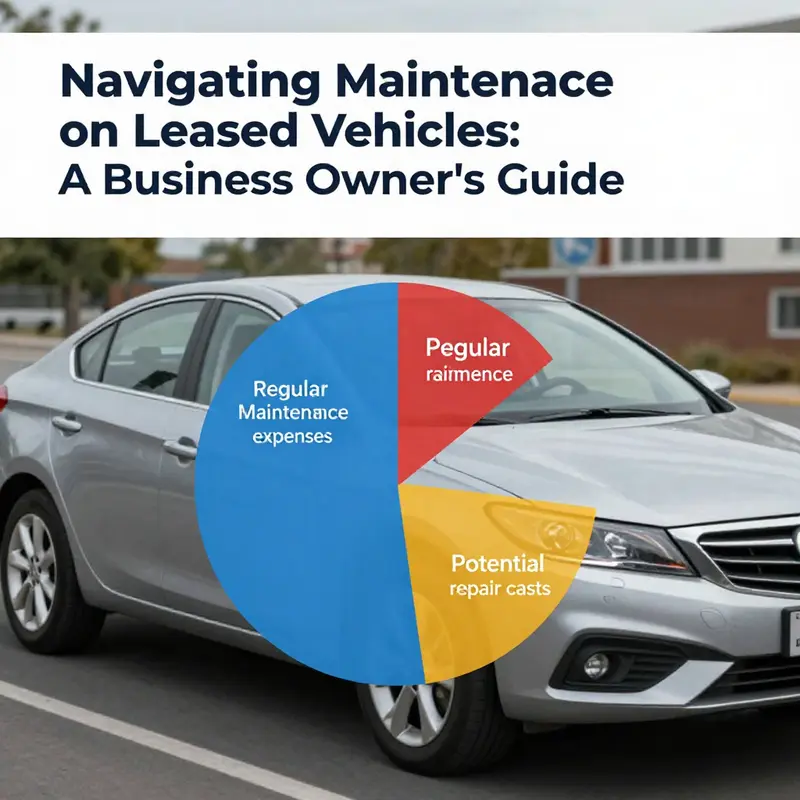
Leasing a vehicle often promises lower costs and simpler budgeting, but maintenance costs can shape the total price more than people expect. Warranty coverage during the term generally reduces the risk of major repairs, yet routine maintenance—oil changes, tire rotations, brake inspections, fluid checks, and filter replacements—remains largely the lessee’s responsibility. At lease end, wear-and-tear charges for excessive damage or neglect can add up, potentially offsetting the savings from a lower monthly payment. Some leases include maintenance plans; others charge per service, so it pays to compare options in your contract and consider your driving habits. Keeping thorough service records helps defend against disputed charges and supports a smoother return. Budget explicitly for routine maintenance, understand what the warranty covers, and know the return inspection process before signing. In short, favorable lease pricing can be offset by maintenance costs and end-of-term fees, so balance maintenance coverage with your expected use to manage the total cost of leasing.
Maintenance in a Lease: Reading the Fine Print, Budgeting for Longevity, and What You Really Pay
Entering a vehicle lease changes the lens through which maintenance is viewed. It is no longer simply about owning a car and deciding when to service it; it becomes a contractual obligation defined by the lease agreement. The paragraph on maintenance sits within a larger frame that reflects who controls the vehicle during the term, who funds upkeep, and how the vehicle should be cared for to protect its value when the lease ends. The practical upshot is straightforward: you typically pay for routine maintenance, but there are important caveats that can shift some costs or responsibilities depending on warranty coverage, the nature of wear, and the terms negotiated at signing. Understanding these nuances begins with the lease agreement itself and extends to everyday habits behind the wheel.
In most lease contracts, the lessee—the person driving the car under the agreement—is responsible for regular maintenance. This includes the basics that keep a vehicle reliable and safe: oil changes, filter replacements, tire rotations, brake inspections, fluid checks, and other routine services recommended by the manufacturer. These are not glamorous expenses, but neglecting them can ripple into bigger, more expensive problems down the road. The lease term is the framework in which those routine services are performed, and the contract typically specifies that you must adhere to recommended service intervals. When you miss or delay routine maintenance, you not only risk reducing the vehicle’s reliability but you may also risk ending up with charges at the end of the lease for failing to meet condition standards.
There is a balancing act at work here. While the lessee bears ordinary maintenance costs, the lease can also carve out protection in other areas. Some repairs—especially those tied to wear and tear that occur through normal use or to mechanical failures covered by a warranty—may be covered under the terms of the vehicle’s warranty or may fall under the lessor’s responsibility. The exact split, however, is not universal. It varies by lease type, vehicle category, and the particular terms set forth by the lending company. A commercial or fleet lease may impose even tighter guidelines, requiring the lessee to use approved service centers to maintain warranty coverage and to ensure compliance with the lease terms. In short, the contract can be clear about who pays for what, but the specifics are not universal.
The crucial rule, therefore, is to read the lease maintenance section with care. It is easy to skim past this part, but it is precisely where end-of-lease charges often originate. If the vehicle is returned with wear beyond the agreed allowances or with maintenance gaps that impaired performance, the lessor can assess penalties. The potential charges can be for excessive wear and tear, mismatched tires, exterior blemishes, interior damage, or failure to maintain a documented service history. Keeping thorough maintenance records is an inexpensive form of insurance. When you have receipts and a log that aligns with manufacturer recommendations, you can defend against claims that you neglected upkeep or that a fault was preventable.
A practical approach to maintenance within a lease is to treat the schedule as a living document. Mark the manufacturer’s service intervals on a calendar, then cross-check them against the lease’s requirements. If the contract calls for using approved service centers or particular brands of parts, treat those as non-negotiables. Even when a repair is outside a standard maintenance item, you should obtain a written estimate and keep records of all work performed. This documentation becomes especially valuable during end-of-lease inspections, when the vehicle is evaluated for its condition and adherence to the condition standards agreed upon at inception. In many cases, minor issues can snowball into larger costs if not addressed promptly; an ounce of prevention can save dollars and dispute time later on.
The relationship between routine maintenance and warranty coverage adds another layer of complexity. If the vehicle remains under manufacturer or powertrain warranty, certain repairs may be covered, reducing your out-of-pocket burden. The key is to verify what the warranty covers and whether the lease requires using certified or authorized service centers. When you stay within the warranty network, you preserve coverage that can otherwise be jeopardized by non-adherence to service standards. If a major system fails due to a defect rather than wear or neglect, warranty terms may shift responsibility away from you, but you still need to demonstrate that maintenance was performed in line with the prescribed intervals.
Another factor to consider is the possibility of maintenance plans or bundled service options offered at the outset of the lease. Some lessees opt into prepaid maintenance or service contracts that cover a predefined set of routine services for a fixed period. These plans can simplify budgeting and reduce the mental load of tracking maintenance deadlines. They also provide a predictable cost structure, which can be valuable when forecasting total lease ownership costs. Whether you choose to include such a plan depends on your driving habits, the vehicle’s reliability record, and the overall economics of the lease offer. The decision should factor in how long you expect to keep the vehicle and how much of the maintenance you anticipate paying out of pocket outside of any warranty coverage.
The lease agreement’s language about maintenance can also influence how you budget for the vehicle over the term. You may be asked to accept a certain standard of care, with explicit standards about tire tread depth, brake wear, and exterior condition. If the car is returned with conditions that fail to meet those standards, the penalties can be substantial. Budgeting for these contingencies means not only setting aside funds for scheduled maintenance but also maintaining a cushion for any unplanned repairs that might arise from neglected maintenance or from wear that reaches beyond normal limits. A careful financial plan, therefore, treats maintenance as a predictable monthly cost rather than a surprise at the end of the lease.
The broader landscape includes guidance from official resources that help frame these responsibilities. For readers seeking a broader, federal-level understanding of lease terms, consumer protection authorities emphasize reading the full lease agreement and understanding what is required to keep the vehicle in stated condition. While guidance and templates exist, the precise allocation of duties rests on the contract you sign. To that end, a useful backdrop is how leases are described in consumer-focused resources, which highlight the importance of proper disclosures and the avoidance of ambiguous language that could pressure a lessee into unexpected costs. In practice, this means asking questions before you sign: Which repairs are considered normal wear and tear? Which services must be performed at authorized centers? What are the consequences of missed maintenance, and how is condition assessed at return?
For readers who want to see how other drivers navigate these terms, a concise guide discusses who bears the maintenance burden on leased vehicles and how to interpret related clauses. It is worth reviewing such a resource as part of your pre-signing due diligence, and if you want a direct reference, you can explore the article titled Who pays for maintenance on a leased vehicle, which distills the practical implications of typical lease language into actionable steps for budgeting and compliance. This resource can help you translate the contract language into everyday decisions, from scheduling the oil change to negotiating lease-end charges based on actual wear and tear rather than assumptions. Who pays for maintenance on a leased vehicle
Beyond the mechanics of who pays for what, there is a broader mindset about how to protect yourself financially and legally throughout the lease. The most resilient approach blends proactive maintenance with disciplined record-keeping. Treat the vehicle as if its future resale value depends on your diligence, because in many leases the end-of-term appraisal uses similar benchmarks for wear and tear as those outlined in the agreement. A clean, well-documented service history supports your case that you adhered to the maintenance schedule and minimized risk of costly end-of-lease repairs. It also gives you leverage during any negotiations at the point of return if the vehicle has unusual wear patterns or if you can demonstrate that the owner’s warranty did not cover a specific fault.
Consistency matters as much as accuracy. The moment you treat maintenance as a recurring obligation rather than a one-off task, you reduce the likelihood of a surprise bill and you maintain control over the vehicle’s performance and safety. It is not just about avoiding penalties; it is about ensuring you are driving a vehicle that operates reliably, safely, and efficiently during the entire term. While the lease structure frames the boundary lines, your day-to-day choices—how soon you service, where you service, and how thorough you are with records—shape the overall cost and experience of the lease. Keeping to the manufacturer’s maintenance schedule, documenting every service, and understanding how those actions align with the lease’s terms will help you navigate the life of the lease with clarity.
For those considering the tax implications or broader expenses associated with driving a leased vehicle, it is worth consulting local guidance. In Australia, for example, the Australian Taxation Office provides guidelines on vehicle expenses and deductions that can influence decisions about leasing versus buying and how to account for business use. This is a reminder that maintenance costs do not exist in a vacuum; they intersect with tax treatment and regulatory frameworks that can alter the net cost of leasing. See the ATO guidance on expenses you can claim for business-related vehicle use for a general sense of how such costs can be handled in practice: https://www.ato.gov.au/Business/Expenses-you-can-claim/
As the lease term unfolds, the intersection of policy, practice, and personal discipline shapes both experience and outcome. The contract may spell out who pays for services and how wear and tear is judged, yet the lived reality depends on your diligence. When the terms seem straightforward, they still require careful adherence. When the terms feel restrictive, a proactive maintenance plan and meticulous record-keeping can still come out ahead. The balance is practical: maintain the vehicle in line with manufacturer recommendations, respect any obligation to use approved service centers, and document everything. In doing so, you not only protect the vehicle but also protect yourself from end-of-lease disputes and costly penalties. The lease becomes not a trap, but a framework within which prudent maintenance—and informed budgeting—keeps you moving smoothly through every mile of the agreement.
External resources can offer further clarity on the overarching framework of lease agreements and consumer protections. For those who want official guidance on lease terms and consumer rights, the federal consumer protection framework provides a stable reference point that can help drivers evaluate lease agreements before signing and ensure that terms around maintenance are clear and fair. https://www.consumerfinance.gov/owning-a-home/lease-agreements/
Leased or Owned: Who Pays for Maintenance, and How That Shapes Your Vehicle Budget

When you sign a lease, maintenance cost questions tend to surface quickly. The terms can feel abstract, and the sticker price on a monthly payment can obscure what you will actually pay over the term. The short answer is nuanced: yes, you typically pay for maintenance on a leased vehicle, but the structure is different from owning. Leases often leverage the manufacturer’s warranty to cover major repairs during the term, which can dramatically reduce unpredictable outlays. Yet the lessee remains responsible for regular upkeep, and there are built‑in protections for the lessor in the form of end‑of‑term wear and tear charges. Understanding this mix helps you budget with realism rather than surprise, and it frames whether leasing is financially sensible for your driving habits and goals. The story of maintenance in a lease is not about one line in a contract; it is about how warranty, routine service, and end‑of‑term charges interact to shape your total cost of operation.
In most cases, a lease starts while the factory warranty is alive. Major mechanical issues—engine problems, transmission faults, or significant electrical failures—tend to fall under the warranty if they occur within the warranty window and the vehicle has been serviced according to the manufacturer’s schedule. That means, during the lease, you can expect little to no charge for substantial repairs that the warranty covers. The real cash flow comes from routine maintenance: oil changes, tire rotations, brake inspections, fluid top‑ups, and the like. These are essential for keeping the car within warranty tolerances and ensuring safe operation. The exact split, however, can vary depending on the lease terms, the vehicle type, and the leasing company. In some arrangements, the lease includes prepaid maintenance or a service plan that covers the routine items for the duration of the term. In others, the lessee must arrange and pay for services at the point of service. It is not enough to trust memory or a salesperson’s assurance; you should read the lease line by line and confirm how service will be handled, what centers are approved, and how maintenance might interact with any remaining warranty.
Wear and tear is the other half of the maintenance equation. Leases anticipate that some deterioration will occur as a natural result of use. The trick is distinguishing normal wear from damage that goes beyond what is expected. Routine scuffs on wheels, light interior wear, or a nicked bumper that occurred during normal driving might fall within the wear‑and‑tear allowance, but deeper dents, scratches, or a cracked windshield from a mishap can trigger end‑of‑lease charges. If the car has been neglected or misused—say, consistent late oil changes, rough driving that accelerates brake wear, or failure to replace degraded tires—the lessor may bill you for repairs beyond normal wear. In practice, this means you are not immune from maintenance costs simply because the car is under warranty; you are responsible for maintaining the vehicle to keep it in good condition and within the lease’s wear guidelines. That responsibility matters because end‑of‑term charges can be sizable and are often a primary financial risk of leasing.
The comparison with ownership becomes clearer when you look at the long arc. Owning a vehicle shifts the cost structure in several ways. When you buy, you bear maintenance costs after the warranty lapses, and you shoulder any repair or replacement bills that arise. If you buy a late‑model used car with a remaining warranty or a reasonably priced extended warranty, your maintenance costs can still be manageable for a period. But once a financed car is paid off, you own the asset and the ongoing maintenance is yours to finance or forego. The upside is you avoid monthly lease payments and mileage penalties, and you own an equity position in the vehicle. The long‑term math shifts toward ownership if you plan to keep the car well beyond the initial term and if your annual mileage is high enough that lease penalties become a meaningful drag. The balance between liquidity, risk, and asset value becomes the lens through which you evaluate the two paths.
Driving patterns weigh heavily in the decision. For drivers with modest annual miles—think around 12,000 to 15,000 per year—a lease offers predictable, lower maintenance exposure during the term because of warranty coverage. There is a predictable monthly outlay and a shield against major repair bills, assuming the car is cared for and kept within the stipulated mileage limits. On the other hand, high‑mileage drivers face a different calculus. Excess miles can trigger penalties that quickly erase the appeal of a lower monthly payment. In such cases, buying a used car with a solid maintenance history or a newer vehicle with a transferable warranty can often prove more economical over the long run, even if the upfront maintenance costs seem higher at first glance. The choice, then, hinges on how you drive, how you value monthly cash flow, and how you anticipate using the vehicle over time.
Reading a lease is essential, not optional. The document should spell out maintenance obligations—whether service must be performed at authorized centers, the recommended maintenance intervals, and how wear is assessed. Look for a wear‑and‑tear schedule and any end‑of‑lease inspection process. If there is a wear‑and‑tear allowance, understand how it is calculated and what counts as repairable damage versus acceptable wear. If you are unsure about any clause, ask for clarification before signing, and consider negotiating terms that make maintenance responsibilities align with real‑world usage. Practical steps can help you avoid surprises: schedule maintenance with a plan in mind, keep receipts, photograph the car’s condition at key milestones, and maintain a clean log of services. If you anticipate heavy use, negotiate a prepaid maintenance option or a maintenance credit that can ease end‑of‑lease costs.
A practical, budget‑oriented approach also includes considering the maintenance implications of tires and other high‑wear items. Tire life is a common flashpoint in leases because tires wear at different rates depending on driving style, road conditions, and tire choice. If you run soft compounds or performance tires, replacement costs can be a recurring line item at the end of the lease if wear exceeds the allowed threshold. Some drivers opt for more durable tires to minimize replacement costs within the lease term, trading off ride characteristics for long‑term cost control. The broader lesson is that maintenance planning, including tire strategy, should be integrated into your lease negotiation rather than left to chance.
From a financial planning perspective, those who lease should also think about tax considerations if the vehicle is used for business. In many jurisdictions, some portion of lease payments and operating costs may be deductible, though the rules vary. The key is documentation: keep precise records of business use versus personal use, and track maintenance costs tied to business activity. This is where official guidance plays a crucial role, and it is prudent to consult the most relevant, up‑to‑date rules for your location. While the discussion here centers on the mechanics of maintenance, the tax angle can swing the total cost of ownership or usage in a meaningful way, especially for business operators who rely on their vehicle as a tool of trade.
For a practical guide on who pays for maintenance on a leased vehicle, see the detailed discussion here: Who pays for maintenance on a leased vehicle. This resource helps illuminate the nuances of warranty coverage, routine maintenance, and end‑of‑lease charges in a clear, accessible way. It also reinforces the idea that the lease is a package with defined responsibilities rather than a blanket guarantee of free upkeep. Complementing this, many readers will find that a broader financial analysis of leasing versus buying provides a useful context for decision making. A well‑regarded study from the mid‑2020s emphasizes that the right choice depends on usage patterns and long‑term goals, not just monthly price. For a broader view, see the article on leasing versus buying in 2025: https://www.forbes.com/sites/forbestechcouncil/2025/09/18/leasing-vs-buying-a-car-in-2025-which-is-more-financially-sound/.
In the end, the question of whether you pay for maintenance on a leased vehicle does not have a single, universal answer. It depends on how the lease is written, how well you maintain the car, how you drive, and what you expect from the vehicle after the lease ends. Leases can shield you from large, unpredictable repair bills during the term, but they impose discipline around routine service and end‑of‑term charges. Ownership, meanwhile, trades the lease’s predictable window for long‑term exposure to maintenance costs and the freedom from mileage penalties. The best approach is to quantify maintenance exposure as part of the purchase or lease decision, align maintenance with warranty windows, and plan for the end of term with a clear understanding of potential wear charges. This disciplined view helps you choose a path that matches your driving life, your financial goals, and your tolerance for risk.
Maintaining the Advantage: Navigating Maintenance Costs and Deductions for Business-Leased Vehicles

When you lease a vehicle for business use, the question of who pays for maintenance sits at the center of both practical budgeting and tax planning. The reality is practical and nuanced: you typically shoulder many routine upkeep costs, yet the lease may also cover some services or repairs, particularly when the vehicle is still under warranty or when the lessor offers a prepaid maintenance plan as part of the agreement. Understanding where your responsibility ends and where the lease begins is essential for keeping the vehicle reliable, your records in order, and your deductions legitimate. The leases you sign may vary widely in what they promise and what they exclude, so a careful read of the contract is the first, most reliable step. It helps to think of maintenance in two layers: the everyday upkeep that keeps the car safe and roadworthy, and the repairs that arise from wear and tear, which may be treated differently if they stem from neglect or misuse. Routine maintenance—oil changes, tire rotations, brake inspections, fluid checks, filter replacements, battery tests, and similar preventive care—often falls squarely on the lessee’s shoulders. Even when a vehicle is under warranty, the warranty typically covers manufacturing defects and certain repairs, not the scheduled services that keep the vehicle running smoothly. When a service interval comes due, you are generally expected to arrange and pay for it, unless your lease agreement explicitly includes a maintenance package or prepaid service plan. This is not a mere administrative detail; it translates into real budgeting decisions. In practice, many lessees find that the costs of routine servicing add up over the term of the lease. Oil changes, tire rotations, brake pad replacements, and the periodic transmission service can accumulate into a meaningful portion of monthly or annual vehicle expenses. If the lease includes a maintenance agreement, those costs may be bundled into a fixed periodic charge, simplifying budgeting but also potentially altering the overall value proposition of the lease. At the same time, you should be mindful of the risk of charges at the end of the lease for excessive wear and tear. Leases often impose penalties if the vehicle is returned with damage beyond what the contract considers normal wear and tear. The line between “normal wear” and avoidable damage can be subjective, and it is here that meticulous documentation of vehicle condition and maintenance becomes critical. Keeping receipts, service records, and a log of any incidents that could affect wear and tear helps protect you from unwarranted charges. The practical effect is this: if you neglect maintenance or let problems escalate, you pay twice—once for the service itself and again in the form of end-of-lease charges. A disciplined maintenance routine isn’t just about keeping the car reliable; it’s a shield against disputes and unexpected expenses when the lease ends. The tax implications add another layer of complexity, especially for business use. In many jurisdictions, you can deduct expenses related to the operation and maintenance of a leased vehicle that you use for business. Eligible deductions commonly include fuel, oil changes, repairs, servicing, insurance, registration fees, and the lease payments themselves. The picture becomes more intricate once you choose between different deduction methods. If you decide to deduct actual expenses, you can include maintenance costs and lease payments, along with other eligible operating costs. But there is a caveat: if you adopt the standard mileage rate to claim your vehicle expenses, you cannot also deduct the actual maintenance costs or the lease payments separately. The standard mileage rate is intended to cover all operating costs with a single per-mile deduction, which simplifies record-keeping but may not always maximize your deduction. The best choice depends on the numbers for your specific situation. A business with high maintenance costs relative to miles driven may find the actual-expenses route more favorable, while lighter use with predictable upkeep might benefit from the simplicity of the standard rate. To decide, keep thorough mileage logs and gather receipts for every business-related expense. If the actual costs exceed the standard mileage deduction, tracking those costs is essential to realizing the larger deduction. If, on the other hand, the standard rate yields a bigger deduction, you are better off using that method, acknowledging that lease payments and maintenance will be bundled into the rate and not deductible separately. The decision is not purely mathematical; it also hinges on the level of documentation you can sustain. The maintenance you track should be allocated to business use if the vehicle is used for both business and personal purposes. A clear method to allocate expenses is to determine the business-use percentage based on miles driven for business versus total miles. This percentage then applies to the deductible portion of maintenance costs, even under the actual-expense method. If you keep a meticulous log of business miles, you can substantiate your allocation in the event of an audit, and you can justify the proportionate deduction of each eligible expense. This is where a disciplined approach to record-keeping becomes as valuable as the maintenance itself. It’s also worth noting that some jurisdictions require different treatment for leases versus owned vehicles. In lease arrangements, the lessee typically cannot depreciate the vehicle as an asset; instead, the lease payments and related costs are treated as operating expenses for tax purposes. That distinction affects not only your cash flow but also how you structure your deductions. Because lease terms can differ so widely, it is prudent to review the lease language with tax and financial advisors. They can help you identify whether routine maintenance, repairs, or even eligible fees are treated as deductible business expenses and how those treatments interact with the method you select for deductions. The choice between deducting actual expenses and using the standard mileage rate can be influenced by several practical questions. Do you drive many miles for business or only a few? Are maintenance costs high due to an older model or a high-service-frequency vehicle? Is there a prepaid maintenance plan included with the lease that reduces out-of-pocket expenses? These questions guide not only your tax posture but your ongoing budgeting and maintenance strategy. Additionally, the lease end is a critical juncture where maintenance records become particularly important. If you’ve kept up with regular servicing and documented all repairs, you may be in a better position to demonstrate that the vehicle was kept in good condition and that any wear and tear items charged at the end of the lease are consistent with normal usage. Conversely, a lack of documentation can lead to disputes or unavoidable charges, even if the actual condition of the vehicle was reasonable. The broader takeaway is straightforward: leasing shifts some responsibility toward you, the lessee, for maintenance costs, but it also offers the potential for favorable tax outcomes if you organize your approach with care. Leases can provide predictability through bundled maintenance options, while the tax rules reward good record-keeping and deliberate methodChoice when deducting vehicle expenses. To get the most from your arrangement, align your vehicle-maintenance practices with your tax strategy from day one. Schedule regular servicing in a way that protects your business’s financial interests as well as the vehicle’s reliability. Invest in robust mileage tracking, keep all receipts, and maintain a clear record of the business-use percentage. If your lease includes a prepaid maintenance plan, weigh the plan’s cost against the anticipated maintenance needs and the potential tax implications. In making these decisions, you can maintain both the vehicle’s performance and your compliance footing. For broader guidance on how these rules apply in practice, you can explore detailed explanations on related topics such as car expense deductions and vehicle use assignments in official guidance. For further depth, see the IRS Vehicle Expense Deductions resource, which outlines how the standard mileage rate and actual expenses methods interact and what records you’ll need to support your claims: IRS Vehicle Expense Deductions. And for country-specific perspectives on claimed maintenance costs within lease contexts, you can consult country-specific guidance that highlights how expenses you can claim may differ depending on local regulations and how maintenance and lease payments are treated for business purposes. On this topic, a practical starting point is our guide on who pays for maintenance on a leased vehicle, which helps clarify the division of responsibility between lessee and lessor and the impact on ongoing costs: who pays for maintenance on a leased vehicle. This integrated approach—combining careful maintenance discipline with disciplined expense tracking—helps ensure you stay ahead of charges and maximize the legitimate deductions available to you as a business user of a leased vehicle.
Final thoughts
In summary, while business owners with leased vehicles are responsible for various maintenance tasks, understanding the terms of the lease is essential for effective budgeting. By analyzing the cost implications, comparing leased and owned maintenance expenses, and recognizing potential tax deductions, you can make informed decisions that enhance your business’s operational efficiency. Always review your lease agreement and consider working with financial advisors to maximize your business vehicle investments.