
For business owners, maintaining a fleet of vehicles is a crucial element of operational efficiency and cost management. With the right automotive maintenance products, you can ensure your vehicles function optimally, enhancing performance and extending their lifespan. This guide explores four key areas: engine oils and fluids, fuel additives, tire care and protection, and wax and paint protection. Each chapter highlights top-rated products designed to preserve your investment and improve reliability, providing the insights necessary to make informed decisions.
The Engine’s Lifeblood: Choosing Oils and Fluids That Sustain Performance and Longevity
Lubricants, coolants, and cleaners do more than keep a car running. They form a delicate, ongoing conversation between metal parts, sealing surfaces, and cooling channels. When this dialogue stays honest—when each fluid does its job within the limits of design and wear—an engine behaves with smoother starts, steadier temperatures, and a quiet confidence over tens of thousands of miles. The heart of vehicle maintenance rests in understanding oils and fluids as more than consumables. They are guardians of performance, guardians that defend against friction, corrosion, sludge, and heat. A thoughtful choice here ripples through the whole vehicle, affecting fuel economy, emissions, reliability, and resale value. In this chapter we explore how to read the signals these fluids send, how to match specifications to your driving life, and how to think beyond quick fixes toward a maintenance philosophy that respects the long arc of a modern engine.
At its core, engine oil is the lifeblood of an internal combustion engine. It coats moving parts with a thin film that reduces friction, dampens forceful impacts, and carries away heat and contaminants. The nuances matter: viscosity, base-stock chemistry, and additive packages all influence protection under different conditions. When you pick an oil, you’re balancing viscosity grade with the engine’s design, your climate, and your typical driving. The numbers you see on a bottle—think something like a 5W-30 or 0W-20—are not mere labels. They encode how the oil behaves at winter temperatures, in hot summer heat, and during the high-rpm stress of urban commutes or long highway hauls. A 0W-20, for instance, flows quickly in cold starts yet still provides adequate protection when the engine warms up. A thicker 10W-40 may offer robust protection in older or high-mileage engines but can raise parasitic drag in modern units designed for lighter, lower-viscosity oil. The right match also depends on the API service rating and the manufacturer’s specification, which together assure that the oil will work within the engine’s tolerances and the emission-control systems that rely on clean oil to prevent deposit buildup.
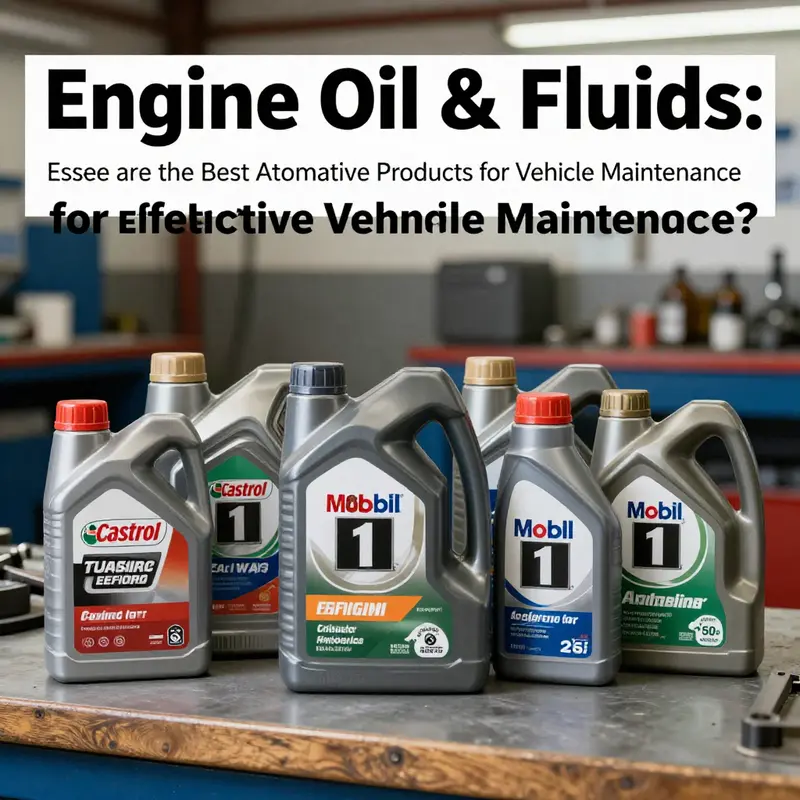
Among the most trusted engines oils are brands that have built reputations on reliability, research, and field testing. A leading global name in lubricants, Castrol has long been associated with formulations that protect engines under extreme conditions. Its synthetic and semi-synthetic lines are designed to hold up under high heat and heavy loads, helping to preserve performance and efficiency. Another perennial favorite is Mobil 1, a synthetic oil widely chosen for high-performance and modern engines. Its stability under heat and resistance to oxidation have made it a common choice for drivers who push their vehicles in demanding conditions. Shell Helix presents a distinct approach with its synthetic technologies aimed at cleaner burning and engine cleanliness, supporting longevity by resisting sludge formation. Valvoline is valued for its broad range of oils that blend performance with value, offering protection across a spectrum of driving styles. Pennzoil has built strength on its synthetic products that emphasize PurePlus technology and consistent engine protection. Across these brands, the unifying thread is not merely performance in a laboratory test but real-world resilience: better protection against wear, cleaner engines, and a more stable ride when temperatures swing or driving demands intensify.
Beyond the oil itself, the broader family of fluids plays a critical, interlocking role in keeping the vehicle in balance. Brake fluid, for example, must resist moisture absorption and maintain a high boiling point because stopping performance hinges on hydraulic pressure and consistent temperatures. When moisture penetrates the brake system, it lowers the boiling point of the fluid, which can lead to brake fade and compromised stopping power. In the same breath, coolant or antifreeze keeps the engine from freezing in cold weather and from overheating in hot conditions. Modern coolants are often extended-life formulations designed to resist corrosion, protect the water pump, and maintain proper pH balance in the cooling system. The choice here isn’t a single winner but a set of well-regarded options that align with the vehicle’s cooling system materials and the operating climate. Then there is transmission fluid, which ensures smooth gear shifts, proper lubrication of bearings, and the longevity of seals. The right fluid helps prevent slipping, chattering, or harsh engagement. When a driver prefers a well-rounded, long-lasting oil and fluid strategy, they recognize that these choices propagate through the entire drivetrain, affecting shift response, fuel economy, and even the sound of the engine under load.
To make sense of what to choose, the owner’s manual remains the most authoritative compass. It codifies the exact viscosity and the API service rating that the engine expects, along with manufacturer approvals that ensure compatibility with catalytic converters and emission controls. It’s easy to fall into the trap of chasing a branded reputation or an online stereotype, but the OEM specification is the anchor. If you drive a modern turbocharged car in a hot climate and frequently push the engine hard, a premium synthetic with robust anti-wear and oxidation resistance is often worthwhile. If you own an older vehicle with higher mileage, a lubricant designed for protection at elevated wear levels can help maintain tolerances that have widened with age. The choice becomes a conversation between the car’s design intentions and the life you expect for it. Just as the oil grade and the brand influence performance, the presence of the right additive package matters. Additives combat oxidation, reduce deposit buildup, and protect against corrosion in metal surfaces that are continuously bathed in oil. While the specifics of additive chemistry may be complex, the practical takeaway is simple: reputable brands invest in additive technology to extend engine cleanliness and longevity, a benefit you can feel through smoother operation and longer intervals between major maintenance events.
The decision framework extends to other fluids in a way that mirrors the oil choice. Brake fluid should come from a line trusted for high boiling points and low moisture affinity, often aligning with specifications that define performance across extreme heat and repeated braking cycles. Coolant becomes a balancing act between heat capacity, corrosion protection, and compatibility with the materials inside the cooling system. Transmission fluid, meanwhile, combines lubricity with hydraulic properties that govern how smoothly gears engage. Each of these fluids has an ecosystem of options—from conventional to synthetic, from standard to long-life formulations—and the best choice depends on the vehicle’s architecture, the driving environment, and the maintenance schedule you intend to keep.
When considering a comprehensive maintenance plan, it helps to think of fluids as a network rather than isolated products. An engine tuned for efficiency will respond positively to clean oil and to fluids that maintain stable operating temperatures. Driving in cities with stop-and-go traffic or across long highway stretches can alter the brand preference you might have, because thermal stability and low evaporative loss become more important in hot climates or high-load scenarios. Regular fluid checks, consistent top-offs, and timely changes keep the system balanced. It’s not only about avoiding failure; it’s about preserving the engine’s designed dynamics—the way it revs cleanly, the way the turbo spools, the way the engine quiets down after a long climb. These are signs that maintenance is working as it should, and they come from honoring the fluids’ limits and teaming with brands that invest in robust development and testing.
As readers explore the broader ecosystem of automotive care, a practical touchstone is to consider a proactive, long-run approach rather than chasing the lowest price or the flashiest claim. The best products for engine oil and fluids are those that align with your vehicle’s specification and your driving life. If you own a modern vehicle with stringent emission requirements, you’re paying attention to lubrication that keeps oil clean and stable across heat cycles. If your climate swings between freezing winters and hot summers, you’re likely to benefit from a synthetic that provides reliable cold flow and thermal stability. If your driving involves heavy loads, towing, or high mileage, you may seek formulations designed for extra wear protection and deposit control. In all cases, the guiding principle remains constant: respect the engine’s needs, follow the manufacturer’s guidance, and select products from brands with a track record of reliability and real-world performance.
For readers who want deeper specifics on oil type variations and how they map to particular models beyond a single brand narrative, there is a practical reference that translates to everyday decisions: the Jeep Renegade oil type essential guide for optimal performance. It offers a concrete example of how to interpret oil grades, viscosity, and specifications in a way that is transferable to other vehicles. You can explore that guide here: Jeep Renegade oil type essential guide.
The broader landscape of motor oil and fluids is also shaped by market leadership and consumer feedback, which you can gauge through widely used consumer platforms and automotive marketplaces. As you consider your next purchase, you may want to compare real-world impressions, maintenance intervals, and long-term satisfaction. A widely cited resource for current trends and top-performing products—useful for context as you plan your maintenance calendar—can be found in widely read automotive retail channels. For context on how market leadership and consumer reviews shape the perception of oils and fluids, see the external resource at the end of this chapter. It provides a snapshot of what drivers are seeking today and how brands respond to those demands, from improved efficiency to extended service life.
In the end, the best automotive products for vehicle maintenance in the engine oil and fluids category are those that respect your car’s design and your life on the road. They deliver reliable lubrication, steadfast heat management, and dependable hydraulic performance. They help your engine stay clean, your braking stay confident, and your cooling system stay alert to prevent heat-related wear. If you embrace a thoughtful selection process—one that checks OEM specifications, considers climate and driving style, and prioritizes trusted brands with robust testing—the chapter you read here becomes more than a shopping list. It becomes a practical philosophy: maintenance as a long-term investment in reliability, value, and driving joy.
External resource for broader context: https://www.amazon.com/gp/bestsellers/automotive/
Fuel Additives in Vehicle Maintenance: Cleaning Power, Efficiency, and Longevity
When you map out a solid maintenance plan for a modern vehicle, the obvious items—oil changes, tire checks, brake inspections—rise to the top. Yet there is a quieter, highly effective category that can profoundly influence how clean the engine runs, how efficiently it uses fuel, and how long the system stays in good health: fuel additives. These products are not mere shortcuts or quick fixes. When used thoughtfully, they act as a steadying force for the fuel system, helping to keep critical passages clear, the combustions chambers free of unwanted deposits, and the overall operation smooth and predictable over the miles. Their value becomes especially evident when you consider the way modern engines work and the environment in which they operate, where ethanol blends, variable driving patterns, and long-term exposure to fuel quality can nudge deposits into place where they hinder performance. In a well-rounded maintenance strategy, a carefully selected fuel additive can function as a trusted partner to the engine oil, air filtration, and fuel system components, aligning with the broader goal of keeping the vehicle’s heart, and its heartbeat, as clean as possible.
Deposits form in engines not because maintenance is neglected, but because fuel is inherently a solvent and imperfect. Fuel injectors, intake valves, and, in direct-injection engines, the interior of the combustion chamber, are all places where carbonaceous deposits can accumulate. Over time, these deposits disrupt the precise spray patterns of injectors, alter air-fuel mixtures, and change the way the engine breathes. The consequences show up as a subtle loss of power, a shudder at idle, or a reluctance to respond when you step on the accelerator. Emissions can creep higher, and fuel economy may drift downward. The payoff of a good fuel-cleaning regimen is not dramatic every day; it is measured in restoration of peak performance, more consistent throttle response, and a cleaner burn that keeps exhaust systems happier for longer. The goal is not to pretend fuel quality is perfect, but to counterbalance the inevitable impurities and deposits that arise in real-world driving.
What makes a fuel additive effective is not a single magic ingredient but a coordinated blend of detergents, solvents, and protective compounds designed to work together. Detergents are the workhorses. They travel with the fuel, brushing away the sticky film that can cling to injector orifices and valve surfaces. Solvents help dissolve stubborn deposits that have already formed, loosening them so that dispersants can keep them suspended in the fuel as it flows through the system. Dispersants then prevent these stray particles from clinging to metal surfaces, friction points, or the walls of passages that feed the combustion chamber. In addition, some formulations include lubricity or corrosion inhibitors to protect metal surfaces within the fuel system from the corrosive byproducts of combustion and from the moisture that can creep into the fuel over time. The result is a cleaner fuel path, steadier spray patterns, and a more stable air-fuel mixture—factors that collectively translate into smoother operation and better overall efficiency.
The value of fuel additives grows with the complexity of the engine and the variability of the driving routine. For vehicles with direct injection, the risk of deposits is higher because fuel does not wash over intake valves as it does in port-injected engines. In such cases, a regular, preventive dose of a reputable fuel-system cleaner can be a wise part of a maintenance routine. For engines that see frequent short trips, where the engine doesn’t reach full operating temperature consistently, fuel system cleanliness becomes even more important. In these conditions, deposits can form more readily, and the additive’s detergents can help sustain healthy ignition and combustion. Yet the practical takeaway is not to chase deposits with every tank, but to follow a sensible pattern that fits the vehicle, the local fuel quality, and the owner’s driving profile. A routine, measured approach to fuel additives—used in concert with good driving habits and regular service—can reduce the need for more invasive cleanings later and help preserve the efficiency and power that a clean engine affords.
Choosing the right additive involves assessing the needs of the vehicle and the expectations of the owner. The best approach is to select a formulation from a reputable brand that emphasizes detergency and deposit control, while also ensuring compatibility with the fuel blend used in the region. The detergent strength should be sufficient to address the typical deposit loads seen in your engine type, but not so aggressive as to cause unintended interactions with seals or gaskets over time. The vehicle’s manufacturer guidelines should be consulted; many engines tolerate fuel-system cleaners as part of a maintenance cycle, but there are limits for certain warranty scenarios or for engines with particular fuel delivery configurations. The aim is to support the engine’s health without replacing the need for regular service items such as air filters, fuel filters (where applicable), and periodic system diagnostics. The most meaningful test of any additive is the practical improvement it yields: smoother idling, a more immediate response to throttle input, and a return toward the factory-like efficiency curve that early in its life the vehicle delivered.
From a broader perspective, fuel additives should be viewed as one piece of an integrated maintenance puzzle. They complement, rather than replace, other important steps: keeping fuel caps sealing properly, using quality fuels, and maintaining the fuel system’s integrity with periodic checks and cleanings when the vehicle indicates a need. The strategy should be forward-looking: consider the typical routes you drive, the fuel you purchase, and how often your car sits with a near-empty tank. Long-term storage or repeated cycles of running on low fuel can encourage varnish and gum formation along fuel lines. A measured dose of cleaner at prudent intervals helps mitigate those effects and keeps the engine breathing clean air through clean fuel. In this sense, fuel additives are a practical investment in the life of the vehicle, aligning with the broader maintenance goals that many drivers already pursue—reliable starts, consistent performance, and a drivetrain that holds its value longer.
It is useful to keep in mind that the science behind these products is grounded in behavior you can observe in the real world. A vehicle that runs with clean injectors and well-maintained intake pathways typically exhibits more consistent fuel economy under similar driving conditions, less throttle lag, and lower emissions output. The improvement may be gradual, but it compounds over time. This is part of the reason many owners find that periodic use of a vetted fuel-system cleaner fits naturally into an annual or semiannual maintenance cadence. When tied to the other nine tenths of your maintenance routine—oil care, air filtration, battery health, cooling system upkeep, and tire maintenance—the incremental benefits of fuel additives become part of a cohesive strategy that keeps the car performing at or near its original design intent.
Practically speaking, the way you incorporate fuel additives should reflect your driving pattern. If you log many highway miles, a cleaner at regular, modest intervals helps sustain the engine’s efficiency and may contribute to steadier long-distance performance. For urban drivers who rack up a lot of short trips, more frequent but moderate dosing can help maintain cleaner fuel pathways during repeated cold starts and stop-and-go cycles. The key is to avoid treating additives as fix-alls for every issue; instead, use them as preventive maintenance tools that support the fuel system between more tangible service events. This approach makes it easier to maintain performance in a world of variable fuel quality, ethanol content, and driving styles, without resorting to aggressive cleaning cycles that might be unnecessary for many engines.
To anchor the idea in practical terms without wandering into brand names, think of a conceptually simple routine: invest in a high-quality fuel-system cleaner once or twice a year, and apply it in a way that mirrors your typical driving. If the vehicle’s behavior changes—rough idle, reduced power, or a dip in fuel economy—consider a targeted treatment and a follow-up diagnostic check to verify that the symptoms align with fuel-system cleanliness rather than another fault. The aim is a balanced approach that respects the engine’s design, acknowledges real-world driving, and avoids excessive reliance on any one product category. When you view fuel additives through this lens, you see how they can be a practical, science-backed element of a comprehensive maintenance plan.
For readers who want to explore the broader relationship between maintenance decisions and fuel efficiency, there is a cohesive thread that ties these practices to real-world savings. The choices you make about cleaning deposits, choosing fuels, and maintaining the engine’s internal health all translate into better efficiency and fewer trips to the shop for avoidable issues. This connection is central to the article’s focus: the best automotive products for vehicle maintenance are not just about one category or one stopping point. They are part of a continuum that includes fuel system care, engine protection, and everything that helps the car run as smoothly as the day it rolled off the line. A thoughtful, well-rounded approach to maintenance is not about chasing quick wins; it is about preserving the long-term health, reliability, and value of your vehicle.
To anchor the narrative in a practical call to action, research and testing show that well-formulated fuel-system cleaners, used appropriately, can restore some of the lost performance from aging systems and maintain a healthier burn profile. They are most effective when coupled with clean fuel, up-to-date service, and sound driving habits. In this light, the best products for any given driver are those that offer robust detergency, compatible blends for common fuel types, and clear usage guidelines that fit a realistic maintenance schedule. The convergence of these attributes marks the sometimes subtle but real difference between a vehicle that cruises along smoothly and one that feels the drag of deposits week after week.
For readers who want a deeper look at the science behind one of the leading cleaners and its validated claims, the official product information from the manufacturer provides a detailed overview of contaminants targeted, the mechanisms of deposit control, and the broader benefits to engine health and emissions. While the exact formulation names are widely recognized in the market, the takeaway remains consistent: effective fuel additives act as a shield for the fuel path, helping maintain the precise combustion conditions that the engine relies on to perform efficiently over the long haul. This perspective invites drivers to incorporate fuel-system care as a natural extension of the maintenance habits they already practice, reinforcing the idea that the best automotive products for vehicle maintenance work in harmony to protect the engine, improve efficiency, and extend the life of the vehicle.
In practical terms, integrating fuel additives into a maintenance plan also means staying mindful of fuel quality in your region and choosing products that promise clean, dependable results. Whether your driving involves frequent city commutes or long highway stretches, the principle remains the same: clean the fuel path, maintain consistent combustion, and support the engine’s longevity. If you want to explore how routine maintenance decisions impact fuel usage and overall vehicle efficiency, you can read more on the topic here: How Vehicle Maintenance Saves on Gas Expenses. This resource highlights how everyday maintenance choices, including fuel-system care, contribute to gas savings over the life of a vehicle and reinforce the broader message of responsible ownership.
In closing, the story of fuel additives is not about a single product or a one-time boost. It is about a measured, intelligent approach to maintaining the fuel path within an engine. When used thoughtfully, these additives help sustain the cleanliness and efficiency that modern engines depend on, particularly in the face of imperfect fuels and varied driving. They complement the broader maintenance philosophy that treats the engine as a system with multiple, interdependent parts. In that sense, fuel additives are a practical, evidence-based tool—one thread in the larger tapestry of the best automotive products for vehicle maintenance—that supports reliability, performance, and long-term value without demanding an excessive investment of time or money. The overall effect is a vehicle that continues to deliver the feel of freshness and reliability, mile after mile, while fitting neatly into a maintenance plan that respects the realities of real-world driving.
Guardians of the Tread: Tire Care as the Core of Vehicle Maintenance
Every journey begins where your car meets the road, and that point of contact is the tire. Tires are more than rubber and air; they are the safety system that translates power into grip, braking, and steering. They wear with time, especially under heat, heavy loads, or rough pavement. Proper tire care isn’t flashy, but it pays dividends in traction, braking distances, and fuel efficiency. When you treat your tires with intention, you extend their life, protect your suspension, and keep your overall maintenance routine from becoming reactive repairs after a breakdown. The tires deserve a central role in any maintenance narrative because they directly influence how all the other systems perform. A routine that protects the tread, maintains the sidewall integrity, and preserves the rubber’s elasticity sets a strong foundation for the kind of reliable driving most owners want from their vehicles.
Tire longevity is not simply a function of time but of environment and care. Heat accelerates the aging of rubber by softening compounds and magnifying the effects of ozone and UV exposure. Ozone, a common byproduct of auto exhaust and ambient air, can cause the rubber to crack and tear at the surface and along the sidewalls. Ultraviolet rays, even on mild days, can degrade the protective oils in tire compounds, leaving the tread more brittle and more susceptible to cuts and splits. This is why a thoughtful tire-care regimen blends cleaning, protection, and maintenance with smart driving habits. It is not enough to inflate to the recommended pressure and call it a day; the rubber needs periodic cleansing to remove brake dust, road grime, and chemical residues that can undermine grip and accelerate wear. A clean tire is less prone to drying and cracking, which translates into steadier handling and more predictable braking performance, especially in emergency maneuvers where seconds matter.
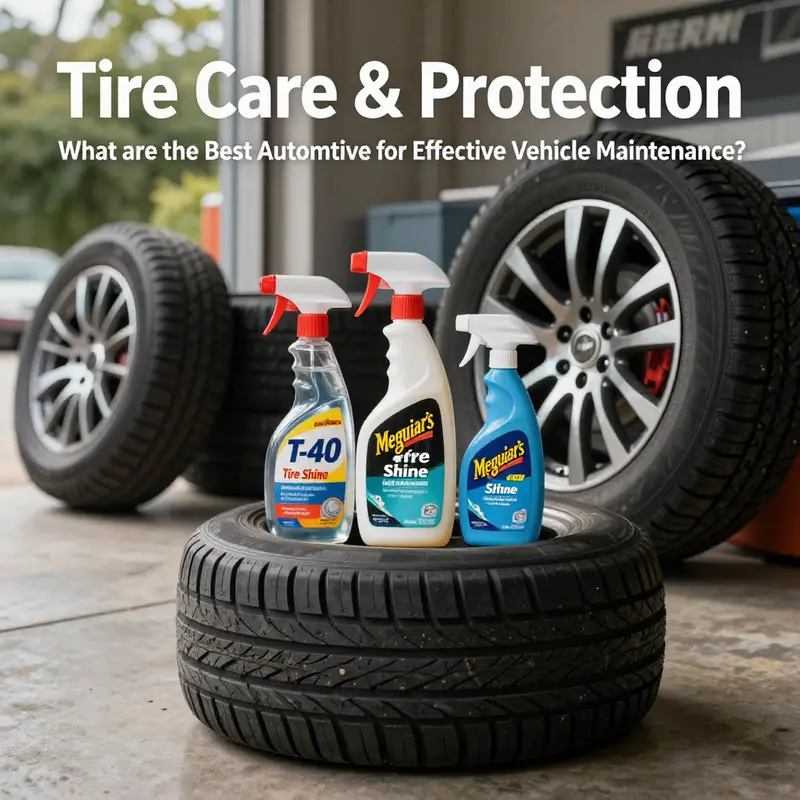
The heart of a sound tire-care routine is the intentional choice of products that respect rubber while delivering real protective benefits. There are three broad categories that matter: cleaners that remove buildup without harming the rubber, dressings or sealants that create a protective and visually appealing surface, and long-lasting protectants that shield against UV rays and ozone. In practice, this means selecting a deep-cleaning tire cleaner that lifts brake dust and grime without stripping essential oils from the tire. It means choosing a dressing or coating that provides a balanced finish—neither a slick, slippery sheen nor a dull, lifeless look—and that also commemorates the tire’s flexibility and integrity. It also means applying a protectant with UV inhibitors and anti-ozonants to slow the aging process of the rubber and reduce the risk of dry rot. Taken together, these elements form a cohesive approach that safeguards grip, extends life, and keeps tires looking and performing at their best under a range of conditions.
When we examine how these products function in real-world scenarios, the emphasis is on compatibility and performance. A proper tire cleaner should dissolve oily residues and brake dust without leaving behind residues that could attract more grime or interfere with downstream products. A high-quality tire dressing should not sit on the surface in a way that attracts dust or causes slippage on wet pavement. Instead, it should form a breathable barrier that enhances water beading, reduces UV exposure, and remains flexible as the tire expands and contracts with temperature changes. A durable protectant, used periodically, should form a micro-porous shield that blocks UV light while accommodating the tire’s natural movement. The overarching goal is to preserve the tire’s elasticity and tread integrity, which in turn sustains consistent contact with the road and preserves the vehicle’s overall brake and steering response.
The practical implication of this approach is that maintenance becomes a rhythm rather than a reaction. Regular cleaning keeps the tread free of corrosive substances and brake residue, which can otherwise accelerate wear or alter the tire’s grip character. Maintaining proper inflation remains non-negotiable, because pressure influences contact area and heat buildup. Rotating tires according to a vehicle’s recommended schedule ensures even wear across all positions, which is critical for performance and safety. When these basics are paired with the right protective measures, the effect multiplies: tread life extends, traction remains reliable across weather, and braking remains predictable when you need it most. The chemistry behind the products matters, but so does technique. A light, even hand for application, ample cure time before exposure to driving conditions, and a mindful eye for any signs of cracking or hardening in the sidewalls all contribute to a durable result. It is rarely a single miracle product that makes tires last longer; more often it is a balanced regimen that respects the material properties of rubber while addressing the realities of daily driving.
In discussing advanced tire management, it helps to consider on-the-go solutions that can assist during the unexpected. Tire sealant systems, for example, can offer immediate relief for minor punctures, providing a temporary fix that buys time until a proper repair is possible. These systems are not a substitute for professional service, but they can be a prudent safety feature when traveling longer distances or in areas with limited roadside assistance. For long-term protection, the focus shifts to formulations designed to resist environmental aging. The best protectants include those with UV inhibitors and anti-ozonants, which slow the gradual breakdown of compounds in the rubber and minimize the risk of dry rot. In harsh climates—where sun exposure is intense and temperature swings are frequent—these protective measures become even more valuable. The intent is not to create a glossy barrier that washes away with soap but to deliver a persistent, flexible shield that preserves the tire’s capability to grip, respond, and absorb impacts from rough pavement or potholes.
To ground these ideas in a broader maintenance philosophy, it helps to reference independent assessments that emphasize the value of routine tire care. A respected automotive publication summarized the essential truth: regular cleaning, proper inflation, and the use of a quality tire dressing can significantly improve both the lifespan and safety of your tires. This observation aligns with practical experience in workshops and among long-distance drivers who rely on consistent tire performance. It underscores that tire care is not a cosmetic concern; it is a foundational element of vehicle safety and performance. By integrating cleaning, protection, and long-term safeguarding into a single, disciplined routine, drivers can expect not just a nicer appearance but a tangible improvement in traction, braking confidence, and overall ride quality across seasons and road conditions.
As part of weaving tire care into the broader maintenance tapestry, consider the informational resources that expand understanding beyond the garage. For a broader context on maintenance as a whole, see What is vehicle maintenance. This perspective helps align tire care with other core tasks, such as engine health, fluid management, and brake system upkeep, ensuring that each component supports the others rather than operating in isolation. When you approach maintenance as an integrated discipline, tire care becomes a natural, almost intuitive facet of keeping a vehicle reliable and safe.
The practical takeaway is simple yet powerful: incorporate a measured routine that cleans, protects, and preserves tires in a way that respects the material’s nature. Choose a durable cleaner that lifts grime without stripping essential oils, apply a protective layer that resists UV and ozone while remaining flexible, and commit to periodic checks of tread depth and sidewall integrity. Combine this with mindful inflation practice and regular rotations, and your tires are more likely to deliver consistent grip, predictable handling, and longer service life. In the end, the tires serve as the quiet guardians of vehicle performance, quietly doing their job when you provide the care and attention they deserve. The payoff is clear in the quiet confidence you feel when driving on sunny expressways or windy backroads alike—knowing that your tires have been given the best chance to perform when every mile matters.
External resource: https://www.caranddriver.com/
Guardians of the Gloss: Navigating Wax, Sealants, and Ceramic Coatings for Lasting Paint Protection in Vehicle Maintenance
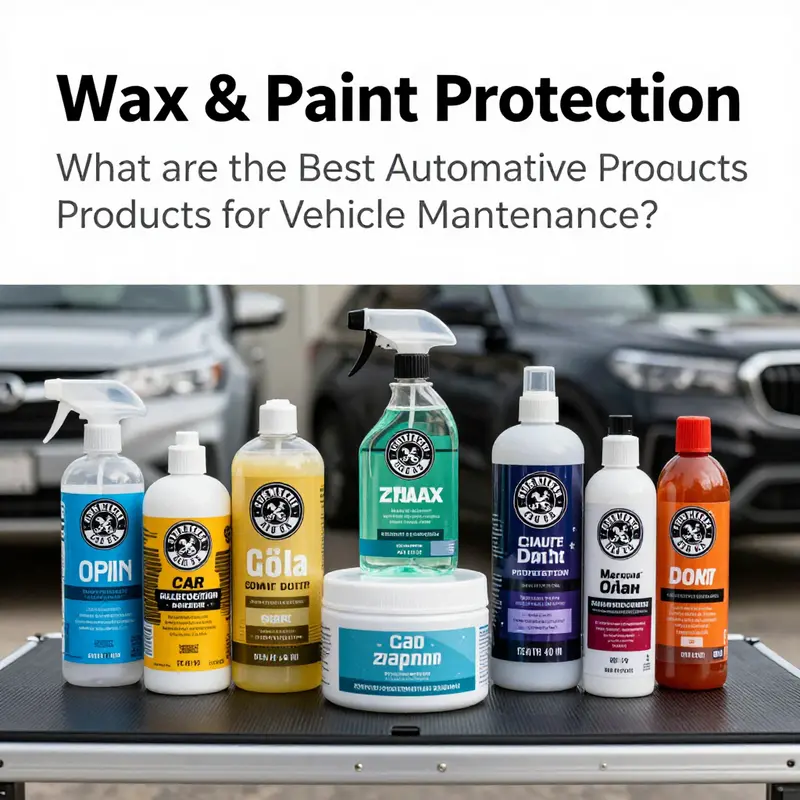
Paint protection is more than a cosmetic choice; it is a practical shield that helps preserve the value and appearance of a vehicle over years of sun, rain, and everyday use. In the realm of automotive maintenance, the decision between traditional waxes, modern synthetic sealants, and durable ceramic coatings shapes how a car looks today and how well it holds up tomorrow. The goal is not simply to achieve a dazzling shine but to establish a durable barrier that resists UV damage, contaminants, and minor abrasions while minimizing the effort required to keep the finish pristine. The landscape of protection has evolved beyond a single product category, inviting a careful reading of each option’s strengths, application realities, and long-term costs. A thoughtful choice begins with understanding how each layer interacts with paint and how maintenance routines can maximize the investment while staying practical for real-world use.
Wax is often described as time tested protection with aesthetic appeal. The classic option, natural carnauba wax, delivers a warm, deep glow that many enthusiasts associate with a showroom feel. The polish and depth it imparts come from a film that sits on top of the paint, creating a protective shield that helps block out some UV rays and provides a sacrificial layer against minor environmental hazards. The performance window for traditional waxes is typically measured in months—roughly three to six—depending on climate, washing frequency, and exposure to harsh elements. As a result, many owners who cherish a regular detailing ritual find value in waxing on a consistent cadence, not only for shine but for the micro-scratch defense that the layer offers against everyday wear. Yet the finish you get from wax is also influenced by the baseline condition of the paint. If the surface has heavy contamination, oxidation, or micro-marring from improper washing, the wax’s ability to deliver optimal gloss can be diminished unless you invest in a thorough prep before application. This prep often means a careful decontamination process and, in some cases, a light polishing to restore clarity and smoothness prior to the wax or sealant layer.
Beyond carnauba, the market also offers synthetic variants that behave like wax in terms of game plan but extend the protection window. These products are designed to be more resistant to water and chemicals and to hold their gloss through more challenging external conditions. The long-term value proposition here lies in convenience and durability. For many drivers, a synthetic sealant is a practical bridge between traditional wax and a more long-term coating. It provides robust water beading, better resistance to environmental contaminants, and a finish that can last longer than natural wax while still allowing a measure of the familiar, reflective glow that owners associate with a well cared-for finish. The choice between natural wax and synthetic sealant often comes down to personal preference for look and feel, maintenance philosophy, and how much time a driver wants to invest in detailing. In both cases, a clean, well-prepared surface is essential; the product’s performance hinges on proper paint conditioning, including thorough washing, decontamination, and, when needed, light polishing to remove swirl marks or oxidation that would otherwise dull the resulting gloss.
The conversation shifts when ceramic coatings enter the scene. These coatings are not waxes but chemically bonded defenses that form a protective layer that remains attached for years rather than months. The core benefit of ceramic coatings is their hydrophobic nature and their resilience against UV exposure and chemical staining. When applied correctly, they create a surface that repels water so effectively that it gleams with less maintenance than a waxed finish. The durability of ceramic coatings is widely reported to span anywhere from two to five years, depending on the product quality, preparation, application method, and how the vehicle is used and cared for. The durability is compelling, but it is not a free pass. The upfront cost—reflecting the labor and materials involved in proper application—can be substantial, and in many cases, professional application is recommended to ensure the coating bonds correctly to the paint and cures properly. The result is a coating that reduces the frequency of polish or wax events and lowers ongoing maintenance demands because the surface remains smoother and less prone to water spotting and chemical etching. It is important to emphasize that a ceramic coating is not indestructible; it resists certain kinds of damage better than wax or sealants but can still suffer swirls or scratches if the surface is not protected during washing and if the coating layer is neglected in the maintenance routine.
Given these distinctions, how should a vehicle owner decide what to use? The best answer is rooted in personal priorities and practical realities. For enthusiasts who relish the ritual of detailing and enjoy the immediate gratification of a lush, warm glow, a high-quality wax or synthetic sealant is a reliable, cost-conscious option that can yield excellent results with proper prep and periodic reapplication. For owners who prefer maximum longevity with reduced maintenance, a ceramic coating offers a durable shield that can dramatically reduce the need for frequent polishing and reapplication, while also delivering strong protection against chemical exposure and water spots. The decision may also hinge on the vehicle’s use and environment. In harsher climates—where UV intensity is high and contaminants are commonplace—investing in a coating can prove worthwhile, while in milder environments, a well-maintained wax or sealant regime can be perfectly adequate and more budget-friendly. It is worth noting that the choice is not binary. Some drivers adopt a layered approach, applying a durable sealant to sustain a gloss between wax sessions or applying a cleansing and maintenance routine that keeps a coating looking fresh without reapplication for many years. Regardless of the path chosen, the underlying principle remains the same: preparation and maintenance drive performance. Before applying any protective product, the surface should be thoroughly cleaned, decontaminated, and, if necessary, polished to address any imperfections. This ensures the finishing layer can either bond correctly or settle evenly, maximizing the protective benefits and visual impact.
A practical perspective helps anchor these choices in everyday life. Maintenance routines must align with the time a car owner is willing to commit. Waxing or sealing, while straightforward, demands consistent timing to maintain the desired level of gloss and protection. A traditional wax, applied every few months, can keep a classic, warm glow that many drivers associate with a well-kept paint finish. Synthetic sealants extend that window somewhat, offering a higher degree of water resistance and chemical resistance without drastically changing the workflow. Ceramic coatings, on the other hand, redefine the maintenance cycle by dramatically reducing the need for frequent reapplications, especially for drivers who regularly contend with water spots and environmental fallout. Yet the effort invested at the outset—surface preparation, careful application in controlled conditions, and a meticulous curing window—deserves recognition. The resulting lifecycle cost is not merely about the price tag at purchase; it is also about the time, labor, and dedicated care that will determine how long that protective layer remains effective and visually vibrant.
The decision framework becomes richer when the discussion touches climate, color, and maintenance philosophy. Darker colors tend to reveal scratches and imperfections more readily, which can make a protective layer feel more consequential. In this scenario, a coating’s durability and the ease of maintenance it provides can be especially appealing. Lighter colors, while less dramatic to look at, still benefit from UV protection and a clean surface, where a well-chosen wax or sealant works well for those who want a bright, high-gloss finish without committing to a professional coating service. The climate, too, matters: in areas with intense sun or frequent downpours, the hydrophobic properties of a coating add practical value by reducing water spotting and making rinse-offs quicker and more complete. In contrast, a milder, dryer environment may allow for longer-lasting wax or synthetic sealant performance if the vehicle is washed with care and protected from abrasive contact during cleaning. The overarching theme is that successful paint protection hinges on choosing a strategy that matches the owner’s priorities, vehicle usage, and willingness to invest in prep work and routine upkeep.
For readers seeking a broader framework on maintenance decisions, a useful resource that delves into the material science behind modern automotive care can provide deeper context. It is worthwhile to explore a guide that explains how different formulations interact with finishes, how surface chemistry governs longevity, and how to interpret gloss and water-repellent performance in practical terms. This broader view helps demystify the choices and supports a clearer, evidence-based approach to selecting the right protection strategy for a given car and lifestyle. What is vehicle maintenance, after all, but a thoughtful blend of science, craft, and disciplined care that keeps the finish vibrant and the vehicle appearing as close to new as possible for as long as possible.
As you consider your options, keep in mind one practical reminder: the best automotive protection is built on consistent, careful upkeep. Regardless of whether you choose a traditional wax, a synthetic sealant, or a ceramic coating, the routine that follows—gentle washing with a pH-balanced cleaner, avoiding abrasive tools, frequent drying to prevent watermarks, and periodic surface decontamination—will determine how well the layer performs over time. The aim is not to pursue a perpetual mirror-like shine at the expense of the surface’s health but to cultivate a durable, beautiful finish that stands up to sun and road grime while requiring only manageable upkeep. In this light, the decision becomes less about chasing the perfect one-time application and more about designing a protection plan that aligns with how you use your car and how you want it to look year after year. For many drivers, a practical path is to start with a high-quality wax or sealant to establish a baseline of shine and protection and then consider a ceramic coating when the desire for extended durability and minimal maintenance grows, particularly for vehicles that endure a lot of exposure or have high resale value where long-term protection matters. The fusion of thoughtful surface preparation, appropriate product selection, and disciplined maintenance ultimately yields the best possible outcome: a finish that remains striking and well-preserved, reflecting a careful approach to vehicle care that respects both aesthetics and longevity.
If you want to explore the broader philosophy behind maintenance in more depth, you can read about the fundamentals of vehicle upkeep and how it informs product selection and routine. For more context, see the resource on What is Vehicle Maintenance at the linked page. What is Vehicle Maintenance. This chapter’s takeaway is simple: wax, sealants, and ceramic coatings each offer distinct paths to the same destination—paint protection that sustains gloss, resists the elements, and reduces the effort required to keep a car looking its best. The right choice will reflect your priorities, environment, and willingness to invest upfront in prep and application, followed by a maintenance habit that supports the finish you want to protect.
External resource for further reading: for a rigorous, science-based framework on modern automotive care products and their material properties, consult Dow’s automotive care guidance at https://www.dow.com/en-us/automotive-care.
Final thoughts
Maintaining your vehicles with the right products is crucial for ensuring reliable performance and longevity. By investing in quality engine oils, effective fuel additives, robust tire care, and superior waxes or paint protection, business owners can protect their assets and optimize operational efficiency. This guide serves not only as a resource for superior vehicle maintenance products but emphasizes the importance of proactive care in sustaining a fleet’s overall performance.