
In the competitive landscape of business, every penny counts, especially when it comes to operational expenses like fuel. Vehicle maintenance not only ensures safety and reliability but plays a significant role in enhancing fuel economy. Regular upkeep of vehicles leads to optimized performance, reducing fuel consumption, and contributing to environmental sustainability. In this article, we delve into the pivotal aspects of vehicle maintenance that can help business owners cut costs and improve efficiency. Each chapter will explore different facets from engine care to tire maintenance, showing how these factors collectively enhance fuel economy, reduce emissions, and translate into economic benefits for your business.
null
null
Rolling Toward Efficiency: How Tire Care Shapes Fuel Economy
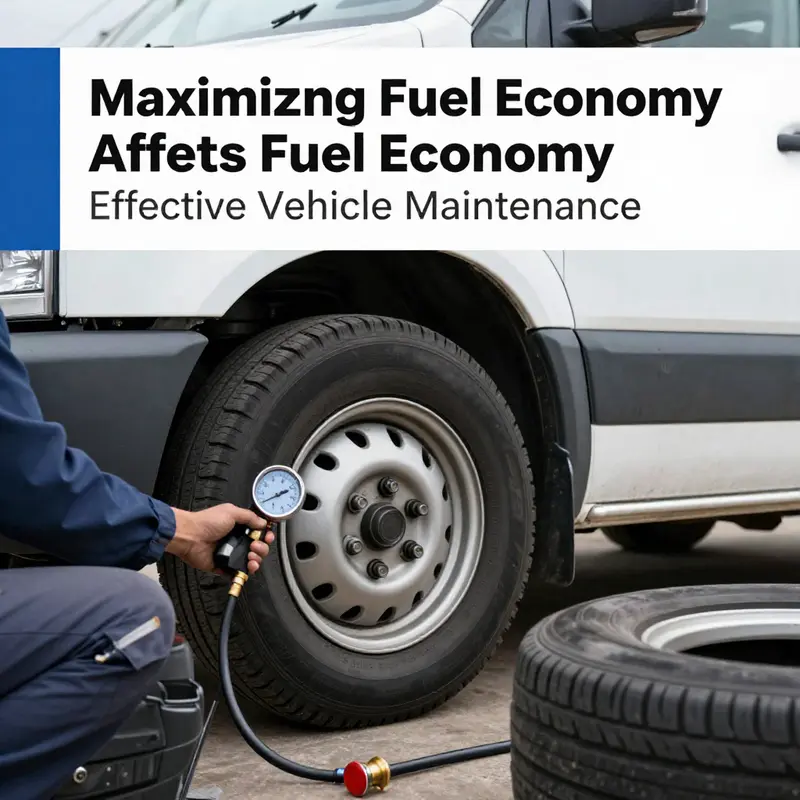
Tires sit at the intersection of safety, performance, and efficiency. They are the only component that directly touches the road, converting engine power into forward motion while negotiating traction, braking, and steering. Because tire condition and pressure influence rolling resistance—the energy the engine must overcome to move the vehicle—proper tire maintenance quietly governs a large part of the fuel economy equation. When you consider the fuel you burn at the pump, a small, consistent commitment to tire care compounds into meaningful savings over miles driven and years of driving. The narrative of fuel efficiency cannot ignore the tires; neglect one, and the rest of the maintenance routine loses some of its efficiency-boosting potential. In practical terms, keeping tires properly inflated, in good condition, and correctly aligned reduces the drag the engine must overcome and keeps the vehicle moving with less energy wasted to rolling resistance and irregular wear.
Underinflation stands as one of the most common and costly tire-related culprits for wasted fuel. When a tire runs below its recommended pressure, its contact patch with the road grows outward, and the tire walls deform more with each rotation. This deformation creates additional flex energy and heat, sapping overall efficiency. The U.S. Department of Energy has highlighted that underinflated tires can reduce fuel efficiency by up to about 3 percent. That figure translates into real dollars at the pump and translates into more frequent trips to the gas station that could have been avoided with a quick check and reinflation. It is not just the percentage on a display of numbers that matters; it is the quiet, cumulative effect across a year of driving, especially for drivers who log substantial miles in city congestion or on highways where subtle pressure losses accumulate with every mile.
But the problem is not solely underinflation. Overinflation—while less common in day-to-day maintenance—also undermines fuel economy in its own way. When tires are overinflated, the tire’s footprint on the road becomes smaller, reducing the grip and slightly altering the tire’s contact patch. This can lead to less efficient traction and, over time, uneven wear. The consequence is not just reduced fuel economy but heightened risk of a rougher ride, reduced wet-weather performance, and accelerated degradation of the tire’s structure in the crown area. In short, both under- and overinflation disrupt the delicate balance that optimizes rolling resistance and grip. The most reliable path to efficiency is maintaining the vehicle manufacturer’s recommended tire pressure while checking pressure regularly, especially with temperature swings and seasonal tire changes.
Tire condition, particularly tread depth, plays a pivotal role in rolling resistance and overall efficiency. Worn tires are not merely a safety concern; they alter how the tire deforms and grips under load, increasing energy losses during each rotation. Severe tire wear has been shown to reduce fuel economy by as much as 10 percent when compared with new tires. That drop reflects both increased rolling resistance and the risk of uneven wear that can lead to drag and inefficiencies in acceleration and braking. Keeping tires within a healthy tread range ensures that the tire can resist squirm and flex that waste energy. The Energy Efficiency label system, as used by the EPA, offers guidance on tires designed to minimize energy loss. Low rolling resistance tires are engineered with optimized compounds and construction that reduce friction with the road surface, which translates into direct, measurable improvements in fuel economy when used in appropriate vehicle and load conditions. Choosing tires with an Energy Efficiency rating, and matching that choice with the right inflation and rotation schedule, creates a synergy that consistently lowers energy expenditure at the wheels.
Beyond pressure and tread, regular maintenance activities surrounding tires contribute to efficiency in ways that are easy to overlook. Regular tire rotation, typically every 30,000 to 50,000 miles depending on driving conditions, promotes even wear and keeps the rolling resistance uniform across all four tires. Balanced wear minimizes drag and drag-induced energy losses, helping the engine perform less work to maintain speed. Likewise, wheel alignment checks are essential because misalignment causes odd tire wear patterns and subtle steering resistance. When alignment drifts, tires scrub rather than roll smoothly, increasing energy losses and accelerating fuel use. The cumulative effect of proper rotation and alignment is not merely longer tire life; it is a smoother, more efficient ride with less energy wasted in correcting for irregular wear.
An integrated approach to tire maintenance also involves vigilance about tire damage, cuts, and bulges that can weaken a tire’s structural integrity. A compromised tire can exhibit uneven rolling behavior or even sudden pressure loss, which forces the engine to compensate. In the context of fuel economy, the goal is to keep every tire operating as designed so that the rolling resistance remains predictable and low. This predictability is particularly important when traveling in varied conditions, from slick urban roads to expanding highway speeds. In all of these scenarios, the driver gains a tangible return from tire maintenance in the form of stabilized fuel consumption patterns across months and miles, instead of sporadic dips in efficiency caused by avoidable tire issues.
To translate these maintenance insights into everyday practice, a few disciplined steps can make a surprising difference over time. First, check tire pressure when the tires are cold, ideally before starting a drive or after the vehicle has sat for several hours. Use a reliable gauge and inflate to the vehicle’s published specification, which is usually found on the door jamb sticker or in the owner’s manual. If you live in a region with significant temperature changes, recheck pressure as temperatures shift, since cold air deflates pressures more quickly and hot days can increase them. Second, inspect the tread depth and look for signs of uneven wear. If you notice cupping, feathering, or excessive wear on one edge, schedule an alignment and a tire evaluation with a professional. Third, err on the side of rotation intervals suggested by the vehicle’s maintenance schedule; even if you do not regularly run long highway trips, rotation prevents localized wear that can create drag and reduce efficiency. Fourth, consider tires designed for low rolling resistance when it is appropriate for your vehicle and typical driving conditions. These tires, when paired with proper inflation and rotation, can provide a robust incremental gain in fuel economy that compounds with every mile driven.
The practical benefits extend beyond the pump. Better tire maintenance contributes to safer handling and shorter stopping distances, especially in wet or slippery conditions, which reduces the likelihood of energy-expensive evasive maneuvers. The broader maintenance picture—oil changes, air filters, ignition and fuel system checks—also interacts with tire performance. When the engine runs smoothly and efficiently, it does not overwork to compensate for dragging tires. This unity among subsystems is why some researchers describe maintenance as a system-wide lever for economy. A driver who adheres to a sensible tire maintenance routine often finds that fuel savings are not isolated to a single drive but accumulate across weeks and seasons, reinforcing the value of routine care as a long-term investment.
For drivers seeking a concise synthesis of these ideas within a broader maintenance mindset, short, regular reminders can be surprisingly effective. A simple weekly check-in: confirm tire pressures, visually inspect tread, and ensure there are no obvious signs of damage. Pair this with a quarterly rotation and a semiannual alignment check to maintain even wear and consistent performance. When combined with broader maintenance habits—keeping air filters clean, changing oil on schedule, and ensuring the ignition and fuel systems operate optimally—the payoff becomes a smoother drive and steadier fuel economy over time. If you want more on how routine vehicle maintenance translates into gas savings across the board, this overview offers a broader context and practical tips that align well with tire care as a core efficiency lever: How Vehicle Maintenance Saves on Gas Expenses.
Engaging with tire maintenance also dovetails with responsible environmental stewardship. Lower rolling resistance means less energy drawn from the engine, which translates into fewer greenhouse gas emissions per mile in many typical driving scenarios. Although tires are only one piece of the efficiency puzzle, they are a highly tangible and actionable piece — the kind that encourages drivers to adopt a routine that benefits both their wallets and the planet. When drivers realize that a 3 percent improvement in fuel economy from correct tire pressure, plus potentially up to 10 percent more efficiency from newly worn tires avoided or postponed through timely replacement, adds up across a year, the motivation to adopt a disciplined maintenance regimen becomes clear. The science behind these figures rests on fundamental physics: resistance, friction, and the energy required to maintain motion against those forces. Reducing friction where you can—through proper inflation, prudent tread management, and mindful rotation—translates into fewer revolutions per mile and less fuel burned per mile. As a result, the journey becomes not just about getting from point A to point B, but about optimizing the path itself through attentive maintenance.
External resource for deeper guidance on tire maintenance and fuel efficiency can be found here: https://www.fueleconomy.gov/feg/tire.shtml
Fine-Tuning Fuel: How Vehicle Maintenance Unlocks Efficient Combustion
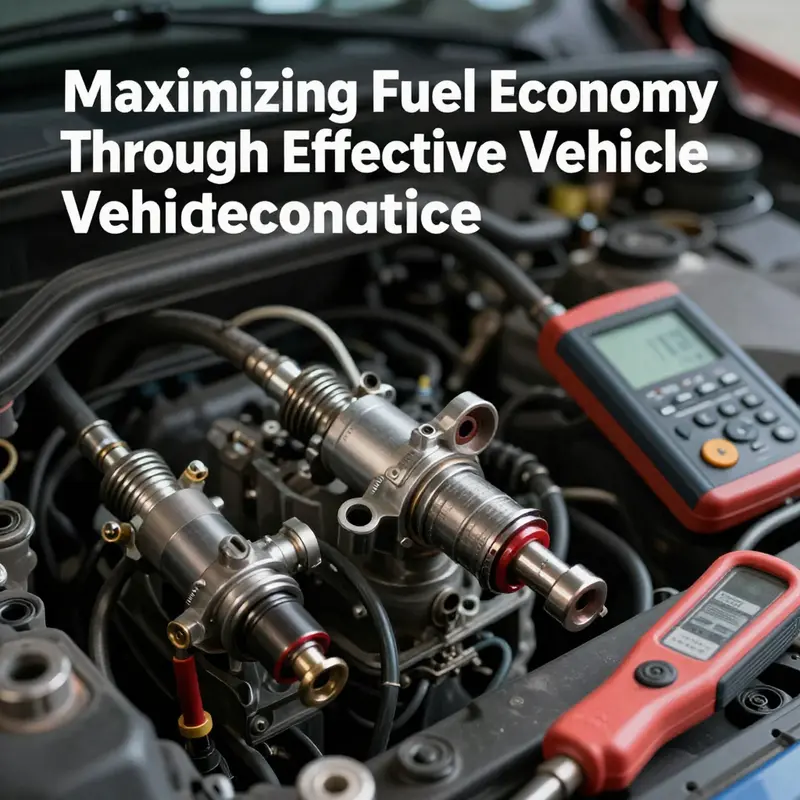
Maintaining a vehicle is often seen as a routine chore, but its impact on fuel economy runs deeper than calendar reminders and service stickers. When a car is kept in good repair, every system it relies on—engine, ignition, fuel delivery, air intake, and tires—operates closer to its ideal state. That alignment reduces waste, increases the completeness of combustion, and lowers the energy the car must expend to move. The result is not merely a smoother ride; it is a tangible reduction in the fuel needed to cover the same distance, a smaller carbon footprint, and a quieter, more dependable vehicle that asks less from the pump.
At the heart of efficient combustion is a properly conditioned engine. Regular oil changes are more than a maintenance ticket item. Oil serves as both a lubricant and a heat conductor, minimizing friction that otherwise robs a moving engine of efficiency. When oil viscosity grows thicker with use, or when contaminants accumulate, moving parts endure more resistance. That resistance translates into more energy required to spin the engine over and ignite the fuel-air mix. Clean oil keeps engine friction low, which helps maintain the calibrated clearances and timing that allow fuel to burn efficiently rather than waste energy as heat and unburned fumes. Air performs a parallel role. A clean, correctly tuned air intake system ensures the engine can take in the right amount of air for the fuel it injects. A clogged or restricted air pathway chokes the engine, nudging the ecu to miscalculate the air-fuel ratio and nudging combustion toward inefficiency. Regular air filter changes are a small but meaningful step toward preserving those precise conditions that fuel economy depends on.
Equally critical are the spark plugs and ignition system. Worn or fouled plugs misfire or fire late, which disrupts the timing of ignition and leaves portions of the fuel mixture unburned or only partially burned. Misfires waste both fuel and energy and can lead to higher emissions as unburned hydrocarbons slip through the exhaust. A routine spark plug inspection and timely replacement, along with ensuring the ignition system maintains proper gap and coil performance, keeps the combustion process smooth and predictable. When ignition is steady and predictable, the engine can burn fuel more completely, which translates into more of the fuel you pay for actually doing useful work rather than being wasted in partial combustion.
Tied to the engine’s internal health is the cleanliness and integrity of the fuel system itself. Fuel injectors, fuel rails, and the pump work hardest when dirt or varnish builds up, or when the system runs with inconsistent pressures. Clogged or sticking injectors can create uneven fuel delivery, causing hot spots in the combustion chamber or an imbalanced air-fuel mixture. Regular maintenance routines that keep the fuel system clean help sustain efficient and complete combustion. The chemistry of fuel and air is a precise ballet; any hesitation or disruption in delivery throws the cadence off and costs efficiency.
Beyond the engine, the vehicle’s rolling resistance plays a pivotal, sometimes underappreciated, role in fuel economy. Tires are not simply rounded blocks that contact the road; they are complex interfaces whose performance changes with pressure, tread design, and wear. Proper tire inflation is one of the most straightforward, cost-effective ways to preserve efficiency. When tires are underinflated, the tire’s sidewalls bend more as the wheel meets the road, increasing rolling resistance. The energy the engine must supply to overcome this resistance is energy that does not contribute to forward motion. Even a modest loss in tire pressure can measurably lower fuel economy over thousands of miles. Conversely, correctly inflated tires with low-rolling-resistance designs minimize the energy drain during each mile. Suspension alignment also matters. Poor alignment or worn suspension components create additional drag or friction, forcing the engine to work harder to maintain the same speed. In turn, that extra effort translates into more fuel use and faster wear.
Yet maintenance is not solely about mechanical parts. Driver behavior intersects with the mechanical world, and the two reinforce each other. An engine that runs cleanly is more forgiving of small lapses in driver habits, but it does not erase the impact of those habits. Idling at length, excessive speed, and abrupt acceleration all waste fuel even in a well-tuned machine. Regular servicing, therefore, is a foundation that helps drivers practice fuel-saving behaviors with a lower risk of negative outcomes from small mistakes. The maintenance schedule provides a stable baseline of performance, so drivers can focus on efficient patterns of operation—steady cruising, anticipating signals, and choosing routes that minimize stop-and-go conditions.
The practical impact of this integrated approach to maintenance is borne out in research. The U.S. Department of Energy has documented that properly maintained vehicles can achieve noticeable improvements in fuel efficiency compared with neglected ones. In real-world terms, the benefits translate into lower fuel costs and fewer emissions over time, even before considering the environmental advantages of reduced fuel burn. This figure is not just a statistic; it is a reminder that routine care pays off in actual miles-per-gallon gains, especially when combined with mindful driving practices. More efficient fuel use means less fuel burned for the same travel, which compounds the environmental and financial savings across the life of the vehicle.
The broader value of maintenance also extends to reliability and availability. Systematic upkeep reduces breakdowns and unexpected repairs, which in turn keeps a vehicle on the road longer and more predictably. Fewer scrapped or sidelined miles means more opportunity to extract the fuel economy that proper servicing enables. The emphasis here is not only on saving money at the pump but also on reducing the environmental footprint of vehicle usage by lowering the total fuel burned for daily tasks. In this light, maintenance becomes a keystone habit that aligns economic, practical, and ecological incentives, a quiet but powerful driver of greener transportation.
To weave this together into a practical mindset, consider the routine as a series of checks and balances that nurture efficiency. Start with the basics: schedule regular oil changes at intervals appropriate for your engine and driving conditions, replace air filters when they become dirty, and inspect the ignition system for wear and proper timing. Next, keep the fuel system clean and free from deposits or varnish that can impede spray patterns and pressure. Then, monitor tire pressure monthly and adjust to the manufacturer-recommended levels, accounting for load and temperature changes. Finally, seek proper alignment and inspect suspension and brake components for wear that could lead to drag or inefficiency. These steps, taken together, create a corridor of operational efficiency that makes the vehicle perform closer to its potential each time you turn the key.
If you are looking for a concise pathway to connect maintenance with gas savings, there is a practical link that cadence-minded drivers often use. For a deeper dive into how maintenance translates directly into fuel savings, see a detailed discussion on vehicle maintenance and its impact on gas expenses. This approach emphasizes not only the science of combustion but also the everyday discipline that translates science into tangible results. And as you practice this routine, you will notice the difference not only at the pump but in the vehicle’s overall ease of use and reliability. The car becomes a partner in efficiency rather than a project that requires constant attention.
In the end, the core message is simple: maintenance is an investment in fuel economy. It is not a one-off act but a sustained practice that preserves the engine’s ability to burn fuel cleanly and efficiently. By nurturing clean combustion through regular oil changes, clean air and fuel delivery, proper ignition, and properly inflated tires, drivers create a virtuous cycle. The car runs smoother, consumes less fuel, and emits fewer pollutants. The benefits compound over time as reduced wear and improved reliability translate into fewer trips to the shop and fewer excuses for not taking the road that aligns with efficiency. When maintenance is treated as a core discipline rather than a peripheral chore, the everyday experience of driving becomes not only more economical but also more responsible and sustainable. For readers seeking a concise reminder of the practical gains, the underlying principle is that a well-cared-for engine, clean fuel delivery, and properly tuned tires work together to maximize the fuel that actually powers your miles, not the fuel wasted on avoidable friction and inefficiency.
External resource: https://www.energy.gov/eere/vehicles/articles/vehicle-maintenance-and-fuel-efficiency
Internal link for further exploration: how vehicle maintenance saves on gas expenses
Steady Care, Leaner Miles: How Regular Vehicle Maintenance Trims Fuel Use and Lowers Emissions
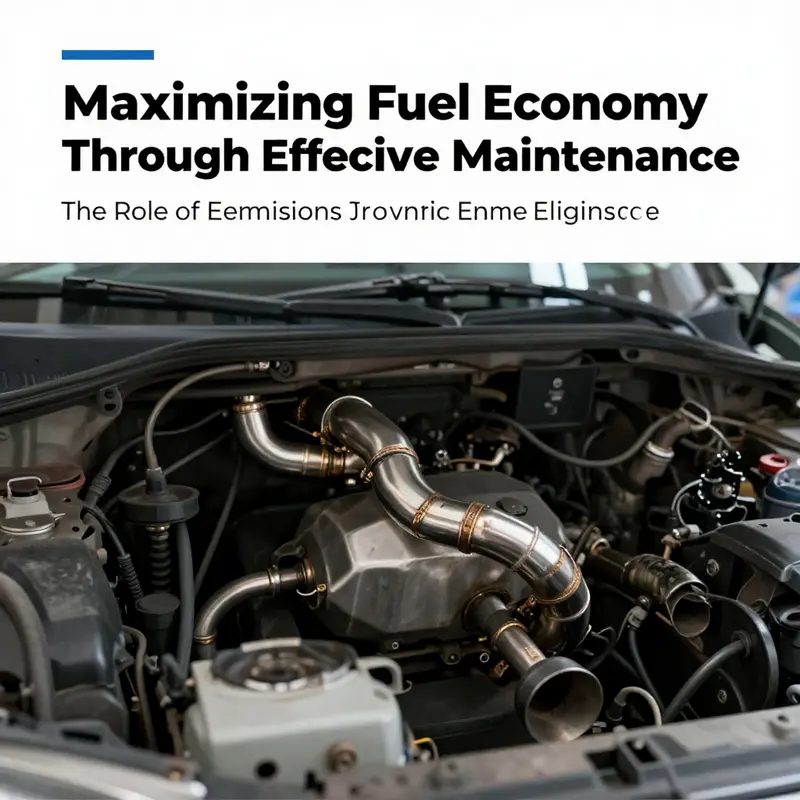
Maintenance is more than a checklist; it is a practical philosophy that treats the vehicle as a coordinated system of moving parts that performs best when every component operates to spec. Keeping oil fresh, air clean, filters clear, and fluids at the right levels is not glamorous, but it is foundational. When these tasks are performed on schedule, the engine experiences less internal friction, the pistons move more freely, and combustion stays steady. Fuel economy becomes a natural byproduct of disciplined care. Each routine service, from an oil change to a filter replacement, reduces waste in the energy chain and preserves the energy that powers the vehicle forward. The improvements may seem small in the moment, yet they compound over long trips, producing noticeably lower fuel bills and cleaner emissions. Consider the routine maintenance calendar as a financial investment: timely oil changes prevent sludge buildup; fresh air and fuel filters keep the engine breathing clean air; spark plugs and coolant deserve attention before heat and wear accumulate. Skipping these steps creates tiny inefficiencies that creep up across weeks and months, lifting the energy required to move the car and the emissions released with each mile.
Engine and ignition systems are especially sensitive to neglect. Fresh oil lowers wear and also carries away heat that would raise friction. Clean air filters help the engine breathe, keeping the air-fuel mix closer to ideal. When fuel injectors clog or ignition timing drifts, the engine must work harder for the same output, burning more fuel and emitting more pollutants. Regular checks and timely replacements keep the engine tuned as if it were new, yielding more complete combustion and a cleaner exhaust. In day-to-day terms, this means fewer trips to the pump and less stress on exhaust components that cope poorly with poor fuel delivery. The discipline extends to the sensors that guide modern engines: oxygen sensors, mass airflow sensors, and others provide feedback that keeps fuel metering precise. When those sensors drift, even slightly, the engine compensates in ways that waste fuel. Regular service restores the feedback loop, preserving efficiency and reducing the likelihood of misfires or rich/lean conditions that spike emissions and fuel burn.
Another axis is the tires. Rolling resistance is energy the road resists when the tire turns, and it depends on pressure, tread, alignment, and even subtle factors like tire wear patterns. Maintaining correct tire pressure is one of the simplest, most powerful levers for fuel economy. Even modest underinflation raises rolling resistance and wastes energy. The figure that a 1 psi drop can reduce economy by as much as 0.2 percent reflects broad data from fleets and consumers. Proper alignment minimizes drag and uneven wear that can sap mpg over thousands of miles. Pairing correct inflation with low rolling resistance tires, when appropriate for the vehicle, can trim energy use without sacrificing grip or ride quality. The control you gain here is not just theoretical; it shows up as smoother acceleration, steadier highway performance, and fewer energy losses in weather changes when tires stay within their designed tolerances.
Predictive maintenance helps keep energy slippage to a minimum. Programs that combine inspection with timely service prevent small faults from becoming energy hogs. Reliability-Centered Maintenance, for example, focuses on preserving critical functions and reducing unexpected downtime. When sensors and control modules are monitored and serviced early, engines stay near their optimal operating point. A well-timed service prevents performance drift and minimizes wasted energy from misadjustments. For fleets, the payoff extends beyond miles per gallon to higher availability and steadier performance across routes and seasons. The result is a system that uses less fuel, emits fewer pollutants, and remains ready for work rather than sidelined by breakdowns. Maintenance then becomes a practical form of risk management, reducing the probability of energy-wasting surprises that force the engine to compensate with extra fuel.
Emissions tie directly to maintenance discipline. Engines run poorly when filters clog, misfires occur, or exhaust components degrade, releasing more pollutants. Clean air and fuel systems ensure accurate oxygen sensing and catalytic converter performance. Routine upkeep minimizes the emissions penalty tied to incomplete combustion and restricted exhaust flow. In fleets and industrial operations that accumulate miles weekly, disciplined upkeep translates into measurable declines in emissions. The environmental case for maintenance is a practical one: lower emissions, improved air quality, and a smaller energy bill per mile. The National Renewable Energy Laboratory’s research reinforces this link, showing that effective maintenance programs can reduce fuel consumption and CO2 emissions when applied consistently. These gains are not restricted to a single vehicle type but extend across commercial fleets and long-haul operations where energy use compounds over thousands of miles each year.
Adopting a maintenance mindset also means recognizing the synergy between reliability, efficiency, and cost. The energy saved by proper service compounds across the vehicle’s life, yielding fewer fuel stops and more predictable budgets. For individual drivers, that translates into steadier costs and less anxiety about trips. For fleet operators, it means longer asset life, higher uptime, and lower total cost of ownership. The research landscape supports this view. Some studies show meaningful gains in fuel economy when maintenance is treated as a disciplined practice. While exact figures vary by vehicle and use, the consensus is clear: regular maintenance is a cost-effective lever for efficient, climate-conscious mobility. It complements technology upgrades and smarter driving, rather than replacing them. A well-tuned car can better leverage fuel-saving technologies and optimized driving patterns, making each mile lighter on the environment while keeping operating costs in check.
To translate theory into practice, drivers can consult practical resources that turn ideas into routines. One widely referenced guide summarizes the core gains of regular maintenance and offers manageable steps for staying on track. It emphasizes fundamentals like timely service, metric monitoring, and proactive issue resolution. how vehicle maintenance saves on gas expenses. The framing is that energy efficiency comes from maintaining the system, not chasing shortcuts. The effect on fuel use is incremental per mile, but the aggregate impact across seasons and loads is substantial. The guide also highlights the value of keeping an eye on simple indicators—odd noises, rough idling, or a sudden drop in fuel economy—and treating them not as annoyances but as signals to investigate before efficiency erodes further.
Ultimately, maintenance is a quiet, powerful multiplier of efficiency. When a vehicle runs as designed, it uses fuel more efficiently, emits less, and stays ready for work or leisure instead of lingering in repairs. The combined effect is a smaller carbon footprint per mile and a healthier local airscape, plus lower fuel costs. This is why maintenance belongs at the core of sustainable mobility. It is not a wedge against efficiency technologies or smarter driving; it is the foundation that makes those improvements possible. The message for drivers and operators is simple: invest in regular care, and the vehicle will repay you with better miles per gallon and cleaner skies. External resource: https://www.nrel.gov/transportation/fuel-efficiency.html
From Routine Servicing to Real Savings: How Vehicle Maintenance Fuels Economy and Your Wallet
Maintenance is often framed as a safeguard against costly breakdowns, yet its economic value runs far deeper than keeping wheels turning. When a driver schedules regular oil changes, air filter replacements, and timely tune-ups, they are not merely prolonging the life of components; they are optimizing the engine’s ability to burn fuel efficiently. A well-tuned engine reduces friction, ensures cleaner combustion, and sustains the precise calibration that carries fuel from tank to wheel with minimal waste. Each gallon saved in routine service compounds into a tangible reduction in operating costs, and the effect is felt beyond the individual vehicle. In commercial fleets, the math becomes more intricate but equally persuasive: lower fuel consumption translates into more predictable budgeting, better asset utilization, and a steadier chain of deliveries that improves service levels without expanding fuel spend in an unpredictable market.
The core mechanism is straightforward. Regular maintenance keeps the engine and its supporting systems aligned so fuel burns efficiently. Clean oil minimizes internal friction, letting moving parts slide with less resistance and less energy loss. Clean air filters ensure the engine can breathe freely, enabling complete and efficient combustion rather than lean or starved operation. When these elements work in harmony, the engine doesn’t have to work as hard to deliver the same performance, and fuel consumption drops accordingly. The same logic applies to the ignition and fuel delivery systems. A properly adjusted ignition timing ensures the spark occurs at the optimal moment for combustion, while clean injectors and a well-maintained fuel system deliver the right amount of fuel precisely when it is needed. The result is a more complete burn with fewer wasted fuel molecules on unproductive cycles. In practical terms, this means that the same journey that once consumed a certain number of gallons now requires fewer gallons, yielding immediate savings at the pump and over the life of the vehicle.
Tire maintenance is another piece of the economics puzzle that is easy to overlook when focusing on the engine alone. Rolling resistance—the energy required to overcome the friction between tire and road—depends heavily on tire pressure and tread condition. Underinflated tires not only wear faster but also demand more energy to roll, translating directly into higher fuel use. The empirical signal is clear: even modest losses of pressure erode efficiency. A single psi drop can nudge fuel economy downward by a fraction of a percent, and over the course of thousands of miles that fraction compounds into meaningful costs. Conversely, keeping tires inflated to the manufacturer’s specification and, where appropriate, choosing low-rolling-resistance tires can yield measurable gains in miles per gallon. In economic terms, these gains may seem incremental on a per-mile basis, but they accumulate across a fleet, across seasons of heavy use, and across years of ownership, yielding a durable reduction in operating expenditure.
Beyond the engine and the tires, the broader maintenance ecosystem—brakes, suspension, exhaust, and even auxiliary systems like cooling and electrical components—plays a role in sustaining efficiency. Worn or out-of-sync brakes can drag on a vehicle when not fully released, adding drag that the engine must overcome. A suspension with worn bushings or misalignment can alter handling and ride smoothness, increasing rolling resistance and energy losses that are not always obvious to a driver. An exhaust system with leaks or a clogged catalytic converter can disrupt flow dynamics, complicating the engine’s ability to extract energy from each drop of fuel. All of these elements contribute to a simple economic truth: when a vehicle is out of tune, the engine often compensates by burning more fuel to achieve the same performance. The maintenance habit that seems cosmetic—checking, replacing, and adjusting components—therefore becomes a direct lever on fuel costs.
When we translate these mechanical realities into numbers, the economic argument for maintenance becomes compelling. Studies cited in industry analyses suggest that regular maintenance can improve fuel efficiency by as much as 10 percent. This is not an abstract promise but a concrete outcome observed when tires stay properly inflated, air filters remain clean, and engines receive timely tune-ups. For many drivers, this translates into hundreds of dollars saved each year, depending on vehicle type, fuel price, and mileage. In commercial contexts, the same improvements scale up. A fleet that maintains its vehicles not only trims fuel costs but also reduces downtime caused by preventable failures. Bentley’s 2026 study highlights this broader benefit, showing that effective maintenance yields greater vehicle availability. In other words, well-maintained fleets spend less time off the road for repairs and more time delivering goods or transporting passengers, which—when translated into hours of operation and utilization—has a direct monetary value that referees the cost of maintenance against the cost of idle assets.
These microeconomic wins carry macroeconomic implications as well. If a large share of the vehicle stock operates with heightened efficiency due to routine maintenance, the aggregate fuel demand of a nation can decline modestly yet meaningfully. This reduces exposure to price volatility and supports energy security by smoothing consumption patterns across the economy. Such effects align with policy objectives that treat energy efficiency as a cornerstone of sustainable development. While individuals reap the direct savings at the pump, businesses and governments gain a more resilient energy profile, where routine care of the vehicle fleet translates into less spikes in fuel expenditure during price surges or supply disruptions. The logic is simple: multiplicative effects arise not from one big innovation but from countless small acts of maintenance performed consistently across the vehicle landscape.
What makes this picture robust is the combination of mechanical reliability and economic discipline. Keeping a car in good repair reduces emissions by preventing inefficient combustion and excessive idle time, which aligns with environmental goals that also carry economic benefits. Fewer emissions mean potential cost savings in urban areas where emissions controls and congestion management are increasingly integrated into economic planning. Maintenance, then, is not merely about staying out of the shop; it is about sustaining a system that uses energy more effectively, reduces waste, and provides a stable basis for personal budgeting and corporate planning alike. The practical takeaway is clear: invest in maintenance not as a discretionary expense but as a strategic financial decision that pays dividends in fuel savings, reliability, and long-term asset value.
For readers seeking a concise synthesis of the empirical backbone behind these claims, the evidence is accessible through a dedicated study that links maintenance practices with measurable fuel economy gains. This body of work demonstrates that the relationship is not incidental but systematic, driven by the mechanical and operational realities described above. Readers who want to translate these insights into everyday action can consult practical guidance on maintenance routines and fuel-saving practices. The evidence is reinforced by real-world experiences in fleets where routine servicing correlates with fewer breakdowns and steadier operating budgets. The overarching message is that maintenance is a legitimate, data-backed investment—one that aligns personal finances with a reliable vehicle experience and, on a larger scale, with energy efficiency and economic resilience.
To explore actionable steps and evidence in a compact form, consider a focused guide on how vehicle maintenance saves on gas expenses, which distills both the mechanical rationale and the economic arithmetic behind routine care. That resource emphasizes tire pressure checks, filter replacements, and timely tune-ups as practical, high-impact actions that drivers can perform or request from service providers. These steps, small in isolation, are powerful when executed consistently across a vehicle’s lifetime. The cumulative effect is a predictable reduction in fuel costs, a higher return on vehicle investment, and a steadier financial trajectory in a world of fluctuating fuel prices.
For further context and a broader view of the empirical landscape, readers may consult the external study that systematically examines the link between maintenance and fuel economy. The study situates the observed fuel savings within larger economic and policy frameworks, illustrating how maintenance habits scale from individual vehicles to national energy considerations. This research underscores the durable value of routine care and its role in balancing personal affordability with societal aims of energy efficiency and emissions reduction. It is through this integrative lens that maintenance moves from a personal maintenance chore to a strategic economic practice that benefits drivers, fleets, and communities alike.
Internal reference and further reading can be found in related resources that discuss practical maintenance routines and their impact on fuel economy. For a concise, actionable discussion that is aligned with the themes above, readers can explore: how vehicle maintenance saves on gas expenses.
In-depth empirical grounding that supports these conclusions is available in the broader technical literature, including a comprehensive study on the relationship between vehicle maintenance and fuel economy. This resource provides a rigorous examination of the mechanisms discussed here and situates them within the context of energy policy and economic planning. It offers data-driven insights into how regular maintenance translates into measurable fuel savings and broader efficiency gains for transportation systems. The link to the external study is provided below to enable readers to review the methodology, dataset, and conclusions in detail: https://www.bentley.com/en/resources/technical-papers/study-on-the-relationship-between-vehicle-maintenance-and-fuel-economy
Final thoughts
Understanding the connection between vehicle maintenance and fuel economy is crucial for business owners looking to optimize operational costs. Regular maintenance not only improves vehicle efficiency but also contributes to reducing harmful emissions, enhancing your business’s eco-friendly profile. By investing in vehicle upkeep, business owners can reap long-term economic benefits while promoting sustainability. Prioritizing vehicle maintenance can lead to marked reductions in fuel expenses and support a greener planet.