

Understanding the costs associated with vehicle maintenance is crucial for business owners who rely on their vehicles for daily operations. These costs can vary widely based on a multitude of factors including vehicle type, age, and regional economic conditions. This article delves into the annual maintenance costs specific to different regions, contrasts the expenses involved with traditional vehicles against new energy alternatives, and highlights the nuances of maintenance for electric and plug-in hybrid vehicles. Additionally, we will examine critical factors that influence maintenance costs and offer insights into long-term projections for older and newer vehicles. By the end of this guide, business owners will grasp the intricacies of vehicle maintenance costs, enabling them to make informed budgeting and operational decisions.
Sizing the Bill: Understanding Annual Vehicle Maintenance Costs Across Regions, Vehicle Types, and Driving Habits

The cost of keeping a vehicle on the road extends far beyond the sticker price or monthly payments. Maintenance and servicing form a substantial, variable part of the total cost of ownership, shifting with the kind of vehicle you drive, how old it is, how many miles you accumulate, and where you live. When you begin to map out a reasonable annual budget for maintenance, it helps to step back from averages that pretend all cars are the same. The numbers that matter most are the ones that reflect your specific situation, yet those numbers are anchored in broader patterns that researchers and industry bodies have documented across regions and vehicle types.
In the United States, the American Automobile Association (AAA) compiles a long-running portrait of total ownership costs in its Your Driving Costs study. The 2023 report puts the average annual cost to own and operate a vehicle at about $12,182. That figure encompasses fuel, insurance, maintenance and repairs, depreciation, registration, and financing. By itself, maintenance and repair costs across the nine vehicle categories they studied hover in a range of approximately $1,500 to $2,000 per year for newer models. But there is a marked tilt: older vehicles or those with higher mileage veer toward the higher end of that spectrum. The difference is not merely academic. It translates into planning mistakes, unexpected downtime, and a less resilient budget in the face of major repairs.
What drives that spread in the maintenance portion? First, age and mileage are obvious factors. A car that has rolled past the five- or seven-year mark, or one that has accumulated several hundred thousand kilometers, tends to require more frequent component replacements, more frequent brake service, and more unpredictable repairs. The local environment compounds this effect. Urban areas, with their higher labor rates and more expensive parts, tend to push maintenance costs upward. Rural areas, while sometimes offering lower labor costs, can incur higher downtime and travel costs when service centers are far away or when specialized repairs are required. The end result is that the same model of car can cost materially more to keep on the road simply because of where you live and how you drive.
This regional lens becomes especially clear when you expand the view beyond the United States. International data show a broader mosaic of maintenance costs that reflect currency, market structure, and the maturity of service ecosystems. In the United Kingdom, for example, a recent synthesis from Kwik Fit puts the average annual spend by the typical UK driver on car maintenance and servicing at about £1,295.52. That figure is not solely about routine servicing; it includes associated costs that creep into the annual tally, among them components replaced or repaired over the course of a year. It’s a reminder that in a high-cost service environment, a single year can carry substantial upkeep obligations even for drivers who mostly perform routine maintenance.
Across the Pacific, the picture in China highlights a notable regional nuance: for traditional gasoline-powered vehicles, the average maintenance and repair cost in 2023 hovered around 2,623 yuan. For new energy vehicles (NEVs), the burden was lighter, at about 1,877 yuan. The contrast within the same country shows a clear correlation between propulsion technology and maintenance economics, driven by differences in component complexity, remanufacturing ecosystems, and labor specialization. The gap expands when you look at specific EV models. For instance, the BYD Yuan EV carries an annual maintenance cost around 245 yuan, a figure that reflects relatively low parts turnover and fewer moving parts. Yet the BYD Han EV, a higher-end model with a larger battery and more complex drivetrain, shows a total maintenance cost of 3,800 yuan for the first 60,000 kilometers. Plug-in hybrids illustrate a middle path; for the Qin PLUS DM-i, the three-year, 60,000-kilometer window comes to about 3,010 yuan in total—roughly 1,003 yuan per year—an illustration of how hybrid systems still demand dedicated service and parts, even if the routine maintenance burden is lighter than in traditional internal combustion engines. What these numbers underscore is the balance between routine upkeep, which tends to be cheaper for EVs and NEVs, and the potential for outsized expenditure in major repairs to battery packs or electric drivetrains, which can be exceptionally expensive and technically demanding.
The variation across regions is not just a function of vehicle type; it also reflects the broader economics of parts availability, labor markets, and driving patterns. In the United States, the BLS and AAA data converge on a practical takeaway: maintenance is a predictable, budgetable element of ownership, but it is especially sensitive to the age of the vehicle and its expected mileage. A newer model may fall within a tighter maintenance window, while an older car with high mileage can require parts replacements and repairs that feel like a cliff edge in a budget, even if the monthly checkup cost remains modest. The implication for consumers is straightforward: know your vehicle’s age, track its mileage, and estimate maintenance on a sliding scale rather than a fixed rate. For households juggling multiple vehicles, the math becomes more complex, and the stakes rise as the fleet ages.
Another dimension worth noting concerns the cost structure for commercial vehicles, particularly heavy trucks used in freight transport. The scale and persistence of maintenance needs with long-haul operation are materially higher than for passenger cars. A 2026 analysis indicates that a typical long-haul truck traveling 100,000 miles annually faces maintenance costs exceeding $20,000 per year. The components contributing to that total include routine oil changes, tire replacements, and brake servicing, but also specialized repairs such as diesel particulate filter (DPF) cleaning or replacement, which can cost between $800 and $1,000 per service for a single system. Add to that the real-world pressure of high fuel prices, tolls, insurance premiums, and driver wages, and the maintenance line-item becomes a major line in the operating budget, distinct from but interacting with other cost drivers in fleet management.
To round out the picture, major benchmarks outside maintenance alone still influence the maintenance bill in practice. The US Bureau of Labor Statistics notes that the average annual cost to operate a new car in 2022 was about $11,450, with gasoline accounting for roughly $3,120 of that figure. While this exact data set pertains to passenger vehicles rather than heavy trucks, the underlying message is consistent: fuel costs are a substantial companion to maintenance costs in the overall cost of ownership. The maintenance line, though smaller than fuel for most drivers, is not negligible; it is a recurring obligation that often grows with age, mileage, and regional service costs.
Across these threads, a single conclusion becomes clear: annual maintenance costs are not a universal constant. They are a function of vehicle type, age, mileage, local labor costs, and the availability of parts and expertise. For EVs and NEVs, routine maintenance can be cheaper, but the risk of an expensive battery or drivetrain repair remains, shaping a different kind of risk profile than traditional gasoline-powered cars. For urban drivers, the premium of service cost and downtime can tilt the annual maintenance bill upward; for rural drivers, the distance to service centers and longer wait times can magnify indirect costs and downtime, even if labor rates appear lower. In commercial fleets, maintenance represents a substantial operational challenge that compounds other cost pressures and demands careful, data-driven management of parts, schedules, and downtime.
If a reader wants a practical sense of how these factors play out in real life, consider how maintenance costs translate into a yearly budget you can rely on. Start with your current vehicle and its age, then map out expected mileage for the year. Add a conservative buffer for unexpected repairs and for wear items that are more likely to fail as the odometer climbs. If you are weighing a move toward electrification, it is useful to compare the maintenance trajectory of a typical EV or PHEV against a conventional vehicle in your region, understanding that while routine servicing may be cheaper for an EV, the potential for high-cost battery-related repairs exists and should be planned for in the long term. For a broad, contextual view that helps frame your local numbers, a detailed regional breakdown is available in the AAA Driving Costs report, which captures the interplay of maintenance with the full spectrum of ownership costs across the United States. External context matters, but so does the clear, practical measurement of your own vehicle’s maintenance needs, age, and mileage, all of which determine the real annual bill you will face. For a broader sense of how maintenance relates to fuel costs and overall efficiency, you can explore an article that examines how vehicle maintenance saves on gas expenses, which adds another layer to understanding the value of regular servicing and upkeep in preserving efficiency. how vehicle maintenance saves on gas expenses.
In sum, the annual maintenance bill is not a single number but a spectrum. Your position on that spectrum is defined by the type of vehicle you drive, its age and condition, your driving patterns, and where you live. The more precisely you map those variables, the more accurate your maintenance budget will be. And as the data from different regions show, even similar vehicles can travel vastly different maintenance paths depending on the ecosystem around them. Staying aware of these regional and vehicle-type realities makes it possible to forecast, save, and prepare for the true cost of keeping wheels turning year after year. For those seeking a structured resource to anchor their planning, the AAA Driving Costs study offers a comprehensive, data-driven baseline to compare regional differences and ownership costs in the United States. External resource: https://www.aaa.com/autoresearch/driving-costs
Maintenance at the Crossroads: Weighing Traditional Cars Against New Energy Vehicles
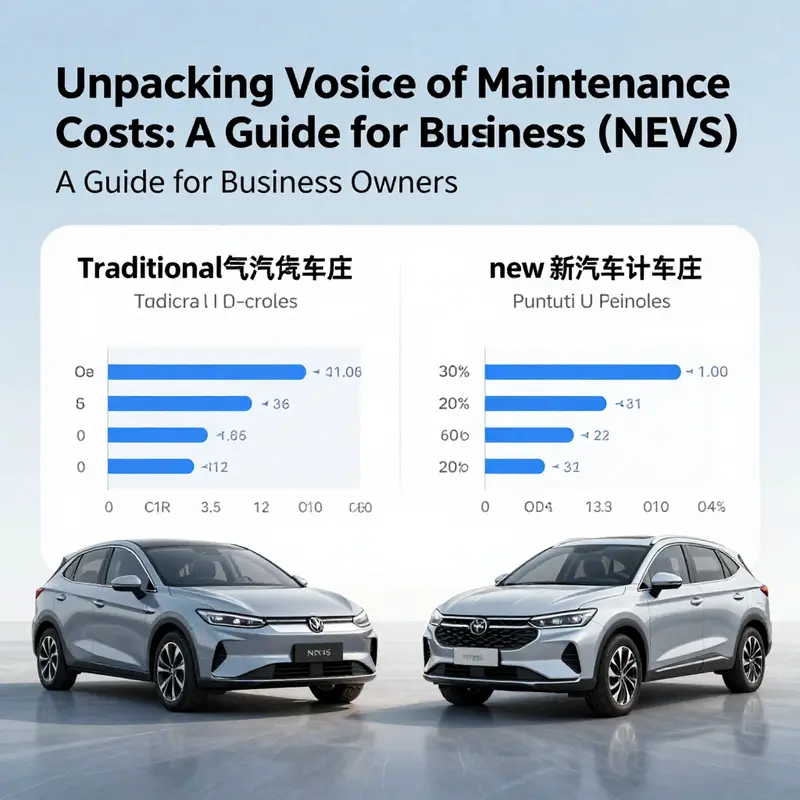
Maintenance costs are not the flashiest line item in a car buyer’s budget, but they quietly shape how affordable a vehicle feels over its life. The questions people ask tend to focus on sticker price and fuel efficiency, yet the ongoing price of keeping a car on the road can matter far more over a decade of ownership. The cost landscape varies widely by vehicle type, age, mileage, and location, but several consistent threads emerge when we compare traditional internal combustion engine vehicles (ICEVs) with new energy vehicles (NEVs), which include battery electric vehicles (BEVs) and plug-in hybrids (PHEVs). In the United Kingdom, for example, a large-scale study reports that the average driver spends about £1,295 per year on car maintenance and servicing. It is important to note that this figure is often presented as maintenance plus servicing, and in some analyses fuel costs can be included in the tally, which can blur the line between maintenance and operating expenses. Context matters: in markets where fuel taxes and labor costs are high, the same maintenance tasks will carry a different price tag than in places with lower labor rates or different regulatory requirements. The broader takeaway is that maintenance costs are not a fixed number tied to the engine type alone; they respond to the vehicle’s design, its age, and how it’s used on the road.
A parallel picture emerges from one of the world’s largest markets. In a major 2023–2024 snapshot of China, traditional gasoline-powered vehicles show higher average maintenance and repair costs than new energy options. The data indicate an ICEV maintenance average around 2,623 yuan, while NEVs come in lower at approximately 1,877 yuan. While the exact figures reflect the mix of vehicle classes, driving patterns, and service networks in that market, the direction is clear: NEVs typically incur lower routine maintenance costs than their ICEV counterparts, largely because their powertrains are simpler in terms of moving parts and lubrication needs. Yet the math is not uniformly generous to NEVs in every nook of the globe. The cost envelope changes when you consider vehicle size, battery conditioning, and the potential for battery-related service in years when a pack begins to age or when you push the vehicle beyond its comfortable thermal operating window.
Even within NEVs, there is a spectrum. A small BEV, with a modest battery and a simplified drivetrain, tends to have lower routine maintenance costs than a larger BEV with more complex cooling circuits and higher electrical load. In real-world terms, a compact BEV might incur a few hundred yuan annually for standard inspections, tires, brakes, and minor software updates. By contrast, a larger BEV—one designed to cover longer daily use or higher yearly mileage—can show higher maintenance needs, particularly if the vehicle’s battery thermal management system or high-voltage components require attention during the early miles of a long ownership horizon. A useful marker in many reports is a hypothetical but instructive contrast: a midsize BEV could show maintenance costs around the low hundreds to just under a thousand yuan per year in routine scenarios, while a BEV of greater size or higher utilization may approach a few thousand yuan over similar intervals. This spread reflects not only the component differences but the service networks and replacement part costs that accompany higher-capacity batteries and more capable motors.
The numbers become more nuanced when we turn to PHEVs. Because PHEVs combine an internal combustion engine with an electric drivetrain, their maintenance profile must account for both worlds. In practice, a PHEV’s first several years of ownership tend to be more affordable than many ICEVs in routine maintenance due to the absence of some exhaust-related components being used as extensively or due to less wear on certain engine parts in scenarios where the vehicle stays in electric mode for most daily trips. In a three-year window covering up to about 60,000 kilometers, a representative PHEV might accumulate roughly 3,010 yuan in total maintenance costs, translating to around 1,003 yuan per year in an average usage pattern. It is not unusual for the BEV and PHEV maintenance paths to converge at higher-mileage points, as wear accumulates on tires, brakes, suspensions, and tires, even if the engine or drivetrain is not consuming fuel in the same way as a traditional ICEV. For comparative purposes, small BEVs and PHEVs illustrate the general trajectory: routine maintenance tends to be lighter on BEVs because there are fewer moving parts needing lubrication, fewer oil changes, and fewer exhaust-system considerations. The same logic helps explain why some early BEV owners report lower annual maintenance outlays than ICEV peers, even after accounting for tires and brakes. An important caveat, however, is that while routine maintenance can be cheaper, major repairs—especially battery-related work or electric-drive system overhauls—can carry substantial price tags. Battery replacement or major drivetrain work, in particular, has the potential to run into tens of thousands of yuan in some cases, driven by battery chemistry, pack size, and the need for specialized service.
Against this backdrop, maintenance cost is only part of the ownership equation. When people evaluate total cost of ownership, they should weigh how maintenance interacts with fuel savings, charging expenses, and depreciation. BEVs, for example, typically enjoy substantial fuel savings, since electricity is often cheaper per kilometer than gasoline or diesel, and their brakes tend to wear less due to regenerative braking in many driving scenarios. These fuel and brake advantages can offset higher upfront purchase costs and, in some markets, help reduce the long-run maintenance burden, even if the battery is not counted as a maintenance cost per se. To readers seeking practical guidance, a helpful resource discusses whether electric vehicles require less maintenance and presents a concise argument that can align with the general trend described here. Do Electric Vehicles Require Less Maintenance.
The market signals are reinforcing this view. The International Energy Agency’s Global EV Outlook 2025 highlights a pivotal shift: across medium-sized and SUV segments, BEVs are now more than 20 percent cheaper to operate than their conventional gasoline-powered equivalents on a total-cost-of-ownership basis. The analysis underscores that the downward pressure on NEV costs is not a fluke but the outcome of a broader set of drivers reshaping the economics of vehicle ownership. Foremost among these drivers are the falling costs of batteries, which constitute a substantial portion of NEV prices. As manufacturers scale production and improve manufacturing efficiency, the per-vehicle cost of battery packs continues to decline. Economies of scale compound with process improvements, enabling more cost-effective manufacturing and more favorable service economics for owners. The result is a scenario in which NEVs, once perceived as premium options, are steadily becoming mainstream choices for households that previously favored traditional ICEVs. The price premium for BEVs across a broad swath of vehicle segments has contracted, and the gap between ICEV maintenance costs and NEV maintenance costs has narrowed even further as the technology matures.
From a consumer perspective, this progressive convergence matters not only for what you pay now but for how you plan for the future. If you own a mid-size BEV or a plug-in hybrid, the lower routine maintenance costs observed in many markets can contribute meaningful savings year after year. Yet the landscape is not devoid of risk. The battery remains a capital-intensive component, and its eventual degradation or replacement can dominate long-term expenses if a vehicle’s usage pattern pushes the pack to the edge of its expected life. The risk profile is different from ICEVs, where the most expensive repairs tend to cluster around the engine, transmission, or exhaust systems. In NEVs, the battery or high-voltage powertrain can be a one-way cost center if a pack fails outside the scope of warranty or if a pack replacement becomes necessary after many years. In sum, the maintenance-cost story for NEVs is favorable in routine operations but carries a potential tail risk that varies by battery technology, warranty terms, climate, and driving patterns.
This evolving cost structure aligns with broader economic forces shaping the automotive market. As battery costs continue to fall and as software and sensor maintenance become a routine, predictable line item, the total-cost-of-ownership calculus tilts more firmly in favor of NEVs for a growing share of households. The movement is not solely about price tags at the dealership; it is about the longer arc of affordability for daily use, long trips, and the regular maintenance cycles that keep any vehicle performing reliably. It also invites a more nuanced approach to budgeting. Rather than assuming maintenance costs scale in lockstep with engine type, buyers can tailor their expectations based on vehicle class, expected annual mileage, climate, and access to service networks. The result is a more informed conversation about what “affordable” means in the context of ongoing vehicle ownership.
External resource: https://www.iea.org/reports/global-ev-outlook-2025
The Long-Game of Maintenance: Real-World Costs for EVs versus Plug-in Hybrids
Maintenance costs are a quiet but powerful driver of how much a vehicle actually costs to own over its life. For drivers weighing an electric vehicle (EV) against a plug-in hybrid (PHEV), the question isn’t just about sticker price or miles per gallon. It’s about the long, often invisible, maintenance trail that shapes total ownership costs. The core difference between these two powertrains is as straightforward as it is consequential: EVs run on a simple, battery-powered drivetrain with far fewer moving parts than the conventional internal combustion engine (ICE) systems that power most PHEVs and traditional gasoline cars. That simplicity translates into fewer routine maintenance tasks, fewer potential failure points, and, in many cases, lower ongoing spend. Yet the picture is not wholly one-sided. The PHEV sits at a crossroads, offering electric-range advantages without relinquishing the mechanical complexity that accompanies the ICE. The result is a maintenance profile that sits between a pure EV and a traditional gasoline car, with its own blend of savings and obligations.
To understand the long-term math, it helps to start with the most fundamental distinction: moving parts. An EV relies on large battery packs and one or more electric motors to move the vehicle. There is no engine oil to change, no spark plugs to replace, no timing belts or chains to service, no exhaust system to maintain, and no multistage transmission that relies on regular fluid changes. The maintenance menu shrinks to the basics—tire wear, brake fluid checks, and periodic inspection of battery cooling systems and electrical components. The absence of an ICE means one of the most common maintenance chores simply does not exist. That absence is not merely anecdotal; it reflects a structural change in how the vehicle wears and ages. The braking system, for example, benefits from regenerative braking, which converts kinetic energy back into stored energy and reduces brake pad wear over many thousands of miles. This is not a theoretical advantage. Large-scale analyses and consumer-oriented studies have found that, over the lifetime of an EV, maintenance and repair costs tend to be substantially lower than those for gasoline-powered cars.
In practice, this theoretical advantage often translates into noticeable numbers. A broad geographic snapshot from recent research shows EVs generally running with lower routine maintenance costs than ICE vehicles, while PHEVs—though cheaper to operate than pure ICE cars in fuel terms—do not reach the same maintenance savings as fully electric vehicles. The dynamics depend on where you live and how you use the car, but the underlying pattern is consistent: fewer engine parts, simpler maintenance schedules, and longer intervals between certain services for EVs. This is not to say EVs are maintenance-free. Battery packs and electric drivetrains introduce their own high-stakes repair considerations, particularly as vehicles age or endure extreme usage. Major failures in the battery or the electrical system can be costly, sometimes running into tens of thousands of yuan or more depending on the model and the availability of skilled technicians. Those potential costs are precisely why total ownership economics matter more than year-to-year maintenance bills alone.
The international picture adds more texture to the story. In China during 2023, for instance, traditional gasoline-powered vehicles carried higher average maintenance and repair costs than new energy vehicles (NEVs). Traditional ICE cars averaged around 2,623 yuan for maintenance and repairs, while NEVs—encompassing EVs and PHEVs—averaged about 1,877 yuan. The take-home message is clear: electrified powertrains show a cost advantage in the maintenance category in many markets, at least at routine-service scale. Within EVs themselves, the picture can vary by model and usage, but the trend toward lower annual maintenance spending generally holds. For example, a small city EV might incur around 245 yuan in maintenance across a year, reflecting minimal consumable changes and limited hardware that requires routine service. In contrast, the total maintenance cost for a larger EV over the first 60,000 kilometers can still climb into several thousands of yuan, depending on battery health checks and cooling system maintenance. These numbers underscore two practical truths: first, EVs are typically cheaper to maintain day-to-day; second, the battery and high-voltage components remain the critical cost risk corridor for long-term ownership.
PHEVs present a more nuanced maintenance landscape. Because they always retain an ICE alongside an electric motor, PHEVs preserve many of the mechanical systems familiar from conventional gasoline vehicles. They still require regular oil changes and coolant flushes, and some models retain timing belts or chains and traditional transmission servicing. In this middle ground, the electric motor does cut some engine-load and wear, but not enough to eliminate ICE-related maintenance entirely. The resultant cost profile sits between full EVs and ICE cars: a measurable reduction in engine-related maintenance due to electric assistance, but not the sweeping simplifications that EVs enjoy. A representative cost analysis that looks at the first several years and tens of thousands of kilometers for a typical PHEV finds maintenance costs notably lower than a pure ICE vehicle but higher than a fully electric option. The electric portion brings valuable efficiency and reliability benefits, but the preserved ICE systems continue to demand attention and periodic service. The overall implication for owners is practical rather than theoretical: you’ll save money on certain services and wear items with a PHEV, but not to the extent you do with a full EV.
If we return to the concrete numbers, they reinforce the qualitative narrative. In specific studies, an EV can show strikingly low annual maintenance figures for a compact model—on the order of a few hundred yuan per year in some cases. Larger, more complex electric models, while still cheaper to service than ICE equivalents for regular maintenance, can accumulate higher costs related to battery health, high-voltage system checks, and specialized diagnostics as the vehicle ages. Meanwhile, PHEVs tend to accumulate a modestly higher maintenance bill than BEVs, driven by the ICE subsystem’s continued needs alongside the electric drivetrain’s requirements. The key distinction remains: EVs minimize the ordinary maintenance touchpoints—oil, spark plugs, belts, exhaust, and conventional transmissions—while PHEVs carry a hybrid maintenance footprint that blends familiar tasks with electric-component checks. What matters most for the budget is how many years you intend to keep the car, the driving mileage you expect, and how aggressively you monitor and maintain the battery and high-voltage systems.
The cost narrative, however, cannot be told without acknowledging the flip side: when things go wrong, EVs can present high repair bills. Battery packs, complex inverters, and battery-cooling systems demand specialized labor and certification. A battery replacement, or substantial repair to the electric drivetrain, can run into tens of thousands of yuan in some markets. The economics here argue for prudent battery and system health management, better chargers, careful charging habits, and robust maintenance plans that prioritize early detection of potential issues. In that sense, the maintenance equation becomes a balance between predictable, routine service—and the risk of a high-cost, low-probability event. Drivers who plan to keep a vehicle beyond its warranty cycle may want to factor in a reserve for battery-related repairs, even as they enjoy the lower costs of routine EV servicing.
For readers seeking a crisp takeaway, the long-term maintenance cost advantage tilts toward EVs, provided the ownership horizon is long enough to absorb any potential battery repair costs and the vehicle’s high-voltage system remains healthy. PHEVs offer meaningful advantages for drivers who value electric-range benefits without abandoning ICE-driven reliability, but they do not reach the cost-savings of pure electric propulsion in maintenance. In everyday terms, EVs tend to require fewer regular visits to the shop for routine service, and those visits tend to be less expensive on a yearly basis. The trade-off is a battery-and-electronics exposure that can be costly if the battery ages into a brittle or degraded state. Nevertheless, for most ordinary driving scenarios, the maintenance line for EVs is gentler on the wallet over time, even when the initial purchase price or financing costs receive more attention in the early years.
For readers who crave a deeper dive into the maintenance question as it specifically applies to electric vehicles, a practical resource worth reviewing is Do Electric Vehicles Require Less Maintenance? This concise overview complements the broader discussion by focusing on the hardware and service patterns that most commonly shape EV maintenance costs, offering a clear, scenario-based view that helps translate the numbers into real-world decisions. Do Electric Vehicles Require Less Maintenance?
In closing, when considering the total cost of ownership, maintenance cost is a decisive piece of the puzzle that tends to favor EVs in the long run, particularly for drivers who keep their cars for many years and miles. PHEVs remain a compelling bridge technology, offering some of the fuel savings and electric-drive benefits of EVs without fully relinquishing the ICE. The final verdict on any individual car will depend on usage patterns, local service ecosystems, and how aggressively buyers plan for future battery or high-voltage servicing. To enrich the framework of this analysis, external data from authoritative sources reinforces the core insight: while EVs may demand significant upfront consideration, their maintenance profile often translates into lower, more predictable costs over time, a factor that can meaningfully tilt the economics of ownership in favor of electrified propulsion. For a broader, policy-level perspective on the cost dynamics of plug-in technologies, see the Cost Analysis of Plug-in Hybrid Electric Vehicles by the U.S. Department of Energy, which provides a rigorous, data-backed view of the relative costs and trade-offs involved in these technologies.
The Hidden Variables Behind Vehicle Maintenance Costs: How Brand, Age, and Tech Shape Your Bottom Line
Costs tied to keeping a vehicle on the road are rarely a fixed line item. They emerge from a dense web of factors that stretch beyond the sticker price of a repair bill. This complexity is visible in real-world patterns: in the United Kingdom, for example, the average driver spends roughly £1,295 a year on car maintenance and servicing, a figure that sits alongside fuel and routine wear-and-tear. In other regions, the picture shifts again as vehicle type, fuel technology, and local market dynamics reshape what owners pay. Even within the same country, different driving habits and vehicle choices can turn a routine service into a substantial expense or, conversely, keep costs comparatively modest. The broad takeaway is that maintenance is not a one-size-fits-all cost; it is a composite outcome of several intertwined levers, each amplifying or dampening the next.
At the core of these dynamics is the brand and model you choose, which carries strong implications for maintenance needs over the life of the car. Luxury and high-performance models typically demand higher parts and labor costs. Their advanced engineering often relies on proprietary systems and specialized components, which can push the parts-to-labor ratio upward. The age of the vehicle also matters. As cars accumulate miles and calendar time, wear and tear become more frequent and, in some cases, more expensive to address. Older cars may benefit from more affordable, routine care simply because the fixes are well understood and widely available, but the risk of major, expensive failures grows if a component reaches the end of its life cycle. Engine displacement compounds this issue: bigger engines generally require more frequent maintenance and can incur higher parts costs and greater labor time because of the sheer complexity and the number of moving parts involved. In short, the baseline cost is not just about how much is in the shop’s register; it reflects the deeper engineering architecture of the vehicle and where it sits on the durability curve as it ages.
Maintenance and repair tasks themselves set the pace of spending. Routine services—oil and filter changes, tire rotations, brake inspections—are the affordable, predictable part of car care. They form the foundation of a healthy ownership experience. When a service moves into major repair territory—think engine or transmission work—the price tag can rise sharply. These interventions demand longer labor hours, access to specialized tools, and the time of technicians who often possess unique expertise. The cost gap between routine maintenance and significant repairs is a core reason why preventive care matters so much. Skipping timely maintenance can transform a small, affordable service into a larger, expensive repair down the road. The path from routine to major service is not always linear, but the direction is clear: some tasks are inherently more expensive, and the closer you are to the edge of a major component like the powertrain, the more sensitive the bill becomes to the quality and availability of parts.
Parts quality and origin play a decisive role in the total cost equation. Original Equipment Manufacturer (OEM) parts, produced by the carmaker or its authorized partners, offer the strongest guarantee of fit and long-term reliability, but they come at a premium. Aftermarket or non-OEM parts provide a spectrum of price points and quality levels. Cheaper parts can reduce upfront costs but may carry a higher risk of premature wear or failure, potentially leading to additional, even costlier, repairs. The prudent approach often balances cost with reliability: seek certified or reputable third-party parts when appropriate, ensuring they meet established standards and come with a reasonable warranty. For many drivers, this balance is worth more than chasing the lowest price on every item; it is a strategy to avoid repeat visits to the workshop and the cascade of costs that can follow.
The technological complexity of modern vehicles is a growing driver of maintenance expense, and this is where the chapter’s narrative becomes especially relevant to today’s readers. Vehicles today rely on sophisticated electronic systems, including advanced driver-assistance features, telematics, and connected services. These innovations improve safety and convenience but simultaneously raise repair costs. Diagnostics require specialized equipment, and technicians must stay current with software updates and calibration procedures. When a sensor or a software module fails, the repair is not simply mechanical; it involves precise software diagnostics and sometimes recalibration. The result is higher labor times and, often, more expensive parts. In this sense, technology is a double-edged sword: it enhances capability while expanding the potential cost envelope of maintenance.
Market conditions and service-provider practices also shape what owners pay. In markets with intense competition among repair shops, prices can be moderate and promotions common. In areas with fewer qualified technicians or less price transparency, the risk of overcharging or unnecessary work increases. The reputation of the chosen workshop matters as much as the price tag. Transparent quoting, visible inspection reports, and clear explanations of what a service entails can help owners avoid paying for services they do not need. Insurance terms further color the cost picture. A policy with a low deductible and robust coverage can cushion the shock of unexpected repairs, but if the policy includes optional coverages that owners do not value, the overall cost of ownership can rise without providing additional protection. Understanding how insurance interacts with maintenance costs is essential for a holistic view of ownership costs, especially for drivers who travel frequently or face higher risk exposure in their daily routes.
A particularly salient theme in the current landscape is the contrast between traditional internal combustion engine (ICE) vehicles and electrified powertrains. Routine maintenance for electric vehicles (EVs) tends to be cheaper due to fewer moving parts and the absence of oil changes. However, EVs introduce new cost pressures: battery health and electric drivetrain components can be expensive to repair or replace, and some repairs require specialized technicians with deep expertise in high-voltage systems. For instance, estimates suggest that annual EV maintenance costs can be modest compared with PHEVs, but the potential for substantial battery-related costs remains a critical risk factor for long-term ownership. The overall pattern is nuanced: while routine upkeep for EVs and other electrified vehicles often lowers traditional maintenance expenses, total lifetime costs must account for potential high-cost battery or propulsion-system work. This nuance underlines why a simple per-year figure can be misleading when comparing vehicle types. A broader frame helps owners make wiser choices—taking into account driving habits, climate, and resale outlook—rather than focusing narrowly on a single category of maintenance expense.
For readers seeking a foundational synthesis of what maintenance encompasses, a general reference can ground this discussion. If you want to understand the broader definition of vehicle maintenance before weighing the factors outlined above, you can consult a concise overview such as what is vehicle maintenance. This context helps connect the practical realities of a repair bill to the larger framework of preventive care and lifecycle costs. In the end, the decision-making process around maintenance is inseparable from the choices a buyer makes at the showroom and the plans they maintain for service intervals, parts quality, and how much risk they are willing to tolerate in pursuit of lower upfront costs.
All these threads converge to suggest a practical stance for car owners: anticipate variability rather than assume uniform costs. Regular, preventive maintenance remains the most reliable strategy to keep expenditures manageable over time. By prioritizing timely oil changes, fluid checks, tire maintenance, and brake assessments, owners can slow the progression from routine service to expensive repair. In parallel, selecting a vehicle whose design aligns with your usage and climate, and choosing parts with a balance of quality and cost, can materially influence the long-run cost curve. The growing role of technology in vehicles means owners should also cultivate a baseline understanding of the software and sensor components that increasingly shape repair costs. Finally, a careful appraisal of insurance policy structure—deductibles, limits, and coverage scope—complements maintenance planning by providing a financial cushion during unforeseen events.
From a scholarly perspective, broader analyses reinforce that operating costs, including maintenance, vary with engine size, usage patterns, and ownership duration. For readers seeking a deeper academic context, see the related study on how operating costs scale with engine size and usage. This broader lens helps translate the practical advice above into a framework that owners can apply to any vehicle and any market. The overarching message remains: maintenance costs are not fixed, but they are controllable through informed choices about vehicle type, care practices, and the economics of the service ecosystem. As the data points from different regions show, intelligent stewardship of these factors can meaningfully influence how much you end up spending on keeping your vehicle reliable over its lifetime. For a deeper dive into the academic foundations of these patterns, refer to the broader research linked here: https://www.sciencedirect.com/science/article/pii/S030142662400879X.
The Cost Curve: How Vehicle Age Rewrites Maintenance Bills
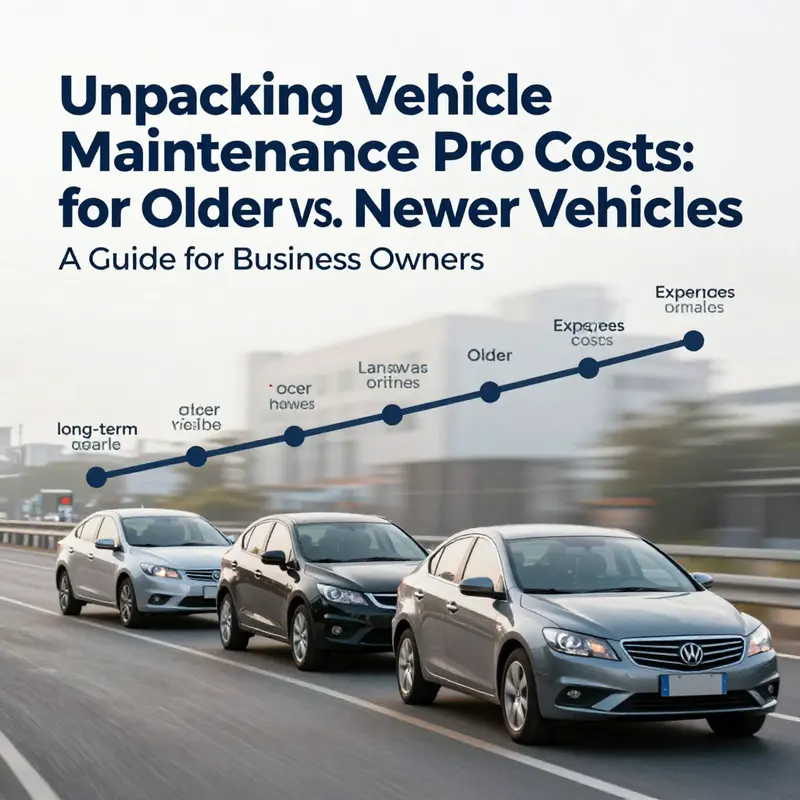
Understanding maintenance costs requires looking beyond sticker prices and insurance. The real figure evolves with age, technology, and the repair ecosystem. The cost curve tends to be gentler for new cars and steeper for older ones, influencing budgeting and replacement timing.
In the early years, new vehicles benefit from tighter tolerances, warranties, and fewer major repairs, so routine servicing dominates costs. Predictive diagnostics and data-driven maintenance further reduce surprises.
After roughly a decade, wear accumulates on engines, transmissions, and suspension components. The likelihood of unplanned repairs grows, and repair bills can spike as components approach the end of their service life.
Fleets and households that plan on longer horizons often shift from ownership as a single annual number to a lifecycle view: how maintenance, downtime, and resale interact over the vehicle’s life.
Regional cost structures, labor rates, and parts prices shape the magnitude of aging effects. In high-cost regions, the late-life tail may be more expensive; in some markets, depreciation or replacement incentives influence whether owners repair or replace.
For readers weighing ownership options, the takeaway is that maintenance is age-sensitive and often dominates total cost of ownership over time if repaired in bursts. A deliberate plan—combining preventive care with a staged replacement—helps stabilize long-run costs.
As an actionable principle, track maintenance milestones, build a contingency fund, and compare life-cycle costs rather than year-to-year expenses.
Final thoughts
In conclusion, the costs associated with vehicle maintenance can vary significantly based on a variety of factors, including vehicle type and age. Business owners must be aware of these differences to effectively budget and plan for maintenance. As we have explored, while traditional gasoline vehicles may present one set of costs, new energy vehicles and their maintenance expenses offer a contrasting picture that could impact operational expenses differently. Understanding these elements allows for more informed decisions in managing vehicle fleets and should guide strategic investment in business transportation solutions.