

The air conditioning (A/C) system in vehicles is crucial for ensuring the comfort and safety of drivers and passengers. Particularly for business owners relying on transportation, understanding the importance of A/C maintenance can enhance the driving experience and prolong the lifespan of the vehicle fleet. This article will delve into essential A/C maintenance practices, illustrate the myriad benefits of regular maintenance, and discuss the challenges faced by modern vehicles in achieving optimal climate control. By exploring these areas, business owners can better comprehend the value of A/C upkeep in their operations, ensuring a smoother journey for both their employees and customers.
null

null
The Quiet Engine of Comfort: The Integrated Benefits of Regular A/C and Climate Vehicle Maintenance

The A/C and climate control system in a vehicle is more than a convenience feature; it is a small, reliable partner in the broader discipline of car maintenance that quietly supports safety, health, and efficiency on every drive. When we talk about regular maintenance, it is easy to think of the engine, brakes, tires, and perhaps the battery, but the climate system deserves the same disciplined attention. Its proper function does more than cool the cabin; it shapes how we experience driving in climates that range from humid mornings to heat-soaked afternoons, and it can influence visibility, comfort, and even stamina behind the wheel. Regular maintenance creates a dependable baseline, ensuring that cooling and dehumidifying functions respond promptly when needed and that the air we breathe inside the cabin remains as clean as practical. This is an especially important point for families, commuters, and those with respiratory sensitivities, but it is a universal concern for anyone who spends time behind a steering wheel in varying weather conditions. In practical terms, the maintenance routine for A/C and climate control is about preserving a system that is relatively simple in its core purpose but complex in its chains of components: the compressor, refrigerant, pipes and seals, condenser, evaporator, cabin air filter, and the evaporator coil, all working together to strike a balance between comfort and energy use, while supporting safe driving conditions through clearer windows and more comfortable interior conditions.
A notable consequence of regular A/C maintenance is improved cabin air quality. Contaminants such as dust, pollen, mold, and other airborne particles can accumulate within the ducts and filters that feed air into the passenger compartment. If the cabin air filter is neglected, and if the evaporator coil becomes coated with grime or mold, the air entering the cabin can carry odors and allergens that aggravate asthma or allergies, reducing the overall comfort of travel and potentially triggering health issues. Routine maintenance acts as a protective guardrail. Replacing cabin air filters at appropriate intervals and cleaning the evaporator coil as part of a professional inspection can significantly reduce the presence of irritants in the air that passengers breathe. The benefit is not only a cleaner atmosphere but also fewer irritants that can provoke coughing, sneezing, or throat irritation during a trip. For drivers with sensitivities or for families with small children, this regular care translates into a more pleasant, less sneeze-inducing driving environment. It also helps maintain the overall sense of well-being inside the car, turning longer journeys into more comfortable experiences and making short daily trips less exhausting.
Alongside air quality, a well-maintained climate system delivers consistently improved cooling performance. When the A/C system is kept in good order, the process of absorbing heat from the cabin and expelling it to the outside world operates more efficiently. The air that finally reaches passengers is cooler, and it does so more quickly, even on the hottest days. This efficiency matters because it reduces the time the system must work at maximum capacity, which in turn reduces stress on components and helps the system maintain stable temperatures across a range of conditions. A cooler cabin from the moment you start a trip also has a practical safety implication: it minimizes the immediate discomfort of hot, sweltering interiors and reduces the likelihood that a driver becomes distracted or fatigued by heat. Moreover, the energy used to achieve cooling is not free; it comes from the vehicle’s powertrain. A well-kept A/C system operates with less resistance, meaning it draws the minimum necessary power to achieve the desired climate, a factor that can ripple into better fuel economy and lower emissions over time. In this sense, the benefits extend beyond comfort, spraying into the broader economics of driving, where even modest gains in efficiency accumulate over thousands of miles and years of ownership.
An instruction that often goes overlooked is the relationship between maintenance and longevity. The climate system is a relatively closed loop, but its parts wear and degrade with use. Regular inspections are a form of preventive care that detect refrigerant leaks, worn belts, or degraded hoses before they escalate into major failures. The cost of a small refrigerant recharge or a worn belt is a fraction of the expense of a compressor replacement or a full refrigerant system overhaul. When addressed early, these issues save money and minimize the risk of unexpected breakdowns that could leave a driver stranded or force an inconvenient service appointment at an inopportune time. The preventive aspect is not merely about avoiding inconvenience; it is about extending the life of the A/C components themselves. A compressor that runs in a system with leaks or with insufficient lubrication is under unnecessary stress, leading to accelerated wear. Regular checks, including refrigerant pressures and seal integrity, serve as a diagnostic routine that preserves the system’s health and helps preserve the vehicle’s resale value by ensuring that the climate control remains a reliable feature rather than a recurring liability.
From a reliability and safety perspective, the A/C and climate system plays an essential role during real-world driving. In hot weather, the ability to cool the cabin quickly translates into reduced heat exposure for occupants, a factor that can influence alertness and reaction times. High cabin temperatures can contribute to driver fatigue after long periods behind the wheel, and fatigue is a known contributor to reduced attention. By maintaining a stable climate, the system supports sustained comfort and attention, enabling drivers to stay focused on the road. The system’s defrost and defog functions are equally critical in cooler or humid conditions. A fogged windshield is a clear pathway to risk, and reliable defogging is not a luxury; it is a safety feature. Regular maintenance keeps these functions dependable, ensuring that when humidity or rain creates a foggy barrier on the glass, the driver can reclaim visibility swiftly and without compromising drive quality. In this way, climate maintenance intersects with fundamental safety: it preserves the conditions necessary for clear sightlines, rapid decision-making, and steady concentration, all of which are indispensable for safe operation.
The practice of maintenance itself is straightforward and practical. It begins with a simple routine: schedule a professional A/C system inspection at least once a year, and more often if the vehicle is subjected to heavy use or extreme climates. In many markets, a complete check will involve measuring refrigerant pressures, testing for leaks, inspecting hoses and belts, and assessing the condenser and evaporator for dirt buildup. The inspection may also include a check of the cabin air filter, which should be replaced regularly—typically every 12,000 to 20,000 kilometers or once per year, depending on driving conditions and the manufacturer’s guidance. In environments with dust or industrial pollution, these intervals may be shorter, and a more frequent replacement cycle could be prudent. The key is that regular inspections allow technicians to catch issues such as moisture ingress, refrigerant loss, and seal deterioration before they develop into performance problems or health hazards inside the cabin.
An additional practical habit complements professional inspections: periodic self-charging and circulation of the system. Even when the A/C or climate control seems to be used only seasonally, running the system for 10 to 15 minutes every quarter helps keep the internal lubricants in circulation and prevents seals from drying out. This is particularly important for systems that sit unused for extended periods. Without regular use, the lubricants inside the system can settle or degrade, and small leaks can become more problematic as time passes. The simple act of engaging the A/C for a short period encourages the oil and refrigerant to move through the loop, maintaining lubrication and ensuring that the compressor remains ready for full operation when needed. For electric or hybrid vehicles that use heat pump technology for heating and cooling, the same principle applies; in winter, engaging the climate control can improve heating efficiency and even save energy, though the exact savings depend on the vehicle model and its thermal management design.
As a baseline of thoughtful vehicle ownership, many drivers appreciate the value of understanding what maintenance entails. A concise way to anchor this understanding is to consider the broader framework of vehicle maintenance itself. What is vehicle maintenance? It is the ongoing practice of caring for a vehicle’s systems to preserve safety, reliability, efficiency, and comfort. Keeping the A/C and climate control in good shape fits squarely within that framework because it touches on health, visibility, energy use, and the vehicle’s value over time. For readers seeking a concise primer, this helps set expectations and priorities: regular professional checks, timely filter replacements, and mindful operation that avoids unnecessary strain on the system. To explore this baseline further, you can consult foundational resources such as the article “What is vehicle maintenance” to align your habits with established guidance and to ensure your approach to upkeep is consistent across all major systems of the car. What is vehicle maintenance.
The discussion also touches on a special consideration for electrified powertrains. In many modern electric vehicles, climate control is supported by an integrated heat pump that can significantly affect energy use. In winter, using a heat pump for heating can improve efficiency and reduce the draw on the battery, potentially delivering energy savings in the neighborhood of the mid-teens percentage-wise. This is not a universal outcome; efficiency gains depend on the vehicle’s architecture and climate, but it underscores a broader point: maintenance is not a one-size-fits-all chore. It adapts to how a vehicle uses climate control technology, and that adaptation matters for overall energy planning and performance. The core message remains consistent: a climate system that is well-maintained, properly diagnosed, and correctly operated delivers tangible benefits in comfort, efficiency, and safety, regardless of the drivetrain.
The practical takeaway for drivers is clear. Regular maintenance of the A/C and climate control system is a small investment with outsized returns. It is a straightforward way to improve air quality inside the cabin, boost cooling performance when it matters most, extend the life of the system, and support safe driving through improved visibility and reduced driver fatigue. It is not merely a luxury for hot days; it is a functional component of responsible vehicle ownership that aligns with the broader objective of keeping a vehicle reliable and efficient across seasons and miles. In the end, the climate system is a quiet workhorse that quietly contributes to a safer, more comfortable, and more economical journey. By integrating routine professional inspections, mindful operation, and periodic self-care of the A/C, drivers can expect a smoother ride, healthier air, and more dependable performance when the weather turns against them.
External reading for deeper context on maintenance practices can be found at Autocar, which discusses the rationale for servicing air conditioning systems regularly and the benefits of keeping the system in good condition, including how a well-maintained A/C contributes to overall vehicle efficiency and comfort. Although the specifics may vary by model and climate, the underlying principle remains consistent: regular attention to climate control pays dividends in daily comfort and long-term reliability.
For those seeking a practical starting point, remember that a healthy climate control system is part of responsible ownership. It protects your most precious asset—you and your passengers—from heat, humidity, and airborne irritants while supporting safer driving through better visibility and reduced fatigue. The benefits accumulate day by day, trip by trip, season after season, creating a more comfortable, safer, and more efficient vehicle experience that is as important as any other routine maintenance task you perform.
Breathing Space: Navigating A/C and Climate Maintenance in Modern Vehicles
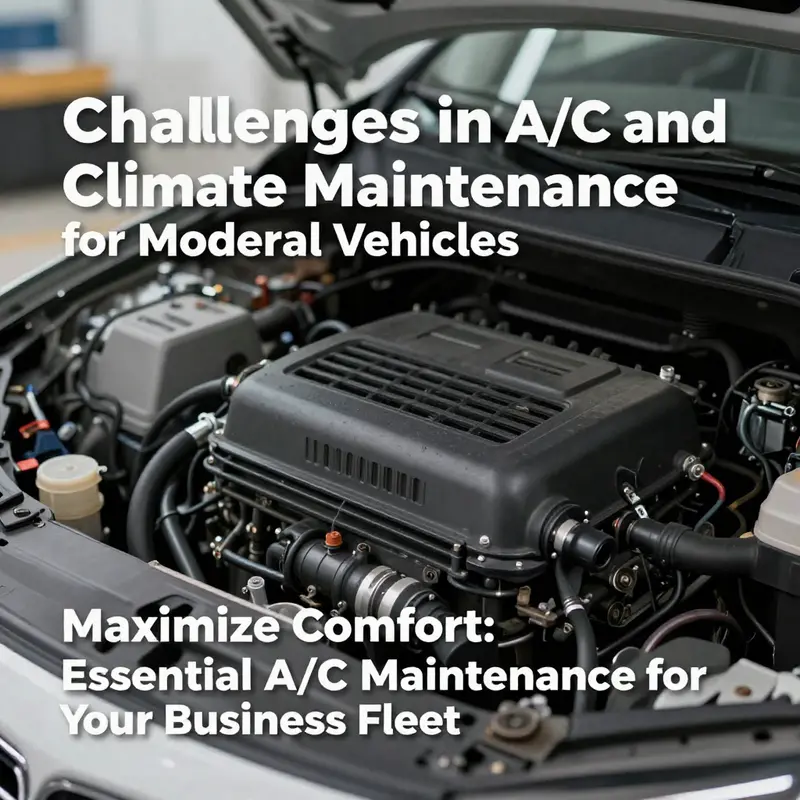
The air conditioning and climate control system in a car is more than a convenience; it shapes driver and passenger comfort, preserves visibility, and interacts with the broader energy and safety performance of the vehicle. When the A/C is functioning well, it quietly performs a triad of tasks: cooling, humidity control, and defogging. This trifecta keeps the cabin stable in hot conditions, prevents condensation from fogging the glass, and reduces fatigue by maintaining a steady thermal environment. As with any critical system, its reliability hinges on thoughtful maintenance that considers both routine care and the evolving realities of modern vehicle technology. A practical starting point for readers seeking a grounded view is to understand what vehicle maintenance encompasses at a fundamental level. For a concise overview, you can explore the basics here: What is vehicle maintenance. This chapter channel will weave the essentials of traditional A/C upkeep with the advanced challenges arising from contemporary designs and the shift toward electrified powertrains, painting a cohesive picture of why maintenance choices matter now more than ever.
In typical combustion-powered vehicles, the maintenance ritual for the A/C system has long followed a relatively straightforward script. Regular inspection of refrigerant levels, checks for leaks, attention to hoses and seals, and the cleansing of the condenser are standard steps in a maintenance schedule. A well-carried-out service not only preserves cooling efficiency but also protects the system from contamination that can lead to premature wear. The lubricants within the compressor and the seals around the suction and discharge lines require movement to stay viable. Therefore, it is common to hear guidance that invites the system to operate for a short period if it has been idle for an extended time. Running the A/C for 10 to 15 minutes each quarter, for instance, helps ensure the lubricating oil circulates and keeps seals pliable, reducing the risk of leakage as the vehicle endures seasonal changes. From a safety perspective, a reliable climate system supports driver alertness in extreme heat and damp conditions, where both visibility and cognitive performance can be compromised if the cabin environment deteriorates. The practical implication for owners is a routine that balances modest usage with timely professional inspection, ensuring refrigerant pressures stay within the manufacturer’s specified range and that contaminants do not accumulate in the system.
As this traditional baseline has proven robust, the horizon for A/C and climate control maintenance has expanded dramatically with the advent of more capable automatic climate control (ACC) systems. These systems are not just simpler versions of a manually controlled unit; they are highly integrated, using a network of sensors and actuators that operate in concert to achieve precise temperature, humidity, airflow direction, and even air quality management. The moment you press the A/C button, a cascade of signals is triggered: interior temperature sensors, humidity readings, sunload measurements from light sensors, and sometimes even weight or occupancy data from seat sensors to optimize comfort while minimizing energy usage. The control algorithms determine when to engage the compressor, how aggressively to cool or heat, and how to modulate the fan speed and the blend doors that direct air to different zones. In a well-tuned system, these decisions feel effortless to the occupants, but beneath the surface there is a sophisticated choreography that depends on clean sensors, well-sealed ducts, and properly calibrated actuators.
That sophistication, however, introduces a set of maintenance challenges that go beyond the age-old task of recharging refrigerant. The diagnostic complexity of ACC systems means a simple complaint such as “the A/C isn’t cooling” may mask a more nuanced fault. A failing interior temperature sensor, a stuck blend door, or a sensor misreading of sunlight intensity can betray the system’s intent to cool, leading it to conserve energy or even to shut down cooling in order to protect other systems. Without access to specialized diagnostic tools and up-to-date training, a technician may misinterpret the symptom, chasing compressor faults while the real culprit lies in an actuator or a sensor. This is not a distant risk; it is a daily reality in modern workshops that juggle more electronics and software than mechanical components alone. The broader implication for vehicle owners is clear: maintaining ACC systems effectively often requires investment in professional diagnostic capabilities and a recognition that what looks like a refrigerant issue may instead be an electronic or sensor-based fault.
Another layer of complexity emerges from environmental regulations that govern refrigerant use and leak management. The history of refrigerants has been a move away from ozone-depleting substances toward low-global-warming-potential options. Modern systems commonly employ refrigerants such as R-134a or R-1234yf, each with its own handling requirements, safety considerations, and regulatory obligations. R-1234yf, for example, offers a smaller environmental footprint but introduces flammability concerns that elevate risk during handling and charging. In practice, this means that service procedures must be carried out with meticulous attention to leak testing, proper recovery and recycling of refrigerants, and adherence to environmental protocols. Even common maintenance tasks like checking for leaks or replacing seals take on new importance when the refrigerant itself is treated as a regulated substance rather than a simple consumable. The result is a maintenance culture that emphasizes preventative checks, robust containment strategies, and traceable procedures to ensure compliance. For technicians, this can translate into longer service times and a greater reliance on certified equipment and training. For drivers, the consequence is a heightened awareness that climate control is not just a comfort feature but a regulated subsystem with environmental and safety dimensions.
The rise of electric vehicles has further transformed A/C and climate maintenance philosophy. In internal combustion engines, climate control often leveraged engine waste heat to supplement heating and, when necessary, to moderate cooling loads. In contrast, fully electric powertrains rely on electric heaters or heat pumps for cabin heating, and the energy management strategy becomes entwined with the vehicle’s battery range and overall efficiency. Heat pumps can dramatically improve winter driving range by providing efficient heating, yet they demand a different configuration and performance envelope, especially at low ambient temperatures. In some systems, a dedicated heat pump handles both heating and cooling, which can complicate service procedures because issues may affect two modes of operation rather than one. Furthermore, because A/C operation drains battery energy, there is a direct incentive to optimize climate settings for range preservation. Drivers may find themselves balancing comfort against the marginal gains in range, choosing warmer or cooler presets depending on trip length and weather forecasts, rather than treating climate control as an unlimited resource.
The integration of intelligent features within climate systems adds another layer of complexity that touches on perception, air quality, and occupant well-being. Modern vehicles increasingly offer air quality monitoring that can detect PM2.5 particles, auto-activate cabin filtration, and even run clean-air cycles. Some systems integrate ionization or additional filtration media to address odors and pollutants from urban environments. While these capabilities enhance cabin air, they also demand regular maintenance to remain effective. Filters can clog rapidly when vehicles operate in dusty conditions, reducing airflow and diminishing cooling performance. A routine recommendation—changing filters every 1–2 years or at most 20,000 kilometers—may be difficult to observe in practice for owners who do not track usage meticulously. When maintenance neglect accumulates, sensors and filters may trigger alarms or cause the climate control to adjust autonomously in ways that feel unfamiliar to the user. The practical takeaway is that high-technology climate systems require a different kind of vigilance: not just monitoring cooling performance but also listening for unusual system alerts, recognizing the impact of air quality features on system airflow, and understanding how to maintain filters and modules so that intelligent functions remain accurate and responsive.
In light of these developments, the maintenance discipline for A/C and climate systems moves from a singular focus on refrigerant and ducts to a broader competency in diagnostics, environmental stewardship, and energy-aware operation. This shift does not render traditional checks obsolete; rather, it reframes them within a more comprehensive view of how the climate subsystem interacts with the vehicle’s powertrain, battery management, and on-board sensors. Regular refrigerant testing remains essential, but it must be complemented by sensor calibration checks, actuator diagnostics, and a keen eye for signs of electronic or software-related faults. For technicians, this means access to advanced scan tools, current repair procedures, and ongoing training on the latest ACC architectures. For vehicle owners, it means adopting a maintenance mindset that treats the climate system as a dynamic component whose performance is tightly coupled to overall vehicle function and passenger health.
Owners can adopt several practical habits to navigate this landscape without becoming overwhelmed. Start with a disciplined but gentle routine: run the A/C system for a short period every few weeks, even in seasons when cooling seems unnecessary. This practice helps keep lubricants distributed and prevents seals from drying out, while also keeping the compressor engaged and ready for spikes in demand. When seasonal transitions arrive, schedule a professional check that includes refrigerant pressures, leak checks, and a review of all seals, hoses, and the condenser. If the vehicle is equipped with a heat pump or if you drive an electric car, request a climate-system health assessment that includes a battery-aware energy impact analysis, so you understand how your settings influence range or fuel consumption. Under typical daily use, prioritize filter maintenance: inspect and replace cabin air filters according to the vehicle’s guidance or at 1–2 year intervals, whichever comes first. In polluted or dusty environments, consider more frequent changes to maintain air quality and ensure that PM2.5 filtration performance remains effective.
When a driver encounters symptoms such as reduced air volume, warmer air from the vents, unusual odors, or the climate control system responding slowly or erratically, the instinct may be to assume a single culprit. Yet a symptom can reflect a network of interdependent components. A drop in cooling capacity might stem from an undercharged refrigerant charge, but it could also arise from a jammed actuator that prevents proper airDoor positioning, or from a faulty sensor that leads the system to misread interior conditions. A professional assessment using modern diagnostic tools can differentiate these possibilities by testing pressures, performing flow checks, and evaluating the integrity of the air pathways. Even a well-run diagnostic should consider the broader ecosystem of the vehicle: if you have an electric vehicle, the energy budget, battery temperature, and cabin thermal management strategy all influence what is perceived as a climate fault. A holistic approach recognizes that climate maintenance is not a single task but a series of interlocking checks, performed with attention to environmental compliance, safety, and the vehicle’s overall performance.
In this broader narrative, it is essential to connect the practical maintenance guidance with the evolving vehicle landscape. The emergence of electrified propulsion and sophisticated climate architectures does not render older wisdom obsolete; rather, it enriches it with new dimensions. The requirement to avoid long periods of high-load cooling in scorching heat, for instance, remains valid because excessive cycling can stress compressors and leak-prone seals if the system is not properly sealed. Yet the recommendation to run the system periodically gains new justification when that run supports lubrication flow and helps prevent seal degradation in a sealed environment that may otherwise sit idle for months. The interplay between energy management and comfort underlines a central truth: climate maintenance is a balancing act, requiring attention to mechanical health, electrical reliability, and environmental responsibility.
From an educational perspective, mastering the current climate control landscape means embracing both the art and science of diagnosis. It means recognizing when a symptom is a sign of a distant fault and when it is a straightforward performance issue that can be resolved with a routine service. It means acknowledging that intelligent features, from air quality sensors to PM2.5 filters, are not decorative add-ons but functional components that influence indoor air quality, health, and comfort. It also means appreciating the regulatory frame that governs refrigerants, emissions, and recycling practices, because the consequences of noncompliance can be both environmental and economic. In the end, what sustains consistent climate performance is a carefully calibrated combination of preventive maintenance, perceptive diagnostics, and informed usage choices by the vehicle owner.
To ground these reflections in a practical, grounded practice, consider a typical maintenance cycle for a mid-range vehicle with ACC and a modern refrigerant. Begin with a diagnostic check that includes a refrigerant pressure test and a leak scan. If pressures are within specification and there is no trace of leakage, proceed to inspect ducts, seals, and the condenser for debris or corrosion. Inspect the cabin air filter and the PM2.5 filtration elements, replacing them if they appear blocked or discolored. Review sensor calibrations for interior temperature and sunload if the cabin seems to respond sluggishly or if comfort zones diverge between driver and passenger areas. Confirm that the actuators controlling the blend doors operate smoothly, without binding or stalling at any setting. If the system relies on a heat pump for heating or cooling, check its performance across a range of ambient temperatures to verify that it provides reliable heat in winter and efficient cooling in summer. In EVs, pay particular attention to how the climate system interfaces with the battery thermal management strategy. Any signs of battery temperature stress during climate operation merit a targeted diagnostic to determine whether the climate demand is impacting range beyond acceptable limits.
For readers who want a concrete, actionable reminder of how maintenance concepts translate into daily practice, a compact checklist can be helpful without becoming a burdensome routine. Schedule periodic checks with a qualified technician at least once a year, or more frequently if the vehicle operates in harsh climates or high-pollution environments. Run the A/C system every few weeks for a short period, even if cooling is not required, to keep the mechanism lubricated and ready. Replace cabin filters on schedule, adjust expectations in dusty areas, and be mindful of odors that suggest microbial growth or mold within the system. If you notice a significant drop in cooling efficiency, a persistent odor, or reduced airflow, seek a professional diagnosis rather than attempting to top up refrigerant yourself, which can lead to noncompliance with environmental regulations and potential safety hazards. The goal is not to chase a miracle cure but to maintain a climate system that remains responsive, efficient, and safe for all occupants while aligning with broader maintenance goals for the vehicle.
This evolving maintenance landscape invites a broader reflection on the responsibilities of both technicians and drivers. Technicians must stay current with software-driven control strategies, sensor calibration methods, and the regulatory requirements governing refrigerants and recycling practices. They must also cultivate the ability to interpret symptom patterns that cross mechanical, electrical, and environmental boundaries. Drivers, on the other hand, can contribute by following consistent maintenance schedules, adopting energy-conscious climate settings, and remaining vigilant for changes in system behavior. When both sides engage with the climate control system as a living part of the vehicle rather than a static accessory, the result is improved reliability, better comfort, and a safer, more efficient ride.
In sum, the maintenance of A/C and climate control in modern vehicles has matured from a straightforward service of recharging and filter changes into a multidisciplinary practice that intersects engineering, environmental stewardship, and everyday usability. The challenges posed by sensor-driven ACC, emergent refrigerants, and electrified propulsion demand a nuanced approach that respects legacy wisdom while embracing new technologies. The practical implications are clear: routine care must adapt to a more integrated system, diagnostics require specialized tools and updated training, and ownership involves a nuanced balance between comfort, efficiency, and compliance. For readers seeking a broader perspective on how these trends shape vehicle maintenance as a whole, continued exploration of foundational topics will illuminate how climate control fits into the bigger picture of keeping a vehicle safe, reliable, and ready for the road ahead.
External resource: For a scholarly perspective on HVAC maintenance in modern electric vehicles, see the review on thermal management and energy efficiency: https://www.sciencedirect.com/science/article/pii/S0009254124002868
Internal link for broader maintenance context: What is vehicle maintenance
Final thoughts
Effective A/C and climate vehicle maintenance is a critical aspect of fleet management that directly impacts comfort, efficiency, and safety. By implementing regular checks and addressing potential issues proactively, business owners can ensure their vehicles operate smoothly, safeguarding both their investments and the well-being of their employees. Understanding the benefits of a well-maintained A/C system helps in creating a more pleasant driving experience, while recognizing the challenges posed by modern technologies prepares businesses for future maintenance needs. Prioritizing A/C system upkeep ultimately leads to enhanced operational efficiency and client satisfaction.