

Vehicle maintenance plays a crucial role for business owners who rely on vehicles for their operations. Regular servicing not only improves safety and extends vehicle lifespan but also enhances efficiency. In the following chapters, the article will explore routine maintenance tasks that are essential for keeping vehicles in optimal condition, the importance of vehicle maintenance for safety considerations, the economic impacts of a well-maintained fleet on vehicle longevity, and the technological advances in vehicle maintenance techniques that are reshaping the industry. Each section will provide invaluable insights to help business owners implement effective maintenance strategies.
The Quiet Cadence of Care: How Routine Vehicle Maintenance Keeps You Safe, Efficient, and Reliably Moving
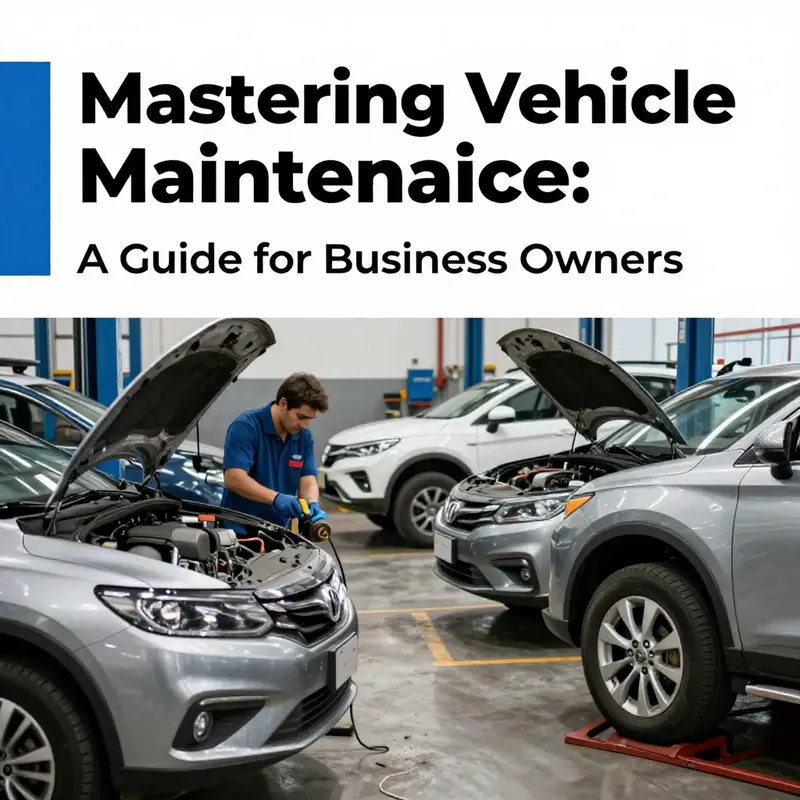
Maintenance is not a flashy fix but a steady practice. It is the quiet cadence that keeps a vehicle performing as its designer intended. When you think about what maintenance really does, it becomes clear that the routine tasks are the backbone of safety, efficiency, and dependability. These tasks create a predictable pattern of care, one that reduces surprises on the road and preserves investment over years of use. The routine is simple in concept but powerful in effect: inspect, replenish, replace, rotate, test, and document. When carried out consistently, these steps translate into safer journeys, better fuel economy, fewer costly repairs, and a higher resale value. In a sense, maintenance is a left-hand path that guides a vehicle through wear and time with minimal friction. It is the guardrail that keeps drivers from falling into preventable breakdowns, and it is the bridge between a vehicle’s initial promise and its long-term performance.
From the moment a driver starts the engine, routine maintenance quietly influences every mile. Regular inspections are the first line of defense. A trained eye will scan brakes for wear, check tires for proper pressure and tread depth, test lights, and evaluate fluid levels such as engine oil, coolant, brake fluid, and power steering fluid. These checks are not ceremonial; they reveal early signs of trouble—like a tire that’s losing air more quickly than expected, or a small drop in brake fluid that could signify a seal issue. By catching these clues early, technicians and diligent owners prevent minor issues from blossoming into costly repairs or unsafe driving conditions. The value of this early detection is not only monetary. It is the difference between a routine day and an unplanned roadside stop that could endanger passengers or other road users.
Fluid management is another pillar of routine maintenance. Engine oil lubricates the moving parts within the engine, reducing friction, managing heat, and carrying away contaminants. The timing of oil changes, the type of oil used, and the filter’s condition all influence engine longevity and performance. Transmission fluid plays a parallel role, ensuring smooth gear shifts and protecting the transmission’s internal components. Coolant keeps the engine from overheating, a risk that rises quickly in hot weather or during extended idling. Brake fluid maintains hydraulic pressure in the braking system, and power steering fluid contributes to easy, responsive steering. Each fluid has a recommended interval for change or top-up, which varies by vehicle and driving conditions. Adhering to manufacturer guidance is essential because it reflects how the vehicle’s systems interact with each other under real-world use. Regular fluid changes are not about chasing a clock; they are about honoring the engine’s physiology, much as a doctor would monitor a patient’s vital signs.
Filters do not shout for attention the way a blown tire does, but they quietly influence engine health and cabin comfort. Air filters keep dirt from entering the combustion chamber, improving combustion efficiency and protecting the intake system. Cabin filters, while less visible, improve interior air quality and reduce debris that could irritate the respiratory system. Fuel filters safeguard the fuel system from particulates that could impair performance or fuel economy. Replacing dirty filters at the right moments helps maintain power, responsiveness, and efficiency. It also reduces strain on other components, such as the fuel pump or turbocharger in modern engines, which translates to lower maintenance costs over time. The act of replacing a filter is a small, precise task that yields outsized benefits, especially when the vehicle accumulates miles in cities with dusty or particulate-rich air.
Tire maintenance occupies a special role in routine care. Tires are the only contact patch between vehicle and road, so their condition matters most for safety and efficiency. Regularly rotating tires promotes even wear, extending tire life and improving handling. Checking tire pressure is a quick habit that yields immediate benefits in fuel efficiency and stopping power. Meanwhile, monitoring tread depth helps reserve confidence in wet or icy conditions. The tire story is not merely about replacement; it is about balance. When tires wear unevenly, it signals alignment or suspension concerns, suggesting that the vehicle needs a broader look beyond the tires themselves. A routine tire check, therefore, becomes a diagnostic moment, offering clues about how the vehicle is carrying its load and how well its chassis is aligned to road realities.
The battery deserves attention beyond the occasional jump start. A healthy battery starts the engine reliably and powers countless electronics that modern driving depends on. Routine checks focus on battery health, terminal cleanliness, and charging performance. A corroded terminal can sap the supply and create starting problems that seem minor but cost time and nerves. Batteries have a finite life, often several years, but their performance can be extended with proper charging practices and a stable electrical system. When a battery shows signs of weakness, addressing it promptly avoids a breakdown in the middle of a trip. The battery, in its quiet stead, reminds us that not all significant maintenance wears a visible face; some of it manifests as a moment of hesitation at the moment of ignition.
The braking system stands at the intersection of safety and maintenance. Inspecting pads, rotors, and calipers for wear ensures the vehicle can slow and stop predictably. Worn brake components can reduce stopping power, increase pedal travel, and introduce noise that signals deeper issues. Routine brake checks are not merely about replacing worn parts; they’re about verifying the integrity of a preventive system that protects life. When technicians measure pad thickness and examine rotors for warping or scoring, they are reading the vehicle’s risk ledger. Addressing braking concerns early often prevents more expensive repairs, including rotor resurfacing or replacement, and it reinforces the driver’s confidence in the vehicle’s ability to respond to emergencies.
Lubrication is the unsung work of maintenance. Moving parts—hinges, joints, and suspension links—need lubrication to minimize friction, reduce wear, and quiet operation. When lubrication is neglected, tiny creaks can become bigger problems. A well-lubricated vehicle travels smoother, experiences less stress on components, and preserves quiet operation over time. This aspect of care is easy to overlook, yet it quietly enhances comfort and longevity. The practical implication is that a little preventive care early in a component’s life can avert more extensive maintenance later, a principle that resonates across mechanical systems and personal routines alike.
Cleaning and detailing, while often framed as cosmetic, contribute to long-term health of the vehicle. Regular washing removes corrosive substances like road salt, which can attack paint and undercarriage surfaces. Interior detailing preserves upholstery and reduces wear on controls and switches. Cleanliness is not vanity; it is a protective habit that helps preserve resale value and makes it easier to spot developing issues during inspections. A well-kept vehicle invites ongoing care, while neglect tends to hide warning signs until they become expensive problems.
The practical rhythm of maintenance lives in schedules. Manufacturer recommendations form the backbone of these intervals, reflecting how a vehicle’s design expects wear and load to unfold over time. Individual driving patterns matter too. A commuter who logs short trips might see more frequent oil changes or battery checks because the engine doesn’t get a thorough warm-up that helps burn off impurities. A vehicle used in harsh climates or for heavy hauling may require more frequent inspections and fluid top-ups. In professional contexts, fleets deploy structured maintenance programs with daily, weekly, and periodic checks designed to keep a large number of vehicles ready for service. Compliance with these programs is not just about safety; it is about operational continuity and regulatory alignment. As a result, routine maintenance is a bridge between personal responsibility and systemic reliability in any transportation operation.
A small, disciplined routine grows into a larger habit that yields tangible results. When owners and managers document service histories, they create a narrative of care that informs future decisions. Regular service logs help anticipate replacements and schedule downtime with minimal disruption. This documentation supports resale value and can be a compelling factor for buyers who want transparency about a vehicle’s care history. It also provides a framework for technicians to build on past work, avoiding redundant procedures and improving diagnostic efficiency. In short, maintenance is not a one-off ritual but a continuous line of inquiry that evolves with age, mileage, and usage.
For readers who want to explore the practical upside of maintenance in everyday terms, there is a helpful perspective: routine care translates into better fuel efficiency and lower operating costs over time. The relationship between preventive tasks and gas expenses can be surprisingly direct. A clean air intake, properly functioning fuel system, and well-lubricated engine all contribute to cleaner combustion and smoother operation. The cumulative effect is a modest but meaningful reduction in fuel consumption. For more on how routine maintenance saves on gas expenses, see how-vehicle-maintenance-saves-on-gas-expenses.
The value of routine maintenance extends beyond the individual vehicle. In fleets, maintenance programs are the heartbeat of reliability. They enable predictable service schedules, minimize downtime, and support compliance with safety regulations. This is not a sterile accounting exercise; it is a proactive approach that protects drivers, cargo, and the communities that share the road. The same discipline that guides a trucking operation shapes the routines of personal ownership. In either case, the principle holds: care performed consistently prevents failures, preserves value, and sustains momentum on every journey.
As the road ahead becomes more interconnected with sensors, diagnostics, and telematics, routine maintenance will still stand as the essential, human-centered practice that keeps the machine aligned with human needs. Diagnostics can tell you what is happening, but routine care tells you when to act and why it matters. The two together form a comprehensive strategy for safe, efficient, and dependable transportation. The quiet work of regular inspections, fluid management, filter care, tire vigilance, battery status, brake health, lubrication, and cleaning remains the most reliable compass. It guides drivers toward safer streets, smarter fuel use, and longer-lasting vehicles, while reducing the anxiety associated with unexpected stops and expensive repairs. In this light, routine maintenance is not merely a set of chores; it is a practice of stewardship—of the vehicle, of the driver, and of the road shared by everyone.
External resource for broader context: https://www.dot.gov/vehicle-maintenance
Guarding the Road: The Safety Imperative of Regular Vehicle Maintenance

Maintenance is not a chore; it is a safety protocol built into the routine of driving. When a driver commits to regular inspection, servicing, and timely repairs, they invest in a safer experience on every trip. The concept may seem simple, but its impact is cumulative: small acts of care today prevent bigger, costlier problems tomorrow. At its core, vehicle maintenance is a proactive partnership between human judgment and mechanical systems. It turns a complex machine into a dependable tool for daily life and work, capable of delivering consistent performance without compromising safety. This partnership hinges on a clear understanding of what maintenance includes and why it matters beyond keeping the car running. It is about ensuring that the car’s most critical safety systems—the brakes, steering, suspension, and lighting—remain responsive, predictable, and within designed tolerances. When we regard maintenance this way, the practice becomes less about following a schedule and more about honoring a responsibility to oneself, passengers, and other road users.
Routine maintenance spans a broad spectrum of tasks, from the seemingly simple to the technically involved. For a typical vehicle, regular service means oil changes at manufacturer-recommended intervals, tire rotations to equalize wear, and brake inspections that reveal pads nearing the end of their life. It also includes fluid top-ups—engine oil, brake fluid, coolant, power steering fluid, and washer fluid—plus the periodic replacement of filters and belts that keep engines clean and components properly lubricated. These activities are not decorative contingencies; they are essential checks that prevent minor issues from escalating into real hazards. Even when a car feels fine on the road, invisible wear can be taking a toll on performance and safety. Regular servicing helps catch those hidden problems before they manifest as reduced braking efficiency, uneven handling, or engine trouble mid-journey. This practical framework—inspect, top up, replace, and test—forms the backbone of safe operation and reliable transport.
In professional contexts, maintenance grows more complex and formal. Fleet managers, for example, rely on systematic schedules that align with safety regulations, predictable downtime, and cost control. Engine diagnostics, transmission servicing, and alignment checks become routine in fleets where dozens or hundreds of vehicles share the road. Even for individual car owners, following manufacturer-recommended intervals creates a consistent baseline of safety and efficiency. Regular maintenance is a form of risk management; it reduces the odds that a preventable failure will occur at a dangerous moment. When every component is checked against its expected performance, the vehicle is less likely to surprise the driver with a sudden malfunction, thereby reinforcing safe operation not just for the driver, but for passengers and other road users as well.
Consider the tangible safety gains that maintenance delivers. Brakes are the most obvious line of defense in a driving scenario; worn pads, warped rotors, or low hydraulic fluid can dramatically shorten stopping distances. Tires, whether due to tread wear or improper inflation, affect grip and braking capability. Lights and signaling devices are the primary means of communication with other drivers, and any deficiency increases the risk of miscommunication and collision. The steering and suspension system maintains control in changing road conditions, and alignment issues can cause uneven tire wear, impaired steering accuracy, and unpredictable handling. When maintenance is neglected, even routine drives can become high-stress events because the vehicle’s ability to respond to hazards is compromised. Regular servicing keeps these systems within their designed tolerances, ensuring that the car behaves as the manufacturer intended under a wide range of conditions. This is not a theoretical advantage; it translates into shorter stopping distances, steadier handling, and clearer visibility of hazards through well-functioning lights and mirrors.
Experts repeatedly emphasize that a well-maintained vehicle is far less likely to experience breakdowns or malfunctions during operation. The relationship between maintenance and safety is empirical: when components are inspected and addressed as needed, the probability of a dangerous failure drops. This is especially important on busy urban streets and high-speed highways, where small faults can escalate quickly into unsafe situations if your vehicle cannot stop, steer, or signal as expected. In real-world terms, maintenance acts as a preventive shield—subtle improvements in performance accumulate to produce a lower risk profile for daily driving and for extended journeys. For readers seeking a formal synthesis of these safety benefits, authoritative guidance from the National Highway Traffic Safety Administration underlines how regular maintenance supports safer road use and prevents accidents linked to mechanical issues.
The practical upshot for readers—whether they drive a compact car, a family SUV, or a work wagon—is that maintenance is both a personal safety measure and a public safety contribution. On the personal level, routine checks foster confidence; you know your car will respond reliably when you need to stop, accelerate, or avoid a hazard. On the public level, a vehicle that is well maintained is less likely to fail suddenly in traffic, reducing the risk for others on the road. This broader sense of safety ties into everyday decision-making: you are less tempted to press on with a questionable rumble in the wheel, a flicker in the gauge cluster, or a tire that seems a little too soft. By treating maintenance as part of responsible driving rather than a separate task, you reinforce safety as an ongoing standard rather than a one-off repair after trouble has already occurred.
Beyond the obvious safety benefits, maintenance contributes to efficiency and reliability in ways that matter for everyday life. When fluid levels are correct and parts are in good working order, engines operate more smoothly and efficiently, which translates into steadier power delivery, less wasteful fuel use, and reduced emissions. Tire pressure, aligned wheels, and clean air filters collectively influence how the vehicle responds to steering inputs and throttle requests, especially in adverse weather or cramped urban driving. In practical terms, a car that is kept in good shape is easier to drive, more predictable, and less tiring to operate over long periods. The relationship between maintenance and performance is not just about avoiding breakdowns; it enhances the overall driving experience, making daily commutes and longer trips safer, more predictable, and more enjoyable.
For readers curious about the connection between maintenance and fuel efficiency, there is a clear link: regular upkeep reduces unnecessary fuel burn through optimized engine operation and better tire performance. The idea is straightforward: when components are clean, lubricants are at the proper levels, and tires are correctly inflated, the engine doesn’t have to work harder than necessary to achieve the same result. This point is elaborated in longer analyses of how vehicle maintenance saves on gas expenses, which also highlights how simple actions, such as timely air filter replacement or maintaining correct tire pressure, can yield measurable fuel savings over time. In addition, the maintenance mindset can extend to driving habits—smooth acceleration, gradual deceleration, and anticipation of traffic—that compound the benefits of physical upkeep. For readers who want a practical read on fuel-cost implications, this linked discussion provides a helpful, concrete explanation: how-vehicle-maintenance-saves-on-gas-expenses.
That broader perspective should not obscure the concrete steps individuals can take today. Start with a simple, repeatable routine: a quick visual check before each trip and a more thorough inspection at regular intervals defined by your vehicle’s manual. A pre-drive glance can confirm tire condition, fluid levels, and lights, while a scheduled service can address deeper checks like brake wear, suspension alignment, and diagnostic scans. If you notice any abnormal sound, vibration, or warning light, treat it as a signal to investigate rather than something to ignore. The habit of noting even minor irregularities—odd noises, reduced performance, or changes in braking feel—creates a feedback loop that helps owners prioritize maintenance tasks before problems escalate. In that sense, maintenance becomes not just a set of tasks but a disciplined approach to safe, reliable, and efficient driving, one that respects the vehicle as a complex system with interdependent parts.
External reference and ongoing learning are important as well. For a comprehensive, authoritative overview of how maintenance supports safety, readers can consult the National Highway Traffic Safety Administration’s guidance on vehicle maintenance and safety. This resource provides a broad, evidence-based frame for understanding why regular maintenance matters for road safety and how it translates into real-world outcomes. External reference: https://www.nhtsa.gov/vehicle-maintenance-and-safety
Maintenance as an Investment: How Regular Upkeep Extends Vehicle Life and Lowers Total Ownership Costs

Maintenance is often framed as a routine, almost mundane duty. Yet when we examine it through the lens of lifecycle economics, regular upkeep reveals itself as a strategic investment with the power to reshape how long a vehicle remains economically viable and how much it costs to operate over time. The research surrounding the economic impact of maintenance on vehicle longevity emphasizes a simple, powerful idea: the more disciplined a vehicle owner is about preventive care, the more the total cost of ownership can be driven downward. As K. Danilecki noted in 2023, the contribution of maintenance and repair to cumulative life cycle burdens can account for nearly half of the total, depending on the replacement policy in place. That statistic is not a verdict on maintenance itself but a window into how the timing of upgrades, repairs, and part replacements interacts with the price of owning a vehicle over many years. In other words, maintenance is not a cost to be minimized for its own sake; it is a lever that shifts the balance between continuous operation and premature retirement.
To understand why, consider the automotive life as a sequence of risks and costs that accumulate over time. The initial purchase price is just one piece of the puzzle. Ongoing expenses—fuel, insurance, tires, and routine servicing—combine with depreciation to shape the vehicle’s total value at the end of its life. Maintenance directly influences several of these components. Regular oil changes and timely brake inspections keep the engine and braking system healthy, which preserves performance and reduces the risk of a catastrophic failure. Tire rotations and alignment checks protect grip and handling, which in turn lowers the likelihood of accidents or costly tire replacements caused by uneven wear. Fluid top-ups, air filters, and belts, when replaced as needed, prevent small issues from snowballing into expensive repairs. In practical terms, this means fewer unplanned trips to the mechanic, less downtime, and more predictable operating expenses.
The economic logic behind maintenance also hinges on the relationship between reliability and resale value. A well-documented maintenance history signals to buyers that the vehicle has been cared for, which can translate into a higher resale price or a more favorable trade-in value. Conversely, neglect accelerates wear, increases the probability of early component failures, and undermines confidence in the vehicle’s long-term performance. The result is a lower salvage value and a more uncertain future ownership cost. This dynamic matters whether one owns a single vehicle or manages a fleet. For fleets, where uptime is a competitive asset, the link between maintenance and reliability is even more pronounced: consistent service cycles reduce downtime, enable on-time deliveries, and maintain serviceable utility across dozens or hundreds of units.
A core mechanism by which maintenance affects longevity is the prevention of cascading failures. A minor issue—say, a slightly worn brake pad or a marginal fluid level—might be inconsequential if addressed promptly. Left unchecked, such issues can trigger a chain of adverse events: contaminated fluids, damaged seals, overheated components, or misaligned systems that magnify wear and escalate repair costs. By catching these problems early, preventive maintenance keeps the engine and drivetrain within their designed operating envelopes, sustaining performance, reducing fuel consumption, and curbing emissions. These gains extend beyond the mechanical and financial spheres; they contribute to safety, which is itself a key economic consideration when insurers, operators, and owners weigh risk and resilience.
Fuel efficiency is a particularly tangible channel through which maintenance yields economic benefits. Small improvements in engine efficiency accumulate into meaningful savings over the life of a vehicle. Regular air filter changes, timely spark plug or fuel-injector servicing, proper tire pressure, and wheel alignment all influence how much fuel a vehicle consumes under ordinary driving. The cumulative effect of maintaining fuel- and air-path integrity can be substantial. In many cases, those incremental efficiency gains add up to a noticeable reduction in operating costs year after year. For readers who want a concrete illustration of this dynamic, research and practical guides on maintenance-driven fuel savings offer clear evidence that disciplined upkeep can shave a non-trivial portion from gas expenses over the vehicle’s life. This is not a single-year payoff; it compounds with each service interval, reinforcing the case for structured maintenance as a long-horizon play rather than a short-term expense. For a practical summary of how maintenance translates into fuel savings, see the discussion here: how vehicle maintenance saves on gas expenses.
The replacement decision is a pivotal junction in the economics of vehicle ownership. A vehicle’s life can be extended by maintenance, but there comes a point when component aging, safety concerns, or diminishing returns on repairs make replacement the economically rational choice. The notion of an optimal replacement policy hinges on balancing the costs of keeping a vehicle in service against the costs of acquiring and operating a new one. Maintenance shifts this balance by pushing back the time at which repairs become more expensive than replacement, and by preserving the vehicle’s residual value when it is eventually traded in or sold. In other words, robust maintenance programs push the deadline for retirement later, spreading the capital cost of the vehicle over a longer operating horizon and lowering the annualized cost of ownership. This is precisely the type of decision that transforms maintenance from a routine habit into a strategic financial instrument.
A structured maintenance program does more than protect engines and fuel lines. It stabilizes the depreciation curve by maintaining perceived and actual reliability. For individual owners, this translates into steadier resale expectations and the potential to command a higher price when the time comes to switch vehicles. For fleets, the implications are even more pronounced: predictable service intervals enable better scheduling, optimize utilization, and reduce the risk of unexpected downtime that interrupts service levels and revenue streams. Fleet managers often rely on formal maintenance protocols to meet regulatory requirements and safety standards, because compliance itself has economic consequences. When a fleet runs on a disciplined calendar of inspections and replacements, the cost of lost service hours due to sudden failures can be dramatically reduced, which translates into lower downtime costs and higher overall efficiency.
Beyond the strictly financial calculus, the economics of maintenance intertwine with risk management and sustainability. Preventive care reduces the likelihood of safety-related incidents, which can carry outsized financial penalties in terms of liability, insurance premiums, and operational disruption. Moreover, maintaining a vehicle in good condition generally lowers emissions and improves efficiency, aligning personal or corporate incentives with broader environmental and regulatory objectives. These softer benefits—safety, reliability, and responsible stewardship—tend to be valued by owners and organizations alike, even when the immediate monetary payback is spread over many years.
To appreciate the full economic impact, it helps to view maintenance through the lens of life-cycle costing. This approach aggregates purchase price, maintenance and repair expenses, fuel costs, insurance, taxes, depreciation, and resale value across the vehicle’s entire life. When maintenance is neglected, the life-cycle cost curve steepens: more frequent repairs, higher fuel consumption due to degraded performance, and a steeper decline in resale value. With consistent upkeep, the curve flattens, meaning the same vehicle can deliver more years of service with comparatively lower annual costs. The evidence from research on different maintenance policies underscores the practical consequence: the choice of maintenance policy—how aggressively maintenance is performed, how components are prioritized for replacement, and when backups are deemed necessary—has a measurable effect on the total burden carried by the vehicle over its life. This is the essence of maintenance as an investment: it alters the statistical probability of expensive failures and the timing of replacement, shifting the economic outcome in favor of longer life and lower costs over time.
The literature also emphasizes that the value of maintenance investment is not purely linear. There are diminishing returns in some cases, and the optimal maintenance strategy depends on usage patterns, operating conditions, and the vehicle’s design. A city-driven fleet with high idle times and frequent stop-and-go driving may derive greater benefit from targeted maintenance of the engine and braking systems, while a long-haul operation might prioritize fuel system and drivetrain integrity. The key takeaway is that a tailored maintenance policy—one that aligns with how a vehicle is used—optimizes the balance between upkeep costs and the probability and cost of failures. Even within a single vehicle, the decision calculus can evolve as the vehicle ages, with shifting priorities as certain components approach end-of-life thresholds and others remain robust.
In practical terms, this means owners should cultivate a maintenance mindset that treats service intervals as opportunities to protect value, rather than as discreet expenditures to be avoided. Keeping detailed service records, adhering to manufacturer-recommended intervals, and engaging in diagnostics when signs of trouble appear can all contribute to a longer, more productive life for the vehicle. It also means recognizing that maintenance is not merely a cost but a strategic tool for extending usable life, preserving performance, and safeguarding resale value. When viewed through this broader perspective, routine servicing becomes a cornerstone of responsible ownership and a prudent response to the economic realities of vehicle life cycles.
As the chapter closes into the broader arc of the article, the message remains clear: regular, thoughtful maintenance is a foundation of longevity and financial efficiency. It protects the asset, preserves performance, and reduces the likelihood of costly, disruptive failures. It also informs better decisions about when to repair and when to replace, a balance that, over time, compounds in favor of longer, more dependable vehicle operation. The payoff is not merely monetary; it is a steadier, safer, and more sustainable way to keep mobility moving forward. By embedding maintenance into the core of vehicle ownership, individuals and organizations alike translate routine care into durable value, ensuring that the vehicle remains not just a mode of transport, but a responsible, economical partner over years of use.
External reading for deeper context on life-cycle costs and maintenance policy considerations can be found here: https://www.sciencedirect.com/science/article/pii/S095965262300184X
From Oil Cans to Data Streams: How Technology Redefines Vehicle Maintenance
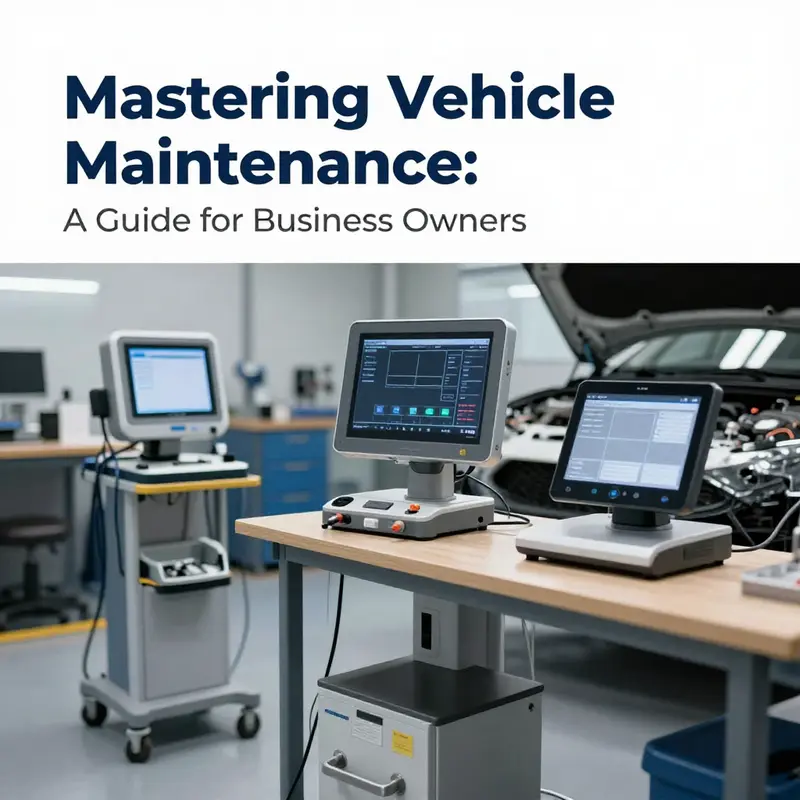
In the quiet, orderly rhythm of a modern service bay, maintenance is increasingly guided by data rather than only by hands-on tasks. The old image of repair as a sequence of fixes gives way to a continuous, proactive approach powered by sensors, software, and intelligent dashboards.
Sensors monitor oil pressure, coolant temperature, tire wear, battery health, and countless other metrics. A diagnostic tool becomes a bridge between the car’s inner world and a technician’s analysis, turning streams of data into actionable insights in real time.
Artificial intelligence transforms raw signals into foresight. Predictive maintenance uses models trained on historical and current data to identify patterns that precede faults, shifting maintenance from fixed calendars to adaptive timelines tailored to each vehicle and usage profile.
Telematics knit vehicles, drivers, and operations into an integrated system. Remote monitoring scales from single cars to fleets, enabling smarter scheduling, optimized driver behavior, and faster responses to developing faults.
Sustainability emerges as a practical outcome: fewer unnecessary parts, smarter use of consumables, and longer component life. Data-driven maintenance helps reduce downtime and energy waste, while maintaining safety and reliability.
Human roles pivot toward interpretation, judgment, and communication. Technicians translate machine warnings into concrete actions; managers align plans with operations; drivers contribute knowledge about how their patterns affect wear.
The daily reality is a choreography of checks, calibrations, and targeted interventions that minimize disruption. Remote diagnostics, digital health checks, and intelligent routing all work together to keep vehicles on the road.
The journey toward data-driven maintenance continues to emphasize privacy, security, and thoughtful governance, ensuring technology augments human expertise rather than replacing it.
Final thoughts
Effective vehicle maintenance is vital for ensuring the safety, reliability, and economic efficiency of business operations. By adhering to routine maintenance tasks, prioritizing safety, understanding the economic implications, and taking advantage of technological advancements, business owners can significantly enhance their vehicle fleets. This holistic approach will not only foster better operational continuity but will also create opportunities to optimize costs. By investing in vehicle maintenance today, businesses can pave the way for a successful and sustainable future.