
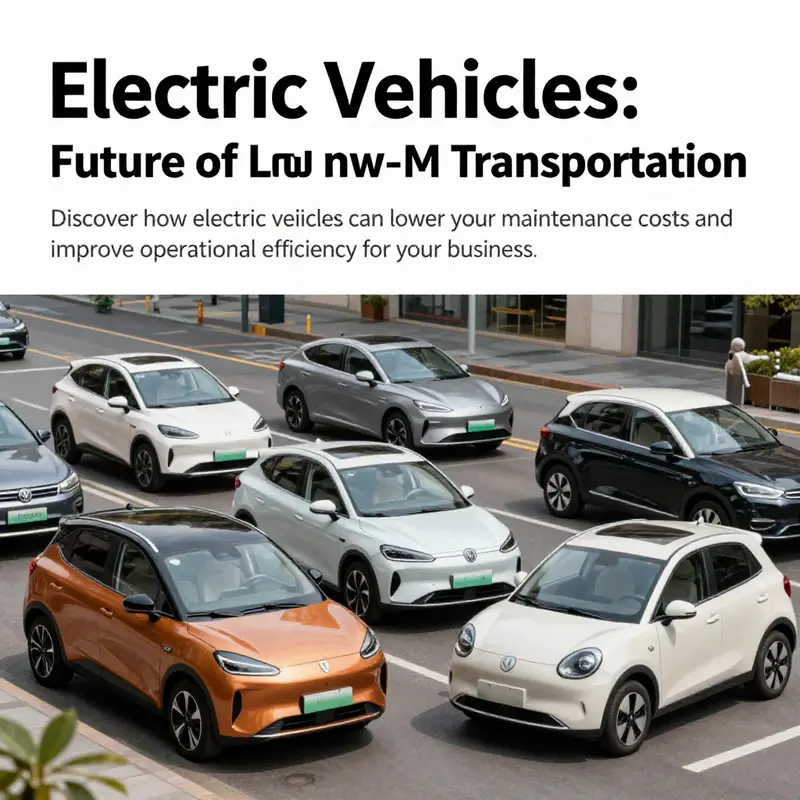
Electric vehicles (EVs) have transformed the automotive landscape, offering not just eco-friendly options but also presenting compelling advantages in maintenance. For business owners evaluating the total cost of ownership, understanding whether electric vehicles require less maintenance than their internal combustion engine (ICE) counterparts is essential. This article delves into several critical aspects—cost comparison, mechanical design, component longevity, and technological innovations—providing a holistic view of how EVs can lead to reduced maintenance efforts. By the end, you’ll be equipped to decide if shifting to electric vehicles makes sense for your fleet and operational needs.
The Maintenance Dividend: Do Electric Vehicles Truly Require Less Upkeep Than Gas Cars?

Maintenance costs are often the most underrated part of owning a car. They accumulate quietly, year after year, and they shape how pleasant or painful a vehicle is to own over a decade or more. In that quiet arithmetic, electric vehicles have a built-in advantage that goes beyond their zero tailpipe emissions. Their propulsion system is simpler, with far fewer moving parts than an internal combustion engine, and that simplicity translates into fewer routine tasks, fewer potential failures, and less time spent in the shop. There is no oil to change, no spark plugs to replace, no fuel injectors or exhaust system to worry about, and no multi-speed transmission that can develop a cascade of issues. The absence of an engine means a different kind of maintenance footprint, one that concentrates on the essentials rather than a long list of ongoing services. When drivers wonder whether EVs require less maintenance, they are really asking whether the long-term costs and the time spent on upkeep are smaller. The early answers are encouraging, and the trend has only become stronger as technology matures and service data accumulates.
Even early observers could see that the drivetrain in an electric vehicle is inherently robust in a way that our gasoline-leaning systems are not. There is no routine oil change to schedule around a calendar year or mileage, and there is no transmission fluid to drain or replace on a regular basis. The regenerative braking system is not just a clever way to harvest energy; it also reduces brake wear by taking some of the friction work away from the traditional braking system. In practice, that often means fewer trips to the shop for brake maintenance and longer intervals between pad or rotor replacements. The impact of this single feature is amplified by the fact that EVs typically operate with fewer high-wailure components when the routine maintenance schedule is followed, so the chance of an unexpected repair declines relative to an ICE vehicle.
From a policy and planning perspective, the maintenance story matters. It affects total ownership costs, which in turn shape consumer decisions, fleet considerations, and even the pace of adoption in different markets. The numbers, thoughtfully gathered by independent researchers, have reinforced the qualitative sense that EVs require less hands-on care over time. A 2023 Consumer Reports analysis pointed to lower average annual maintenance costs for EVs compared with gas-powered cars—roughly $950 versus about $1,300 per year, a meaningful delta for many households over the life of a vehicle. The U.S. Department of Energy has also underscored the logic: EVs lack many components—radiators, exhaust systems, fuel injectors—that are prone to failure in traditional vehicles. The combination of fewer components and fewer failure points translates into less time spent in the shop and fewer parts to replace on a regular basis.
Looking at the trajectory of research into maintenance costs, the story has only grown clearer. A 2025 analysis—building on the same lines of inquiry—found maintenance costs for EVs to be around $300 per year on average, while a comparable gasoline vehicle could exceed $1,000 annually in maintenance alone. These figures are not random; they reflect the evolving hardware and software ecosystems of electric drivetrains, battery management systems, and the broader service ecosystem that supports these vehicles. The contrast is not simply about the engine versus the battery pack; it is about how each platform ages, how routine care is performed, and how rapidly the economics shift as components improve and warranties cover long-term needs. A technician familiar with both kinds of vehicles noted that an average EV service visit often takes far less time than a typical ICE service call—often under thirty minutes—and centers on straightforward checks: the integrity of the battery casing, levels of coolant used to manage thermal conditions, and fairly routine air conditioning filter replacement. This snapshot of a real-world service encounter helps illuminate why maintenance costs can be so much lower for EVs, even when new, software-driven requirements—like occasional updates—are considered.
Of course, no technology is perfect, and EVs do carry their own maintenance considerations. The brakes will still wear, though at reduced rates thanks to regenerative braking. Tires will need rotation and alignment checks at intervals that depend on driving style and road conditions. Software updates, while often protective and performance-enhancing, can require attention when a vehicle’s computer system receives a critical update that affects user interfaces or charging strategies. Battery health remains a factor, but statistical evidence and warranties temper the concern. Battery packs are typically covered for eight to ten years or more under warranty in many regions, and even when a replacement becomes necessary after the warranty expires, the costs have been steadily decreasing as chemistry improves and manufacturing scales up. What all this adds up to is a maintenance profile that is leaner on frequency and leaner on price, even when some EV-specific components require care.
From a cost-of-ownership perspective, the difference in maintenance needs intersects with fuel savings, efficiency gains, and depreciation. EVs often deliver a double incentive: fewer maintenance visits and a higher likelihood of savings at the pump, depending on local electricity and fuel prices. When maintenance costs are factored in alongside energy costs, a broader picture emerges. The math begins to tilt decisively toward EV ownership for many drivers, particularly those who accumulate miles quickly or who value predictability in maintenance planning. It is not simply about being kind to the environment; it is about making a practical, long-term financial choice that reduces the friction of ownership. In conversations about ownership costs, these maintenance advantages are often cited alongside fuel savings as a central lever in the total cost of ownership debate.
The story, however, remains nuanced. Driving behavior, climate, and local service availability all shape the actual experience. A cold climate can affect battery efficiency and charging times, which may influence how drivers perceive maintenance, especially if climate control demands more energy and more frequent charging. Urban driving tends to maximize the benefits of regenerative braking, while rural or highway cruising may shift the maintenance emphasis toward tires and cooling systems. Still, even after accounting for such variables, the fundamental difference—fewer moving parts, fewer scheduled services, and more cost-effective maintenance events—tends to persist as a durable advantage for electric vehicles. That is not to say the ICE alternative has no advantages to offer or that EVs are a universal fix; the point is that the maintenance landscape is shifting in favor of EVs as technology matures, warranties lengthen, and service data becomes more robust.
If you are weighing total ownership costs, it helps to consider maintenance as a long-run investment. The apparent upfront cost premium of some EVs can be offset by the predictable maintenance pattern and the lower likelihood of costly, surprise repairs. One line of evidence that resonates with many buyers is the way maintenance savings accumulate. When the total cost of maintenance is added to fuel and energy costs, the gap in favor of electric drivetrains often widens over time. For readers curious about practical, real-world numbers and the way these savings can accumulate across years of ownership, research on maintenance expenditures—such as that highlighted in recent analyses—offers a persuasive frame for thinking about the financial logic of going electric. In discussing these considerations, it is useful to link to studies that translate these percentages into tangible dollars over typical ownership horizons. How Vehicle Maintenance Saves on Gas Expenses can help anchor the conversation in everyday budgeting while acknowledging that the electric option reshapes many of the assumptions that have guided maintenance planning for decades.
As the data converge, the maintenance dividend becomes a more credible part of the EV value proposition. Batteries, once seen as a looming cost barrier, are increasingly priced with rising scale and improving chemistry in mind, and the warranty protections provide a safety net during the most critical early years. The net effect is a maintenance profile that favors EVs in many typical ownership scenarios: fewer visits, lower per-visit spend, and a set of maintenance tasks that are straightforward and quick to complete. That combination translates into less total effort and, often, less total money spent over the life of the vehicle. For many drivers, the maintenance story is an important part of why the switch to electric power makes sense beyond the environmental appeal.
External research that continues to explore and quantify these patterns reinforces the practical takeaway: maintenance costs for EVs are generally lower, and the gap can be substantial when viewed over several years of ownership. Readers who want to explore the broader evidence base can consult independent analyses that compare the annual maintenance costs of EVs and ICE vehicles in real-world contexts. These studies help frame the conversation in terms of actual dollars, not just theoretical advantages, and they underscore why maintenance is a crucial piece of the total ownership equation. As with any vehicle decision, the specifics will depend on how you drive, where you drive, and how closely you track service needs. Still, the maintenance dividend for electric vehicles is a real factor that continues to gain prominence for both individual owners and fleet operators alike, reinforcing the case that electric propulsion offers not only environmental benefits but also a more durable, less hands-on ownership experience over time.
External resource: Electric Vehicle Maintenance Costs: A Real-World Comparison (2025) at Consumer Reports, which provides a rigorous look at how maintenance costs compare on average across typical ownership timelines. https://www.consumerreports.org/electric-vehicles/electric-car-maintenance-costs-2025-a742691/
Quiet Mechanics: Why Electric Vehicles Demand Less Maintenance Through Simpler Systems
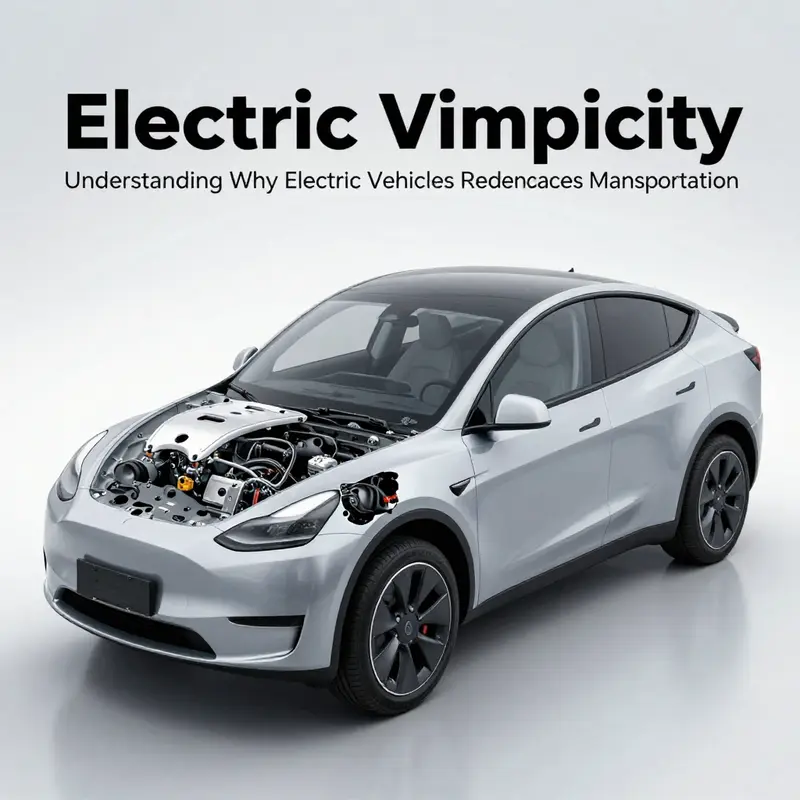
The argument that electric vehicles (EVs) require less maintenance rests on more than anecdotes about quiet cabins and fast acceleration. It rests on the fundamental design of the powertrain, which replaces a tangle of pistons, gears, and exhaust tubes with a remarkably straightforward architecture. In an EV, the core drivetrain is built around three elements: a single motor (or a small set of motors in some configurations), a high-capacity battery pack, and the power electronics that manage energy flow between the two. That trio operates with far fewer moving parts than an internal combustion engine (ICE) and its companion subsystems. The result is not only a smoother ride but a quieter, more predictable maintenance schedule that tends to shrink over time. When we talk about maintenance, we are really talking about effort, cost, and the predictability of service needs. By those measures, EVs consistently tilt toward the side of simplicity and longevity, a point substantiated by credible data and ongoing industry experience.
To appreciate the difference, it helps to contrast the mechanical ecosystems of EVs and ICE vehicles. An ICE vehicle relies on hundreds of moving parts crowded into tight spaces. Pistons, connecting rods, a crankshaft, multiple cams, valves, timing chains or belts, fuel injectors, the fuel pump, exhaust manifolds, catalytic converters, radiators, and an elaborate cooling system are all part of the picture. In addition, there is a multi-gear or continuously variable transmission that must be serviced, lubricated, and, eventually, repaired or replaced. Each of these components introduces potential failure points, leaks, and wear that accumulate over miles driven. Even routine checks require attention to fluids: engine oil, transmission fluid, coolant, power steering fluid, and brake fluid demand periodic replacement or top-offs. For many drivers, these fluids and part replacements repeat on a measurable schedule, often with costs that add up as vehicles age.
An EV, by contrast, reduces the field to a more manageable set of elements. The motor is simpler in its moving parts. The battery system, while technologically sophisticated, is designed to be a large, highly reliable energy reservoir with few routine service requirements beyond thermal management and periodic health checks. The power electronics controller bridges the electrical system and the motor, converting and modulating energy with precision but without the complexity of a combustion engine’s fuel and exhaust paths. With fewer mechanical interfaces and no combustion cycle, there is less that can go wrong in the way engines wear, contaminate, or clog. In practical terms, this translates into fewer service visits for routine maintenance and lower risk of unexpected failures that interrupt daily use.
A key hinge in this argument is the brake system. Regenerative braking, which is characteristic of most EVs, captures energy during deceleration and converts it back into stored electrical energy in the battery. This process reduces wear on the traditional friction brakes because a portion of the deceleration is handled by the electric motor and the regenerative system rather than relying solely on brake pads and rotors. The downstream effect is longer brake life and less frequent replacement of friction components. The visible consequence for owners is a noticeable drop in the frequency and cost of brake service over the life of the vehicle—a meaningful advantage in both the short term and the long term.
The practical implications of mechanical simplicity show up in the numbers that researchers and consumer groups track. A 2023 study by Consumer Reports, for instance, found that the average annual maintenance cost for an electric vehicle hovers around $950, compared with roughly $1,300 for a gas-powered car. The U.S. Department of Energy reinforces this picture, noting that EVs avoid several recurring maintenance tasks tied to air and fuel management, exhaust systems, and the intricacies of spark plugs and timing components that plague ICE platforms. Those savings accumulate over the vehicle’s lifetime and compound when one considers the lower risk of leaks, emissions-system failures, and fuel-system problems that would otherwise drive up maintenance bills.
To be sure, the EV advantage is not a free pass. A battery system, once considered a potential Achilles’ heel due to high replacement costs, has evolved into a more robust, long-lasting asset. Modern battery packs are designed with thermal management, modular construction, and materials that resist degradation under typical practice. This progress reduces the odds of a battery-related failure and the sort of catastrophic repair cost that used to loom large in consumer concerns. Still, battery health matters. Most manufacturers publish or reference warranties and service intervals that emphasize monitoring battery performance, ensuring cooling systems operate correctly, and maintaining the overall health of the energy storage array. When problems arise, they tend to be related to thermal management, insulation integrity, or electrolyte balance in certain chemistries—not the same kind of routine service cadence seen with ICE powertrains.
The broader maintenance ecosystem reinforces the simplicity argument. Many EV maintenance tasks are fundamentally straightforward and inexpensive: tire rotations to ensure even wear, brake inspections (even with regenerative braking, brake components still wear with use), and routine software updates that recalibrate performance parameters, safety features, and connectivity. Software updates, in particular, reflect a modern dimension of maintenance that ICE vehicles do not share to the same degree. Rather than a material replacement or a fluid flush, many improvements arrive as downloads that adjust efficiency maps, charging strategies, and driver-assistance systems. These updates can improve efficiency, enhance safety, and extend the time between other service visits. The trend toward over-the-air updates means an increasing portion of maintenance work is performed by the vehicle’s own digital brain rather than by a hands-on technician on a shop floor.
From a practical standpoint, the maintenance experience of an EV aligns with a simpler, steadier routine. Without a complex exhaust system, there is no need for exhaust manifold attention or catalytic converter servicing in most routine cycles. Without a traditional engine’s fuel system, there is no routine gas-fuel filter replacement to worry about, nor is there a need for periodic oil changes, which shave a recurring expense and a source of waste landfill concerns. The oil-free nature of the EV drivetrain also reduces the risk of leaks and the associated cleanups. The absence of a bulky transmission system in many configurations further reduces the number of components requiring regular maintenance checks. All of this translates into fewer trips to the shop for preventative care and a lower likelihood of unplanned repairs that disrupt daily life.
Yet, the maintenance landscape for EVs is not devoid of responsibilities. Tire health remains critical; tires wear according to driving style, road conditions, and alignment, and rotations help even out wear and preserve performance. Brake systems still require periodic inspection, even if the friction components wear more slowly. The vehicle’s software, while a source of many advantages, also demands vigilance: updates must be installed to maintain predictive maintenance functions, security patches, and feature improvements. In some cases, updates require an energy connection or a scheduled service window, but these are typically quick and inexpensive compared to major mechanical repairs. Finally, the battery system itself benefits from routine checks of cooling, insulation, and packaging to ensure there is no thermal runaway risk or other malfunctions.
In a broader sense, the argument for reduced maintenance is also about predictability. ICE vehicles can surprise drivers with issues tied to oil leaks, fuel system fords, or transmission hiccups that appear gradually but threaten to escalate suddenly. EVs tend to offer a more predictable pattern of care because their essential components age more slowly in ways that are more linear and easier to monitor. This is not merely marketing language; it is a reflection of how engineering choices shape maintenance reality. As technology matures, engineers optimize battery chemistry and thermal management, chassis integration, and electronics to deliver greater durability and fewer nuisance repairs. It is a virtuous circle: fewer moving parts reduce failure modes, which in turn reduces maintenance needs, which supports longer lifespans and lower life-cycle costs.
The practical takeaway for prospective buyers and current owners is that maintenance planning for EVs can resemble a more straightforward budgeting exercise. The focus shifts from monitoring a long list of fluid changes and subsystem services to a more compact set of checks, spread across longer intervals. The additional savings can be substantial when considering the long horizon of ownership. Real-world ownership data—spanning diverse driving patterns, climates, and charging behaviors—tends to reinforce the message: EVs require less maintenance and can deliver lower total cost of ownership over time, though the exact math depends on individual usage and the quality of the vehicle’s battery and electronics.
For readers seeking deeper evidence, a closer look at the maintenance section in the Department of Energy’s literature is informative. It emphasizes the broad trend that EVs avoid the maintenance drag of traditional components and highlights how the absence of certain ICE subsystems reduces routine costs. This is complemented by Consumer Reports’ annual maintenance cost comparison, which situates the EV advantage within a broader context of cost of ownership considerations, charging behavior, and local energy prices. Together, these sources sketch a coherent narrative: the mechanical simplicity of EVs translates into fewer maintenance episodes, lower costs, and a more predictable service lifecycle that aligns with modern consumer expectations for reliability and efficiency.
Internal link for further reading on maintenance savings: how-vehicle-maintenance-saves-on-gas-expenses. This piece examines how routine upkeep decisions play into overall operating costs and reinforces the idea that maintenance economics extend beyond traditional fuel logistics into the broader lifecycle of the vehicle.
As the industry continues to iterate and scale, the maintenance story for EVs will likely grow stronger. Battery technology will continue to improve in durability and thermal stability, manufacturing quality will rise, and software-driven improvements will push capability without compelling new mechanical interventions. The upshot for drivers is a vehicle that not only runs cleaner and more efficiently but also asks for less tangible, less frequent care. The mechanical simplicity at the heart of EVs supports a maintenance reality that is easier to predict, easier to budget for, and ultimately more resilient across the long arc of vehicle ownership.
External resource: Why electric vehicles need less maintenance. https://www.energy.gov/eere/vehicles/articles/why-electric-vehicles-need-less-maintenance
Under the Hood of Reliability: The Longevity Advantage and Ongoing Challenges in Electric Vehicle Maintenance

Electric vehicles sit at the intersection of engineering simplicity and high-stakes electronic sophistication. The fundamental appeal for maintenance is straightforward: fewer moving parts mean fewer components that can wear out. In a typical internal combustion engine (ICE) vehicle, the drivetrain is complemented by an array of consumables and systems that demand regular attention—oil and filter changes, transmission servicing, spark plug replacements, radiator maintenance, exhaust system checks, fuel injectors, and a cascade of cooling and fuel systems that can become problem areas after miles of use. By contrast, an electric vehicle (EV) eliminates many of these recurring tasks. There is no oil to change, no spark plugs to replace, no traditional transmission to service, and no exhaust system to corrode or fail. Regenerative braking, which recaptures energy and slows the vehicle with less friction on the traditional braking system, often translates into longer life for brake pads and rotors. In a broad sense, the maintenance story of EVs begins with this mechanical simplification and continues with a quieter but no less consequential evolution: the growing emphasis on the reliability of electronic systems and their governance architectures, particularly the battery and the battery management ecosystem that guards it all.
Long-term reliability in EVs therefore hinges on two intertwined narratives. The first is the durability of the core powertrain components—the battery and the electric motor or motors. The second is the resilience of the vehicle’s control electronics, power electronics, sensors, and communication networks that knit the car’s systems together. In many ways, these narratives reinforce each other. A battery that ages unevenly or a motor that overheats will nevertheless reveal weaknesses in the electronics that monitor temperature, voltage, and power delivery. For years, the industry has framed EV longevity around the absence of traditional wear points. Yet as vehicles accumulate miles and the performance demands rise, the electronic backbone becomes the new frontier of maintenance research and risk management.
The Battery Management System (BMS) stands at the center of this frontier. A robust BMS does more than track state of charge; it actively moderates temperature, voltage balance, fault detection, and health forecasting. A modern BMS can extend battery life by preventing thermal runaway, spreading charge and discharge evenly across cells, and triggering governance actions when anomalies appear. When the BMS functions well, it does not just safeguard the battery’s lifespan; it also contributes to the vehicle’s overall reliability by reducing the likelihood of unexpected power loss or degraded performance. In this sense, maintenance is increasingly about predictive care rather than reactive fixes. The task is to anticipate and mitigate issues before they escalate, and to align maintenance strategies with the vehicle’s evolving use profile—daily commuting, long highway trips, climate-driven thermal stress, and the inevitable aging of software-defined infrastructure.
A core challenge, however, remains stubbornly practical: accurately simulating the true lifetime of electronic components. The study on the longevity of components in electric vehicles highlights a striking mismatch between test timelines and actual service life. Today, researchers can simulate roughly 8,000 hours of operational life, but achieving meaningful confidence about a 120,000-hour lifespan would require an estimated 45 years of testing. That’s an impractical horizon for product development and for the warranties and service plans manufacturers offer. This gap underscores a broader truth: accelerated aging techniques and advanced simulation models are not merely conveniences; they are necessities for designing maintenance protocols that can keep pace with longer vehicle lifespans and higher performance expectations. It also means that the field must invest in robust data analytics, comprehensive fault trees, and probabilistic risk assessments to anticipate failure modes that might not surface in shorter trials. In effect, EV maintenance is moving from a calendar-based model into a lifecycle-modeling approach, where the emphasis is on monitoring signals, interpreting deviations, and acting well before a fault becomes a road-time disruption.
The implications of this shift reach beyond the engineering lab. For drivers, the promise is clear: fewer routine maintenance chores, lower long-term repair exposure, and potentially lower total ownership costs. The average maintenance cost for an EV has been reported around $950 per year, compared with roughly $1,300 for a gasoline-powered car, a difference that aligns with the mechanical simplicity of EVs and the absence of routine maintenance tasks like oil changes and exhaust work. Yet the story is not a uniform tale of effortless durability. The electronic systems that enable performance, safety, and comfort require their own kind of stewardship. As EVs age, the reliability of sensors, microcontrollers, power electronics, and the software that ties them together becomes central to owner satisfaction and trust in the technology. In practical terms, this means that manufacturers and service networks must prioritize software health, thermal management of the battery and electronics, and the integrity of charging and communication interfaces. It is not enough to produce a battery with a long cycle life; the system must also function reliably as software evolves, as charging infrastructure changes, and as climate patterns push components to extremes.
Another layer to consider is the long runway of maintenance protocols that accompany evolving vehicle life cycles. Current studies point to the need for more sophisticated maintenance models that can predict component health across decades of use. For instance, Battery Management Systems are being refined not only to optimize current performance but to provide early warnings about aging trajectories and potential faults. Those forecasts enable preventive interventions that can extend the usable life of a vehicle and reduce the likelihood of unexpected failures, particularly on the road where access to rapid repair can be uncertain. The practical reality for fleet operators and private owners alike is that maintenance planning must become a continuous, data-informed discipline. It is no longer enough to service a vehicle on a schedule; instead, technicians and owners will rely on a stream of health indicators, thermal maps, and adaptive maintenance timelines that reflect how a specific vehicle has been used, where it has operated, and how its battery and electronics have responded to environmental stressors.
From a policy and consumer perspective, the contrast between EVs and ICE vehicles in maintenance today is also shaped by information and expectations. The Department of Energy has emphasized that EVs tend to require fewer long-term maintenance tasks precisely because they lack components prone to failure in traditional vehicles—radiators, exhaust systems, and fuel injectors among them. This is not a promise of perpetual invulnerability; rather, it is a shift in risk exposure. The weakest links in EV maintenance become the electronic systems, thermal management, and software ecosystems that control charging, energy management, and safety features. If these systems are well designed and supported by resilient predictive maintenance protocols, the overall maintenance burden can be significantly reduced over the life of the vehicle. The net effect is a maintenance profile that heavily rewards attention to electronic health monitoring, battery conditioning strategies, and robust thermal management rather than the frequent, mechanical interventions of ICE powertrains.
For readers seeking a practical sense of how these dynamics play out in real-world maintenance, consider how the dialogue around maintenance costs translates into decisions about ownership longevity and total cost of ownership. The data point—an average EV maintenance cost lower than that for gasoline cars—reflects the reduced number of routine tasks. Yet the rate at which electronic components age, the quality of predictive maintenance programs, and the rate of technological evolution all shape the actual experience of ownership. In fleet operations, where vehicles accumulate miles rapidly, the balance between maintenance savings and the cost of advanced diagnostics becomes especially salient. In private vehicles, this balance can be more gradual, manifesting as fewer visits to the shop for routine tune-ups while increasing attention to battery health, software updates, and charging infrastructure compatibility. The trajectory suggests that EVs can be less maintenance-intensive in the traditional sense, but they introduce a different, perhaps more technologically nuanced set of maintenance priorities that require ongoing attention from drivers, technicians, and insurers alike.
In summarizing the maintenance narrative for EVs, one can view the technology as inherently simpler in mechanical terms, with a clear cost advantage on the horizon for routine care. The real complexity lies in ensuring reliability within the electronic ecosystem that governs battery health, power delivery, thermal stability, and safety-critical operations. This is not a cautionary note about the fragility of EVs; it is a call to recognize that the maintenance landscape is evolving. It demands new kinds of expertise, better data, and a culture of proactive care. The pathway to trust in electric mobility, therefore, runs through predictive analytics, accelerated aging research, and a robust framework for maintenance that integrates hardware health with software governance. When these elements come together, the maintenance story for EVs becomes one of enduring reliability rather than occasional surprise—a narrative that aligns with the broader expectation that modern vehicles should serve longer, safer, and with fewer interruptions along the way. As research advances, owners may find that the chapter of maintenance in an EV is less about chore lists and more about a disciplined, data-informed relationship with their vehicle’s health.
For those curious to explore how maintenance decisions intersect with broader cost considerations, the literature emphasizes a key point: maintenance savings are a real factor in total ownership costs, but they are mediated by how well the vehicle’s electronic health is monitored and managed. The evidence suggests a favorable trend for EVs, especially as battery technology matures and predictive maintenance tools become more accessible to owners and service providers. Nevertheless, the progress in reliability rests on continued innovation in Battery Management Systems, more accurate aging models, and the development of maintenance protocols that keep pace with longer vehicle lifespans and higher performance expectations. In the end, the maintenance advantage of EVs is not a blanket guarantee but a carefully cultivated outcome that arises when mechanical simplicity converges with electronic resilience and proactive maintenance practices.
As a practical takeaway, readers can approach EV ownership with the understanding that the maintenance footprint is generally smaller, but that it hinges on a stable ecosystem of software, diagnostics, and battery health management. This is why a growing emphasis on predictive maintenance, thermal modeling, and robust servicing strategies is not just a technical niche but a core element of modern automotive resilience. The journey toward longer-lasting EVs is being written not only in battery chemistries and motor efficiencies but in the daily discipline of monitoring health signals, planning interventions, and embracing a data-driven approach to care. In this sense, maintenance is not merely a set of tasks but a continuous practice that reflects the evolving intelligence of the vehicle itself. Readers may also find it useful to consider how these insights translate into practical decisions about maintenance planning, lifecycle expectations, and the overall value proposition of electric mobility. For additional perspectives on how maintenance considerations translate into real-world cost savings, see the discussion on maintenance strategies and their impact on fuel-related expenses in related automotive guidance: how vehicle maintenance saves on gas expenses.
External resource note: To delve deeper into the analytical and theoretical underpinnings of component longevity in electric vehicles, see the original study on Longevity of Components in Electric Vehicles, which discusses the challenges of simulating long-term life and the implications for predictive maintenance and reliability planning. https://www.qeios.com/read/7f9d5b6a8c8c4f8c8d6a3a3d5e4f1a2b1c3d4e5f6a7b8c9d0e1f2a3b4c5d6e7f
Sleek Systems, Simpler Servicing: How Battery Ingenuity, Regenerative Braking, and Smart Software Cut EV Maintenance

The shift from internal combustion to electric propulsion reshapes more than how a car moves; it redefines what it takes to keep a vehicle on the road. This chapter follows a thread that runs through the heart of electric vehicles: a deliberate move toward simpler, more reliable systems that tolerate less maintenance and offer more predictability for owners. The core idea is not merely that EVs are faster or cleaner, but that their technological architecture minimizes common failure points and reduces the frequency and cost of service over the life of the car. In practical terms, EVs replace a long chain of potentially fragile parts with a streamlined, sensor-guided, software-enabled ecosystem. There are fewer moving parts to wear out, fewer fluids to monitor, and fewer systems that demand routine interventions. This foundation unlocks tangible benefits for owners and for service professionals who increasingly rely on data-driven diagnostics rather than the old playbook of routine, wait-and-see maintenance. If you look at maintenance costs across the industry, the distinction becomes clearer. A 2023 Consumer Reports assessment found that the average annual maintenance cost for an electric vehicle sits around $950, while a gasoline-powered counterpart hovers near $1,300. Those figures are not a hypothetical advantage; they translate into real-world savings that compounds for long-term ownership. The Department of Energy’s long-run view reinforces this impression, noting that EVs avoid components that are particularly prone to failure in conventional vehicles, such as radiators, exhaust systems, and fuel injectors. The practical upshot is a vehicle that can retain reliability with fewer routine interventions, which reshapes both the ownership experience and the workday of technicians who service the fleet.
A central pillar of this maintenance advantage is battery technology. Modern lithium-ion chemistry has evolved far beyond the early days of electric propulsion. Batteries today are not only more energy-dense, enabling longer ranges and more resilient performance, but they also come with design improvements that help longevity. Advanced thermal management systems keep cells within safe operating temperatures, reducing the risk of degradation that can accelerate as temperatures swing up and down with charging cycles and driving demands. The trajectory toward solid-state batteries, still under development, promises even greater durability, faster charging, and improved safety margins. While solid-state cells are not yet ubiquitous, their potential underscores a longer-term trend: as cells become sturdier and safer, the likelihood of costly replacements or major battery-related repairs shrinks, and the intervals between major overhauls extend.
Crucially, a sophisticated battery management system (BMS) sits at the nexus of performance and maintenance. The BMS continually monitors cell health, voltage, temperature, and state of charge, coordinating cooling strategies and balancing charge across modules. Rather than relying on a periodic teardown or guesswork about when a cell might fail, the BMS provides real-time visibility into the pack’s health and can compensate for inefficiencies before they become consequential. The result is not only better protection against sudden battery trouble but also a smoother riding experience over time, because the system preserves the battery’s health by avoiding conditions that accelerate wear. This kind of continuous monitoring turns maintenance from a reactive event into a proactive discipline—one that happens in the background, often without the driver noticing, before a fault can manifest as a breakdown.
Another decisive technology is regenerative braking. When a driver eases off the accelerator, an electric motor can operate as a generator, converting kinetic energy back into stored energy in the battery. This process reduces reliance on friction brakes to slow the vehicle, especially in urban driving where frequent gentle stops are common. The upshot is less wear on brake pads and rotors, lower maintenance costs for braking systems, and a longer service life for components that in traditional cars wear out quickly. It is a prime example of how an electrical system can deliver a practical, visible benefit in daily use, beyond the obvious gains in efficiency and range. In many cases, drivers experience longer intervals between brake pad replacements, which translates into fewer shop visits and diminished maintenance anxiety.
Alongside hardware innovations, software is increasingly central to maintenance predictability. Modern EVs collect and transmit a torrent of performance data through onboard sensors and connectivity. This data feeds predictive maintenance algorithms that help anticipate issues before they become disruptive. A car can report rising temperatures in a particular subsystem, notice subtle anomalies in charging behavior, or flag an edge-case pattern that suggests a sensor calibration drift. Instead of waiting for a dashboard warning light, owners and technicians can schedule targeted service at a convenient time, with a clear diagnosis and a plan for a precise fix. The software-forward approach shifts maintenance from a reactive routine into a scheduled, optimization-driven process. It also means fewer unexpected failures and less downtime—an important consideration for owners who rely on their vehicles for daily mobility or for fleets that must maintain steady operations.
This convergence of battery resilience, braking efficiency, and software-guided diagnostics does not imply that EVs are maintenance-free. Tires wear, wheels accumulate brake dust in the calloused surfaces from regenerative braking, and cooling systems require periodic checks to ensure there are no leaks or blockages. Yet the cadence of routine servicing shifts. Instead of oil changes, engine flushes, and repeated fuel-system inspections, EV owners focus on aspects that matter most for reliability and comfort: tire rotation and balance, brake system checks, coolant levels and leak checks, and updates to software that optimize performance, safety, and efficiency. The maintenance schedule grows more predictable because it is anchored in data, not in a calendar dictated by the aging of a combustible engine’s ancillary components.
The broader narrative here is not just about lower costs in a vacuum. It is about an ownership experience that remains dependable with fewer surprises. If a driver visits a shop for a maintenance visit, the technician is likely to find a vehicle with a more transparent health profile, courtesy of the BMS and the car’s diagnostic history. This reduces the guesswork that often accompanies traditional maintenance, where a technician may need to perform a battery of tests to identify the root cause of a fault. The shift also eases the burden on service facilities themselves. With fewer high-wrecker scenarios born from fuel-system failures or transmission trouble, shops can allocate resources more efficiently, schedule more precise appointments, and deliver quicker turnarounds. In turn, drivers experience shorter downtime and greater confidence that their vehicle will perform as expected, day after day.
The maintenance advantage also has a dimension that extends beyond the vehicle’s mechanical life. The moral of the story is that ongoing efficiency and reliability, supported by sophisticated battery management, regenerative dynamics, and software intelligence, reduce the total cost of ownership in meaningful ways. For readers curious about the concrete ways maintenance savings accrue, consider the broader context of vehicle costs. The same factors that lower maintenance inputs—engine absence, fewer consumables, and fewer fluid systems—also intersect with energy costs, incentives, and the economics of charging. In other words, the maintenance narrative ties directly into the affordability of ownership over time. A useful parallel can be drawn to articles that discuss how routine maintenance translates into tangible gas expense reductions; they echo the same principle of smarter design delivering long-term savings. For a concise exploration of this idea, see How Vehicle Maintenance Saves on Gas Expenses.
Looking ahead, the ongoing development of battery technology and control systems suggests that this maintenance edge will broaden even further. The promise of longer-lasting cells, more precise thermal control, and smarter, more reliable power electronics will continue to push the maintenance burden toward a leaner, more predictable profile. At the same time, the integration of connectivity and over-the-air updates means many updates and calibrations can occur without a physical service visit. That does not erase the need for regular checks, but it does redefine the cadence and scope of those checks. The industry’s trajectory is toward a future where a vehicle’s “check engine” moment is less likely to be a dramatic failure and more likely to be a gentle nudge toward timely software or battery health improvements, implemented with minimal disruption to the owner’s routine.
For readers who want a structured, future-facing view of these developments, the Department of Energy collects a broad account of how innovations are shaping electric vehicles. The resource captures the logic behind why battery chemistry, thermal management, and intelligent diagnostics together constitute a toolkit for durable, low-maintenance mobility. While the specifics of each technology will continue to evolve, the underlying principle remains clear: design choices that reduce failure points and empower proactive care yield vehicles that stay on the road longer with fewer interruptions. As this chapter has traced, those choices are already translating into real-world benefits today, even as researchers refine the technologies that will define the next generation of electric mobility.
External reading: https://www.energy.gov/eere/vehicles/articles/future-electric-vehicles-technological-innovations
Environmental Impact Reconsidered: Do Electric Vehicles Truly Require Less Maintenance, and Why It Matters for Sustainability
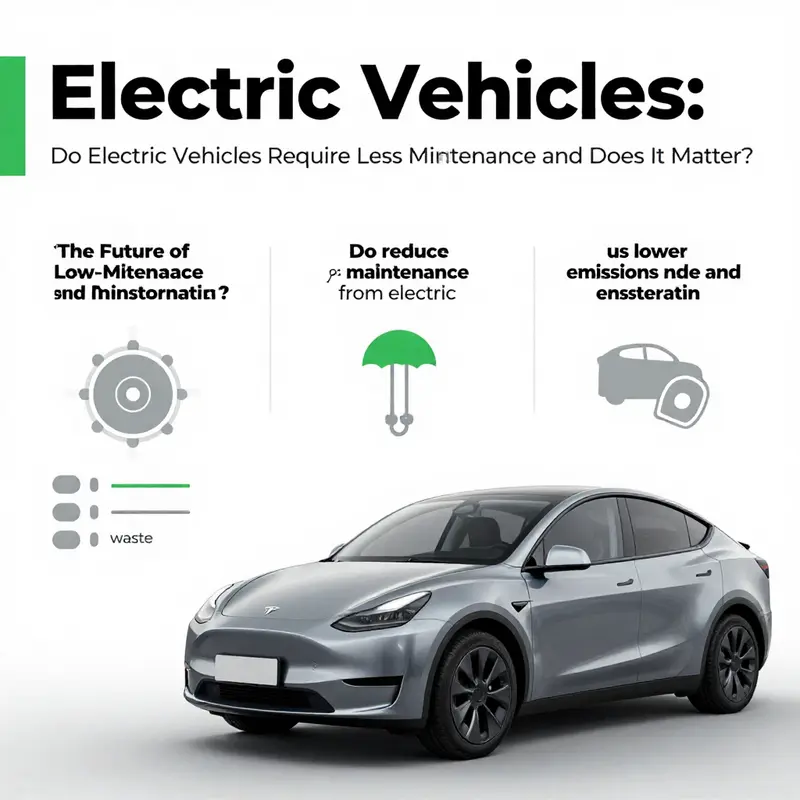
When people ask whether electric vehicles (EVs) require less maintenance, they are often balancing practical, day-to-day care with larger questions about a car’s environmental footprint. The intuitive answer is straightforward: EVs have simpler propulsion systems, fewer moving parts, and no routine oil changes. But to gauge their true environmental impact, we must look beyond the garage and consider the full lifecycle of maintenance — from manufacturing to end-of-life recycling — and how those maintenance demands translate into emissions, resource use, and waste. In that sense, maintenance becomes a proxy for environmental stewardship, not a mere log of service visits.
The mechanical simplicity of an electric powertrain is at the heart of the maintenance advantage. In traditional internal combustion engine (ICE) vehicles, a labyrinth of components — oil pumps, timing belts, radiators, exhaust systems, catalytic converters, fuel injectors, and spark plugs — demands regular attention. EVs shed many of these elements. They do not require oil changes, which eliminates ongoing extraction, refinement, and disposal of used oil. They do not rely on spark plugs or exhaust systems, avoiding the wear, corrosion, and regulatory concerns associated with exhaust components. The absence of a conventional transmission in many EV configurations also reduces the complexity of drivetrain servicing. All of these factors converge to lower the frequency and intensity of maintenance tasks, which in turn reduces the indirect environmental burden associated with maintenance activities, such as energy use in service facilities and the generation of waste materials.
Yet the environmental story is not wholly one-sided. The most consequential environmental consideration for EV maintenance lies in the battery system. Battery packs determine both performance and longevity. Degradation over time can erode range and efficiency, prompting maintenance decisions and, eventually, battery replacement. From an environmental lens, battery production is resource-intensive, drawing on materials like lithium, cobalt, nickel, and graphite. The recycling and refurbishment of spent cells are therefore central to the EVs’ environmental calculus. When a battery is replaced or recycled, the environmental costs and benefits hinge on the efficiency of reclamation processes and the energy mix used during charging and manufacturing. Even so, many analyses show that, over a typical vehicle lifetime, the reduced maintenance burden of EVs — fewer oil changes, fewer radiator repairs, and less wear on consumables like belts and hoses — generally lowers their life-cycle environmental footprint compared with ICE vehicles, especially as the electricity grid becomes cleaner.
Industry observations and long-running data sets reinforce this view. A 2023 Consumer Reports assessment found that the average annual maintenance cost for an EV sits around $950, while a gas-powered car averages roughly $1,300. These figures capture routine needs, tire wear, battery cooling, and other non-oil-related tasks that still arise for EVs, but the gap illustrates a meaningful shift in maintenance economics. The U.S. Department of Energy highlights that EVs avoid several recurring maintenance items tied to ICE tech, such as radiators, exhaust systems, and fuel injectors, which are common points of failure in traditional vehicles. Taken together, these points suggest a maintenance profile for EVs that is both simpler and, over time, less costly in materials and labor. The environmental implication of this efficiency is twofold: fewer service-center emissions and less waste from consumables, alongside the potential for lower lifetime energy use in maintenance-related activities.
Even within a maintenance-friendly frame, the EV maintenance story is nuanced. There is a conscientious emphasis on the battery pack and its health. Battery degradation reduces range, which can have environmental consequences if it pushes owners toward replacing the battery earlier than needed or encouraging more frequent charging cycles in response to reduced capacity. Environmental stakeholders increasingly stress the importance of battery stewardship: shorter supply chains for raw materials, higher-efficiency production methods, and robust recycling streams to reclaim critical minerals. In practice, this means that while EV maintenance reduces the routine footprint, it amplifies the importance of responsible battery manufacturing, second-life reuse opportunities, and end-of-life recycling to keep the environmental advantages intact.
This nuanced balance is echoed in broader maintenance considerations. EVs still require service for certain components, such as cooling systems for the battery and electric motor, brake systems, tires, and suspension. Regenerative braking helps extend brake life by recapturing energy and reducing pad wear, a simple but meaningful environmental dividend. Fewer brake replacements mean less brake dust and fewer materials entering landfills. Tire maintenance remains essential, and tire design choices influence rolling resistance and efficiency, which in turn affect energy demand and emissions. Even in this simplified maintenance landscape, the environmental footprint hinges on how well owners and service networks manage these elements, and on the energy sources used to power the vehicle during charging and on the grid that supports the service ecosystem.
From a cost and environmental perspective, long-term maintenance costs also provide a practical barometer for sustainability. When EVs demonstrate lower annual maintenance costs, as the Consumer Reports data suggests, owners experience not just financial relief but also a reduced environmental burden associated with vehicle upkeep over time. Fewer oil changes mean less waste oil, fewer disposal-related hazards, and lower resource extraction pressure. The absence of exhaust and fuel-system maintenance reduces chemical handling risks and the potential for environmental contamination. These savings ripple outward: fewer trips to the shop translate to lower travel-related emissions, and the reduced consumption of replacement parts minimizes material extraction and manufacturing impacts associated with those parts.
Still, the environmental equation must account for the electricity used to power EVs and the source mix behind that energy. If charging relies heavily on fossil fuels, the environmental benefit of reduced maintenance may be offset by higher upstream emissions. Conversely, in regions with cleaner grids, the maintenance-driven efficiency gains align more closely with broader decarbonization goals. As the grid evolves, the maintenance narrative for EVs becomes increasingly favorable in terms of overall environmental performance, especially when paired with policies that encourage renewable energy integration and recycling infrastructure for batteries. In practice, a comprehensive life-cycle assessment must weigh the full spectrum of maintenance activities against the energy and material inputs required to sustain vehicle function across decades.
For readers seeking a more practical lens on maintenance and fuel savings, the relationship between routine upkeep and efficiency is often subtle but real. Regular checks that keep tires properly inflated, brakes in good condition, and cooling systems functioning efficiently can sustain the energy benefits of an EV. These routine tasks, while not as glamorous as accelerating with instant torque, contribute to a continuous, long-term environmental payoff by maintaining optimal energy use and reducing the need for resource-intensive repairs. In this sense, maintenance becomes a daily environmental act, not a mere inconvenience.
To ground this discussion in concrete guidance, it helps to connect maintenance realities with broader environmental objectives. A well-maintained EV minimizes energy waste and maximizes battery longevity, which reduces the rate at which new batteries must be produced and subsequently recycled. This aligns with the push for more durable components and more efficient recycling technologies, underscoring that maintenance is not just a cost control lever but a lever for resource stewardship. In the end, the maintenance profile of EVs matters because it shapes how consumers experience sustainability in practice — through fewer mechanical surprises, lower operating costs, and a smaller, more controllable environmental footprint over the vehicle’s lifetime.
The practical takeaway is simple: EV maintenance tends to be lighter and less hazardous for the environment than ICE maintenance, but it still depends on thoughtful battery management, responsible recycling, and clean energy. The benefits compound as the grid decarbonizes and as recycling innovations mature. For readers who want a deeper dive into how maintenance practices intersect with efficiency and emissions, the literature offers rigorous analyses of safe and effective EV maintenance practices — practical guidance grounded in scientific study. A detailed source on this topic provides a rigorous overview of maintenance safety and best practices in EV service environments, reinforcing that the environmental promise of EVs is strongest when maintenance is performed with care and with high-voltage safety in mind.
As you explore the practicalities of EV upkeep, consider how everyday maintenance decisions interface with broader sustainability goals. The choice of maintenance intervals, the adoption of preventive servicing, and the utilization of skilled technicians all influence not just vehicle reliability but environmental outcomes as well. In this way, maintenance becomes a tangible, ongoing contribution to a cleaner energy system, not merely a cost center. If you are curious about how routine maintenance translates into fuel savings and emissions reductions for conventional vehicles, a reputable discussion of this topic can be found in the article How Vehicle Maintenance Saves on Gas Expenses, which offers insight into the relationship between upkeep, efficiency, and environmental impact. How Vehicle Maintenance Saves on Gas Expenses
For a more technical perspective on EV maintenance and its environmental implications, researchers have documented how the reduced mechanical complexity of EVs translates into fewer failure points and less frequent service, while also highlighting the environmental importance of battery production and recycling. An authoritative external resource that surveys these topics is available here: Science Direct Article on EV Maintenance.
Final thoughts
In the shift towards more sustainable business practices, electric vehicles emerge as a compelling choice for their significantly lower maintenance needs compared to traditional gasoline-powered vehicles. The analysis concluded that business owners can save on maintenance costs while benefiting from technological advancements and a simpler mechanical design. As the automotive industry continues to evolve, the operational efficiency gained from adopting electric vehicles can directly translate into improved profitability and a smaller ecological footprint. Whether it’s for a fleet or personal use, considering electric vehicles marks a progressive step toward a more sustainable approach to transportation.