

For business owners, every expense counts, particularly when it comes to operational costs like fuel. A well-maintained vehicle not only ensures reliability but also enhances fuel efficiency, translating into significant savings over time. Each aspect of vehicle maintenance plays a crucial role in optimizing performance and minimizing gas expenses. This exploration begins with the vital function of air filters, moves through the significance of tire maintenance, underscores the importance of regular engine tune-ups, addresses the necessity of identifying and fixing mechanical issues, and concludes with a comprehensive look at the financial benefits of consistent vehicle care. By understanding these interconnected facets, business owners can make informed decisions that sustain both their vehicles and their budgets.
Breath of Efficiency: The Air Filter’s Quiet Path to Lower Gas Costs
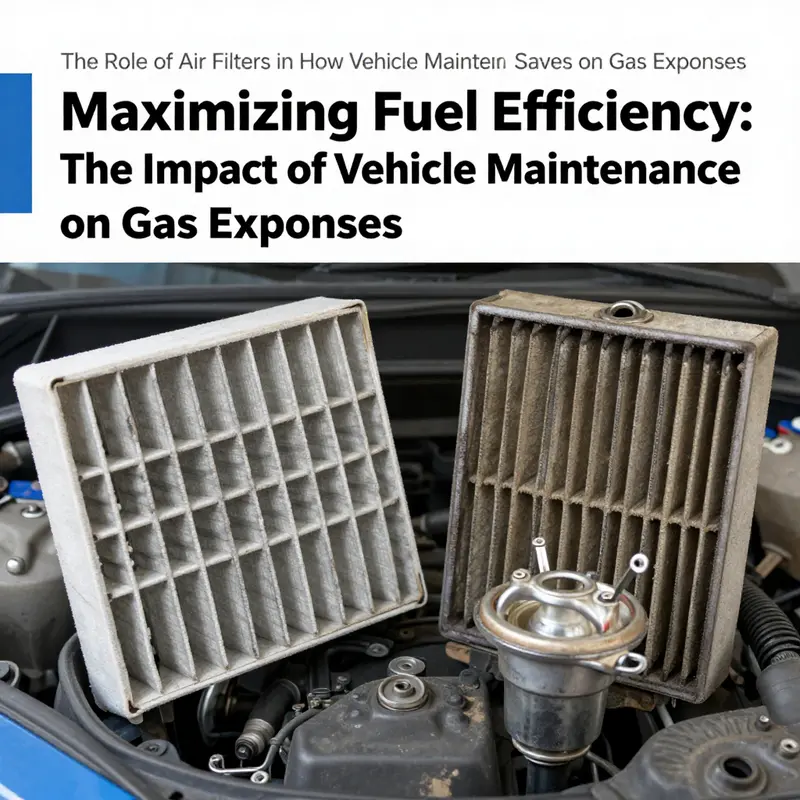
Air is the difference between a car that sips fuel and a car that guzzles it. In the broad view of vehicle maintenance, the air intake system often sits quietly in the background, doing its job with little fanfare. Yet this small gatekeeper—the engine air filter—has a disproportionate influence on how efficiently your engine can burn fuel. When air can reach the combustion chamber unimpeded, the air-fuel mixture remains close to ideal, and the engine can generate power without asking for extra fuel. When the filter is dirty or clogged, that balance begins to tilt, and fuel economy becomes a casualty of the filter’s neglect. This connection is not merely theoretical. It is a practical, everyday truth that a clean air filter helps your car move farther on every gallon, while a neglected one makes efficiency slip away incrementally, often without you realizing it until the bill at the pump starts to climb.
The mechanism is straightforward yet powerful. The engine relies on controlled air intake for the proper air-to-fuel ratio that ensures efficient combustion. A clean air filter allows an unrestricted flow of air into the intake tract, supporting precise metering of fuel by the engine’s fuel system. When the filter becomes clogged with dust, pollen, and other debris, the engine receives less air than it expects. To compensate, the system may inject more fuel to maintain the same level of power, and the result is a richer mixture. A richer mixture burns less efficiently, generating more heat and producing more exhaust while using more gasoline to achieve the same performance. In practical terms, a restricted air path makes the engine work harder to deliver the same output, which translates into higher fuel consumption. That simple, everyday change—airflow restriction—can erode miles-per-gallon quietly, especially for drivers who spend a lot of time in stop-and-go traffic or on longer highway stretches where small inefficiencies add up over thousands of miles.
The economic payoff of a clean air filter is well documented. Recent data indicate that replacing a clogged air filter can improve fuel economy by an average of 39 cents per gallon. Taken at face value, that figure seems modest, but it compounds over time. Consider a driver who logs 15,000 miles a year with a vehicle that averages around 30 miles per gallon. This driver uses about 500 gallons of fuel annually. At 39 cents per gallon, the potential savings approach $195 each year—an amount that grows as miles accumulate and as fuel prices rise. It is not simply about dollars saved in the moment, either. Maintaining a clean air filter also helps reduce the engine’s wear by preserving a proper air-fuel mixture, which supports more consistent combustion, steadier performance, and potentially longer engine life. In other words, the cost of replacing a dirty filter is small, while the upside includes not only lower fuel costs but also reduced long-term maintenance worries.
Guidance from manufacturers typically places air-filter replacement on the calendar every 12,000 to 15,000 miles (or annually) for many vehicles, though conditions such as dusty roads or heavy highway driving can push this interval sooner. It is worth noting that drivers often fall into one of two traps: replacing the filter too early, when the filter still has plenty of life left, or waiting too long and letting the filter degrade to a point where it restricts airflow more than necessary. In the first case, the savings are smaller than they could be because you are paying for a filter sooner than you need. In the second, you miss out on the fuel-economy gains that proper replacement would deliver, and you risk letting contaminants slip past a filter that is now past its prime. A small change in timing can swing the outcome from modest to meaningful, especially for those who drive in environments with higher particulate matter, allergies, or frequent exposure to dust and sandy surfaces. The choice of maintenance timing is a balance between filter condition, driving environment, and the vehicle’s specific guidance.
Beyond the engine, there is another filter in the system—the cabin air filter. While its primary role is not fuel economy, maintaining a clean cabin filter supports overall system efficiency and comfort. A clogged cabin filter can force the HVAC System to work harder to push air through, which, in extreme cases, places a small additional load on the system and can alter the perceived efficiency of the vehicle’s climate control. In urban settings with high pollutant levels, keeping the cabin filter clean also delivers tangible benefits in interior air quality, reducing irritants like pollen, smoke, and exhaust fumes. For drivers who suffer from allergies or have sensitivities, this is not merely a comfort issue; it can reduce the impedance on the vehicle’s comfort systems, contributing to a more relaxed driving experience and maintaining steady cabin climate performance.
The broader narrative of savings through maintenance hinges on the idea that small, consistent actions compound over time. A clean air filter is one piece of a larger cycle that includes properly inflated tires, timely spark plug maintenance, and the prevention of misalignment and sensor faults—each contributing to smoother operation and better efficiency. When a vehicle runs as it was designed, combustion is more efficient, friction and drag are minimized, and the engine’s job becomes easier. The result is fewer gallons consumed for the same miles traveled. It is a reminder that maintenance is not a single fix but an ongoing discipline that protects the investment in a vehicle and shields the driver from unnecessary fuel costs.
The practical, everyday implications of this discipline can be felt most by drivers who spend significant time commuting or covering long distances. For urban drivers and those contending with gridlock, the advantage of a clean air filter is magnified by the fact that stop-and-go driving can magnify inefficiencies caused by air-flow restrictions. An efficiently running engine responds more predictably to changes in speed and throttle, sustaining moderate fuel burn even in challenging traffic. For highway travelers, the benefit persists as the engine maintains a steadier air-fuel ratio at constant speeds, helping to preserve miles-per-gallon and limiting the typical dip in fuel efficiency that comes with longer trips.
In the grand scheme of vehicle maintenance, the air filter is a small component with a outsized impact. Its maintenance ties directly into the chapter of this article that shows how routine upkeep translates into tangible gas savings. A clean air filter does more than just boost engine performance; it preserves fuel economy, protects engine longevity, and reduces long-term repair costs. Even a modest improvement in efficiency can translate into hundreds of dollars saved over the life of a vehicle, depending on how much you drive and how fuel prices shift over time. And the value is compounded when you consider the ease of this maintenance task. Replacing an air filter is a straightforward, quick job that most drivers can perform or have done at a routine service visit. It does not require expensive tools or specialized expertise, yet it yields benefits that ripple through the entire drive of every mile.
Beyond the mechanics, the maintenance mindset matters. The simple act of adhering to a schedule—checking and replacing the air filter when the manufacturer recommends—cultivates a broader habit of listening to the car’s needs and preventing problems before they arise. A well-tuned engine has fewer surprises, and that stability translates into consistent fuel savings year after year. In many ways, the air filter becomes a symbol of prudent car ownership: a small, routine action that yields big dividends in performance, reliability, and cost of ownership. For readers planning their maintenance calendar, it is a reminder that some of the most impactful savings come from looking after the basics with regularity rather than chasing dramatic, less reliable fixes later.
For readers seeking a broader perspective on how foundational maintenance translates into real-world savings, a convenient starting point is the Vehicle Tricks hub, which gathers practical insights on vehicle upkeep and efficiency. (Vehicle Tricks: https://vehicletricks.com/blog/vehicle-tricks/)
In sum, the air filter’s role in saving gas expenses is not about a dramatic overhaul of driving habits. It is about small, consistent maintenance that keeps the engine breathing freely. A clean air filter supports the efficient combustion that fuels the car’s performance, helps protect engine life, and delivers measurable savings at the pump. When paired with proper tire inflation, timely spark plug care, and attention to sensors and alignment, this simple filter can contribute meaningfully to a driver’s bottom line over the long haul. The result is a vehicle that runs closer to its optimal efficiency, with fewer visits to the pump and fewer opportunities for costly repairs down the line. That is the quiet romance of maintenance: small acts, steady benefits, and a smoother ride for the miles ahead.
External reference for further reading on the air filter and fuel efficiency: https://www.consumerreports.org/cars/air-filters-and-fuel-efficiency-a-guide-to-saving-on-gas/
Rolling Toward Savings: How Tire Care Shapes Fuel Economy and Cuts Gas Costs
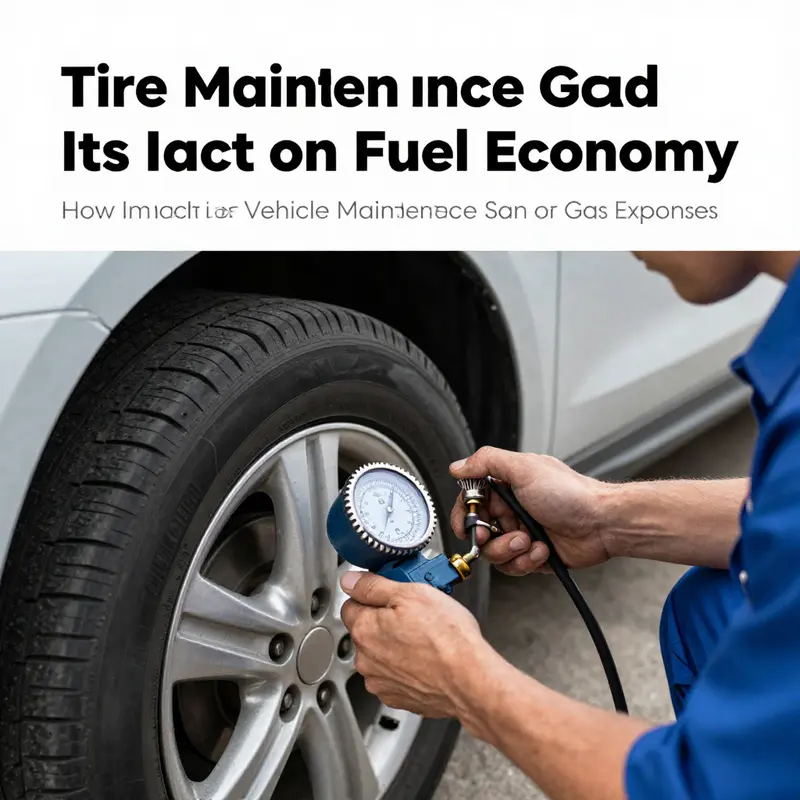
Every time you pull out of the driveway, the tires are the unsung engineers of efficiency. They are the only parts of the car that touch the road, and their condition writes the first line of the fuel economy story. When tires roll smoothly, the engine purrs in a rhythm that uses less energy to keep the vehicle moving. When something is off—an underinflated patch, worn tread, or tires misaligned—the car fights to maintain speed, and fuel ends up burned not just for propulsion but to compensate for the extra friction. In this quiet arithmetic, tire care sits at the intersection of performance, safety, and savings, making it one of the most cost-effective maintenance habits a driver can adopt. The math is straightforward: better contact with the road reduces rolling resistance, and lower resistance means less energy required from the engine to cover the same distance. It is a small adjustment with a meaningful return over months and years of driving. And while the engine tune-ups and filter changes that headline maintenance programs matter, tires are the performer that translates maintenance into miles per gallon on every trip. Rolling resistance is the central concept that ties tire care to fuel economy. As tires rotate, they deform slightly where they meet the road. This deformation is energy lost to heat and internal friction. When tires are underinflated, the contact patch—the area of the tire touching the road—expands, increasing the amount of rubber that must bend and flex with each rotation. The result is higher rolling resistance and more fuel burned to achieve the same speed and distance. Overinflation, on the other hand, can reduce the contact patch and trample traction, causing uneven wear and less grip. The balance is delicate, and the ideal pressure lies in the range specified by the vehicle manufacturer, usually posted on a door jamb or in the owner’s manual. The Department of Energy has summarized the effect well: maintaining the correct tire pressure can improve fuel economy by up to about 3 percent. That’s not a glamorous figure, but it is the kind of practical gain that compounds with every mile. It stacks with other maintenance habits to form a cumulative saving saga rather than a single heroic leap. Tread depth adds another layer to the story. Worn tires behave differently in cornering, braking, and acceleration, and they also carry an invisible fuel penalty. As tread wears down, the tire’s ability to grip and shed water declines, forcing the engine and transmission to compensate for a less responsive tire. The consequence is not only a safety risk but also a subtle drain on efficiency. Replacing tires before tread falls below about 6/32 of an inch helps preserve the designed rolling characteristics and minimizes the extra energy the drivetrain must expend to keep the vehicle on course. It is a threshold drivers can monitor with a simple gauge or a professional inspection, often with no dramatic expense, yet with a tangible payoff in fuel savings and safer handling in wet or slick conditions. The choice of tire itself matters beyond inflation and tread. Low rolling resistance tires are designed with special compounds and tread patterns that reduce energy loss as the tire rotates. These tires are a deliberate investment in efficiency, and many modern vehicles either come with or are recommended to use them for improved fuel economy. Importantly, the benefit is not only about the tire itself. The overall system—the vehicle, how it is driven, the road conditions, and the maintenance schedule—contributes to the outcome. Regular maintenance practices, such as aligning wheels and rotating tires on schedule, ensure that the tires wear evenly and maintain their efficient geometry. Misalignment can create drag that a properly aligned set would not, and the energy cost of that drag translates into more fuel burned over time. Alignment checks, like other maintenance tasks, pay dividends in fuel savings that persist over the life of the tires and the vehicle. This is where the broader maintenance framework connects to the daily fueling equation. The tire’s condition does not exist in a vacuum; it interacts with all the other systems to determine how efficiently a car uses fuel. Proper inflation supports efficient engine operation by reducing unnecessary energy loss in rolling resistance. Adequate tread depth supports predictable traction and braking performance, which in turn reduces the need for aggressive throttle inputs to regain control or to accelerate out of a less certain grip. Regular rotation helps ensure even wear, which sustains consistent rolling resistance across all four tires rather than developing a dominant drag on one corner of the vehicle. And when tires are maintained in harmony with the rest of the drivetrain—air filters clean, spark plugs firing cleanly, oxygen sensors reading correctly—the vehicle operates closer to its designed efficiency, and gas expenses reflect that harmony. The practical value of tire maintenance extends beyond the fuel gauge. There is a recognized safety premium to maintaining proper tire pressure and tread depth. Tires that wear unevenly or sit at the wrong pressure fail to deliver the same stopping performance and cornering stability, particularly in wet or slippery conditions. The safety margin is a companion to the fuel savings; one cannot be fully realized without the other. Consider that the EPA’s estimates for fuel economy improvements often include a bundle of maintenance behaviors, and tire care sits at the heart of that bundle. In aggregate, drivers who stay on top of tire pressure, tread, rotation, and alignment are more likely to see modest but meaningful reductions in fuel usage counted over a year. And while the numbers vary with vehicle type, driving style, and road conditions, the underlying logic remains constant: efficient tires make efficient travel possible. To translate these ideas into a practical routine, begin with a simple cadence: check tire pressure at least once a month and before long trips, using a reliable gauge and the pressure recommended by the vehicle manufacturer. Tire pressure is not a static number; it changes with temperature. Colder weather can depress pressure and degrade performance, while heat can raise it, creating an imbalance that undermines efficiency. A few minutes of monthly attention can prevent the creeping inefficiencies that accumulate over weeks and months. Regular tire rotations—typically every 5,000 to 7,500 miles, depending on the vehicle and driving conditions—help even out wear and preserve uniform rolling resistance across the tire set. Accompanying inspections for alignment ensure that wheels are rolling in harmony rather than fighting drag from a misaligned angle. When a replacement is necessary due to wear, choosing a tire with a lower rolling resistance rating can contribute to continued efficiency, especially on high-mileage vehicles or daily commuters. The economic payoffs, while not always dramatic in a single month, accumulate into a meaningful annual figure. The EPA has estimated that proper vehicle maintenance, including tire care, can save drivers a modest amount—often cited as roughly $100–$200 per year on fuel—across a broad range of vehicles. This range encompasses the cumulative effect of keeping tires inflated, maintaining tread at prudent levels, and carrying out standard maintenance like air filter replacements and spark plug care, which together sustain efficient engine operation and reduced fuel consumption. In other words, tire maintenance is one of the most accessible and cost-effective ways to compress gas expenses without sacrificing performance or safety. The savings show up not only as a lower fuel bill but as a vehicle that handles more predictably and wears more evenly, potentially reducing long-term maintenance costs. In talking about these practices, it is worth acknowledging how interconnected this topic is with everyday driving decisions. The most efficient car in the world cannot deliver savings if it is driven with the same heavy foot that drains a tank on a good day. Yet the tire story is a reminder that small, consistent maintenance acts—checking pressure, keeping tread within a healthy range, and ensuring wheels are aligned and rotated—are powerful levers. They reshape the fuel equation by reducing energy losses in a very direct way: less energy required to overcome rolling resistance, more consistent traction, and longer, safer tire life. The relationship is practical and immediate, and it gives drivers a clear pathway to reduce gas expenses without elaborate upgrades or risky experiments. For readers seeking a quick, practical reference on routine car care aligned with this approach, the Vehicle Tricks blog offers accessible guidance on maintenance habits that translate into real savings. Vehicle Tricks blog is a handy companion as you embed tire care into your monthly routine and as you extend that care to other elements of vehicle maintenance, ensuring that every mile travels a bit farther on each gallon. And as you consider the broader maintenance landscape, remember that tire care forms the foundation for efficient travel. When tires roll properly, the engine requests less energy to do the same work, and the savings accumulate over the life of the vehicle. The road to efficiency is incremental, but with tires maintained at optimal pressure, tread, and alignment, that road becomes a smoother, more economical daily ride. The process is not glamorous, but its impact is tangible, yielding safer journeys and measurable reductions in gas expenses. External resource: https://www.fueleconomy.gov/feg/tire_inflation.shtml
Tune Your Engine, Trim Your Tank: How Regular Tune-Ups Drive Real Gas Savings
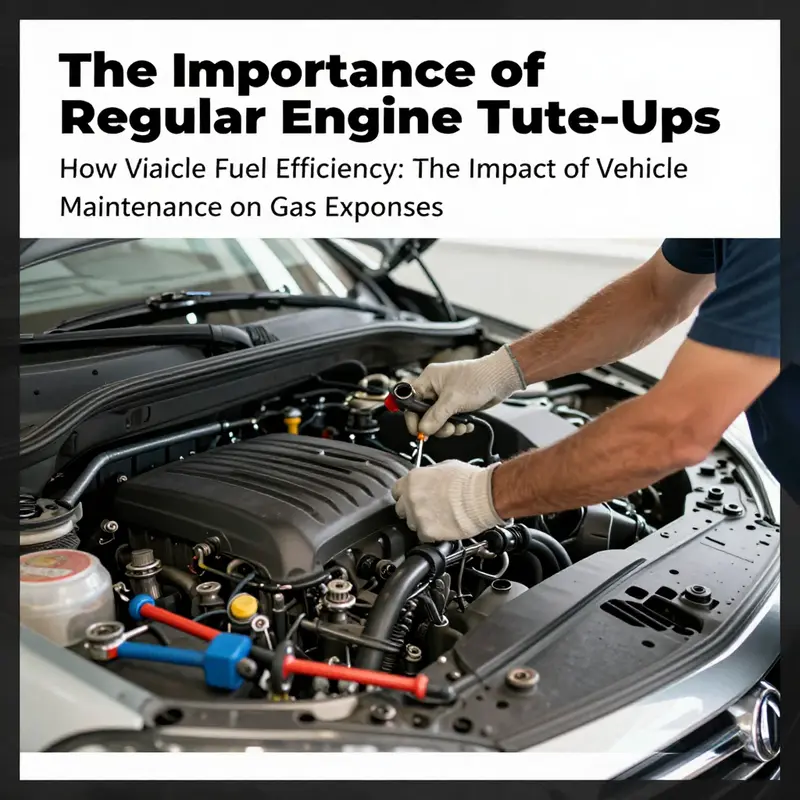
Maintaining a vehicle often reads like a checklist of longevity and reliability, but the benefits extend far beyond avoiding breakdowns. Regular engine tune-ups are a quiet but powerful lever in the ongoing effort to reduce gas expenses. When a car’s heart—its engine—keeps pace with the demands of the road, it breathes cleanly, burns fuel more efficiently, and asks less of your wallet over the miles. The path from routine upkeep to lower fuel costs is not a flashy shortcut; it is a disciplined practice of keeping the engine’s combustion and delivery systems calibrated so they work in harmony with the vehicle’s electronics and the driver’s patterns. In practice, that means spark plugs that ignite with consistent strength, air paths that flow unimpeded, and sensors that relay precise information to the engine control unit (ECU). Each part must be in good working order not in isolation, but as part of an integrated system that turns gasoline into forward motion with minimal waste.
At the core of a tune-up are several components that directly influence how efficiently fuel is used. Spark plugs are the spark that starts the combustion event. As they wear, heat range can shift and the spark can become irregular, causing misfires or weak ignition. When ignition is inconsistent, the engine wastes energy trying to compensate, which translates into more fuel burned per mile. A well-tuned ignition system delivers a clean, powerful spark at the exact moment the ECU expects it. The air-fuel mixture becomes a precise equation rather than a rough guess, and mileage benefits follow. The air filter, too, plays a surprising role. A dirty or clogged air intake chokes the engine, forcing it to compensate by injecting more fuel to maintain power. This imbalance not only robs performance but can quietly erode fuel economy over thousands of miles. The U.S. Department of Energy has underscored this dynamic, noting that replacing a dirty air filter can improve fuel mileage by as much as 10%. While the exact gains vary with vehicle design and driving conditions, the principle is clear: unrestricted air flow supports efficient combustion, which translates to fewer gallons per month.
Another critical piece is the oxygen sensor, which reads the exhaust’s oxygen content and helps the ECU adjust the air-fuel mix in real time. Over time, sensors degrade or become contaminated, producing data the engine uses to miscalculate fuel delivery. The result is a subtle, persistent drift in mixture that can stall efficiency gains and push fuel consumption higher than it should be. A routine tune-up, which includes inspection and cleaning or replacement of aging sensors, keeps this feedback loop honest. It is easy to underestimate how much a single sensor’s performance can influence miles per gallon, but the cumulative effect across a year can be tangible. Modern engines rely on a network of sensors that communicate with the ECU, and when data quality deteriorates, the engine’s timing and fuel delivery can drift away from optimum. The tune-up process, by reestablishing clean data channels, helps restore proper combustion, reserve power, and fuel efficiency.
The beauty of a well-tuned engine is that it works more like a well-tuned orchestra than a single instrument. Each component—spark plugs, air intake, sensors, and the ECU—must perform in sync. The goal is precise ignition timing, clean air supply, and accurate fuel metering. As these elements align, the engine accomplishes more of the energy stored in gasoline in the form of propulsion rather than heat or exhaust. The result is smoother operation, steadier idle, and, crucially, better miles per gallon. Modern electronic systems bring remarkable precision to this alignment, but they are only as good as their inputs. Degraded sensors or worn elements supply poor data, causing the ECU to misread conditions and adjust fuel delivery in ways that waste fuel rather than conserve it. A comprehensive tune-up that addresses both mechanical wear and electronic health is therefore essential for maintaining peak efficiency.
In terms of the broader impact, studies and industry guidance converge on a simple message: routine maintenance, including regular tune-ups, can improve fuel economy by a measurable margin. One robust finding is that regular maintenance aligned with manufacturer recommendations can yield up to a 4% improvement in fuel economy. That improvement, while seemingly modest on a single trip, compounds across a year of driving. For drivers who log substantial annual mileage, the fuel savings can accumulate into a meaningful reduction in fuel costs. The math is straightforward: more efficient combustion means fewer gallons burned for the same distance, which translates to smaller fuel expenditures and less time spent refueling.
A tune-up also pays dividends beyond pure fuel economy. It reduces the risk of engine misfires, runs more smoothly at cruising speed, and lowers the likelihood of expensive repairs that could sidetrack a budget. The logic is preventative: catch wear and degradation early, restore performance, and prevent fuel waste caused by inefficiency. In the long run, a well-maintained engine contributes to a vehicle’s overall reliability and cost of ownership. It is a practical form of financial planning that aligns mechanical health with energy economics, a synergy that becomes particularly visible for drivers who face long commutes or frequent highway travel. The effect of maintaining peak engine performance is not just a matter of saving money; it is also about preserving emissions performance and reducing the environmental footprint associated with unnecessary fuel burn.
To put these ideas into a broader context, consider the simple but often overlooked interplay between engine tune-ups and driving habits. Even with a perfectly tuned engine, aggressive acceleration, excessive idling, and carrying extra weight can erode fuel savings quickly. A scheduled tune-up creates a baseline of efficiency that your driving choices can build upon. When the engine operates at its best, the reward is not just fewer dollars spent on gas, but a more predictable and satisfying driving experience. A car that runs cleanly and consistently responds to throttle input with minimal delay, and it does so without demanding more fuel than necessary for the given load. In this way, tune-ups empower both the machine and the driver to achieve a shared goal: economical and reliable travel.
The practical takeaway is simple and actionable. Schedule tune-ups in line with manufacturer intervals, and treat them as opportunities to verify the health of the engine’s critical systems, not as a routine service burden. During these visits, request a comprehensive check that includes spark plugs, air filter, oxygen sensors, and the related electronic control systems. The caches of data that the ECU uses to optimize fuel delivery rely on clean inputs; restoring those inputs through a thoughtful tune-up protects your fuel economy and helps you avoid the hidden costs of inefficiency. This approach does not require dramatic changes to your lifestyle or driving style, but it does demand a commitment to proactive care. When you invest in a tune-up, you pay a little now to save a little more later—the kind of prudent maintenance that quietly keeps your tank fuller for longer.
For readers seeking a concise repository of practical maintenance wisdom, the Vehicle Tricks blog offers a wealth of context and tips that complement the science of engine tune-ups. It provides approachable, hands-on guidance for drivers who want to translate maintenance principles into daily habits. Vehicle Tricks can serve as a friendly companion as you implement a regular tune-up routine and observe the resulting changes in your fuel efficiency. This unity of guidance—from reputable research results to accessible practical advice—helps drivers connect the dots between a well-tuned engine and measurable gas savings.
As a closing reflection, regular engine tune-ups anchor fuel economy in tangible mechanics rather than elusive optimism. They remind us that efficiency is a property of systems working together over time. A spark plug that fires consistently, an air path that breathes freely, a sensor that reports faithfully, and an ECU that executes precise fuel delivery—all of these elements contribute to a car that goes farther on the same amount of gasoline. The savings accumulate not through a single dramatic improvement but through steady maintenance that preserves performance, curtails waste, and reduces the environmental impact of each mile traveled. In that sense, tune-ups are not merely maintenance; they are a proactive investment in the economy of motion, a steady, repeatable method for keeping fuel costs in check while preserving the reliability that every driver relies on.
External resource for further reading: How to Save Fuel.
Breathing Easier, Driving Farther: Fixing Mechanical Issues to Cut Gas Costs Through Maintenance
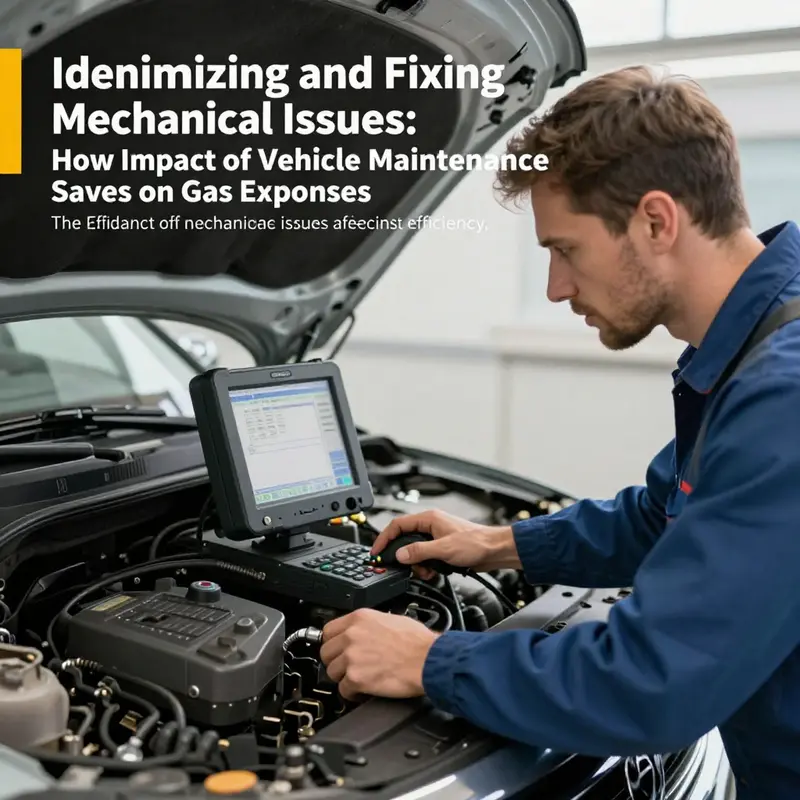
Fuel economy is rarely a single trait defined by one part of the car. It’s the sum of countless tiny mechanics working in concert. When a vehicle is well cared for, the engine doesn’t have to compensate for avoidable drag, friction, or misfires. The result is smoother operation and, crucially, lower fuel consumption over time. This chapter examines how identifying and fixing mechanical issues—before they become expensive problems—helps a driver save on gas. It isn’t about chasing a miracle tune-up; it’s about a disciplined approach to maintenance that keeps every component singing in tune, so the car uses less fuel to do the same work. The savings accrue not in dramatic bursts but in steady, cumulative drops in consumer costs that show up at the pump and in the wear-and-tear budget of the vehicle as a whole.
The engine’s core job is simple in theory: convert the chemical energy of fuel into kinetic energy to move the car. In practice, that conversion is a chain of precise steps. Oil reduces friction, allowing the pistons to glide with minimal resistance. Air must flow freely to meet fuel in the right proportions. The exhaust and emissions systems regulate byproducts so the engine can run efficiently without running lean or rich. Any deviation from optimal operation invites inefficiency. A neglected oil change, for instance, increases internal friction. The engine has to work harder to maintain the same output, which translates into more fuel burned per mile. Over weeks and months, that extra consumption adds up to a noticeable cost differential.
Oil changes are a touchstone of this logic. Oil isn’t merely lubrication; it is a heat sink and a barrier that reduces wear. When you skip or delay changes, viscosity degrades, protecting the engine less effectively. The engine’s tolerances widen, and the system’s efficiency narrows. The immediate clue is often a drop in performance, but the long-term signal is fuel that costs more to deliver the same mileage. This is not a speculative claim. It aligns with the basic physics of friction and the practical realities of engine wear. The driver may not notice the difference in the moment, but across a tank’s worth of miles, the message becomes clear: regular oil changes keep the engine’s internal friction low, which helps maintain the intended fuel economy.
Air filters play a similarly quiet but powerful role. A clean air filter ensures the engine receives the air it needs to mix with fuel in the correct ratio. A clogged or dirty filter restricts airflow, causing the engine to compensate by injecting more fuel to maintain performance. The consequence is a less efficient air-fuel mixture, higher exhaust emissions, and, yes, more gasoline wasted for each mile traveled. The impact can be surprisingly tangible. Clean air filters can contribute to measurable gains in fuel economy, particularly in urban driving where engines cycle on and off and require consistent, unobstructed air flow to respond quickly to throttle input. The mechanism is straightforward: better air intake supports more precise combustion, which reduces excess fuel usage.
Tire maintenance is another quiet driver of savings. Proper tire inflation minimizes rolling resistance, the resistance the tires offer as they roll along the pavement. Underinflated tires flex more, requiring more energy from the engine to maintain the same speed and distance. Over time, the extra energy translates into higher fuel consumption. The Department of Energy has quantified this effect, noting that proper tire inflation can boost fuel efficiency by a few percentage points. That number may seem modest in isolation, but it compounds across weekly commutes, road trips, and city errands. And it isn’t simply a matter of gas mileage in the abstract. Given the cost of fuel, even a modest improvement per mile adds up to real money saved across the life of a vehicle.
Beyond the basics of oil and air, the car’s sensors and exhaust components are central to efficiency. Oxygen sensors monitor the exhaust’s oxygen content and feed information to the engine control unit to adjust the air-fuel mixture. A failing sensor causes the engine to run too rich or too lean, reducing fuel economy and potentially increasing emissions. The catalytic converter, which reduces pollutants, can also influence efficiency if it becomes clogged or malfunctions. In either case, the engine has to work harder to deliver the same performance, translating into higher fuel use. While these problems may seem distant to the average driver, they translate into real-world costs in the form of more frequent fill-ups if left unaddressed. Regular diagnostic checks can catch these issues before fuel efficiency declines sharply.
Detecting problems early is where maintenance becomes a cost-saving discipline, not a reactive ritual. Regular inspections—visits timed with the manufacturer’s service intervals—act as a screening process, catching misalignments, worn components, and sensor faults before they degrade efficiency. Diagnostic tools, including OBD-II scanners, empower drivers and technicians to read the engine’s health signals, identify excess fuel usage patterns, and pinpoint the root causes. The role of data in this context is practical: a clear picture of how the car’s subsystems interact helps distinguish a true mechanical issue from a temporary drivability quirk. When such insights are used to guide timely repairs, the vehicle stays closer to its designed fuel economy, and the door remains open to savings rather than surprise bills.
This is why consistency matters. The research landscape consistently points to tangible gains from regular upkeep. Vehicles that receive maintenance on a predictable schedule show measurable improvements in fuel economy—roughly a few percentage points on average, but enough to matter over years of driving. The practical takeaway is simple: a few well-timed service visits, a handful of sensor checks, and attention to the basics—oil, filters, tire pressure—can yield a fuel economy benefit that surpasses the cost of the service itself. The math is straightforward. If you save even 4-5 percent on your annual fuel consumption by keeping the car in peak operating condition, the savings compound across thousands of miles and dozens of tankfuls. The effect is not a dramatic one-tank miracle but a steady, reliable drift toward lower fuel expenses over time.
A key element of this approach is treating maintenance as a preventative investment rather than an optional expense. When you embrace proactive checks, you aren’t simply chasing a problem you already hear or feel; you are maintaining the vehicle’s operating envelope. The result is smoother starts, steadier idle quality, and a more consistent power band. For drivers who log many miles, those benefits translate into fewer trips to the shop, less downtime, and, importantly, a consistent, predictable fuel expenditure. The discipline of scheduled maintenance reframes the way a driver budgeting for fuel thinks about the car: maintenance becomes a savings strategy that reduces the volatility of fuel costs rather than a recurring line item that just eats into monthly income.
Consider the practical routine: a quick, regular check of oil level and viscosity, a glance at tire pressure with a reliable gauge, and a quick inspection of visible air filters and hoses. If the car supports it, plug in an OBD-II reader periodically to scan for pending codes or abnormal sensor readings. This little practice turns maintenance from a calendar-driven chore into a data-informed habit. The payoff isn’t restricted to one season or one model year; it compounds with every mile you drive. In environments where fuel prices swing, the advantage of a well-tuned engine grows clearer: you’re more likely to notice and address inefficiencies before they become costly, unexpected spikes in fuel spend.
The broader story here is that you don’t need a fleet of specialists to capture these gains. A disciplined, informed driver can make a meaningful difference by treating maintenance as a foundational element of fuel economy. The evidence supports a practical vision: routine tasks—oil changes, air-filter replacement, proper tire inflation, and sensor checks—are not merely maintenance chores. They are investments in the car’s efficiency. The better the engine breathes, the less fuel it wastes to do the same work. The math is persuasive, and the everyday experience of drivers who keep up with maintenance bears it out: steady upkeep leads to steadier, lower fuel costs over the long haul.
To explore how this approach fits into a broader practice of car care, see the maintenance guidance shared in the Vehicle Tricks community Vehicle Tricks. The point is to translate the science into everyday behavior. A well-maintained car is a more efficient machine because its parts operate in harmony, not in isolation. In the end, the goal is straightforward: fewer visits to the gas station for the same miles driven, and more confidence that your car will deliver the performance you expect without wasting fuel on avoidable friction and resistance. For those who want to deepen the connection between maintenance and fuel economy, the available research and practical guidance offer a clear path forward. As you plan the next service interval or roadside check, imagine the fuel you’ll save as a direct dividend of the care you provide your vehicle.
For a credible, detailed overview of the science behind maintenance and fuel efficiency, a respected government resource provides a thorough explanation of how proper upkeep supports economy on the road: Fuel Economy and Vehicle Maintenance. This external reference anchors the practical guidance in the chapter, underscoring that the relationship between maintenance and fuel savings is grounded in established automotive science rather than anecdote. The take-away remains clear: maintenance is not optional if you want predictable fuel costs. Regular checks and timely fixes keep the engine’s performance aligned with its design, which translates into less fuel burned per mile and a more economical journey over time.
Fuel-Smart Car Care: The Financial Benefits of Consistent Maintenance and Its Hidden Gas-Saving Power

Routine vehicle maintenance is often framed as a reliability play, a shield against breakdowns and expensive repairs. Yet beneath that safety net lies a quieter, more powerful financial lever: fuel efficiency. When a car receives consistent, thoughtful care, its engine can perform at peak efficiency, and the ride itself becomes less costly to operate over time. This is not about dramatic, one-off fixes; it is about steady attention to the small, often overlooked details that collectively trim the cost of every mile. In practical terms, maintenance helps ensure that the combustion process uses fuel as efficiently as possible, that the engine’s moving parts glide rather than grind, and that the tires roll with minimal resistance. All of these factors converge to reduce the amount of fuel a vehicle needs to cover the same distance, which translates into real money saved at the pump over months and years. The effect might seem incremental at first, but for drivers with heavy annual mileage, those incremental gains compound into meaningful financial relief.
Consider the engine’s air path as a gatekeeper for efficient combustion. A clean air filter allows unfettered air into the engine, supporting proper air-fuel ratios and smooth engine timing. The opposite scenario—an air filter that is clogged or dirty—forces the engine to work harder to maintain power, which in turn increases fuel consumption. The research highlights a practical detail that many drivers overlook: replacing a dirty air filter can improve fuel mileage by as much as 10 percent, depending on the starting condition and driving conditions. This is not a hype claim but a reflection of how small airflow restrictions can degrade efficiency. A few minutes spent inspecting or replacing the filter during a scheduled maintenance window can yield tangible savings at the pump. The same principle applies to other precision components in the intake and fuel system. Spark plugs, fuel injectors, and even sensors that monitor oxygen and exhaust composition play roles in achieving clean, complete combustion. When these parts are clean and functioning, the engine does not have to burn extra fuel to compensate for suboptimal ignition or incomplete combustion. The savings accumulate for drivers who rack up miles across weeks and seasons as the engine operates closer to its designed efficiency curve.
Tire maintenance—often the most visible and approachable maintenance task—offers another reliable route to gas savings. Proper tire inflation reduces rolling resistance, the friction that the engine must overcome to move the vehicle along the road. When tires are under-inflated, the engine must generate more torque and power to maintain speed, which translates to higher fuel consumption. The manufacturer’s recommended tire pressure is typically found on the driver’s door jamb, not on the tire’s sidewall, and is tested to optimize both fuel economy and tire longevity. Checking tire pressure once a month, preferably when tires are cold, and adjusting to the recommended level can provide immediate efficiency gains. Beyond economy, correctly inflated tires also wear more evenly, extending tire life and reducing the frequency of premature replacements. The benefit is double: less fuel burned and lower tire replacement costs over time.
Maintenance also acts as an early warning system for conditions that quietly erode fuel economy. Misaligned wheels, worn suspension components, or malfunctioning oxygen sensors can alter the way a vehicle uses fuel. A misalignment can cause dragging or increased rolling resistance, which the engine must overcome with additional energy. Faulty oxygen sensors can misread exhaust composition, prompting inefficient adjustments to the air-fuel ratio and poorer combustion. Regular checks and servicing help catch these issues before they saps fuel efficiency or trigger more expensive repairs. In other words, routine upkeep creates a financial shield that prevents wasted fuel from slipping into the budget under the guise of normal wear and tear.
The practical value of maintenance compounds when paired with smart driving habits. Driving behavior—gentle acceleration from stops, avoiding unnecessary engine revving, and maintaining a steady speed—works in tandem with a well-tuned engine to preserve fuel economy. For most vehicles, fuel efficiency peaks at moderate highway speeds, typically within a cruising range that balances aerodynamic drag and engine load. Anticipating traffic, easing into stops, and choosing efficient routes all reduce the fuel wasted through acceleration and idle time. When the maintenance baseline is solid, these driving strategies become even more effective, because the car has fewer quirks to compensate for and less energy to expend to achieve desired speed and momentum. In this synergy, maintenance and driving choices create a reliable momentum: the car can sustain efficient operation across varying conditions instead of slipping into fuel-hungry modes when components drift out of spec.
From a budgeting perspective, the impact of consistent maintenance on fuel costs can be quantified in practical terms. Studies have shown that routine maintenance can yield fuel economy improvements of up to a few percentage points, with some findings indicating gains around 4 percent for vehicles that are serviced regularly and kept in good condition. While four percent might seem modest on a single trip, the effect compounds for high-mileage drivers and over the annual gas expense. The math becomes straightforward: a predictable, ongoing maintenance routine lowers the price per mile driven. For many households, that means fewer dollars spent each year at the fuel pump and more room in the budget for other essentials—or for reinvesting in better upkeep that sustains efficiency.
A cornerstone of this approach is alignment between maintenance schedules and real-world use. Vehicles that spend extended periods in stop-and-go urban traffic will respond differently than those that see long highway stretches. Yet even in a city context, a clean air pathway and properly inflated tires reduce the engine’s workload, yielding consistent savings across seasons. Equipment checks that guarantee clean fuel delivery and accurate sensor readings help avoid the energy cost associated with suboptimal combustion. The value of such diligence extends beyond fuel; it reduces emissions, lowers operating temperatures, and helps prevent small problems from escalating into costly repairs. The incremental spent today, when redirected into a smart maintenance plan, becomes fuel savings tomorrow.
For drivers seeking credible, practical guidance, the U.S. Department of Energy’s Fuel Economy Guide provides science-backed recommendations on how maintenance and driving behavior affect fuel use. The guide offers tailored advice for different vehicle types and driving scenarios, underscoring that the combination of regular upkeep and mindful driving delivers the best returns. In the real world, the guidance translates into a simple, repeatable routine: check the air filter and tires as part of a monthly or quarterly schedule, address misalignments or sensor faults promptly, and cultivate a driving style that minimizes abrupt acceleration and excessive idling. The payoff is a steadier, more predictable fuel budget that helps households adapt to fluctuations in gas prices without sacrificing reliability or comfort.
A practical way to integrate these insights is to frame maintenance as a strategic expense rather than a routine annoyance. Define a simple yearly plan that prioritizes air and fuel-system cleanliness, tire health, and wheel alignment, followed by targeted checks of ignition components and sensors. This approach keeps maintenance costs reasonable while delivering measurable fuel savings. And because many of these tasks can be completed during routine service visits, you build efficiency into your schedule without introducing extra appointments or downtime. In this light, maintenance becomes not a cost to be minimized but an investment that protects the value of the vehicle through lower running costs, preserved performance, and longer service life.
When the maintenance conversation moves from fear of breakdowns to the business case for savings, drivers gain a more complete perspective. The same care that preserves horsepower and reliability also protects the wallet. The air filter, the tires, the alignment, and the sensors collectively shape how efficiently a vehicle uses fuel. The improvements may be gradual, but they are durable, consistent, and cumulative. The result is a vehicle that runs not only smoother but cheaper to operate, with fuel costs that reflect the quality of the care it receives. In a world of rising energy prices and growing gasoline bills, that consistency matters. It matters to families calculating monthly budgets, to commuters who count every mile, and to anyone who wants the science of efficiency to translate into tangible, repeatable outcomes. The chapter of fuel-smart maintenance is not a long, abstract lecture; it is a practical field guide for turning everyday upkeep into ongoing savings, and it invites drivers to picture their vehicles as partners in a more economical journey.
For readers who want a pragmatic starting point, consider the idea of linking maintenance with learning. Track the benefits you observe after each service—notice the feel of a smoother idle, the steadier braking, or the diminished thirst at the pump as winter blends into spring. Document those changes and translate them into a simple cost comparison: the money spent on a service versus the money saved on fuel in the following weeks or months. You may find that the most impactful fixes are often the least glamorous: a tire pressure check here, a filter swap there, a reminder to schedule a wheel alignment. These small acts, repeated over time, become the backbone of a cost-conscious driving routine and a more predictable fuel budget.
An additional layer of accountability can come from a shared study or a community-based benchmark. When neighbors or coworkers adopt a similar maintenance cadence, they can compare fuel economy gains, track maintenance costs, and calibrate expectations. The collective experience—your personal data plus that of others—creates a clearer picture of how routine care translates into real-world savings. In this way, maintenance becomes not only a personal habit but a reproducible standard that others can imitate to achieve comparable results. The broader implication is clear: consistent vehicle upkeep is a practical, evidence-based path to reducing fuel expenses, and it anchors a responsible approach to car ownership that benefits both budgets and the environment.
To close the loop, the chapter returns to the present moment of routine, mindful care. It invites drivers to view maintenance not as a chore but as a financial ally that helps cap gas costs in a volatile market. By prioritizing clean air pathways, proper inflation, precise alignment, and accurate sensor feedback, owners empower their vehicles to do what they were designed to do—operate efficiently. The payoff is immediate in day-to-day driving and cumulative over seasons and years. The story is consistent with what the science suggests: regular maintenance raises fuel economy, sometimes by several percentage points, and those gains are amplified by disciplined driving and prudent budgeting. It is, in essence, a practical framework for translating care into cash in the pocket, and any reader can begin this transformation with a simple next step—schedule a routine check, inspect tire pressures, and commit to a more thoughtful driving rhythm.
Internal link: When exploring how modern driving features intersect with efficiency, a practical resource discusses stop-start systems and related efficiency tips, providing a concrete example of how maintenance and driving behavior work together. Start-Stop Battery Charging and Car Efficiency Tips
External resource: For a comprehensive, science-based overview of fuel economy strategies, the U.S. Department of Energy’s Fuel Economy Guide offers detailed guidance and vehicle-specific tips. Visit the guide at https://www.fueleconomy.gov/feg/ for further reading and current recommendations.
Final thoughts
Investing in regular vehicle maintenance not only enhances performance but also acts as a cornerstone for reducing fuel expenses. By addressing air filtration, tire pressure, engine health, and mechanical issues, business owners can optimize their operational costs significantly. With every element of a vehicle intertwined in its overall efficiency, a proactive maintenance strategy yields financial benefits that compound over time. As fuel prices fluctuate, this approach serves as a buffer against rising costs, ensuring that your investments translate into savings. Ultimately, a well-maintained vehicle fleet strengthens your business’s bottom line and contributes to sustainability efforts.